Summer Living: Contemporary Property Styling and Design Inspiration
By Housey · Last reviewed 30th of May 2026
Summer Living: Contemporary Property Styling and Design Inspiration
Summer shifts the rhythm of a home. In the UK, where outdoor seasons are relatively short, the warmer months encourage a reassessment of how inside and outside space connect, how natural light is used, and how comfortable a property actually feels. Whether you are preparing your home for sale, refreshing it for your own enjoyment, or planning longer-term improvements, summer is a practical moment to evaluate what is working and what could be better — and most styling changes require no planning permission or building work.
Key points
- Kerb appeal directly influences buyer first impressions; estate agents and property platforms consistently report that well-maintained exteriors generate more viewing requests in a competitive market.
- Biophilic design — incorporating natural materials, planting, and natural light — has a measurable positive effect on occupant wellbeing, referenced in guidance from CIBSE and the WELL Building Standard.
- Replacement glazing must meet minimum thermal performance standards under Approved Document L of the Building Regulations: a whole-window U-value of no more than 1.6 W/m²K for new or replacement windows.
- Linen and cotton textiles are practical summer interior choices for UK homes, replacing heavier fabrics that retain heat and dust; both photograph well for property listings and are allergen-friendlier.
- External painting of rendered or masonry walls is best carried out in dry conditions between April and October, using a breathable masonry paint to avoid trapping moisture in solid-wall or stone properties.
Creating indoor-outdoor flow in UK homes
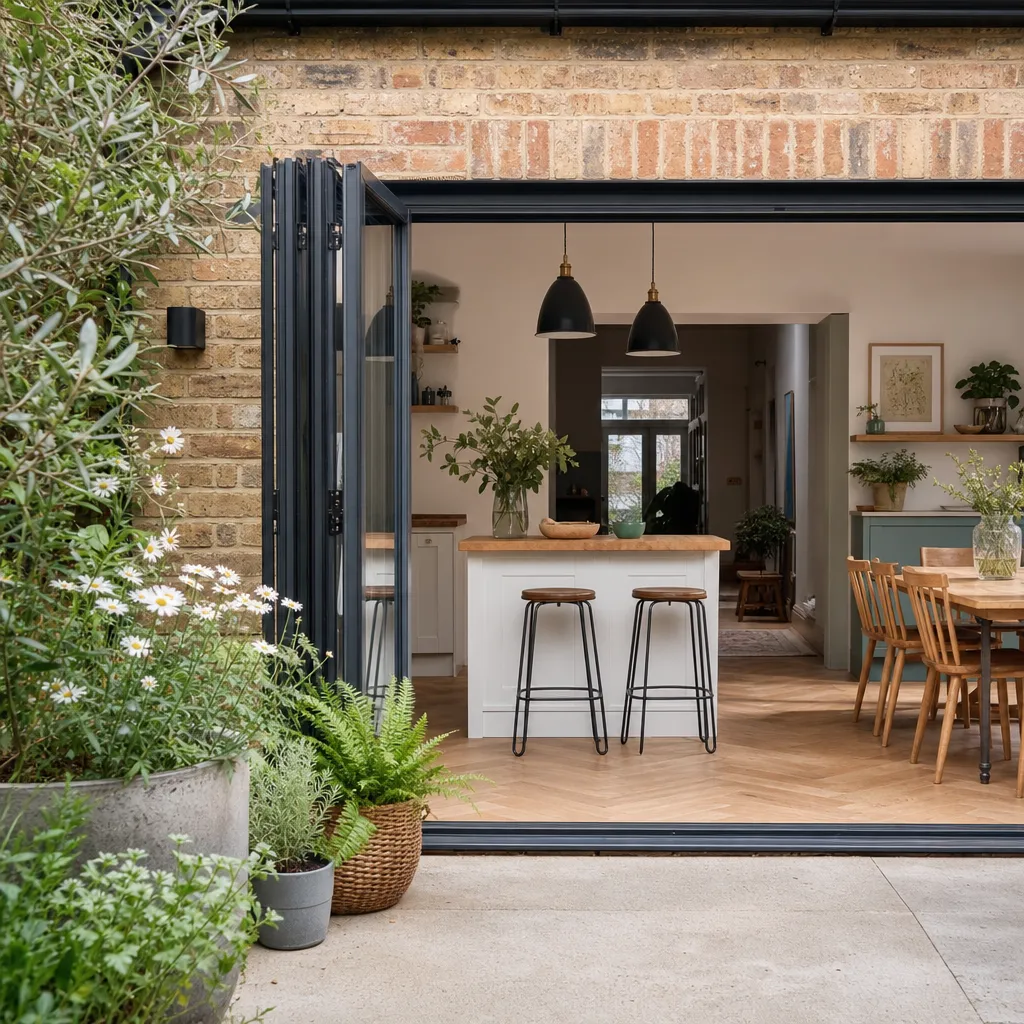
The most consistent theme in contemporary UK property styling is the connection between inside and outside. This extends well beyond a pair of French doors into the garden — it involves a considered sequence of materials, colours, and levels that draws the eye from the interior into the outdoor space.
Glazing and openings: Wide-opening glazed doors — bifold or large-format sliding systems — are the single most effective structural intervention for indoor-outdoor connection. These typically require Building Regulations approval and, if replacing a load-bearing element, structural engineer input. The design impact is significant: a wide threshold removes the visual barrier between a kitchen-dining space and a terrace, and the resulting light improvement transforms the character of the room.
Material continuity: Where budget allows, continuing the same or complementary floor surface from inside to outside — large-format porcelain tiles flowing from an open-plan kitchen onto a terrace, for example — creates a visually seamless transition. Ensure external tiles carry a suitable slip rating (R11 or higher is generally recommended for external use).
Threshold design: The level transition between interior and exterior has structural, drainage, and accessibility implications. Flush or near-flush thresholds are increasingly specified but require careful waterproofing detailing to prevent water ingress at the junction.
Contemporary summer colour palettes for UK interiors
Summer styling in contemporary UK interiors has moved away from stark white minimalism towards warmer, more textured palettes. Popular directions include:
Palette direction | Key tones | Best suited to | Material partners |
|---|---|---|---|
Warm neutrals | Putty, stone, warm greige | Victorian terraces, 1930s semis | Limewash plaster, oak, linen |
Coastal and natural | Pale sand, sage, terracotta | Coastal and rural properties | Rattan, jute, bleached wood |
Garden-led greens | Sage, olive, forest green | Properties with garden views | Brass, natural stone, linen |
Warm whites | Off-white, chalk, cream | New-build and contemporary homes | Concrete, pale oak, glass |
Bold accents | Burnt orange, cobalt, mustard | Feature rooms and hallways | Plaster walls, natural textiles |
Colour choices for properties being prepared for sale benefit from staying within the warmer neutral range, which photographs well and appeals to the widest range of buyers. Bolder colours work well when styling for personal enjoyment rather than the market.
Outdoor living areas: practical design for UK gardens and terraces
The UK's unpredictable climate means outdoor living areas benefit from a degree of practical planning that purely aesthetic schemes can overlook.
Shade and shelter: A pergola, sail shade, or retractable awning extends the usable season of a terrace considerably. A freestanding pergola under approximately 2.5 m in height within the curtilage of a house may fall within Permitted Development, but check with your local planning authority — particularly in conservation areas.
Furniture choices: Powder-coated aluminium or high-quality teak furniture offers durability and low maintenance suited to the UK climate. Synthetic rattan furniture made from HDPE (high-density polyethylene) fibres provides a softer aesthetic while remaining weatherproof year-round.
Planting as structure: Structural planting — box topiary, clipped yew, olive trees in large pots, or tall ornamental grasses — provides a framework for outdoor styling that photographs well and improves with time. A garden designer can advise on species suited to the specific microclimate and aspect of your plot.
Lighting: Solar-powered LED stake lights, festoon lighting between posts, and recessed deck lights extend the season of outdoor spaces into evenings without requiring new electrical runs. Where permanent external electrical installations are planned, a Part P-compliant electrician registered with NICEIC or NAPIT should carry out the work.
Summer styling checklist for UK homeowners
Exterior
Interior
Outdoor living area
When to get professional help
Most summer styling changes are within the scope of a motivated homeowner. However, certain improvements that summer often prompts — such as new glazed doors, raised external decking, or structural changes to the garden — involve regulatory considerations or skilled installation. Consider professional help when:
- Installing replacement windows or doors — ensure installers are FENSA-registered or use an equivalent Competent Persons Scheme to self-certify compliance with Building Regulations.
- Planning significant structural landscaping, retaining walls, or raised decking over 300 mm — these may require structural assessment.
- Considering a kitchen extension to improve indoor-outdoor flow — planning permission and Building Regulations will apply.
How Housey can help
For homeowners looking to take outdoor styling further, Housey can connect you with experienced garden designers for outdoor schemes who can create a cohesive outdoor design suited to the size, setting, and budget of your property — from a simple planting plan to a full garden redesign with hard landscaping.
Frequently asked questions
Does replacing a front door require Building Regulations approval in England?
Yes, in most cases. Replacing a front door in England is subject to Building Regulations and must meet minimum thermal performance standards under Approved Document L. The installer must either use a Competent Persons Scheme such as FENSA or CERTASS to self-certify compliance, or apply for building control approval through the local authority. Failure to use a registered installer can create complications on resale.
Do I need planning permission to add a pergola to my garden?
A freestanding pergola in a garden often falls within Permitted Development and does not require planning permission, provided it meets certain conditions — including height limits and the restriction that it cannot cover more than 50% of the curtilage of the original house. Permitted Development rights may be more restricted in conservation areas or for listed buildings. Always check with your local planning authority.
What outdoor furniture materials last best in the UK climate?
Powder-coated aluminium, high-quality teak, HDPE synthetic rattan, and galvanised steel are generally the most durable choices for the UK climate. Untreated softwood, natural rattan, and MDF-based products deteriorate quickly outdoors in UK conditions and typically require winter storage or regular maintenance to remain serviceable.
Is it worth hiring a garden designer for a small garden?
Garden designers can add significant value even to small urban gardens by resolving layout, drainage, and planting challenges that are not always obvious to homeowners. Many designers offer consultation packages suited to smaller projects. A well-designed small garden can meaningfully improve both quality of life and buyer appeal.
Sources and further reading
- Approved Document L: Conservation of Fuel and Power — HM Government
- FENSA — Competent Persons Scheme for windows and doors — FENSA
- Planning Portal — Outbuildings and garden structures — Planning Portal / GOV.UK
- Energy Saving Trust — Double glazing guidance — Energy Saving Trust
- Permitted Development rights for householders — technical guidance — GOV.UK
Useful next reads
 Improvement & Build
Installing Peel-And-Stick Wallpaper: Application Techniques
Peel-and-stick wallpaper works best on smooth, emulsion-painted walls cured for at least 30 days, in rooms between 13°C and 30°C.
 Improvement & Build
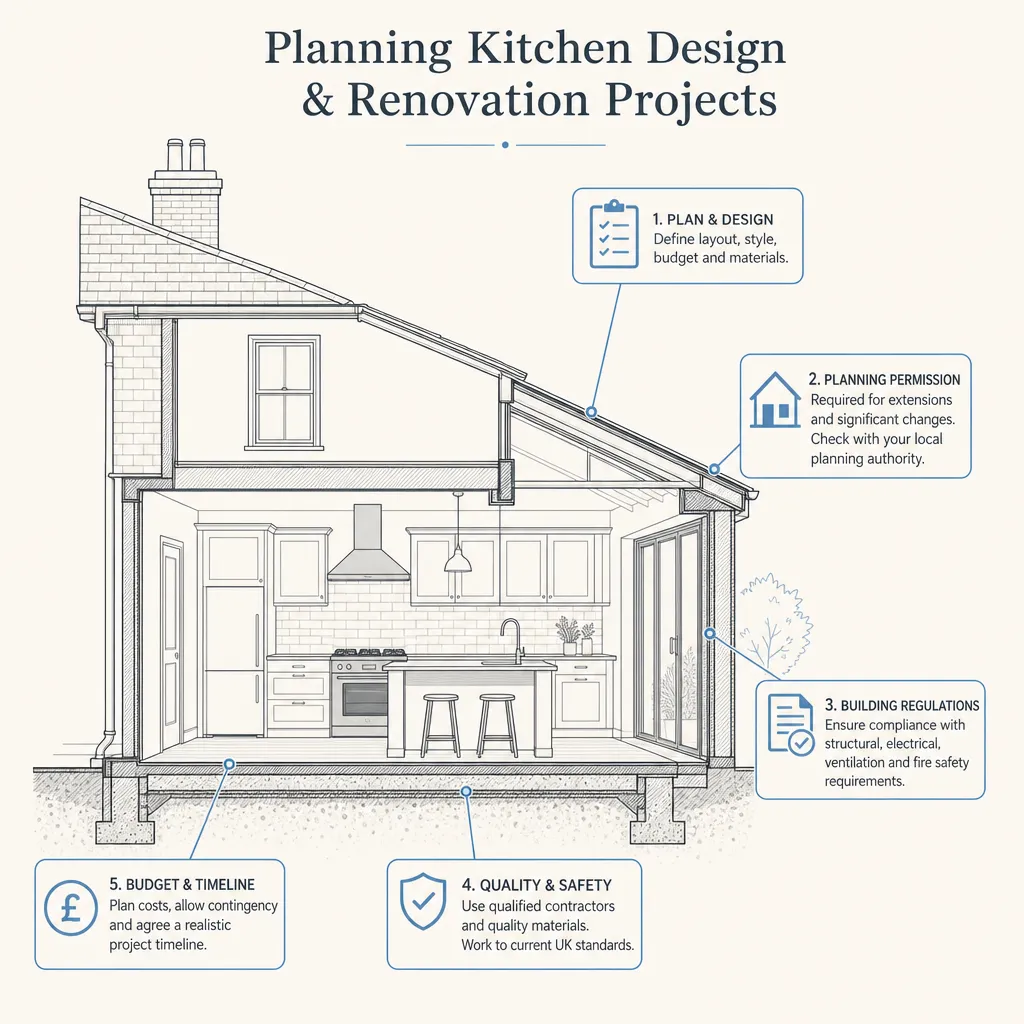
Planning kitchen design and renovation projects
Planning a kitchen renovation in the UK typically involves choosing a layout, setting a budget, deciding which contractors you need, and understanding which regulations apply.
 Improvement & Build
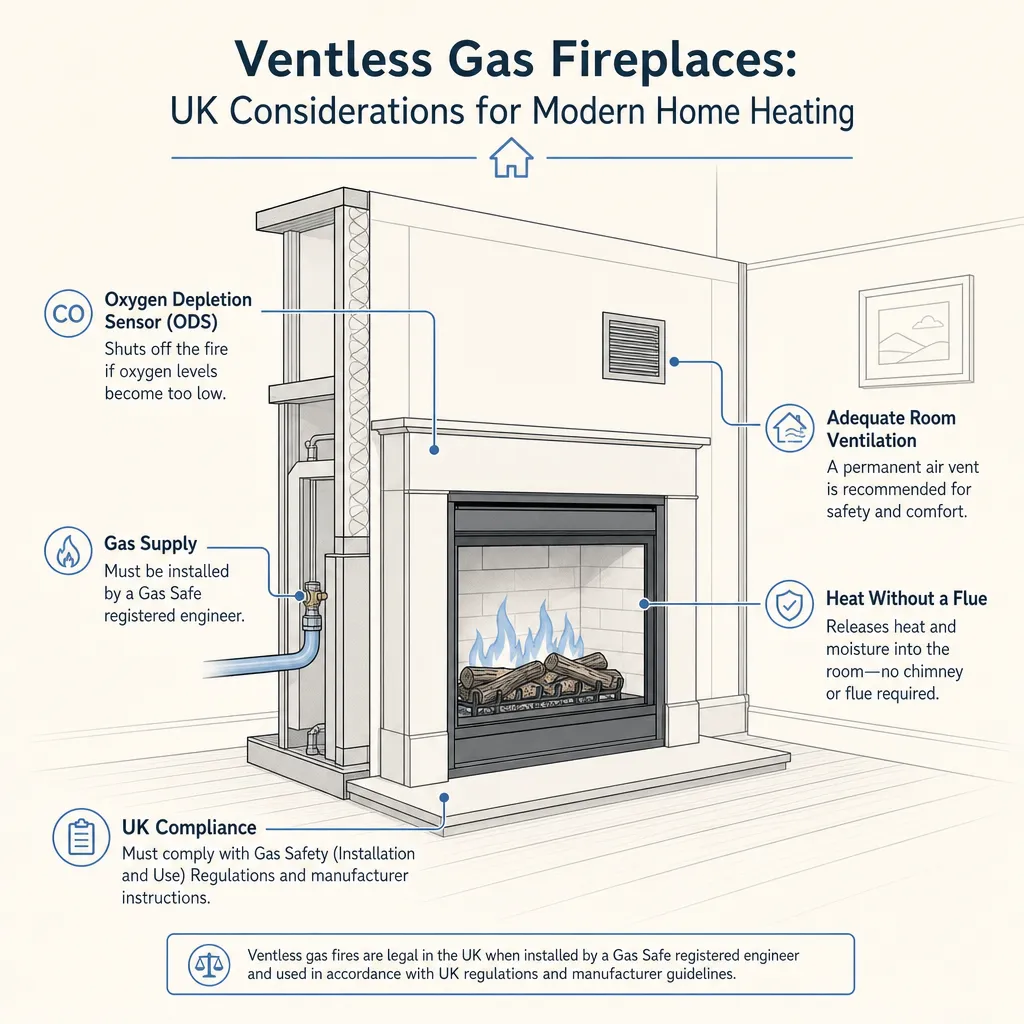
Ventless Gas Fireplaces: UK Considerations for Modern Home Heating
In the UK, ventless gas fires are known as flueless gas fires and are permitted only in specific circumstances under Building Regulations Approved Document J and the Gas Safety Regulations 1998.
 Improvement & Build
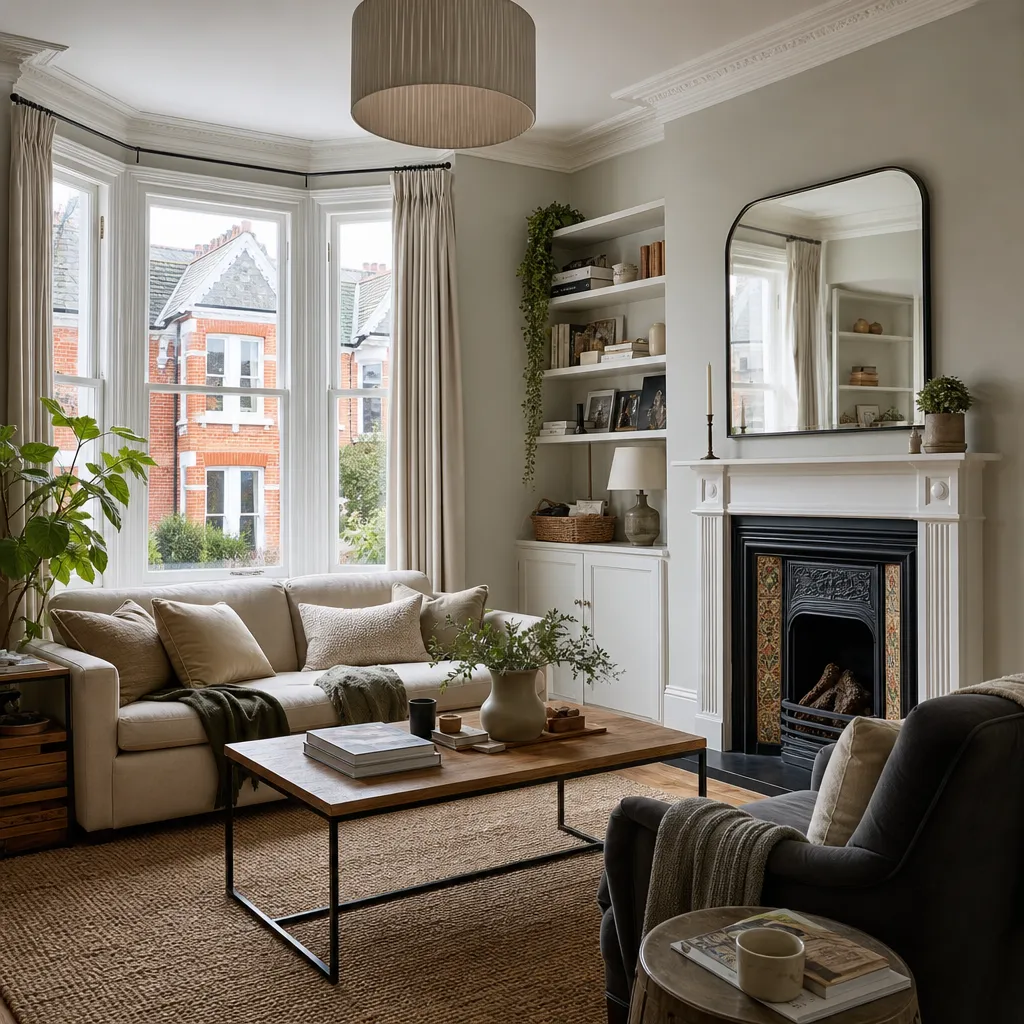
Creating Your Home Sanctuary: Design and Comfort Principles
Creating a home sanctuary is about balancing sensory comfort, functional layout, and personal aesthetic.
 Improvement & Build
Professional Advice on Home Interior Design and Decoration
In the UK, interior designers typically handle space planning, material specification, and contractor coordination, while decorators focus on surface finishes and styling.