Sustainable Outdoor Maintenance and Eco-Friendly Garden Care
By Housey · Last reviewed 30th of May 2026
Sustainable Outdoor Maintenance and Eco-Friendly Garden Care
The collective environmental footprint of UK residential gardens is substantial — and so is the potential for homeowners to reduce it. Growing awareness of pollinator decline, soil degradation, and water scarcity, combined with UK regulatory changes around pesticides, peat, and surface drainage, means sustainable garden practices are increasingly the practical default for anyone who wants a resilient, lower-maintenance outdoor space rather than a niche concern for committed environmentalists.
Key points
- The UK Government is progressing a phased restriction on peat compost sales to amateur gardeners in England; peat-free alternatives based on coir, composted bark, and wood fibre are now widely available from major UK retailers.
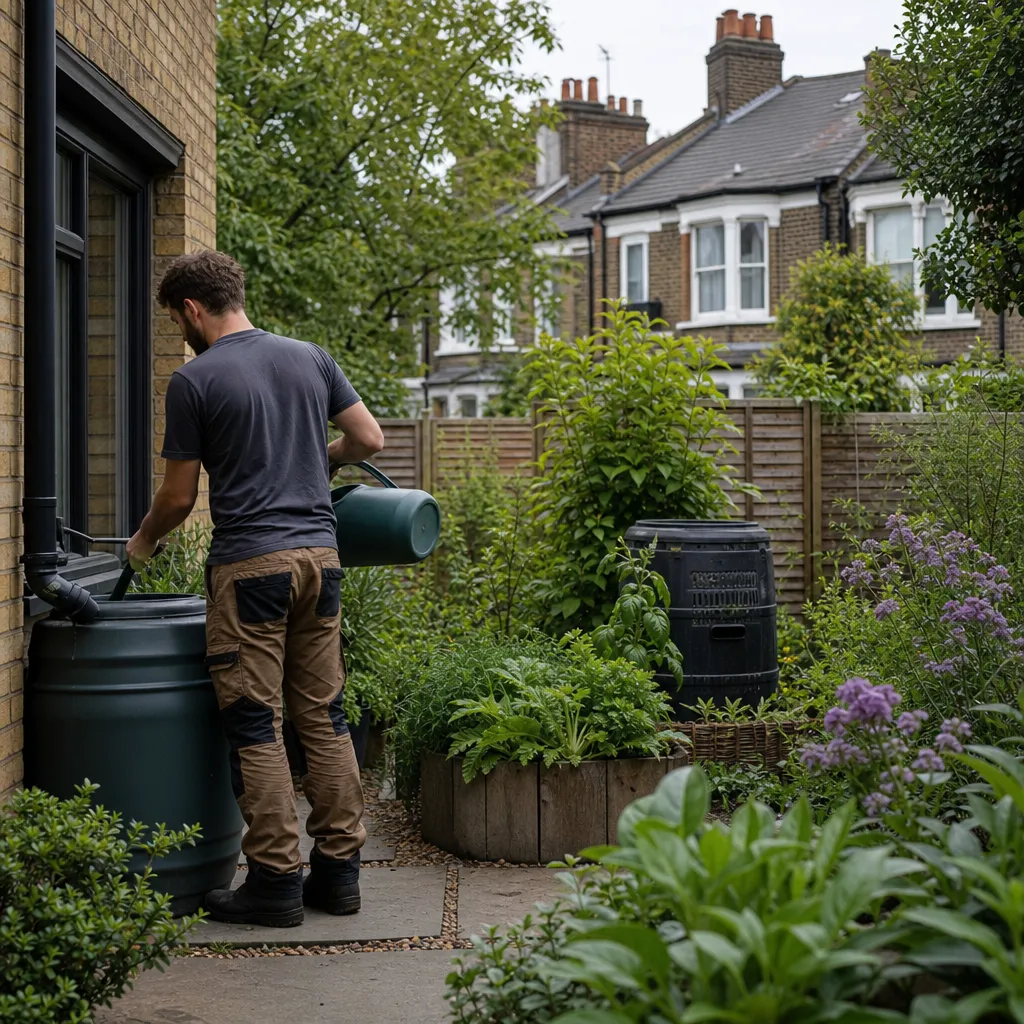
- A standard 210-litre water butt connected to a downpipe can collect an estimated 24,000 litres of rainwater per year from an average UK roof, significantly reducing dependence on mains water for garden irrigation.
- Several systemic insecticides containing neonicotinoids are restricted for outdoor use in the UK under the post-Brexit regulatory regime administered by the Health and Safety Executive (HSE); check the HSE pesticide register before using any systemic insecticide in a garden.
- Under the Town and Country Planning (General Permitted Development) (England) Order 2015, paving a front garden with permeable materials does not require planning permission; installing more than 5m² of impermeable hard standing in a front garden does.
- The UK's private gardens cover a larger total area than all the country's designated nature reserves combined, giving domestic garden management a measurable collective impact on local biodiversity and water quality.
Why sustainable practice matters in UK gardens
Private gardens in the UK are not simply decorative. They function as water absorption surfaces, wildlife corridors, carbon stores in soil organic matter, and microclimate regulators. The increasing frequency of hosepipe bans under the Water Industry Act 1991 has made water conservation a practical financial concern as well as an environmental one. Meanwhile, the documented decline in populations of common insects, birds, and small mammals across the UK has created genuine interest among homeowners in managing their gardens to support wildlife.
Sustainable practice also tends to reduce long-term maintenance costs. Gardens managed with less chemical input, more organic matter, and water-efficient planting structures often become progressively easier to maintain as soil health improves.
Water management and rainwater harvesting
Water butts: The simplest and most cost-effective single water-saving measure most UK homeowners can make. A 210-litre butt fills quickly during moderate UK rainfall; linking multiple butts in series through an overflow pipe significantly increases capacity. Many UK water companies offer subsidised water butts — check your supplier's website or local council.
Reducing irrigation demand: Mulching beds with bark, wood chip, or composted material to a depth of 5–10cm dramatically reduces soil moisture loss through evaporation. Choosing drought-tolerant species suited to your soil type and aspect is the most durable long-term solution.
Permeable surfaces: Replacing impermeable concrete or tarmac with permeable block paving, gravel, or planted surfaces helps rainwater soak into the ground rather than running directly into surface drains. This reduces pressure on drainage infrastructure during heavy rainfall and reflects the SuDS (Sustainable Drainage Systems) principles embedded in the Flood and Water Management Act 2010.
Soil health: composting and peat-free growing media
Composting: A well-maintained compost heap or closed bin converts garden and kitchen waste into a free soil conditioner, diverting organic material from landfill where it would decompose anaerobically and produce methane. Compostable materials include grass clippings, plant prunings, vegetable peelings, and cardboard — avoid meat, cooked food, and diseased plant material.
Switching to peat-free: The UK Government's intention to phase out peat compost sales for amateur gardeners in England reflects the ecological importance of peat bogs, which store large quantities of carbon and support specialist habitats. Peat-free alternatives are now available across major UK garden retailers and perform comparably for most seed sowing, potting, and general garden use.
Reducing synthetic fertilisers: Slow-release organic fertilisers — composted manure, blood fish and bone, seaweed meal — feed soil biology rather than bypassing it. This supports earthworm populations, improves long-term soil structure, and reduces the risk of nutrient run-off into waterways.
Conventional vs. eco-friendly garden practices: a comparison
Practice area | Conventional approach | Eco-friendly alternative | Primary benefit |
|---|---|---|---|
Growing media | Peat-based compost | Peat-free (coir, bark, wood fibre) | Protects peat bog habitats; lower carbon release |
Lawn feeding | Synthetic NPK fertiliser | Organic topdressing; microclover overseed | Improved soil biology; reduced run-off risk |
Pest control | Systemic synthetic insecticide | Physical barriers; companion planting; biological controls | Protects pollinators; reduces chemical load |
Irrigation | Hosepipe from mains supply | Water butt and drip irrigation; drought-tolerant planting | Reduced mains use; hosepipe ban resilience |
Hard surfaces | Impermeable concrete or tarmac | Permeable paving, gravel, or planted surfaces | Improved drainage; reduced flood risk |
Green waste | General waste bin | Home composting or council green waste collection | Reduced methane emissions; free soil conditioner |
Wildlife-friendly management
UK private gardens can support a wide range of species if managed with habitat connectivity in mind. Small, practical changes have measurable effects:
- Hedgehog access: Create a 13cm × 13cm gap at the base of at least one fence panel — the standard recommended by the British Hedgehog Preservation Society for hedgehog movement between gardens.
- Native and wildlife-friendly planting: Hawthorn, hazel, single-flower roses, viburnum, and ivy provide nectar, berries, and shelter for insects, birds, and small mammals. Single-flower cultivars are far more accessible to pollinators than fully double-flowered varieties.
- Retain winter structure: Avoid cutting back perennials, seed heads, and shrubs between October and February where possible — dead stems and seed heads provide overwintering habitat and food for birds.
- Log and leaf piles: A small undisturbed area with a log pile and accumulated leaf litter supports beetles, slow worms, toads, and overwintering insects without requiring any ongoing maintenance.
Eco-friendly lawn management
Traditional UK lawns maintained with regular mowing, synthetic fertilisers, and selective herbicides are high-input environments with limited biodiversity value. Practical alternatives include:
- Reducing mow frequency: Cutting every fortnight rather than weekly in the growing season, and leaving one strip or patch unmowed until late August, allows wildflowers and soft grasses to flower and support pollinators.
- Microclover overseed: Mixing in microclover (Trifolium repens) reduces the lawn's nitrogen fertiliser requirement, as clover fixes atmospheric nitrogen naturally.
- Grasscycling: Leaving fine grass clippings on the lawn after mowing — provided cuts are not too infrequent — returns organic matter and nutrients to the soil without additional cost or effort.
Homeowner eco-garden checklist
When to get professional help
Most sustainable garden practices are well within DIY capability. Consider a professional when significant changes to drainage or hard surfaces are planned (a landscaper or groundworker can advise on SuDS-compliant solutions), when you want a complete sustainable garden design integrating water management and planting from the outset, when soil contamination from previous land use is suspected before you begin growing food, or when sustainable garden improvements connect with wider home energy or retrofit works.
How Housey can help
For homeowners who want professional support in creating a more sustainable outdoor space, Housey connects you with experienced garden designers and landscapers who can advise on eco-friendly materials, planting, and drainage solutions. If your garden plans form part of a wider home energy project, our retrofit assessments service can help you look at the full picture.
Frequently asked questions
Is peat compost still legal to buy in the UK?
As of 2026, peat-based compost is still sold in many UK garden centres, though the Government has signalled its intention to phase this out for amateur gardeners in England. Scotland has moved ahead with its own restrictions. Peat-free alternatives are widely available from major retailers and perform well for most domestic garden uses.
Can I use water butt rainwater on vegetable crops?
Yes, and it is generally recommended. Rainwater is soft, close to neutral pH, and well-suited to most garden plants. Water vegetable crops at the base rather than overhead to reduce the risk of soil splash and fungal disease on foliage and fruit.
Do I need planning permission to replace front garden paving with permeable materials?
No. Under the Town and Country Planning (General Permitted Development) (England) Order 2015, laying permeable surfaces in a front garden does not require planning permission. Replacing more than 5m² of front garden with impermeable hard standing does require permission. Wales, Scotland, and Northern Ireland may have different rules.
Are neonicotinoid pesticides banned in UK gardens?
Several outdoor uses of neonicotinoid-containing insecticides are restricted in the UK following HSE assessment. Emergency authorisations for specific agricultural applications have been granted on a case-by-case basis. For garden use, check current product labels and the HSE pesticide register before applying any systemic insecticide, particularly on flowering plants visited by pollinators.
Sources and further reading
- Peat in horticulture: consultation and evidence — GOV.UK (DEFRA)
- HSE pesticides register — Health and Safety Executive
- RHS sustainable gardening hub — Royal Horticultural Society
- Hedgehog Street campaign — British Hedgehog Preservation Society
- Water saving at home — Energy Saving Trust
- Front gardens and paving: permitted development guidance — Planning Portal (GOV.UK)
Useful next reads
 Energy & Retrofit
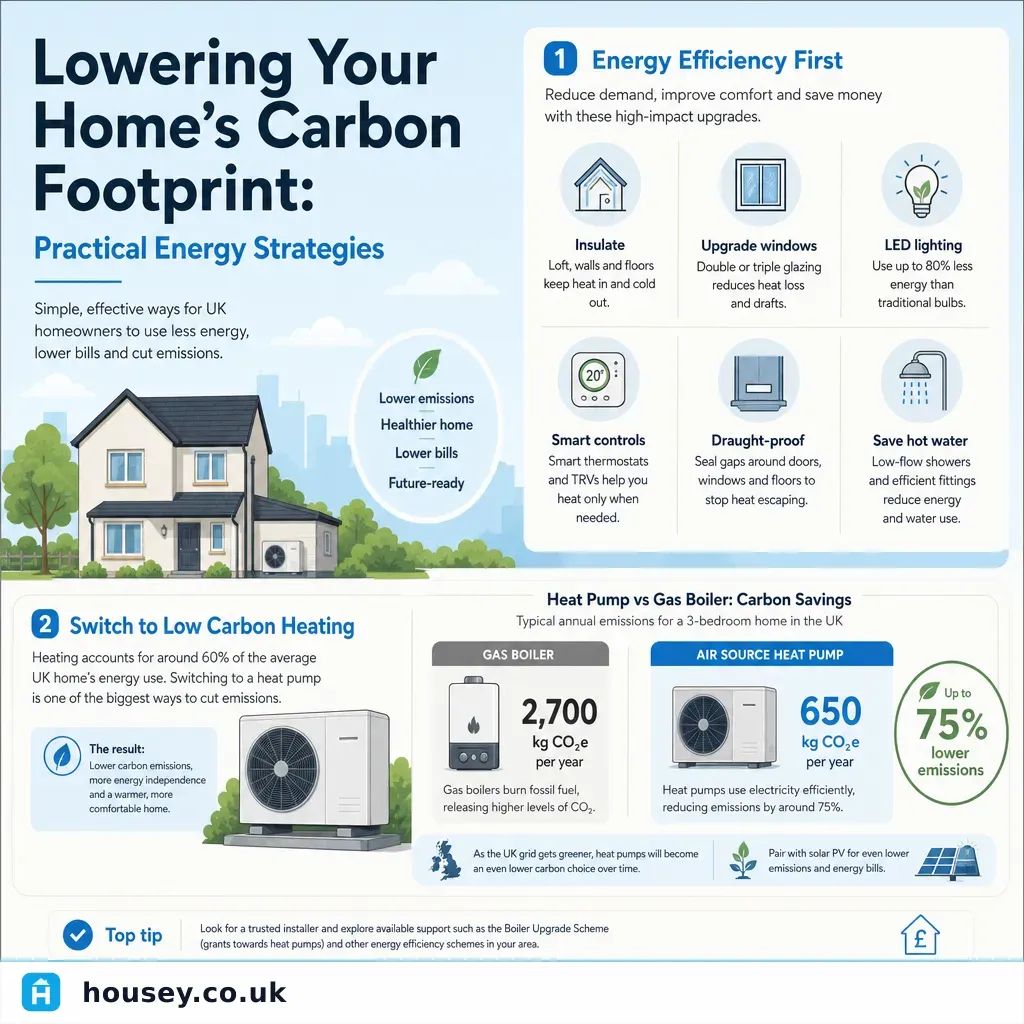
Lowering Your Home's Carbon Footprint: Practical Energy Strategies
UK homes produce around 19% of national greenhouse gas emissions, mostly from gas heating.
 Energy & Retrofit
Gas Boiler vs Electric Heating: Comparing Costs in the UK
Gas boilers currently cost around 6.
 Energy & Retrofit
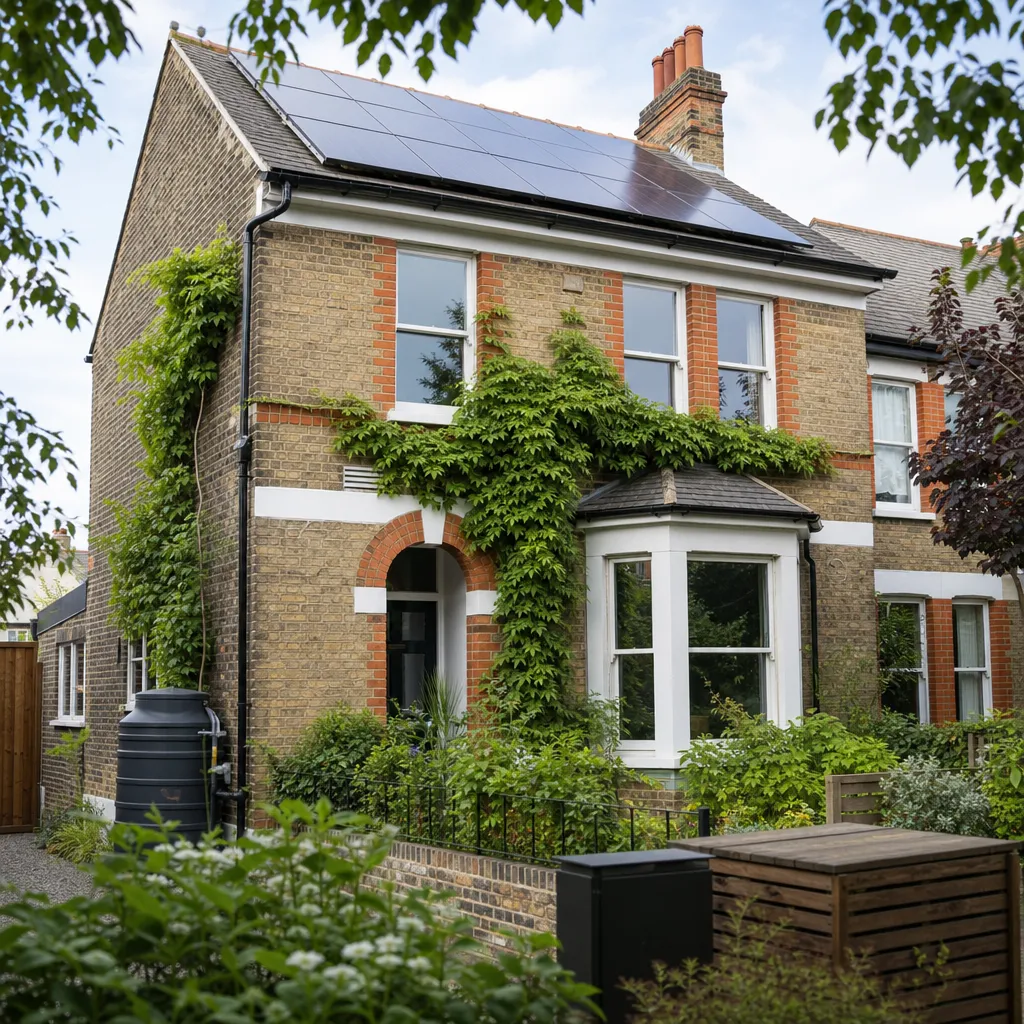
Sustainable Homes: Features That Reduce Environmental Impact
Sustainable homes reduce environmental impact through high levels of insulation, airtight construction, low-carbon heating such as heat pumps, solar energy generation, efficient water use, and responsibly sourced materials.
 Energy & Retrofit
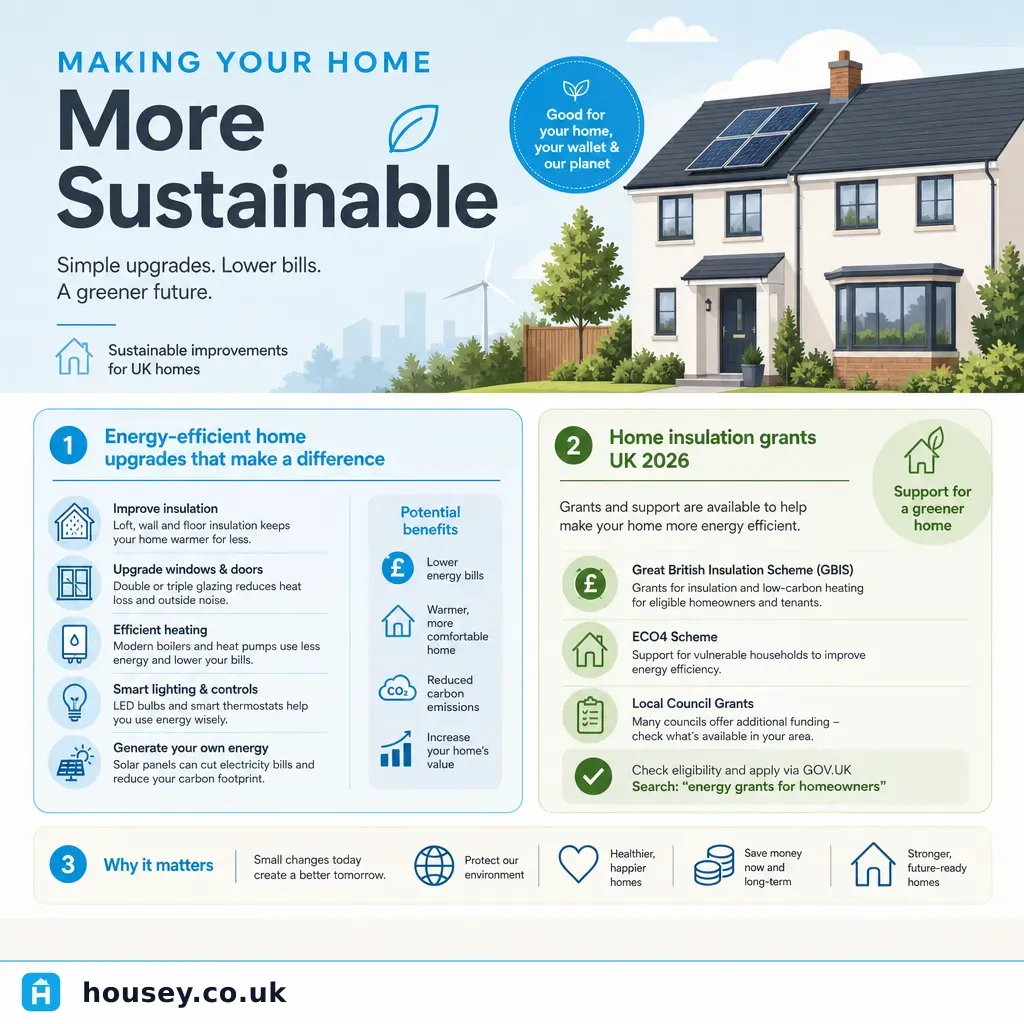
Making your home more sustainable
Making a UK home more sustainable usually starts with fabric-first improvements such as insulation, draught-proofing, and efficient glazing before adding renewable energy systems like solar panels or a heat pump.
 Energy & Retrofit
Sustainable Building Materials for Home Projects and Retrofits
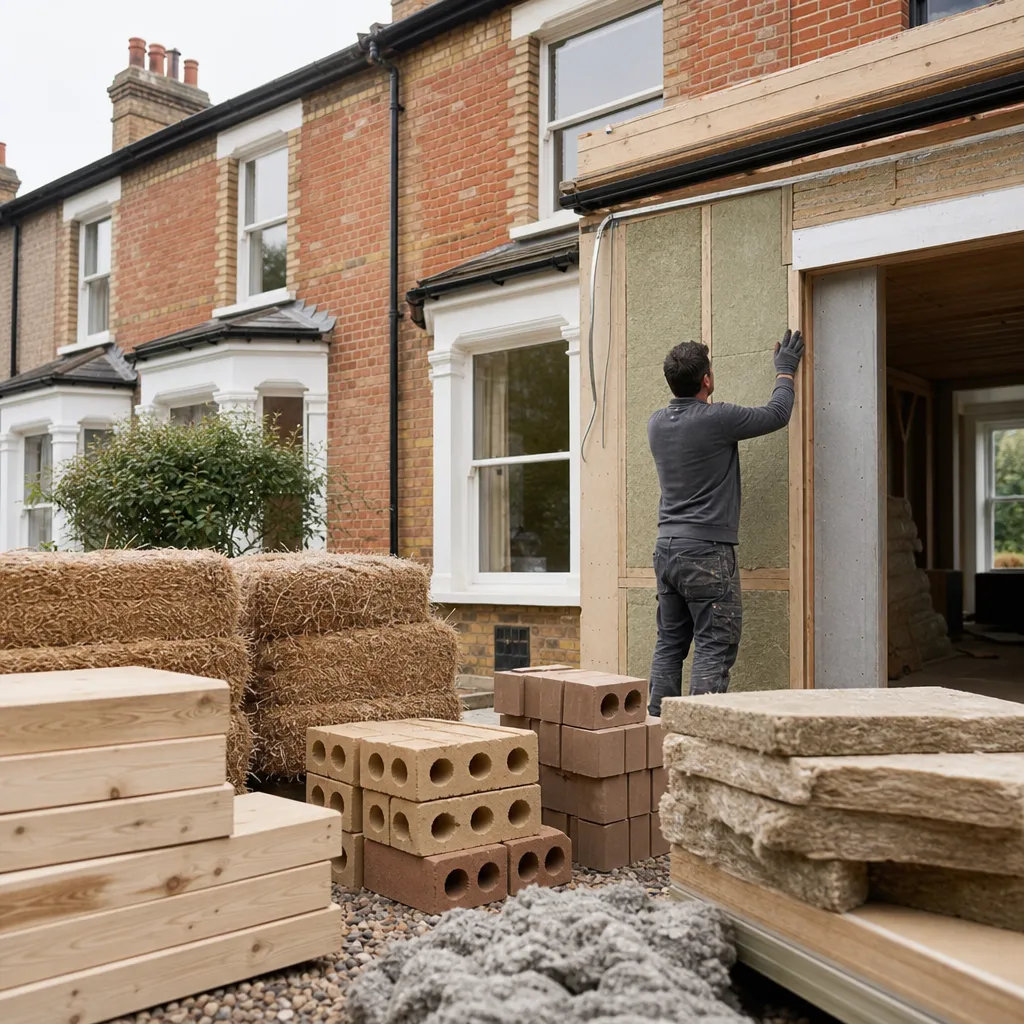
Sustainable building materials for UK homes range from low-embodied-carbon insulation — wood fibre, sheep's wool, hemp — to FSC-certified structural timber and reclaimed stone or brick.