Tar and Gravel Roofing Systems: Material Properties and Application Methods
By Housey · Last reviewed 25th of May 2026
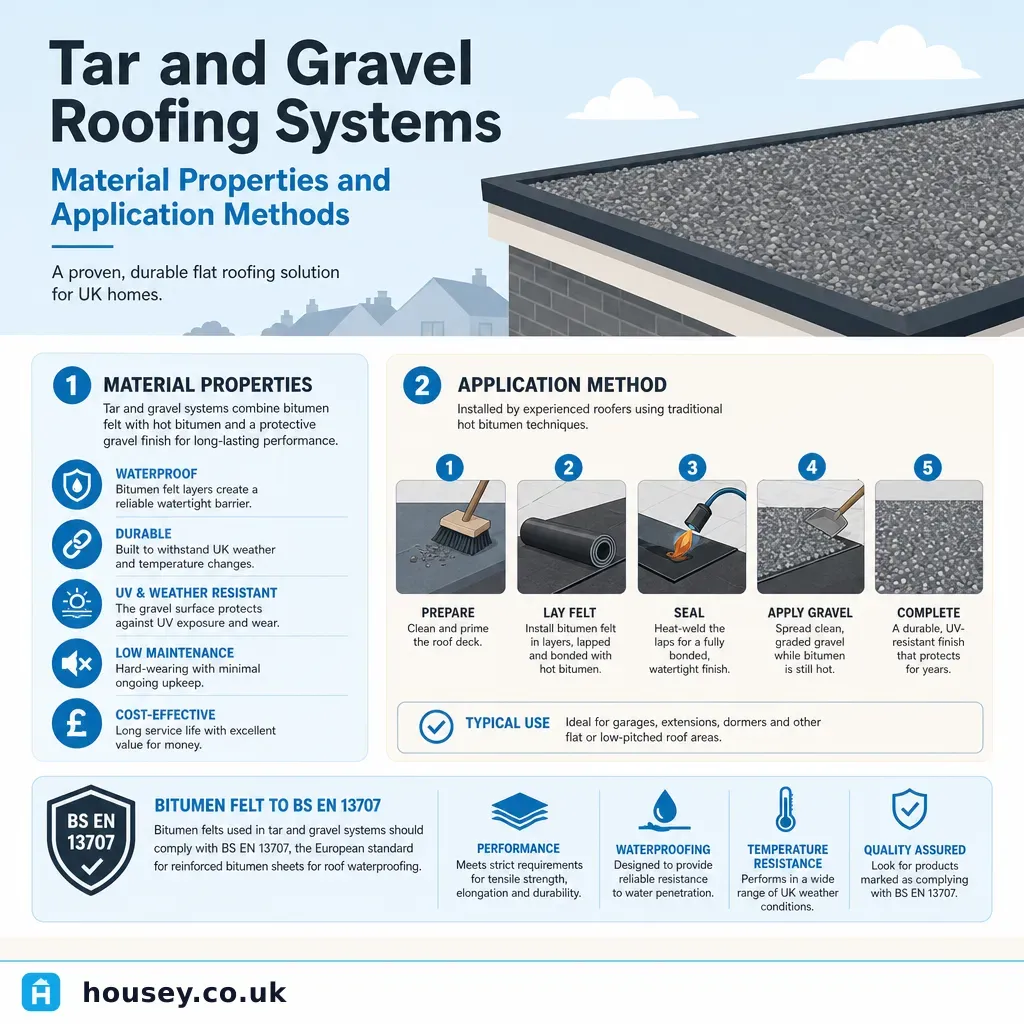
Tar and Gravel Roofing Systems: Material Properties and Application Methods
Built-up roofing with a stone aggregate finish is one of the oldest domestic and commercial flat roofing systems in use across the UK, and it remains widely specified today despite the growth of single-ply and GRP alternatives. If you are specifying a flat roof for a new extension, comparing contractor quotes that recommend different systems, or trying to understand what is currently on your existing roof, a clear picture of how built-up systems are constructed — and what their material properties mean in practice — is a useful foundation for making informed decisions.
Key points
- Built-up roofing (BUR) systems use bitumen as both the waterproofing agent and the bonding layer; the informal term "tar and gravel" persists from when coal tar was used, but modern systems use petroleum-derived bitumen.
- Felts used in UK built-up roofing are classified under BS EN 13707 (reinforced bitumen sheets for roof waterproofing); polyester-reinforced Type 5 felts significantly outperform older organic-core Type 3 felts in tensile strength and longevity.
- Hot-poured bitumen application has largely been replaced on UK domestic projects by torch-on (flame-welded) and cold-applied systems, primarily for safety and practical reasons.
- Stone chippings on the surface are specified under BS 8217 (flat roof code of practice) and must be of appropriate type, size, and application rate to provide UV protection, fire resistance, and wind-uplift resistance.
- BS 8217:2005 (Reinforced bitumen membranes for roofing — Code of practice) is the primary British Standard for design and workmanship on built-up felt roofs.
The materials in a built-up flat roof system
Bitumen: the waterproofing agent
Despite the informal name, modern built-up roofing uses bitumen — a petroleum-derived thermoplastic material — not coal tar, which fell out of common use in UK roofing by the 1990s. Three types are encountered in practice:
- Oxidised (blown) bitumen: produced by blowing air through hot bitumen to create a harder, stiffer material. Widely used in traditional post-war UK built-up roofing.
- APP-modified bitumen (Atactic Polypropylene): bitumen modified with a plastomer for improved flexibility and UV resistance. Common in torch-on systems.
- SBS-modified bitumen (Styrene-Butadiene-Styrene): bitumen modified with an elastomer for better low-temperature flexibility. Also used in torch-on membranes.
Modified bitumens (APP and SBS) generally offer better long-term performance than unmodified oxidised bitumen, particularly across the UK's temperature range.
Reinforcement felts
The felt is the structural carrier for the bitumen layer. UK specifications reference three main types under BS EN 13707:
Felt type | Core material | Performance | Typical use |
|---|---|---|---|
Type 3 | Organic fibre (jute or glass) | Lower tensile strength; older specification | Underlay or base layers on older installations |
Type 4 | Glass fibre | Dimensionally stable; moderate strength | Base and intermediate layers |
Type 5 | Polyester reinforcement | High tensile and tear strength; best performance | Top and intermediate layers on modern specifications |
Modern UK specifications typically use polyester-reinforced (Type 5) felt for the cap sheet and intermediate layers, with a glass-fibre base layer. Upgrading from a legacy three-layer Type 3 system to a polyester-reinforced specification significantly improves lifespan and water resistance.
Aggregate (chippings)
Stone chippings serve multiple functional roles:
- UV protection: bitumen degrades rapidly under prolonged UV exposure; chippings shield the cap layer from direct sunlight
- Fire resistance: aggregate provides a Class BROOF(t4) fire classification in most specifications
- Wind uplift resistance: ballast weight contributes resistance, particularly at roof perimeters
- Thermal buffering: chippings reduce temperature extremes at the membrane surface, extending felt life
Typical aggregate is 20 mm limestone, granite, or flint chippings applied at approximately 12–15 kg/m². Chippings should be clean, angular, and uniform in size. Round river gravel provides lower friction at the bitumen interface and is not recommended.
Application methods
Torch-on (flame-welded) — most common in the UK
The underside of the felt roll is melted with a propane torch as it is unrolled, fusing the bitumen to the substrate or the layer below. Torch-on is the dominant method on UK residential and light commercial roofs. It requires competent operatives, appropriate insurance, and formal hot-works procedures. Incorrectly applied flame creates a serious fire risk to the deck and structure.
Cold-applied (adhesive-bonded)
Cold-applied systems use solvent-based or water-based bitumen adhesives rather than heat. They carry a lower fire risk and are suitable where hot works are restricted — for example, near combustible substrates or in occupied buildings. Application is generally slower and requires careful temperature management to achieve adequate bond strength.
Hot-poured bitumen
The traditional method, now uncommon on domestic UK projects. Bitumen is heated in an on-site boiler to 200–250°C and poured between felt layers as the roof is built up. Hot-pour requires specialist equipment, significant fire safety precautions, and formal hot-works permits on most sites.
Deck compatibility
Deck type | Compatibility | Key considerations |
|---|---|---|
Timber boarding or plywood | Yes — most common for domestic | Must be dry, flat, and structurally sound; vapour control layer essential below insulation |
Concrete | Yes — common on commercial | Surface must be clean and primed; falls to drainage must be designed into the structure |
Metal (steel decking) | Yes, with appropriate specification | Requires vapour barrier; thermal bridging risk at fixings |
OSB (oriented strand board) | Yes, if Type 3 specification or above | Check with system supplier; some adhesives are sensitive to OSB resin content |
What not to assume
- "Tar and gravel" does not mean coal tar. True coal tar roofing (used before around 1990) is a chemically distinct material. If you are removing a pre-1990 flat roof, ask your contractor about the composition of the existing materials before any disturbance begins.
- Chippings are functional, not decorative. Removing or redistributing chippings without replacing them strips UV protection from the cap sheet and will typically void any installer warranty.
- Not all built-up systems are equivalent. A three-layer polyester-reinforced torch-on system with insulation upgrade is a fundamentally different product from a legacy three-layer organic felt system. Ask contractors to specify materials by BS EN 13707 type in writing.
- Torch-on is not automatically inferior to hot-pour. Modern torch-on and cold-applied systems using APP- or SBS-modified bitumen can match or exceed traditional hot-pour performance. Workmanship quality is more important than the application method.
- Brush-on coatings are not a substitute for repair. Solar-reflective and bitumen-emulsion coatings can extend the service life of a sound felt surface, but they do not repair structural splits or fill cracks in a degraded membrane. Applying a coating to a failing roof only delays assessment and replacement.
Comparison: built-up felt versus modern flat roof alternatives
System | Layers | Typical lifespan | Repair approach | Indicative installed cost | UK contractor availability |
|---|---|---|---|---|---|
Built-up felt (BUR) | 2–3 | 15–25 years | Patchable with compatible felt | £40–£80/m² | Very wide |
EPDM (rubber membrane) | 1 | 20–30+ years | Adhesive patch or full re-lay | £60–£100/m² | Wide |
GRP (fibreglass laminate) | 1 | 25–40 years | Specialist repair for large areas | £70–£110/m² | Wide |
Liquid-applied waterproofing | 1–2 coats | 20–25 years | Overcoat or localised re-application | £60–£90/m² | Moderate |
Indicative UK costs, last reviewed 2026-05-25. Prices vary by region, specification, and project size.
When to get professional help
Specifying a flat roofing system, particularly where Building Regulations Part L thermal performance is involved, requires a qualified roofing contractor or building designer. Seek professional input if:
- You are concerned that an existing roof may contain pre-1990 materials that require specialist assessment or disposal advice
- The deck condition is unknown and structural integrity needs to be confirmed before re-roofing
- You need assurance that a proposed system will meet the Part L U-value requirement of 0.18 W/m²K for flat roofs in existing English dwellings
- The roof sits over a habitable space and a moisture risk assessment (BS 5250 principles) is required to avoid interstitial condensation
How Housey can help
Housey connects homeowners with qualified local roofers experienced in built-up felt, torch-on, and modern flat roofing systems. Get quotes from contractors who can specify materials to BS EN 13707 and advise on Building Regulations compliance.
Frequently asked questions
Is 'tar and gravel' the same as built-up roofing?
In UK domestic use, yes. 'Tar and gravel' is the informal name for what specifiers call built-up roofing (BUR) or built-up felt roofing. The 'tar' refers to bitumen — not true coal tar in most modern systems, which use petroleum-derived bitumen instead. The 'gravel' is stone chippings applied to the surface as the protective finish layer.
What British Standard covers flat roof felt?
BS 8217:2005 (Reinforced bitumen membranes for roofing — Code of practice) covers design and workmanship for built-up flat roofs. Individual felt products are classified under BS EN 13707. Reputable roofing contractors will reference these standards when specifying a system, and you can ask for the felt product data sheet to confirm the specification being used.
Can torch-on felt be applied in cold weather?
Torch-on application becomes more difficult below around 5°C, as cold surfaces affect bitumen adhesion and viscosity. Reputable contractors avoid application during frost, rain, or when condensation is present on the deck surface. Some cold-applied adhesive systems are better suited to low-temperature conditions. Always check that weather conditions meet the system supplier's requirements before work proceeds.
How many felt layers does a built-up flat roof require?
Most UK domestic specifications use two or three layers: a base layer, one intermediate layer, and a cap sheet. A three-layer system using polyester-reinforced felt and modified bitumen is generally considered a quality domestic specification. Two-layer systems may be adequate for outbuildings, but the contractor should confirm the specification is appropriate for the level of exposure and intended use.
Sources and further reading
- BS 8217:2005 — Reinforced bitumen membranes for roofing, Code of practice — BSI (British Standards Institution)
- Building Regulations Approved Document L — Conservation of fuel and power — GOV.UK
- NFRC — flat roofing guidance and contractor standards — National Federation of Roofing Contractors
- Hot work: guidance for employers and the self-employed — Health and Safety Executive
Useful next reads
 Improvement & Build
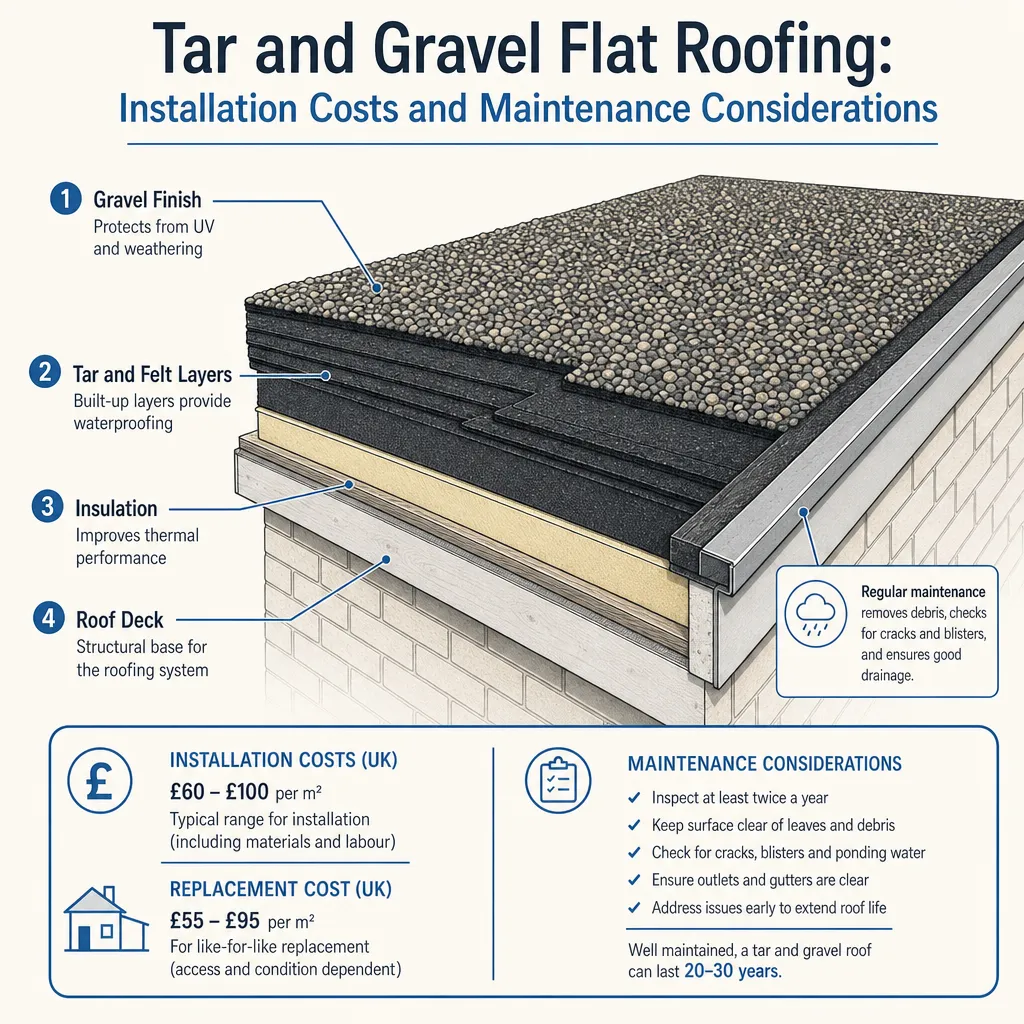
Tar and Gravel Flat Roofing: Installation Costs and Maintenance Considerations
Tar and gravel (built-up felt) flat roofing typically costs £40–£80 per m² installed in the UK, with a standard garage or small extension coming to around £1,000–£3,500.
 Improvement & Build
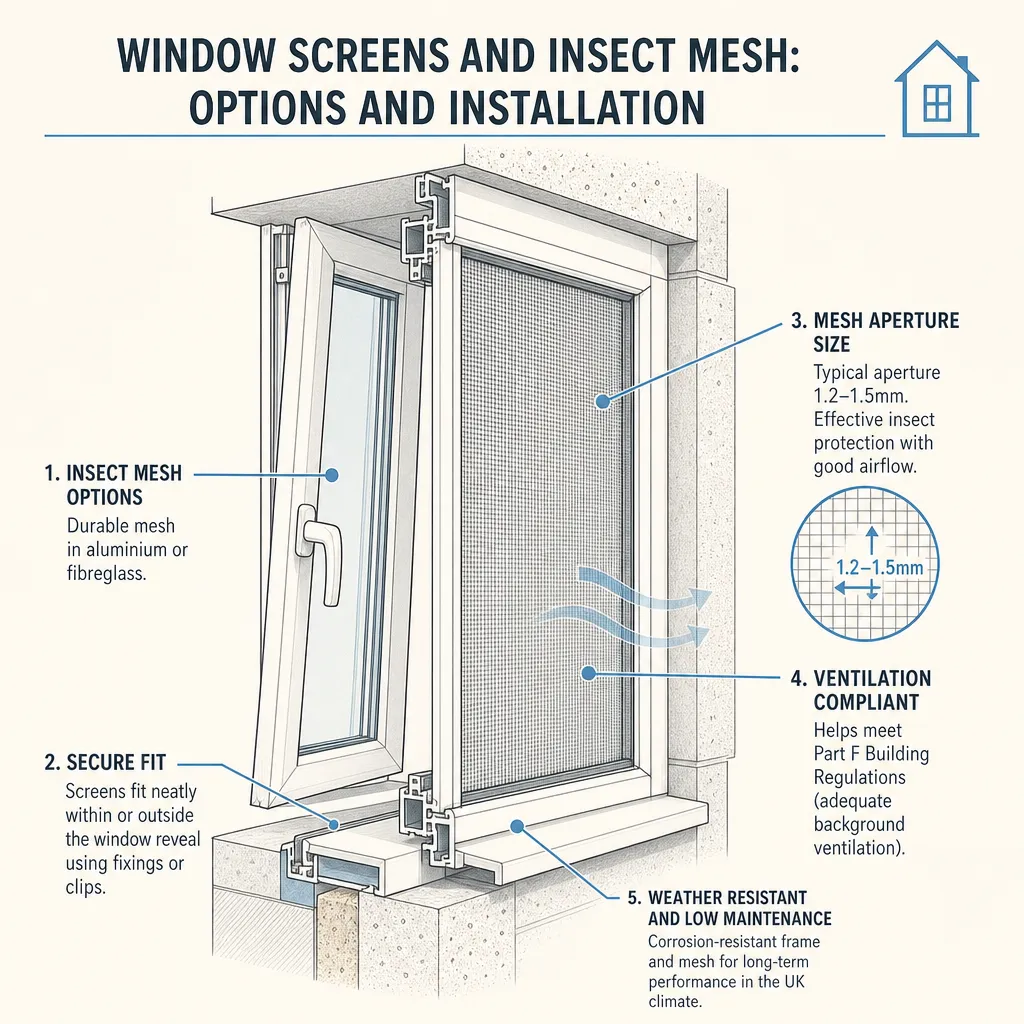
Window Screens and Insect Mesh: Options and Installation
UK window screens fall into four main types: fixed frame, roller retractable, pleated folding, and magnetic snap-fit.
 Improvement & Build
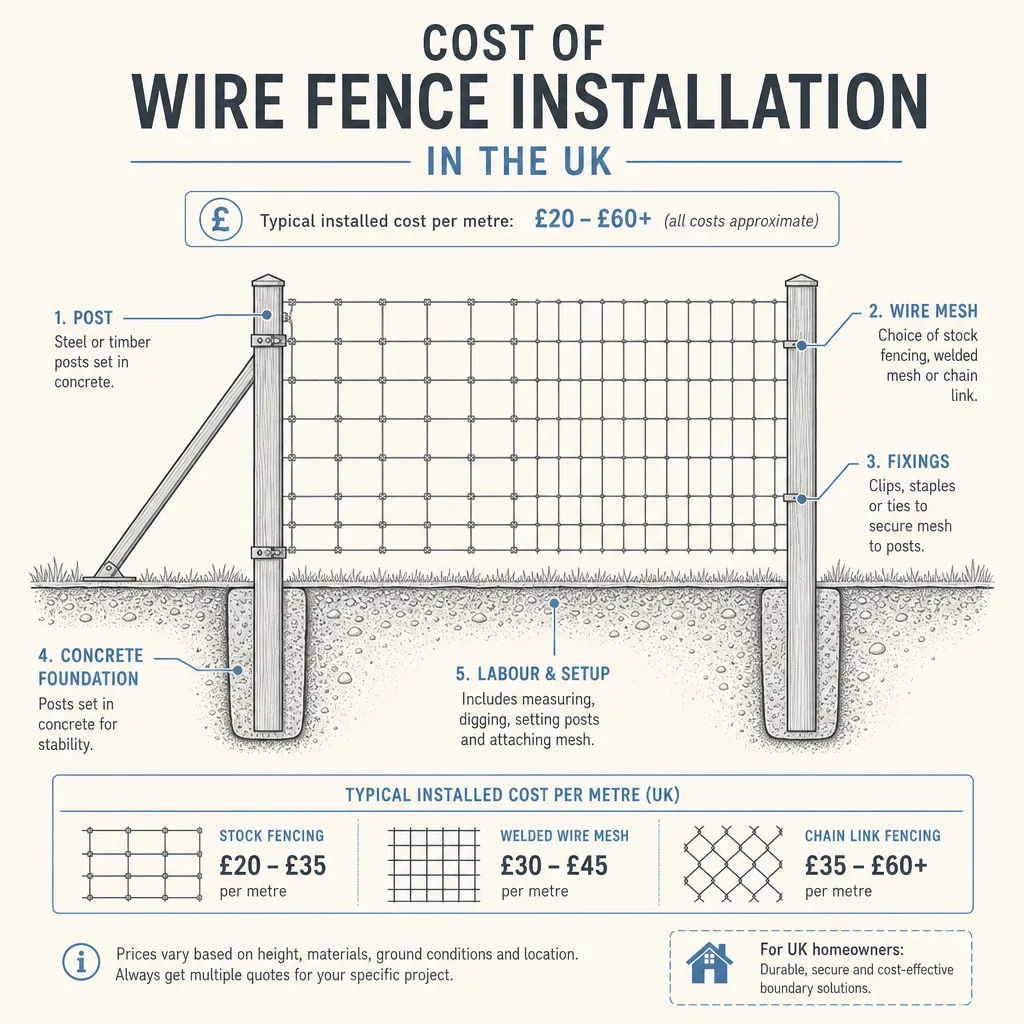
Cost of Wire Fence Installation in the UK
Wire fence installation in the UK typically costs £8–18 per metre for stock fencing, £15–35 per metre for chain-link, and £20–45 per metre for welded wire mesh panels, all installed.
 Improvement & Build
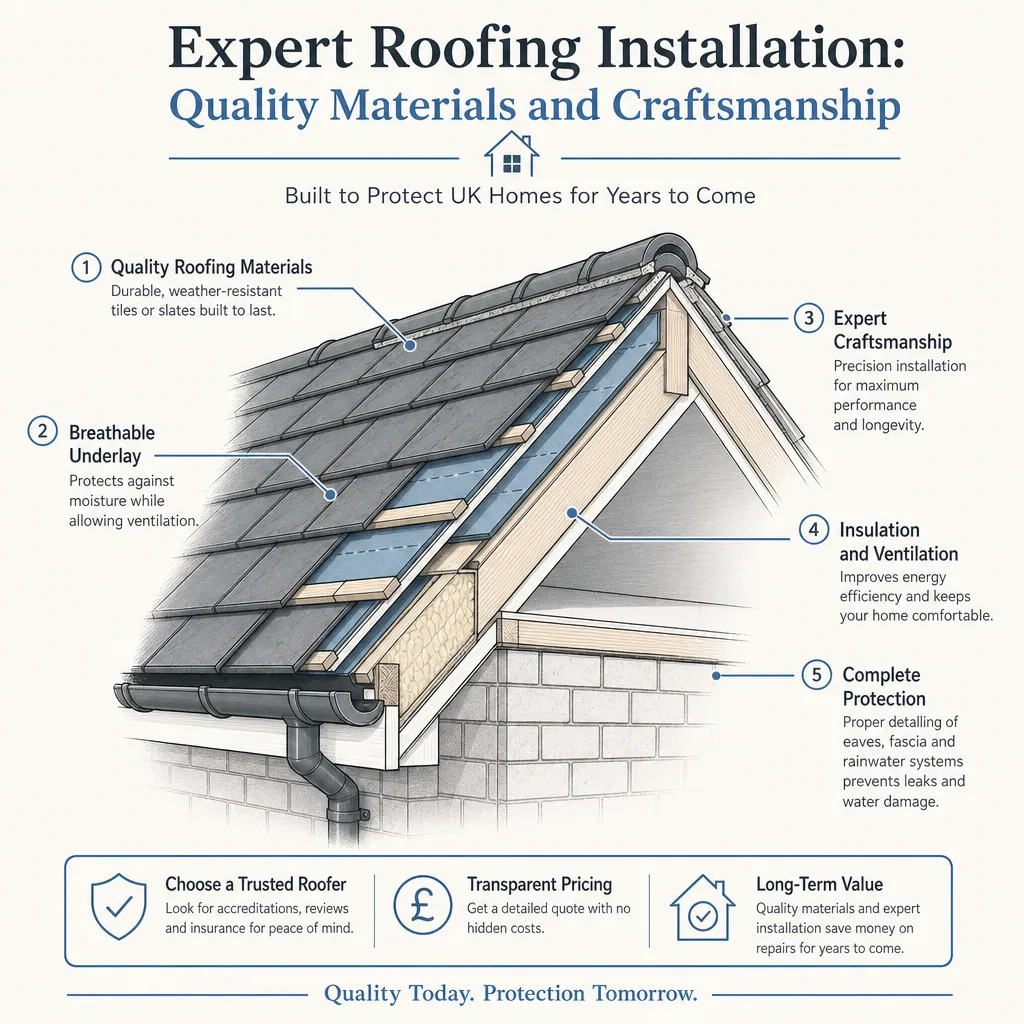
Expert Roofing Installation: Quality Materials and Craftsmanship
A quality roof installation depends on matching materials to your property type, hiring a suitably qualified roofer, and ensuring building regulations are met where required.
 Improvement & Build
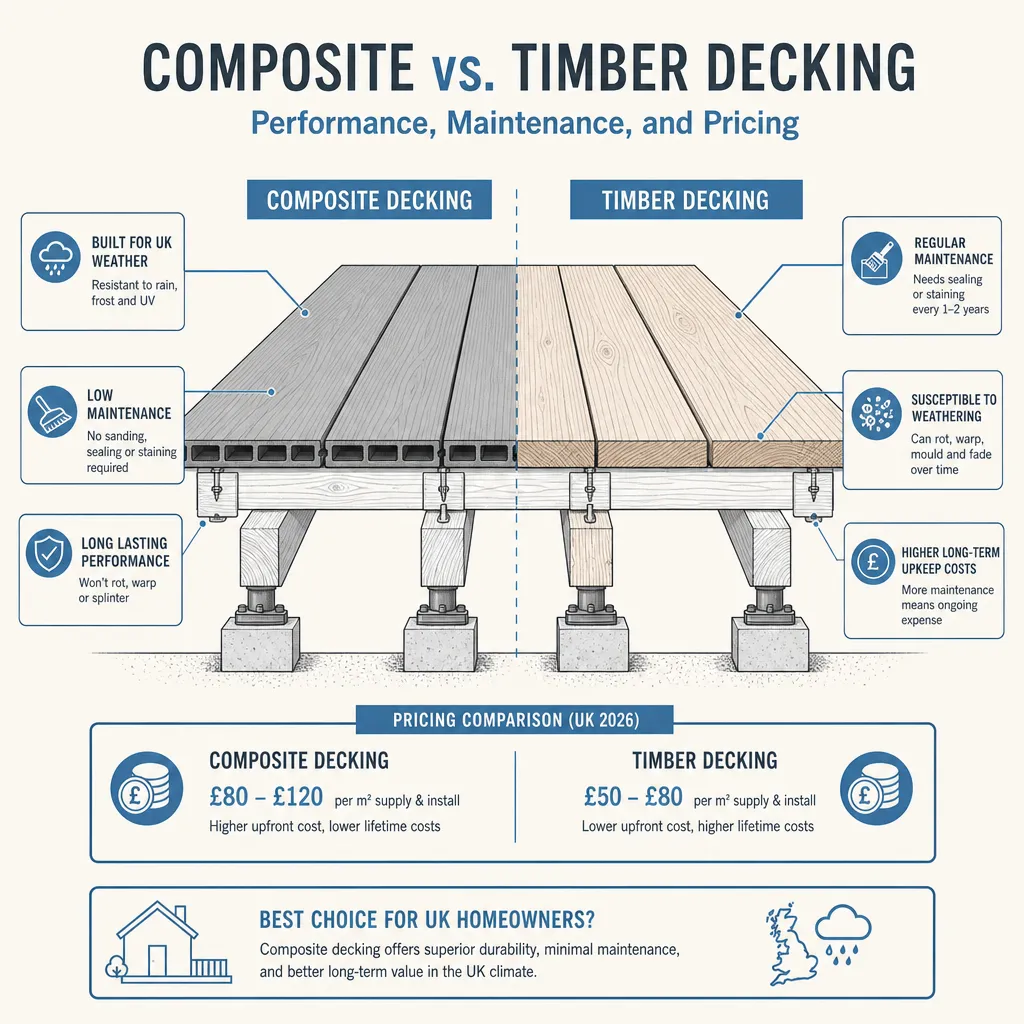
Composite vs. Timber Decking: Performance, Maintenance, and Pricing
Composite decking costs more upfront — typically £120–£220 per m² installed versus £80–£150 for treated softwood — but requires far less maintenance and carries a 25-year warranty.