The Silver Demographic: How Older Homeowners Are Reshaping Property Design
By Housey · Last reviewed 1st of June 2026
The Silver Demographic: How Older Homeowners Are Reshaping Property Design
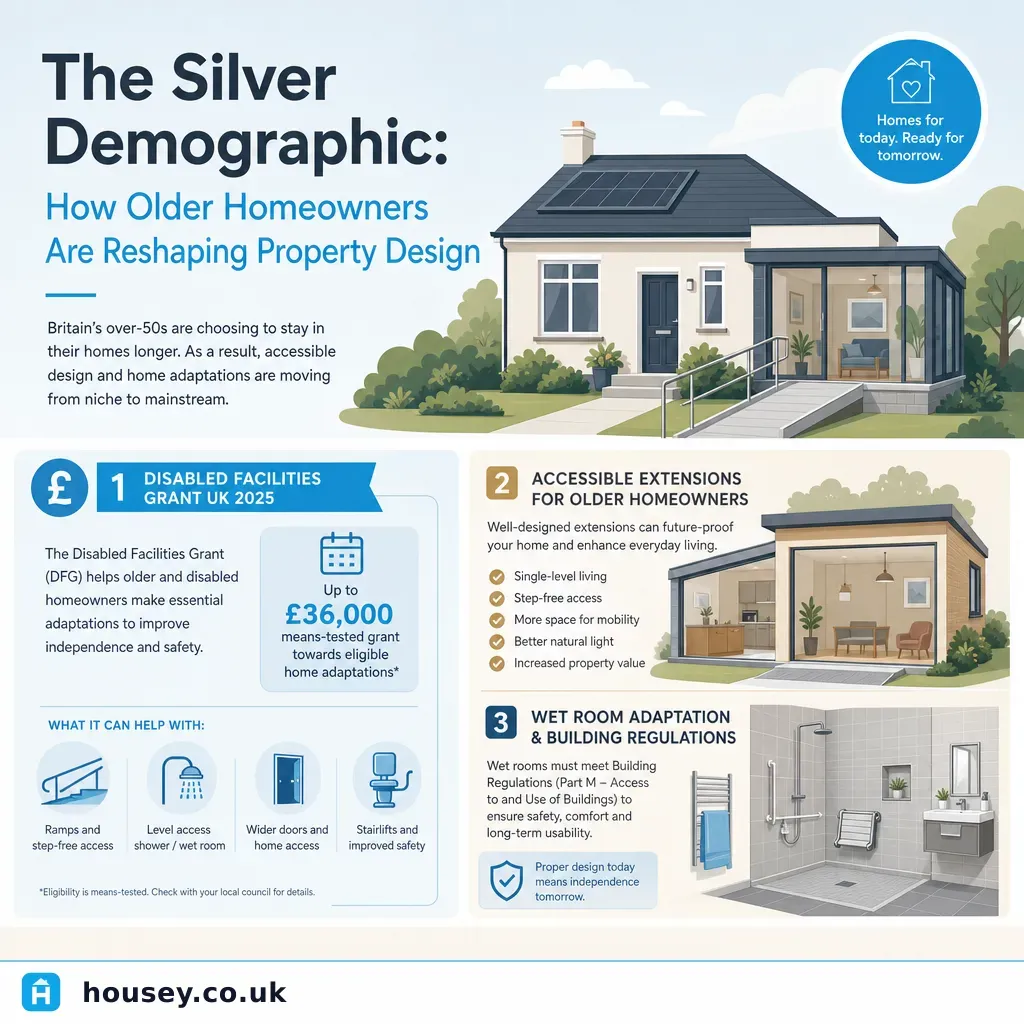
The UK's older population is not simply ageing in place — it is actively redesigning it. With over 12 million people aged 65 and over in England and Wales, the majority of them owner-occupiers, the choices this group makes about their homes are reshaping demand across architecture, construction, and planning. Whether you are thinking ahead in your 50s, weighing a major adaptation in your 60s, or supporting an older relative through a significant home decision, understanding these trends can help you make a better-informed investment in property that works for decades to come.
Key points
- Around 76% of people aged 65 and over in England are owner-occupiers, making older homeowners one of the largest forces in the UK's home improvement market (English Housing Survey 2022–23).
- The Disabled Facilities Grant (DFG) provides means-tested funding of up to £30,000 in England (£36,000 in Wales) for eligible adaptations including level-access showers, stairlifts, and widened doorways — applied for through the local authority housing team.
- Building Regulations Part M sets out Accessible and Adaptable (Category 2) design criteria; specifying to this standard in an extension is not legally required for existing homes but futureproofs the investment and may broaden buyer appeal at resale.
- The minimum clear doorway opening for wheelchair access is 775 mm — wider than many standard UK doorsets, which typically deliver only 720–730 mm clear opening after the door is fully open.
- The Centre for Ageing Better identifies poor housing quality as one of the leading causes of falls and hospital admissions among older people in the UK, making proactive adaptation both a wellbeing and a financial consideration.
The demographic shift shaping UK housing
The 2021 Census confirmed that people aged 65 and over represent approximately 18.6% of the population of England and Wales — a share projected by the ONS to reach around 24% by 2043. This is not a niche demographic: it represents millions of households making active decisions about whether to move, downsize, or invest in their existing property.
Most choose to stay. Research by the Centre for Ageing Better consistently finds that older homeowners want to remain in their own home for as long as possible — a preference known in housing policy as ageing in place. This sustained preference drives demand for home adaptations, accessible extensions, and design features that were once considered specialist but are now entering mainstream construction and renovation practice.
Key design features older homeowners are choosing
The table below shows the most commonly requested adaptations among older UK homeowners, the typical professionals involved, and whether Building Regulations approval is likely to be required.
Adaptation | Purpose | Typical professional | Building Regs required? |
|---|---|---|---|
Level-access wet room | Removes trip hazard of shower tray; easier transfer for frame or wheelchair users | Bathroom fitter, plumber; architect for major reconfiguration | Possibly (Part G, drainage) |
Stairlift | Maintains stair access without structural change | Specialist stairlift supplier | Usually no |
Through-floor lift | Replaces stairlift where stairs are unsuitable | Specialist installer; structural check required | Yes |
Widened doorways (≥775 mm clear) | Wheelchair and mobility-aid access | Builder or joiner; structural engineer if load-bearing | Possibly (Part M) |
Ground-floor bedroom/bathroom extension | Enables single-storey living | Extension builder; architect or architectural technologist | Yes |
Step-free entrance (ramped or level threshold) | Eliminates barrier at front or back door | Builder, landscape contractor | Possibly (Parts M and K) |
Handrails and grab rails | Support on stairs and in bathrooms | OT recommendation; builder to fit | Usually no |
Smart home controls | Voice or remote lighting, heating, and security | Electrician, smart home installer | Usually no |
Building Regulations requirements depend on the nature and scale of the work. Always check with your Local Authority Building Control (LABC) or an approved inspector before starting.
Extensions and layouts designed for later life
The most significant design trend among older owner-occupiers is the purpose-built ground-floor extension that creates a self-contained living zone — a bedroom-and-bathroom suite enabling single-storey living when stairs become a difficulty. This approach is increasingly described in design practice as a future-proofed extension or lifetime home addition.
A worked UK property scenario
Consider a homeowner in their late 60s living in a 1930s semi-detached in the East Midlands. The property has three bedrooms upstairs and no downstairs bathroom. Mobility is currently good, but knees are causing increasing difficulty on stairs, and the homeowner is planning ten years ahead.
Rather than selling and downsizing — which involves estate agent fees of typically 1–3% of sale price, legal costs, and the disruption of moving — they commission a rear extension of approximately 25–30 m². An architectural technologist prepares the design to incorporate:
- A ground-floor double bedroom with a minimum 10 m² floor area, allowing for a wheelchair turning circle if needed in future
- A wet room with a level-access shower, fold-down shower seat, and linear drainage channel
- Doorways specified at 850 mm leaf width, providing 775 mm clear opening when open
- A wider-than-standard hall between the bedroom and living room to accommodate a future walking frame or wheelchair
The extension may qualify under Class A Permitted Development if it meets size and boundary criteria, but a rear extension at this footprint often requires a householder planning application. Building control approval is required regardless. Indicative project cost: £40,000–£70,000 (Indicative UK costs, last reviewed 2026-06-01; figures vary significantly by region, specification, and contractor).
The result is a property that works for the next fifteen to twenty years without a forced move, and one likely to attract a broader buyer pool at resale.
Funding and financial support
Disabled Facilities Grant
The Disabled Facilities Grant (DFG) is administered by local authorities in England and Wales. In England, grants of up to £30,000 are available (up to £36,000 in Wales) for adaptations assessed as necessary and appropriate by an occupational therapist and approved by the council. The grant is means-tested for adults aged 16 and over.
Commonly funded works include:
- Level-access showers and wet rooms
- Stairlifts and through-floor lifts
- Widened doorways and accessible entrances
- Ramps and level thresholds
- Heating and electrical adaptations where needed for disability
Applications are made through your local authority housing team. An occupational therapist (OT) assessment is typically the starting point — contact your local council or GP surgery to request a referral. Waiting lists can be long, so an early application allows you to plan works around a confirmed funding decision.
Other financial support
For works above the DFG threshold, or those not covered by the grant, some councils offer home improvement loans or equity release schemes. Age UK and Citizens Advice can signpost to locally available options. Check whether your local authority participates in the Better Care Fund, which supplements DFG budgets in England.
A homeowner checklist: planning accessible adaptations
Before instructing any contractor for accessibility-related home improvements, work through the following:
When to get professional help
Accessible design involves overlapping disciplines. An occupational therapist is best placed to assess functional needs; an architectural technologist or architect translates those needs into a building design that satisfies Planning and Building Regulations requirements; an experienced extension builder delivers the work on site.
Involve an occupational therapist before specifying major adaptations — particularly for DFG applications where a formal OT recommendation is typically required by the council.
Involve an architectural technologist or architect when you are planning an extension of any size, structural changes are involved, the design needs to meet Part M accessibility standards, or you want to ensure the investment adds long-term value and satisfies Building Regulations.
Involve a structural engineer if load-bearing walls are to be removed, a through-floor lift is being considered, or the existing structure needs assessment before an extension can be added.
Contact your local authority housing team early if you think you may qualify for a DFG — applying promptly lets you plan works around a confirmed funding decision rather than speculating on approval.
How Housey can help
Housey connects you with vetted local professionals for accessible home improvements. Our extension builders service can match you with contractors experienced in ground-floor accessible extensions, and our architectural technologists service can help you find designers who understand both Planning and Building Regulations requirements for accessible design — ensuring your investment works now and in the decades ahead.
Frequently asked questions
Do I need planning permission for an accessible extension?
It depends on the size, location, and property type. Many single-storey rear extensions qualify as Permitted Development, but size limits, boundary conditions, and material requirements apply — and Permitted Development rights are removed for listed buildings and some conservation areas. Always check with your Local Planning Authority or use the Planning Portal's guide before starting work.
What is the Disabled Facilities Grant and who qualifies?
The DFG provides means-tested funding from your local council for adaptations needed because of a disability or health condition. In England, grants of up to £30,000 are available. You do not need to be a wheelchair user — the grant covers a wide range of mobility and functional conditions. An occupational therapist assessment is the usual starting point and is typically required for council applications.
Is an accessible wet room a good investment for resale value?
Generally yes, particularly for properties likely to attract buyers in their 50s and 60s, or where the existing bathroom is a narrow shower cubicle. A well-specified wet room with neutral finishes is broadly viewed positively by buyers. Avoid overly clinical or institutional fittings — design quality matters as much as accessibility function when considering resale appeal.
What does Part M of the Building Regulations cover for existing homes?
Part M sets access requirements for buildings. For existing dwellings being extended or materially altered, some Part M provisions may apply. Category 2 (Accessible and Adaptable) is an optional higher standard worth specifying in new extensions to futureproof the investment. Your building control officer or an approved inspector can advise on what is required for your specific project.
How long does a typical accessible extension take to complete?
From initial design to practical completion, a single-storey accessible extension typically takes four to eight months. Planning permission, where required, adds eight to thirteen weeks. If a Disabled Facilities Grant application is involved, factor in additional time for the council's assessment and approval process, which can take several months from initial occupational therapist referral.
Sources and further reading
- English Housing Survey 2022–23: headline report — GOV.UK / MHCLG
- Disabled Facilities Grant guidance — GOV.UK
- Building Regulations Approved Document M: access to and use of buildings — GOV.UK
- Good home, good life: homes research — Centre for Ageing Better
- Adapting your home — Age UK
- 2021 Census population estimates — Office for National Statistics
Useful next reads
 Improvement & Build
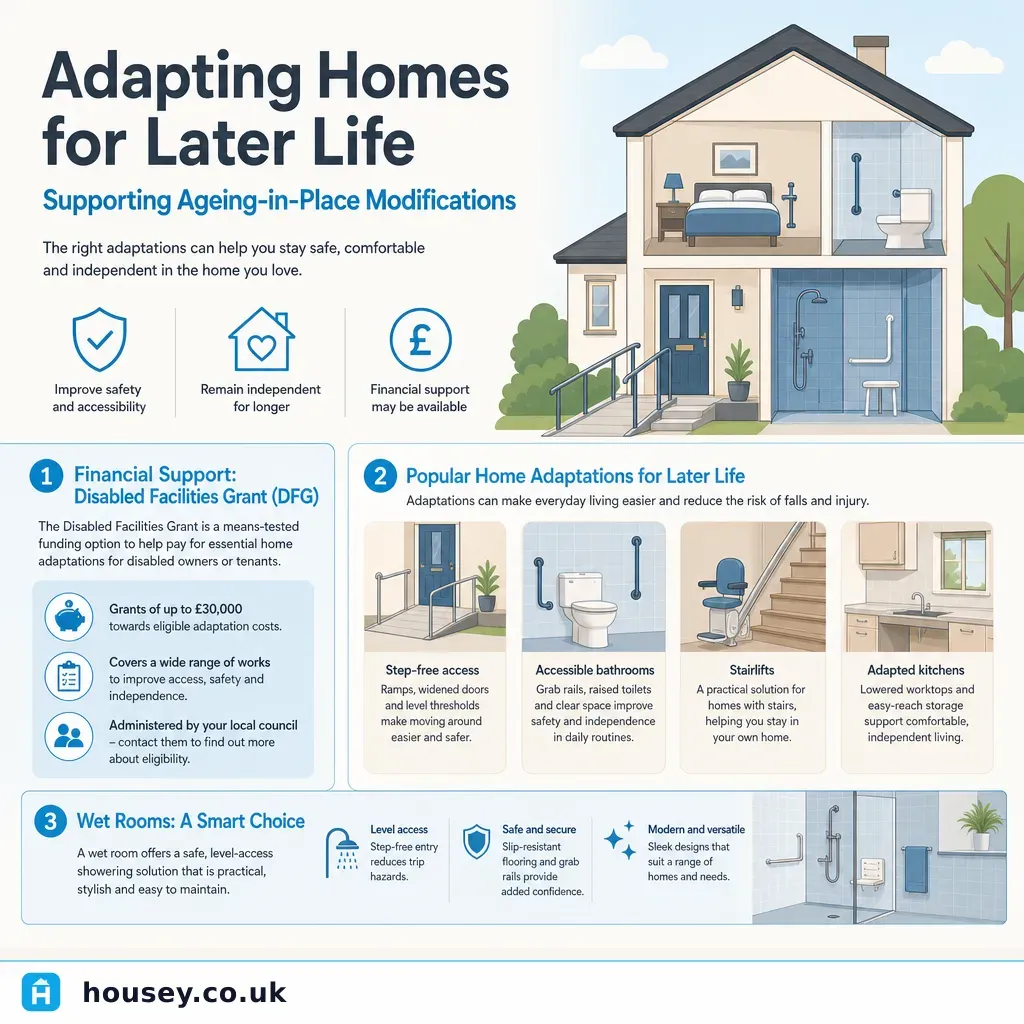
Adapting Homes for Later Life: Supporting Ageing-in-Place Modifications
Ageing-in-place adaptations in the UK range from simple aids such as grab rails and lever taps to major works including wet rooms, stairlifts, and single-storey extensions.
 Improvement & Build
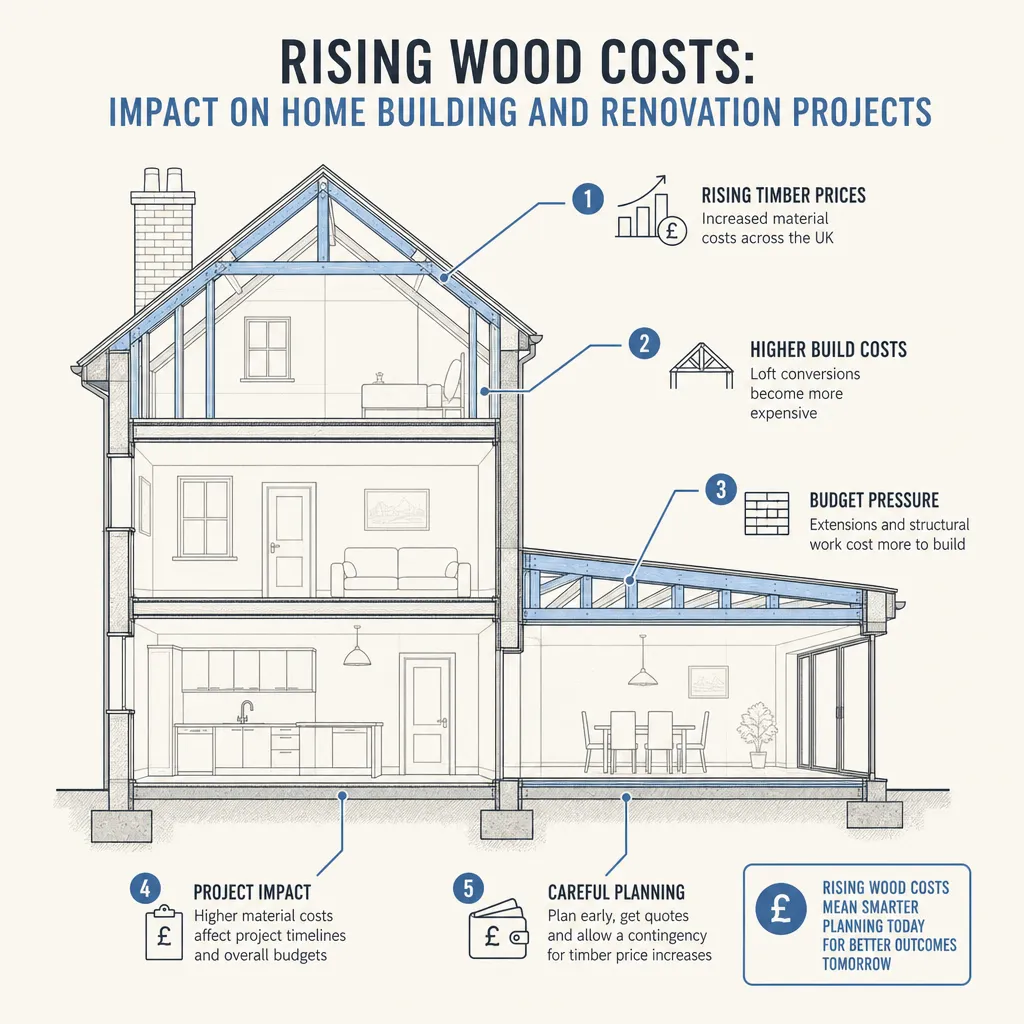
Rising Wood Costs: Impact on Home Building and Renovation Projects
Rising timber prices affect UK home renovation budgets most on timber-frame extensions, loft conversions, and self-builds, where structural wood can account for 15–25% of material costs.
 Improvement & Build
Raised Garden Beds: Design Benefits and Implementation
Raised garden beds suit most UK gardens, particularly those with heavy clay, poor drainage, or limited growing space.
 Improvement & Build
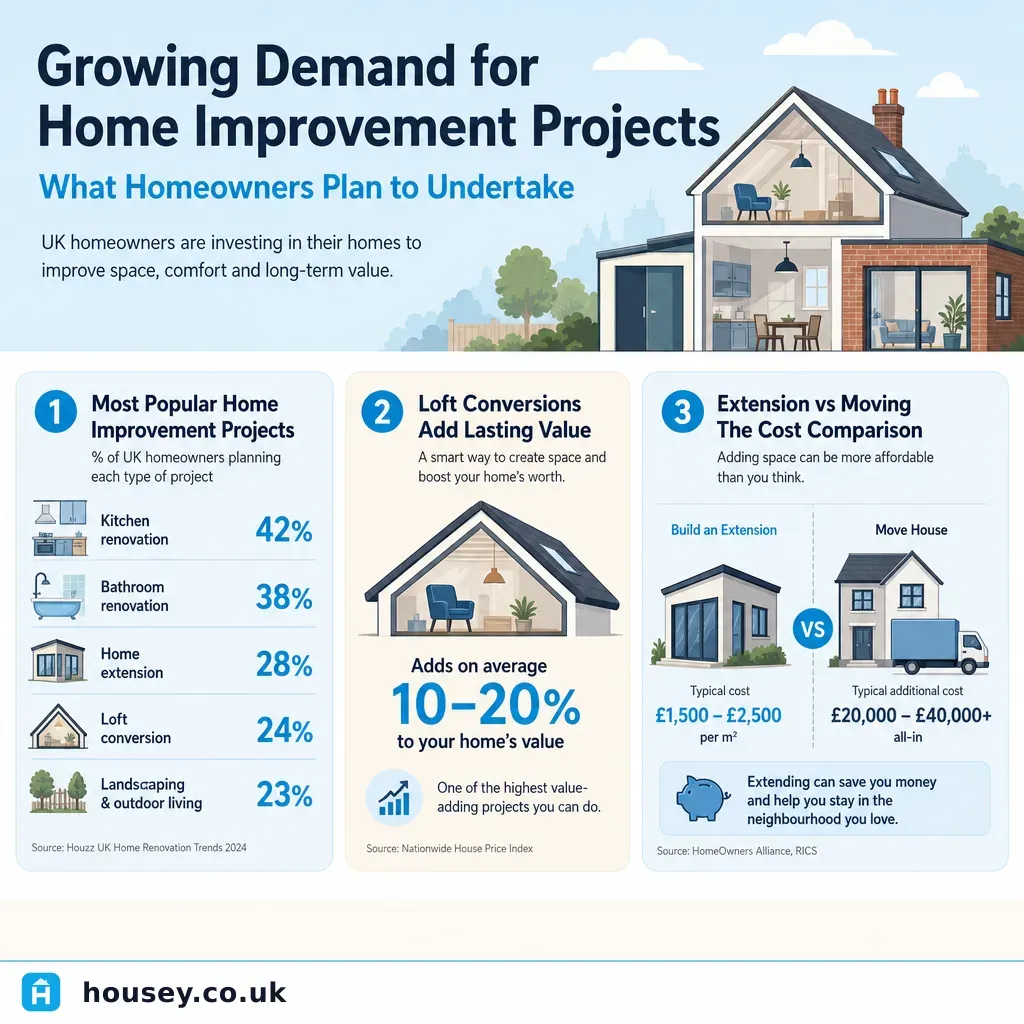
Growing Demand for Home Improvement Projects: What Homeowners Plan to Undertake
UK homeowners are increasingly choosing to improve rather than move, driven by high stamp duty costs, limited housing supply, and demand for home-office space.
 Improvement & Build
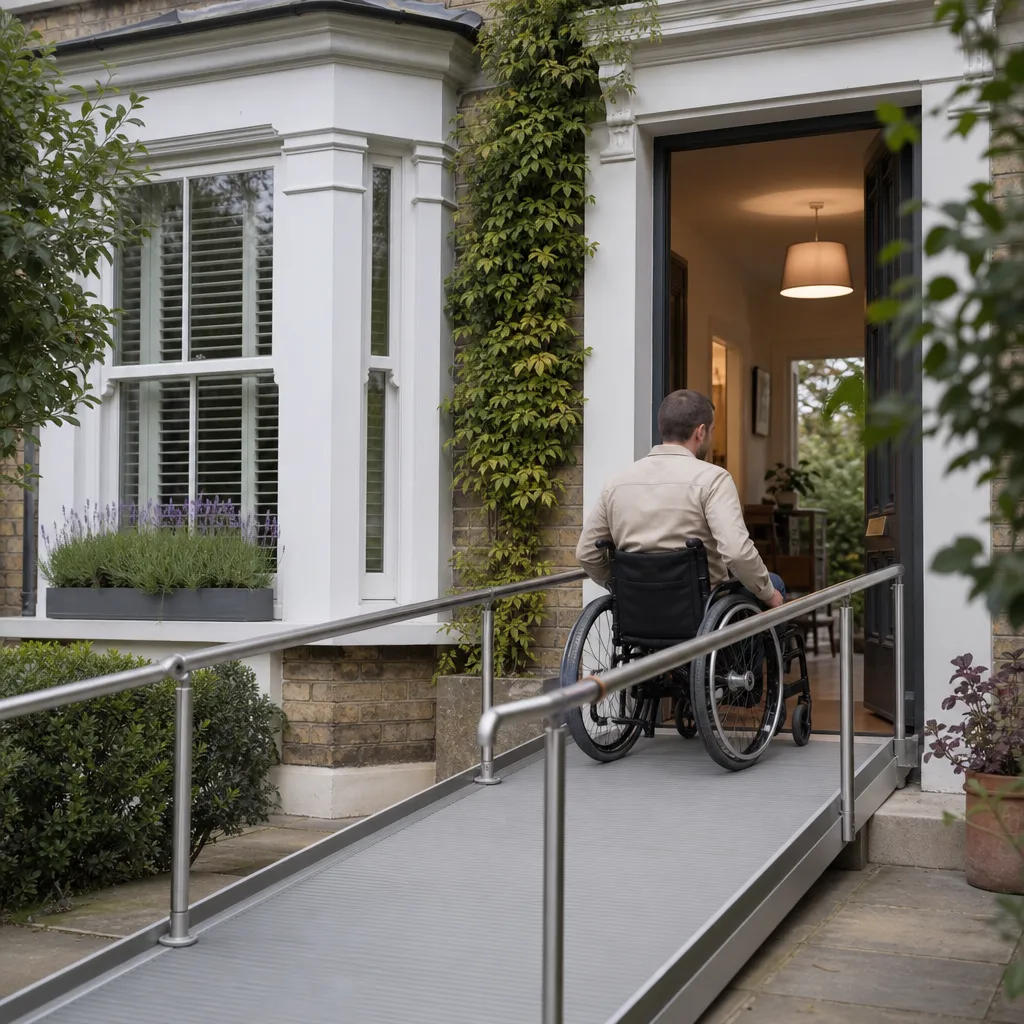
Universal Design Principles: Adding Value and Accessibility to Your Home
Universal design creates homes that work for the widest range of people without requiring costly retrofitting later.