Tile Reglazed: Refreshing Bathroom and Kitchen Surfaces
By Housey · Last reviewed 18th of May 2026
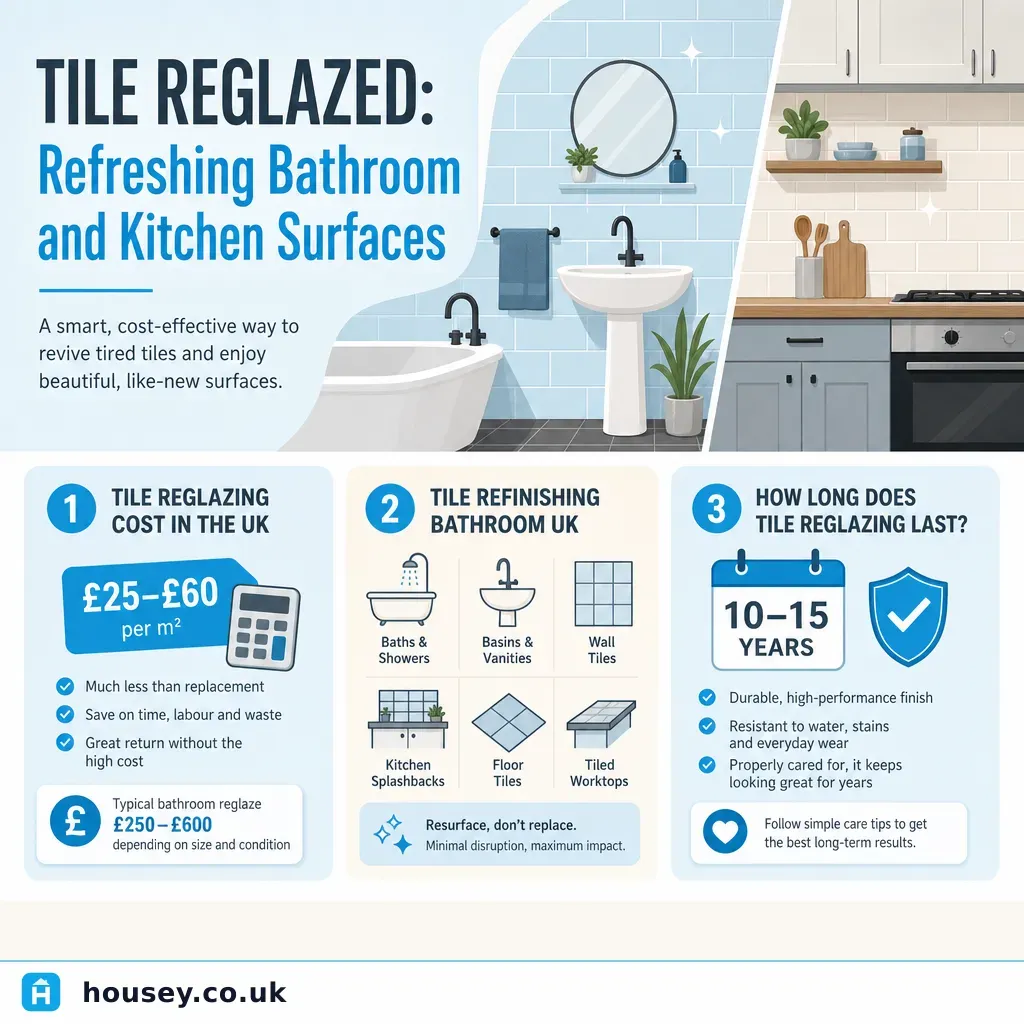
Tile Reglazed: Refreshing Bathroom and Kitchen Surfaces
Bathroom and kitchen tiles that are discoloured, stained, or simply dated can make a room feel tired long before the structure behind them needs replacing. Tile reglazingreglazing — also called tile resurfacing or tile refinishing — applies a specialist bonded coating to existing ceramic or porcelain tiles in situ, refreshing their appearance without the disruption and cost of full removal and retiling. Understanding when it works well, what its limitations are, and what to expect from a professional application helps UK homeowners decide whether it is the right route for their property.
Key points
- Tile reglazingreglazing applies a specialist epoxy or polyurethane coating to existing ceramic or porcelain tiles, restoring or changing their surface finish.
- Indicative UK costs range from £150–£600 for a standard bathroom tiled area; individual tile reglazingreglazing can cost approximately £5–£15 per tile.
- The coating typically lasts 5–15 years with proper care — considerably less durable than replacement tiles, which last indefinitely if maintained.
- Reglazingreglazing is not suitable for loose, cracked, hollow-sounding, or water-damaged tiles; these require replacement.
- The bathroom is typically out of use for 24–48 hours during curing after a professional application.
What is tile reglazingreglazing?
Tile reglazingreglazing — also referred to as tile resurfacing, tile refinishing, or tile re-enamelling — involves a specialist applying a new bonded coating to the face of existing tiles in place. The method is most commonly used in bathrooms, shower enclosures, and kitchens. The process usually follows these stages:
- Surface preparation: The tiled area is thoroughly cleaned, degreased, and chemically etched to ensure the new coating bonds effectively to the existing glaze.
- Repair work: Small chips, hairline cracks in the glaze, and grout defects may be filled. Significant structural tile damage cannot be reliably disguised.
- Priming: A bonding primer is applied to promote adhesion between the existing surface and the topcoat.
- Topcoat application: One or more coats of specialist epoxy or polyurethane-based coating are sprayed or brushed on, producing a smooth, uniform finish.
- Curing: The coating requires 24–48 hours to cure fully before the room can be used.
The result can be a clean white refresh, a colour change, or a restoration of gloss on a dulled bath or basin surface.
Reglazingreglazing versus replacing tiles
Factor | Tile reglazingreglazing | Full tile replacement |
|---|---|---|
Best for | Cosmetic refresh; structurally sound tiles in good condition | Loose, cracked, or water-damaged tiles; layout changes; substrate damage |
Not ideal for | Hollow tiles, severe structural damage, surfaces already reglazed multiple times | When tiles and substrate are in perfectly good condition |
Indicative cost | £150–£600 for a bathroom | £800–£2,500+ including labour and materials |
Disruption | 1–2 days; room out of use 24–48 hrs | 3–7 days; potential substrate and plastering work |
Longevity | 5–15 years with careful maintenance | Indefinite if tiles and grout are properly maintained |
Colour and finish choice | Limited range of coating colours and sheens | Full range of manufactured tile types, textures, and finishes |
Indicative UK costs, last reviewed 2026-05-18. Costs vary by location, contractor, tile condition, and coverage area.
When reglazingreglazing makes sense
Reglazingreglazing is a reasonable option when:
- Tiles are structurally sound but visibly stained, discoloured, or dated.
- You want to change the room's colour scheme without the cost and mess of demolition.
- You are preparing a property for sale or rental and want to improve appearance cost-effectively.
- A bath, basin, or shower tray surface is dull or lightly scratched but otherwise intact.
- The disruption of a full retile would be particularly inconvenient — for example, in a property with a single bathroom or where an elderly or disabled resident needs access.
Red flags: when to replace rather than reglaze
Do not attempt to reglaze in the following situations:
- Hollow tiles: Tap tiles with a knuckle across the surface. A hollow or drum-like sound indicates that the adhesive behind the tile has failed. These tiles can detach unpredictably and may allow water to reach the substrate.
- Cracked tiles in wet areas: Cracks in shower enclosures or around baths allow water to pass behind the tile and into the wall structure, potentially causing damp or mould internally.
- Persistent mould in grout: Surface mould can be cleaned, but mould that has penetrated the grout and spread behind the tiles typically indicates a moisture problem in the substrate that a surface coating will not address.
- Damaged or wet substrate: If the plasterboard, screed, or tile backer board behind the tiles is wet or deteriorating, reglazingreglazing will temporarily mask the problem while allowing it to worsen.
- Previously reglazed surfaces: Multiple coating layers can build up and are more prone to chipping or peeling. Ask a specialist whether a further coat is advisable given the existing layers.
What not to assume about tile reglazingreglazing
"It will last as long as new tiles." A reglazingreglazing coating is not a fired ceramic glaze. With appropriate care, professional applications typically last 5–15 years. After that, the coating may dull, peel, or chip — particularly if abrasive cleaners or scouring pads are used regularly.
"Any decorator can do it." Good adhesion between a coating and an existing glaze depends on specialist preparation products, spray equipment, and application techniques. Poor preparation leads to peeling within weeks or months. Use a contractor with demonstrable experience specifically in tile and bath resurfacing.
"DIY kits give the same result." Consumer spray kits cost around £30–£60 but rarely replicate the durability or uniformity of a professional spray application. They are better suited to small touch-up areas rather than full bathroom walls.
"The finish will look identical to new tiles." Colours and finishes available from coating systems are more limited than the range from tile manufacturers. Discuss the intended colour and sheen level with your specialist before booking.
How to maintain a reglazing job
To get the maximum lifespan from a professional reglaze:
- Use only mild liquid bathroom cleaners — avoid cream cleaners, abrasive powders, or scouring pads.
- After each shower, rinse the surface and wipe down the enclosure to reduce limescale and water spotting.
- Do not drag heavy or sharp objects across the coated surface.
- Re-seal grout lines annually to reduce water ingress at tile joints.
- Address chips promptly — most specialists offer small touch-up repairs at modest cost.
When to get professional help
Before booking any tile reglazingreglazing specialist, ask them to:
- Show photographs or references from comparable previous work.
- Specify the coating system — a two-part epoxy or polyurethane with a manufacturer-stated durability is preferable to unspecified single-pack coatings.
- Provide a written quote detailing what is included: surface preparation, number of coats, curing time, and any exclusions.
- Advise honestly if, on inspection, hollow or cracked tiles are found — and whether they recommend replacement instead of reglazingreglazing.
If you are uncertain whether reglazingreglazing or replacement is the right approach, a bathroom fitter or tile specialist can assess tile condition and the substrate before you commit to either option.
How Housey can help
Housey helps UK homeowners find trusted local tradespeople for bathroom and kitchen improvement projects. Search for tile reglazingreglazing specialists, bathroom fitters, and tilers in your area — compare quotes and read verified reviews from UK homeowners who have had similar work completed.
Frequently asked questions
Can you reglaze tiles that are already grouted and in position?
Yes — tile reglazingreglazing is designed for application to tiles in situ. The specialist prepares and coats the entire surface, including grout lines, producing a uniform finish across the tiled area. This is the standard approach for bathroom and kitchen walls.
How long does tile reglazingreglazing take?
Most standard bathroom tiled areas take one to two days to complete, including surface preparation and coating application. The curing period of 24–48 hours means the bathroom will be out of use during this time. If your property has only one bathroom, plan for alternative arrangements.
Is tile reglazingreglazing worth it before selling a house?
It can be a cost-effective way to improve the appearance of a dated bathroom ahead of marketing, provided tiles are structurally sound. A professional reglaze at £300–£500 can make a significant visual difference to prospective buyers and photographers at a fraction of the cost of full retiling.
Can outdoor tiles be reglazed?
Standard reglazingreglazing products are formulated for interior use and are not frost-resistant. Some specialist exterior coatings exist but the application is less common. Seek specialist advice before attempting to coat external or outdoor tiled surfaces, and confirm the product is rated for frost exposure.
Sources and further reading
- Citizens Advice — Hiring tradespeople — Citizens Advice
- Which? — Home improvement guides — Which?
- TrustMark — finding approved tradespeople — TrustMark
Useful next reads
 Improvement & Build
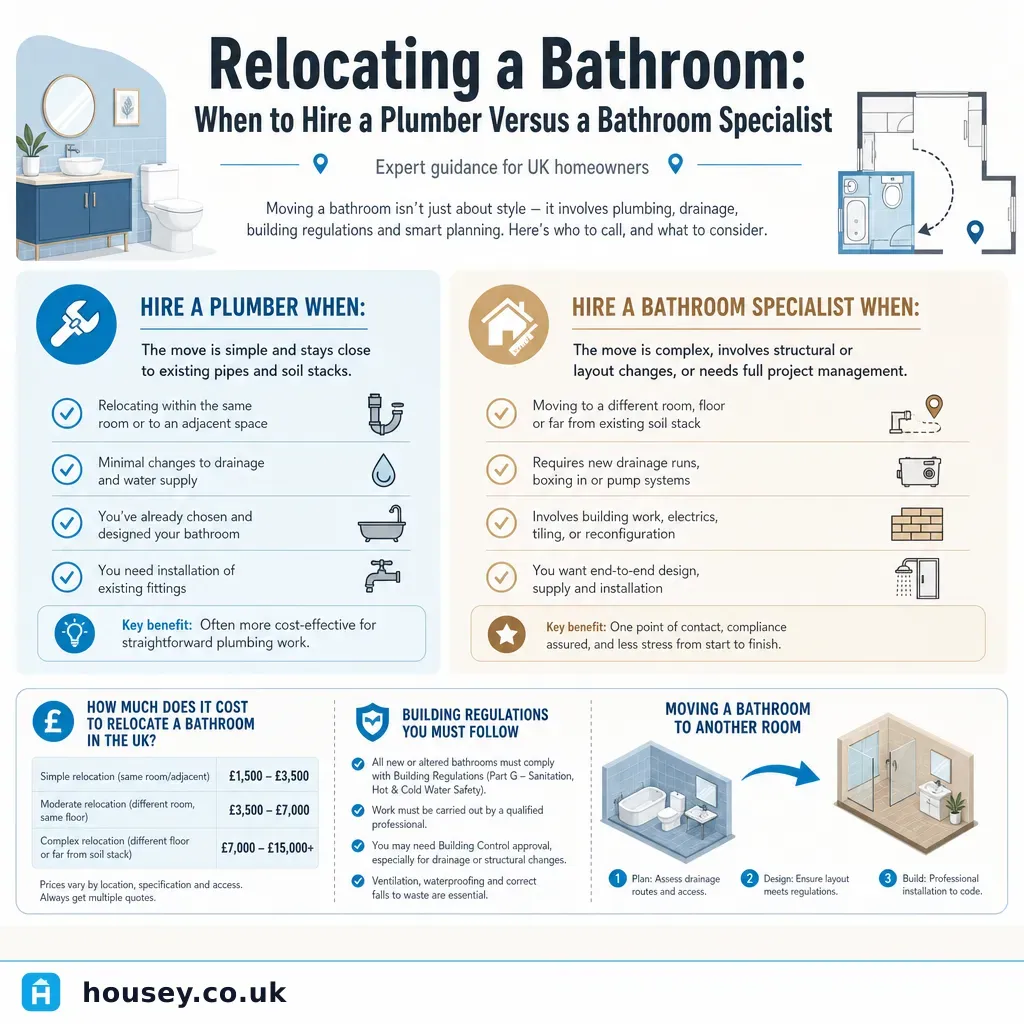
Relocating a Bathroom: When to Hire a Plumber Versus a Bathroom Specialist
Relocating a bathroom usually requires both a qualified plumber for pipework and drainage and other specialist trades for electrics, tiling, and finishes.
 Improvement & Build
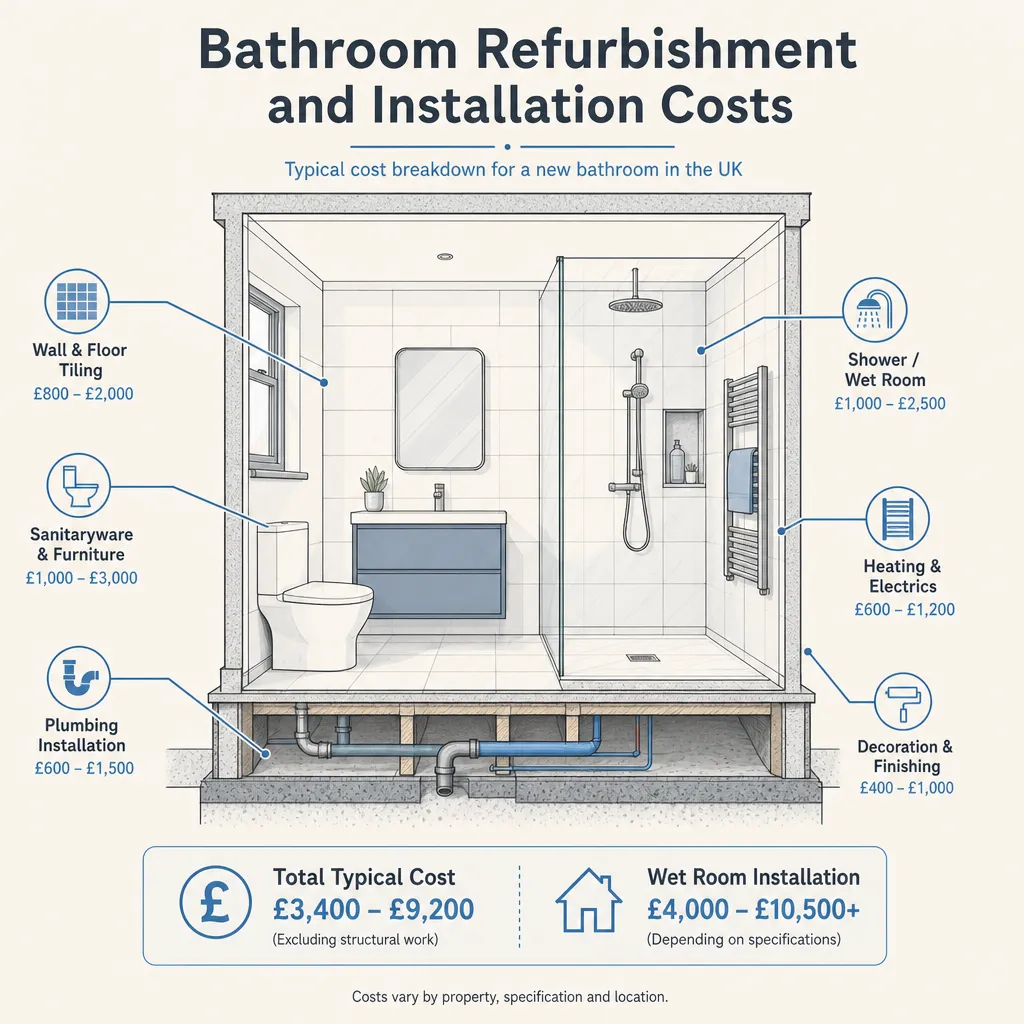
Bathroom Refurbishment and Installation Costs
A basic UK bathroom refurbishment typically costs £2,500–£5,000; a mid-range renovation with a revised layout runs £5,000–£10,000; a high-end or wet room installation can reach £12,000–£16,000 or more.
 Improvement & Build
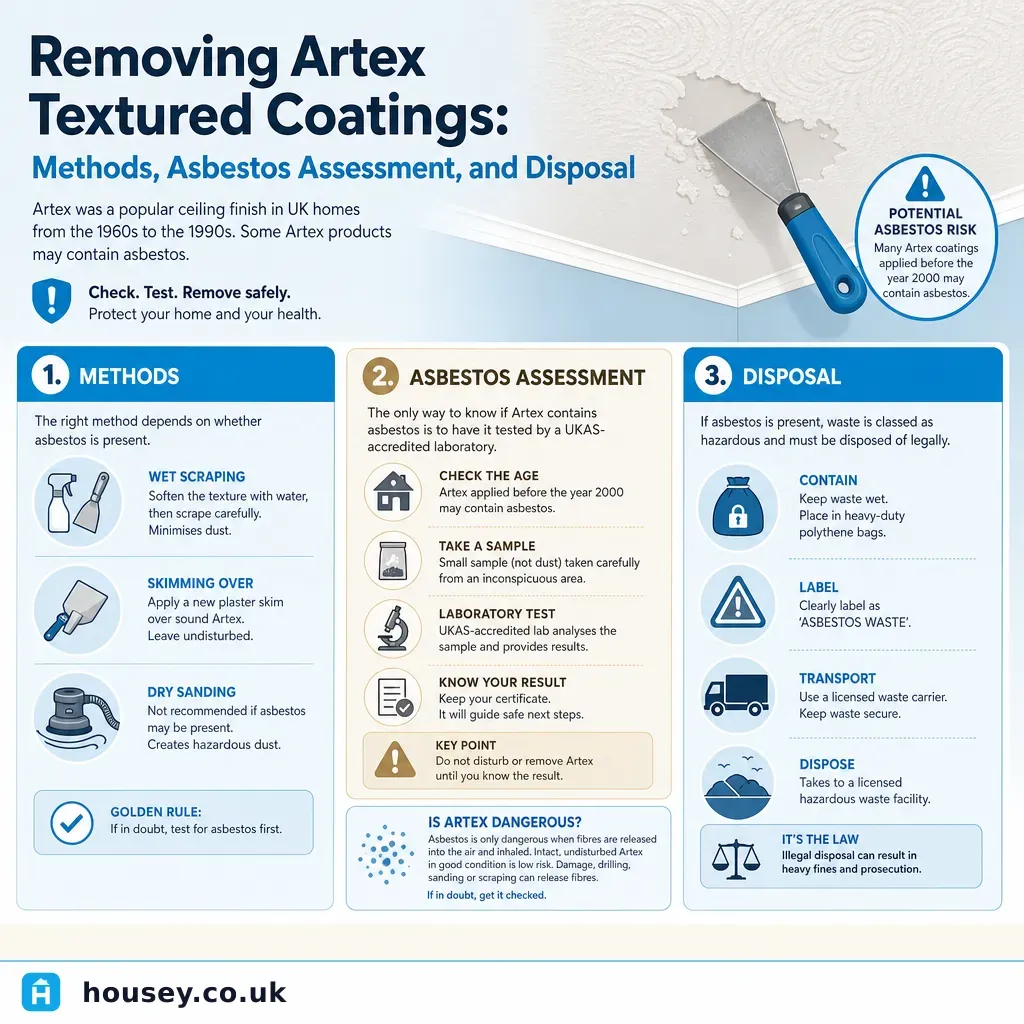
Removing Artex Textured Coatings: Methods, Asbestos Assessment, and Disposal
Before disturbing any textured ceiling coating in a pre-2000 UK home, have it tested for asbestos by a UKAS-accredited analyst.
 Improvement & Build
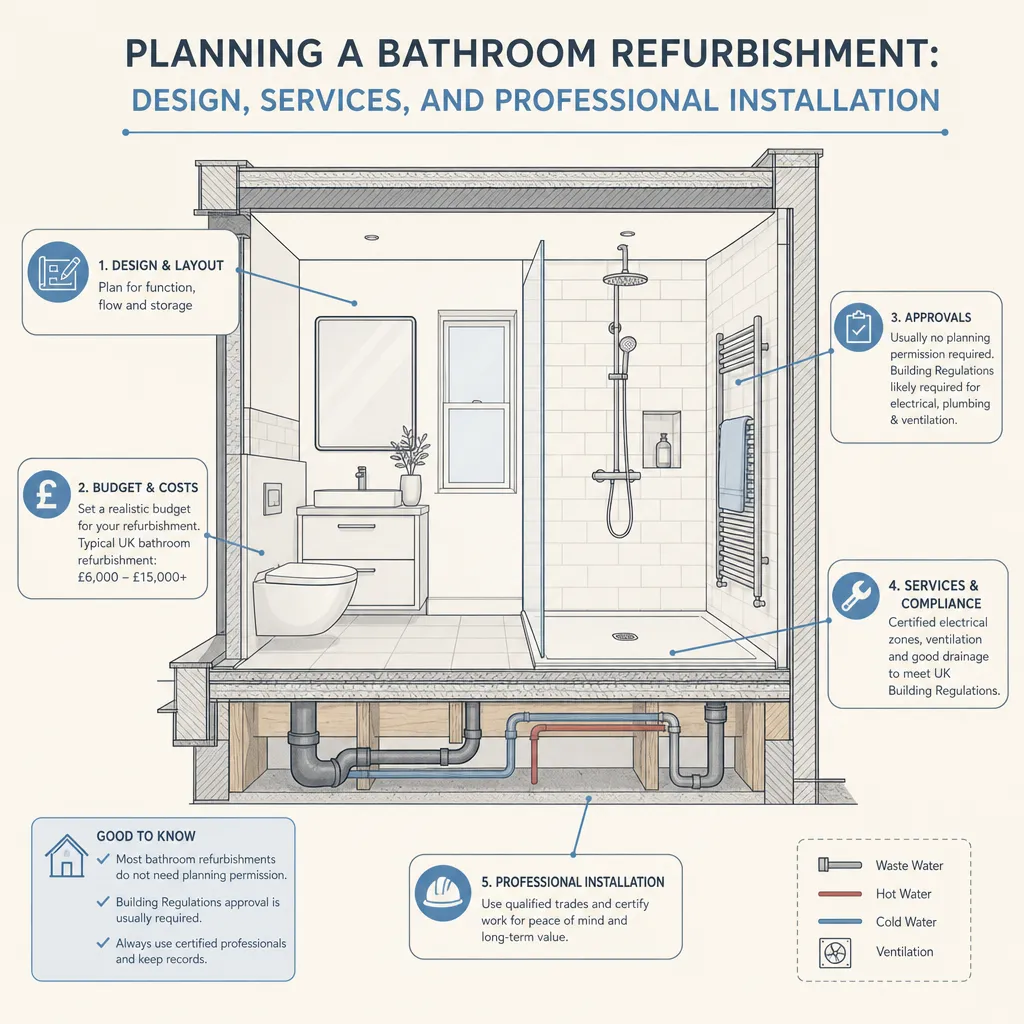
Planning a Bathroom Refurbishment: Design, Services, and Professional Installation
A bathroom refurbishment in the UK typically involves at least three trades — plumber, electrician, and tiler — and costs £4,000–£12,000 for a full project.
 Improvement & Build
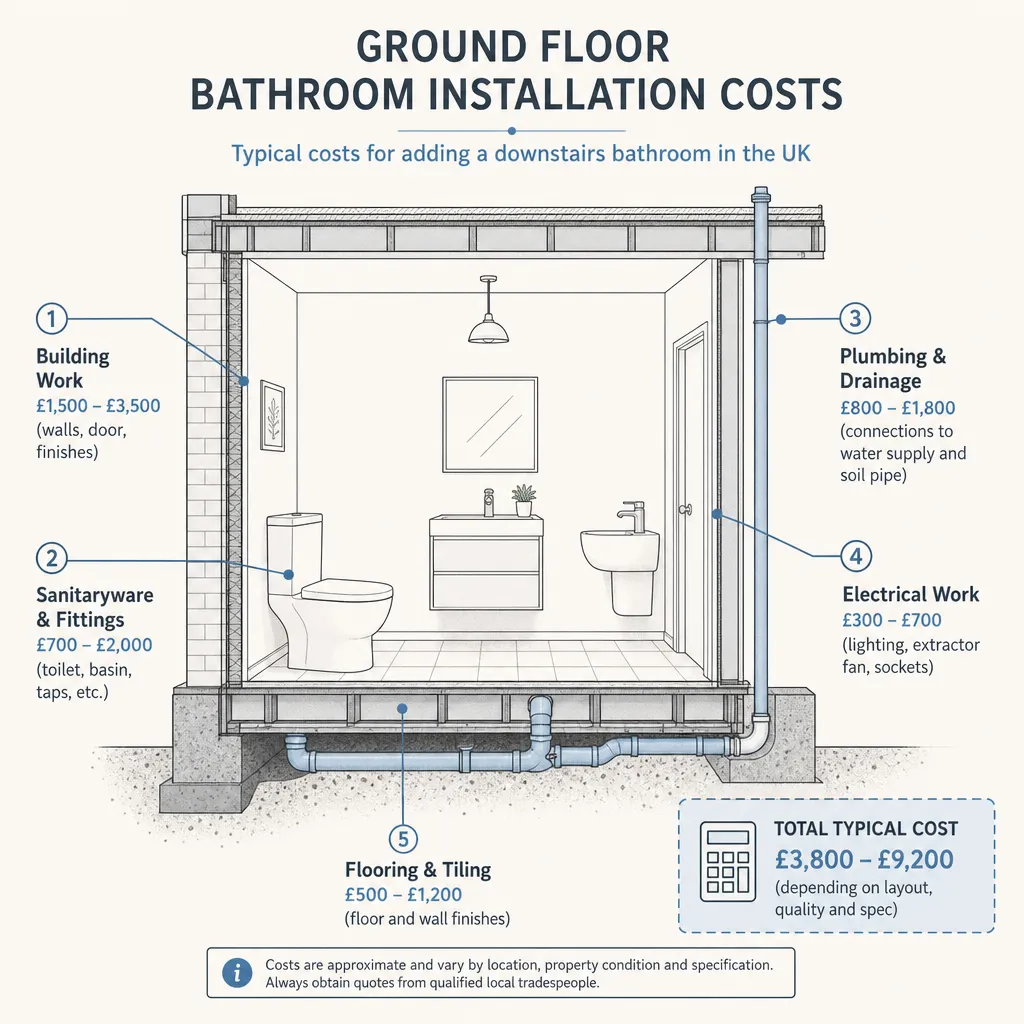
Ground Floor Bathroom Installation Costs
Installing a ground floor bathroom in the UK costs roughly £2,000–£5,000 for a basic cloakroom and £5,500–£15,000 for a shower room or wet room.