Troubleshooting a Garage Door That Won't Open: Diagnosis and Solutions
By Housey · Last reviewed 8th of May 2026
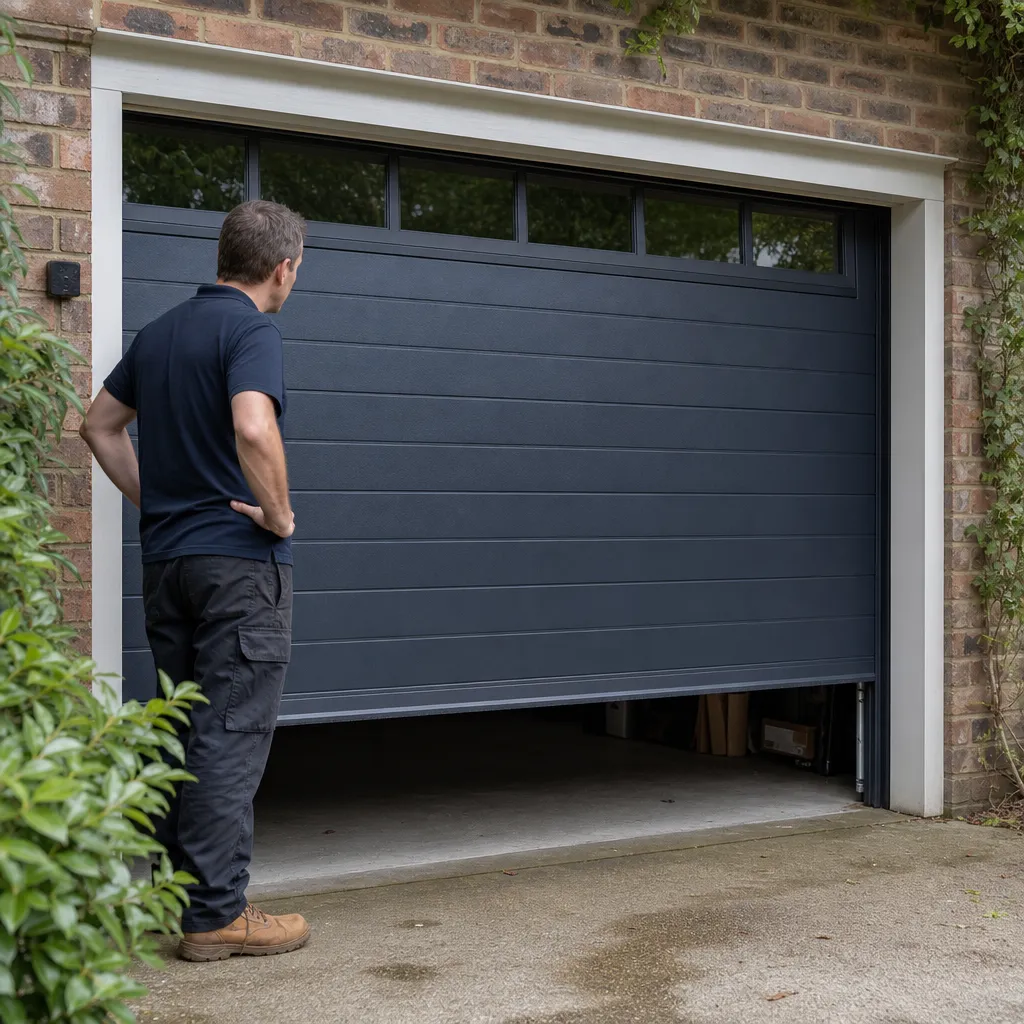
Troubleshooting a Garage Door That Won't Open: Diagnosis and Solutions
A garage door that refuses to open can escalate quickly from inconvenient to seriously disruptive — particularly if a vehicle is trapped inside or the garage is the main secure access point to the property. In many UK homes, electric sectional and roller doors have replaced older manual up-and-over designs, meaning faults can involve both mechanical components and the motor system. Identifying which part has failed is the essential first step before deciding whether to attempt a basic check or call a specialist.
Key points
- The most common causes of a garage door failing to open are a dead remote battery, loss of mains power to the motor unit, a tripped circuit breaker, or a disengaged manual release mechanism.
- Torsion springs (the horizontal spring above the door) and extension springs (along the side tracks) store significant mechanical energy — the Health and Safety Executive (HSE) notes that spring replacement is a specialist task and must not be attempted by untrained persons.
- Electric garage door operators in the UK must comply with the Machinery Directive 2006/42/EC, retained in UK law post-Brexit, which requires automatic reversal and force-limiting safety features as standard.
- Safety sensors — typically infrared beams at the base of the door frame — prevent a door from operating if obstructed or misaligned; a dirty lens is a common and easily resolved cause of this fault.
- The Garage Door Federation recommends annual servicing for electric garage doors, covering spring inspection, sensor calibration, lubrication, and auto-reverse testing.
Step 1: identify the type of door and fault
Before doing anything, establish what type of door you have and what the fault looks like:
- Electric door with motor unit: Does the motor run but the door not move? Or is there no response at all?
- Manual door (up-and-over or side-hinged): Does the door feel heavy or stuck? Is the issue with the lock, latch, or mechanism?
- Does the remote work but not the wall-mounted button, or vice versa?
This distinction drives the rest of the diagnosis.
Fault diagnosis guide
Work through these checks in order before calling a technician:
- Check the remote battery first. Replace the battery in the remote handset. Test the door using any wall-mounted button independently. If the wall button works but the remote does not, the fault is isolated to the handset.
- Check mains power. Confirm the motor unit is plugged in and the socket is live. Check the consumer unit for a tripped circuit breaker. Many motor units require a manual reset after a power interruption before resuming normal operation.
- Use the manual release. Most electric garage doors have a red or yellow release cord hanging from the motor carriage. Pulling this disengages the door from the motor so it can be moved by hand. If the door moves freely when manually released, the fault lies in the motor or drive mechanism, not in the door panels or tracks.
- Check the safety sensors. Electric doors have infrared sensors at floor level on both sides of the door frame. Dirty, misaligned, or obstructed sensors can prevent operation. Clean the lenses with a dry cloth and check that both indicator lights are solid (not flashing). Even small amounts of debris or direct sunlight striking a sensor can trigger a fault.
- Listen for spring failure. A loud bang on last operation, followed by a door that is now very heavy or drops when partially raised, is a strong indicator of a broken torsion or extension spring. Do not attempt to force the door open or closed if this is suspected.
- Inspect the tracks. Bent, obstructed, or misaligned tracks prevent rollers from running smoothly. Look for visible dents, debris in the channel, or rollers that have left the track.
Common faults at a glance
Fault | Likely cause | Safe DIY check | When to call a professional |
|---|---|---|---|
Remote not responding | Dead battery | Replace battery | If new battery does not resolve it |
Motor runs, door does not move | Broken drive belt or chain | Check for visible belt damage | If belt or chain is broken |
Door very heavy or will not lift | Broken torsion or extension spring | Do not attempt | Immediately — do not force the door |
Door stuck mid-travel | Limit switch or sensor fault | Check and clean sensors | If cleaning does not resolve the fault |
Manual door stiff or stuck | Swollen timber, bent track, worn rollers | Inspect track for debris | If rollers are off-track or panels are warped |
Door opens but will not close | Sensor obstruction or misalignment | Clear and realign sensors | If sensors appear undamaged and fault persists |
Control panel unresponsive | No power, blown fuse, or control board fault | Check socket and consumer unit | If power is confirmed and still no response |
Grinding or scraping noise | Worn rollers or lack of lubrication | Apply light machine oil to rollers and tracks | If noise continues after lubrication |
Red flags: when to stop and call a professional
Do not attempt to continue operating or manually force the door in any of these situations:
- Visible broken spring. A broken torsion or extension spring means the door's counterbalance system is compromised. Forcing the door risks it dropping suddenly under its own weight, which can cause serious injury.
- Door has dropped or is off its tracks. Panels or rollers outside the track channel create a falling hazard.
- Burning smell or smoke from the motor unit. Disconnect power immediately and do not reconnect until a qualified engineer has inspected the unit.
- The door has been hit by a vehicle. Impact damage may have distorted the frame, tracks, or spring housing in ways not immediately visible.
- The door is a fire-rated internal door. Any modification to the mechanism of a fire-rated garage door should be assessed by a specialist to ensure continued compliance with fire safety requirements.
What to ask a garage door repair technician
Before accepting a quote, ask:
- Which specific component has failed, and can you show me or photograph it?
- Are you using original manufacturer parts or generic equivalents?
- Does the repair include a full safety check of the spring system and sensor alignment?
- What guarantee do you offer on parts and labour?
- Is VAT included in the quoted price?
- Do you carry public liability insurance?
- Is there a call-out charge if no repair is carried out?
Preventive maintenance checklist
To reduce the risk of future failures:
When to get professional help
Most remote, power, and sensor faults are safely diagnosable at home. Professional help is appropriate when:
- A spring is broken or suspected broken.
- The door has come off its tracks.
- The motor has burnt out or is producing unusual sounds, smells, or smoke.
- The door has been impacted by a vehicle or heavy object.
- You have worked through all checks above and the fault remains unresolved.
Garage door repair specialists can be found through the Garage Door Federation (GDF), which maintains a vetted register of member installers and repair companies across the UK.
How Housey can help
Housey helps UK homeowners find and compare qualified local tradespeople for property maintenance and improvement work. If your garage door issue is part of a wider renovation or garage conversion project, Housey can connect you with experienced professionals to help you plan and price the work.
Frequently asked questions
Is it safe to manually release an electric garage door?
In most cases, yes — pulling the manual release cord (usually red or yellow, hanging from the motor carriage) safely disengages the door from the drive mechanism so it can be opened by hand. However, if a spring is broken, the door may be unexpectedly heavy and could drop suddenly. If you suspect a broken spring, keep the door closed and contact a garage door technician before attempting manual operation.
How much does garage door repair cost in the UK?
Costs vary considerably by fault type. A call-out and remote reprogramming may cost £50–£100. Spring replacement — which must be carried out by a specialist — typically ranges from £150–£300 depending on door size and spring type. Motor unit replacement can range from £200–£600 or more. Indicative UK costs, last reviewed 2026-05-08. Quotes vary by region and provider.
How do I know if my garage door spring is broken?
The most common signs are a loud bang during the door's last operation, a door that is now very heavy or drops when partially raised, or a visible gap or kink in the torsion spring mounted horizontally above the door. If you can see a clear break or separation in the coiled spring, do not operate the door and contact a specialist immediately.
Why does my garage door open but not close?
The most common cause is a dirty, misaligned, or obstructed safety sensor. Most electric doors have two infrared sensors near floor level — if they are not aligned or debris is blocking the beam, the door will not close as a safety precaution. Clean the sensor lenses and check that both indicator lights are solid. If the fault persists, sensor wiring or the control board may need professional attention.
How often should a garage door be serviced?
The Garage Door Federation recommends annual servicing for electric garage doors. A full service typically covers lubrication of the spring system, tracks, and rollers; safety sensor alignment and testing; auto-reverse function check; and limit switch calibration. Regular servicing extends the door's working life and helps identify spring wear before a failure occurs.
Sources and further reading
- Garage Door Federation: find a member and maintenance guidance — Garage Door Federation
- Safe use of powered doors (INDG411) — Health and Safety Executive
- Garage door guide and maintenance tips — Which?
Useful next reads
 Improvement & Build
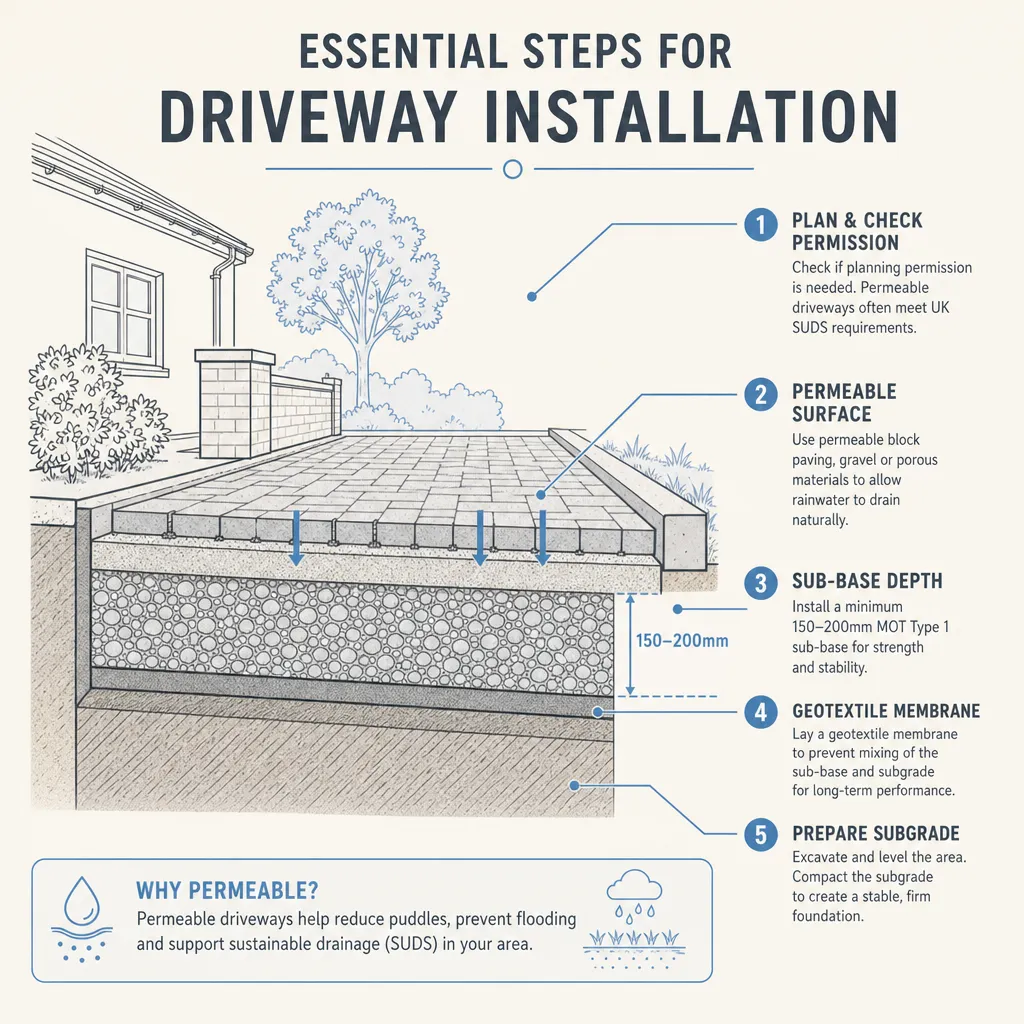
Essential Steps for Driveway Installation
Installing a driveway in England requires planning permission only when using an impermeable surface (standard tarmac, concrete, or block paving) on a front garden area over 5 m².
 Improvement & Build
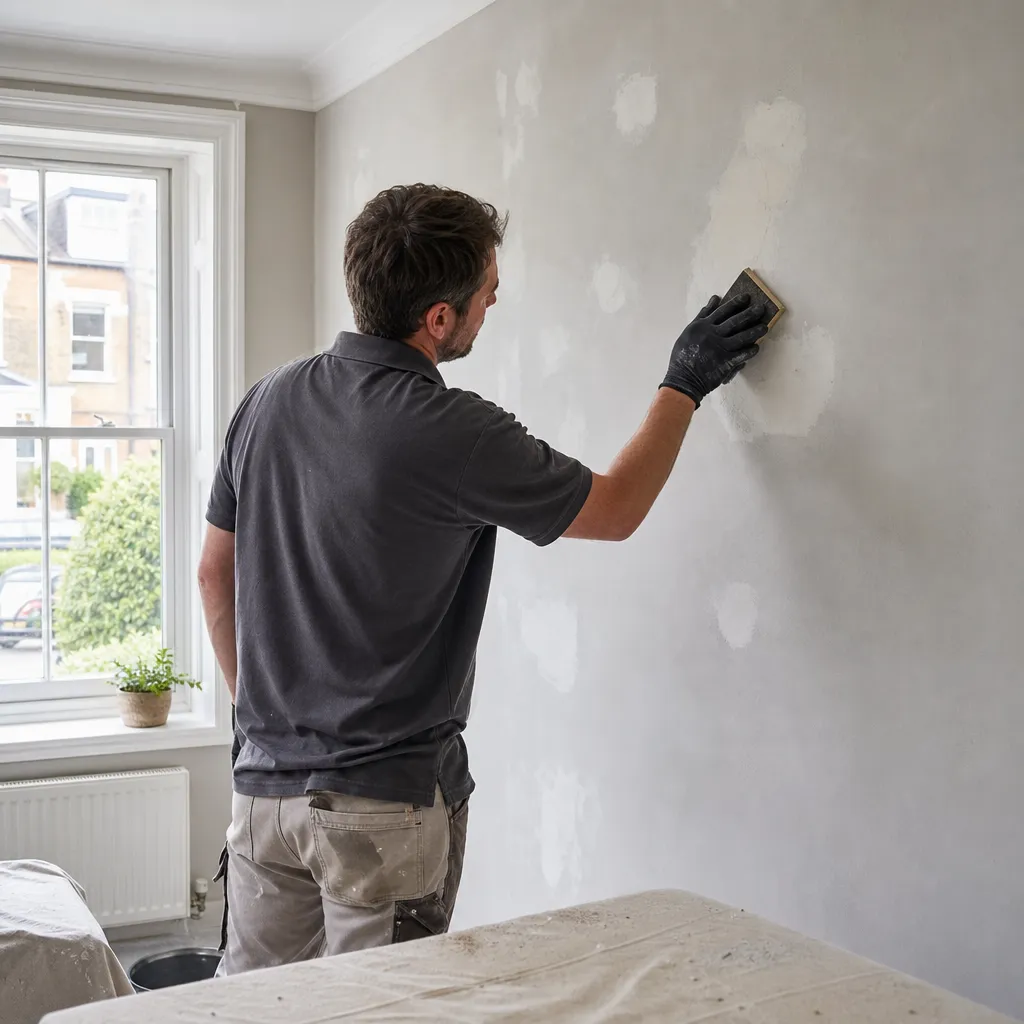
Preparing Walls for Patching: Surface Preparation Best Practice
Durable wall patching starts with removing all loose material, cutting back to a clean and stable edge, cleaning the substrate, and priming with a construction-grade PVA bonding agent before applying any filler or plaster.
 Improvement & Build
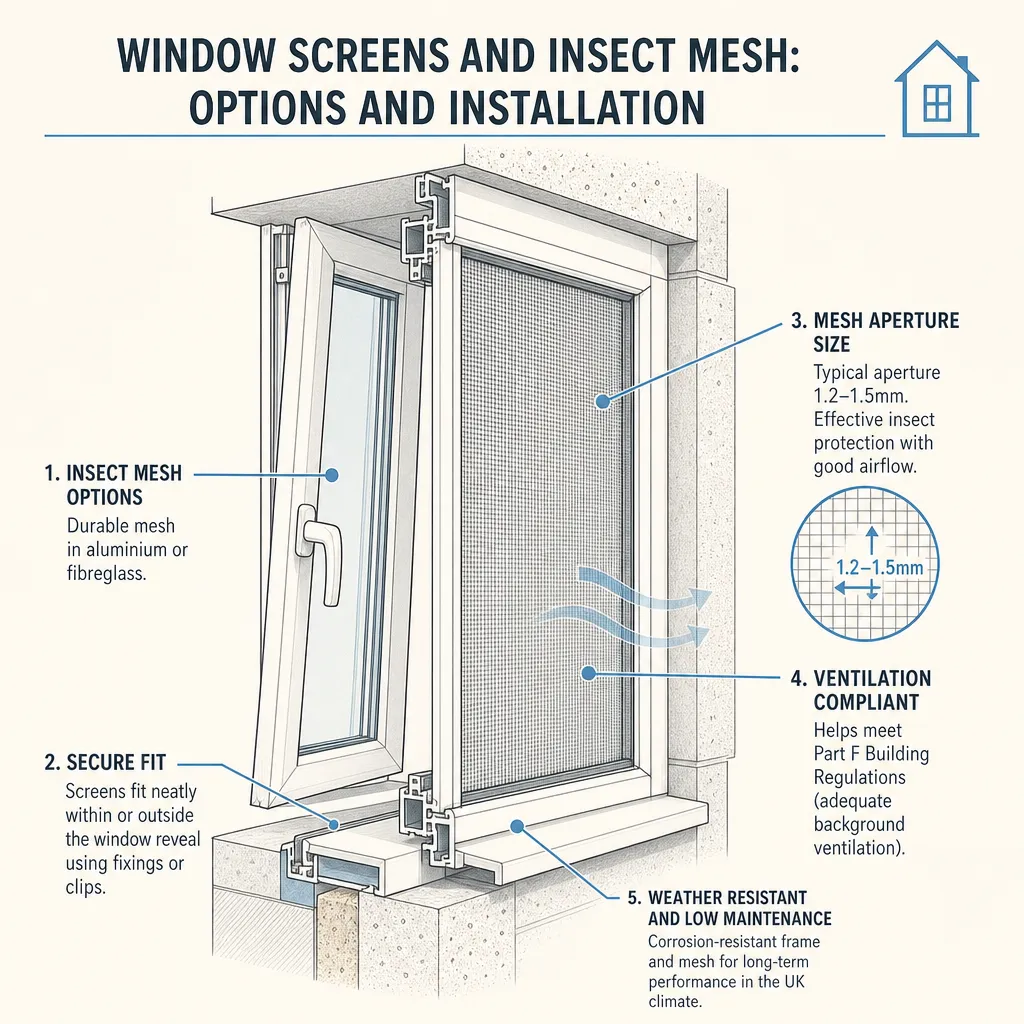
Window Screens and Insect Mesh: Options and Installation
UK window screens fall into four main types: fixed frame, roller retractable, pleated folding, and magnetic snap-fit.
 Improvement & Build
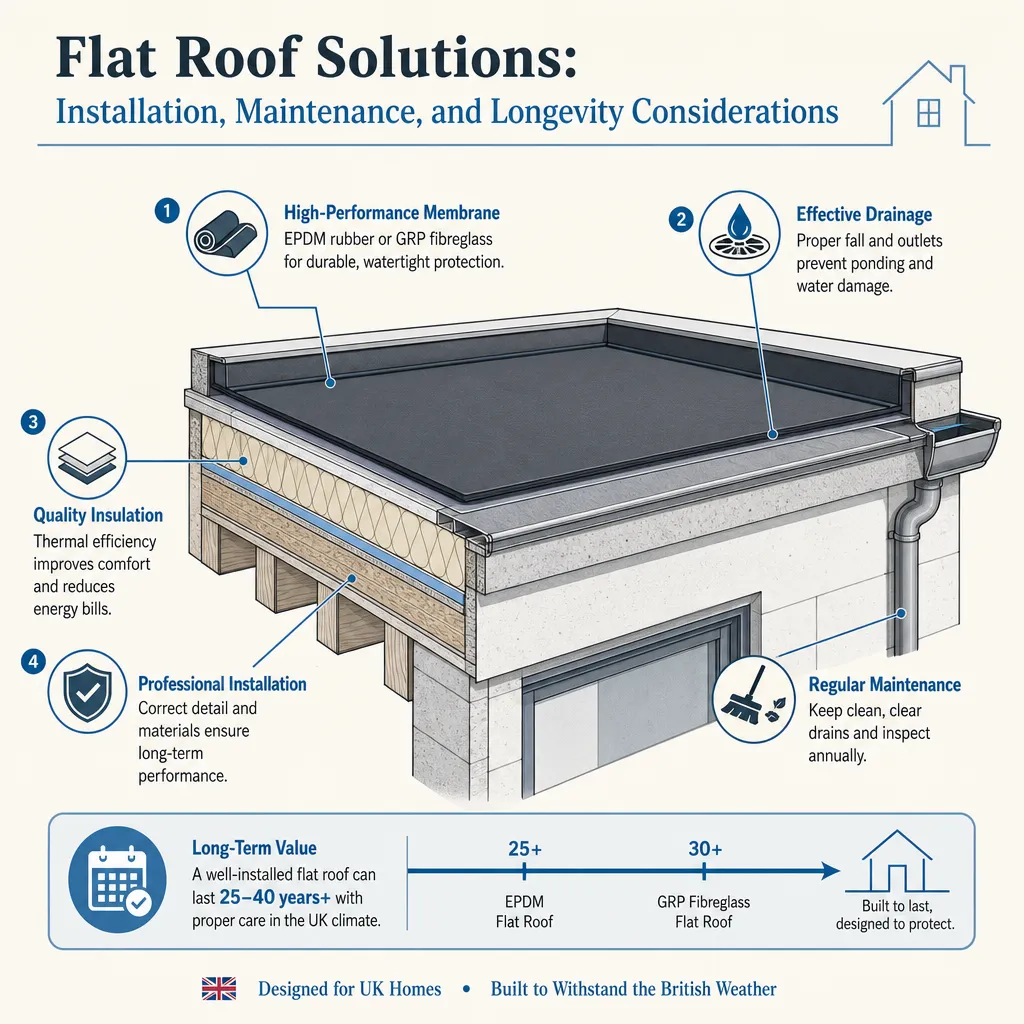
Flat Roof Solutions: Installation, Maintenance, and Longevity Considerations
Flat roofs use several waterproofing systems — EPDM rubber, GRP fibreglass, liquid-applied coatings, modified bitumen felt, lead, and zinc — each with different lifespans and installation requirements.
 Improvement & Build
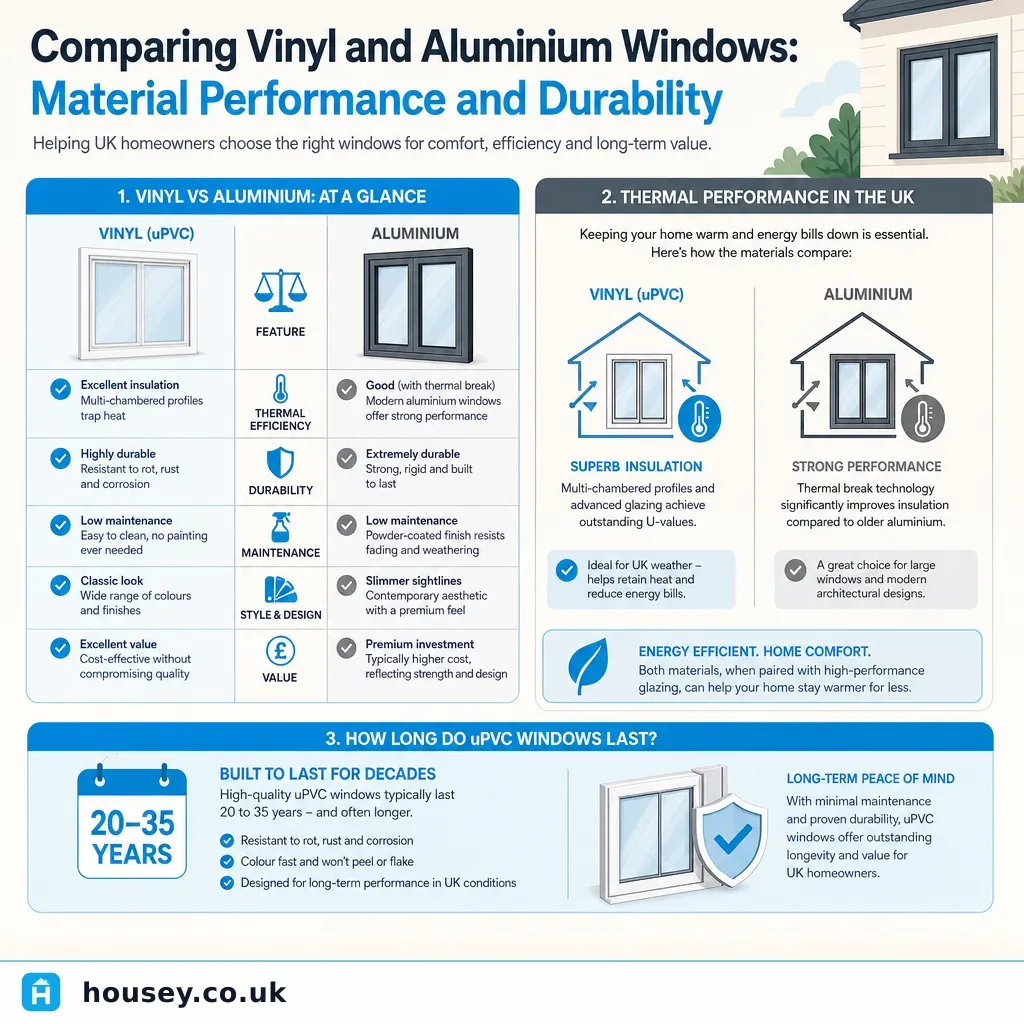
Comparing Vinyl and Aluminium Windows: Material Performance and Durability
uPVC (vinyl) and aluminium windows both meet UK Building Regulations Part L when properly specified.