Two-Stage Heating Technology: Can It Reduce Your Energy Bills?
By Housey · Last reviewed 19th of May 2026
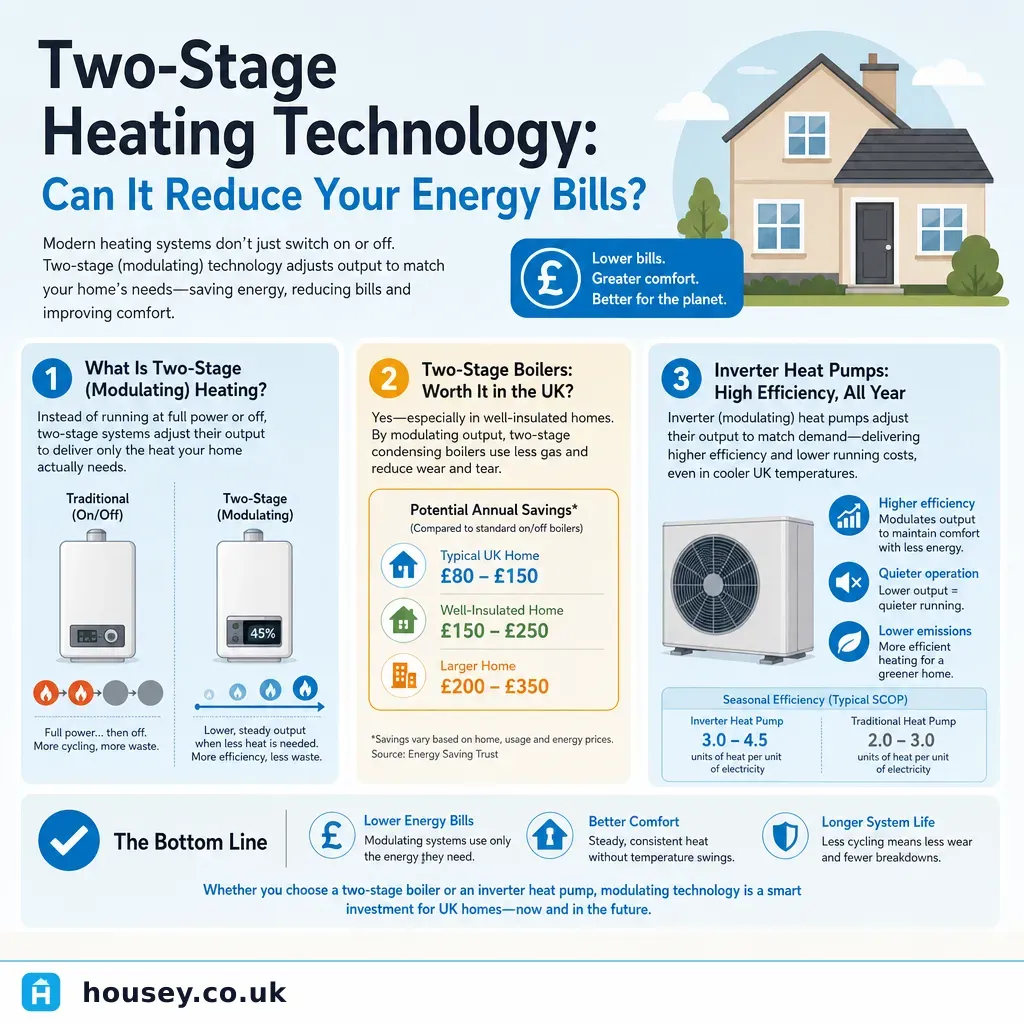
Two-Stage Heating Technology: Can It Reduce Your Energy Bills?
The concept of two-stage or modulating heating technology is increasingly discussed in UK homes, particularly as homeowners weigh up boiler replacements, consider heat pump installations under the Boiler Upgrade Scheme, or try to understand how to reduce gas bills in a period of sustained energy price volatility. For anyone who has encountered the term from North American sources, a UK context is useful: the underlying principle — varying heat output to match demand rather than cycling on and off at full power — is directly relevant to UK central heating, but the technology looks quite different here.
Key points
- In UK residential properties, the equivalent of a two-stage heating system is a modulating condensing gas boiler (varying its burner output between roughly 20–30% and 100% of maximum) or an inverter-driven heat pump (varying compressor speed continuously in response to demand).
- Building Regulations Part L requires all new gas boiler installations to use condensing technology; most modern condensing boilers already incorporate modulation, but controls configuration determines how effectively that modulation is used.
- Weather compensation control — which adjusts the boiler or heat pump flow temperature in response to outdoor temperature — is one of the most cost-effective upgrades for homes with modulating systems, with the Energy Saving Trust noting indicative savings of 5–15% where it is not already fitted.
- The Boiler Upgrade Scheme (BUS) offers £7,500 towards air source or ground source heat pump installation in England and Wales, subject to eligibility and MCS-certified installation.
- Insulation level is the primary determinant of how much efficiency benefit a modulating system can deliver: a poorly insulated home with high heat loss runs any boiler or heat pump hard regardless of its modulation capability.
What does two-stage heating mean in a UK context?
The term two-stage furnace originates in North American forced-air heating, where a furnace operates at either a high or low output level. UK homes predominantly use wet central heating — circulating hot water from a boiler or heat pump through radiators or underfloor heating circuits — and the relevant technology is different.
Modulating condensing gas boilers adjust their burner output across a range (often 20–30% up to 100% of maximum) based on demand signals from thermostats and weather compensation sensors. This avoids short-cycling — the rapid on/off switching that characterises older fixed-output boilers and wastes energy at every startup.
Inverter-driven (variable-speed) heat pumps modulate the compressor speed continuously in response to outdoor temperature and internal demand. This is the heat pump equivalent of multi-stage modulation: the system runs at low output for extended periods when conditions allow rather than switching on and off at full power, which significantly improves the Seasonal Coefficient of Performance (SCOP).
Zone valves and controls (two-port or three-port) manage heat delivery to separate circuits but are a controls technology, not a boiler or heat pump technology. They complement modulation but do not constitute it.
For most UK homeowners, the relevant practical question is not whether to buy a two-stage system — modern condensing boilers already modulate — but whether the existing system's modulation capability is being used effectively through well-configured controls.
How much can modulating technology reduce bills?
Savings depend heavily on the home's insulation, the existing heating system, and controls configuration. Indicative figures from the Energy Saving Trust and CIBSE guidance suggest:
- Replacing a pre-2005 non-condensing boiler with a modern condensing modulating boiler: potential efficiency improvement of 15–30% on heating bills in older homes, though actual savings depend on usage patterns and the existing system's condition.
- Adding weather compensation or OpenTherm load compensation controls to an existing modulating condensing boiler: indicative savings of 5–15% on heating energy compared with simple on/off thermostat control.
- Installing a well-sized inverter-driven air source heat pump in a suitably insulated home: running cost comparison with gas depends on current gas and electricity tariffs, home insulation standard, and the achieved SCOP. The Energy Saving Trust's heat pump running cost calculator provides property-specific estimates.
These figures are indicative. A professional assessment of your specific home, its heat loss, and your existing system is required before projecting realistic savings.
Is modulating technology worth the upgrade cost?
Scenario | Is a modulating upgrade helpful? | Priority action |
|---|---|---|
Pre-2005 non-condensing boiler, poorly insulated home | Yes — boiler upgrade likely worthwhile | Address insulation alongside or before boiler change |
Post-2005 condensing boiler with basic on/off controls | Possibly — controls upgrade may be most cost-effective | Add weather compensation or OpenTherm controls first |
Well-insulated home with modern condensing boiler and TRVs | Controls optimisation is likely the priority | Full boiler replacement may offer diminishing returns |
Home with good insulation, suitable radiator sizing for heat pump | Inverter-driven heat pump likely beneficial | Obtain heat pump survey; BUS grant available |
Poorly insulated home with high heat demand | Insulation improvement should come first | System efficiency gains are maximised in well-insulated homes |
What to ask before investing in a heating system upgrade
Before committing to any heating upgrade, ask your installer or energy assessor:
- What is my home's current heat loss calculation (to BS EN 12831), and what heating output does it require?
- Is my home's insulation standard sufficient to benefit from modulation at lower output levels?
- What is the existing boiler's ErP efficiency rating and modulation range?
- Are my current controls (thermostat, thermostatic radiator valves, programmer) compatible with OpenTherm or weather compensation?
- If considering a heat pump: what is the indicative design SCOP for my property, and what changes to radiators or pipework would be needed?
- Is the quoted installation eligible for the Boiler Upgrade Scheme grant, and is the installer MCS-certified?
- Who will commission and configure the controls after installation, and is this included in the price?
- What is the expected payback period based on current tariffs, and what assumptions does that calculation make?
Heating controls: the often overlooked variable
A modulating boiler or heat pump delivers its efficiency benefits only when controls are configured to exploit that modulation:
- Weather compensation: Adjusts flow temperature automatically as outdoor temperature changes. Particularly important for heat pumps, where lower flow temperatures (35–45°C rather than 65–70°C) significantly improve SCOP.
- OpenTherm / load compensation: Allows the boiler to modulate based on the difference between room temperature and setpoint, rather than cycling to a fixed flow temperature. Requires a compatible boiler and thermostat.
- Thermostatic radiator valves (TRVs): Help prevent rooms from overheating and allow the boiler to reduce output when fewer zones call for heat — complementing modulation but not substituting for weather compensation.
- Smart thermostats: Devices compatible with full load compensation or geofencing can reduce standby energy use, but only deliver meaningful savings when paired with a properly configured modulating system.
When to get professional help
Boiler replacement and heat pump installation should be carried out by a Gas Safe registered engineer (for gas boilers) or an MCS-certified installer (for heat pumps). MCS certification is a requirement for the Boiler Upgrade Scheme grant. Controls configuration — particularly weather compensation setup — is frequently left incomplete on installation; ask explicitly that this is commissioned and documented. A retrofit assessment or energy-efficiency consultation before committing to any upgrade will identify the most cost-effective sequence of improvements for your specific property.
How Housey can help
Housey connects you with qualified energy-efficiency consultants who can assess your home's heating system and controls and identify the most cost-effective upgrade path. If you are considering a heat pump, a heat pump survey will assess your property's suitability, indicative system sizing, and potential grant eligibility. For a broader view of your home's energy performance, a retrofit assessment situates any heating upgrade within your insulation, ventilation, and energy priorities.
Frequently asked questions
Do UK homes use two-stage furnaces?
Forced-air furnaces — the heating type where two-stage technology is most commonly discussed — are not standard in UK residential properties, which predominantly use wet central heating systems circulating hot water through radiators or underfloor circuits. The equivalent UK concepts are modulating condensing gas boilers and inverter-driven heat pumps, which vary their output continuously to match demand rather than switching between fixed high and low stages.
Are all new gas boilers in the UK modulating?
Most modern condensing gas boilers sold in the UK include some degree of modulation, and Building Regulations Part L requires new installations to use condensing technology. However, the degree of modulation and quality of controls configuration vary between models. Check the boiler's ErP data sheet for the minimum-to-maximum output ratio, and ask your installer whether OpenTherm or weather compensation controls are included in the quoted price.
How do I know if my boiler is already modulating?
Check the boiler's ErP data sheet or product manual for a modulation ratio or minimum-to-maximum output range. If the minimum output is significantly lower than the maximum — for example, 4 kW to 20 kW — the boiler modulates. Whether it is configured to exploit that modulation effectively depends entirely on the controls installation, particularly whether weather compensation or load compensation is set up and active.
Is the Boiler Upgrade Scheme still available in 2026?
As of last review in May 2026, the Boiler Upgrade Scheme remains available in England and Wales, offering £7,500 for air source heat pump and ground source heat pump installations carried out by MCS-certified contractors. Eligibility criteria and funding levels can change; check the GOV.UK Boiler Upgrade Scheme page for current terms before commissioning works or budgeting on the basis of grant funding.
Sources and further reading
- GOV.UK: Boiler Upgrade Scheme — apply for a grant — GOV.UK
- Energy Saving Trust: Boilers — Energy Saving Trust
- Energy Saving Trust: Air source heat pumps — Energy Saving Trust
- Approved Document L: Conservation of fuel and power — GOV.UK / DLUHC
- MCS: Find a certified installer — MCS
- Gas Safe Register: Find a registered engineer — Gas Safe Register
Useful next reads
 Energy & Retrofit
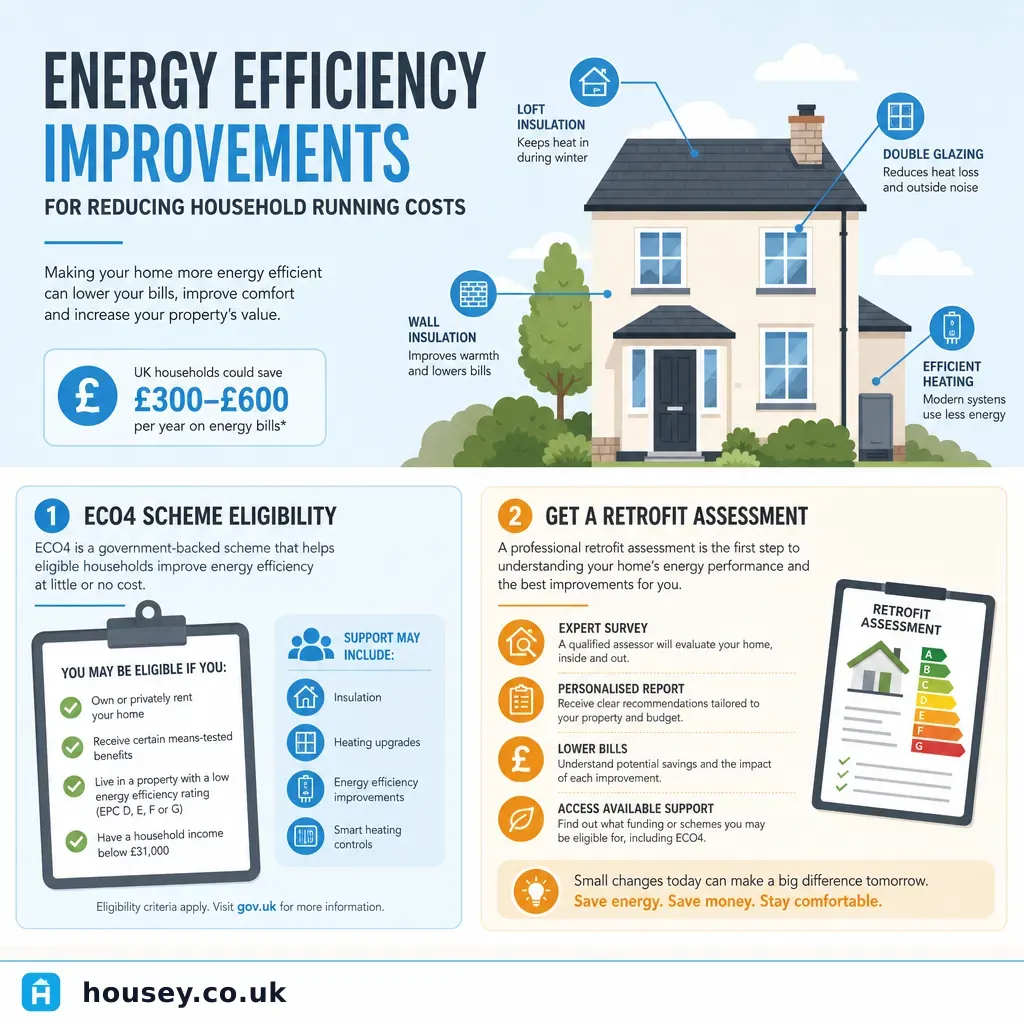
Energy Efficiency Improvements for Reducing Household Running Costs
Reducing household running costs usually starts with draught-proofing and loft insulation — the measures with the best savings-to-cost ratio.
 Energy & Retrofit
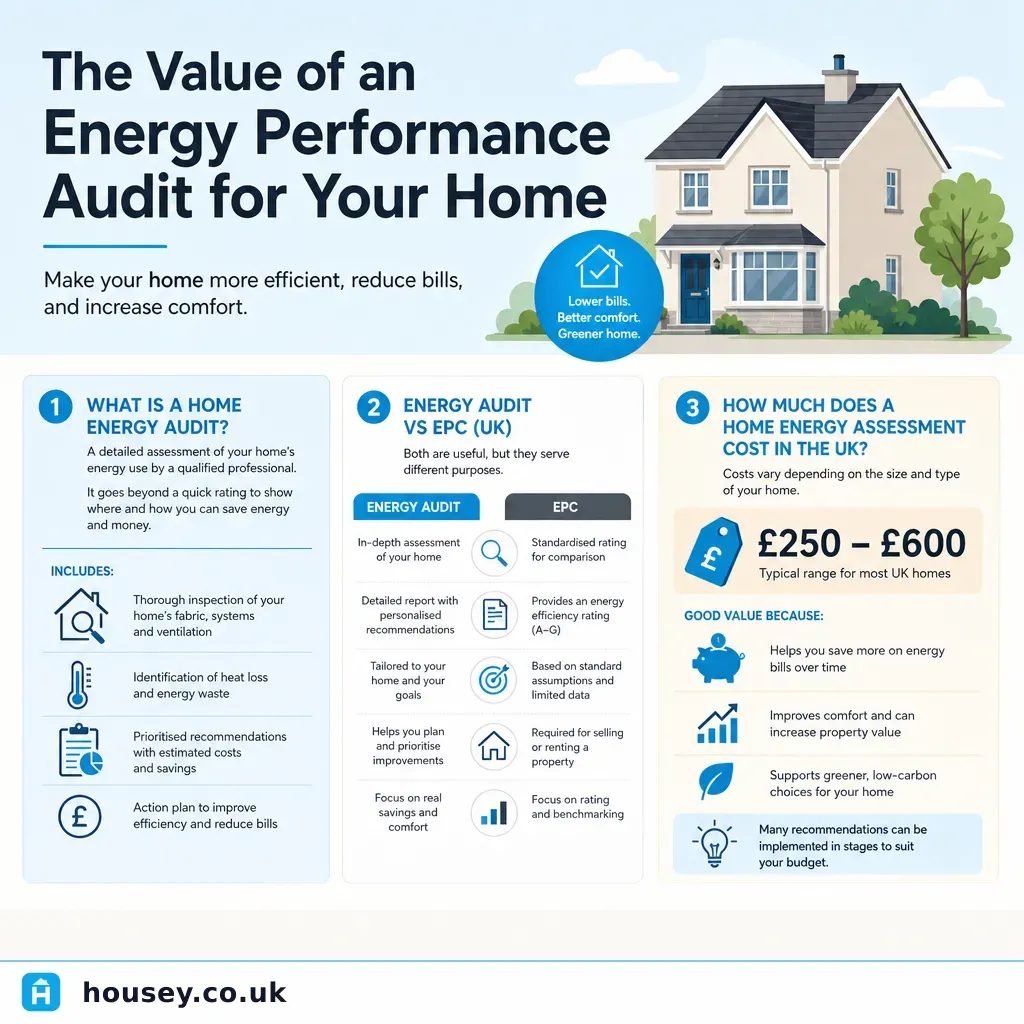
The Value of an Energy Performance Audit for Your Home
A home energy performance audit is a detailed, site-specific assessment of a property's fabric, heating, ventilation, and controls.
 Energy & Retrofit
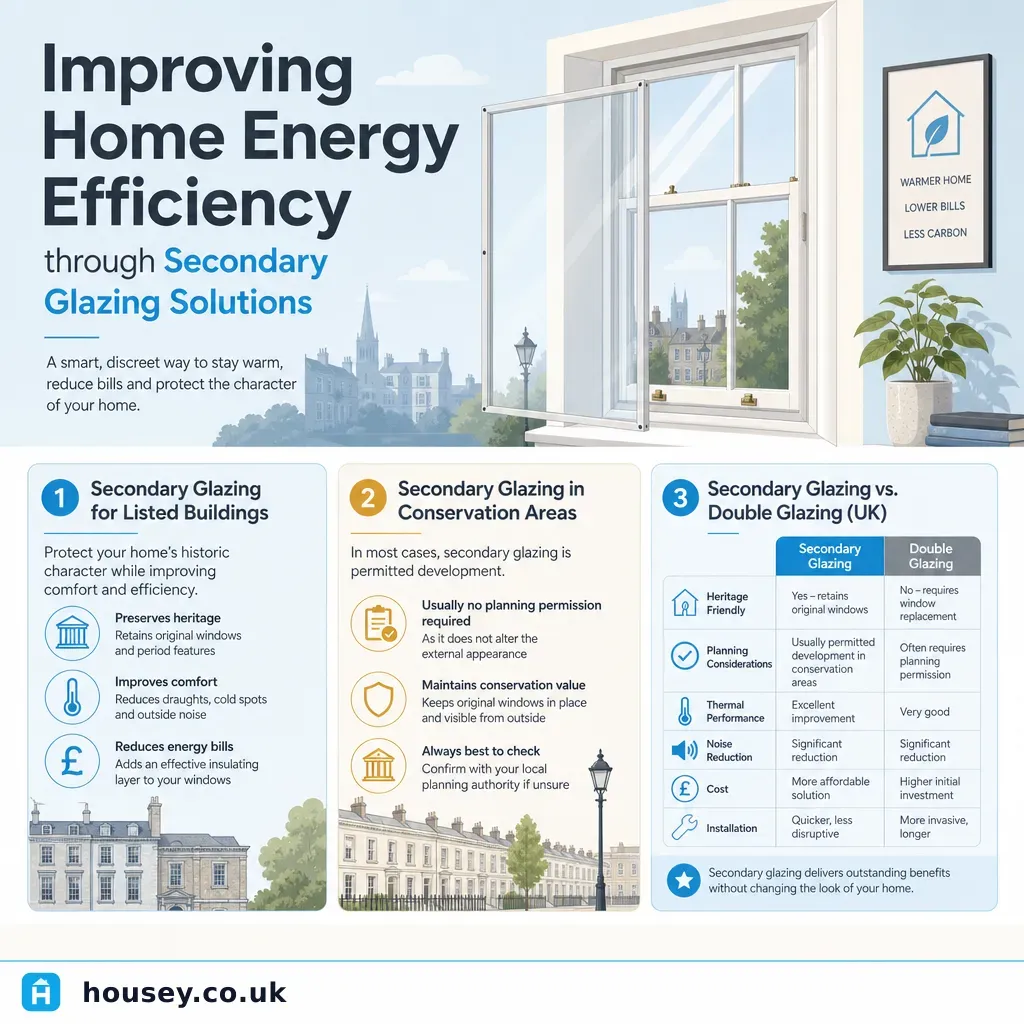
Improving Home Energy Efficiency through Secondary Glazing Solutions
Secondary glazing fits an additional pane inside your existing window reveal, reducing heat loss and noise without replacing the original frame.
 Energy & Retrofit
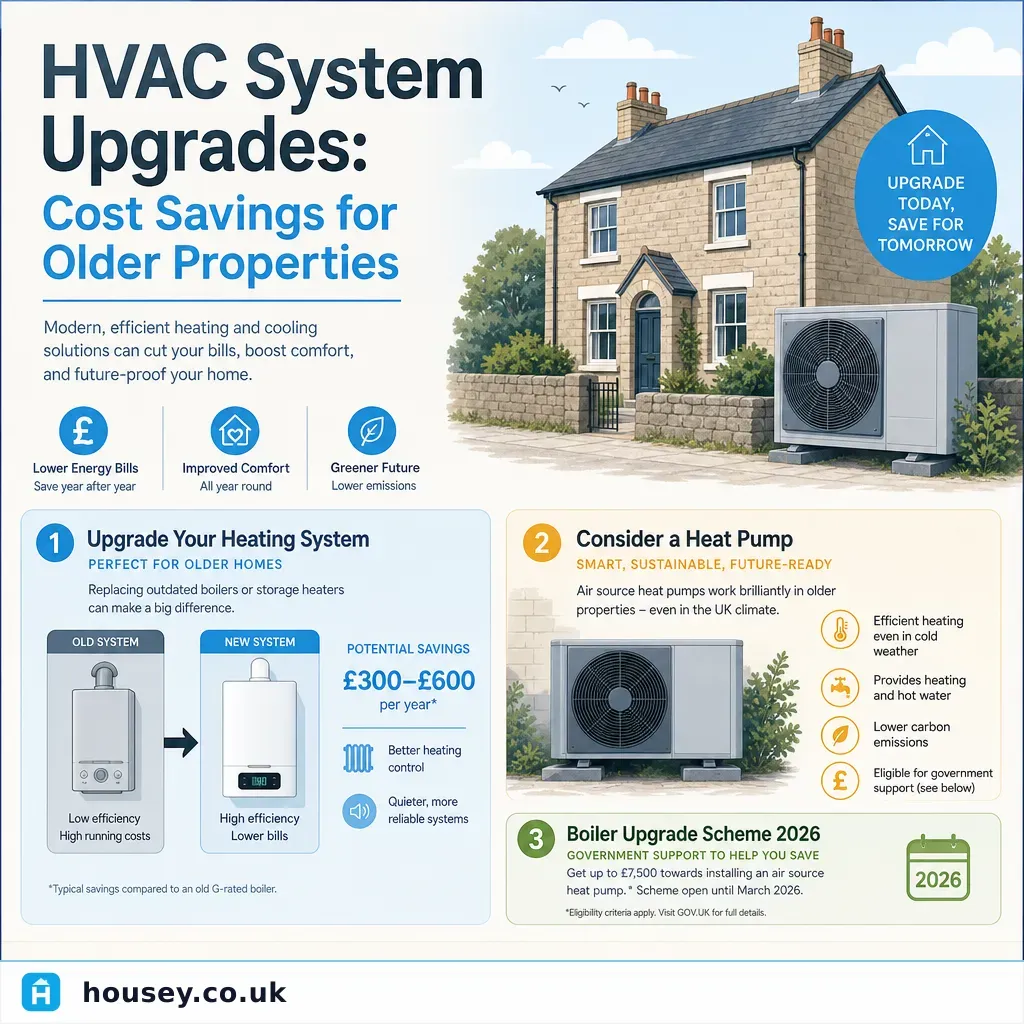
HVAC System Upgrades: Cost Savings for Older Properties
Upgrading heating and ventilation systems in an older UK home can significantly reduce energy bills, but the best approach depends on the property's insulation, construction, and heat demand.
 Energy & Retrofit
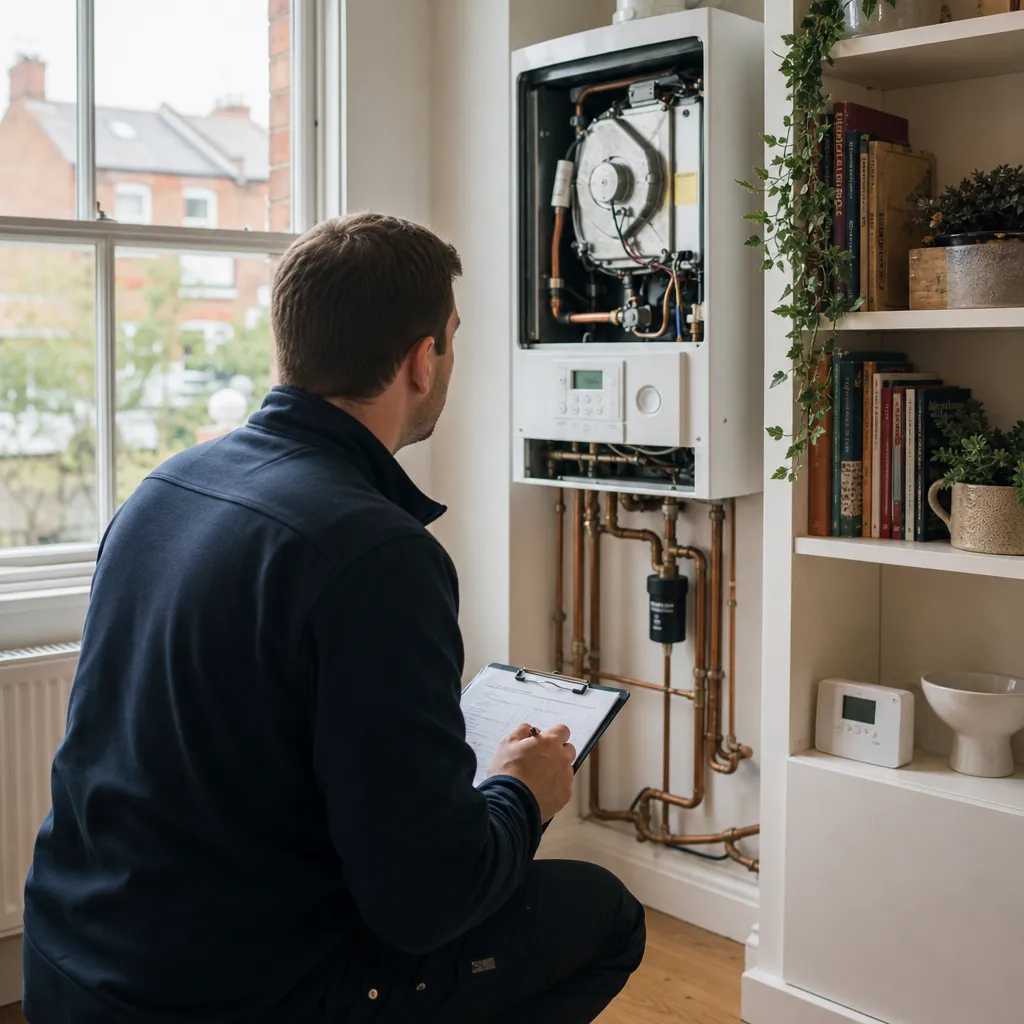
Common Home Heating Mistakes: Efficiency and Safety
The most common heating mistakes UK homeowners make include setting the boiler flow temperature too high, assuming constant low heat is cheaper than a timed programme, and neglecting annual Gas Safe servicing.