Understanding Architectural Specialisms: Finding the Right Design Professional
By Housey · Last reviewed 26th of May 2026
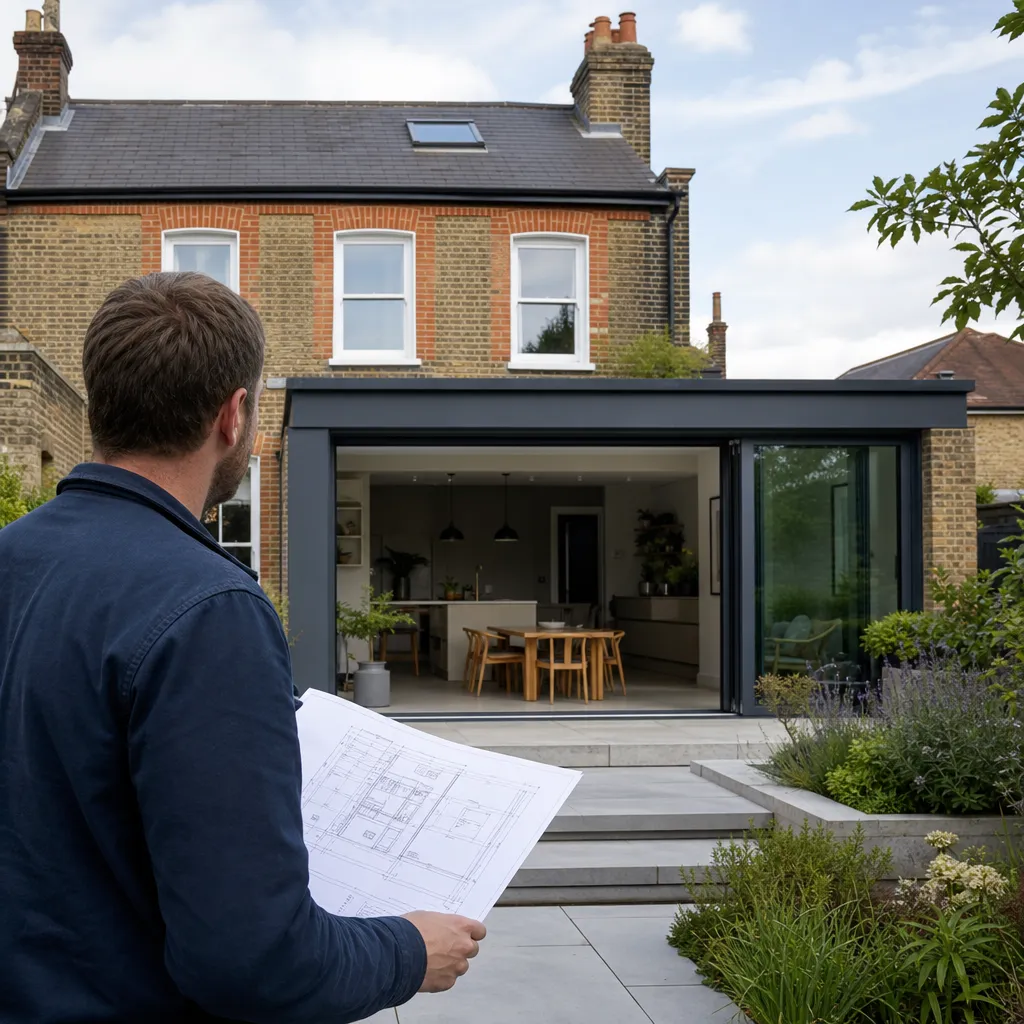
Understanding Architectural Specialisms: Finding the Right Design Professional
Commissioning design work on a UK property — whether a modest kitchen extension or a full self-build — requires matching the project to the right professional. The UK design industry spans registered architects, architectural technologists, unregulated designers, and structural engineers, each carrying different qualifications, regulatory status, and appropriate project types. Choosing the wrong professional can result in drawings rejected by building control, planning applications lacking required detail, or structural decisions made without the necessary expertise.
Key points
- The title "architect" is legally protected by the Architects Registration Board (ARB) under the Architects Act 1997 — only individuals on the ARB register may use it; anyone else doing so commits a criminal offence.
- RIBA (Royal Institute of British Architects) membership is voluntary; all RIBA-chartered architects are ARB-registered, but ARB registration does not require RIBA membership.
- Architectural technologists accredited by the Chartered Institute of Architectural Technologists (CIAT) are competent to manage planning applications, produce construction drawings, and administer building regulations applications for most residential projects.
- Structural engineers — typically chartered via IStructE or ICE — are required for any work involving load-bearing elements, including extensions, loft conversions, and removed walls.
- For listed buildings, Historic England and local planning authorities look for professionals with demonstrable heritage experience; RIBA Conservation Accreditation or AABC membership are widely recognised markers.
What do the different professional titles mean?
Registered architect (ARB)
A registered architect has completed a Part 1, Part 2, and Part 3 qualification — typically seven years of combined study and professional practice. ARB registration is a legal requirement to use the title "architect" in the UK. The ARB's Code of Conduct sets standards for competence, professional conduct, and client relationships, and ARB can take fitness-to-practise action against registered professionals.
RIBA-chartered architect
RIBA membership builds on ARB registration. RIBA-chartered architects (RIBA) or fellows (FRIBA) meet RIBA's continuing professional development requirements and can access the RIBA standard client contract suite. RIBA's Plan of Work is the standard project-stage framework across UK residential and commercial projects, and RIBA operates the Find an Architect public directory.
Architectural technologist (MCIAT / ACIAT)
Architectural technologists specialise in the technical and constructional aspects of building design. Accredited by CIAT, they are competent to prepare planning applications, produce construction drawings, and manage building regulations applications. For straightforward residential extensions, loft conversions, and new-build houses, a CIAT architectural technologist covers the full technical design scope without requiring a separately appointed registered architect.
Architectural designer (unregulated)
The term "architectural designer" has no legal definition, and anyone may use it. Some individuals using this title have extensive practical experience; others have no formal qualification. If you are considering an unregulated designer, examine their portfolio carefully, request references from completed projects of similar scale, and confirm they hold current professional indemnity insurance.
Structural engineer (IStructE / ICE)
Structural engineers are not architects. They calculate beam sizes, foundation requirements, and load paths — work that a design professional is not qualified to produce. Membership of the Institution of Structural Engineers (IStructE) or the Institution of Civil Engineers (ICE) indicates chartered status. Any project involving a removed or altered load-bearing wall, loft conversion, or new extension typically requires a separately appointed structural engineer.
Which professional do you need?
Project type | Typical professional | Why | When to add a structural engineer |
|---|---|---|---|
Single-storey extension | ARB architect or CIAT technologist | Planning drawings, building regulations, contract admin | Almost always — steel beams, padstones, openings in load-bearing walls |
Loft conversion | ARB architect or CIAT technologist | Permitted development or planning, building regulations | Yes — structural calcs for floor joists, dormer framing, ridge beam |
New-build house | ARB architect (recommended) | Design quality, planning, full project management | Yes — foundation design, structural frame |
Listed building works | ARB architect with heritage experience or RIBA Conservation Accredited | Listed building consent, heritage statement | Depends on scope |
Planning application only | ARB architect, CIAT technologist, or experienced designer | Drawings and documentation for LPA submission | Only if structural alterations are proposed |
Commercial or mixed-use | ARB architect with commercial experience | Planning, building regulations, fire strategy, access | Likely required |
Interior refurbishment, no structural work | Interior designer or CIAT technologist | Space planning, specifications, contractor management | Not usually |
Qualifications and accreditations to look for
When reviewing a professional's credentials, check:
- ARB registration number — searchable on the ARB full register.
- RIBA membership — searchable via the RIBA Find an Architect directory.
- MCIAT or ACIAT — searchable via the CIAT directory.
- MIStructE or CEng (structural engineers) — searchable on the IStructE directory.
- Professional indemnity insurance — ask for written confirmation of current cover and the level of indemnity. This is distinct from public liability insurance.
- Conservation accreditation — for listed buildings, look for RIBA Conservation Accredited Register membership or AABC (Architects Accredited in Building Conservation).
Deciding which professional to hire
- Choose an ARB-registered architect if your project involves complex planning, design quality is a priority, or you need full contract administration and site inspection during the build.
- Choose a CIAT architectural technologist if your project is technically straightforward — extension, loft, new-build house — and you want a cost-effective professional who can manage the full technical design and building regulations process.
- Choose an unregulated architectural designer only if they have a strong, verifiable portfolio, current professional indemnity insurance, and demonstrable experience with your project type. Understand that no formal ARB or CIAT complaints route is available.
- Always appoint a structural engineer alongside your design professional when any load-bearing element is altered, removed, or created new.
- For listed buildings or conservation areas, prioritise professionals with demonstrated heritage experience regardless of base qualification.
What to ask before appointing a design professional
Before signing a letter of appointment, ask:
- Are you ARB-registered, CIAT-accredited, or a member of another recognised professional body? Please provide your registration number.
- What professional indemnity insurance do you hold, and what is the level of cover?
- Have you delivered projects similar to mine in scale, property type, and planning complexity?
- Will you personally carry out the design work, or will it be delegated to a junior or sub-consultant?
- What services are included in your fee — planning application, building regulations submission, contract administration, site visits?
- What is your process for handling changes in scope or unforeseen complications?
- Do you use a standard RIBA appointment contract, or your own letter of engagement?
- If structural work is involved, do you work with a preferred structural engineer, or do I appoint one separately?
When to get professional help
Most residential projects above minor cosmetic work benefit from a qualified design professional. Seek specific advice before starting if:
- Your property is listed or in a conservation area — listed building consent and heritage statements require specialist knowledge, and incorrect drawings can significantly delay or prevent planning approval.
- You are unsure whether your proposed works require planning permission or building regulations approval — a preliminary consultation with a local architect or your local planning authority (LPA) can prevent costly abortive work.
- You are buying a property intending to extend or develop — commission a planning feasibility study before exchange of contracts to confirm constraints and scheme viability.
- Any professional you are considering cannot provide ARB or CIAT registration details, or declines to evidence professional indemnity insurance.
How Housey can help
Housey helps you find qualified architecture services professionals and architectural technologists matched to your project type and location. For projects involving load-bearing work, you can also request quotes from structural engineering specialists — all through a single request form.
Frequently asked questions
Is it a legal requirement to use a registered architect for a home extension in the UK?
No. There is no statutory requirement to use an ARB-registered architect for most residential projects. The title "architect" is legally protected, but you may appoint a CIAT architectural technologist, an experienced designer, or a structural engineer for specific structural work. The key requirement is that whoever produces the drawings has the competence to do so correctly.
What is the difference between ARB and RIBA?
ARB (Architects Registration Board) is the statutory regulator under the Architects Act 1997 — registration is the legal requirement to use the title "architect" in the UK. RIBA (Royal Institute of British Architects) is a voluntary professional membership body. All RIBA-chartered architects are ARB-registered, but ARB registration does not require RIBA membership.
Do I need a separate structural engineer if I hire an architect?
Yes, in most cases where structural work is involved. Architects and architectural technologists are not structural engineers. For any project altering load-bearing elements — removing walls, installing steel beams, converting a loft — you will need a separately appointed chartered structural engineer to produce calculations and specifications accepted by building control.
How much does an architect charge for a home extension?
Fees vary by project size, scope, complexity, and location. Architects typically charge either a percentage of construction cost (commonly 8–15% for full services on a residential extension) or a fixed fee. Indicative UK costs, last reviewed 2026-05-26. Always obtain at least three comparable quotes and confirm the full scope of services included before appointing.
Sources and further reading
Useful next reads
 Planning & Pre-Build
Building Climate-Resilient Homes: Design and Energy Strategies
A climate-resilient UK home handles hotter summers, wetter winters, and rising energy costs through high-performance insulation, overheating mitigation, flood-resilient construction, low-carbon heating, and good water management.
 Planning & Pre-Build
Architectural Design Services for Home Extensions and Renovations
Architectural design services for UK extensions and renovations span initial feasibility, planning drawings, building regulations packages, and site monitoring.
 Planning & Pre-Build
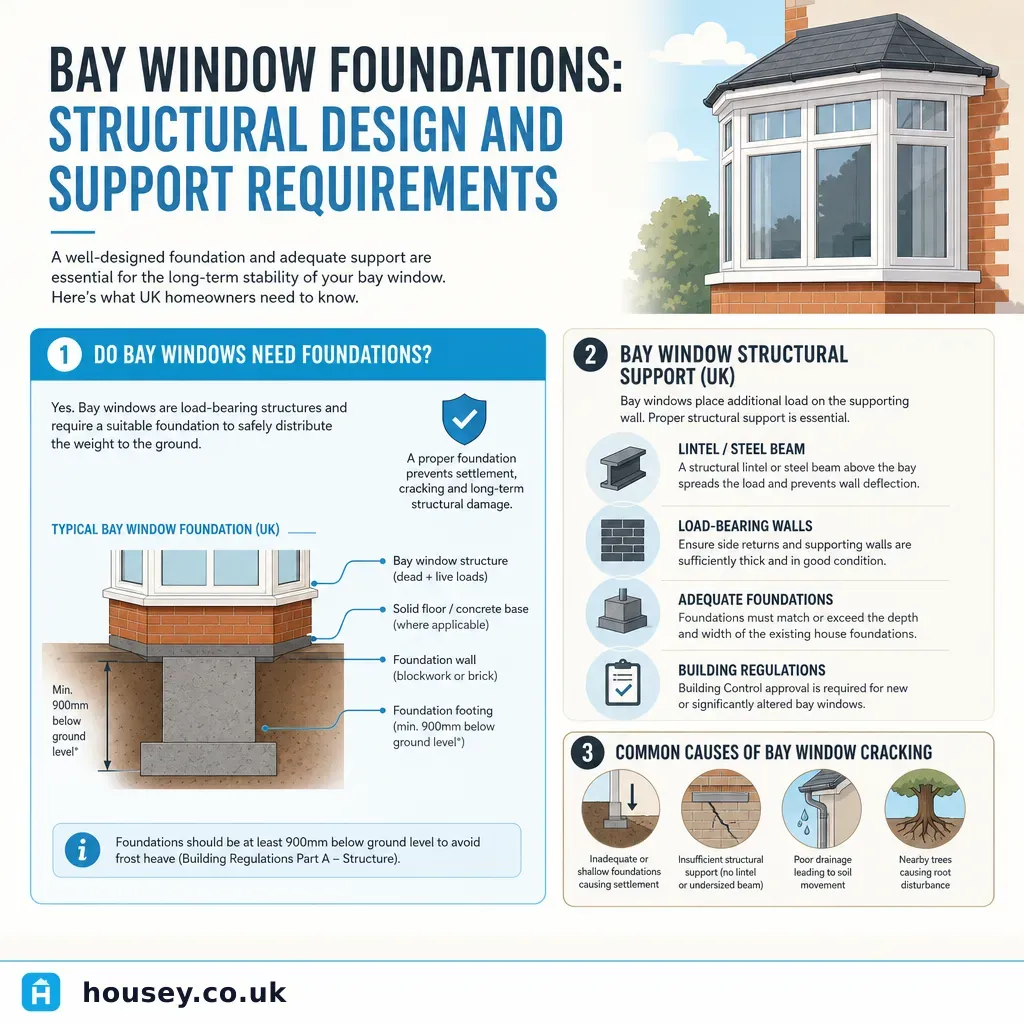
Bay Window Foundations: Structural Design and Support Requirements
Bay window foundations must transfer the bay's structural load to the ground independently of the main wall.
 Planning & Pre-Build
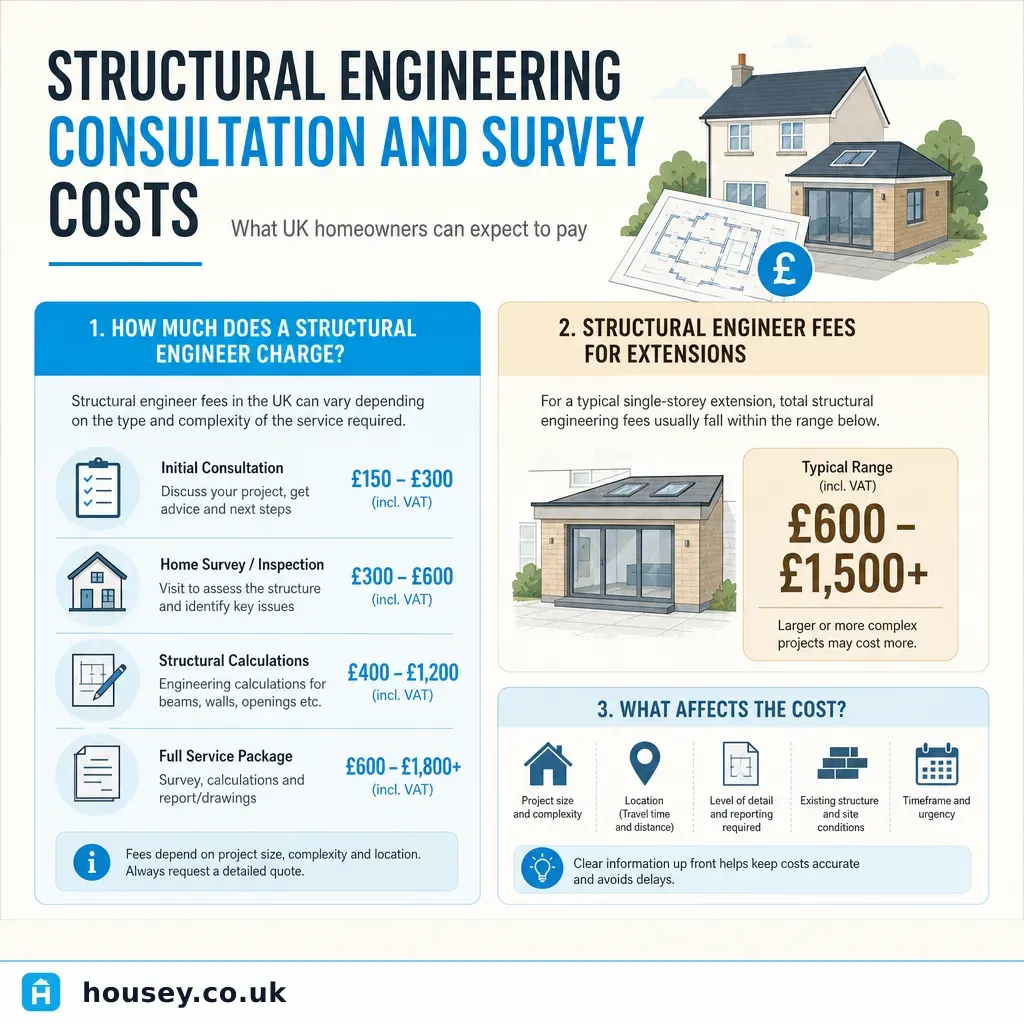
Structural Engineering Consultation and Survey Costs
A structural engineer consultation in the UK typically costs £300–£800 for a specific defect report or pre-purchase assessment.
 Planning & Pre-Build
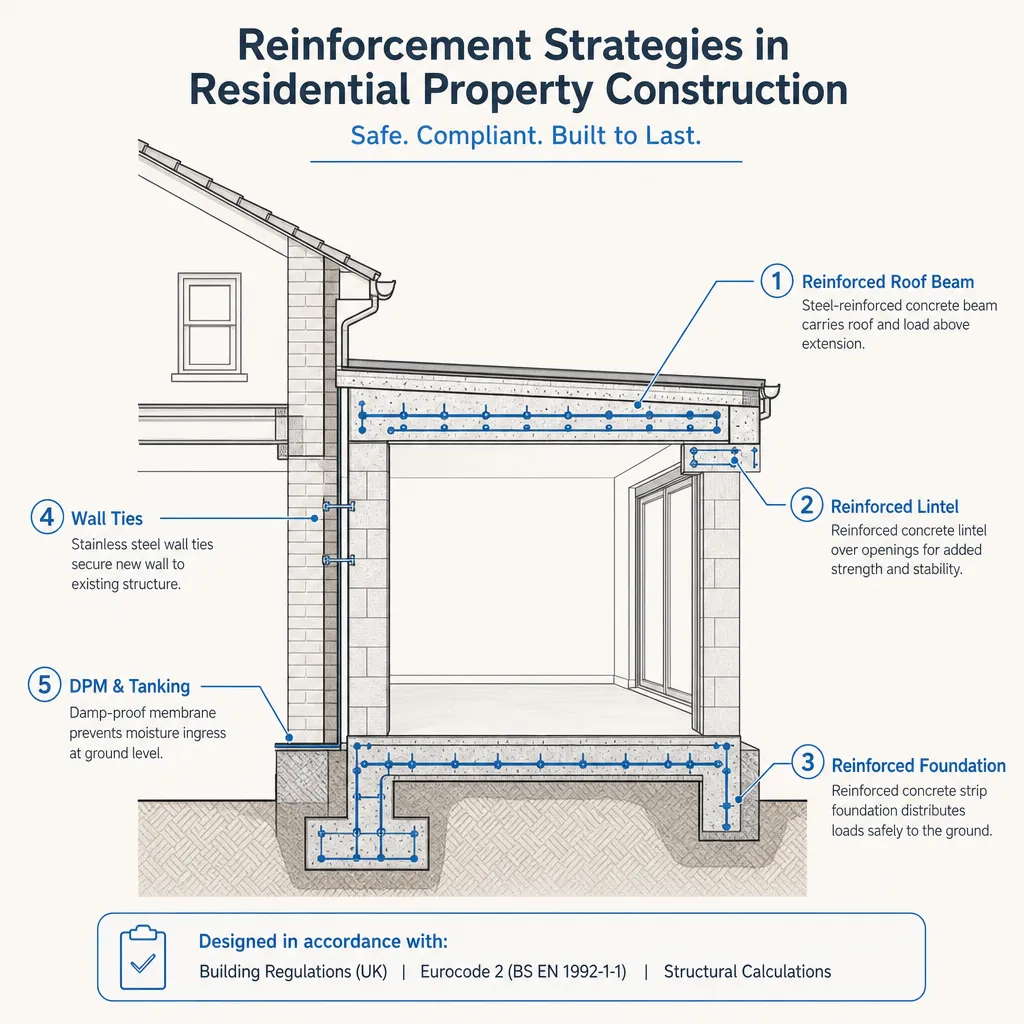
Reinforcement Strategies in Residential Property Construction
In UK residential construction, reinforcement is specified by a chartered structural engineer and must comply with Eurocode 2 and Building Regulations Approved Document A.