Understanding Loam and Garden Soil Composition
By Housey · Last reviewed 11th of May 2026
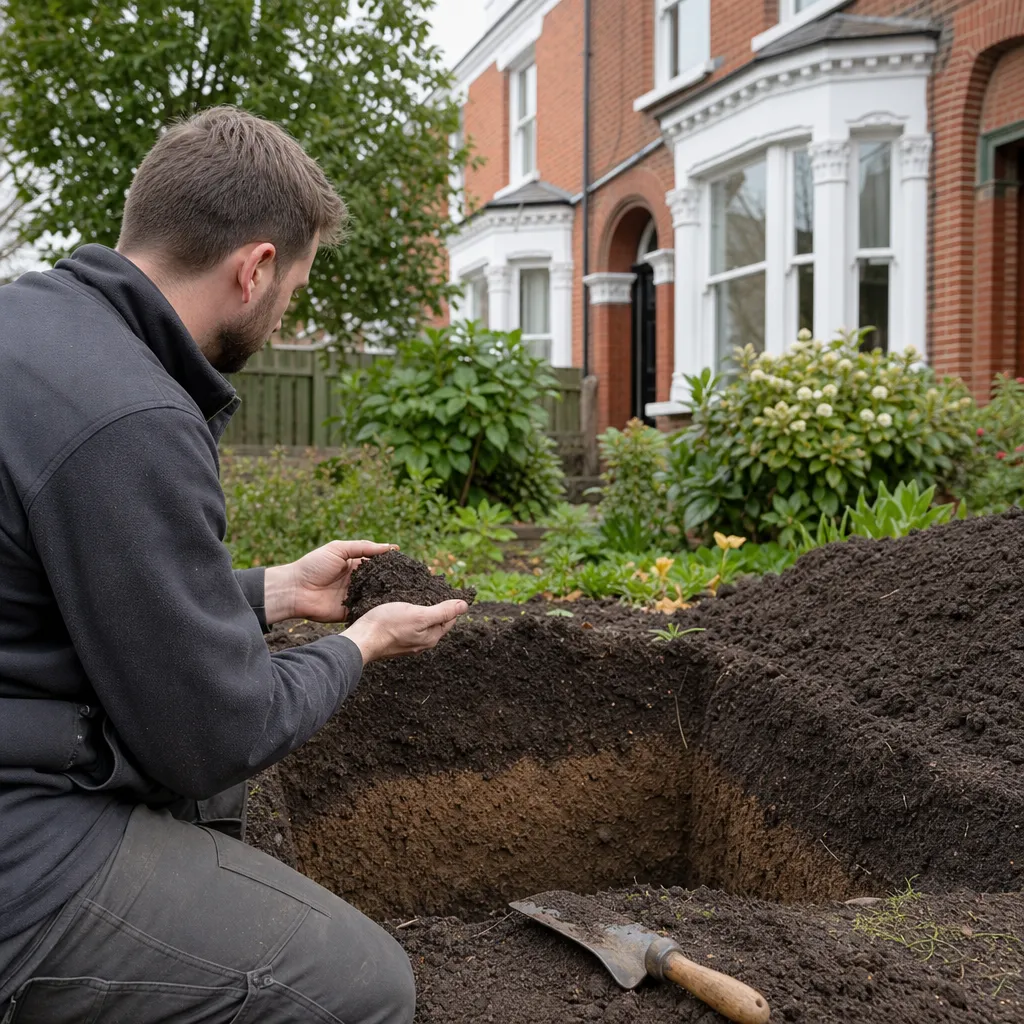
Understanding Loam and Garden Soil Composition
For any UK homeowner planning new planting, a kitchen garden, or a landscaping project, understanding what type of soil is actually in the ground is more useful than almost anything else. Soil type determines drainage, nutrient-holding capacity, workability, and which plants will suit the site without constant intervention. Loam is the benchmark soil type — fertile, well-structured, and workable — but the majority of UK gardens are not naturally loam. Knowing where your soil sits in relation to that standard, and what it will take to move it closer, makes every subsequent gardening and planting decision more reliable.
Key points
- Loam contains roughly 25–50% sand, 25–50% silt, and 10–25% clay by particle size — a balance that provides good drainage, reasonable moisture retention, and high fertility.
- The RHS recognises six main UK soil texture types: sandy, clay, silty, loamy, chalky, and peaty — each with distinct characteristics and amendment needs.
- UK soil varies significantly by region: London Clay dominates much of the South East; chalk soils are common in the South Downs and Chilterns; peaty soils occur in East Anglia, the Somerset Levels, and much of Scotland and Northern Ireland.
- A simple jar test — soil mixed with water in a sealed jar and left to settle for 24–48 hours — can reveal approximate sand, silt, and clay proportions without specialist equipment.
- Adding organic matter annually improves all soil types in the direction of loam: it opens up clay, binds sandy soils, and increases the nutrient-holding capacity of all types.
What is loam and why does it matter?
Loam is not a single fixed formula but a family of soil textures defined by a balance of particle sizes. Sand particles (0.05–2 mm) create drainage channels; silt particles (0.002–0.05 mm) carry nutrients; clay particles (below 0.002 mm) hold water and nutrients tightly. In loam, these three fractions exist in proportions that prevent the worst characteristics of any single type — the waterlogging of pure clay, the drought stress of pure sand, and the nutrient-poverty of silt.
Most horticultural references use the term loam to mean fertile, workable topsoil with a good crumb structure. The RHS classifies it as one of six main UK texture types. For gardeners and landscapers, loam is the practical reference point: knowing whether your soil is heavy clay, sandy, or already close to loam tells you how much amendment work lies ahead and what investment in raised beds or imported topsoil may be worthwhile.
UK soil types: a comparison
Soil type | Texture | Drainage | Moisture retention | Fertility | Common UK locations |
|---|---|---|---|---|---|
Sandy | Gritty, loose | Very fast | Low | Low | East Anglia, Breckland, Surrey heaths |
Clay | Heavy, sticky when wet | Slow | High | Moderate–high | London, Home Counties, Midlands, Vale of York |
Silty | Smooth, dusty when dry | Moderate | Moderate | High | River valleys, alluvial flood plains |
Loamy | Crumbly, manageable | Good | Good | High | Mixed regions; often cultivated farmland |
Chalky | Light, stony | Fast | Low | Low (alkaline) | South Downs, Chilterns, Lincolnshire Wolds |
Peaty | Dark, spongy | Variable | Very high | Low pH; low nutrients | East Anglia, Somerset Levels, Scotland, NI |
How to identify your soil type
Texture by hand: Take a moist handful of soil and squeeze it. Clay soils form a smooth ribbon and feel sticky. Sandy soils feel gritty and fall apart. Silty soils feel silky or soapy. Loam holds its shape briefly but crumbles without stickiness.
Jar test: Fill a large jar about one-third with soil, top up with water, seal, and shake vigorously. Leave to settle for 24–48 hours. Sand settles to the bottom first, then silt, then clay forms the top layer. Organic matter floats. Comparing layer depths gives an approximate texture profile without any specialist equipment.
Drainage test: Dig a hole approximately 30 cm deep and 30 cm wide. Fill it with water and time how long it takes to drain. Under 30 minutes: very free-draining, likely sandy. 30 minutes to 4 hours: moderate drainage, possibly loam or silty. Over 4 hours: slow drainage, likely clay or compacted.
pH test: Sandy and loamy soils in the UK typically range from 5.5 to 6.5; chalk soils often read 7.5–8.0; peaty soils can be 4.0–5.5. A soil pH test kit (£5–£15 from garden centres) provides a useful additional data point when identifying your soil type.
Which soil type do you have? A decision guide
- Soil ribbons smoothly between fingers and stays wet for a long time: likely clay — add organic matter annually and consider raised beds for vegetables.
- Soil is gritty and dries out quickly even after rain: likely sandy — prioritise organic matter and water-retaining amendments such as well-rotted compost.
- Soil feels silky-smooth and compacts easily when walked on: likely silt — avoid overworking; add organic matter and limit foot traffic on beds.
- Soil is dark, rich, and crumbles easily: likely already loamy or high in organic matter — maintain with annual compost application.
- Soil is pale, stony, and strongly alkaline (pH above 7.5): likely chalky — grow chalk-tolerant plants or build raised beds with imported quality topsoil.
- Soil is very dark, fibrous, and acidic: likely peaty — may need lime and drainage improvement; consult a soil specialist before significant planting investment.
Improving soil towards loam
Loam is the target, and the core tool for moving towards it across all soil types is organic matter applied consistently over time.
Clay soils: The classic mistake is adding sand in hopes of lightening clay. Unless added in very large quantities — at least 50% by volume — sand can worsen the situation, creating a cement-like texture when mixed with clay in smaller proportions. Organic matter, horticultural grit, and long-term no-dig practice are more effective. Raised beds filled with imported quality loam (compliant with British Standard BS 3882) are a practical shortcut for vegetable growing on heavy clay.
Sandy soils: Organic matter is the priority. Compost, well-rotted manure, and green manures all help bind sandy particles and improve moisture and nutrient retention. Annual application of 5–10 cm of compost is a practical maintenance regime that produces measurable improvement over 3–5 years.
Chalky soils: pH is the primary issue — the underlying chalk geology buffers strongly against change. Imported topsoil and organic matter help at the surface, but raised beds filled with quality loam are often the most practical route for growing a range of crops rather than attempting wholesale chemical amendment.
Peaty soils: Often very moisture-retentive and acidic. Drainage improvement and lime application may be needed before planting. Once pH and drainage are corrected, peaty soils can become very fertile, but the work required is often greater than on clay or sandy soils.
When to get professional help
For most UK homeowners, identifying soil type and beginning organic matter improvement is a practical task. Consider consulting a professional landscaper when:
- Your plot has been subject to recent building work — imported subsoil, compaction from machinery, and contamination from demolition debris are common and can complicate what looks like a straightforward soil problem.
- You are investing significantly in a planting scheme, kitchen garden, or lawn installation where soil quality will define the result for years.
- Drainage problems are severe — persistent standing water after rain may indicate issues beyond organic matter amendment and may warrant a professional drainage assessment.
How Housey can help
A professional landscaper can assess your soil type, recommend amendments, and implement improvements as part of a broader garden project. Use Housey to compare quotes from qualified local professionals before committing to works.
Frequently asked questions
What soil type do I have in my UK garden?
The hand-feel test and jar test (described above) are the easiest starting points without specialist equipment. Your postcode may also give a clue: Home Counties and Midlands gardens are often on clay; East Anglia is frequently sandy or peaty; the South Downs and Chilterns sit on chalk. The British Geological Survey publishes soil and geology maps indicating likely parent material by location.
Is loam soil good for vegetables?
Loam is generally considered ideal for vegetable growing. It drains well enough to prevent root rot, retains enough moisture to reduce drought stress, and holds nutrients effectively. Most vegetable crops prefer a pH of 6.0–7.0, which loam typically falls within naturally. Annual compost addition progressively improves any soil type in the direction of loam.
How can I improve clay soil to make it more like loam?
The most reliable long-term approach is annual addition of well-rotted organic matter at 5–10 cm per year, combined with minimal cultivation to preserve worm activity. Avoid adding small quantities of sand — this can worsen clay structure. Allow 3–5 years for meaningful structural change. Raised beds with imported loam offer a faster solution for vegetable growing.
What is the difference between topsoil and loam?
Topsoil simply means the upper layer of soil at any location — it may be clay, sandy, peaty, or any other texture. Loam is a specific texture characterised by a balanced mix of sand, silt, and clay. When buying topsoil, look for products compliant with British Standard BS 3882, which specifies quality criteria including texture, pH, and organic matter content.
Can I buy loam to add to my garden?
Yes. Bagged or bulk topsoil labelled as loam or compliant with BS 3882 is available from garden centres and landscape suppliers. Quality varies significantly, so ask for the supplier's specification sheet. Avoid very cheap bulk topsoil, which may contain weed seeds, stones, or be predominantly subsoil. Compare at least two or three suppliers for any bulk order.
Sources and further reading
- Soil types — Royal Horticultural Society
- Improving your soil — Royal Horticultural Society
- UK soil information — British Geological Survey
- BS 3882 topsoil standard — BSI Group
Useful next reads
 Improvement & Build
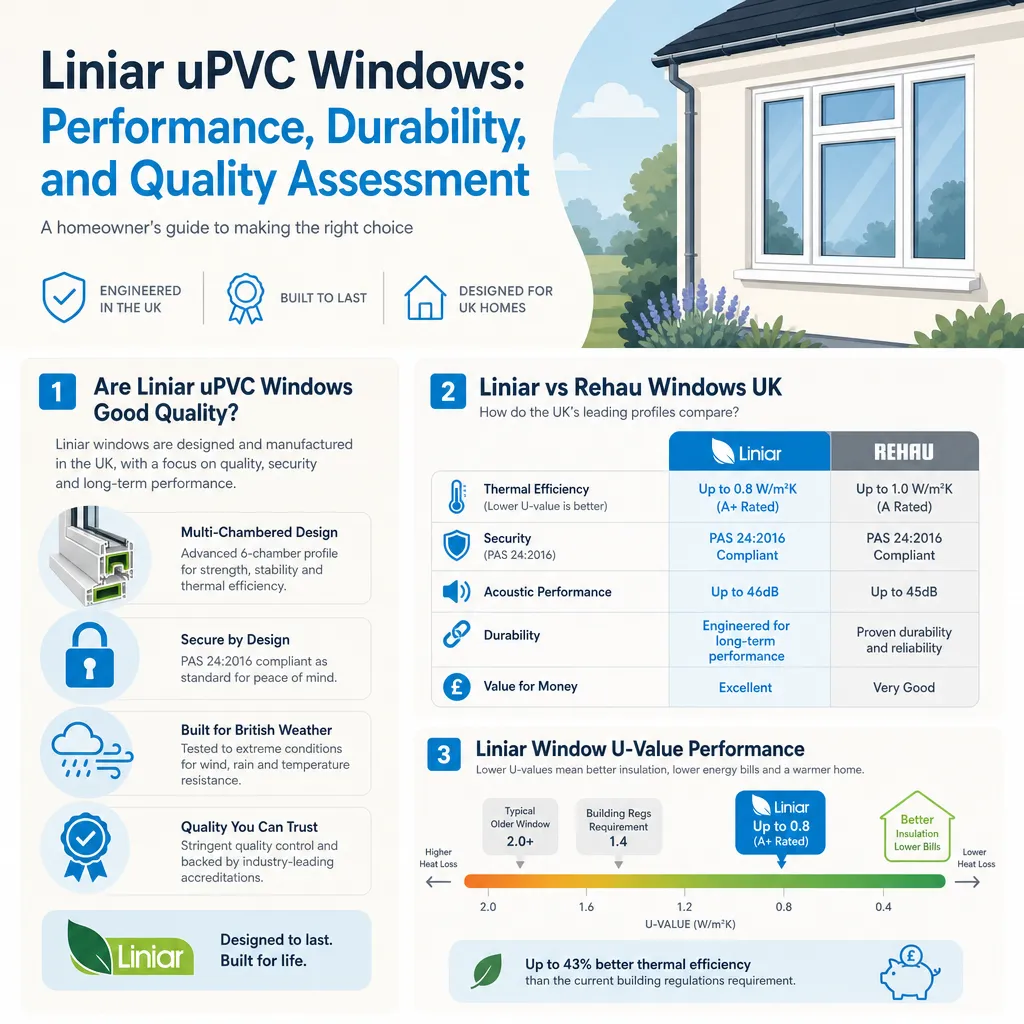
Liniar uPVC Windows: Performance, Durability, and Quality Assessment
Liniar uPVC window profiles are manufactured in the UK using multi-chambered, foamed frames.
 Improvement & Build
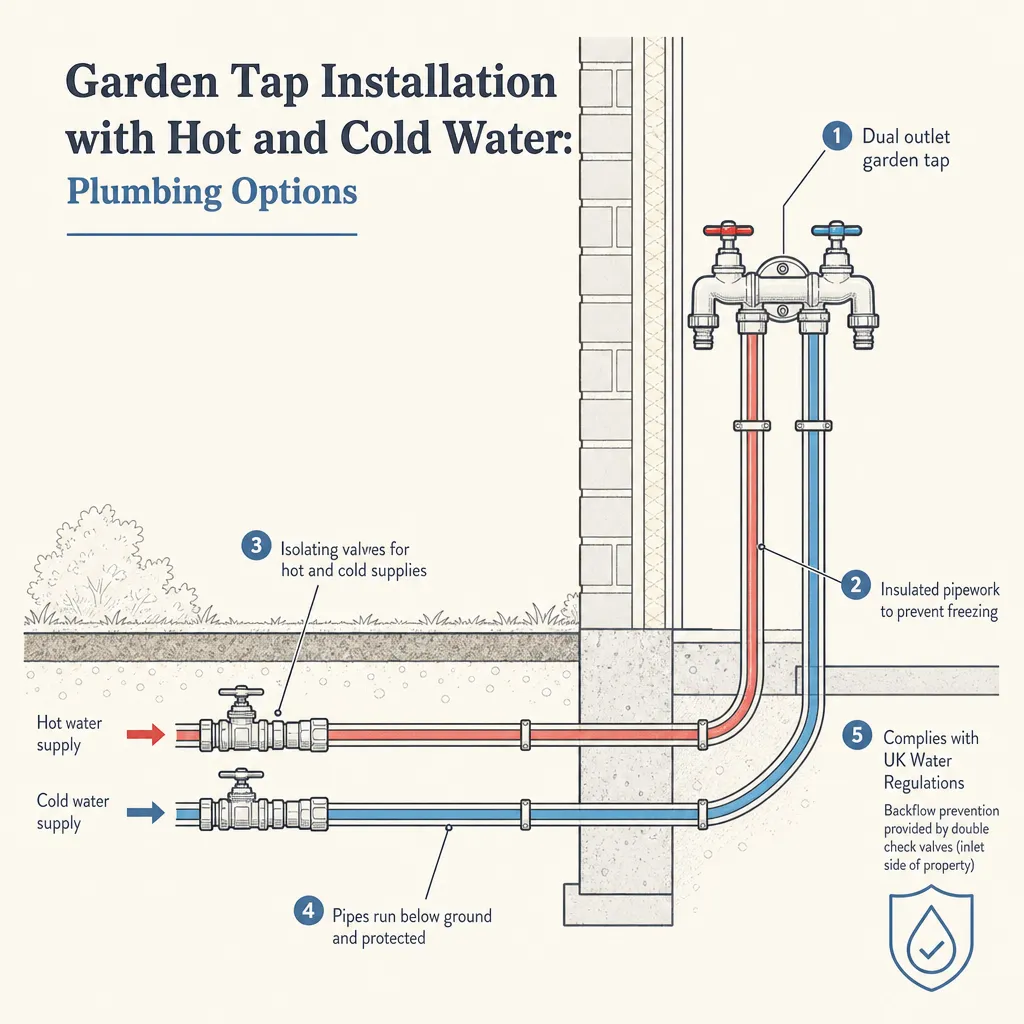
Garden Tap Installation with Hot and Cold Water: Plumbing Options
Adding a cold garden tap is a common DIY project, but routing hot water outdoors requires a plumber to connect to your domestic hot water system and comply with the Water Supply (Water Fittings) Regulations 1999.
 Improvement & Build
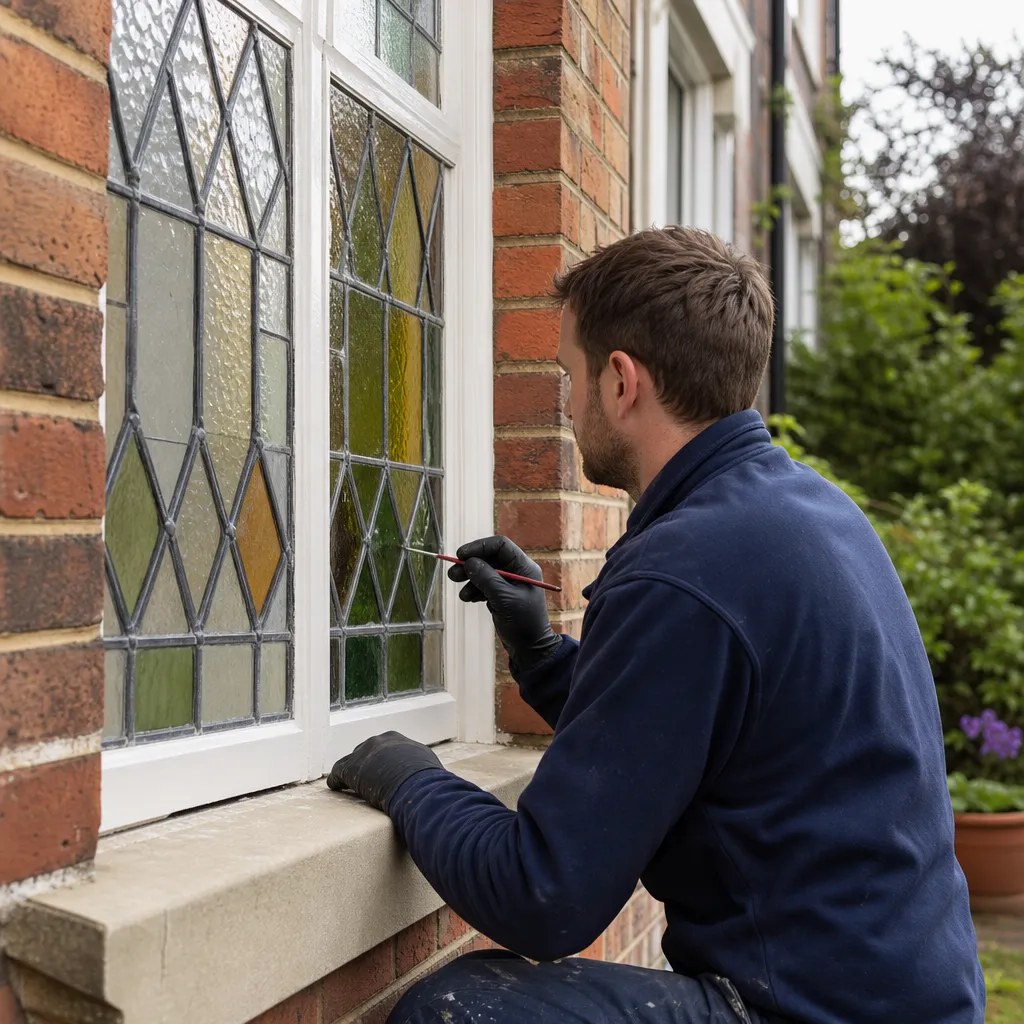
Sealing and Maintaining Historic Leaded Glass Windows: Preservation and Performance
Leaded glass windows are maintained using traditional linseed oil cement — not silicone or modern sealants, which prevent natural movement in the lead came.
 Improvement & Build
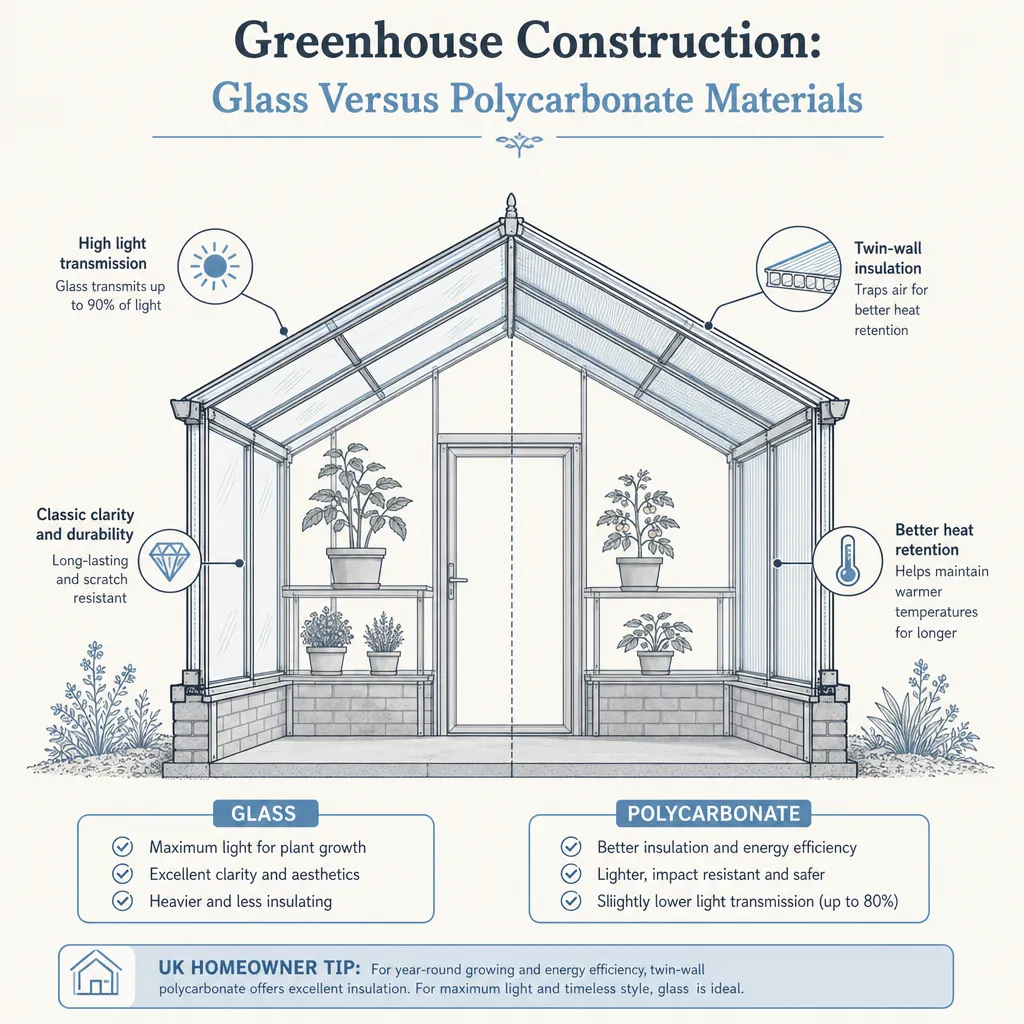
Greenhouse Construction: Glass Versus Polycarbonate Materials
Glass transmits around 90% of available light and lasts indefinitely if unbroken, but insulates poorly and shatters into sharp fragments.
 Improvement & Build
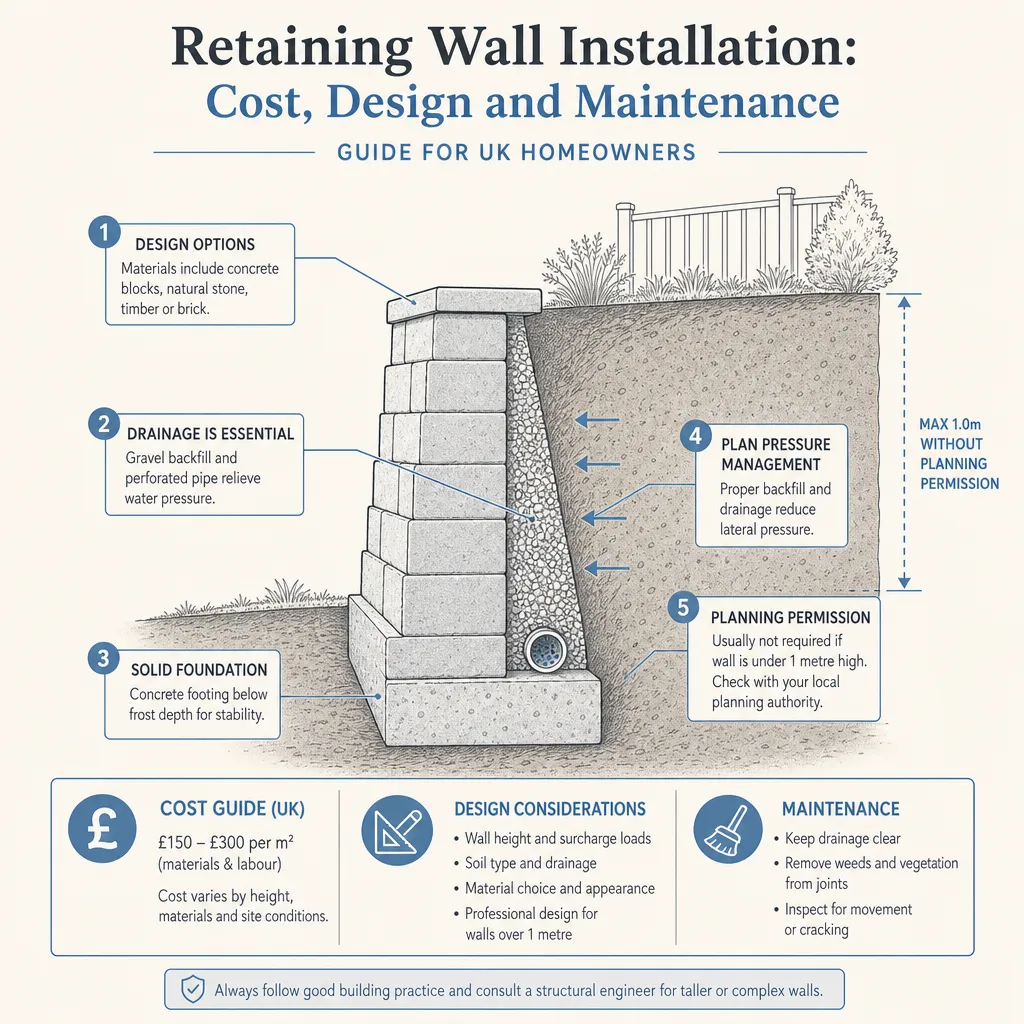
Retaining Wall Installation: Cost, Design and Maintenance
A retaining wall holds back soil on a sloped or banked site.