Velux Window Dimensions and Size Selection Guide
By Housey · Last reviewed 12th of May 2026
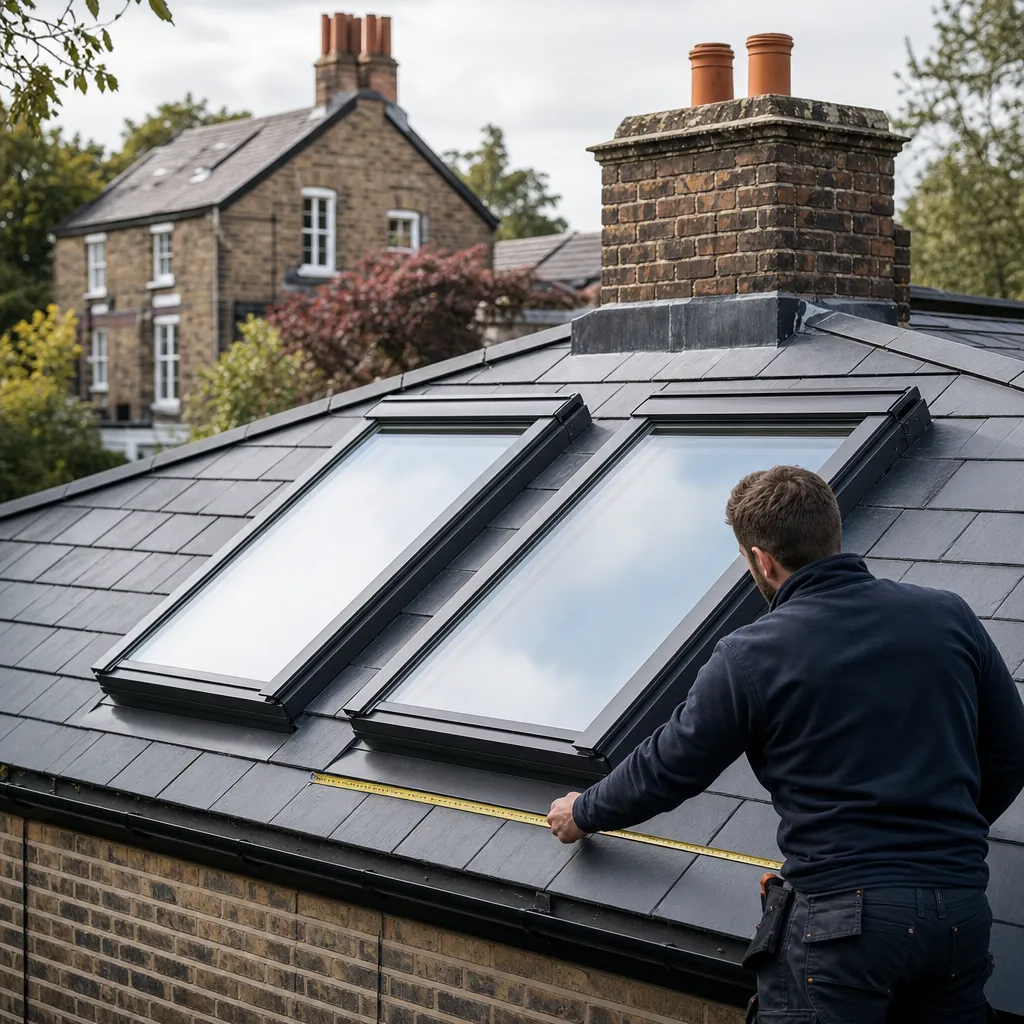
Velux Window Dimensions and Size Selection Guide
Choosing the right Velux window size before ordering is critical — once roof timbers are cut to fit a specific frame, moving to a different size means reopening the structural work and sourcing new flashing to match. Whether you are specifying windows for a new loft conversion, replacing an existing unit, or adding a window to an existing roof slope, understanding the sizing system and the constraints your roof imposes will help you avoid an expensive error at the point of delivery.
Key points
- Velux uses an alphanumeric size code where letters indicate the nominal frame width and digits indicate the nominal frame height — for example, MK04 denotes a 780mm-wide by 980mm-high external frame.
- The most commonly specified size in UK loft conversions is MK04 (780 × 980mm); FK06 (660 × 1180mm) is popular where rafter spacing is tighter but height is available on the roof slope.
- Rafter centres in most UK homes built before 1980 are either 400mm or 600mm; the window width must not exceed the clear span between rafters without structural trimmer work, which requires building control notification.
- Building Regulations Approved Document F requires habitable rooms to have rapid ventilation with an openable area of at least 1/20th of the floor area; roof windows count towards this requirement.
- Conservation area properties and listed buildings may require planning permission before installing any roof window; check with your local planning authority before ordering.
Understanding the Velux size code system
Velux size codes combine a letter pair and a two-digit number. The letters identify the width band; the digits identify the height step. The declared size is the external frame dimension — the visible glass area is smaller, and the rough opening (the structural timber aperture) must be slightly larger to accommodate the installation liner and tolerances. Always verify current dimensions against Velux UK product documentation before ordering.
Size code | Nominal width | Nominal height | Common UK use |
|---|---|---|---|
CK02 | 550mm | 780mm | Restricted spaces; narrow rafter spacing |
CK04 | 550mm | 980mm | Bathrooms; small rooms with tight rafter centres |
FK04 | 660mm | 980mm | Compact bedrooms; studies |
FK06 | 660mm | 1180mm | Bedrooms; general loft rooms |
MK04 | 780mm | 980mm | Most common: standard bedrooms and living rooms |
MK06 | 780mm | 1180mm | Larger bedrooms; open-plan loft spaces |
PK04 | 940mm | 980mm | Master bedrooms; spaces requiring maximum width |
PK06 | 940mm | 1180mm | High-light living areas |
SK06 | 1140mm | 1180mm | Maximum-light applications; confirm rafter spacing first |
These are external frame dimensions for the standard GGL/GGU range. Dimensions vary between product lines. Always verify against current Velux UK product documentation before ordering.
How rafter spacing constrains your choice
Most UK homes built before 1980 have rafters at either 400mm or 600mm centres (approximately 16 or 24 inches in imperial). In a standard between-rafter installation, the window frame sits in the clear span between two existing rafters.
For a typical 600mm rafter centre using 38mm-wide timber: the clear internal span is approximately 562mm — which means a CK-series window (550mm wide frame) generally fits without cutting structure. An MK (780mm) or larger typically requires removing a section of rafter and installing structural trimmer timbers to redistribute the load.
For 900mm or wider spacing, found in some 1960s–1970s construction, MK and PK sizes may fit between existing rafters without cutting.
If rafter spacing does not accommodate your preferred size, a structural trimmer is required. This is not DIY work — it needs building control notification and ideally input from a structural engineer or experienced loft conversion contractor, particularly where the rafter is close to a ridge beam or purlin.
Which size should you choose?
- Choose CK (550mm wide) if rafter centres are 600mm or less, the room is a bathroom or ancillary space, or very limited roof area is available.
- Choose FK (660mm wide) if rafter spacing is around 700mm, or you want more height than width — useful on north-facing slopes where sky view matters more than breadth.
- Choose MK (780mm wide) if rafter centres are 900mm or wider — this is the most common choice for main habitable rooms and carries the widest blind and accessory range.
- Choose PK or SK if rafter spacing or trimmer work permits and maximum natural light is the priority — typically specified for master bedrooms or open-plan loft living spaces.
- Consult a structural engineer or loft conversion specialist if any rafter cutting is needed, if a ridge beam or purlin is near the proposed position, or if the roof has previously been altered.
Measuring for a replacement window
If you are replacing an existing Velux window rather than creating a new opening:
- Open the window fully and measure the external frame — width then height. This is the declared frame size matching the alphanumeric code.
- Locate the product label at the top of the inner frame or on the sash. It will show the product code (e.g., GGL MK04 2070). The MK04 portion is the declared size.
- Like-for-like replacement in the same opening is straightforward; changing to a different declared size requires a new rough opening and new flashing.
- If the original flashing is an EDW or EDS kit from a window installed before approximately 2005, it may not be compatible with current frame profiles — a new BDX or BDW flashing kit will likely be needed regardless.
Pre-order checklist
Before placing your order:
Planning and building control
Scenario | Permitted development (England)? | Building control needed? |
|---|---|---|
Like-for-like replacement, same size | Usually yes | No — FENSA or CERTASS self-certification |
New window, existing opening enlarged | Check with local planning authority | Yes — Part L energy performance |
New window in previously unaltered roof | Usually yes (conditions apply) | Yes — Part L and Part F ventilation |
Conservation area property | Check with local planning authority | Yes |
Listed building | No — Listed Building Consent required | Yes |
Permitted development rights in England are set out in the Town and Country Planning (General Permitted Development) (England) Order 2015. Scotland, Wales, and Northern Ireland have their own rules. Always verify with your local planning authority if you are uncertain about your specific property.
When to get professional help
If rafter cutting is required to fit your chosen window size, this is structural work and should not proceed without professional involvement. A structural engineer or experienced loft conversion contractor should assess the rafter and specify the trimmer before any cutting begins.
For replacement windows where the existing flashing type is unclear, a specialist window installer can identify the correct flashing kit and confirm compatibility with your roof covering before you commit to an order.
How Housey can help
Housey can connect you with experienced window and door installers and loft conversion companies who can advise on correct sizing, assess rafter spacing, and manage any structural or building control requirements. Describe your project once and receive quotes from up to four vetted local specialists.
Frequently asked questions
What is the most popular Velux window size in the UK?
The MK04 (780 × 980mm declared frame size) is widely regarded as the most commonly specified size in UK loft conversions, offering a practical balance between natural light, ventilation area, and compatibility with standard 900mm-centre rafter spacing. FK06 (660 × 1180mm) is also popular where rafter spacing is tighter but additional height is available on the roof slope.
Can I fit a larger Velux window into an existing opening?
Enlarging an existing opening requires cutting the roof structure — structural work requiring building control notification. If the original window was permitted development, enlarging the opening may trigger a fresh planning assessment. Always check with your local planning authority and instruct a qualified professional before cutting any roof timbers.
Do Velux windows come in custom sizes?
Standard Velux product ranges use fixed declared sizes within the alphanumeric code system. Velux does not generally offer bespoke sized centre-pivot or top-hung windows through standard trade channels. Where a non-standard opening exists, a flat-roof module or a different rooflight product may be more appropriate — discuss requirements with a specialist installer.
How do I find the size code of my existing Velux window?
Open the window and look for a white label at the top of the inner frame or on the sash. It will show the full product code — for example, GGL MK04 2070. The letter-and-digit combination (MK04 in this example) is the declared size. If the label is missing, measure the external frame width then height and cross-reference against the current Velux UK size table.
Sources and further reading
- Velux UK — roof window products and installation documentation — Velux
- GOV.UK — permitted development for householders: technical guidance — GOV.UK
- Building Regulations Approved Document L — conservation of fuel and power — GOV.UK
- Building Regulations Approved Document F — means of ventilation — GOV.UK
Useful next reads
 Improvement & Build
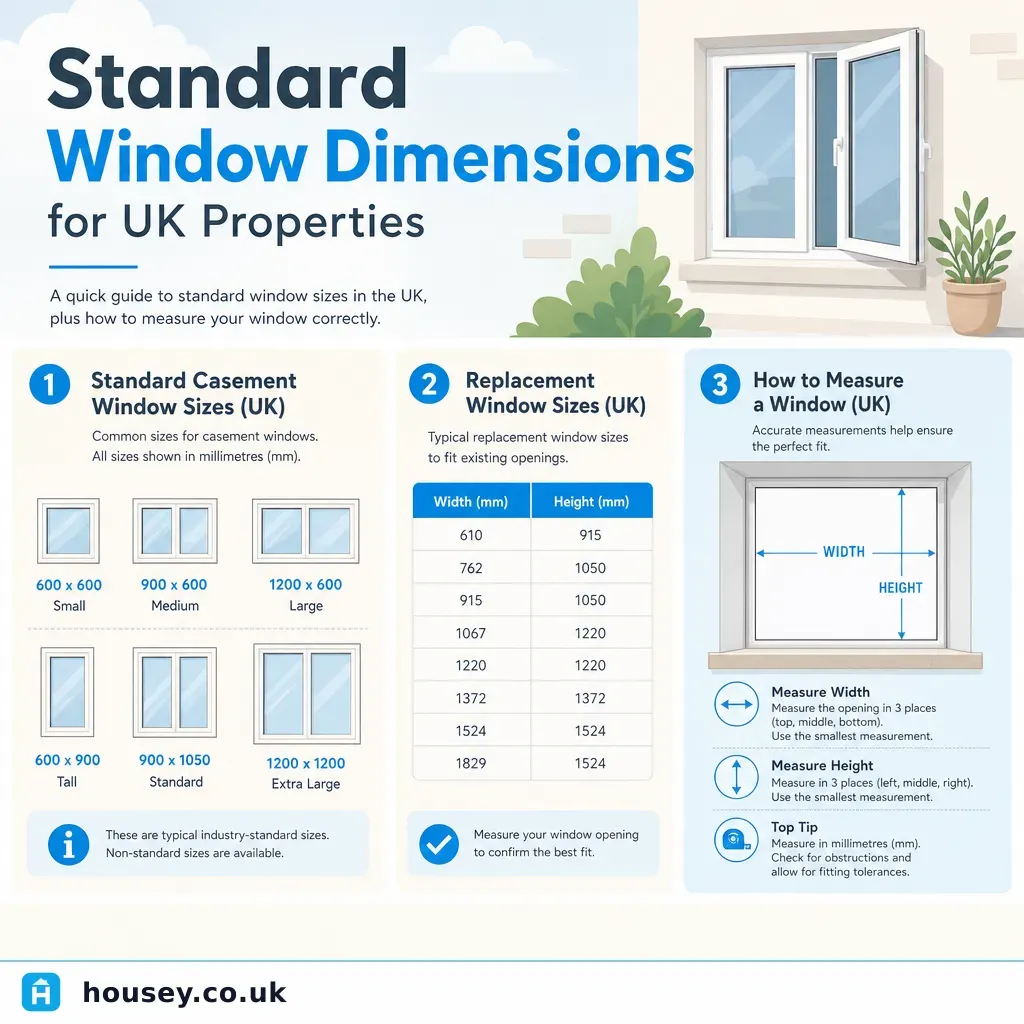
Standard Window Dimensions for UK Properties
UK windows have no mandatory size standard, but common off-the-shelf casement frames measure 600–1200 mm wide by 900–1200 mm tall.
 Improvement & Build
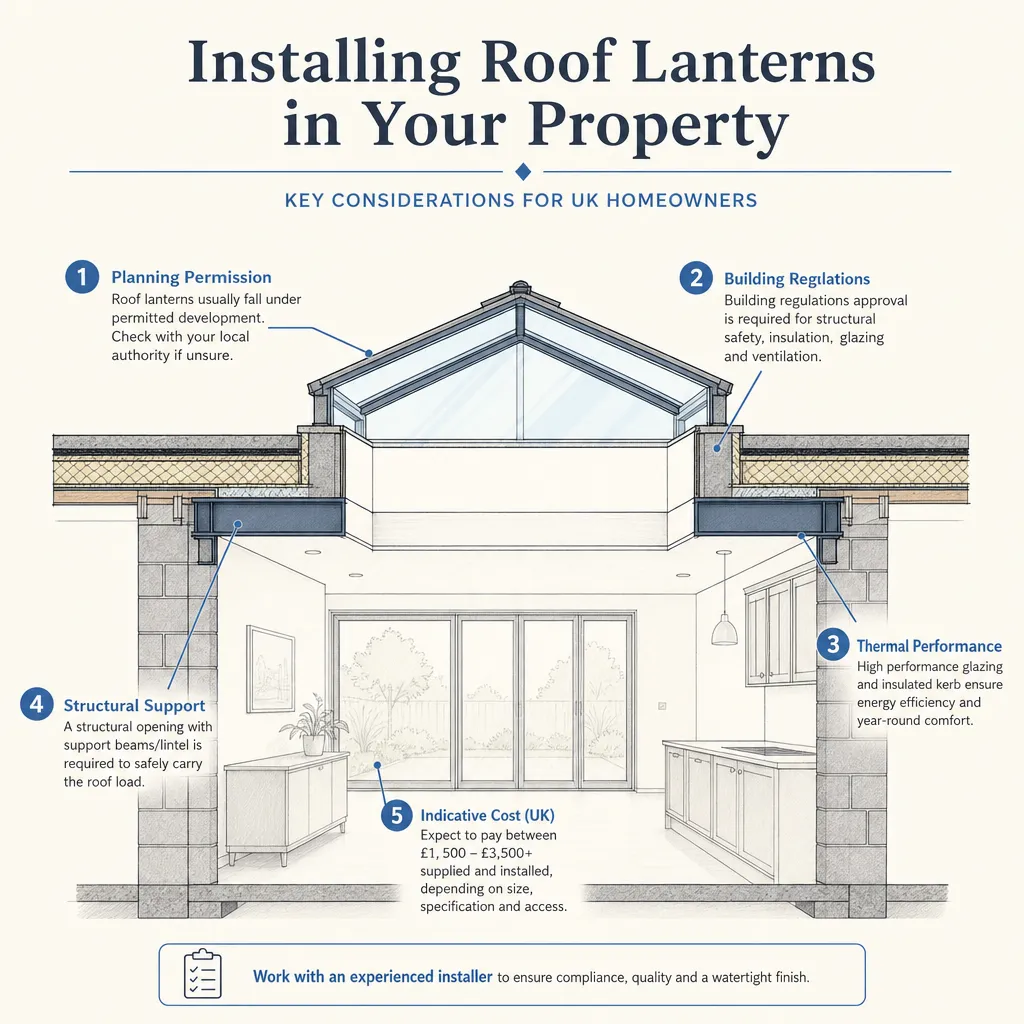
Installing Roof Lanterns in Your Property
A roof lantern can be installed under permitted development in most cases, though Building Regulations Part L applies and requires a minimum glazing U-value of 1.
 Improvement & Build
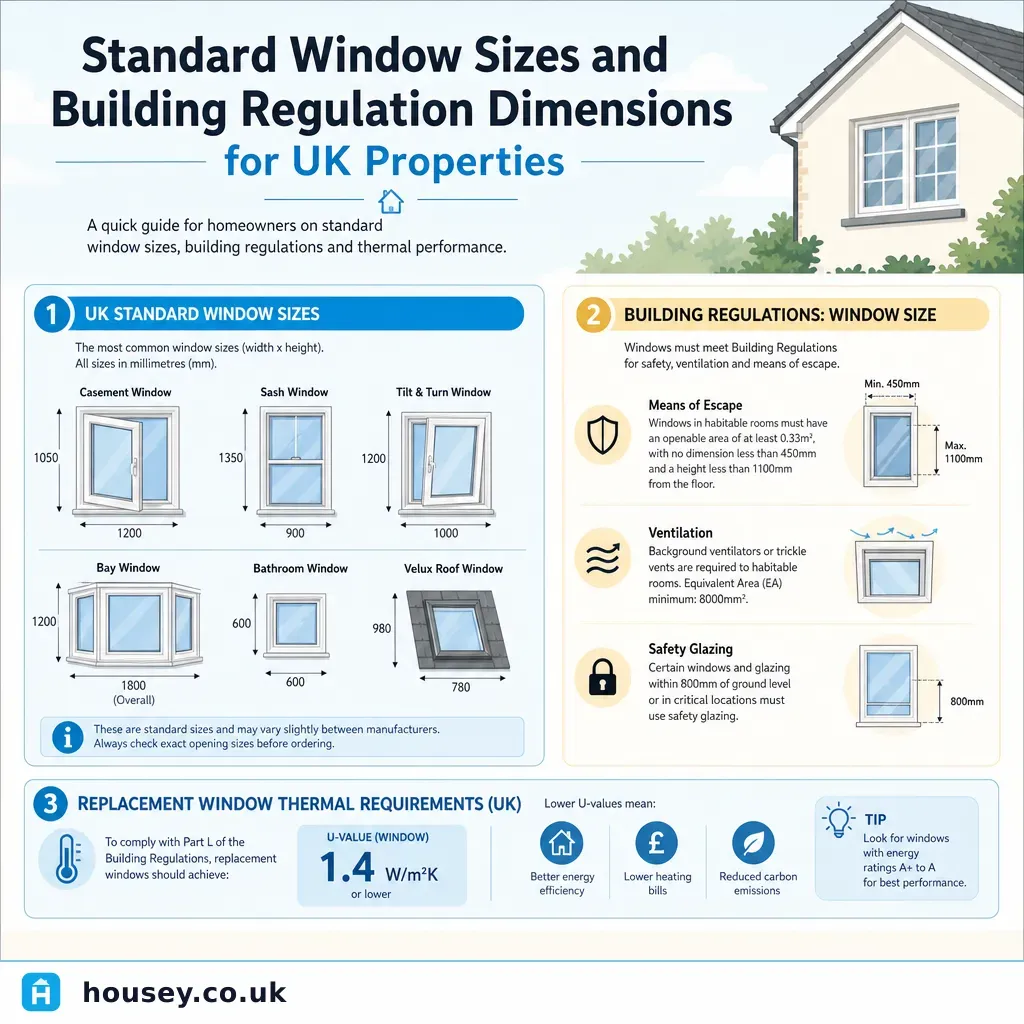
Standard Window Sizes and Building Regulation Dimensions for UK Properties
Standard UK window frames follow a roughly 150mm modular grid, with common sizes from 600mm to 2400mm wide and 450mm to 2100mm high.
 Improvement & Build
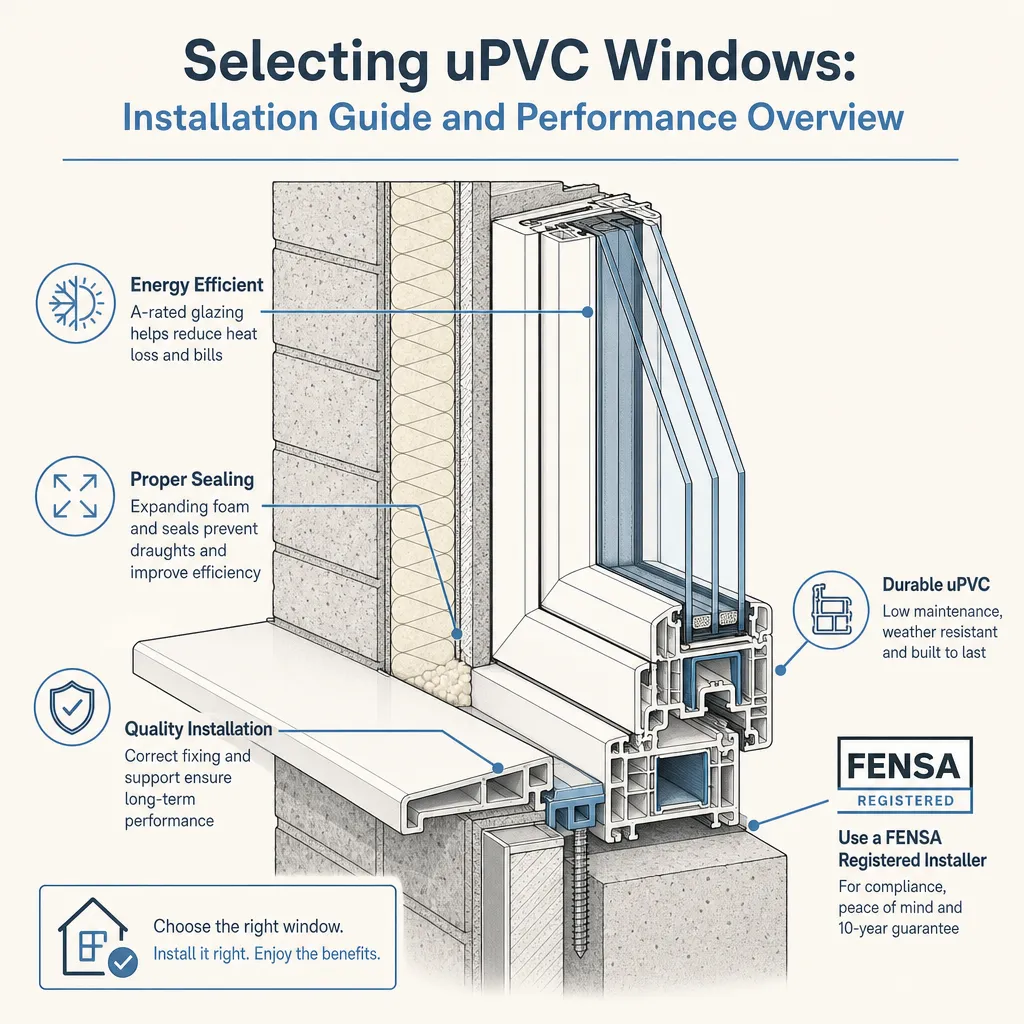
Selecting uPVC Windows: Installation Guide and Performance Overview
uPVC windows are a practical, low-maintenance choice for most UK homes.
 Improvement & Build
Demolition and Removal of a Concrete Driveway
Removing a concrete driveway typically costs £500–£1,500 for a standard single-car drive in the UK, including breaking, loading, and skip disposal.