Vertical Gardening: Layout and Design Ideas
By Housey · Last reviewed 9th of May 2026
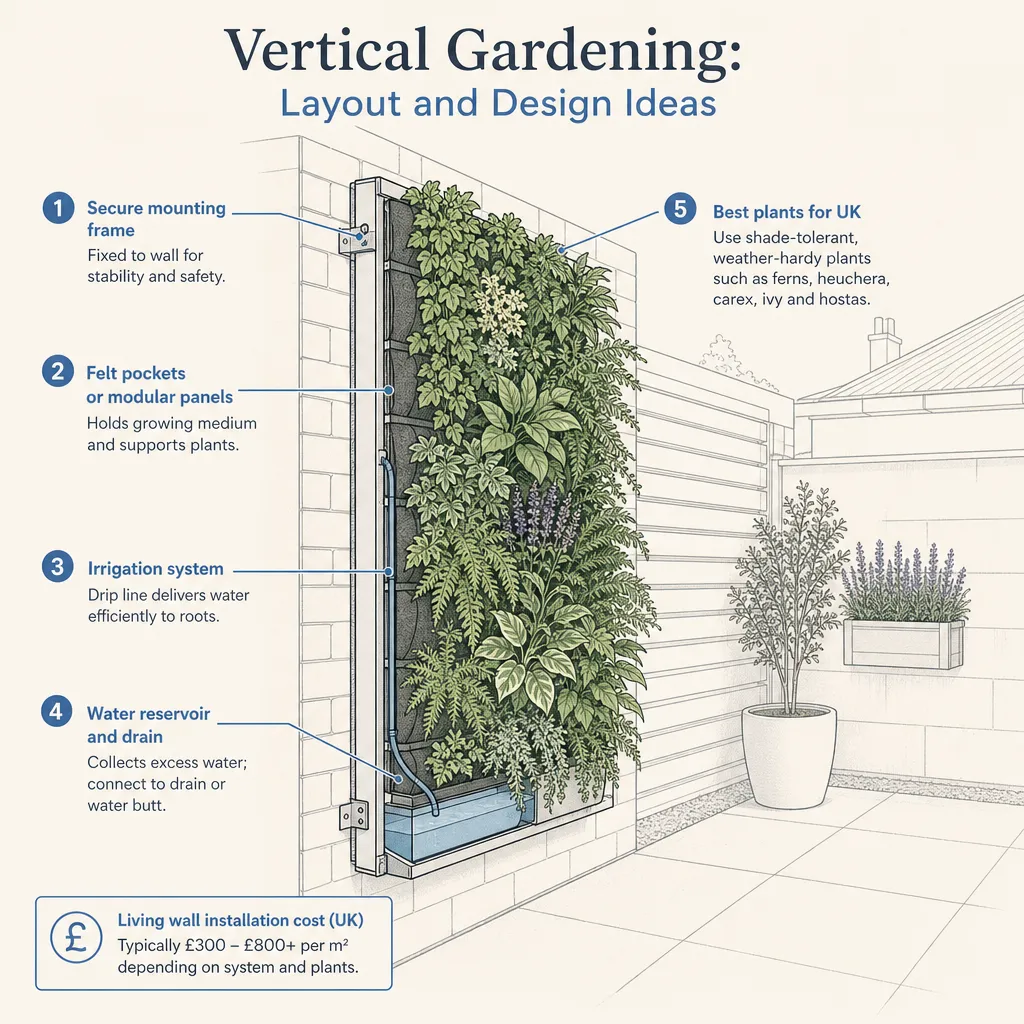
Vertical Gardening: Layout and Design Ideas
Vertical gardens are increasingly popular in the UK as homeowners look to introduce greenery into compact outdoor spaces — from narrow terraced back gardens to urban balconies and courtyard patios. Whether you are redesigning a small garden from scratch or trying to soften a blank brick wall, understanding the practical and aesthetic options available will help you plan a scheme that works for your aspect, climate, and budget.
Key points
- Modular planting panels and trellis systems are the most accessible entry point for DIY vertical gardening, typically costing £150–£500 for materials (indicative UK costs, last reviewed 2026-05-09).
- Professionally installed living walls can cost £200–£600 per square metre installed, depending on the system, plant species, and irrigation requirements (indicative UK costs, last reviewed 2026-05-09).
- All wall-mounted systems must be fixed to structural anchors — not plasterboard — to carry the weight of saturated compost and mature plants.
- Plant selection should match your wall's aspect (north, south, east, or west facing) and account for UK frost hardiness, particularly RHS zone H4–H6 for most of England and Wales.
- If your property is listed or in a conservation area, check with your local planning authority before adding a substantial living wall to an external elevation.
Types of vertical garden system
Vertical garden systems in the UK broadly fall into four categories, each with different installation requirements, maintenance demands, and aesthetic results.
System type | Best for | Typical cost (materials) | Main limitation |
|---|---|---|---|
Trellis and climbing plants | Fences, pergolas, large wall areas | £30–£200 | Slow to establish; needs seasonal pruning |
Pallet or pocket planters | DIY projects, patios, small walls | £50–£300 | Limited root space; frequent watering needed |
Modular panel systems | Mid-size walls, balconies | £150–£600 | Requires secure structural fixing |
Living wall (hydroponics or felt mat) | Feature walls, large-scale schemes | £200–£600 per m² installed | Ongoing irrigation and maintenance costs |
Indicative UK costs, last reviewed 2026-05-09.
Climbing plants such as clematis, wisteria, and climbing roses work well with trellis or wire systems against fences or rendered walls, and are typically the most cost-effective and ecologically beneficial option for UK gardens. Living walls — where plants grow directly from panels filled with growing medium — suit contemporary designs and can be used internally (with appropriate drainage and waterproofing) as well as outdoors.
Choosing plants for a UK vertical garden
Plant selection should be led by your wall's aspect rather than aesthetics alone.
South and west-facing walls receive the most sun and warmth in the UK. They suit herbs such as rosemary, thyme, oregano, and chives; strawberries and trailing nasturtiums; lavender and sedums for modular systems; and Trachelospermum jasminoides (star jasmine).
North and east-facing walls are cooler and shadier. Hardy choices include ferns (Dryopteris, Asplenium), ivy (Hedera helix — check local invasiveness guidance before planting near boundaries), Hydrangea petiolaris (climbing hydrangea), and Euonymus fortunei varieties.
Choosing plants rated for RHS hardiness zone H4–H6 — tolerating down to -10°C to -15°C — is prudent for most UK locations. The RHS plant selector allows you to filter by aspect, soil type, and hardiness before purchase.
Layout principles for small UK gardens
Scale and proportion: In compact spaces such as a terraced courtyard or a narrow side return, consider covering 50–70% of the available wall height rather than the full elevation. A floor-to-ceiling panel on a small wall can feel oppressive rather than lush.
Layering: Combine a lower-level trough or raised bed at ground level with a mid-height trellis or modular panel. This creates visual depth that a single flat panel cannot achieve and extends planting interest across seasons — spring bulbs in the lower bed can precede summer climbers above.
Focal point versus background: Decide whether your vertical garden is a feature element — benefiting from bold planting, structural lighting, or contrasting colours — or a background softener where a single species or a quiet green-and-texture palette works best.
Seasonal interest: For north-facing gardens or shaded urban spaces, evergreen ferns and ivy provide consistent greenery year-round. South-facing walls offer deciduous climbers that give spring blossom, summer shade, and autumn colour.
Structural and fixing considerations
Weight is the most commonly underestimated challenge in vertical garden installation. A modular panel measuring 1m x 1m, once fully planted and watered, may weigh 40–80 kg depending on the growing medium. This means:
- Fixings must reach masonry or structural timber — not plasterboard or cavity insulation.
- Use stainless steel or hot-dip galvanised fixings for external installations to prevent rust staining on walls.
- Seek a structural opinion if you are planning a large living wall (above 4m² or using heavier systems) on a rendered or older masonry wall.
For boundary fences, confirm the load-bearing capacity of the fence posts before adding heavy planters. Most domestic close-board fence panels are not designed to carry significant cantilever loads.
Irrigation and maintenance planning
All but the simplest trellis systems require regular watering. For modular or panel systems, a drip irrigation system fed from a garden tap with a timer is the most reliable approach — particularly during the UK's increasingly variable summers.
Homeowner checklist: setting up vertical garden irrigation
When to get professional help
For most trellis, pocket planter, or small modular panel schemes, a confident homeowner can install a vertical garden successfully. Consider engaging a professional when:
- Your scheme involves a large living wall (above 4m²) requiring built-in irrigation, drainage, and structural fixings
- Your property is listed or in a conservation area where external changes may require consent
- You want a bespoke planting plan that accounts for aspect, soil, microclimate, and year-round interest
- You are integrating structural lighting, automated irrigation, or linking the vertical garden to a wider garden redesign
- A wall requires preparatory waterproofing or rendering before the system can be installed
How Housey can help
If you are planning a significant vertical garden installation or a broader outdoor redesign, working with an experienced professional can save time and avoid costly mistakes. Housey can help you request quotes from local garden designers who specialise in contemporary small-space planting, or from landscapers who can manage structural installation, drainage, and groundwork as part of a wider project.
Frequently asked questions
Do I need planning permission for a vertical garden in the UK?
Most vertical gardens are considered permitted development and do not require planning permission. However, if your property is listed or in a conservation area, a substantial living wall on an external elevation may require listed building consent or conservation area consent. Check with your local planning authority before starting work if your property has any designations.
How long do vertical garden plants typically last?
With good plant selection, adequate irrigation, and appropriate feeding, perennial planting in a vertical system can last 5–10 years or more. Annual or seasonal planting used for colour will need replacing each year. The substrate or growing medium in panel systems typically needs refreshing every 3–5 years, depending on the plants used and watering regime.
Can a vertical garden be installed indoors?
Yes, indoor living walls are possible and can improve air quality in hallways, kitchens, or living spaces. They require adequate drainage and waterproofing behind the panel, appropriate grow lighting if natural light is limited, and plants suited to indoor humidity and temperature. Peace lilies, pothos, and ferns are popular choices for indoor installations.
What is the best system for a rented home or flat with a balcony?
Freestanding planter towers or lightweight pocket planters hung with removable hooks are most suitable for renters, as they avoid permanent fixings. Ensure the balcony floor can carry the weight of saturated planters and check your tenancy agreement before making any changes to the balcony area.
Sources and further reading
- RHS plant selector — Royal Horticultural Society: plant selection by aspect, hardiness, and soil type
- RHS advice on wall shrubs and climbers — Royal Horticultural Society
- Planning Portal: permitted development for householders — Planning Portal
- Water Regulations Advisory Scheme (WRAS) — guidance on approved fittings for outdoor taps and irrigation
Useful next reads
 Improvement & Build
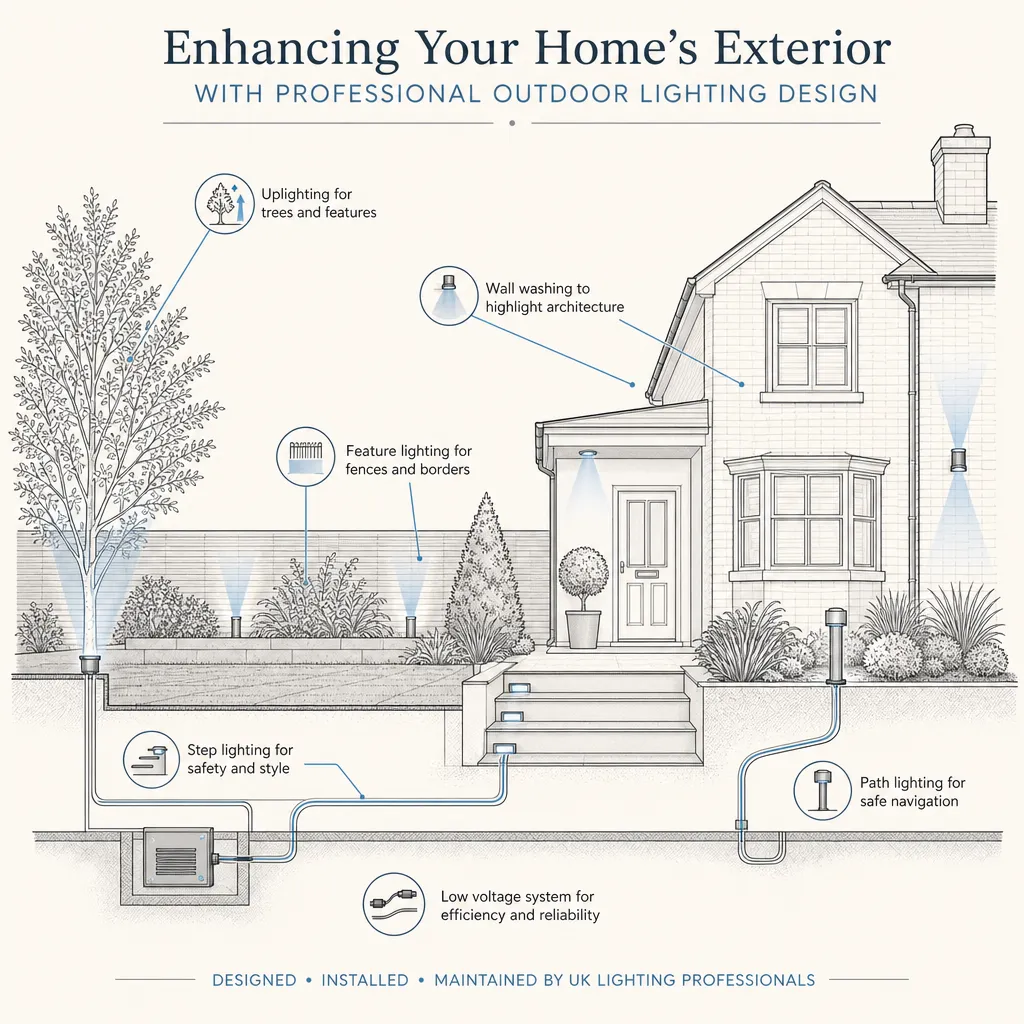
Enhancing Your Home's Exterior with Professional Outdoor Lighting Design
Professional outdoor lighting design improves kerb appeal, extends garden use after dark, and deters intruders.
 Improvement & Build
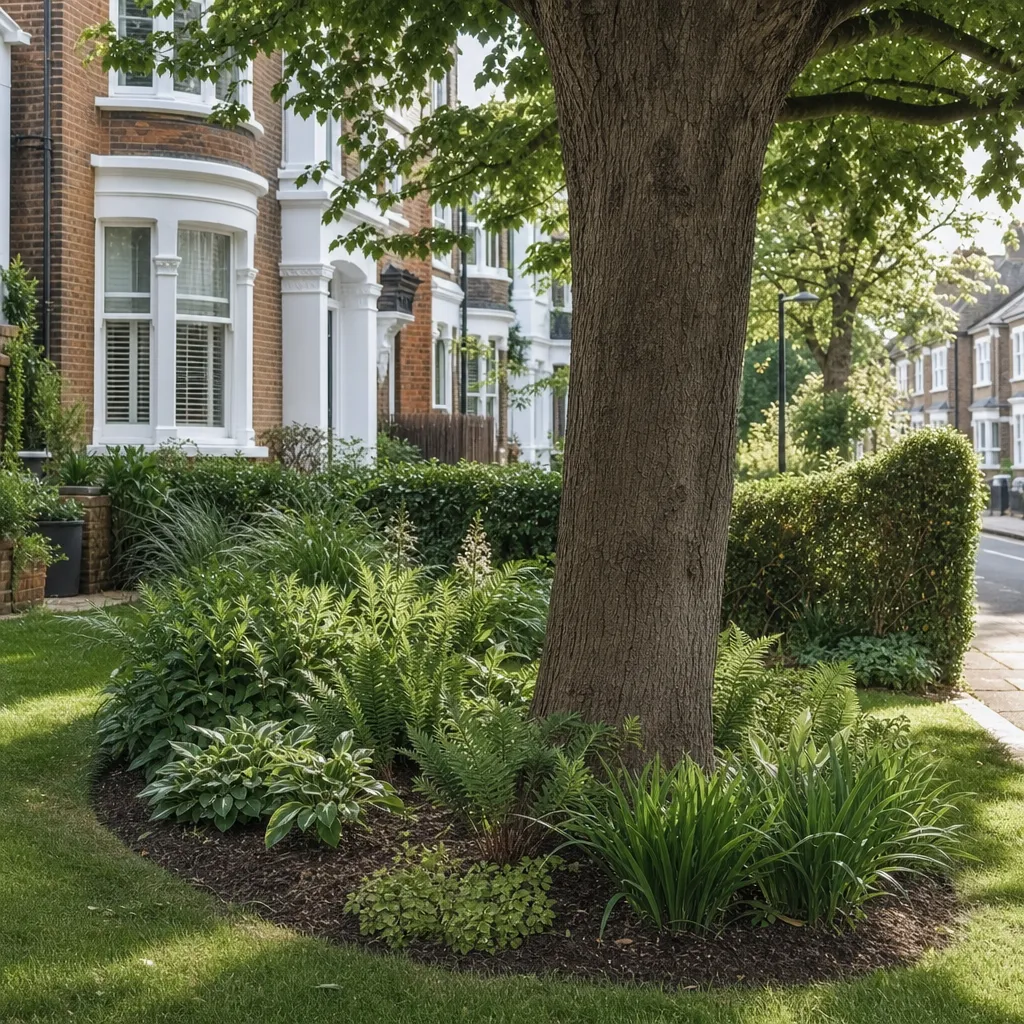
Landscaping Around Trees: Design and Planting Guide
The key to landscaping around trees is working with the tree's conditions rather than against them.
 Improvement & Build
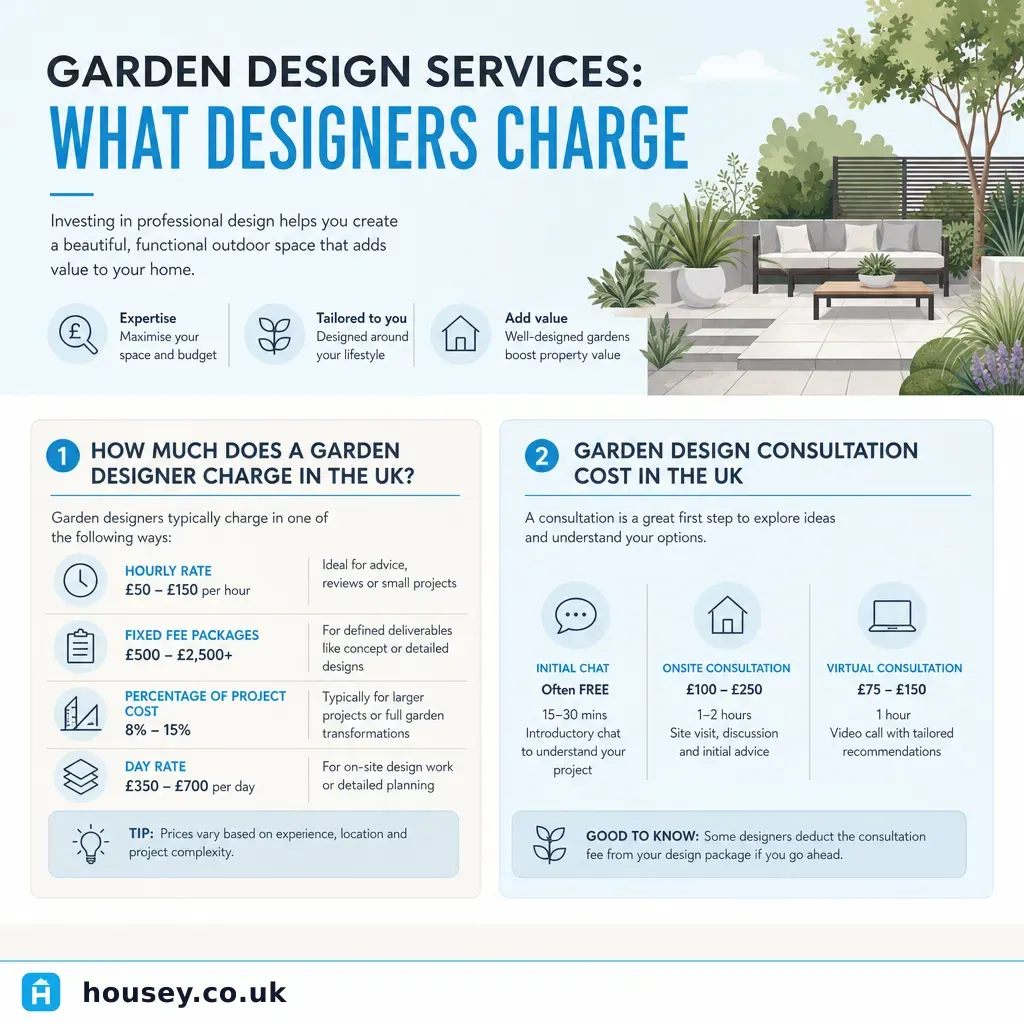
Garden Design Services: What Designers Charge
UK garden designers typically charge £50–200+ per hour, or fixed fees from around £200 for an initial consultation to £3,000–5,000+ for a full design package on a medium garden.
 Improvement & Build
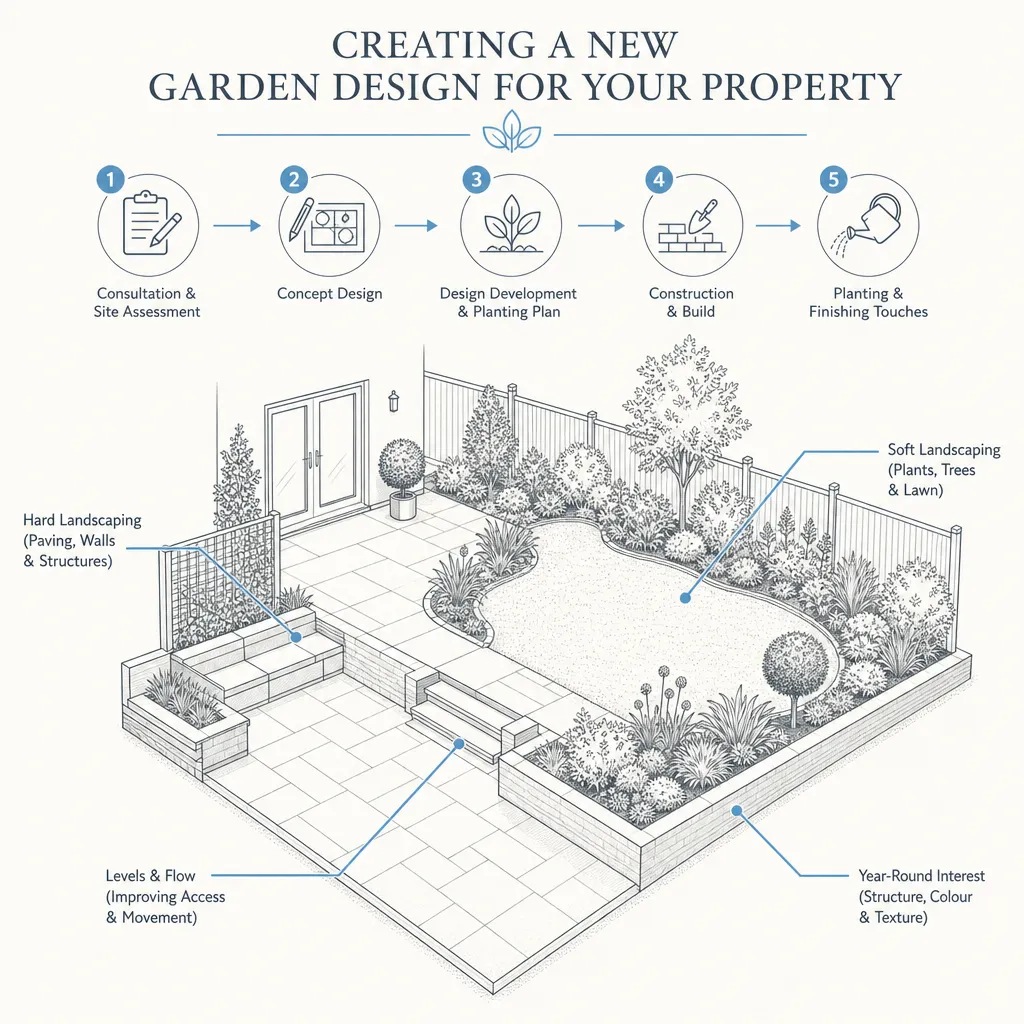
Creating a New Garden Design for Your Property
Creating a new garden design involves assessing your space, setting a realistic budget, deciding on hard and soft landscaping, and choosing a planting scheme suited to your soil and aspect.
 Improvement & Build
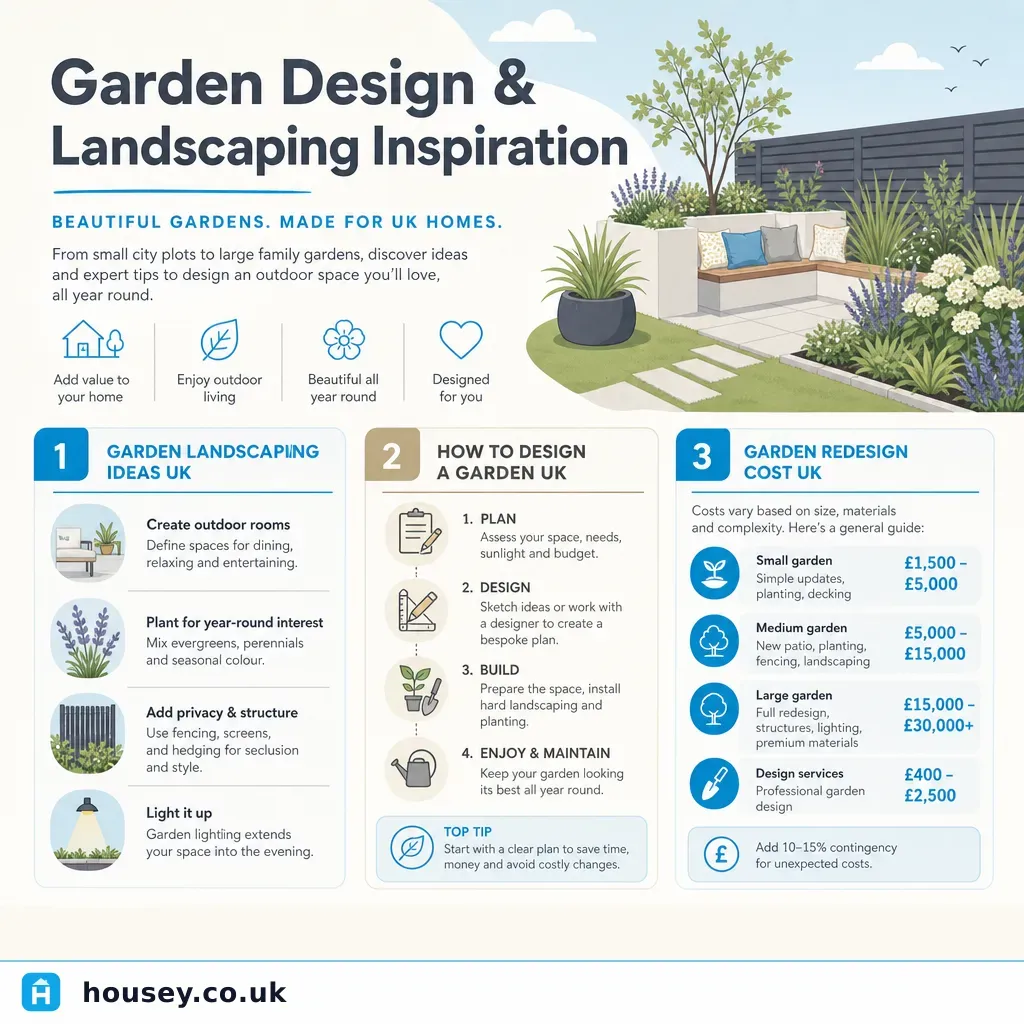
Garden Design and Landscaping Inspiration
Effective garden design starts with assessing your aspect, soil type, and existing features before commissioning any planting or hard landscaping.