What Is a Strike Plate and Door Frame Hardware Components
By Housey · Last reviewed 31st of May 2026
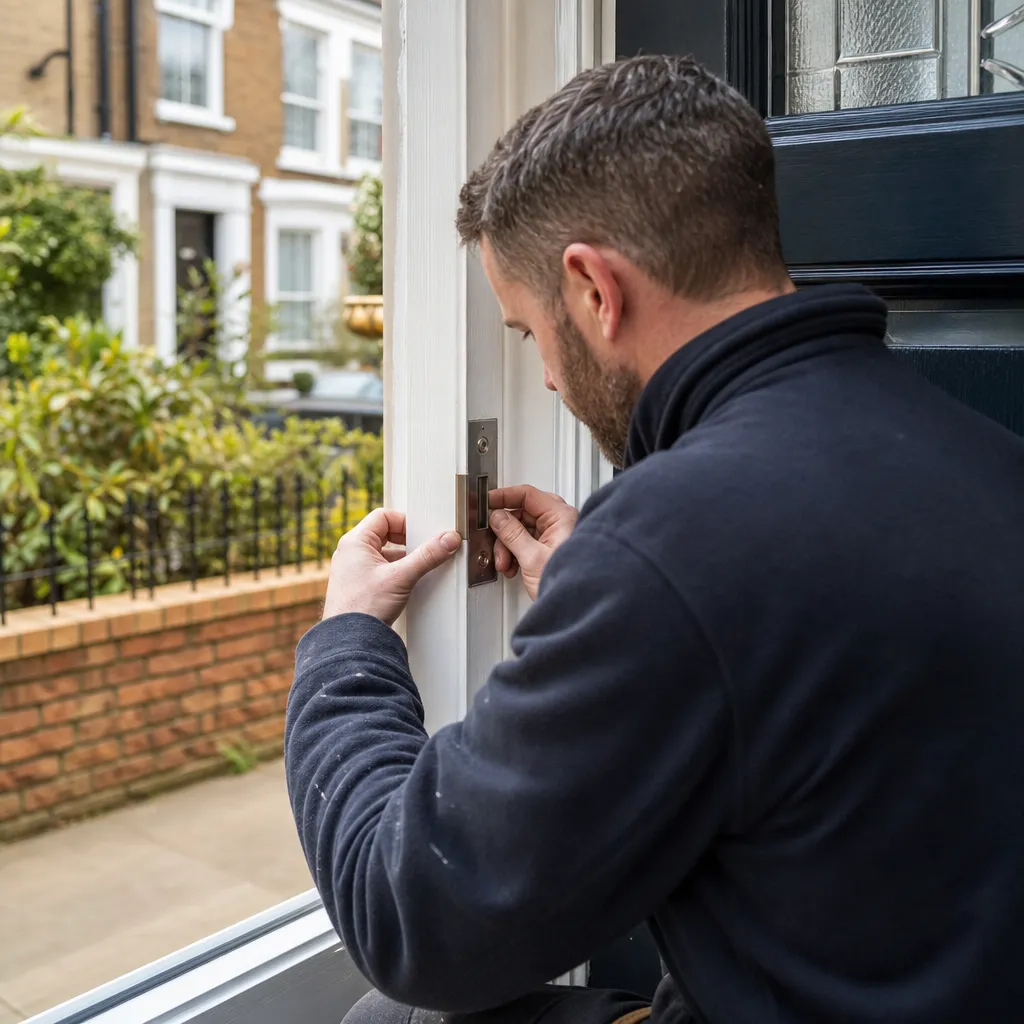
What Is a Strike Plate and Door Frame Hardware Components
When a door fails to latch reliably, rattles in its frame, or shows signs of vulnerability after a break-in attempt, the root cause often lies with the strike plate and surrounding ironmongery — components that rarely receive attention until something goes wrong. Whether you are fitting new internal doors, upgrading security on an external door, or diagnosing a door that has started misbehaving after a house settles, understanding what each piece of door frame hardware does (and what happens when it fails) makes the problem much easier to resolve.
Key points
- A strike plate (also called a striker plate or latch keep) is the metal fitting morticed into the door frame that receives the latch bolt or deadbolt when the door closes — without a correctly positioned plate, the door will not stay shut.
- Box strike plates enclose the bolt in a metal pocket, reducing timber damage and offering better resistance to forced entry than a flat plate; extended security strike plates with 75 mm+ screws significantly increase resistance to kick-in attacks.
- BS 3621:2007+A1:2012 is the relevant British Standard for mortice deadlocks in UK dwellings — the associated strike plate (keep) must meet the same standard to maintain a compliant installation.
- PAS 24:2022 (enhanced security for doorsets) and the Secured by Design specification require certified multipoint locking systems, each with a dedicated multi-bolt strike plate matched to the lock pattern.
- Strike plate fixing screws should penetrate at least 75 mm into the structural door frame — the 25 mm screws supplied with budget hardware are one of the most common weak points in domestic door security.
What is a strike plate and how does it work?
When a door closes, the spring-loaded latch bolt — the angled tongue protruding from the door edge — is pushed back by the door frame, then snaps forward into the opening in the strike plate. The strike plate holds that bolt in position, keeping the door closed until the handle is turned or a key retracts the bolt.
A deadbolt (the square bolt operated by a key or turn-knob) engages either a separate opening in the same plate or a dedicated second strike plate, depending on the lock design. The strike plate is morticed (recessed) into the door frame on the closing side and held with countersunk screws. It is almost always made from steel, stainless steel, or brass, and must be positioned precisely so the bolt enters the keep cleanly without catching or binding.
Strike plate types
Type | Description | Best for | Security level |
|---|---|---|---|
Flat strike plate | Simple recessed plate with one or two holes | Internal doors, low-security uses | Basic |
Box (lip) strike plate | Plate with a protruding metal pocket to receive the bolt | External doors, improved security | Moderate |
Extended security strike plate | Long plate (150–300 mm) with three or more fixings and long screws | External doors, vulnerable frames | High |
Multipoint locking strike plate | Bespoke plate matching the multi-bolt pattern of a multipoint lock | uPVC, composite, and timber external doors | High |
Electric strike plate | Electronically controlled to release the latch remotely | Access-controlled doors, communal entrances | Variable |
Door frame hardware components explained
A complete door frame assembly consists of several interrelated parts. Understanding what each does helps when specifying replacements or diagnosing a fault.
Head: The horizontal top member of the frame. In a structural opening, it sits below the lintel that carries the load above.
Jambs: The two vertical members. The hinge jamb carries the hinges; the strike jamb carries the strike plate and latch keep.
Door stop (rebate or staff bead): A narrow timber strip machined into or pinned onto the face of each jamb. The door closes against this stop, so its position determines how tightly the door sits in the frame.
Sill or threshold: The horizontal base member. External doors have a weather-sealed threshold; internal doors typically have no sill.
Architrave: The decorative timber moulding that covers the joint between the door frame and wall plaster. It is purely aesthetic and contributes nothing to structural or security performance.
Hinges: Typically three hinges on a standard UK internal door, four on a heavy or fire door. Hinges are morticed into both the door edge and the hinge jamb. EN 1935 Grade 13 hinges are recommended for external doors under Secured by Design guidance.
Letterplate: On external doors, the letterplate is a frequently overlooked security weak point. It should comply with TS 008 to prevent tools being inserted to operate the inside handle or latch.
Homeowner door hardware inspection checklist
Use this checklist to assess the condition and security of your door hardware:
When to get professional help
Most homeowners can replace a like-for-like strike plate on an internal door without professional assistance. Call a qualified joiner or door installer when:
- The door frame is rotten or structurally compromised — the strike plate cannot hold if the timber around it has failed.
- The door repeatedly fails to latch despite hardware adjustment — this often points to settlement or structural movement in the building fabric.
- You are upgrading an external door's security and want to confirm compliance with your home insurer's specification.
- The door is a certified fire door — ironmongery on FD30 and FD60 doors must be certified for that application, and modifications without certified replacement hardware can invalidate the fire rating.
- The door is in a rented property — landlords have obligations under the Homes (Fitness for Human Habitation) Act 2018 regarding secure and properly functioning doors.
How Housey can help
For door frame repairs, complete door set replacements, or security upgrades on external doors, window and door installers on Housey can provide quotes from qualified local tradespeople — including advice on Secured by Design-compliant hardware specifications.
Frequently asked questions
What is the difference between a strike plate and a latch keep?
The terms are often used interchangeably. A latch keep specifically receives the spring latch bolt; a strike plate can refer to the same component or the combined plate that accepts both the latch and the deadbolt. In UK trade usage, both terms describe the metal fitting morticed into the door frame on the closing side.
How do I fix a door that rattles when closed?
Door rattle is usually caused by the latch bolt not fully engaging the strike plate keep, or the door sitting loosely against the door stop. Check whether the strike plate opening is correctly aligned — the bolt should enter centrally without catching. If alignment is correct, try adjusting the door stop slightly. Worn hinges allowing the door to drop can also cause the bolt to miss the keep entirely.
Should I use long screws in my strike plate?
Yes. Short screws of 25–35 mm only penetrate the thin door frame lining and provide little resistance to kick-in attacks. For external doors, Secured by Design guidance recommends fitting security strike plates with screws of 75–100 mm that pass through the frame lining and into the structural timber stud or masonry behind it.
Do fire doors need special strike plates?
Yes. Any hardware fitted to a certified fire door — including the strike plate, hinges, and latch — must hold certification for use in that specific door assembly, such as a BM TRADA Q-Mark or Certifire certificate. Substituting uncertified hardware, even if it appears identical, can invalidate the fire rating of the complete door set.
Sources and further reading
- Secured by Design — doorset and hardware standards — Association of Police and Crime Commissioners
- Building Regulations Approved Document B: Fire safety — GOV.UK
- Homes (Fitness for Human Habitation) Act 2018 — legislation.gov.uk
- PAS 24:2022 — Enhanced security performance requirements for doorsets — BSI
- BM TRADA Q-Mark fire door certification — BM TRADA
Useful next reads
 Improvement & Build
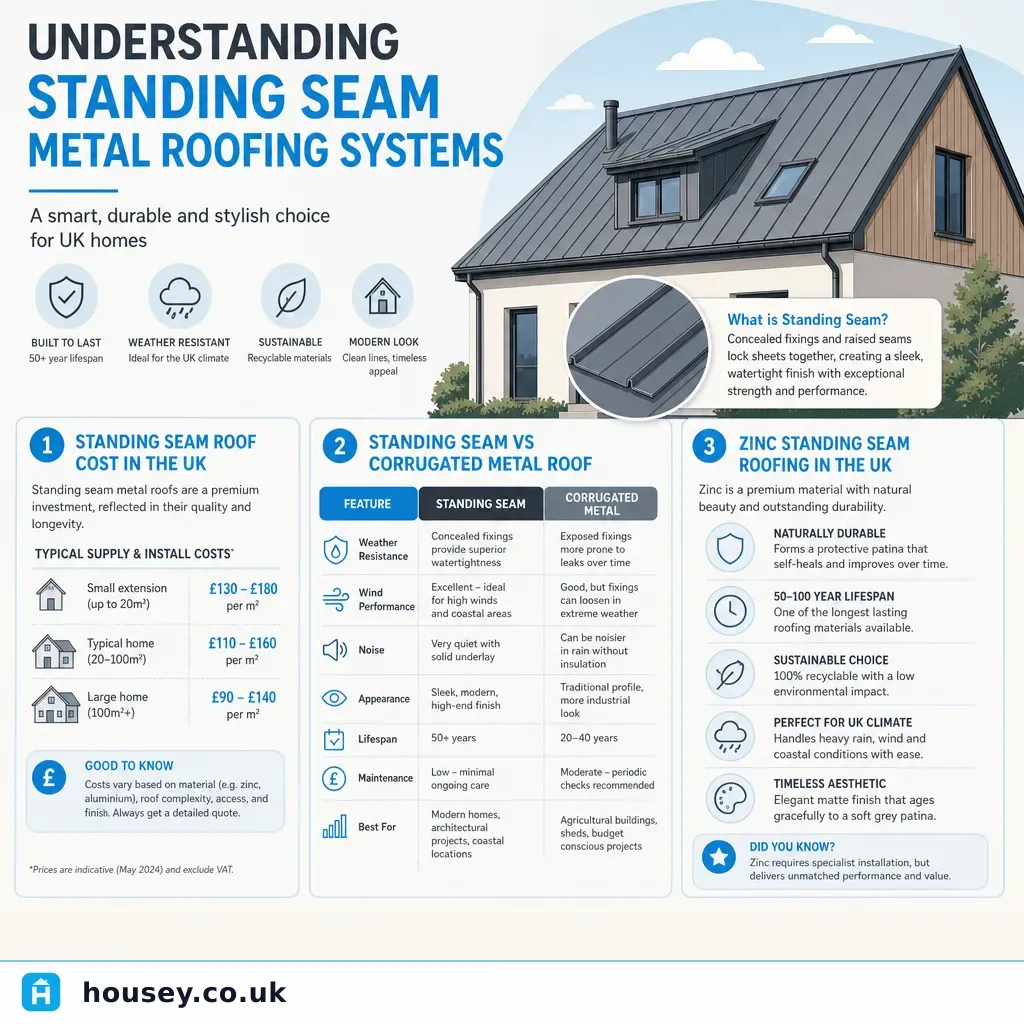
Understanding Standing Seam Metal Roofing Systems
A standing seam metal roof is built from long metal panels with raised, interlocked edges and all fixings concealed within the seams.
 Improvement & Build
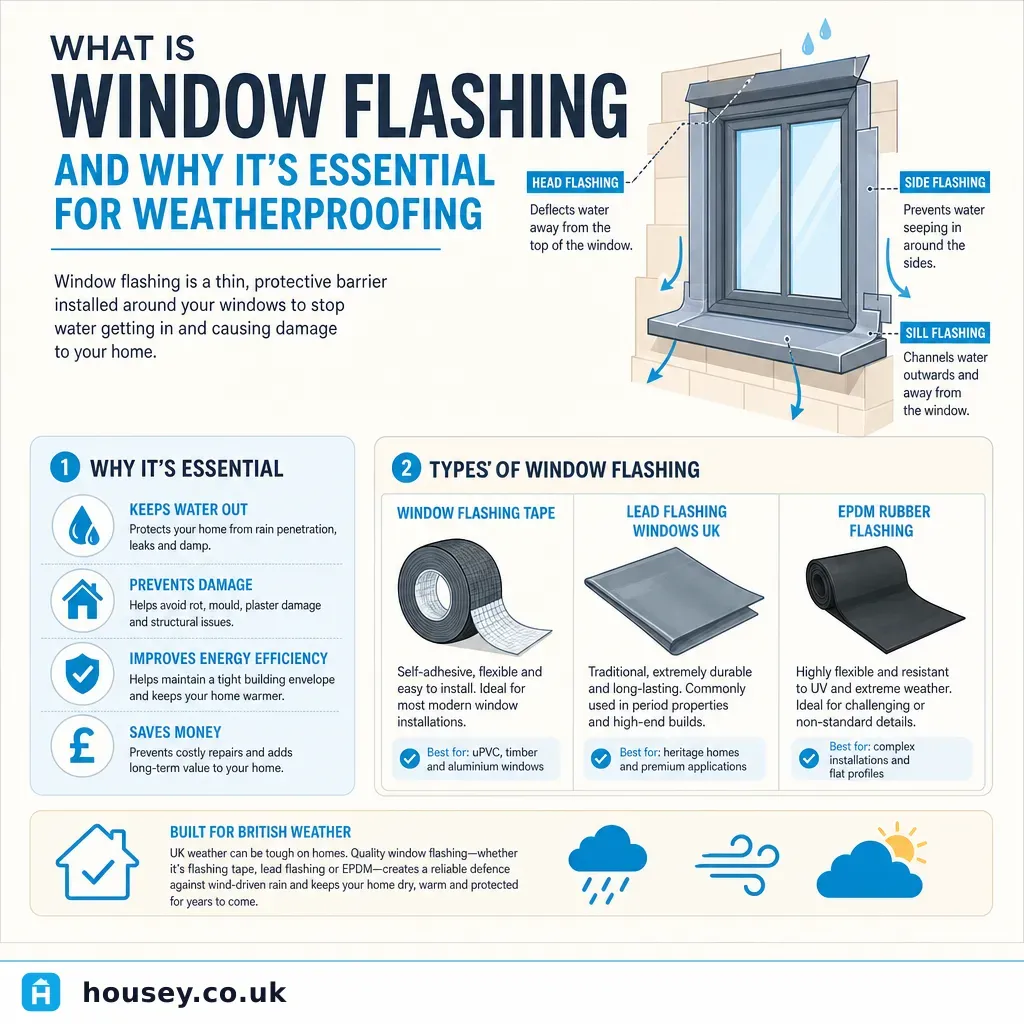
What is window flashing and why it's essential for weatherproofing
Window flashing is a water-resistant material installed at the head, sill, and jambs of a window opening to direct rainwater away from the frame-to-wall junction.
 Improvement & Build
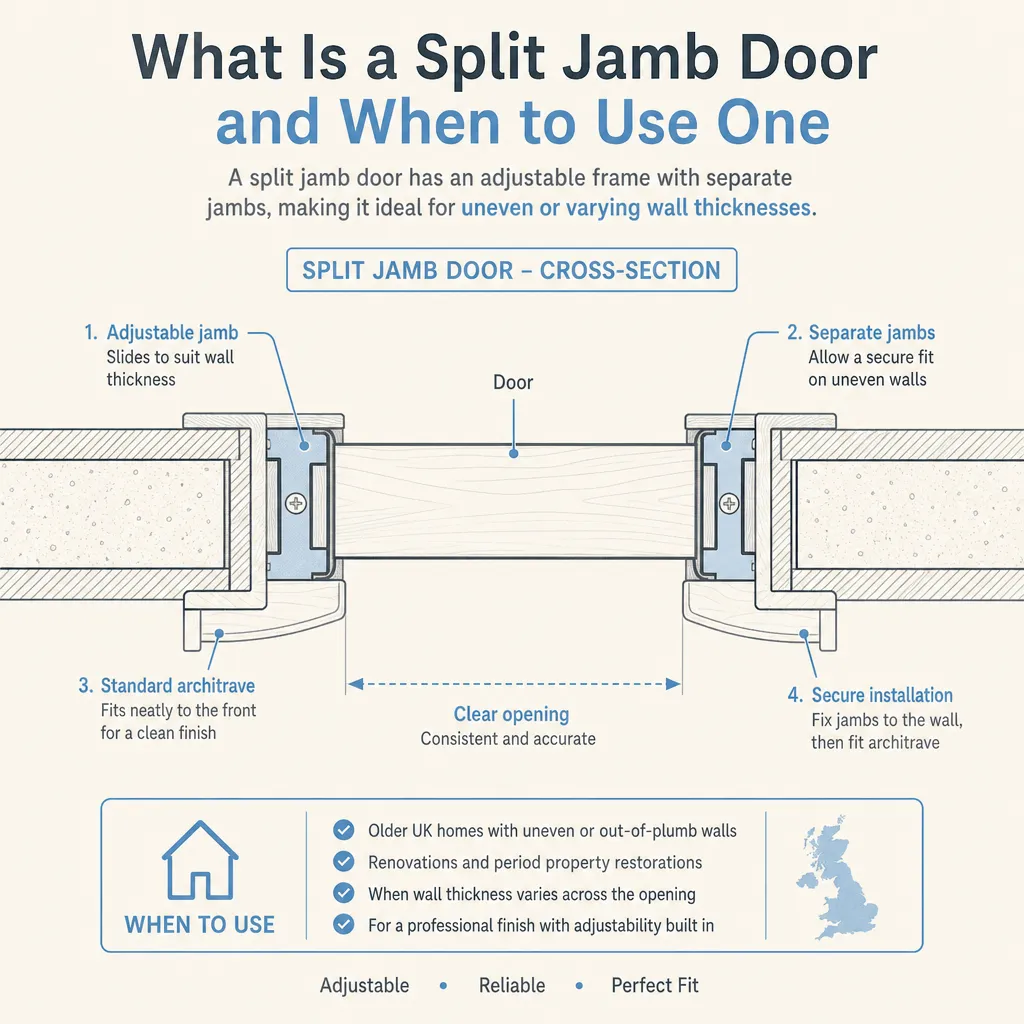
What Is a Split Jamb Door and When to Use One
A split jamb door is a pre-hung door unit where the frame arrives in two interlocking halves, each with integral architrave, that slot together from opposite sides of the wall.
 Improvement & Build
Aluminium Windows: Benefits, Specifications, and Installation Costs
Aluminium windows typically cost £600–£1,800 per window installed in the UK, depending on size and specification.
 Improvement & Build
Egress Window Repair and Installation
An egress window is a window large enough to serve as an emergency escape route from a habitable room.