What to budget for motorised window blinds
By Housey · Last reviewed 6th of May 2026
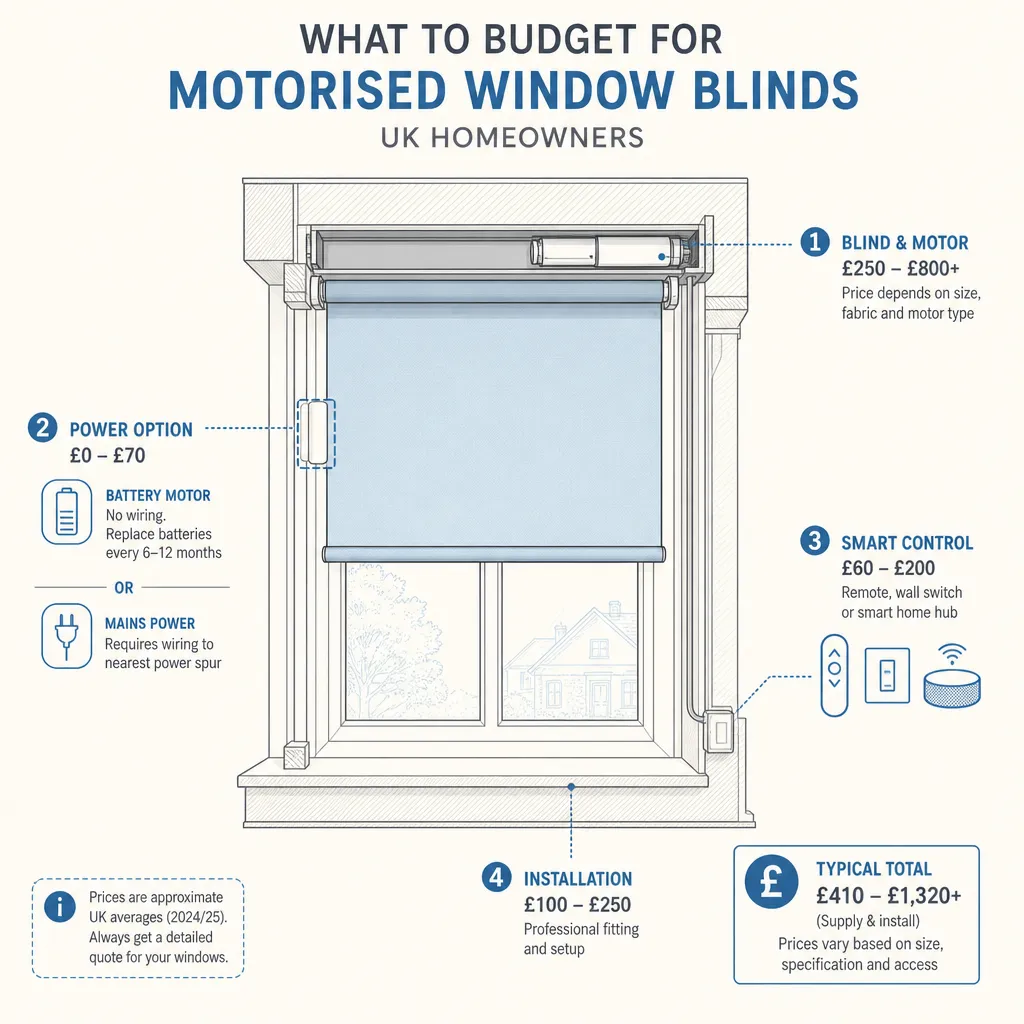
What to budget for motorised window blinds
Motorised window blinds have shifted from a high-end novelty to a practical upgrade in many UK homes, particularly where windows are difficult to reach — velux skylights, tall sash windows, and conservatory roof glazing being common examples. Costs vary considerably depending on motor technology, blind fabric, window size, and smart-home integration requirements, so understanding what drives pricing before requesting quotes will save time and money.
Key points
- Motorised blind units typically cost £150–£600 per blind, with premium smart-compatible models reaching £800 or more (indicative UK costs, last reviewed 2026-05-06).
- Battery-powered motors require no electrical work during installation but need periodic battery replacement or recharging, usually every three to twelve months.
- Mains-wired motors need a qualified electrician for cable runs; this work is not typically included in blind supplier quotes.
- Professional fitting usually adds £50–£150 per blind on top of the unit price; some suppliers include fitting for orders above a threshold value.
- Smart-home integration with Amazon Alexa, Google Home, or Apple HomeKit often requires a compatible hub or gateway, adding £50–£200 to the overall project cost.
What drives the cost of motorised blinds?
Several factors determine what you will pay for a motorised blind system in a UK home.
Blind type. Roller blinds are the most commonly motorised type and have the widest motor selection at competitive prices. Roman blinds, vertical blinds, and venetian blinds can also be motorised but often cost more due to added mechanism complexity. Pleated and cellular blinds are motorised less frequently and at higher cost.
Window size. Wider blinds — anything over 2.5 metres — often require higher-torque motors, which cost more than standard motors. Very wide windows may need two linked motors operating in sync.
Fabric specification. Blackout, solar-control, and fire-retardant fabrics each carry a price premium over standard weaves. The motorisation component is priced separately from the fabric, so a premium fabric paired with a premium motor compounds costs quickly.
Number of windows. Multi-room or whole-house installations may attract a volume discount from some suppliers, but each window is typically costed individually. Grouping windows on a single smart channel can reduce the hub cost per window.
Installation route. Off-the-shelf motorised blinds bought online and self-fitted represent the cheapest route. Bespoke, professionally measured and fitted blinds from a specialist supplier cost more but generally carry better warranty terms and ongoing support.
Motor types: battery, mains-wired, and solar compared
Motor type | Typical unit price uplift | Installation complexity | Ongoing cost | Best suited to |
|---|---|---|---|---|
Battery-powered | Lowest — often integrated into the blind | Low; no wiring required | Battery replacement every 3–12 months | Retrofits, rented homes, any window type |
Mains-wired | Medium — motor plus cabling materials | Higher; qualified electrician usually required | Negligible | New builds and renovations with ceiling access |
Solar-charged | Medium to high — includes solar panel | Low to medium; no mains wiring | Negligible | South- and west-facing rooms, conservatories |
Battery-powered motors have improved substantially in recent years, with many now offering USB or solar top-up charging via a wand rather than requiring battery removal. For most retrofit projects in existing UK homes, battery-powered motors are the practical default.
Which motor type should you choose?
- Choose battery-powered if you are retrofitting blinds into an existing room, cannot access ceiling voids for cabling, or are in a rented property where making good after cable runs would be required.
- Choose mains-wired if you are renovating and have access to ceiling voids, want the lowest possible long-term maintenance, or are fitting a large number of blinds on a single circuit.
- Choose solar-charged if the window receives reliable daylight, you want to avoid both mains wiring and battery replacement, and you are comfortable with a marginally higher upfront cost.
- Ask a Part P registered electrician before specifying mains-wired motors if you are unsure whether your existing circuits can accommodate additional loads, or if cable runs would pass through fire-rated compartments.
Smart-home integration: what to budget
Smart-home-compatible motorised blinds connect to voice assistants and automation apps via Bluetooth, Zigbee, Z-Wave, or Wi-Fi, depending on the manufacturer's protocol. Budget for these additional items:
Hub or gateway. Many motorised blind systems require a proprietary hub or a compatible smart-home hub (such as a Samsung SmartThings hub or an Apple HomePod for HomeKit). These range from £30 to £150, and some manufacturers include the gateway with multi-room orders.
Repeaters or extenders. In larger homes or those with thick masonry walls, Zigbee and Z-Wave signals may need repeaters (£20–£50 each) to maintain reliable communication with blinds in distant rooms.
Electrician time for smart-home wiring. If integrating mains-wired blinds into a wider home automation system, allow one to two hours of electrician time per room at typical UK rates of £60–£100 per hour (indicative UK costs, last reviewed 2026-05-06).
Automation platform subscriptions. Most blind manufacturers do not charge ongoing subscription fees, but some premium platforms do. Confirm before purchase.
What to ask before accepting a quote
- Does the quote cover the blind fabric, motor unit, brackets, and remote control, or are these priced separately?
- Is professional fitting included, and what qualifications does the fitter hold?
- Which smart-home platforms are compatible, and is a hub or gateway required at additional cost?
- What motor warranty is offered, and does it cover the cost of a return visit if the motor fails within the warranty period?
- Is VAT included in the quoted price?
- What happens if the blind width changes after the measuring appointment — will the quote be revised?
- What is the lead time for manufacture and installation?
When to get professional help
Motorised blinds are generally a low-risk home improvement, but professional help is advisable in several situations:
- You want mains-wired motors and are not confident about running cables safely through ceiling voids or wall cavities — engage a Part P registered electrician to carry out the wiring.
- The window is a historic timber sash, a listed-building feature, or subject to planning conditions limiting alterations — check with your local planning authority or a conservation officer before installing motorised hardware.
- The window is in a commercial property or HMO subject to fire safety regulations — confirm that the blind fabric meets the required fire-retardancy standard with a fire risk assessor.
- You are fitting blinds in a child's bedroom — ensure any mechanism complies with BS EN 13120:2009+A1:2014, the UK standard for internal blind child safety. Motorised cordless blinds inherently address the primary cord strangulation risk, but confirm the specific product meets the standard with the supplier.
How Housey can help
Housey connects UK homeowners with vetted local tradespeople for a wide range of home improvement work. If your motorised blind project requires a qualified electrician for mains wiring, or you want to compare quotes from local window specialists who can supply and fit motorised blinds, Housey can help you describe your project and receive comparable quotes from trusted UK professionals — making it straightforward to compare costs, credentials, and lead times before committing.
Frequently asked questions
Can I motorise my existing blinds?
In many cases, yes. Retrofit motor kits are available for standard roller blind tubes and some venetian mechanisms. Compatibility depends on tube diameter, blind width, and fabric weight. Battery-powered retrofit motors typically cost £60–£180 per blind (indicative UK costs, last reviewed 2026-05-06). Check the motor's maximum torque rating against your blind's weight and width before purchasing.
Do motorised blinds work during a power cut?
Battery-powered and solar-charged motors continue to operate during a mains power failure. Mains-wired motors will not function when power is lost. Some mains-wired systems include battery backup, but this is not standard — confirm before purchase if uninterrupted operation matters, for example in a bedroom or home office.
Do I need an electrician for mains-wired motorised blinds?
Yes. Any new cable runs or connections to a fused spur for mains-wired motors should be carried out by a Part P registered electrician in accordance with Part P of the Building Regulations. Work not done by a competent person may require a building control notification — check with your local authority building control if uncertain.
Are motorised blinds worth the extra cost?
For hard-to-reach windows such as skylights or high clerestory glazing, motorised blinds typically justify the cost through daily convenience within the first months of use. For standard windows, the case depends on whether smart scheduling or accessibility features matter to you. Energy savings from automated solar control alone rarely justify the price premium over manually operated blinds.
Sources and further reading
- Approved Document P — Electrical safety in dwellings — GOV.UK
- DIY electrical work guidance — Electrical Safety First
- Smart home and heating controls — Energy Saving Trust
- BS EN 13120 — Internal blinds: Performance requirements including safety — BSI Group
Useful next reads
 General property advice
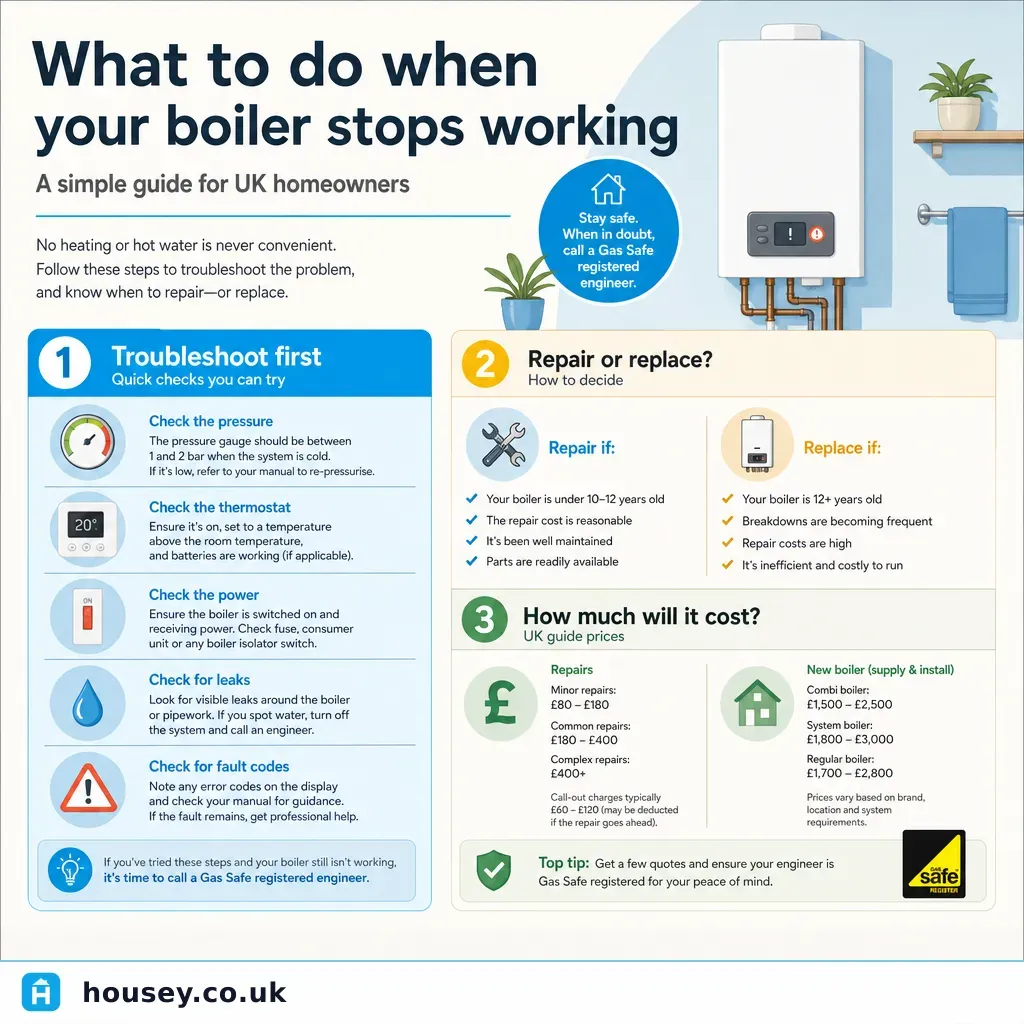
What to do when your boiler stops working
When your boiler stops working, check the pressure gauge (should read 1–1.
 General property advice
Property Market Trends: Activity Growth and Price Movements
UK property market activity is measured through completed sale registrations (HM Land Registry), lender mortgage data, and transaction volumes from HMRC.
 General property advice
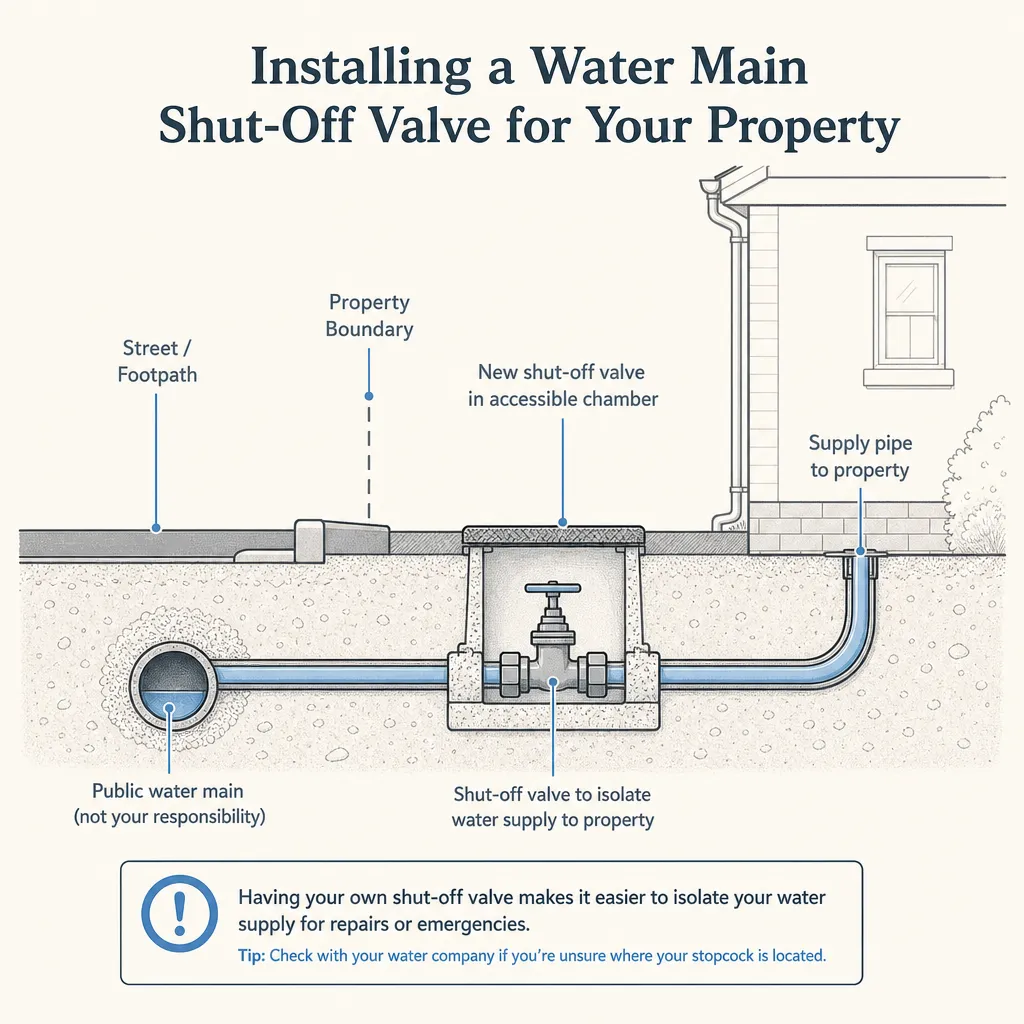
Installing a water main shut-off valve for your property
A water main shut-off valve — commonly called a stopcock — controls all water entering your home from the mains.
 General property advice
Monthly House Price Index: August Market Report and Analysis
The UK House Price Index is published monthly using completed Land Registry transaction data, meaning August figures typically reflect sales agreed months earlier.
 General property advice
Scottish Property Market: Activity and Regional Trends
Scotland's property market operates under distinct legal rules: sellers must provide a Home Report before marketing, transactions become legally binding at conclusion of missives rather than exchange of contracts, and Land and Buildings Transaction Tax replaces Stamp Duty.