What to do if your boiler breaks down in winter
By Housey · Last reviewed 11th of May 2026
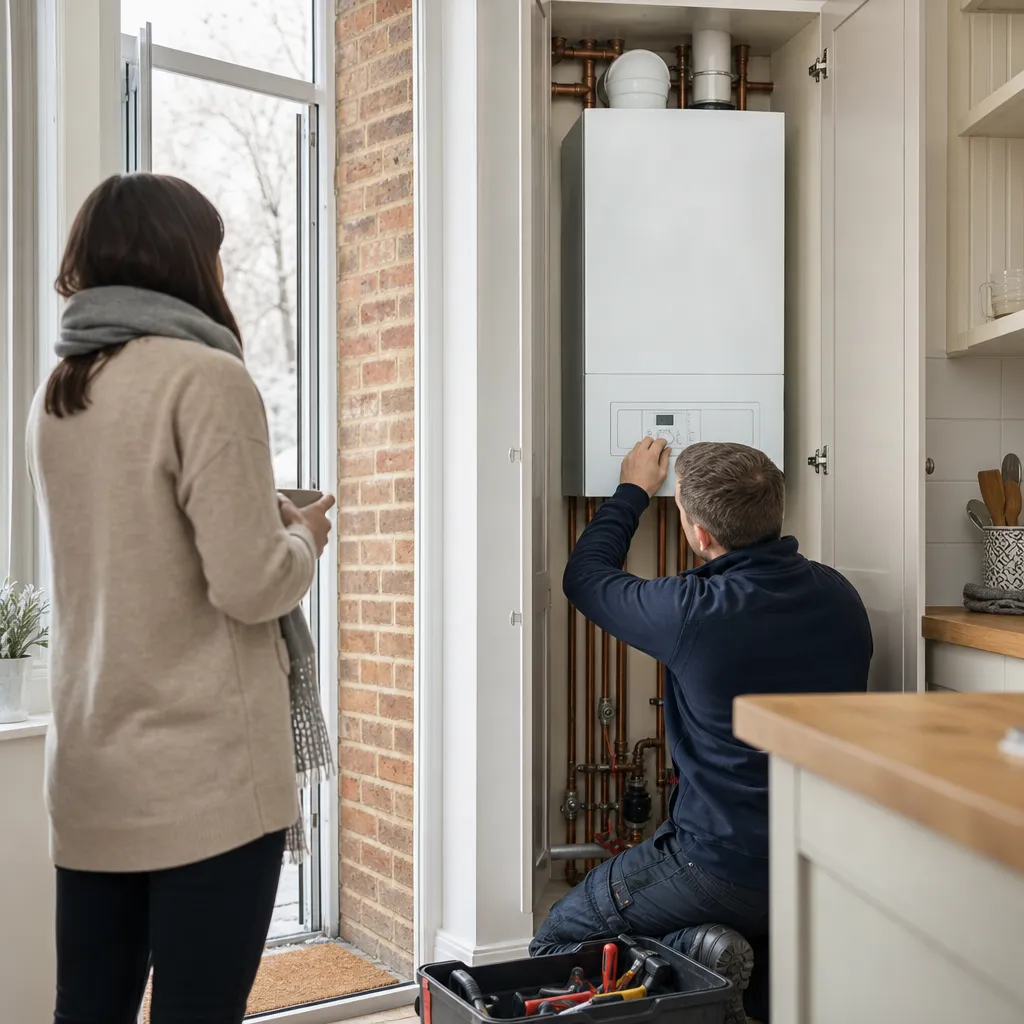
What to do if your boiler breaks down in winter
A boiler failure in winter is one of the most disruptive household emergencies — particularly in older UK homes with solid walls, no secondary heating source, and young children or elderly occupants in residence. Whether you own your home or rent it, knowing which steps are safe to take immediately — and which must be handled exclusively by a Gas Safe registered engineer — can reduce the time you spend without heat and help you avoid costly or dangerous mistakes.
Key points
- All gas boiler repair work must be carried out by a Gas Safe registered engineer — a legal requirement under the Gas Safety (Installation and Use) Regulations 1998.
- If you smell gas or suspect carbon monoxide, leave the building immediately and call the National Gas Emergency Service on 0800 111 999 (free, 24/7) from outside the property.
- Landlords in England and Wales have a statutory duty under section 11 of the Landlord and Tenant Act 1985 to keep heating and hot water in repair; courts treat winter heating failures as urgent.
- A frozen condensate pipe is a common, winter-specific cause of boiler lockout that homeowners can often resolve themselves — thawing with warm water and resetting typically restores heating without a callout.
- Carbon monoxide (CO) detectors are strongly recommended by the Health and Safety Executive; they are not universally required by law across all property types and tenures, so check your situation and install one if you do not already have one.
Immediate steps when the heating stops
Before calling a Gas Safe engineer, the following checks involve no gas components and are safe for any householder to carry out:
- Check the boiler pressure gauge. The gauge on the boiler front panel should read between 1 and 1.5 bar when the system is cold. A reading below 1 bar is a frequent cause of automatic lockout. Consult your boiler manufacturer's instructions before attempting to re-pressurise via the filling loop.
- Reset the boiler. Locate the reset button and hold it for a few seconds. Note any fault code or error number displayed before calling an engineer — codes such as F1, E1, or EA are model-specific and help diagnosis significantly.
- Check the thermostat and programmer. Has the thermostat been accidentally turned down? Has a power cut reset the timer? Check that zone valves and thermostatic radiator valves (TRVs) are open.
- Look for a frozen condensate pipe. In sub-zero temperatures, the plastic condensate pipe running from a condensing boiler to an external drain can freeze — indicated by a gurgling noise and a lockout fault code. Carefully pour warm (not boiling) water over the exposed external section, then reset the boiler.
- Check your gas supply. Confirm other gas appliances (hob, oven) are working. If not, check your meter and contact your gas supplier.
Homeowner checklist: before calling an engineer
Who to call — and in what order
Decision tree: your next step
- Smell gas, hear hissing, or anyone feels unwell? → Leave immediately without touching switches. Call 0800 111 999 from outside.
- Pressure below 1 bar? → Re-pressurise via the filling loop (consult your manual); reset the boiler.
- Condensate pipe frozen? → Thaw with warm water; reset the boiler.
- Error code displayed, no gas smell? → Note the code and call a Gas Safe registered engineer.
- Thermostat or programmer suspected? → Adjust settings and check for power interruption.
- Checklist complete, heating not restored? → Call a Gas Safe registered engineer.
- Renting the property? → Report to your landlord or managing agent in writing immediately; keep a dated copy.
Finding a Gas Safe registered engineer
Use the Gas Safe Register to search by postcode. Every registered engineer carries a Gas Safe ID card — always ask to see it before work begins. Never use an unregistered engineer for gas work, regardless of cost savings or urgency.
Your rights as a tenant
In England and Wales, your landlord has a statutory obligation under section 11 of the Landlord and Tenant Act 1985 to keep the heating and hot water system in repair. Shelter and tribunal case law treat a total loss of heating in winter as urgent — typically requiring landlord action within 24 hours, though no exact statutory deadline is set.
In Scotland, similar obligations apply under the Repairing Standard in the Housing (Scotland) Act 2006. In Northern Ireland, the Private Tenancies (Northern Ireland) Order 2006 is relevant.
Always report the fault in writing — email or text message — and keep a dated record. If your landlord fails to act within a reasonable time, Citizens Advice and Shelter can advise on further options, including applications to the First-tier Tribunal (Property Chamber) in England.
Keeping warm while you wait
- Use electric oil-filled radiators, panel heaters, or electric blankets as temporary heat. Avoid unflued portable gas heaters indoors — they produce combustion gases and present a carbon monoxide risk.
- Close internal doors to retain warmth in the rooms you are occupying.
- Check eligibility for Cold Weather Payments via GOV.UK, or contact your local council for emergency support schemes.
- Some energy suppliers offer emergency credit on prepayment meters during cold weather — contact your supplier directly.
Red flags: when this is a gas or CO emergency
Stop all checks and act immediately if you notice any of the following:
- A smell of gas (similar to rotten eggs or sulphur) anywhere in the property.
- A hissing or rushing noise near the boiler or gas pipework.
- Headaches, dizziness, nausea, or confusion affecting any occupant — possible signs of carbon monoxide poisoning.
- Soot, staining, or scorch marks around the boiler casing, flue terminal, or nearby appliances.
- The boiler flame burning orange or yellow rather than a crisp blue.
In any of these situations: leave without touching switches and call 0800 111 999 from outside immediately.
Important limitations
This article provides general guidance only and does not constitute gas safety, legal, or engineering advice. Boiler faults vary widely by make, model, age, and installation type. The checks described are general in nature — always consult your boiler manufacturer's own instructions first. Do not attempt any work on gas valves, heat exchangers, flues, or gas pipework. Only a Gas Safe registered engineer should diagnose and repair a gas boiler or heating system.
What to ask a qualified professional
Before instructing a Gas Safe engineer:
- Can I see your Gas Safe ID card before work begins?
- What does your callout fee cover, and is it deducted from any repair cost?
- Can you provide a written, itemised quote before starting work?
- Is this boiler still within the manufacturer's warranty?
- If repair is not economical, what replacement options and likely costs do you recommend?
- Would a repair be cost-effective given the boiler's age and service history?
When to get professional help
Always call a Gas Safe registered engineer if:
- All safe, non-gas checks have been attempted and the boiler remains off.
- You notice any signs of a gas leak, carbon monoxide exposure, or abnormal combustion (orange or yellow flame, sooting).
- The boiler is over 10–15 years old and has failed — repairs at this age are often uneconomical.
- Pressure keeps dropping after re-pressurising, suggesting a system leak.
- The boiler makes persistent banging, clanging, or unusual gurgling sounds.
How Housey can help
Housey connects UK homeowners and tenants with vetted Gas Safe registered heating engineers. Use the Housey platform to describe your boiler issue, compare quotes, and find a qualified professional near you — so you spend less time without heat when winter temperatures fall.
Frequently asked questions
Can I re-pressurise my boiler myself?
Yes, in most cases. Re-pressurising via the filling loop is a non-gas task that does not require a Gas Safe engineer. Consult your boiler manufacturer's instructions, as the procedure varies by model. If pressure drops again quickly after re-pressurising, this suggests a system leak requiring professional diagnosis — do not keep topping up without investigating the cause.
How long can a landlord take to fix a broken boiler in winter?
There is no statutory deadline in the Landlord and Tenant Act 1985, but Shelter guidance and tribunal case law treat a total loss of heating in winter as urgent — typically within 24 hours. Always report the fault in writing and keep a dated copy. If your landlord fails to act, Citizens Advice can advise on escalation options including the First-tier Tribunal.
Is boiler breakdown covered by home insurance?
Standard buildings and contents policies do not usually cover boiler breakdown. Separate boiler cover or a home emergency policy — often sold by energy suppliers or specialist insurers — is needed. Check any existing home emergency cover before calling a private engineer, as duplicate cover is common and you may already be protected.
What is the gas emergency number in the UK?
The National Gas Emergency Service is available 24/7 on 0800 111 999, free from both landlines and mobiles. Call it immediately if you smell gas, hear hissing near pipework, or suspect carbon monoxide poisoning. Leave the property and do not operate any electrical switches before calling.
Sources and further reading
- Gas Safe Register: find a registered engineer — Gas Safe Register
- Gas Safety (Installation and Use) Regulations 1998 — legislation.gov.uk
- Carbon monoxide safety in the home — Health and Safety Executive
- Repairs in rented housing — Shelter
- Getting repairs done in rented housing — Citizens Advice
Useful next reads
 General property advice
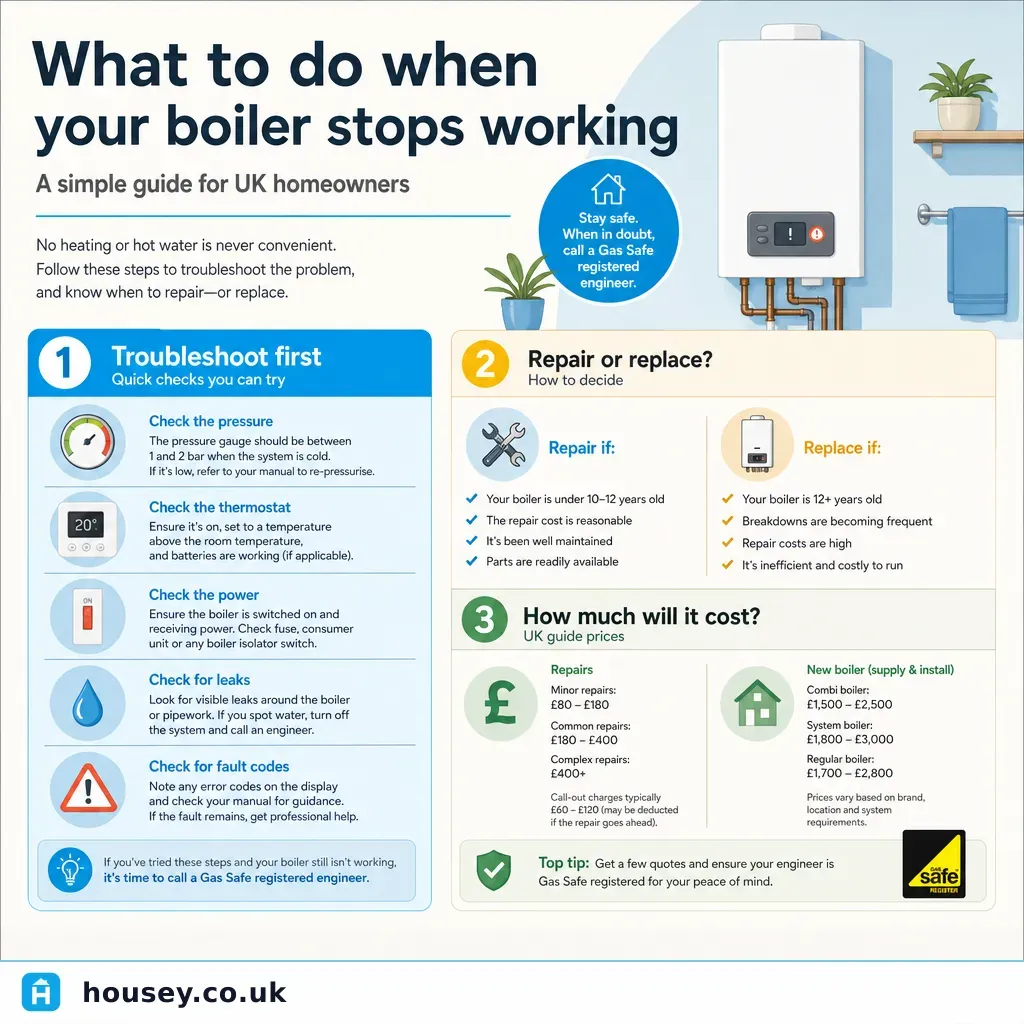
What to do when your boiler stops working
When your boiler stops working, check the pressure gauge (should read 1–1.
 General property advice
Boiler not working after a power cut: troubleshooting steps
After a power cut, most gas boilers enter a protective lockout because their electronic controls detect an abnormal shutdown — the gas supply is unaffected.
 General property advice
Property Market Trends: Activity Growth and Price Movements
UK property market activity is measured through completed sale registrations (HM Land Registry), lender mortgage data, and transaction volumes from HMRC.
 General property advice
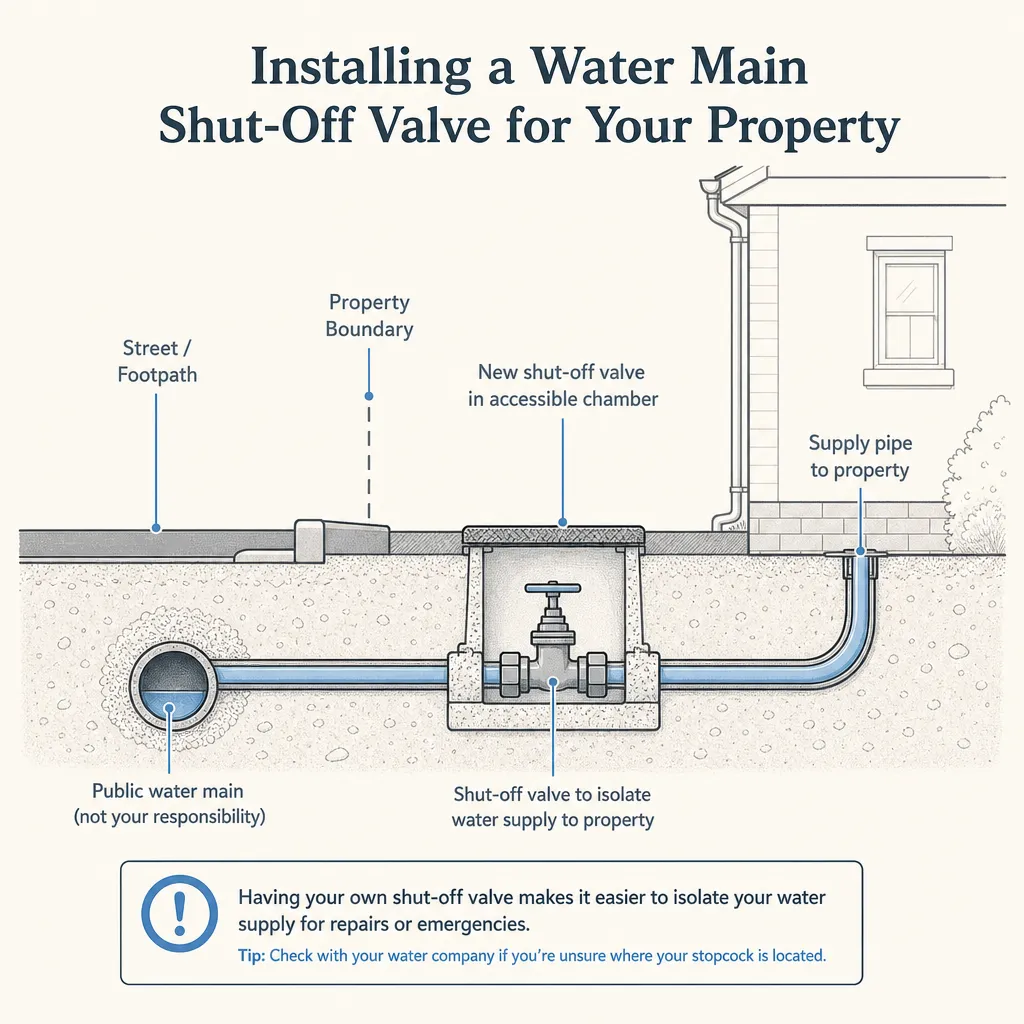
Installing a water main shut-off valve for your property
A water main shut-off valve — commonly called a stopcock — controls all water entering your home from the mains.
 General property advice
Monthly House Price Index: August Market Report and Analysis
The UK House Price Index is published monthly using completed Land Registry transaction data, meaning August figures typically reflect sales agreed months earlier.