Where to Source Quality Garden Seeds and Plants
By Housey · Last reviewed 30th of May 2026
Where to Source Quality Garden Seeds and Plants
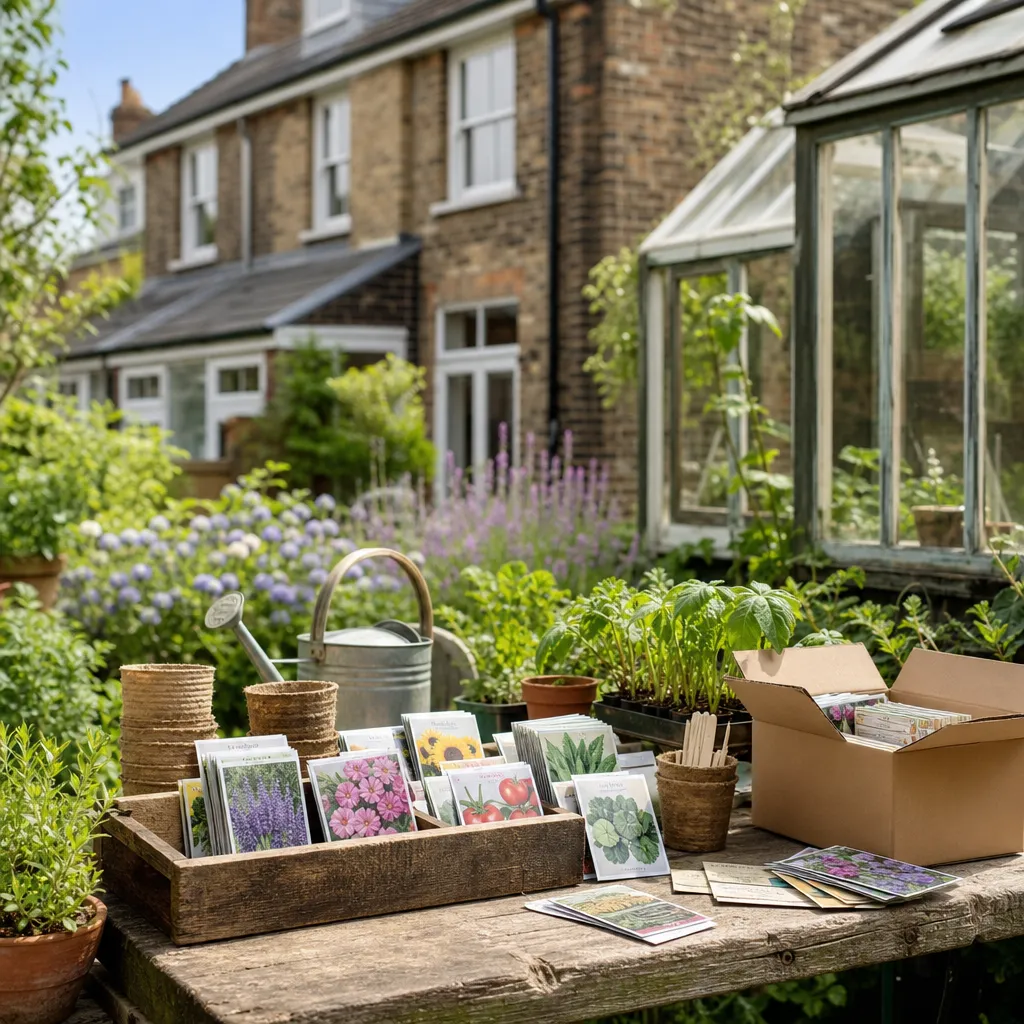
Knowing where to buy seeds and plants shapes a garden long before any digging begins. The supplier you choose affects not just variety selection but seed viability, plant health on arrival, and whether you end up with species suited to your local soil type and UK climate. This decision matters whether you are filling raised beds after a house move, planning a productive kitchen garden, or selecting new planting for an established border.
Key points
- The RHS Plant Finder lists over 70,000 plants and their UK stockists, making it a practical first stop when searching for specific named varieties unavailable in mainstream garden centres.
- All plants and plant material entering Great Britain from outside the UK must comply with the Plant Health (Phytosanitary Conditions) (Amendment) (EU Exit) Regulations 2020; buying from non-compliant overseas retailers carries real import risk.
- Seed packets from reputable UK suppliers must include a sow-by date; germination rates decline sharply after 2–3 years, and batch-testing is standard practice among specialist seed merchants.
- Garden Organic's Heritage Seed Library gives members access to heirloom and open-pollinated vegetable varieties not available through commercial retail channels.
- Many specialist nurseries dispatch bare-root plants only between November and March; ordering outside this window means receiving containerised stock, which is usually more expensive.
Where to buy garden seeds and plants in the UK
UK buyers have several distinct channels, each with different strengths.
Specialist nurseries grow a significant proportion of what they sell. They often carry unusual varieties, can provide provenance information, and staff typically offer reliable growing advice. Many participate in the RHS Plant Finder, and some hold National Plant Collection status for specific genera. Quality is generally higher than garden centres, though selection is narrower for common varieties.
Garden centres stock a broader but shallower range — useful for common bedding plants, seasonal vegetables, and everyday shrubs. Quality varies considerably between chains and independents. Plants are often displayed in full flower, which looks appealing but can mean you are buying a plant under peak stress.
Online seed merchants such as Chiltern Seeds, Thompson & Morgan, and Sarah Raven's catalogue offer extensive selections with detailed variety descriptions, growing notes, and sow-by dates. Delivery timing matters for live plants; check dispatch windows and reviews mentioning packaging quality before ordering.
Plant fairs and charity sales organised by the RHS, National Gardens Scheme, and local horticultural societies are excellent sources of unusual varieties, often propagated by experienced amateur gardeners and sold at modest prices.
Community plant swaps have grown through social media and local groups. Quality is variable; always inspect roots and foliage before accepting any plant.
What to look for when buying seeds
Factor | What to check | Why it matters |
|---|---|---|
Sow-by date | Printed on the packet | Viability declines sharply after 2–3 years |
Germination rate | Listed as a percentage on quality packs | Below 70% is poor for most vegetable seeds |
Open-pollinated vs. F1 hybrid | Stated on packet | Open-pollinated seed can be saved; F1 hybrid seed cannot |
Organic certification | Soil Association or equivalent logo | Relevant if you garden organically |
Origin | UK-grown or EU-sourced | Locally adapted seed often establishes better in UK conditions |
When buying from online retailers based outside the UK, check whether they comply with UK plant passport and phytosanitary requirements. DEFRA's guidance on importing plants to Great Britain covers what is and is not permitted.
Choosing a reputable plant nursery
A reliable nursery will typically:
- Label plants with their full botanical name (genus, species, and cultivar).
- Provide clear hardiness information, ideally referencing the RHS hardiness scale.
- Show healthy root systems — roots should be firm, white or cream, and not escaping densely from drainage holes.
- Not sell plants with yellowing foliage, wilting stems, vine weevil damage (small semi-circular notches around leaf edges), or powdery mildew.
The RHS Award of Garden Merit (AGM) is a useful shorthand for reliably performing plants, though it does not guarantee suitability for every UK soil type or microclimate.
Red flags when buying plants or seeds
Watch out for these warning signs before committing to a purchase:
- No sow-by date or lot number on seed packets — a sign the supplier does not batch-test germination rates.
- Roots circling the pot base or escaping densely from drainage holes — the plant is severely root-bound and will struggle to establish.
- Soft or discoloured stems, waterlogged compost, or compost gnats — indicators of overwatering, root rot, or Sciarid fly larvae.
- Suspiciously cheap rare varieties from overseas sellers — risk of importing prohibited plant material or introducing invasive species.
- Common name only, no botanical name — makes it impossible to verify exactly what you are buying.
- Plants in full flower at the point of sale — flowering diverts energy from root establishment; plants just coming into bud are better for transplanting.
Which buying channel suits your project?
- Choose a specialist nursery if you need unusual or heritage varieties, want provenance information, or are planting a significant area where plant health is critical.
- Choose a garden centre if you need common bedding or seasonal plants and want to select by eye before purchase.
- Choose an online seed merchant if you are planning ahead, want the widest cultivar selection, and can accommodate postal delivery windows.
- Choose a plant fair or charity sale if you want unusual cultivars at low cost and are comfortable with unpredictable availability.
- Use the RHS Plant Finder if you are searching for a specific named variety and need to locate UK stockists.
- Contact a garden designer if you are planning a significant planting scheme and need species matched to your soil type, aspect, and design brief.
Homeowner checklist before placing an order
When to get professional help
Most seed and plant sourcing is a straightforward decision, but there are situations where professional input adds real value:
- You are planning a large planting scheme and want species selected for long-term performance, soil compatibility, and aesthetic coherence — a garden designer can produce a planting plan matched to your site conditions.
- You have a difficult site: very acidic or alkaline soil, heavy clay, an exposed coastal position, or dense shade where general-purpose plant selections regularly fail.
- You need a landscaper to source and install plants as part of a wider garden project; the contractor will often have trade nursery accounts offering better pricing and access to larger specimen plants.
- You are sourcing mature trees and need to understand whether Tree Preservation Order considerations or planning requirements apply.
How Housey can help
If you are planning a wider garden transformation, garden designers on Housey can create bespoke planting plans matched to your soil type, aspect, and budget. For complete garden builds including plant supply and installation, landscapers on Housey often source plants at trade prices and can offer guidance on establishment.
Frequently asked questions
Is it legal to buy plants from overseas websites?
Plants entering Great Britain from outside the UK must comply with phytosanitary regulations under the Plant Health (Phytosanitary Conditions) (Amendment) (EU Exit) Regulations 2020. Some material is prohibited outright; most requires a phytosanitary certificate. UK-based retailers handle this compliance on your behalf. Buying from non-compliant overseas sellers risks border seizure and the potential introduction of plant pests or diseases not yet established in the UK.
What is the RHS Plant Finder?
The RHS Plant Finder is a searchable database maintained by the Royal Horticultural Society listing over 70,000 plants and the UK nurseries that stock them. It is particularly useful for tracking down specific named cultivars or unusual species unavailable in mainstream garden centres or online superstore catalogues.
When is the best time to buy plants in the UK?
Bare-root trees, shrubs, and hedging plants are available and best value between November and March when dormant. Container-grown plants can be purchased year-round, with spring (March–May) offering the widest selection and best establishment conditions. Summer purchases are possible but require consistent watering to prevent transplant stress, particularly during dry spells.
Can I save seeds from F1 hybrid plants?
No. F1 hybrid seeds are produced by crossing two parent lines; seed saved from F1 plants will not breed true and typically performs poorly. Open-pollinated and heritage varieties can be saved reliably from year to year, provided they are not cross-pollinated with nearby cultivars of the same species within your or a neighbouring garden.
Sources and further reading
- RHS Plant Finder — Royal Horticultural Society
- Import plants and plant products from the EU to Great Britain — GOV.UK / DEFRA
- Heritage Seed Library — Garden Organic
- RHS Award of Garden Merit — Royal Horticultural Society
Useful next reads
 Improvement & Build
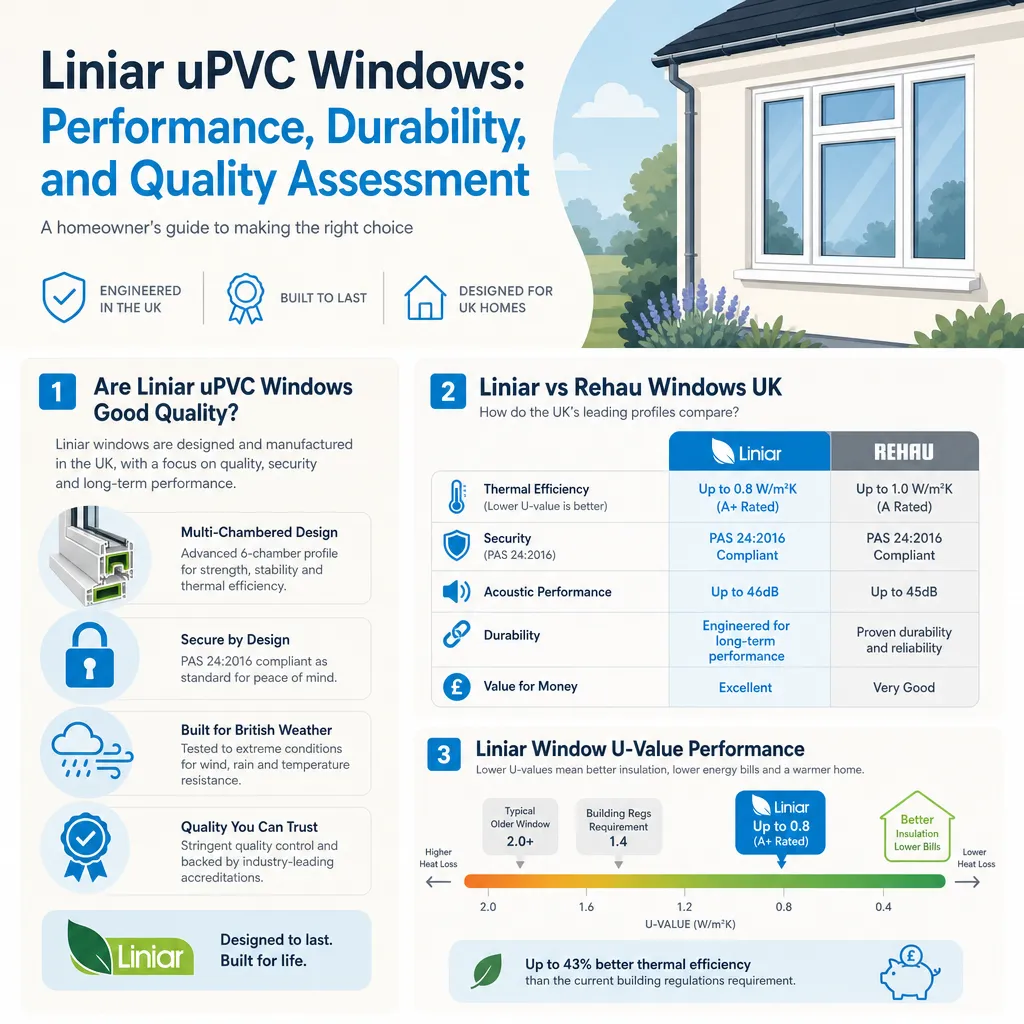
Liniar uPVC Windows: Performance, Durability, and Quality Assessment
Liniar uPVC window profiles are manufactured in the UK using multi-chambered, foamed frames.
 Improvement & Build
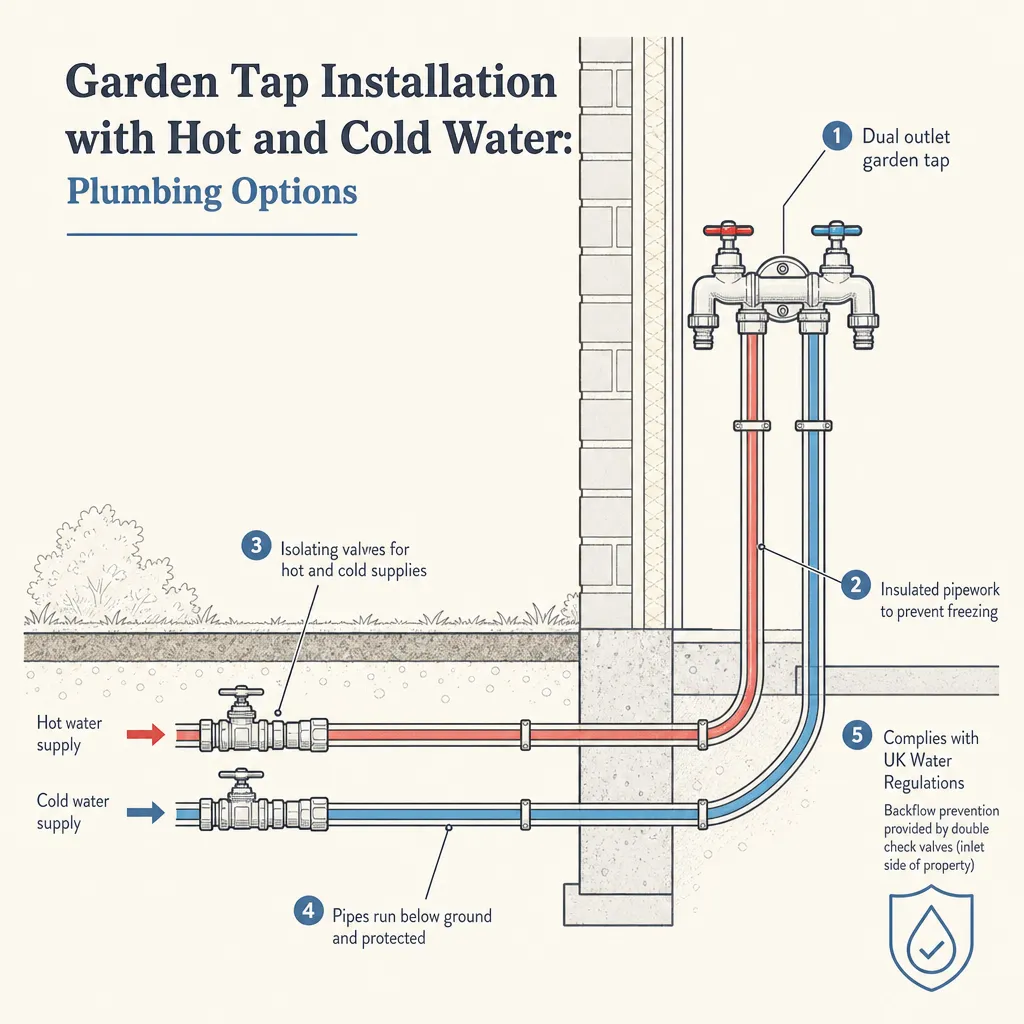
Garden Tap Installation with Hot and Cold Water: Plumbing Options
Adding a cold garden tap is a common DIY project, but routing hot water outdoors requires a plumber to connect to your domestic hot water system and comply with the Water Supply (Water Fittings) Regulations 1999.
 Improvement & Build
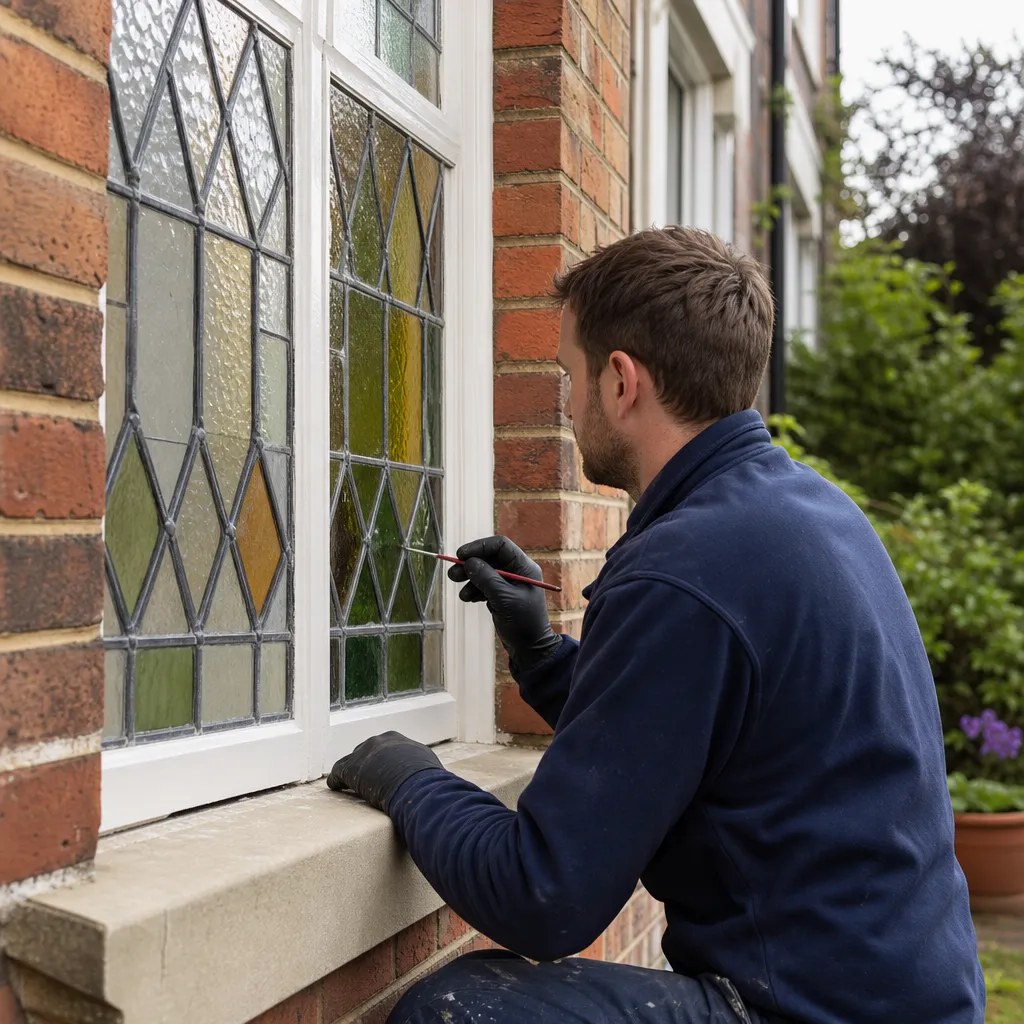
Sealing and Maintaining Historic Leaded Glass Windows: Preservation and Performance
Leaded glass windows are maintained using traditional linseed oil cement — not silicone or modern sealants, which prevent natural movement in the lead came.
 Improvement & Build
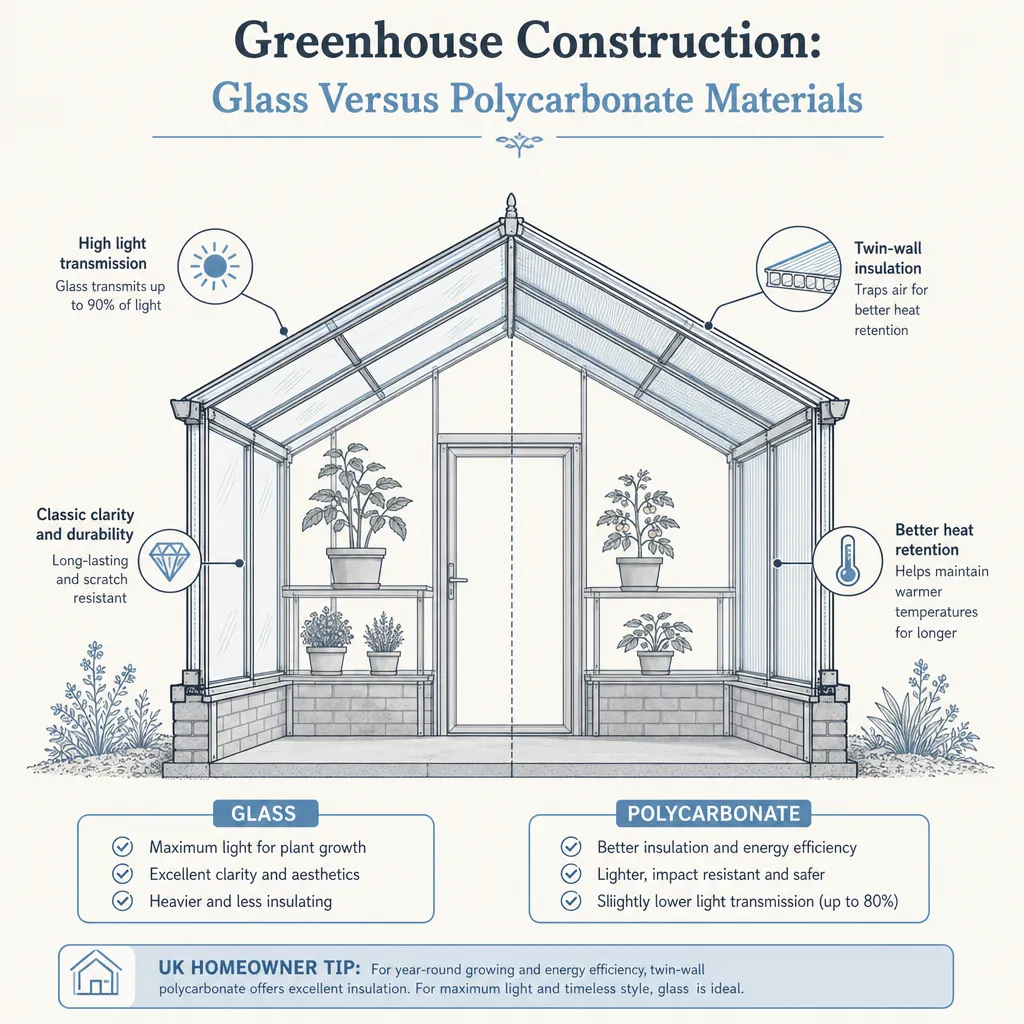
Greenhouse Construction: Glass Versus Polycarbonate Materials
Glass transmits around 90% of available light and lasts indefinitely if unbroken, but insulates poorly and shatters into sharp fragments.
 Improvement & Build
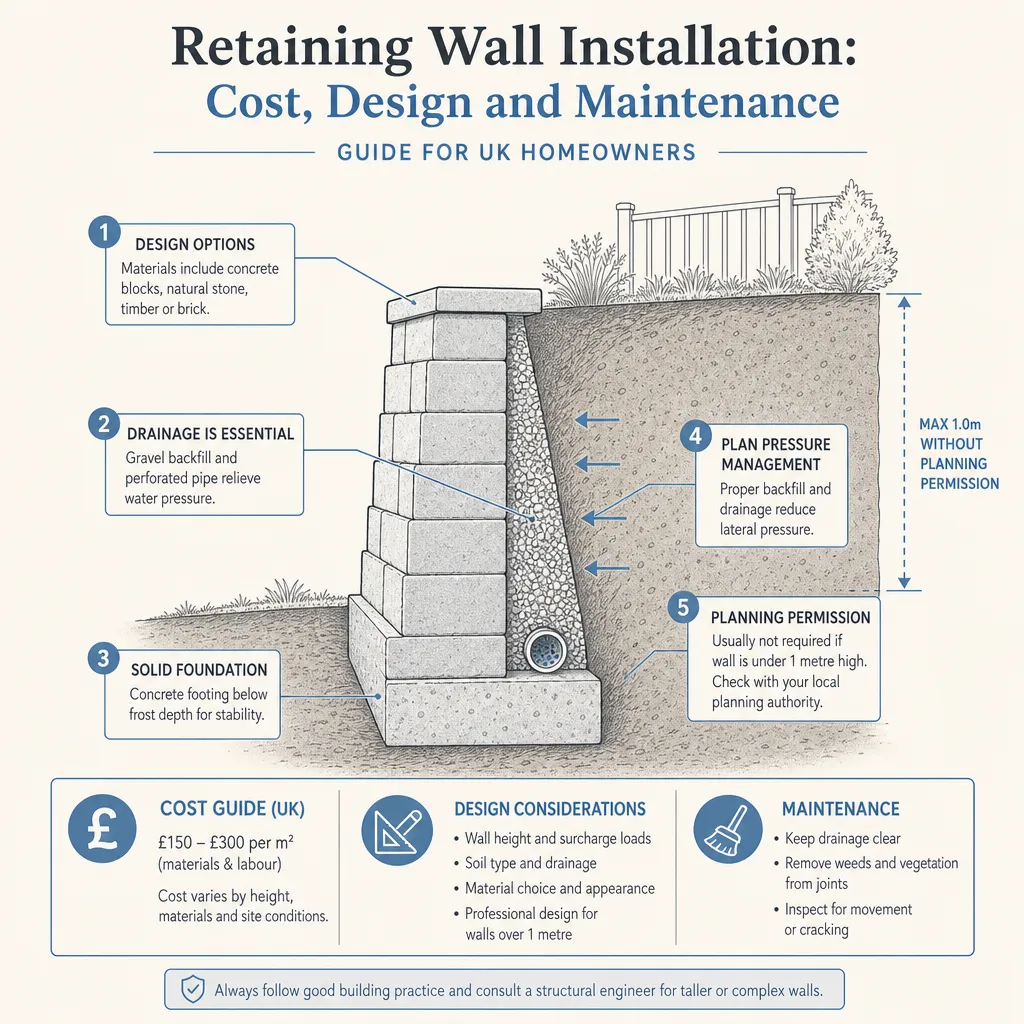
Retaining Wall Installation: Cost, Design and Maintenance
A retaining wall holds back soil on a sloped or banked site.