Why Double-Glazed Windows Become Misty or Foggy
By Housey · Last reviewed 30th of May 2026
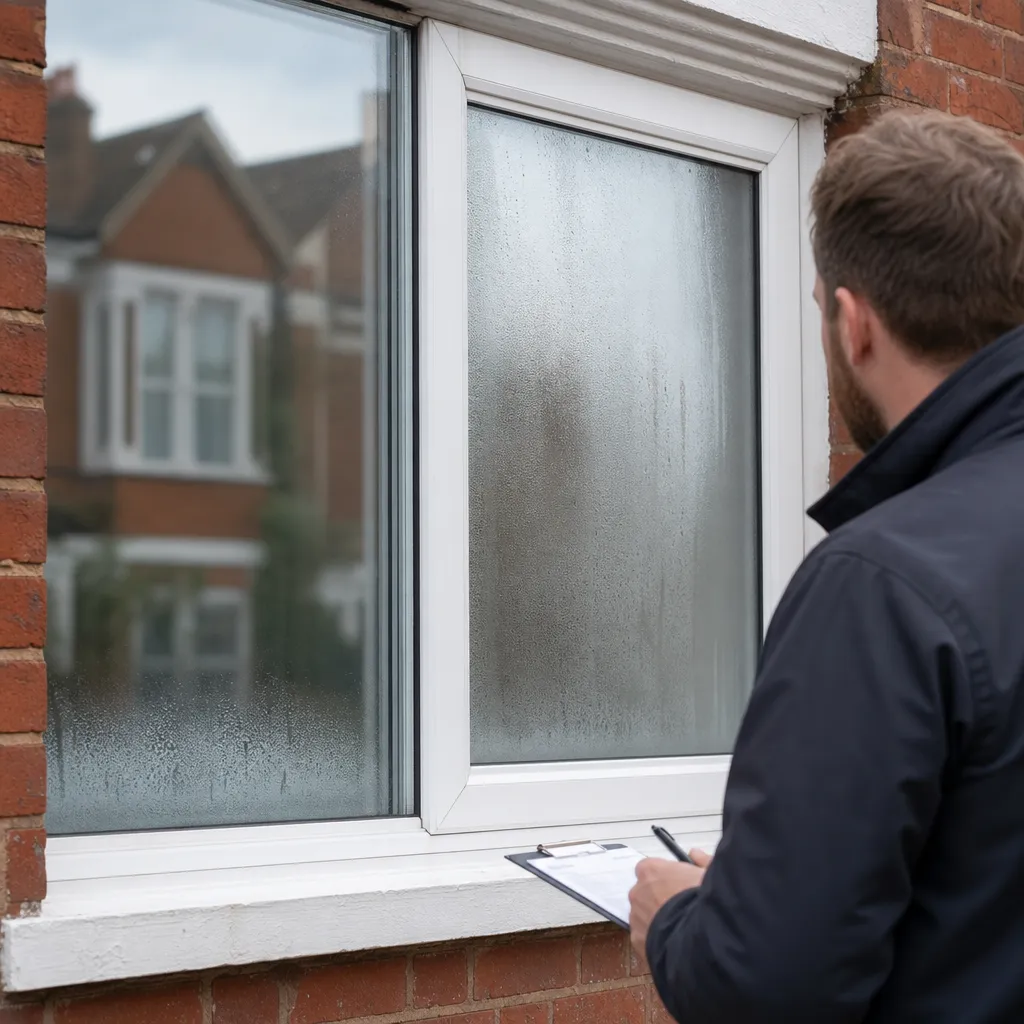
Why Double-Glazed Windows Become Misty or Foggy
A haze or persistent condensation trapped between the panes of a double-glazed window is a common maintenance issue in UK homes — it cannot be wiped away and typically worsens over time. The problem often surfaces when a homeowner is preparing to sell, after a cold winter reveals unit after unit starting to fail, or when a surveyor flags it in a pre-purchase report. Understanding what has actually failed, and whether the sensible course of action is to repair or replace, is the practical question this article addresses.
Key points
- Misting between panes is caused by failure of the hermetic edge seal of the insulated glazing unit (IGU), allowing humid air into a cavity that previously held dry air or argon gas.
- Most sealed units carry a manufacturer's warranty of 5–10 years; quality installation can extend the service life to 15–25 years, but UV exposure and thermal cycling accelerate seal degradation.
- Replacing just the glass pack (the sealed unit) is typically far cheaper than a full window replacement and is usually possible without disturbing the existing frame.
- FENSA-registered glazing companies must provide a 10-year insurance-backed guarantee on replacement windows installed in England and Wales — check whether existing windows carry an unexpired guarantee before commissioning new work.
- A failed sealed unit loses its argon fill, reducing the window's thermal performance: a sound argon-filled unit achieves a lower U-value than an air-filled or compromised one.
What causes sealed unit failure?
A double-glazed sealed unit consists of two or more glass panes separated by a spacer bar, with the cavity filled with dry air or argon gas. The perimeter is sealed with a primary sealant (polyisobutylene) and a secondary structural sealant (typically silicone or polysulphide).
Failure occurs when this perimeter seal degrades, allowing moisture-laden external air into the cavity. The desiccant within the spacer bar — which absorbs trace moisture — eventually becomes saturated. When temperatures drop, humidity condenses on the inner glass surfaces, producing the characteristic internal misting.
Common causes of premature seal failure include:
- UV degradation — south- and west-facing units receive the most direct sunlight and experience faster sealant breakdown.
- Thermal cycling — repeated expansion and contraction of the frame and glass stresses the perimeter seal over many years.
- Poor original installation — insufficient edge cover, incorrect glazing compounds, or glass edge contact with the frame rebate without proper setting blocks.
- Physical damage — impact to the frame or glass edge can breach the seal directly.
- Age — all sealed units degrade eventually; this is a consumable component with a finite service life.
Condensation on the inside vs between the panes
These are two distinct problems and it is important not to confuse them before deciding on a course of action.
Condensation location | Most likely cause | Recommended action |
|---|---|---|
On the room-side surface of the inner pane | High indoor humidity; cold glass surface from a low U-value unit or thermal bridge at the frame | Improve room ventilation; consider upgrading to a higher-performance unit |
Between the two panes — internal misting | Sealed unit (IGU) edge seal failure | Sealed unit replacement |
On the outer pane surface only | High-performance low-emissivity (low-E) glazing performing correctly | No action required — this is normal and desirable |
External condensation on the outer face is often misidentified as a defect. It is in fact a sign of a well-performing low-E unit — the outer pane stays cold enough for dew to form on it because less heat is escaping through the glass.
Can misty double glazing be repaired?
Two approaches are available in the UK market, and they differ significantly in what they achieve:
Sealed unit replacement (glass pack swap) The existing frame is retained; only the glass unit is removed and replaced with a new IGU. This is the standard and permanent solution. A glazier removes the window beading, extracts the failed unit, installs a new argon-filled sealed unit, and reseals. Most uPVC and aluminium frames are suitable; timber frames may need rebate repair if rot has developed alongside the failed seal.
Defogging or demisting treatments These involve drilling small holes into the unit, injecting a cleaning agent to remove the condensation residue, and fitting small vents. This removes the visible misting but does not restore the sealed unit's thermal performance — argon is not refilled, and the unit is no longer hermetically sealed. The Glass and Glazing Federation does not recommend this as a long-term solution.
Comparison table: sealed unit replacement vs full window replacement
Option | What it addresses | Thermal performance restored? | Approx. cost per unit (indicative, 2026-05-30) | Typical lifespan |
|---|---|---|---|---|
Sealed unit replacement | Misting and thermal degradation | Yes, with argon-filled replacement unit | £80–£200 per unit | 15–25 years |
Defogging / demisting treatment | Visible misting only | No | £50–£100 per unit | Often temporary — misting may recur |
Full window replacement | Frame, hardware, and glazing | Yes | £300–£600+ per opening (uPVC) | Full window lifespan |
Cost figures are indicative UK averages, last reviewed 2026-05-30. Prices vary by unit size, glass specification, frame material, and region. Obtain at least two or three quotes before instructing any contractor.
How long should double glazing last?
The service life of double glazing depends on the original unit quality, the frame material, and installation workmanship:
- Sealed units: 5–10 year manufacturer warranty is typical; expected service life with quality installation is 15–25 years.
- uPVC frames: typically 20–35 years before significant discolouration or hardware failure.
- Timber frames: potentially 40+ years with regular maintenance — painting, glazing compound checks, and prompt draught-seal repair.
- Aluminium frames: 35–45 years; low maintenance.
When a surveyor flags misty double glazing in a pre-purchase report, it is worth establishing the age of the windows and whether any FENSA guarantee remains in force. FENSA guarantees are registered to the property on the national database and are transferable to new owners on sale.
Decision tree: what should you do?
- One or two units misted, frames in good condition, windows under 15 years old → commission sealed unit replacement from a FENSA-registered glazier.
- Multiple units failing across several windows, or frames are aged and poorly fitting → full window replacement may be more cost-effective than replacing units individually.
- Misting accompanied by draughts, stiff operation, or failed hardware → full window replacement is likely the better option.
- Condensation on the room-side surface only, not between the panes → improve ventilation; trickle vents and extractor fans address the cause.
- External condensation on the outer face only → no action required; the window is performing correctly.
- Windows in a conservation area or listed building → check with your local planning authority before replacing; conservation-approved frames or specific glass types may be required.
When to get professional help
Seek a professional assessment if:
- You are unsure whether condensation is between the panes or on the room-side surface
- A surveyor or mortgage valuer has flagged glazing failure as a defect in a report
- More than a third of the windows in the property are affected
- Frames are showing signs of deterioration — warping, soft spots, or failed seals around the frame perimeter
- You are buying or selling and need an independent condition assessment before negotiating
A specific defect survey can assess whether glazing failure is isolated to individual units or part of a wider pattern of moisture ingress or frame deterioration.
How Housey can help
Whether you need a single sealed unit replaced or a full window upgrade across multiple openings, Housey connects you with vetted window and door installers who can survey the affected windows, provide itemised quotes, and install to current building regulations with FENSA registration where applicable. If you would like an independent assessment before instructing any contractor, a specific defect survey provides an unbiased view of the extent of the problem.
Frequently asked questions
Is it worth replacing misty double glazing before selling a property?
In most cases, yes. Surveyors routinely flag failed sealed units in pre-purchase reports, and buyers may use this as a negotiating point. Replacing affected units at £80–£200 each is usually cheaper than the reduction a buyer might otherwise seek in the purchase price. Check first whether any FENSA guarantee on the existing windows remains in force before paying for a new installation.
Does misty double glazing affect my EPC rating?
A failed sealed unit with no argon fill performs closer to a standard air-filled unit, marginally reducing the window's U-value. In practice, the effect on an Energy Performance Certificate score is modest unless a large proportion of the glazing has failed. A qualified domestic energy assessor (DEA) will assess window condition and specification as part of the EPC process.
Do I need planning permission to replace double glazing in the UK?
In most cases in England, replacing like-for-like double glazing does not require planning permission under Permitted Development rules. However, listed buildings or properties in conservation areas may require listed building consent or planning permission before windows are changed. Check with your local planning authority before proceeding if either of these applies to your property.
What is a FENSA certificate?
FENSA (Fenestration Self-Assessment Scheme) is a government-authorised scheme allowing registered glazing companies to self-certify that replacement windows and doors comply with building regulations — specifically Part L (conservation of fuel and power) and Part F (ventilation). A FENSA certificate is registered to the property and is transferable to new owners on sale. Solicitors typically request it during a conveyancing transaction.
Sources and further reading
- FENSA homeowner guidance — FENSA
- Windows guidance — Planning Portal
- Building Regulations Approved Document L: conservation of fuel and power — GOV.UK
- Glass and Glazing Federation technical guidance — Glass and Glazing Federation
- Double glazing advice — Energy Saving Trust
Useful next reads
 Improvement & Build
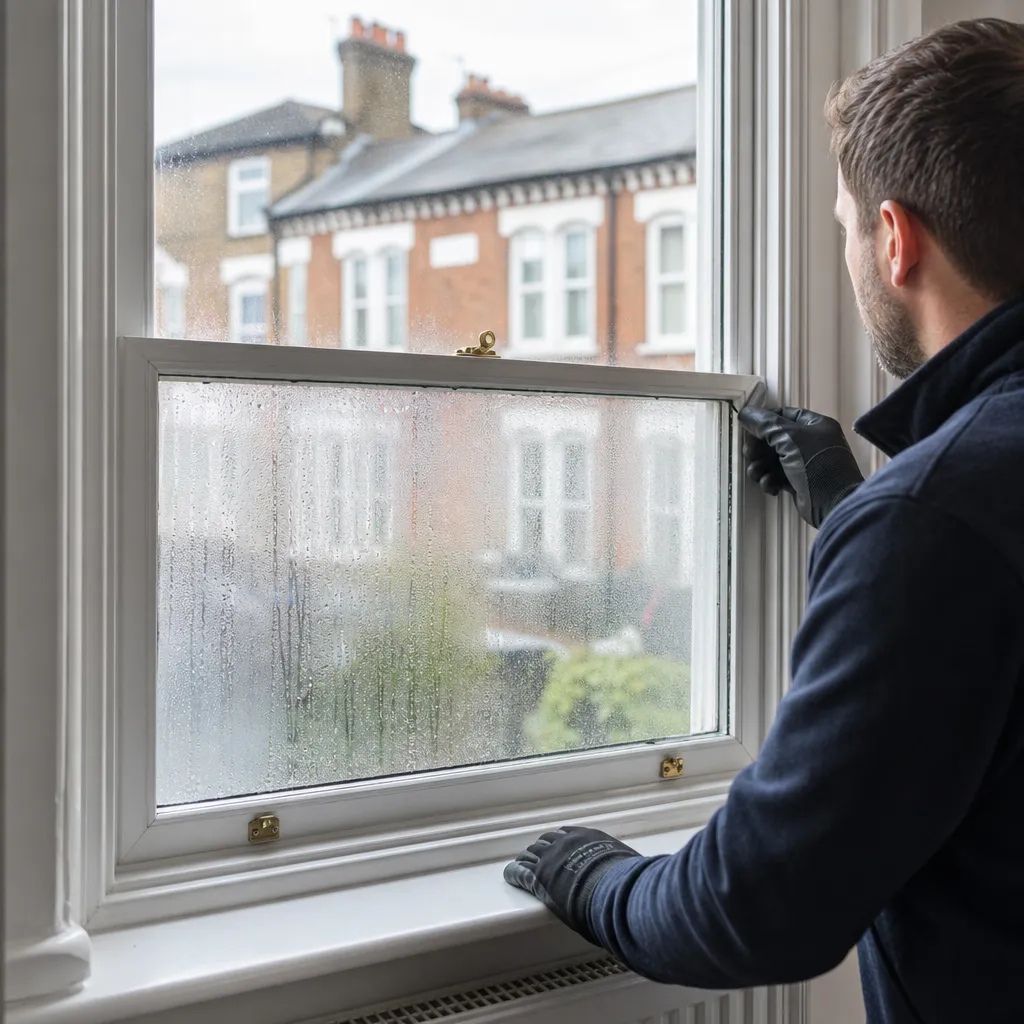
Repairing Failed Window Seals and Condensation Issues
Condensation between double-glazed panes means the hermetic seal on the insulated glass unit has failed.
 Improvement & Build
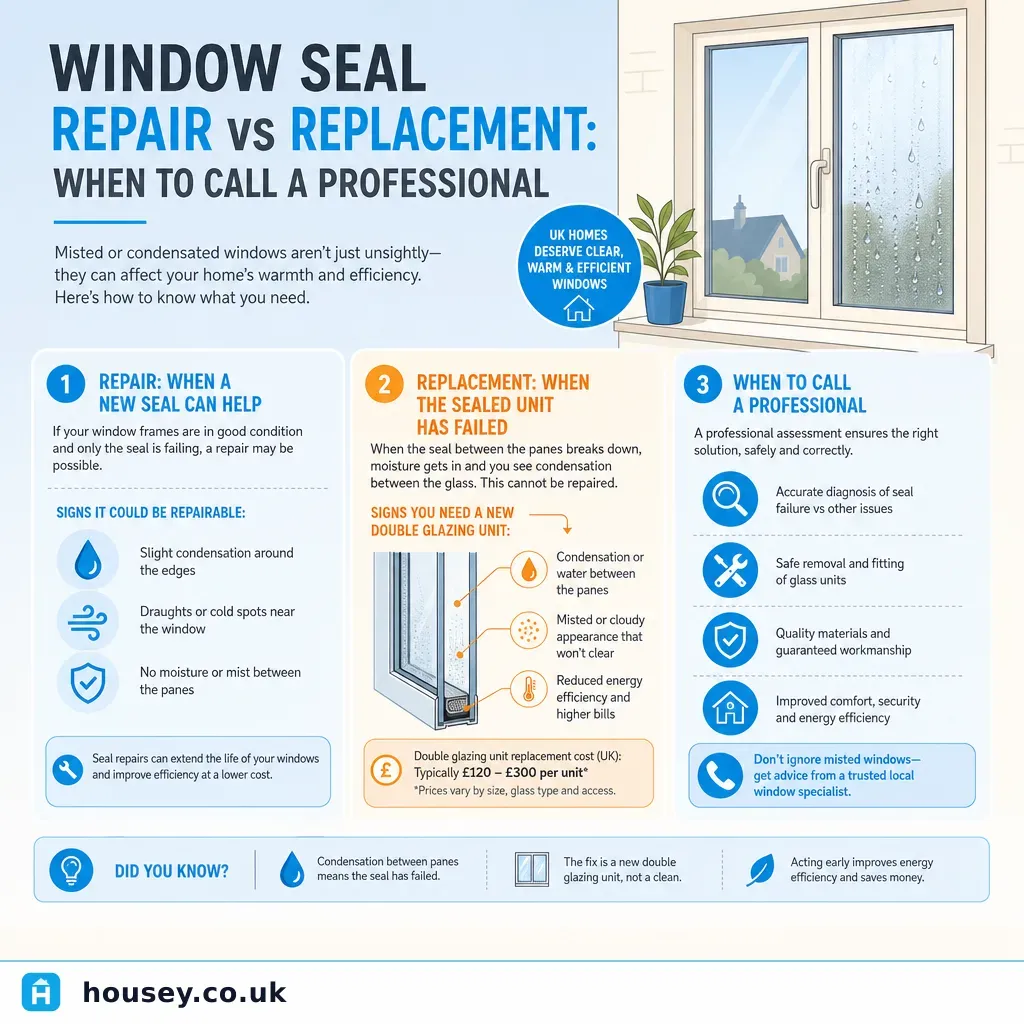
Window Seal Repair vs Replacement: When to Call a Professional
Failed window seals usually mean the double-glazed unit needs replacing — resealing a misted unit rarely works long-term.
 Improvement & Build
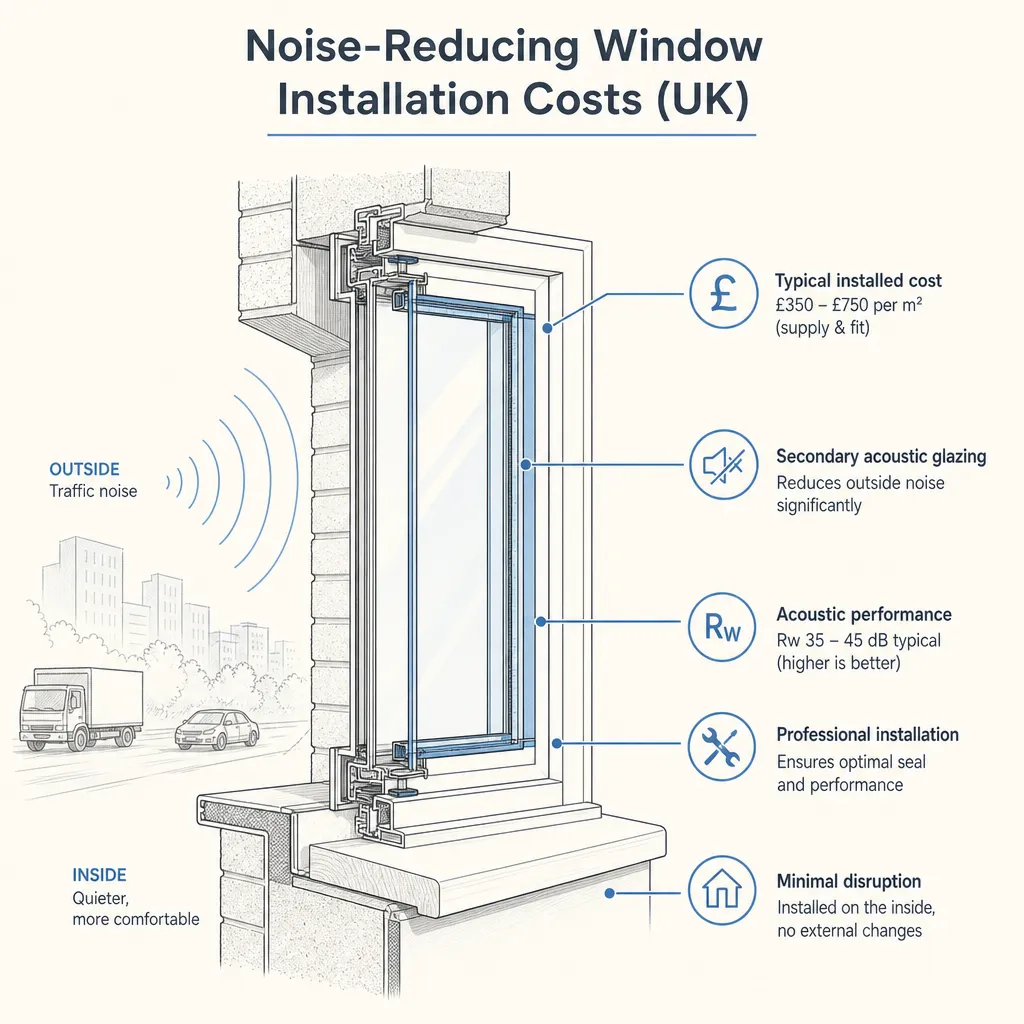
Noise-Reducing Window Installation Costs
Noise-reducing window installation in the UK typically costs £400–£1,500 per window depending on glazing specification, frame material, and property type.
 Improvement & Build
Window Replacement Planning: What to Discuss With Your Installer
Most window replacements in England fall under permitted development rights and do not require planning permission, but they must comply with Building Regulations Part L and Part K.
 Improvement & Build
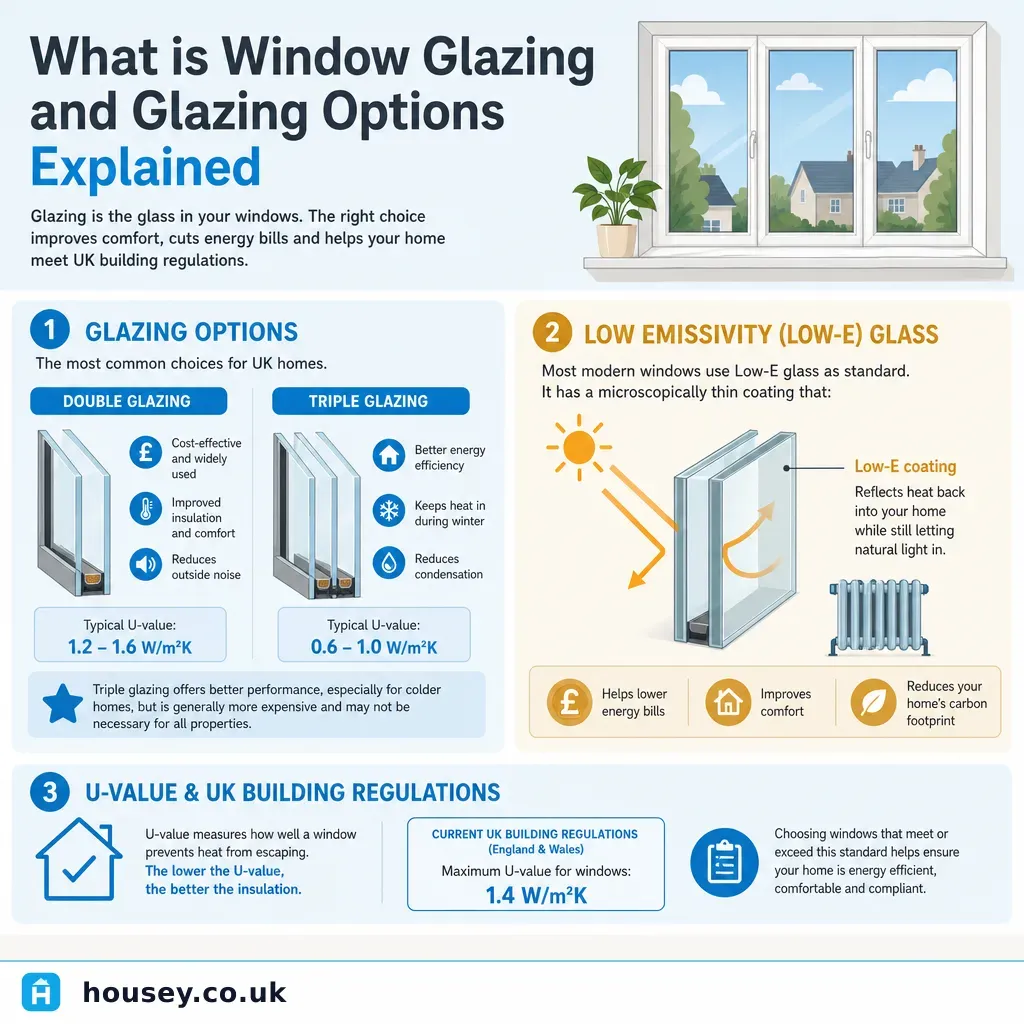
What is window glazing and glazing options explained
Window glazing refers to the sealed glass unit fitted within a window frame.