Wildlife-Friendly Garden Design: Creating Biodiverse Outdoor Spaces
By Housey · Last reviewed 8th of May 2026
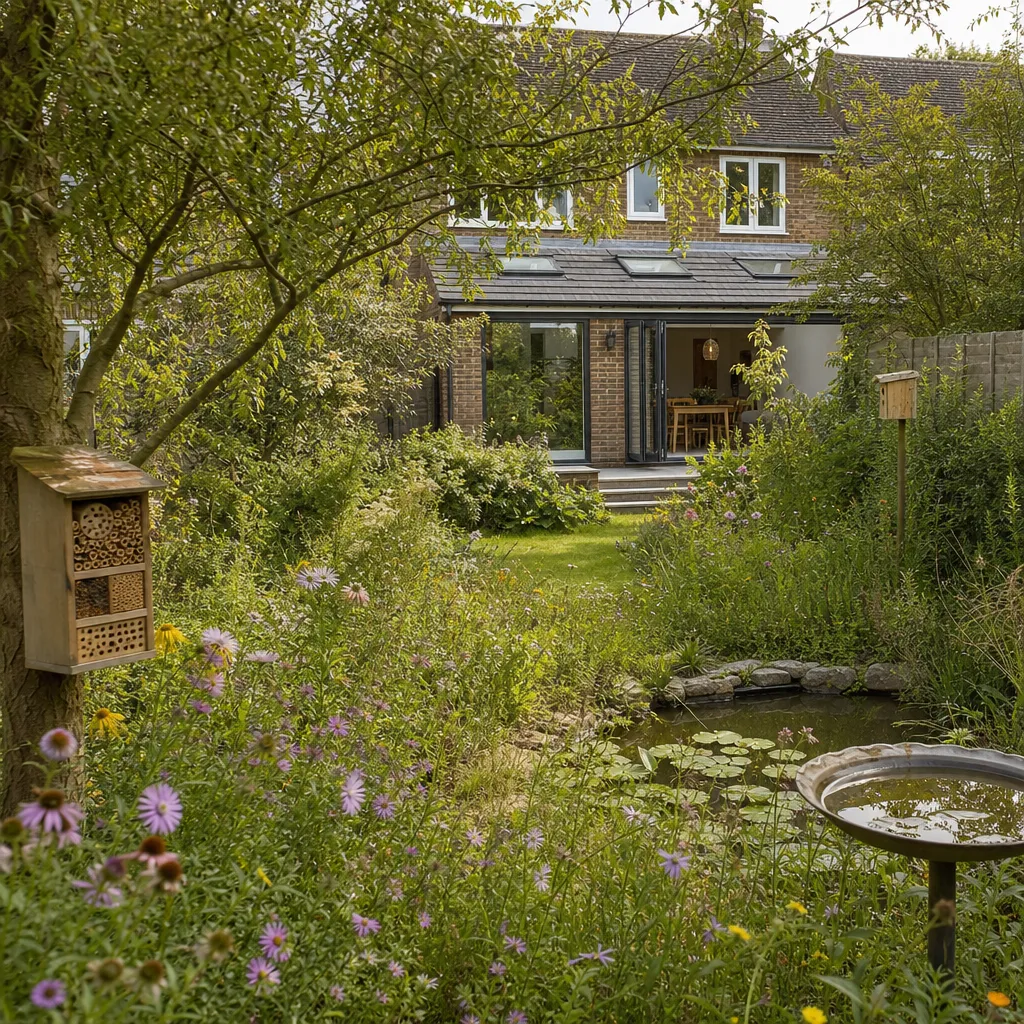
Wildlife-Friendly Garden Design: Creating Biodiverse Outdoor Spaces
Gardens collectively cover more land across the UK than all our National Nature Reserves — a fact that places homeowners in a genuinely meaningful position to support wildlife species that depend on managed green space. Pressure on populations of hedgehogs, bumblebees, butterflies, and garden birds has increased significantly since the 1980s, and domestic gardens have become an important refuge, particularly in urban areas where natural habitat is fragmented by development and hard surfacing.
Key points
- UK wildflower meadows have declined by an estimated 97% since the 1930s, with gardens playing a growing role as refuges for pollinators and other invertebrates (Plantlife).
- The hedgehog population in urban areas has fallen by more than 30% since 2000, partly because enclosed gardens obstruct foraging routes that require up to 2 km of nightly travel (People's Trust for Endangered Species).
- A single native oak can support over 280 associated insect species — native plants generally offer far greater wildlife value than most ornamental cultivars (RHS research).
- A pond is among the highest-impact single features you can add; even a small water feature with a sloped entry supports amphibians, invertebrates, and birds within a single season.
- Under the Wildlife and Countryside Act 1981, disturbing certain protected species — including bats, great crested newts, and slow worms — is a criminal offence; check for these before beginning significant garden works.
Why native plants outperform many cultivars for wildlife
Modern ornamental cultivars are frequently bred for doubled flowers, extended bloom periods, or altered foliage. These changes often reduce accessible pollen and nectar, or eliminate the specific leaf chemistry that larval insects require. Native species have co-evolved with UK wildlife over thousands of years and are generally better adapted to local soils and climate.
Native plants vs ornamental cultivars
Feature | Native species | Ornamental cultivars |
|---|---|---|
Pollen and nectar | Usually freely accessible | Reduced or absent in double-flowered varieties |
Larval host plants | Many support specific caterpillar and insect species | Rarely suitable as larval host plants |
Berries and seeds | Often high yield — valuable for birds in autumn and winter | Variable; many cultivars produce little fruit |
Soil and climate fit | Adapted to UK conditions | May need richer soil or more maintenance |
RHS Plants for Pollinators | Most native species qualify | Selected varieties only |
Overall wildlife value | High for most species | Varies widely — some cultivars are useful, many are not |
Good native choices for pollinators include hawthorn (Crataegus monogyna), common knapweed (Centaurea nigra), foxglove (Digitalis purpurea), and field scabious (Knautia arvensis). A mix of early and late-flowering species extends foraging availability across the season.
Which wildlife features should you add? A decision guide
Use this guide to prioritise features based on your garden's size and current conditions.
- Add a pond if you have at least 2–3 sq m of open sunny ground — even a small pond significantly benefits amphibians, aquatic invertebrates, and drinking birds.
- Create a hedgehog hole (a 13 x 13 cm gap in a fence or wall) if your garden is enclosed — hedgehogs need to travel up to 2 km each night to forage.
- Plant a native hedge if you have a boundary to define — hawthorn, blackthorn, hazel, and field maple provide nesting habitat, berries, and invertebrate food.
- Leave a wild corner if you have a section of garden that can be managed less intensively — unmown grass, dead wood, and leaf litter support ground beetles, hedgehogs, and overwintering insects.
- Install a nesting box if there are no mature trees with natural cavities — position on a north-to-east facing wall or tree at 2–5 metres height.
- Consult a garden designer or ecologist if your site may have protected species, trees under Preservation Orders, or if you are in a Conservation Area.
Wildlife garden checklist
Water and amphibians
Pollinators and invertebrates
Birds
Mammals
Garden management
Common mistakes in wildlife garden design
- Planting a single flowering season. If most plants bloom in June and July, pollinators lack food in March, April, August, and September. Aim for continuity from February snowdrops to November ivy.
- Extensive weed-suppressing membrane. It prevents weeds but also blocks ground-nesting bees and beneficial ground beetles from accessing soil.
- A pond with steep or vertical sides. Frogs, hedgehogs, and birds need a gradual slope to enter and exit safely; a sheer edge creates a trap rather than a habitat.
- Tidying the garden in February. Hollow stems and seed heads provide overwintering habitat; early clearance removes this resource before most insects have emerged.
- Assuming commercial wildflower mixes are native. Some seed mixes include non-native or agricultural varieties with limited wildlife value. Cross-check against the RHS Plants for Pollinators list or Plantlife's regional species recommendations.
When to get professional help
Most wildlife garden changes are achievable by motivated homeowners, but a professional is worth engaging when:
- You have mature trees and are unsure whether they are subject to a Tree Preservation Order or Conservation Area consent requirements.
- Your garden may harbour legally protected species — bats roosting in outbuildings, great crested newts, slow worms, or active badger setts.
- You want a comprehensive habitat survey or biodiversity baseline before redesigning a large plot.
- You are subject to a Biodiversity Net Gain condition under the Environment Act 2021 as part of a planning permission.
- You want a planting scheme that integrates wildlife value with structured or formal garden design.
Under the Wildlife and Countryside Act 1981, it is a criminal offence to disturb or destroy certain protected species and their habitats. A qualified ecologist should advise before significant earthworks or clearance begins if any doubt exists.
How Housey can help
If you would like professional support creating a wildlife-friendly outdoor space, Housey can connect you with experienced garden designers who can develop a planting scheme tailored to your plot and local ecology, or landscapers who can install ponds, native planting, and habitat features to a professional standard.
Frequently asked questions
Do I need planning permission to create a wildlife garden?
Most wildlife garden features — ponds, native planting, log piles, bird boxes, and hedgehog holes — do not require planning permission. However, removing or working on trees covered by a Tree Preservation Order, or any tree in a Conservation Area, requires consent from your local planning authority. If your property is a listed building or within its curtilage, additional restrictions may apply. Always check with your local council before removing mature trees or established hedges.
What is the single most effective thing I can add for wildlife?
A pond is consistently cited by the RSPB and RHS as the highest-impact single garden addition. Even a small container pond — as little as 60 cm across — with a sloped edge, a few marginal plants, and no fish can attract frogs, newts, drinking birds, and aquatic invertebrates within a single growing season. Position it where it receives several hours of sunlight each day for best results.
Are wildflower lawns easy to maintain?
Wildflower lawns need less mowing than conventional grass — typically two cuts per year, in late spring before plants set seed and again in autumn. Soil conditions matter significantly: most native wildflowers prefer low-nutrient soil, so removing cuttings rather than leaving them gradually reduces fertility and improves conditions for wildflowers over time. Richer soils tend to favour grass, so patience is required in the early years.
Will a wildlife garden attract more garden pests?
A biodiverse garden generally supports the natural predators that keep pest populations in check — hedgehogs eat slugs, blue tits eat aphids, and ground beetles eat vine weevil larvae. Pesticide-free gardens often see fewer damaging pest outbreaks over time as predator populations build. Some plants attract aphids before predators arrive in spring; this is normal and usually self-correcting within a few weeks.
Sources and further reading
- RHS Plants for Pollinators — Royal Horticultural Society
- Gardening for wildlife — RSPB
- Wildflower and meadow conservation — Plantlife
- Hedgehog Street: making gardens hedgehog-friendly — People's Trust for Endangered Species
- Wildlife and Countryside Act 1981 — legislation.gov.uk
Useful next reads
 Improvement & Build
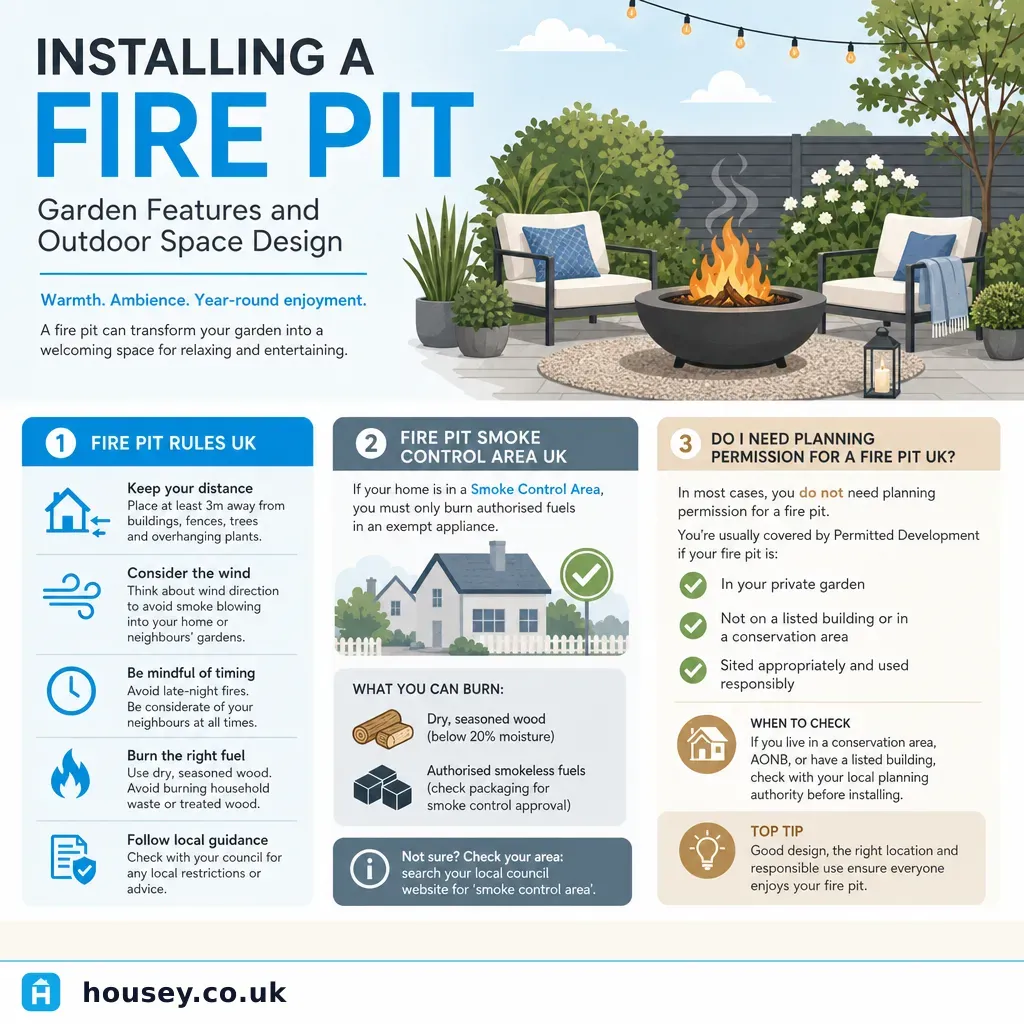
Installing a Fire Pit: Garden Features and Outdoor Space Design
Installing a garden fire pit in the UK is generally permitted, but Smoke Control Area rules prohibit open wood-burning in most towns and cities.
 Improvement & Build
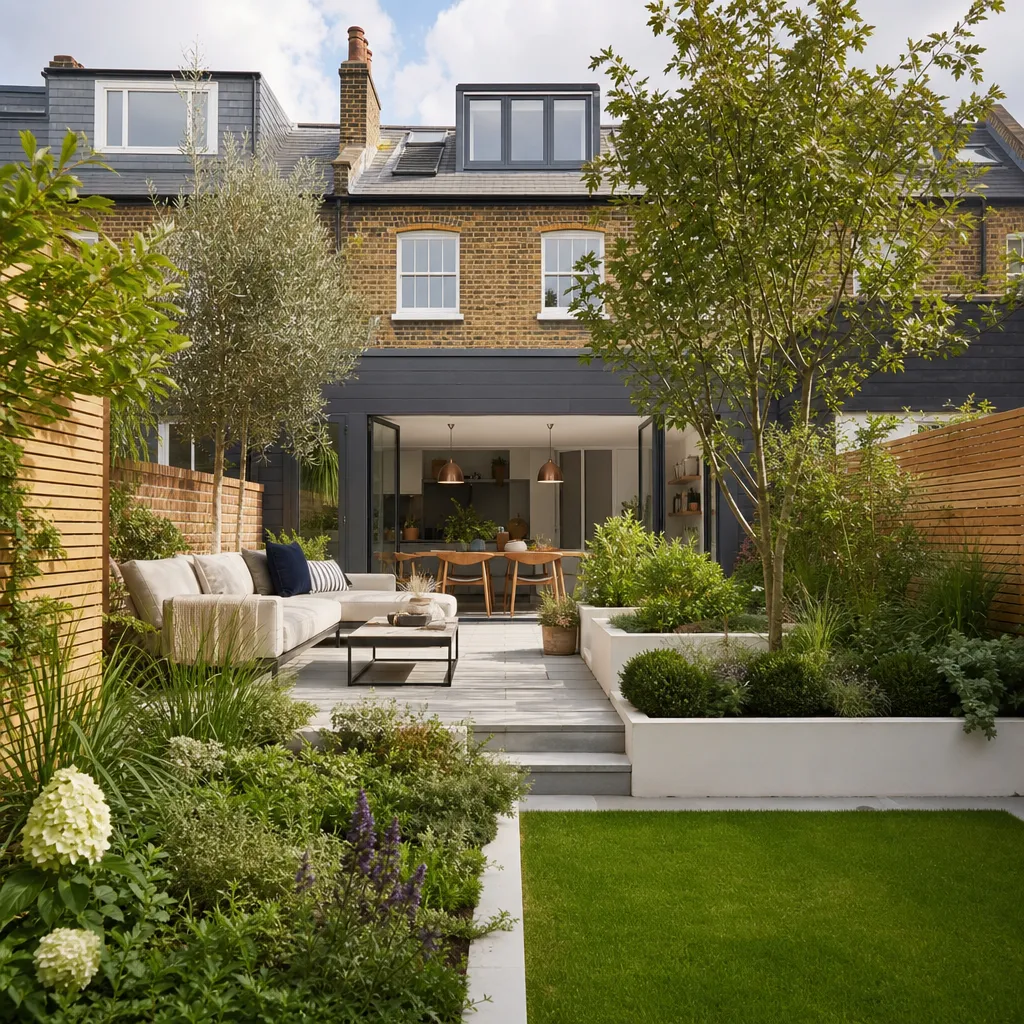
Seasonal Garden Transformations and Outdoor Design Ideas
A successful garden transformation in the UK works with the seasons rather than against them — establishing structure and hard landscaping in autumn or winter, planting in spring, and enjoying the results through summer.
 Improvement & Build
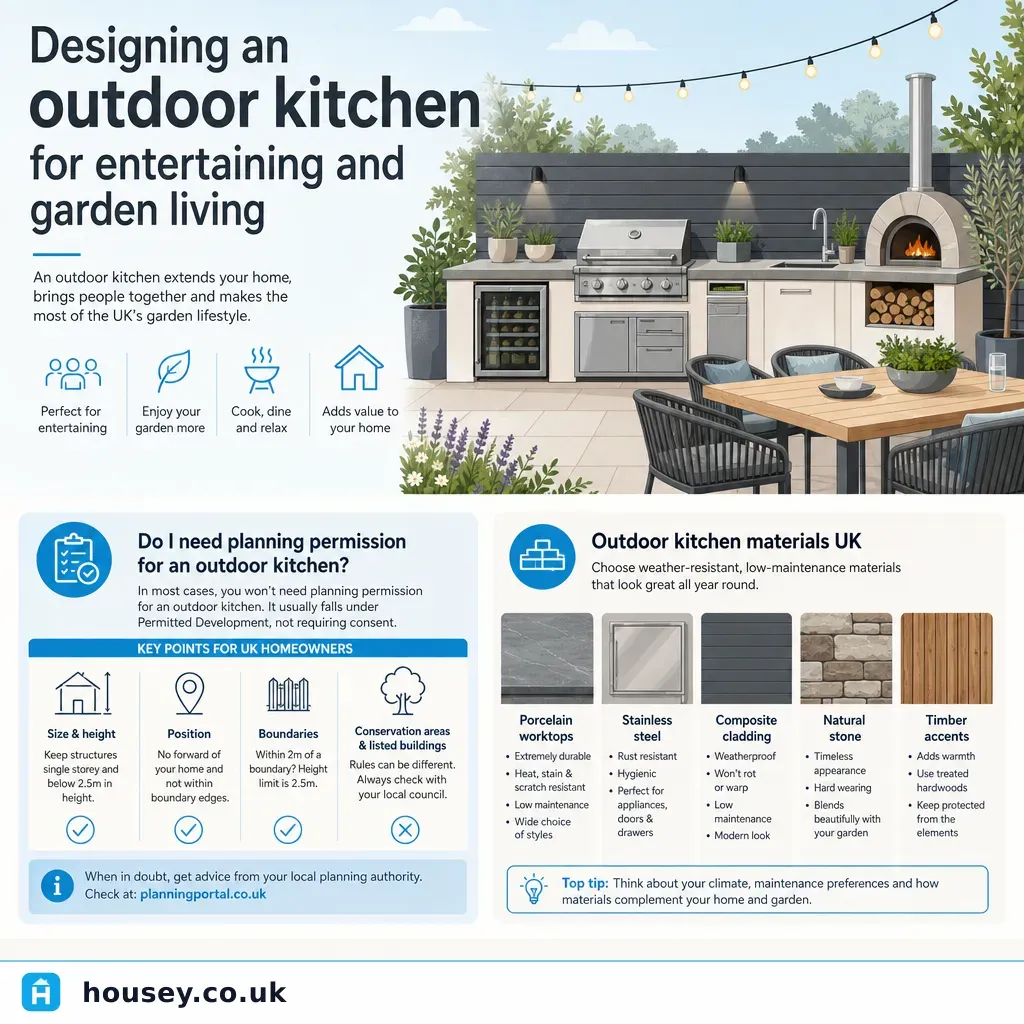
Designing an outdoor kitchen for entertaining and garden living
An outdoor kitchen in a UK garden needs a stable, level base — typically a concrete slab or quality paving — with weather-rated materials such as stainless steel grade 316 or frost-rated porcelain.
 Improvement & Build
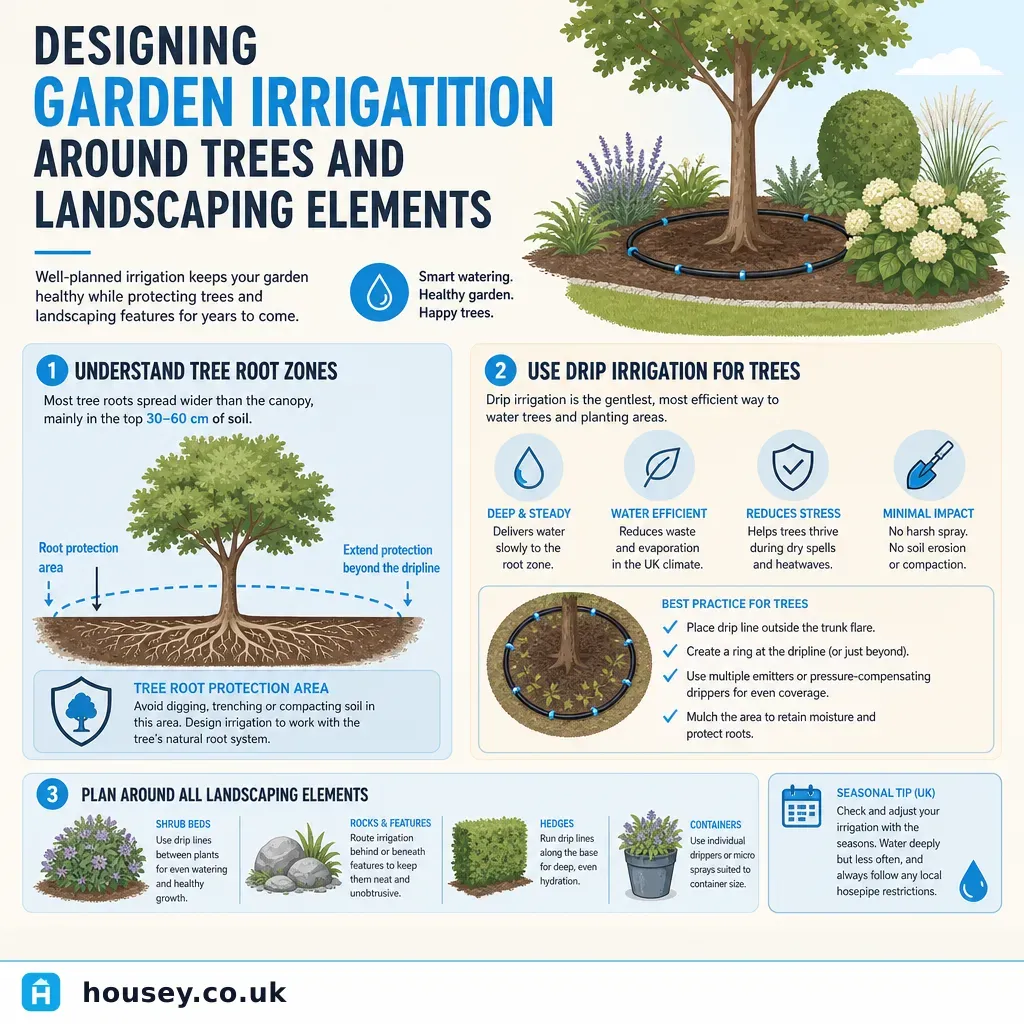
Designing Garden Irrigation Around Trees and Landscaping Elements
Design irrigation around trees by respecting the root protection area defined under BS 5837:2012, using drip or leaky pipe delivery rather than spray heads, and putting the tree zone on its own circuit.
 Improvement & Build
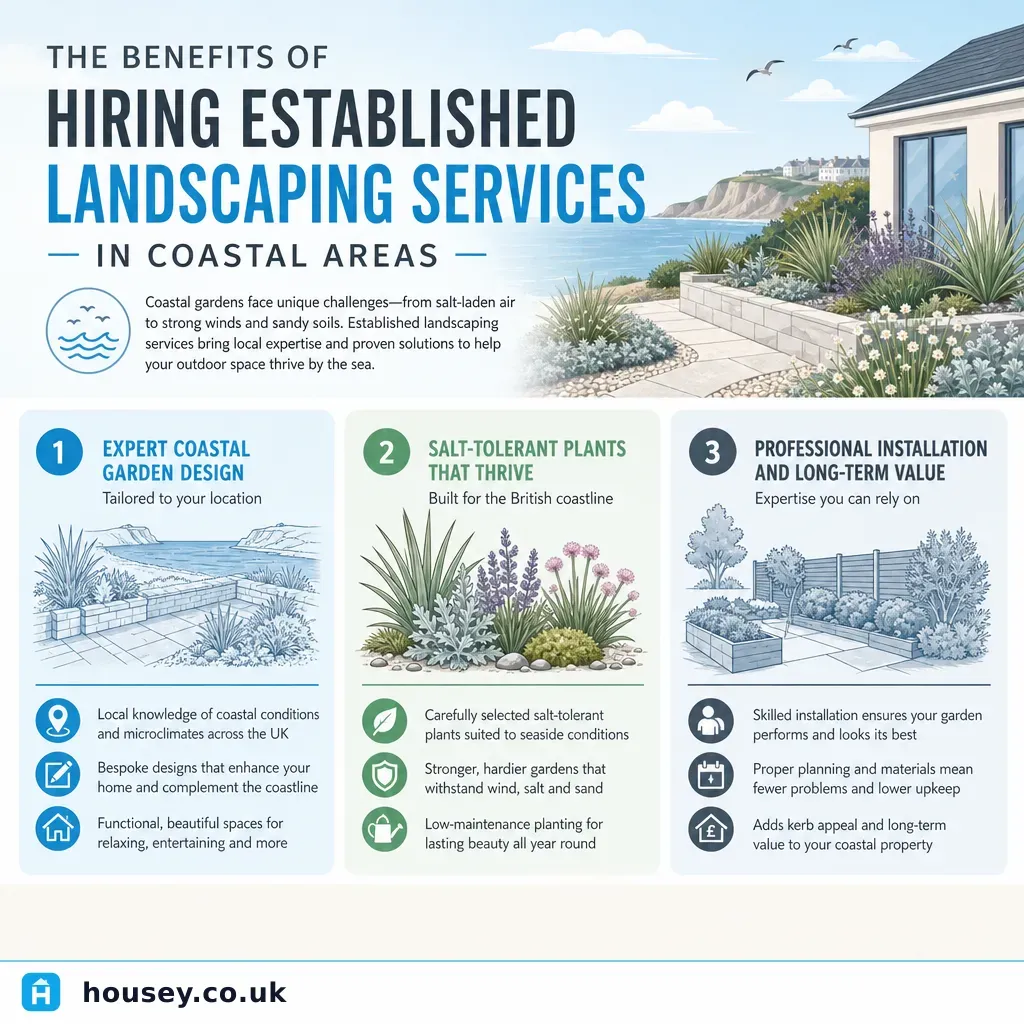
Benefits of Hiring Established Landscaping Services in Coastal Areas
Established landscaping contractors in coastal areas understand salt spray exposure, prevailing wind patterns, and local planning restrictions that inland firms often overlook.