Window and Door Supply Chain Changes: What UK Homeowners Need to Know
By Housey · Last reviewed 30th of May 2026

Window and Door Supply Chain Changes: What UK Homeowners Need to Know
The UK window and door market is more layered than it appears from the outside. Behind every local installer sits a supply chain of profile system manufacturers, fabricators, and logistics networks — and changes at any level can have practical consequences for homeowners who are mid-project, planning replacements, or relying on warranties years after installation. Leadership transitions, company acquisitions, and strategic pivots are a regular feature of mature building product markets, and knowing what to look for means you can protect your project and your long-term interests.
Key points
- PVC-u window system profiles are manufactured by companies such as VEKA, Rehau, Deceuninck, and Spectus; your installer is typically certified to one or two systems, and the profile brand affects long-term spare parts availability.
- Manufacturer warranties on windows and doors often run for 10 years, but these warranties depend on the supplying company remaining solvent and honouring its commitments.
- FENSA (Fenestration Self-Assessment Scheme) registration is held by the installing company; if your installer ceases trading, the FENSA deposit guarantee scheme may cover remedial work.
- Supply chain disruptions — including raw material shortages, logistics delays, or company restructuring — can extend typical lead times of 4–8 weeks to 12 weeks or more.
- Always request a written contract specifying the profile system, glass specification, hardware brand, and warranty terms before any work begins.
How the UK window and door supply chain works
Most homeowners deal with a local installer, but behind them sits a longer chain. A profile system manufacturer extrudes and finishes the PVC-u or aluminium sections; a fabricator cuts, welds, and glazes the frames to specification; and then the installing company fits the finished unit in your home.
Changes at any level — a system manufacturer restructuring its UK operation, a fabricator going into administration, or an installer switching system supplier — can ripple through to you:
- Lead times: orders already placed may be delayed if a fabricator's supply of profiles is disrupted.
- Spare parts availability: if a system is discontinued, matching handles, gaskets, and hinges may become harder to source in subsequent years.
- Warranty enforceability: a manufacturer's 10-year profile warranty is only as good as the company standing behind it.
- Installer certification: if your installer switches system supplier mid-project, the certified specification may change without your knowledge.
What supply chain and leadership changes mean in practice
When a major supplier changes ownership, merges with a competitor, or shifts its UK market strategy, the practical effects for homeowners vary considerably depending on the type of change.
Change type | Typical homeowner impact | What to check |
|---|---|---|
Manufacturer acquisition or merger | Usually low short-term; branding may change but products continue | Whether your system's warranty transfers to the new owner |
UK product line discontinuation | Medium-term: spare parts may become scarce after 5–10 years | Ask your installer for a parts availability commitment in writing |
Fabricator insolvency | High if mid-order: deposits at risk, significant delays likely | FENSA deposit protection; pay deposits by credit card for Section 75 cover |
Installer changing system supplier | Low if handled transparently; check specification has not changed | Compare original specification sheet to any revised contract |
Raw material price increases | Cost pressure passed through to homeowners in new quotes | Get multiple quotes; confirm the material specification is unchanged |
Which option should you choose?
Use this decision guide when planning window or door replacement:
- Choose an installer certified to an established, widely distributed system (VEKA, Rehau, Deceuninck, Spectus, or Aluk for aluminium) if long-term spare parts availability matters to you.
- Ask about the fabricator as well as the installer if you are ordering a large or bespoke job such as bifold doors or a substantial glazed extension.
- Request FENSA registration evidence before signing any contract; this protects you under the FENSA deposit guarantee scheme if the installer ceases trading.
- Ask specifically about the warranty chain — who underwrites the 10-year profile warranty, and what happens if that company is acquired or restructures its UK operation.
- Check your installer holds Competent Person Scheme membership (FENSA, CERTASS, or similar) so they can self-certify Building Regulations compliance without a separate local authority application fee.
- Ask a qualified independent surveyor for advice if you are commissioning structural glazing or large openings in load-bearing walls.
What not to assume
Many homeowners assume that windows and doors are broadly interchangeable beneath the surface branding. In practice, there are meaningful differences worth understanding before committing to a contract.
- "10-year guarantee" does not always mean the same thing. Some guarantees cover the full window unit — profile, glass, and hardware; others cover only the profile or only the installation workmanship. Read the small print and ask who underwrites each element.
- FENSA registration is not permanent. Installers can let their registration lapse or have it suspended. Always verify current registration at fensa.org.uk before signing a contract.
- A well-known system brand does not guarantee your installer is currently certified to it. Ask for proof of the current system supplier relationship, not just a logo on a leaflet.
- Supply chain delays are rarely communicated proactively. Build a 2–4 week buffer into your project timeline and get a written delivery estimate included in the contract.
- Deposits paid by bank transfer are not protected if a fabricator or installer becomes insolvent. Where possible, pay deposits by credit card for Section 75 Consumer Credit Act protection on amounts between £100 and £30,000.
When to get professional help
For standard window replacements on conventional homes, a reputable FENSA-registered installer and a clear written contract usually provide adequate protection. Consider seeking independent advice if:
- Your project involves structural glazing, large roof lanterns, or bifold door openings where the lintel or structural support needs engineering assessment.
- You are replacing windows in a listed building or conservation area, where separate listed building consent or conservation area consent may be required.
- You have received a quote substantially below the market rate without a clear explanation — this may indicate a change in product specification or an unregistered installer.
- Your installer has requested a large upfront deposit (above 25%) without offering any form of deposit protection.
How Housey can help
Finding a reliable, FENSA-registered installer takes the guesswork out of supply chain concerns. Browse verified window and door installers on Housey, compare quotes, and check credentials before committing to any contract.
Frequently asked questions
What is the FENSA deposit guarantee scheme?
FENSA operates a deposit indemnity scheme protecting homeowners if a registered installer ceases trading before completing work. If you paid a deposit and your installer goes out of business, you can make a claim via FENSA. Always verify your installer's current registration at fensa.org.uk before paying any deposit, as registration can lapse or be suspended.
Does a change in window system manufacturer affect my existing warranty?
It depends on the warranty structure. If it is a workmanship guarantee backed by your installer, a change in their system supplier usually does not affect it. If it is a manufacturer product guarantee, check whether it transfers to the acquiring company. Ask your installer for written confirmation of who underwrites the guarantee after any ownership or supplier change.
How long do window lead times typically take in the UK?
Standard PVC-u windows typically take 4–8 weeks from order to fitting under normal market conditions. Bespoke aluminium systems, large bifold doors, or orders placed during high-demand periods can extend to 10–16 weeks. Always confirm a written lead-time estimate in the contract before paying a deposit, and build in a 2–4 week buffer for your wider project programme.
Do I need planning permission to replace windows in the UK?
In most cases, replacing like-for-like windows is permitted development and does not require planning permission. Exceptions include listed buildings, conservation areas, and properties on new-build estates subject to Article 4 directions that remove permitted development rights. Check with your local planning authority or apply for a Lawful Development Certificate if you are unsure.
Sources and further reading
- FENSA – Fenestration Self-Assessment Scheme — installer registration verification and deposit guarantee scheme
- GOV.UK: Planning permission for windows, doors and roof lights — permitted development rules for window and door replacements
- Citizens Advice: Section 75 of the Consumer Credit Act — credit card deposit protection guidance
- Glass and Glazing Federation (GGF) — industry standards, warranty guidance, and installer accreditation
Useful next reads
 Improvement & Build
Why UK Builders Are Specifying Engineered Building Products
UK builders increasingly specify engineered building products — I-joists, LVL beams, metal web joists, and aircrete blocks — because they offer consistent dimensions, predictable structural performance, and compliance documentation that supports Building Regulations sign-off.
 Improvement & Build
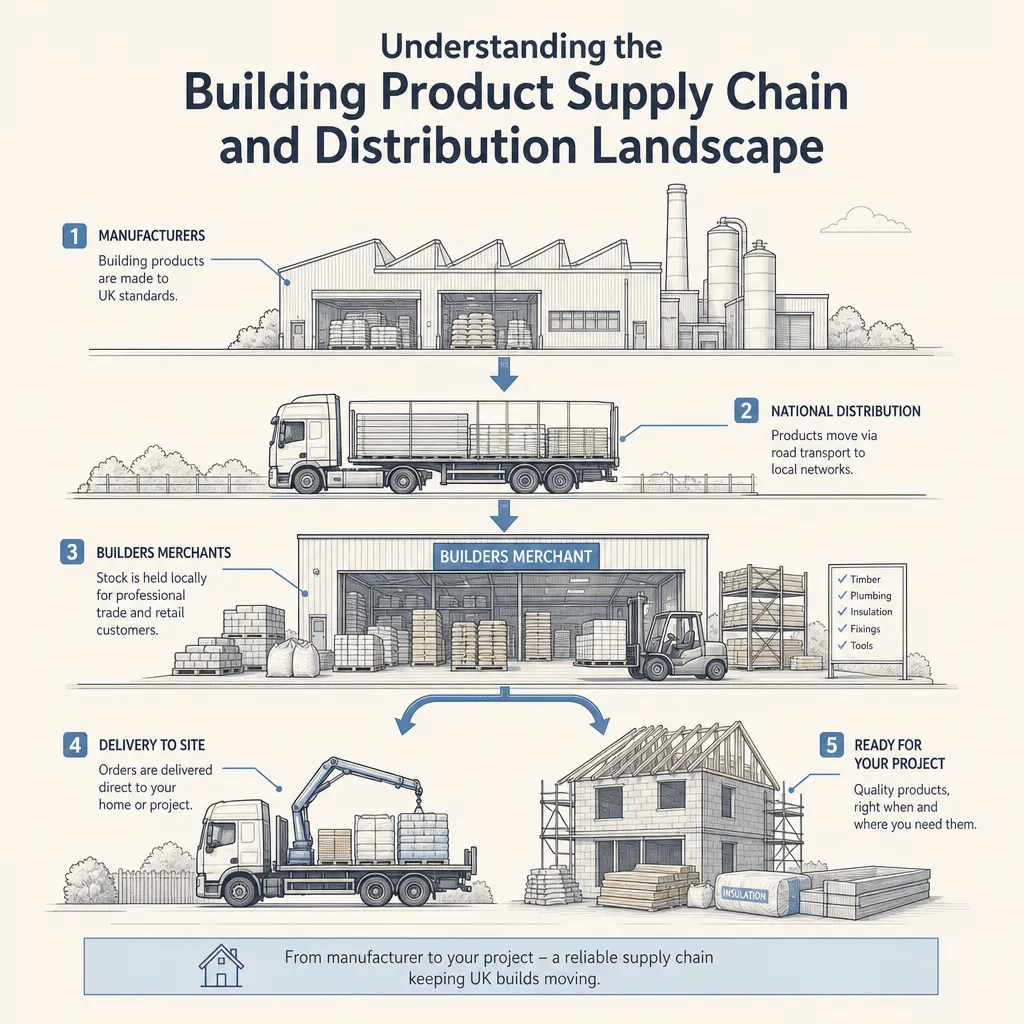
Understanding the Building Product Supply Chain and Distribution Landscape
Building products in the UK travel through a chain of manufacturers, distributors, and builders' merchants before reaching a building site.
 Improvement & Build
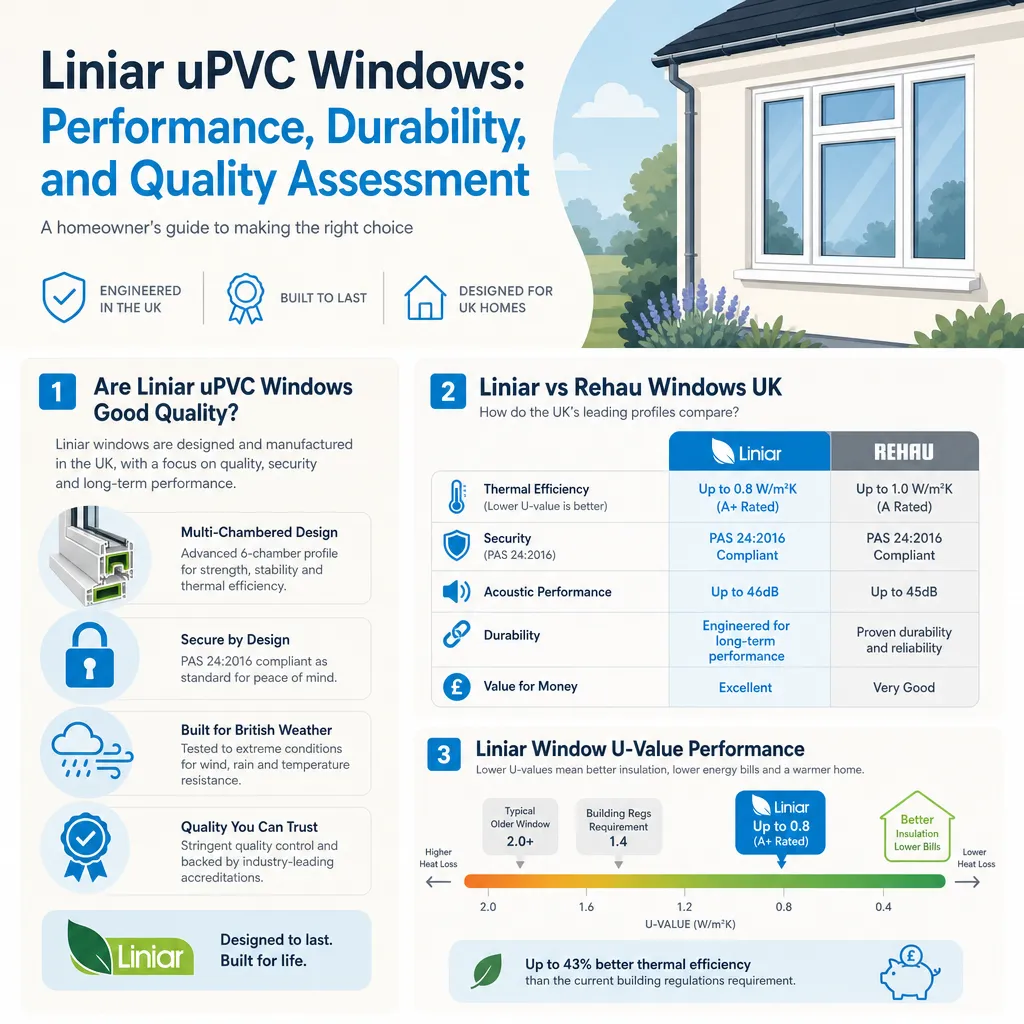
Liniar uPVC Windows: Performance, Durability, and Quality Assessment
Liniar uPVC window profiles are manufactured in the UK using multi-chambered, foamed frames.
 Improvement & Build
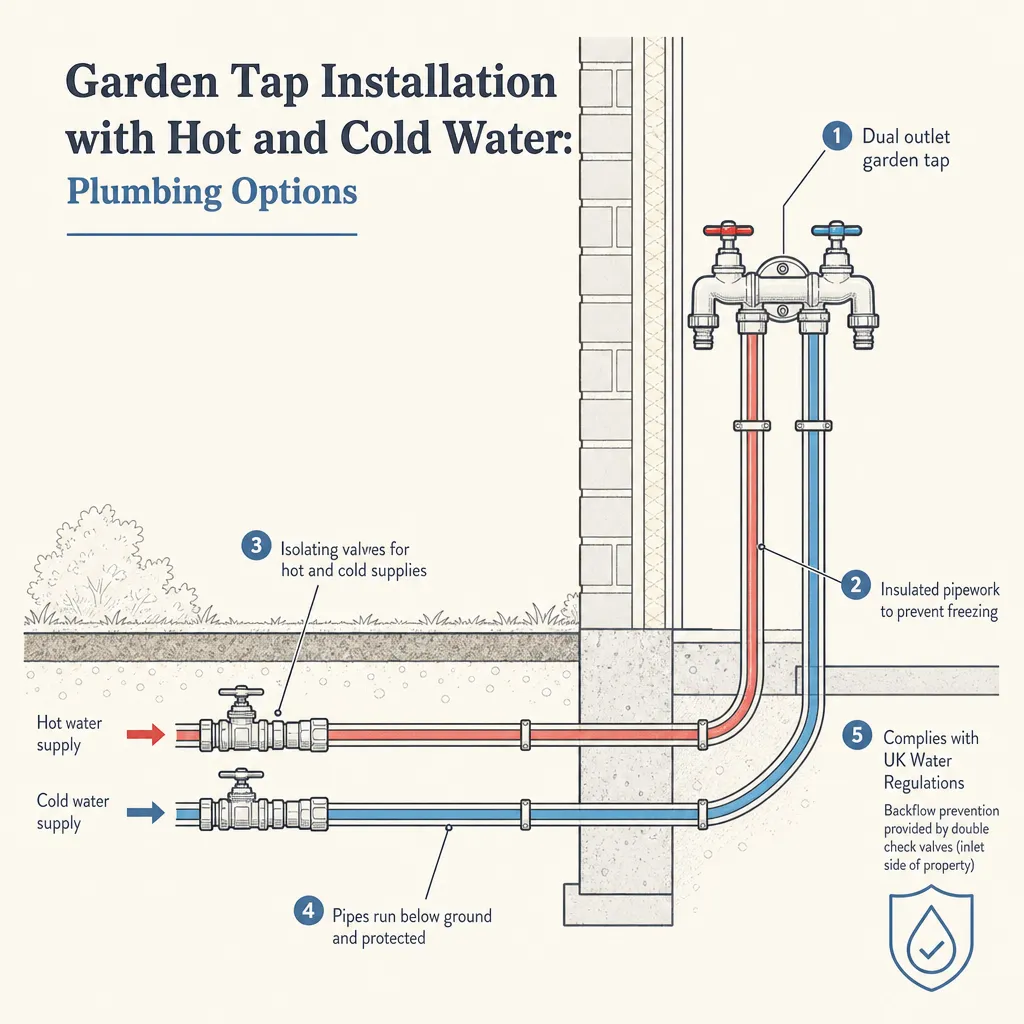
Garden Tap Installation with Hot and Cold Water: Plumbing Options
Adding a cold garden tap is a common DIY project, but routing hot water outdoors requires a plumber to connect to your domestic hot water system and comply with the Water Supply (Water Fittings) Regulations 1999.
 Improvement & Build
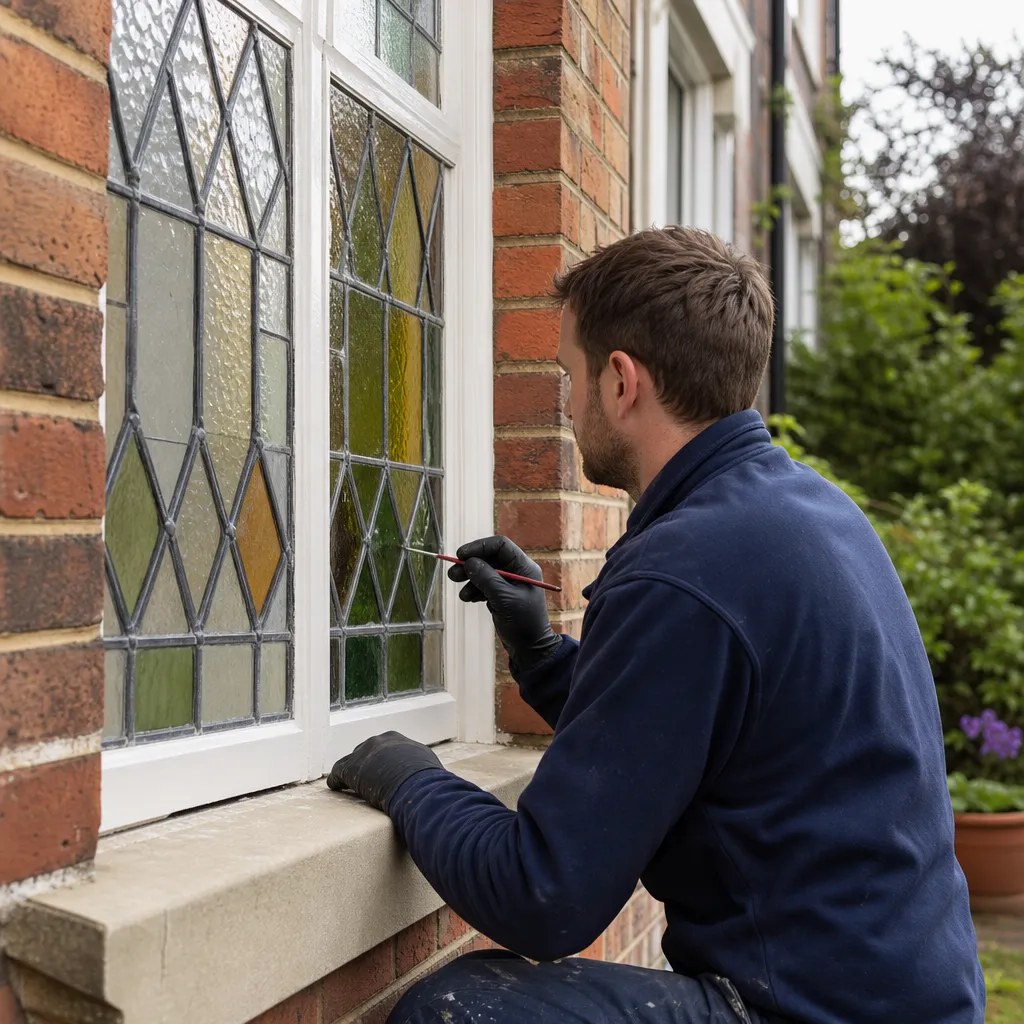
Sealing and Maintaining Historic Leaded Glass Windows: Preservation and Performance
Leaded glass windows are maintained using traditional linseed oil cement — not silicone or modern sealants, which prevent natural movement in the lead came.