Window film problems and solutions
By Housey · Last reviewed 19th of May 2026
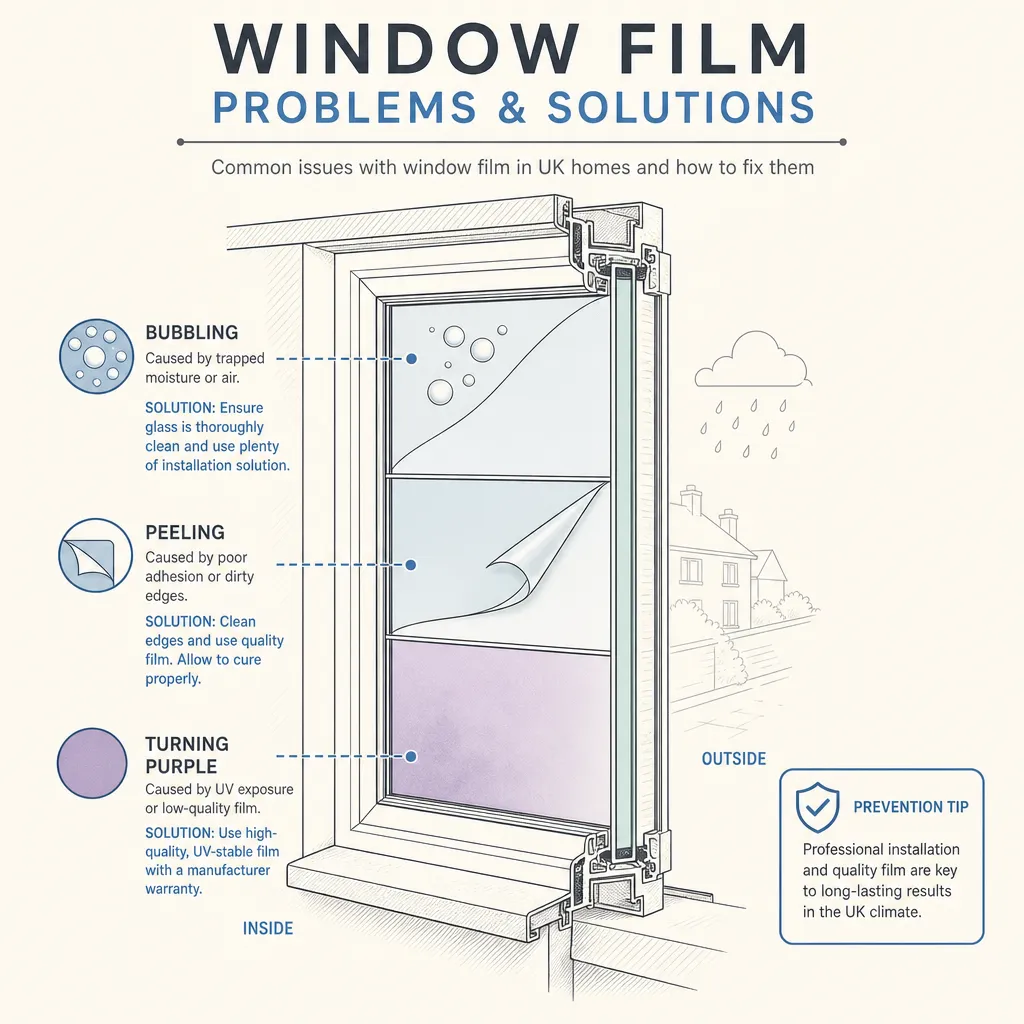
Window film problems and solutions
Window film is fitted in UK homes for privacy, glare reduction, solar heat control, and decoration — but problems appear more often than many homeowners expect, particularly after DIY installation or when budget films are chosen without checking glass compatibility. Knowing why these problems occur helps you decide whether to repair, re-fit, or call a professional installer, and avoid repeating the same mistake.
Key points
- Bubbling within days of fitting almost always indicates inadequate surface cleaning or trapped moisture during installation; bubbles appearing months later point to adhesive failure.
- Most domestic window films carry a manufacturer warranty of 3–10 years, though warranty claims typically require proof of professional installation.
- Applying film to Low-E coated glass without confirming compatibility risks thermal stress cracking and can void the sealed unit manufacturer's warranty.
- Dyed films are prone to purple or brown discolouration as UV degrades the dye layer — this typically occurs within 3–7 years on south-facing glazing.
- Condensation between the film and the glass pane is not a film defect — it indicates a failed sealed unit and requires a glazier, not a film installer.
Why window film bubbles
Bubbles are the most commonly reported window film problem. They fall into two distinct categories.
Installation bubbles appear within days of fitting. They are caused by residual water or cleaning agent trapped beneath the film during the wet-installation process. Small bubbles often self-resolve over 2–4 weeks as the adhesive fully cures in dry conditions. Persistent or large bubbles — or any that feel hard rather than soft and water-filled — will not self-correct and require the film to be re-fitted.
Adhesive failure bubbles develop months or years after installation. These appear as firm, dry-looking raised patches rather than the soft water-filled domes seen shortly after fitting. Common causes include:
- Film applied to a surface with grease, dust, or residual cleaning product
- Ammonia-based or abrasive window cleaners used on the glass after installation
- Film applied in cold or damp conditions that slowed adhesive curing
- Film reaching the natural end of its adhesive service life
What not to assume: Do not assume that any bubble will eventually disappear on its own. If a bubble is firm to the touch, or develops well after the installation date, the adhesive has failed and the section of film needs to be removed and re-applied.
Peeling edges and lifting corners
Peeling typically starts at the edges or corners and progresses inward if left unaddressed. Common causes include:
- Film cut without sufficient overlap into the glazing rebate, leaving exposed adhesive at the very edge
- Abrasive or solvent-based window cleaners used after installation
- Standard film specified for a high-humidity environment such as a bathroom or conservatory
- Physical wear from blinds, window handles, or repeated wiping near the frame
Small edge lifts can sometimes be re-adhered with specialist film adhesive available from glazing suppliers. Larger peeling sections generally need full removal and re-application. Pressing lifted edges back without adhesive rarely holds beyond a few weeks.
Discolouration and colour shift
Appearance | Likely cause | Recommended action |
|---|---|---|
Purple or brown tint on previously neutral film | UV degradation of dye layer in low-grade dyed film | Remove and replace with a metalled or ceramic film |
Milky or hazy patches | Moisture or cleaning product contamination under adhesive | Remove and re-apply with thorough surface preparation |
Uniform yellowing across the pane | Low-quality adhesive oxidation over time | Remove and replace; upgrade the film specification |
Rainbow or iridescent shimmer in changing light | Thin-film optical interference in some reflective products | Typically cosmetic; not a structural defect |
If discolouration covers the majority of the film and the film is more than five years old, full replacement is usually more cost-effective than attempting restoration.
Scratching and surface damage
Window film scratches more readily than bare glass. Once the film surface is scratched through, the mark is permanent — unlike glass, film cannot be polished back to clarity. Scratching is most often caused by:
- Abrasive cloths or pan scourers used during routine window cleaning
- Metal or hard-plastic window hardware catching the film surface when opening or closing
- Objects pressing against the glass, particularly on lower panes
Prevent scratching by cleaning with a soft microfibre cloth and a mild soap-and-water solution. Avoid any cleaner containing ammonia, bleach, or abrasive particles — these also degrade the adhesive bond over time, shortening the film's overall service life.
Film applied to incompatible glass types
Some glass types in common UK use cannot accept standard window film without risk:
- Low-E coated glass — present in most modern double-glazed units. Highly reflective or absorptive solar films can cause the glass to overheat, leading to thermal stress fractures or coating delamination. Always confirm compatibility with the film supplier before ordering.
- Wired glass — the embedded wire mesh creates localised stress points; film tends to lift at each wire crossing.
- Polycarbonate and acrylic panels — require film specifically rated for plastic substrates. Standard glass film will not bond correctly and may cause permanent surface clouding.
- Leaded lights — the lead channels prevent a continuous flat adhesive bond; film will lift at every lead line.
Reputable film suppliers publish glass compatibility guides. If the glass specification is unknown, ask a glazier to identify the glass type before ordering film.
Red flags: when to call a professional
- Film is lifting on a sealed double-glazed unit and you can see condensation or misting between the glass panes — the unit seal has failed and requires a glazier, not a film installer.
- Cracks have appeared near the glass edge after applying a reflective or solar-control film — this suggests thermal stress fracture; stop using the window and consult a glazier.
- Film on a leasehold property or listed building needs to be removed or replaced — check lease terms and, for listed buildings, contact the local planning authority before proceeding.
- You are fitting film to overhead glazing or a structural glass element — professional installation with appropriate access equipment is required.
Homeowner checklist: before fitting window film
When to get professional help
Consider a professional installer rather than a DIY approach if:
- You are fitting solar-control or security film to panes over approximately 1.5 m², where achieving a bubble-free result without specialist squeegee tools is very difficult
- The glass is a specialist type — Low-E, fire-rated, acoustic, laminated, or toughened — and compatibility is uncertain
- Previous film has left adhesive residue that household solvents will not shift — commercial adhesive removers can etch some glass coatings if misapplied
- The property is listed or in a conservation area, and any visible change to the glazing may require consent from the local planning authority
How Housey can help
If you need professional help removing failed film, fitting solar-control or privacy film, or replacing a damaged sealed unit altogether, find vetted window and door installers through Housey. Describe your job, receive quotes from local professionals, and compare them before committing.
Frequently asked questions
Can I remove window film myself?
Most domestic window films can be removed with a plastic razor scraper, a hair dryer to soften the adhesive, and isopropyl alcohol to lift residual adhesive. Work slowly at a shallow angle to avoid scratching the glass. On toughened or Low-E coated glass, use a plastic rather than metal scraper throughout. Professional removal is advisable for large panes or where residue is heavy and persistent.
How long does window film last?
Quality metalled or ceramic films typically last 10–15 years on interior surfaces. Exterior films last 5–8 years due to UV and weathering exposure. Dyed films show visible colour shift in 3–7 years, especially on south-facing windows with high UV exposure. Service life also depends on cleaning habits — ammonia-based and abrasive cleaners shorten adhesive life significantly.
Does window film void a double-glazed unit's warranty?
Many sealed unit manufacturers state that applying high-absorption or reflective solar films may void the unit's thermal warranty, because the film increases glass temperature and creates thermal stress. Check the unit manufacturer's guidance before fitting any film, and retain written confirmation of compatibility from your film supplier.
What causes window film to turn purple or brown?
Colour shift in window film is caused by UV degradation of the dye layer used in lower-quality dyed films. Metallic or ceramic films contain no dye and remain colour-stable throughout their service life. Purple or brown discolouration typically indicates the film has passed its design life and should be removed and replaced with a quality alternative.
Sources and further reading
- Conservation of fuel and power: Approved Document L — GOV.UK
- Listed buildings and registered parks and gardens — GOV.UK / Historic England
- Glass and Glazing Federation consumer guidance — Glass and Glazing Federation
Useful next reads
 Improvement & Build
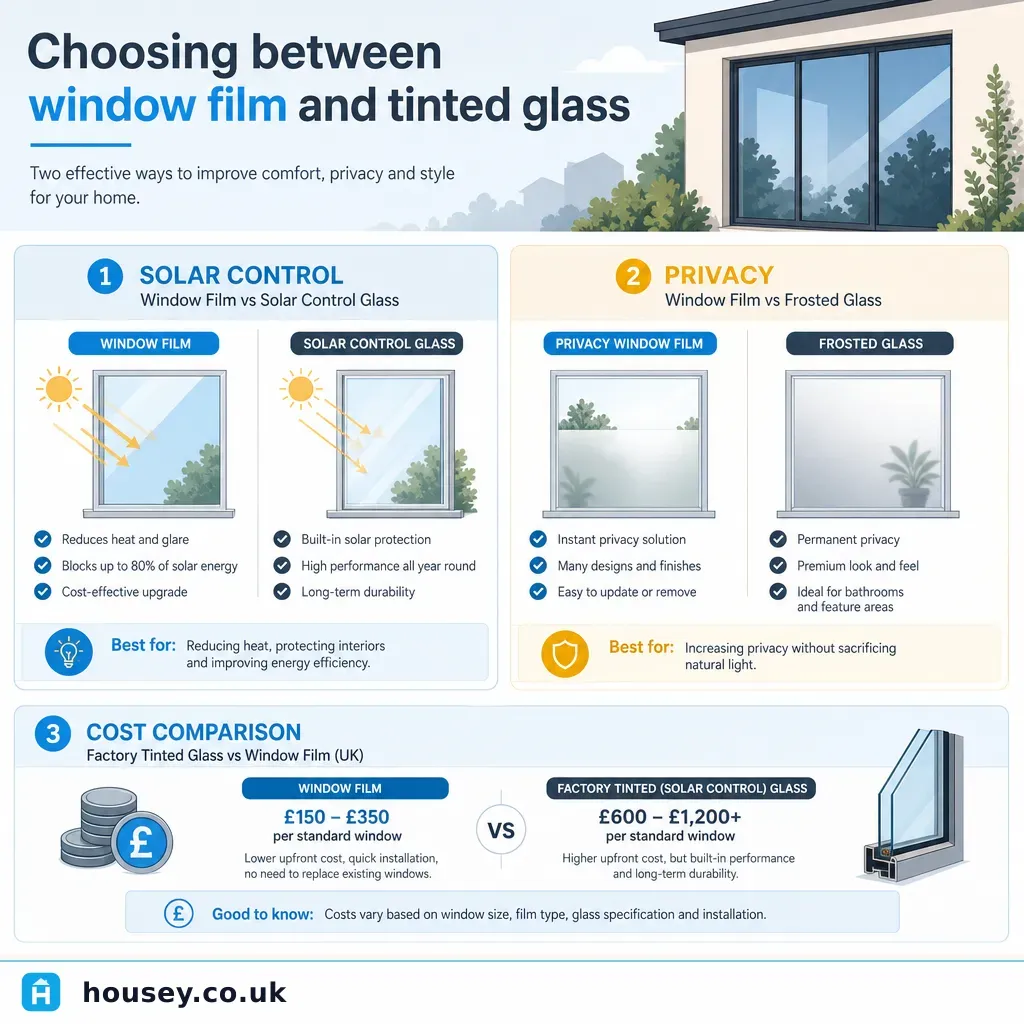
Choosing between window film and tinted glass
Window film is a retrofittable adhesive layer applied to existing glass — cheaper and reversible; factory-tinted or solar-control glass is manufactured with the tint integral to the pane, offering better durability and consistent performance.
 Improvement & Build
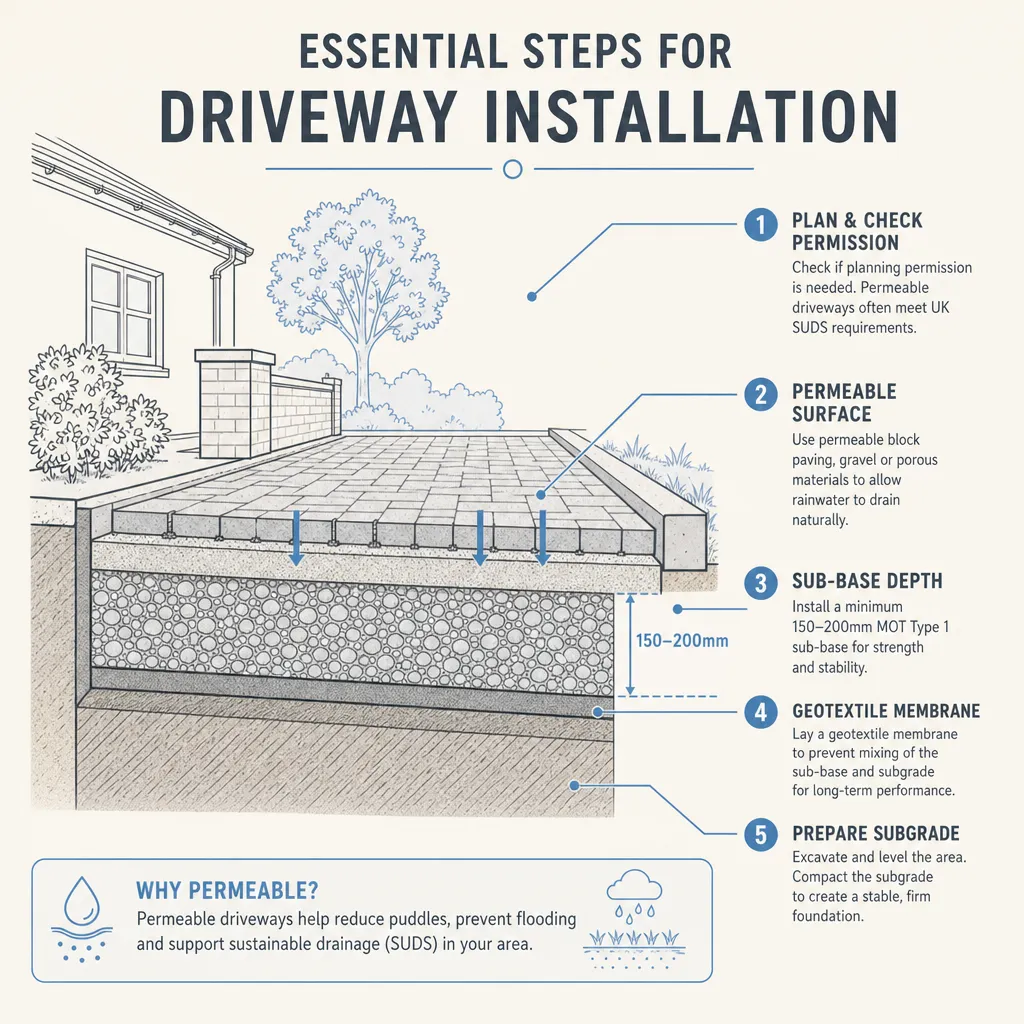
Essential Steps for Driveway Installation
Installing a driveway in England requires planning permission only when using an impermeable surface (standard tarmac, concrete, or block paving) on a front garden area over 5 m².
 Improvement & Build
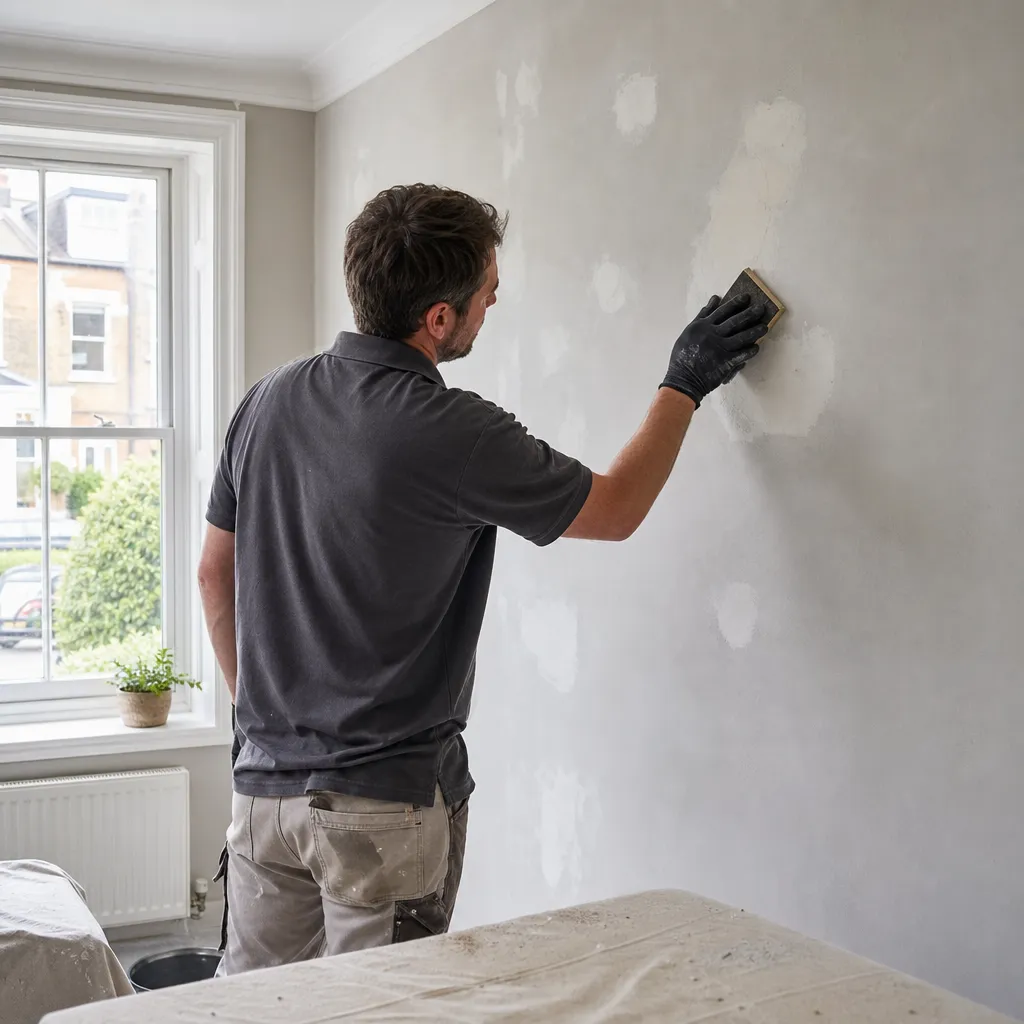
Preparing Walls for Patching: Surface Preparation Best Practice
Durable wall patching starts with removing all loose material, cutting back to a clean and stable edge, cleaning the substrate, and priming with a construction-grade PVA bonding agent before applying any filler or plaster.
 Improvement & Build
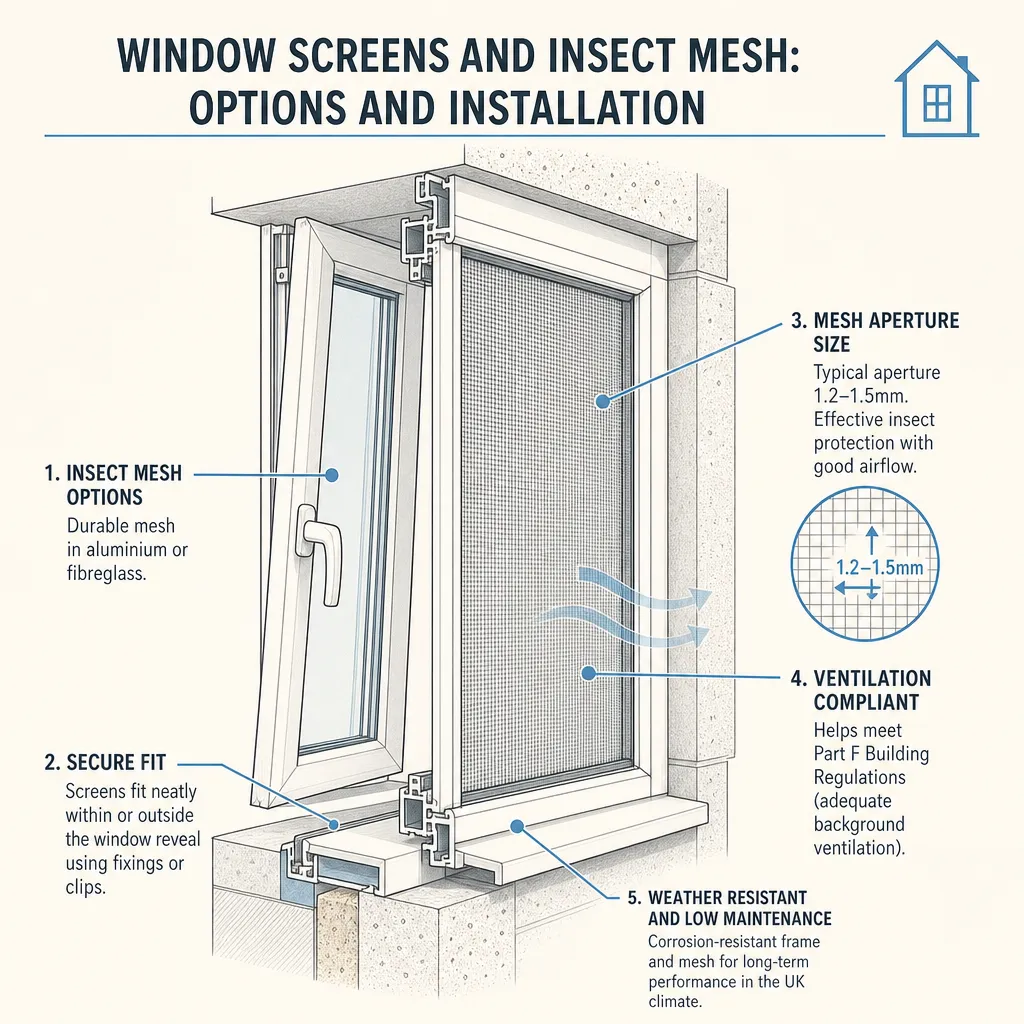
Window Screens and Insect Mesh: Options and Installation
UK window screens fall into four main types: fixed frame, roller retractable, pleated folding, and magnetic snap-fit.
 Improvement & Build
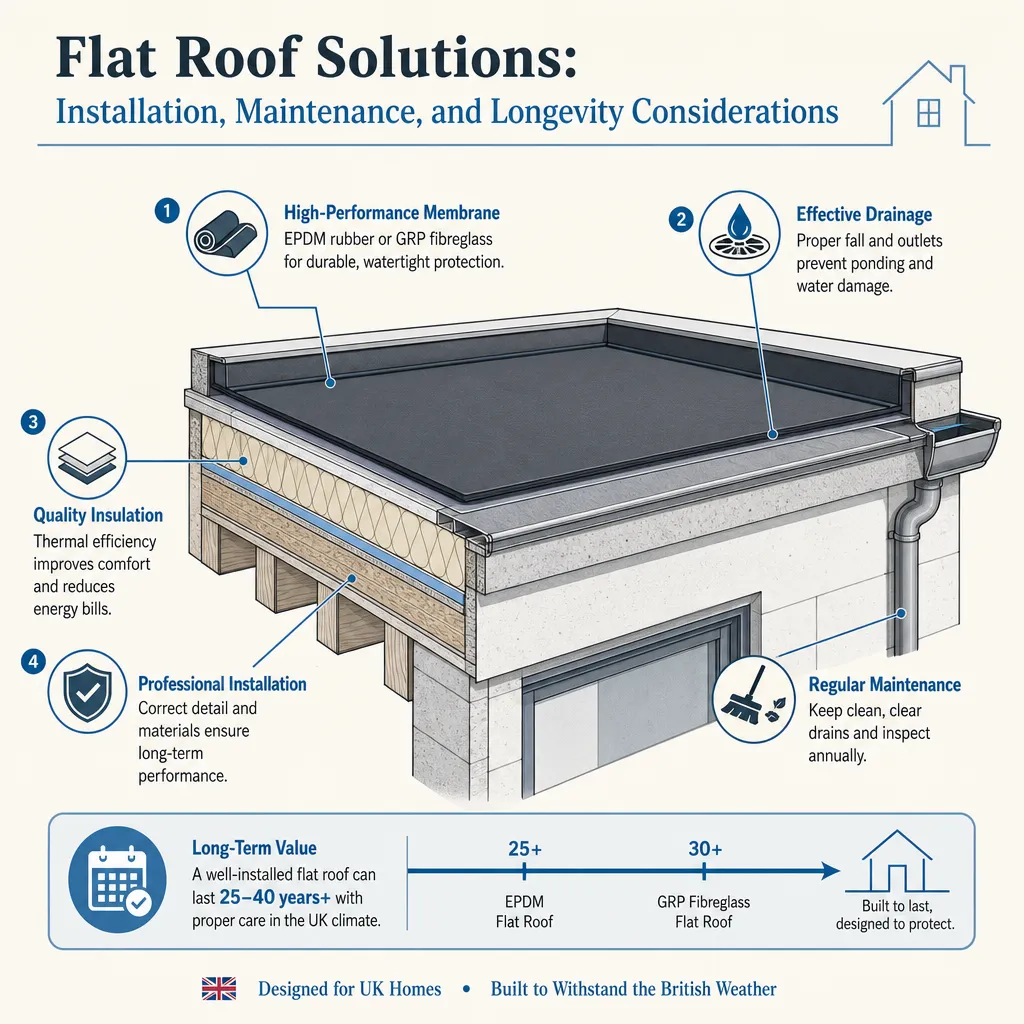
Flat Roof Solutions: Installation, Maintenance, and Longevity Considerations
Flat roofs use several waterproofing systems — EPDM rubber, GRP fibreglass, liquid-applied coatings, modified bitumen felt, lead, and zinc — each with different lifespans and installation requirements.