Window Sill Replacement and Repair
By Housey · Last reviewed 11th of May 2026
Window Sill Replacement and Repair
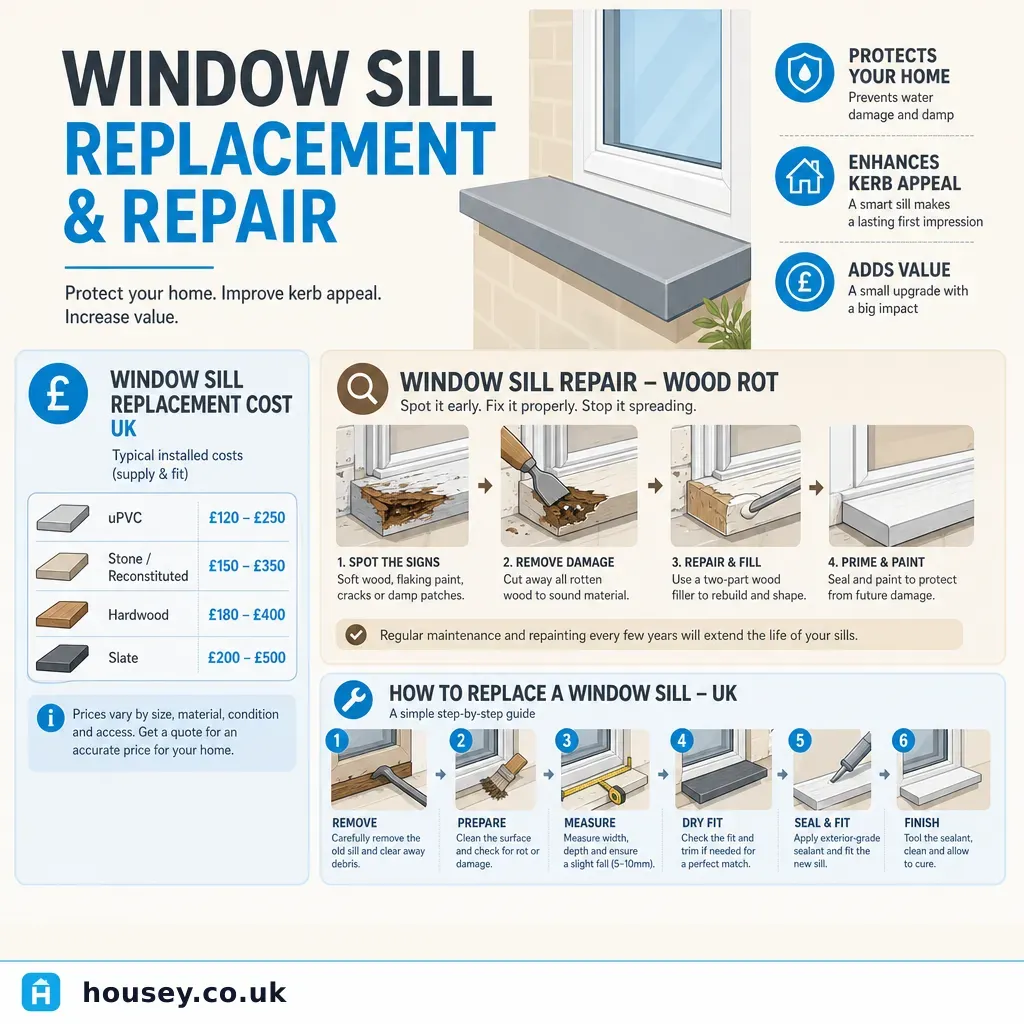
Window sills take more weather punishment than almost any other external joinery element in a UK home — exposed to driving rain, frost, and moisture from below. The question of whether to repair or replace usually comes up during redecoration, when a buyer's survey flags defects, or when visible rot or crumbling masonry finally becomes impossible to ignore. Getting the right diagnosis early can save considerably compared to waiting for water ingress to spread into the surrounding wall construction.
Key points
- Timber sills in pre-1919 Victorian and Edwardian properties are typically softwood and most vulnerable to wet rot at the end grain where the sill meets the masonry reveal and where paint cover has failed.
- External masonry sills — stone, brick, or cast stone — on 1930s and later properties can crack and spall, allowing water to track back towards the inner reveal and window board.
- Preservative-treated softwood replacement sills must be primed and painted promptly after fitting; most manufacturer data sheets specify a maximum uncoated exposure period to maintain the effectiveness of the wood treatment.
- If a property is Listed, any replacement of window sills requires Listed Building Consent, regardless of whether the new materials match the original specification.
- Sill replacement on an unlisted residential property is usually covered by permitted development and does not require planning permission, though conservation area conditions may apply — check with your local planning authority.
Should you repair or replace the window sill?
Not every damaged sill needs full replacement. Use this guide to assess your situation:
- Choose a filler repair if rot affects less than 20% of the sill's cross-section and the surrounding timber is still sound when probed with a small screwdriver.
- Choose full sill replacement if rot covers more than a third of the section, the sill has dropped or bowed away from the frame, or end grain decay is present on both sides.
- Consult a stonemason or specialist builder if the sill is natural stone, cast stone, or original brick — assessment and repair methods differ significantly from timber.
- Check with your local planning authority before specifying replacement materials if the property is listed or in a conservation area.
- Ask a CSRT-accredited damp specialist if you notice water staining on the internal wall below the window — the cause may be a failed damp-proof course or cavity wall construction issue rather than the sill alone.
Repair options for timber sills
Filler repairs are effective for small, localised areas of rot where the underlying timber is still sound. The process typically involves removing all soft material until sound wood is reached, treating the exposed area with a liquid consolidant (hardener), packing with a two-part epoxy wood filler, then shaping, sanding, and repriming before painting.
Filler repairs are not appropriate where rot extends into the structural section of the sill, where both end grains are affected, or where the sill has dropped or separated from the frame. In those situations, full replacement is more cost-effective and longer-lasting.
Replacement sill materials compared
Material | Typical lifespan | Maintenance | Best for | Drawbacks |
|---|---|---|---|---|
Softwood timber (treated) | 15–30 years with maintenance | Repaint every 5–8 years | Period properties, like-for-like replacement | Susceptible to rot if paint fails |
Hardwood (oak, sapele, accoya) | 30–50+ years | Oil or paint periodically | Higher-spec or conservation work | Higher cost; harder to source matching profiles |
uPVC | 20–30 years | Wipe clean | Modern windows, uPVC frames | Can look out of place on period properties |
GRP (glass-reinforced polyester) | 25–40 years | Minimal | Curved or non-standard profiles | Higher material cost |
Natural stone or cast stone | 50–100+ years | Periodic repointing | Period properties, conservation areas | Heavy; may need structural support; specialist supply |
What does window sill replacement cost?
Indicative UK costs, last reviewed 2026-05-11.
- Timber sill filler repair: £80–£200 per sill including labour and materials.
- Single softwood sill replacement (standard profile, ground floor): £150–£350 including materials and painting.
- Hardwood or cast-stone sill replacement: £300–£700 or more per sill depending on profile complexity and material specification.
- Bay window sill replacement (all three sills): £500–£1,200 for softwood; more for hardwood or stone.
Costs vary with access requirements, storey height, the number of windows treated in one visit, and whether scaffolding or a mobile elevated work platform (MEWP) is required above the first floor.
Homeowner checklist before instructing a contractor
Before requesting quotes, work through the following:
When to get professional help
Instruct a qualified joiner, builder, or window specialist when:
- Rot extends into the window frame itself, not just the sill.
- There is damp staining on the internal wall beneath the window.
- The sill has dropped and a gap is opening between the sill and the masonry course above.
- The property is listed or in a conservation area.
- Work is above the first floor and requires scaffolding or access equipment.
- A buyer's survey has specifically flagged the sill as a defect prior to exchange of contracts.
Do not attempt to work at height above 2 metres without appropriate access equipment.
How Housey can help
If deteriorating window sills are part of a wider pattern of joinery wear across your property, Housey can connect you with local window and door installers who can assess the full scope, advise on materials suitable for your property type, and provide competitive quotes.
Frequently asked questions
Do I need planning permission to replace a window sill?
For most residential properties, replacing a window sill like-for-like is covered by permitted development and does not require planning permission. If the property is Listed, you need Listed Building Consent for any material alteration, including sill replacement. Conservation areas may also impose additional conditions — check with your local planning authority before ordering replacement materials.
Why does my window sill keep rotting?
The most common causes are paint failure at the end grain where timber meets the masonry reveals, a blocked or missing drip groove on the underside (which should shed water clear of the wall), and cracked or absent mastic at the junction between the sill and the frame. Addressing all three when replacing helps prevent the problem from recurring.
Can I replace just the external sill and keep the internal window board?
Yes, in most cases. The external sill and the internal window board are usually separate components. Provided the internal board is sound and the junction between the two seals correctly after installation, there is no need to replace both unless damp damage has also affected the board.
Should I use a hardwood or softwood replacement sill?
Hardwood such as oak, sapele, or accoya is significantly more durable and rot-resistant but costs more upfront. For a standard 1930s semi or post-war property with painted joinery, treated softwood is adequate provided the paint system is maintained. For listed buildings, conservation areas, or properties where sills are an architectural feature, hardwood or matching stone is usually more appropriate.
Sources and further reading
- Historic England — Maintenance and Repair of Windows — Historic England
- Planning Portal — Windows — Planning Portal
- Wood Protection Association — Wood Protection Association
- TRADA — Timber in construction — TRADA
Useful next reads
 Improvement & Build
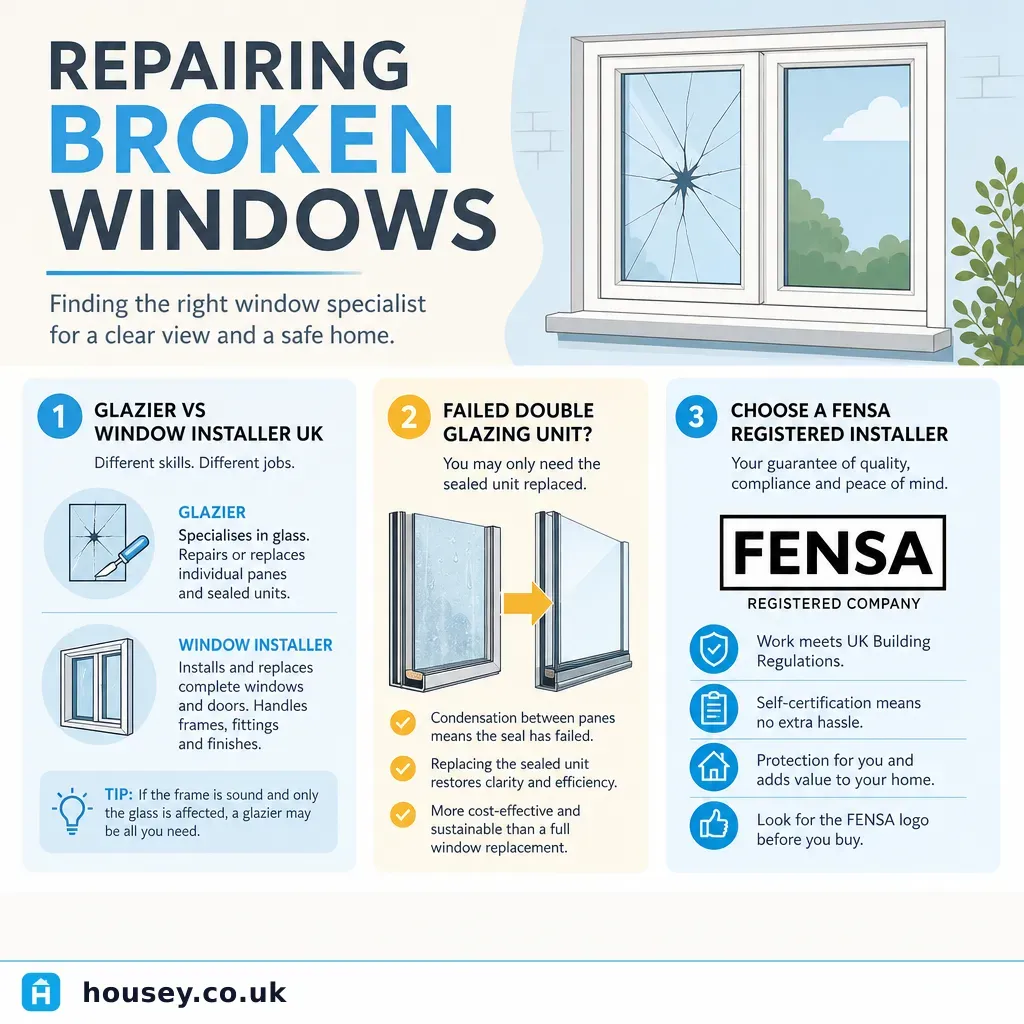
Repairing Broken Windows: Finding a Window Specialist
Repairing a broken window depends on the type of damage: a failed double-glazing unit (misted glass) needs the sealed unit replaced, cracked or broken glass needs a glazier, and frame damage may require a specialist joiner.
 Improvement & Build
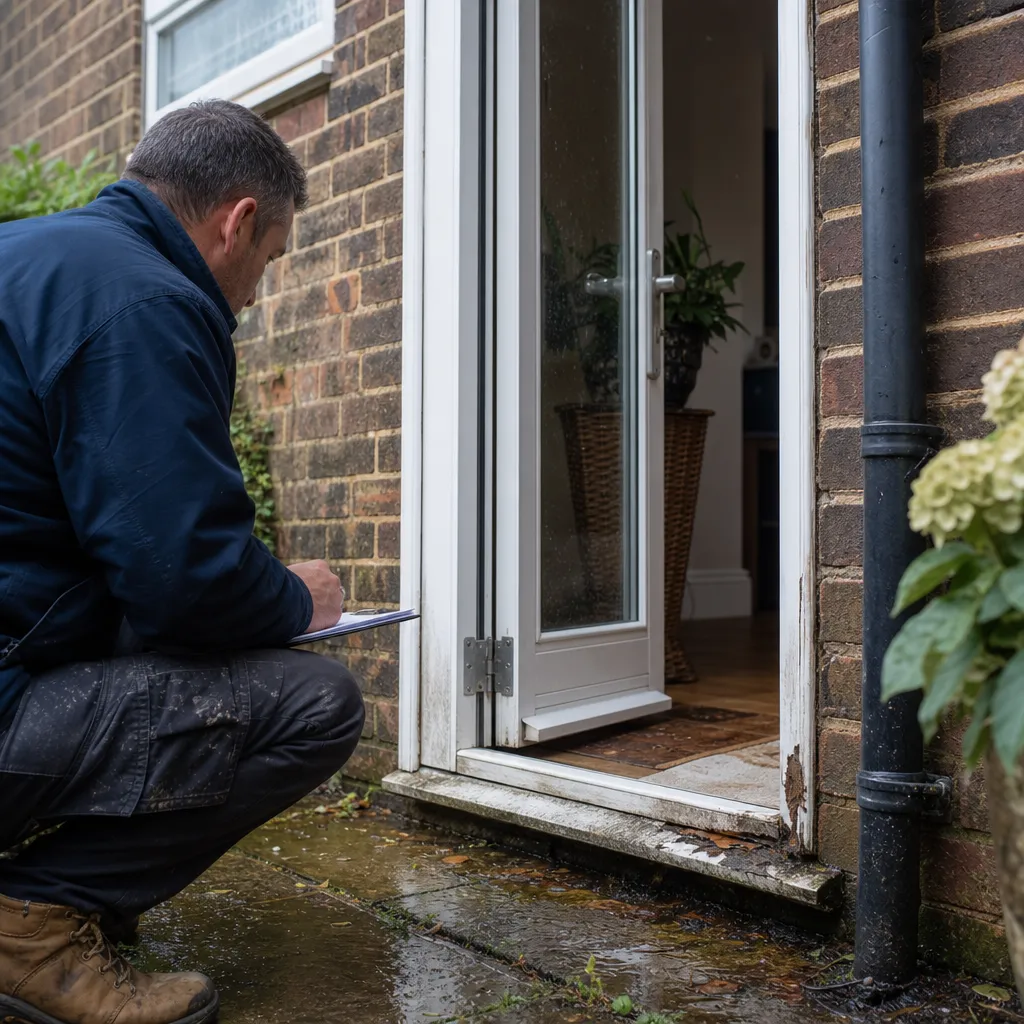
Fixing Leaking Back Doors and Water Ingress
Most leaking back doors in UK homes fail at one of three points: the threshold or door sill joint, the frame-to-masonry mastic seal, or the door weatherstrip.
 Improvement & Build
Who Provides House Demolition Services
House demolition in the UK is carried out by specialist demolition contractors, often members of the National Federation of Demolition Contractors (NFDC).
 Improvement & Build
Leaded Window Repair and Restoration Costs
Leaded window repair in the UK typically costs £150–£600 for minor re-soldering or resealing, rising to £800–£2,500+ for full panel removal and restoration.
 Improvement & Build
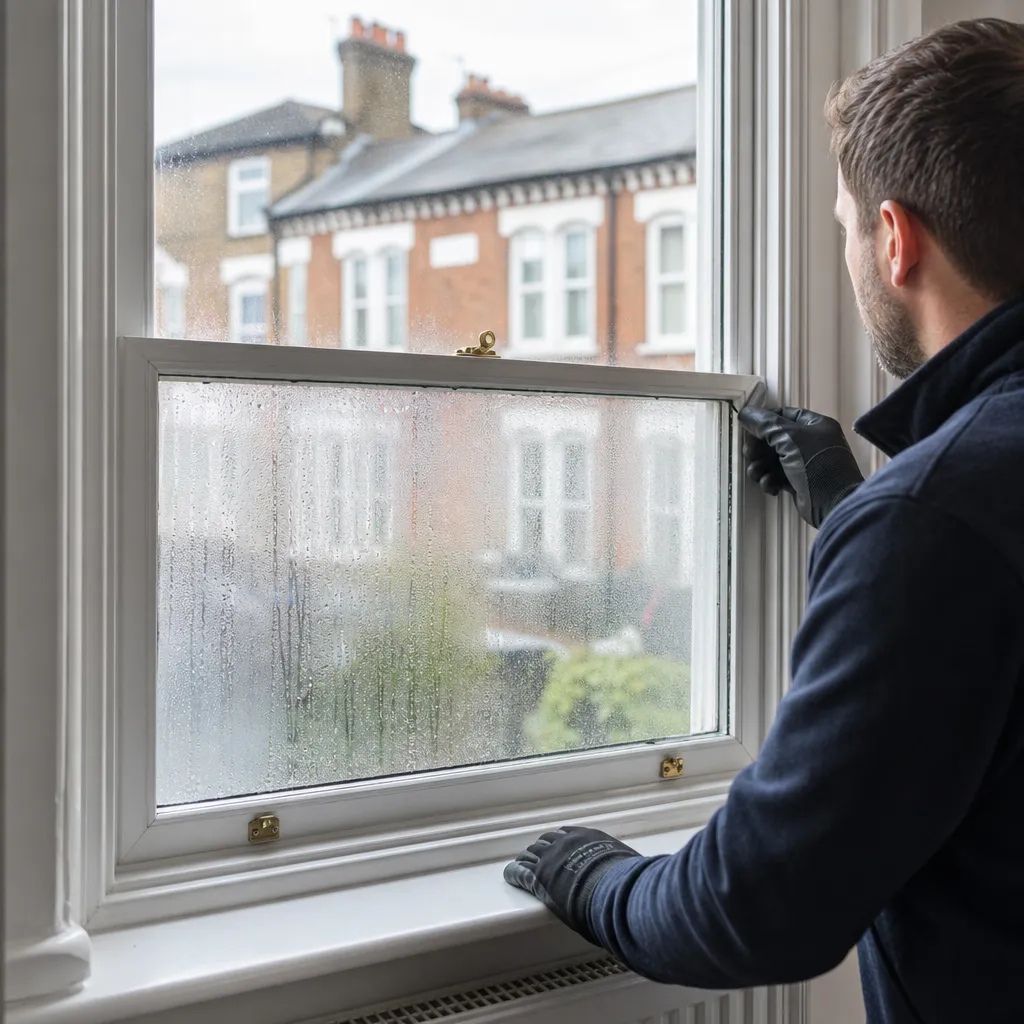
Repairing Failed Window Seals and Condensation Issues
Condensation between double-glazed panes means the hermetic seal on the insulated glass unit has failed.