What are the costs involved in replacing a window sill?
By Housey · Last reviewed 11th of May 2026
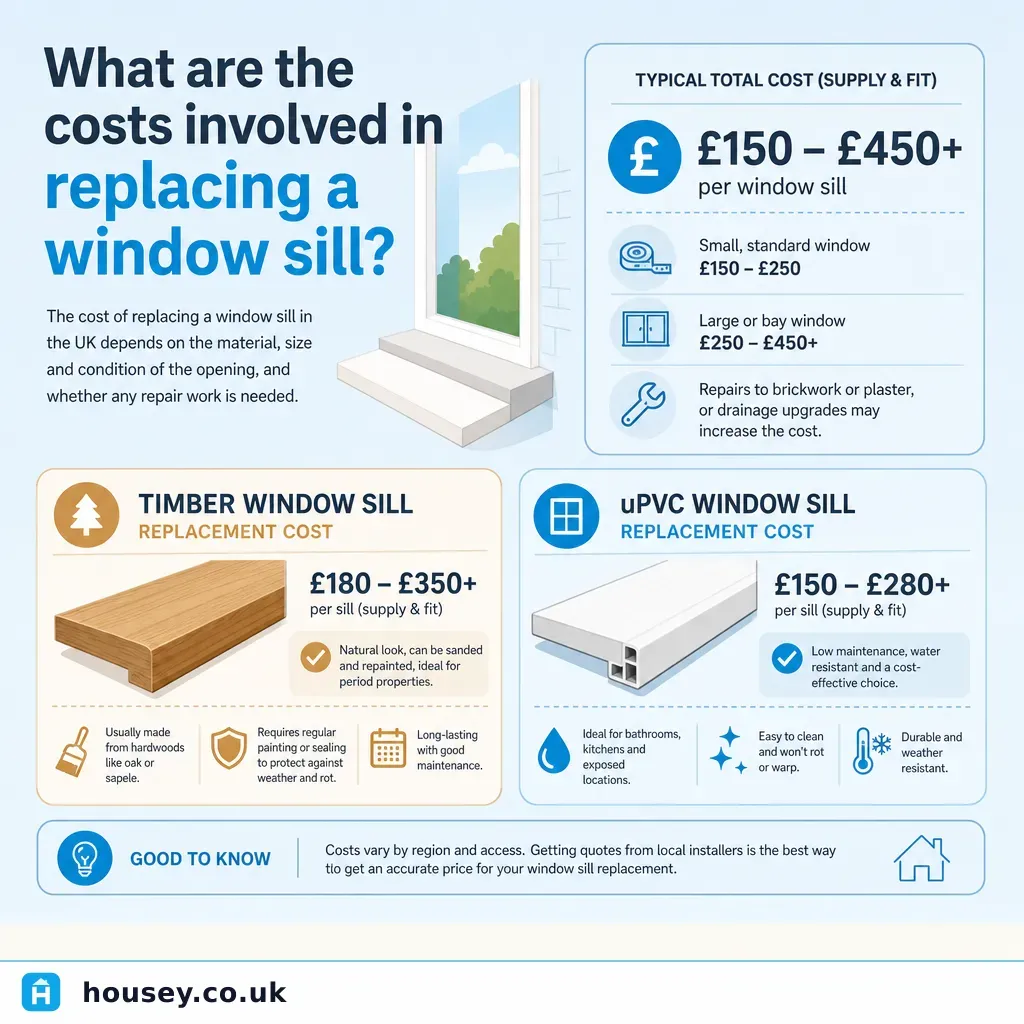
What are the costs involved in replacing a window sill?
Window sills are one of the most exposed parts of a building's fabric — facing rain, UV radiation, and frost year-round. Rot, cracking, and water ingress are common problems in UK homes of all ages, and sill replacement often comes up during pre-sale inspections, damp investigations, or routine maintenance. Choosing the right material and understanding what drives the cost helps homeowners avoid both overpaying and repeating the problem within a few years.
Key points
- Timber window sill replacement typically costs £100–£350 per window for supply and labour; uPVC and composite options fall in a similar range depending on profile complexity. Indicative UK costs, last reviewed 2026-05-11.
- A listed building or property in a conservation area may require matching the original material — check with your local planning authority before ordering a replacement.
- External sills and internal sills are separate components; most repair jobs involve only the external sill, though both may need attention after prolonged water ingress.
- FENSA registration applies to window replacement but not to sill-only work — check with your installer and local building control if in doubt.
- Timber sills require painting or treating every 3–5 years; uPVC, stone, and composite alternatives need less upkeep but may not suit period or conservation area properties.
How much does window sill replacement cost in the UK?
Costs depend on material, sill length, accessibility, and whether adjacent damage — to the frame, lintel, or internal reveal — requires additional work.
Material | Typical supply cost | Typical installed cost | Notes |
|---|---|---|---|
Softwood timber | £15–£50 | £100–£250 | Most common; requires painting. Prone to rot if poorly maintained. |
Hardwood timber | £40–£120 | £120–£320 | More durable; suits period properties. |
uPVC | £20–£80 | £100–£270 | Low maintenance; may not suit listed or conservation-area properties. |
Natural stone | £80–£250+ | £180–£500+ | Heavy; often required in conservation areas to match the original spec. |
Cast stone or composite | £40–£150 | £120–£350 | Practical alternative to natural stone; lighter and more consistent. |
Indicative UK costs, last reviewed 2026-05-11. Prices vary by region and supplier — always obtain at least two quotes.
Most window sill jobs take half a day to a full day per window. Where multiple windows need replacing at the same time, many tradespeople will reduce the per-unit rate.
What factors affect the final price?
Several variables can move the final quote significantly:
- Height and access. Ground-floor sills are straightforward; upper-floor work may require scaffold, a ladder, or a PASMA tower, adding £50–£200 to the job.
- Associated timber damage. Rot rarely stops at the sill. If the window frame, sub-sill, or lintel below shows decay, the scope of repair grows — a professional can assess this before work begins.
- Internal reveal damage. Prolonged water ingress can damage plasterwork and internal timber; budget for plaster repairs if needed.
- Listed or conservation-area constraints. Matching the original profile and material may require a specialist joiner and non-standard sections, increasing both supply and labour costs.
- Number of windows. Economies of scale apply when multiple sills are replaced in a single visit.
Repair or replace: a decision tree
Not every damaged sill requires full replacement. A qualified joiner can assess whether a localised repair will last, or whether replacement is the more durable and cost-effective route.
- Choose repair if damage is localised to less than a third of the sill's depth and length, the underlying timber is sound, and the property is not being prepared for sale or rental inspection.
- Choose replacement if rot runs deep into the frame, the sill is crumbling along most of its length, or a surveyor has flagged the condition during an inspection.
- Ask a qualified joiner or window specialist if you are unsure of the rot depth — visible surface damage is often the tip of a larger problem hidden beneath paint or filler.
- Check with your local planning authority if the property is listed or in a conservation area before specifying a new material or profile.
Which material suits your property?
Property type | Recommended material | Why |
|---|---|---|
Victorian or Edwardian terrace | Hardwood timber or natural stone | Matches original appearance; conservation area rules may apply. |
1930s semi-detached | Softwood timber or uPVC | Both common in this era; uPVC suits low-maintenance owners. |
Post-1980s estate house | uPVC or composite | Period appearance less critical; longevity and low upkeep preferred. |
Listed building | Match original (often natural stone or hardwood) | Usually required by listed building consent conditions. |
New-build flat | uPVC or composite | Ease of replacement and durability matter more than aesthetics. |
Red flags: when the problem is bigger than the sill
These signs suggest the issue extends beyond the sill itself and warrant a broader professional assessment before replacement work is ordered:
- Soft or springy timber continuing into the window frame or lintel
- Cracking around the frame suggesting structural or lintel movement
- Damp patches on the internal wall directly below the window
- Staining or tide marks on the internal reveal, indicating prolonged water ingress
- Evidence of previous filler repairs concealing recurring rot
When to get professional help
Surface rot caught early can sometimes be remedied with quality exterior filler and repainting. Any rot that has reached the window frame, any window where water has already penetrated the wall, and any property being prepared for sale or where a surveyor has raised a concern should be assessed by a qualified joiner or window specialist before work is ordered.
For a listed building or conservation area property, take professional advice before specifying materials — listed building consent may be required before any changes to the original profile or material.
How Housey can help
If you need a window sill replaced or want a professional to assess the extent of timber damage around your windows, window and door installers on Housey can provide competitive quotes for repair and full replacement work across the UK.
Frequently asked questions
Can a rotting window sill be repaired rather than replaced?
Yes, if rot is genuinely localised and the underlying timber is structurally sound. A qualified joiner will cut back the damaged section, treat the wood with preservative, apply an exterior-grade repair filler, and repaint. If rot has progressed deep into the frame or along most of the sill's length, full replacement is usually more cost-effective and longer-lasting.
Do I need planning permission to replace a window sill?
Replacing a sill without altering the window or frame does not normally require planning permission. However, if the property is listed or in a conservation area, you may need listed building consent or prior approval before changing the material or profile. Always check with your local planning authority before ordering materials.
How long does a new timber window sill last?
A correctly installed softwood sill, kept painted and sealed, should last 15–25 years with routine maintenance. Hardwood sills typically last 30 years or more with similar care. uPVC and composite sills may outlast timber in durability terms, though they can discolour or become brittle over many decades.
What is the difference between an internal and external window sill?
The external sill is the sloped ledge on the outside of the building — most exposed to weather and most prone to rot. The internal window board (or internal sill) is the flat shelf on the room side. They are separate components; most repair jobs involve only the external sill, though prolonged water ingress can affect both.
Sources and further reading
- Building regulations guidance — GOV.UK
- Maintaining your home — advice for listed buildings — Historic England
- FENSA guidance for homeowners — FENSA
Useful next reads
 Improvement & Build
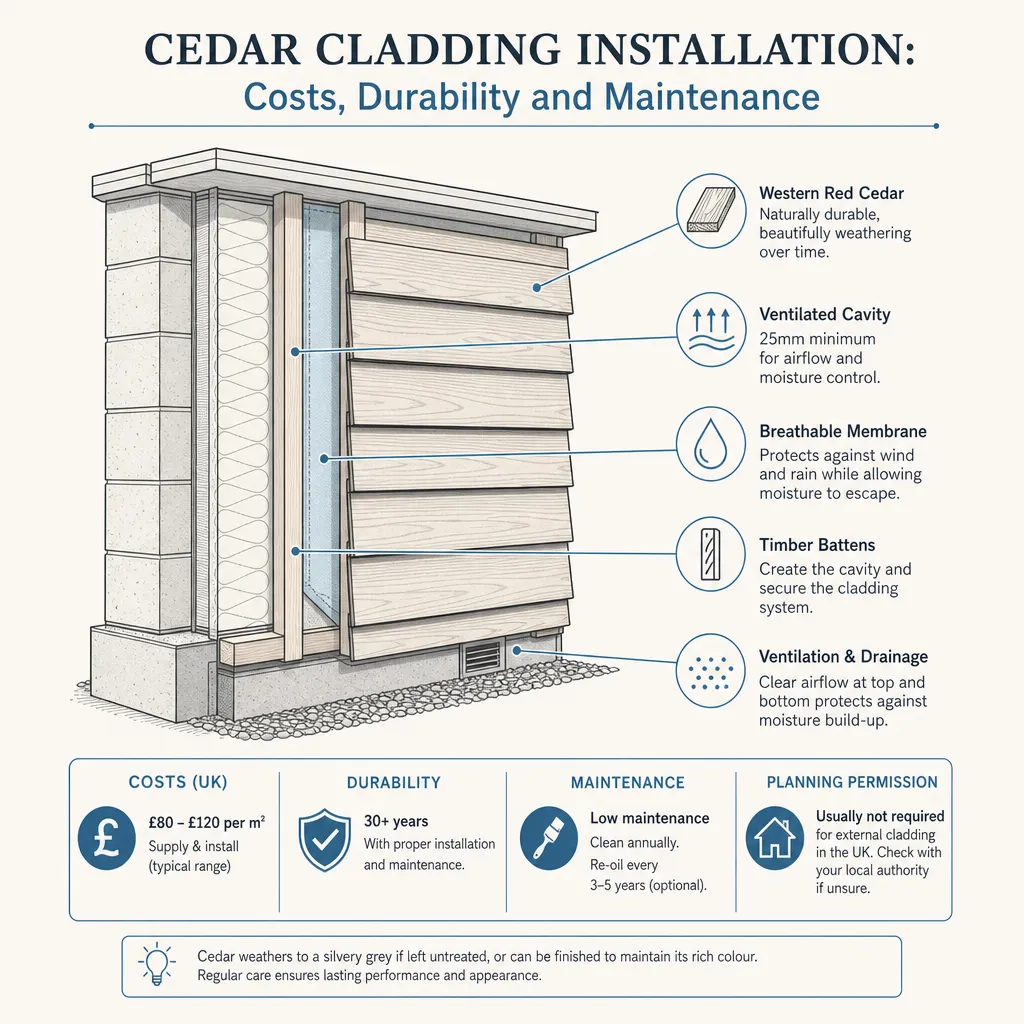
Cedar Cladding Installation: Costs, Durability and Maintenance
Cedar cladding is a natural timber exterior finish popular for UK homes and extensions.
 Improvement & Build
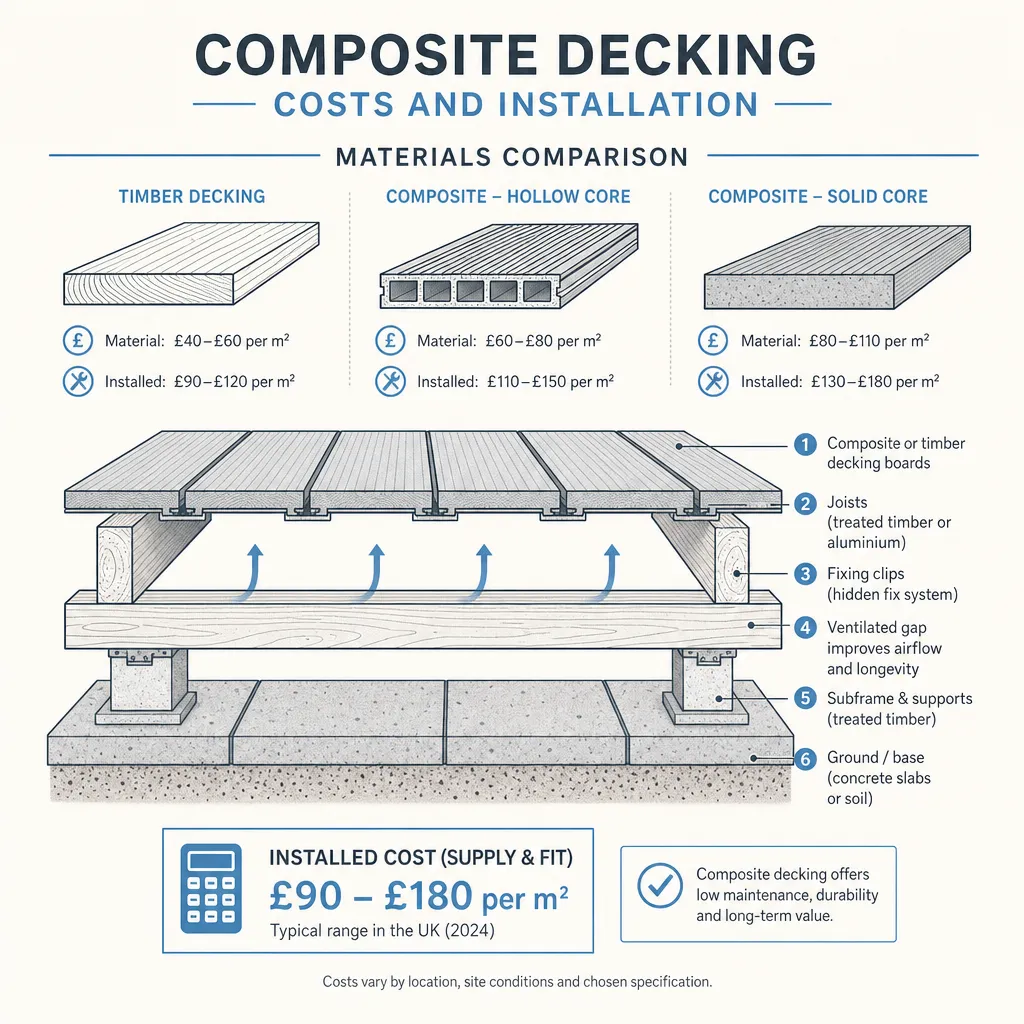
Composite Decking Costs and Installation: Materials Comparison
Composite decking in the UK typically costs £80–£200 per square metre installed, depending on board grade, sub-frame material, and site complexity.
 Improvement & Build
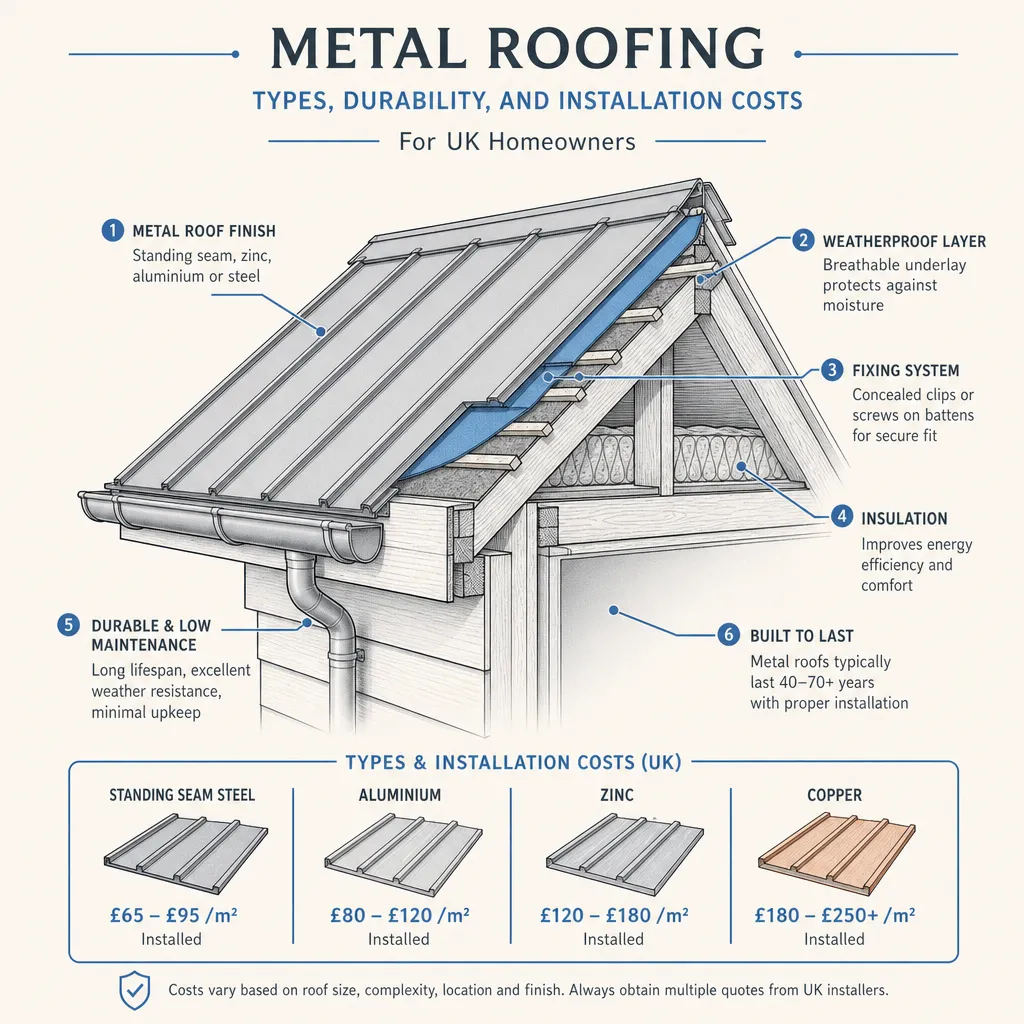
Metal Roofing: Types, Durability, and Installation Costs
Metal roofing in the UK includes standing seam, corrugated sheet, and metal tile systems in steel, aluminium, zinc, or copper.
 Improvement & Build
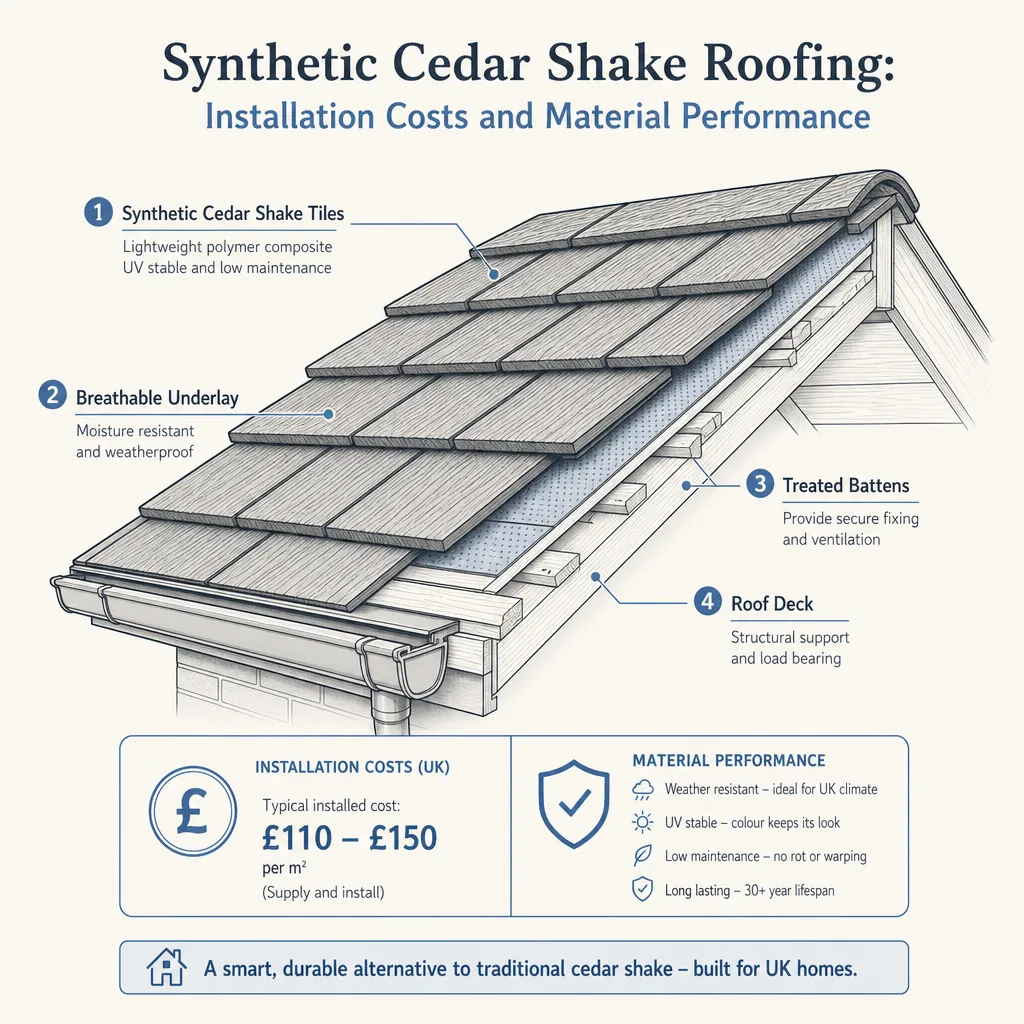
Synthetic Cedar Shake Roofing: Installation Costs and Material Performance
Synthetic cedar shake roofing uses polymer composite, rubber, or fibre-cement tiles to replicate the look of natural cedar wood shingles.
 Improvement & Build
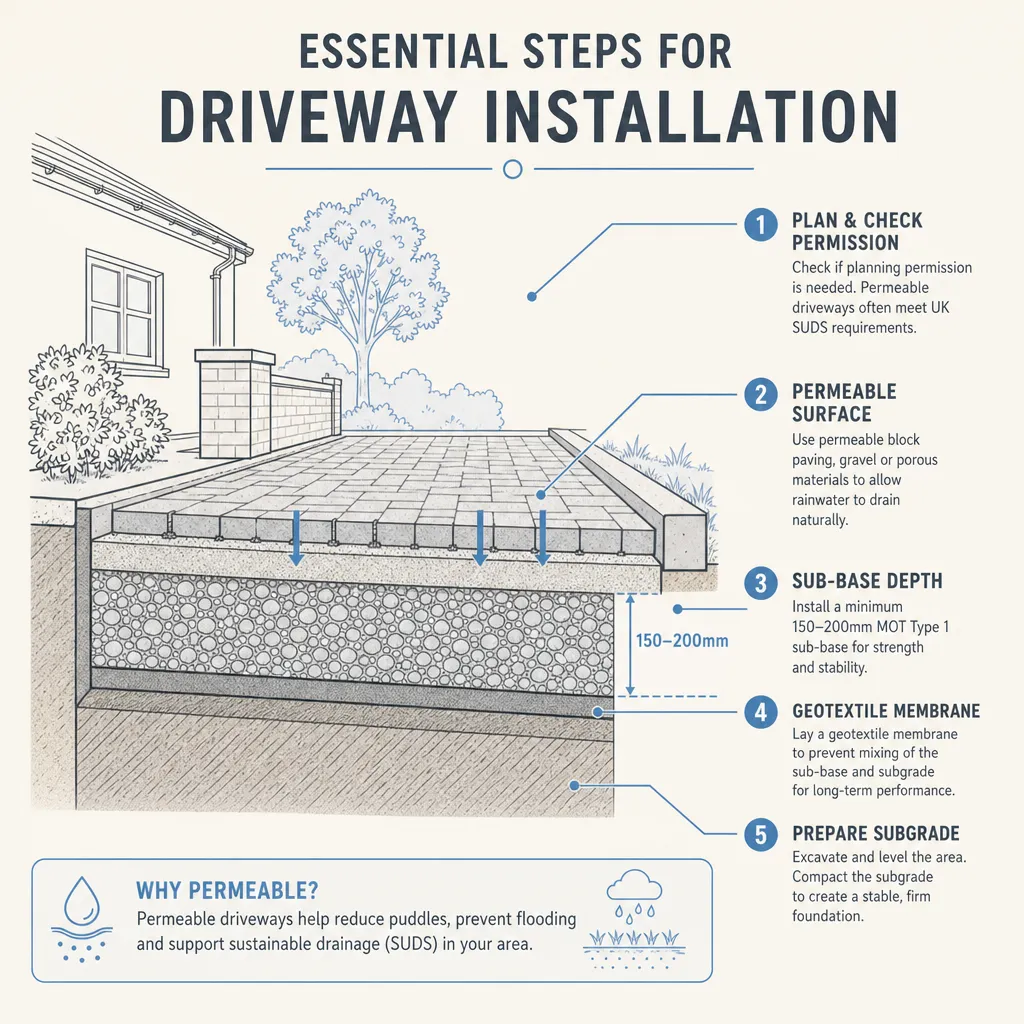
Essential Steps for Driveway Installation
Installing a driveway in England requires planning permission only when using an impermeable surface (standard tarmac, concrete, or block paving) on a front garden area over 5 m².