Winter preparedness checklist: protecting your property
By Housey · Last reviewed 19th of May 2026

Winter preparedness checklist: protecting your property
The period between October and March brings predictable but manageable risks to UK properties: frost damage, blocked gutters, roof leaks, and waterlogged drainage. Most of these issues are significantly cheaper to prevent than to repair — a blocked downpipe costs little to clear, but the resulting damp damage to internal walls or foundations can run into thousands of pounds. This checklist is designed for homeowners and landlords who want to carry out a systematic autumn inspection before the worst of the weather arrives.
Key points
- Flat roofs and shallow-pitch roofs are significantly more vulnerable to standing water and frost cracking; inspect membranes and flashings in October before hard frosts arrive.
- External drainage systems should be designed to handle peak rainfall per BS EN 12056; routine jetting of drains every one to two years helps maintain capacity and identify root ingress early.
- Adequate ventilation during winter — including functioning trickle vents and extractor fans — is required under Building Regulations Part F to control condensation and interstitial moisture.
- External taps should be drained and isolated before the first frost; leaving them connected to the mains risks the feed pipe freezing and splitting inside the wall cavity.
- Most home insurance policies require policyholders to take reasonable steps to prevent foreseeable winter damage; failure to do so may reduce or void a claim.
Roof and gutters
The roof and rainwater system are the first line of defence against winter weather. Clear leaves and debris from gutters in late October or early November, before heavy autumn rainfall. Signs that professional attention may be needed:
- Gutters sagging away from the fascia board
- Visible cracks in downpipes or at gutter joints
- Damp patches on ceilings directly below a parapet wall or valley
- Cracked or missing mortar on ridge tiles or chimney haunching
- Blistered, split, or lifting flat roof membrane
For sloping roofs with concrete or clay tiles, loose or missing ridge tiles and cracked mortar around chimneys are common on properties built before 1970. These should be assessed by a roofer before winter rain and frost worsen them. Many roofers offer visual inspections in autumn — some at no charge, others for a small call-out fee.
Flat roofs with EPDM, felt, or GRP membranes should be checked for lifting at edges, splits, and ponding water. A professional assessment is worth arranging if the membrane is more than 10 years old or shows any visible damage.
Drainage and external water management
Blocked or slow drains are a significant winter risk, particularly for properties in areas with heavy clay soils or near mature trees. Roots infiltrate drain joints over years and cause partial blockages that can become complete during heavy rainfall. Check:
- Inspection chamber covers are not cracked or displaced
- Soakaways are not already waterlogged — signs include standing water in the garden after moderate rain
- Gully gratings are clear of leaves and sediment
- Downpipes discharge correctly into the drain rather than spilling onto the pathway
Drainage contractors can jet and CCTV survey drains in autumn to identify root ingress, misaligned joints, or collapsed sections before winter. This is particularly advisable for properties over 30 years old or those with many mature trees nearby.
External walls, pointing, and windows
Frost accelerates deterioration of masonry where water has already penetrated. Inspect:
- Pointing around windows, doors, and between brick courses — repoint any gaps wider than 3 mm before water can freeze in them.
- Window putty and silicone sealant — dried or missing sealant allows water ingress behind frames.
- Air bricks — ensure they are clear of soil, leaves, or vegetation, as blocked air bricks restrict sub-floor ventilation and increase damp risk.
- External render — hairline cracks can admit water; larger cracks or bulging areas suggest the render has lost adhesion and needs professional assessment.
Do not attempt to repoint or repair masonry above 2 m without appropriate access equipment and, if necessary, qualified support.
Heating and boiler readiness
Before winter demand peaks, check:
- The boiler fires on demand and all radiators heat evenly — cold spots at the top indicate air locks; cold radiators throughout suggest low pressure or a circulation fault.
- The condensate pipe (on modern condensing boilers) is insulated where it runs externally — this is a common cause of boiler shutdown during hard frosts.
- Thermostatic radiator valves (TRVs) move freely — they can seize if not exercised during summer months.
- The loft hatch is well-fitted and draught-proofed to retain warm air and reduce cold air circulating around loft pipework.
A homeowner winter preparedness checklist
Use this to track progress across October and November:
Roof and rainwater
Drainage
External fabric
Heating and pipes
Safety
Red flags: call a professional promptly
- Water staining on ceilings not seen before, or worsening after rainfall
- Visible roof tiles displaced or missing after a storm
- Sewage or foul smells from inspection chambers
- Consistently blocked or slow drainage despite clearing gullies
- Persistent damp patches on external-facing walls that worsen in wet weather
- Boiler pressure dropping repeatedly without a visible cause
When to get professional help
Gutter clearing and low-level drain clearing are manageable for a competent homeowner. Anything involving the roof above 2 m, drainage surveys, structural masonry assessment, or gas and electrical appliances should be left to qualified professionals. Booking inspections in October takes advantage of better trade availability before the peak November–January call-out season.
How Housey can help
Housey connects homeowners with vetted local roofers for autumn roof inspections and repairs, and experienced drainage contractors for pre-winter jetting and CCTV surveys. Compare quotes before the winter rush to secure the best availability and value.
Frequently asked questions
When should I start winter property preparation?
October is the ideal month — before hard frosts arrive but after the main autumn leaf fall. This gives time to schedule professional trades before their diaries fill in November and December, when reactive call-outs and emergency premium rates become common.
Does my home insurance require winter maintenance?
Most home insurance policies include a duty to take reasonable precautions to prevent foreseeable damage. Ignoring a known blocked gutter, leaving a property without frost protection in forecast cold spells, or failing to maintain the property to a reasonable standard could all affect a claim. Always read your policy schedule carefully and contact your insurer if in doubt.
How often should I have my drains jetted?
For most domestic properties, every one to two years is sufficient for preventive maintenance. Properties with mature trees overhead, on heavy clay soils, or with older clay-pipe drainage may benefit from annual jetting and periodic CCTV surveys to catch root ingress before it causes a blockage.
Is it worth getting a roof inspection in autumn?
Yes — catching a loose ridge tile or deteriorating valley flashing before winter costs far less than repairing ceiling damage from a sustained leak. Many roofers offer low-cost or complimentary visual inspections in autumn, particularly when they are already working in the area.
Sources and further reading
- Building Regulations Approved Document F: ventilation — GOV.UK
- Citizens Advice: buildings and contents insurance — Citizens Advice
- Energy Saving Trust: home insulation and heating guidance — Energy Saving Trust
- Water Regulations Advisory Scheme: pipe protection guidance — WRAS
- GOV.UK: renting out a property — repairs and maintenance — GOV.UK
Useful next reads
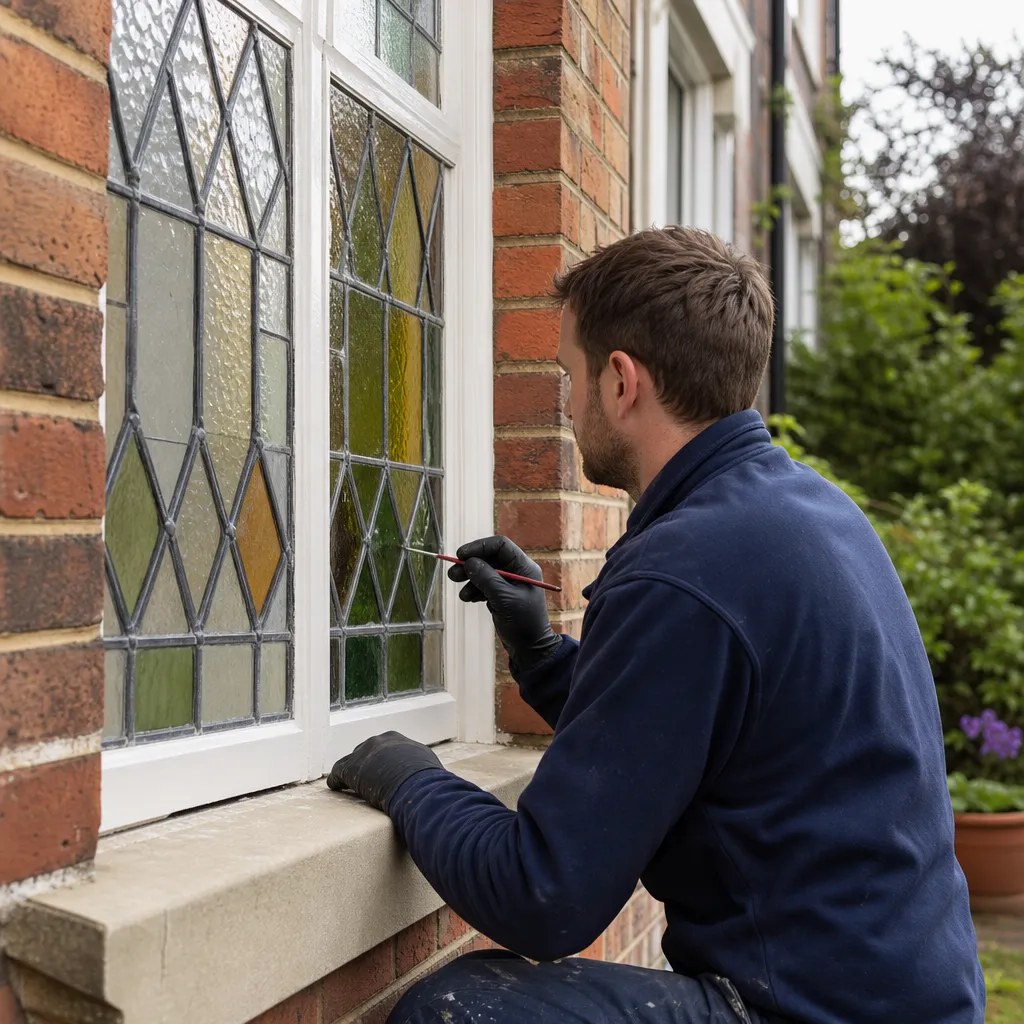 Improvement & Build
Sealing and Maintaining Historic Leaded Glass Windows: Preservation and Performance
Leaded glass windows are maintained using traditional linseed oil cement — not silicone or modern sealants, which prevent natural movement in the lead came.
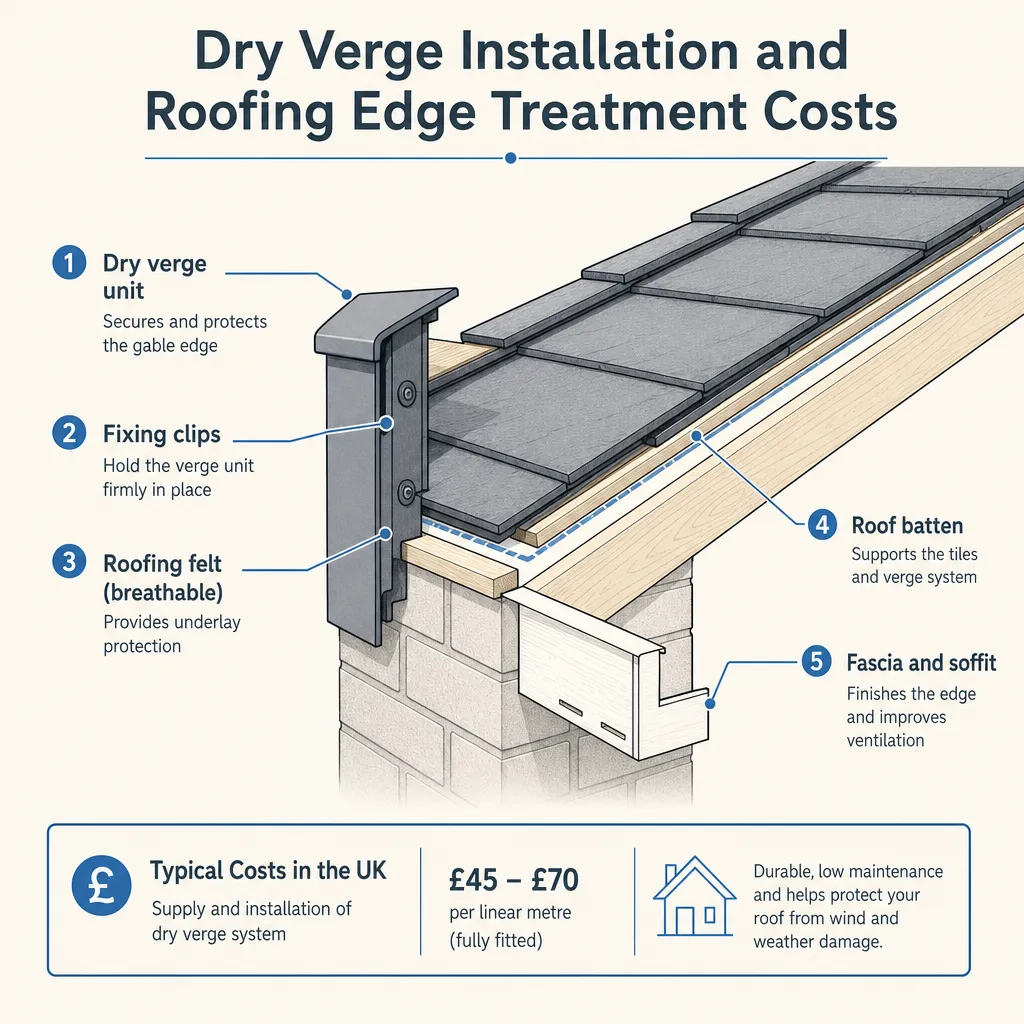 Improvement & Build
Dry Verge Installation and Roofing Edge Treatment Costs
A dry verge system replaces mortar bedding along the gable edge of a pitched roof with interlocking uPVC or aluminium units.
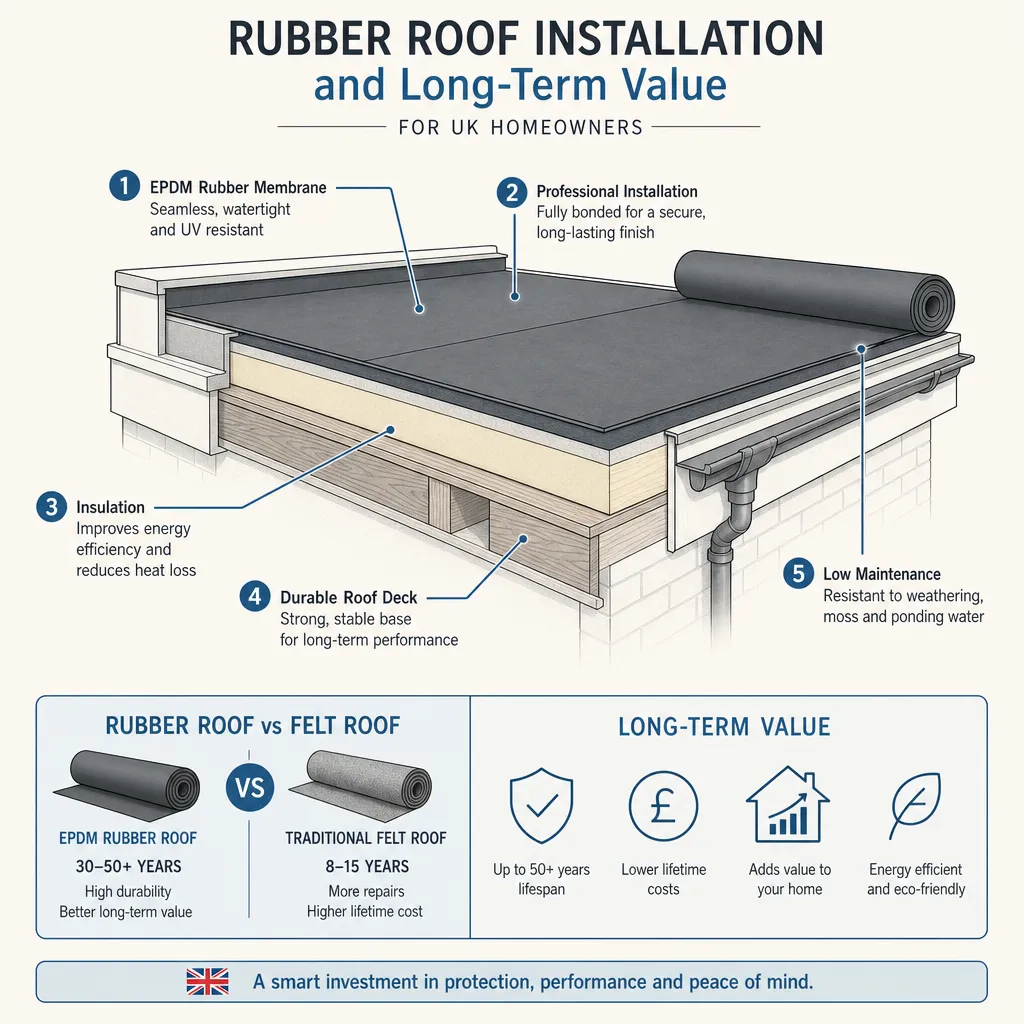 Improvement & Build
Rubber Roof Installation and Long-Term Value
EPDM rubber roofing is a synthetic membrane for flat and low-pitch roofs that typically lasts 30–50 years with minimal maintenance.
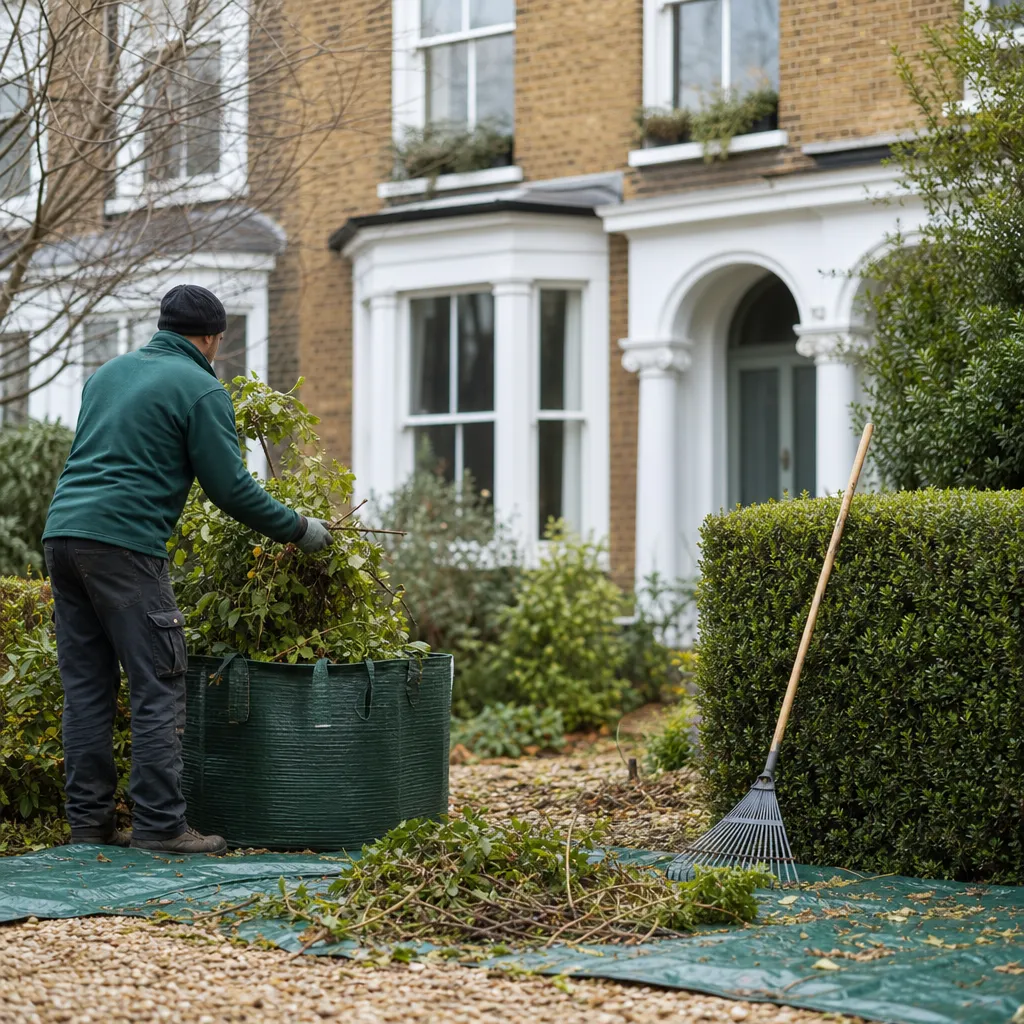 Improvement & Build
When to Call In Professional Garden Maintenance for Seasonal Cleanup
Professional garden maintenance is worth considering when seasonal work exceeds DIY capacity — typically autumn leaf removal, lawn scarification, hedge trimming at height, or post-winter clearance on large plots.
 Improvement & Build
Silicone Render Application and Maintenance Costs
Silicone render typically costs £30–£70 per square metre installed across the UK, making a standard semi-detached house treatment around £3,000–£8,000.