Knowledge Base
Property advice that actually helps
Researched, UK-specific guides for every stage of homeownership — from buying and surveys to retrofit, planning and major works.
 Improvement & Build
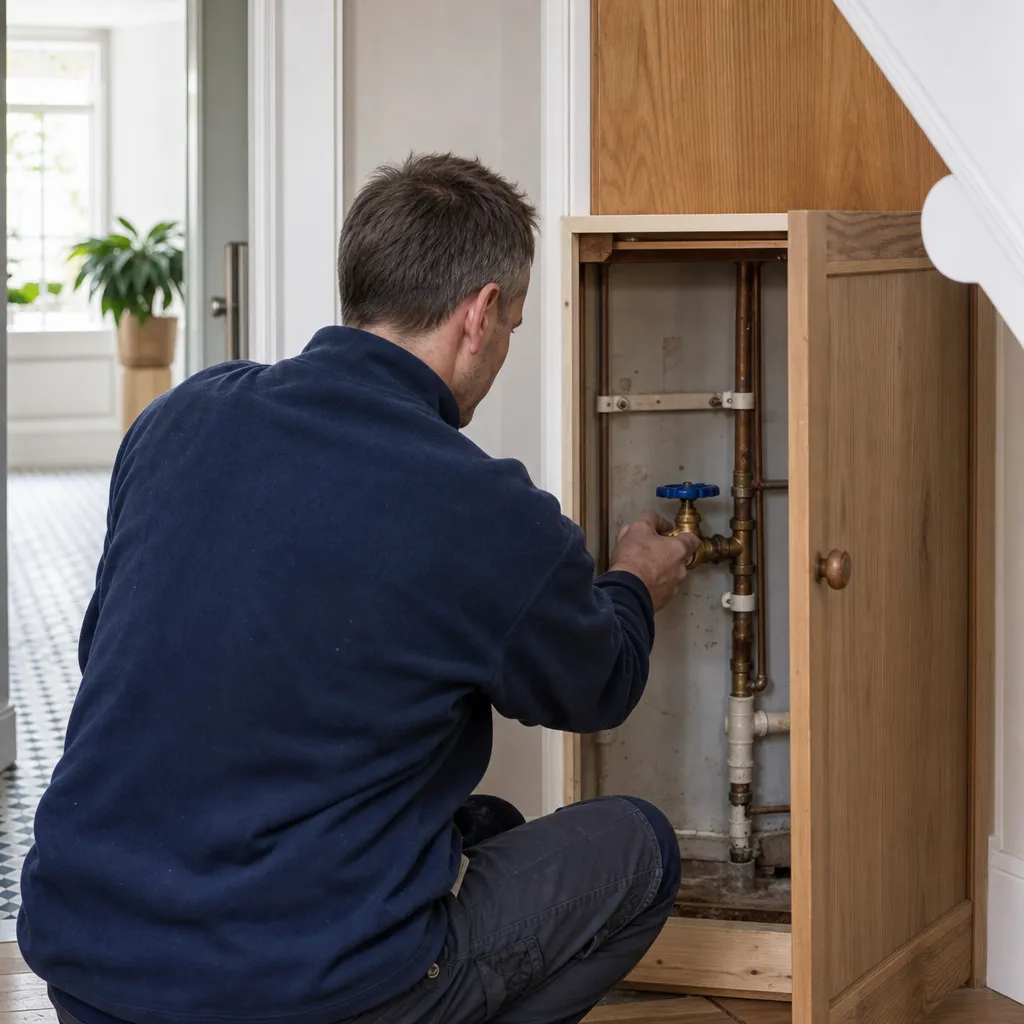
Locating and Understanding Home Shutoff Valves
UK homes have several critical shutoff points: the internal stopcock for mains water (usually under the kitchen sink), isolation valves for individual appliances, the gas emergency control valve next to the meter, and the consumer unit for electricity. Finding each one before an emergency gives you critical minutes when a pipe bursts or a gas leak occurs.
 Improvement & Build
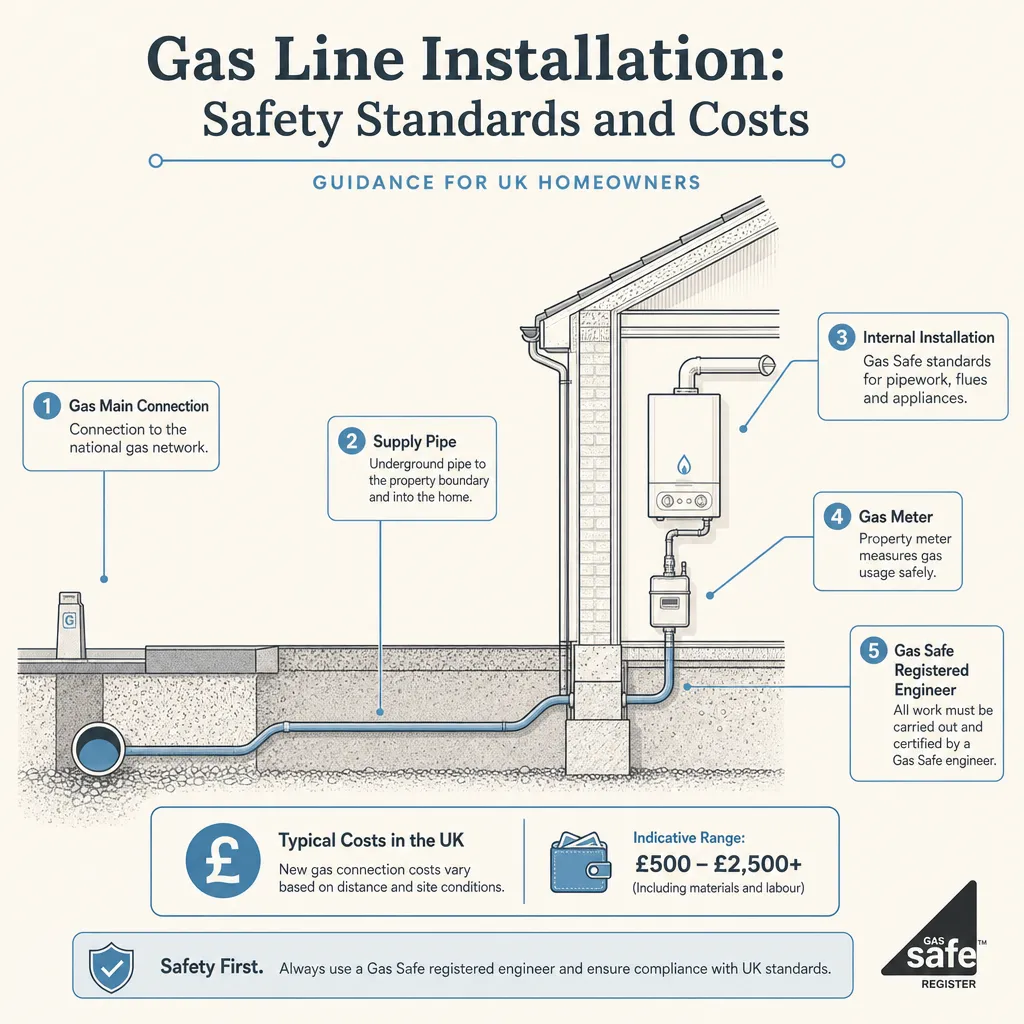
Gas Line Installation: Safety Standards and Costs
All gas line installation in Great Britain must be carried out by a Gas Safe registered engineer — this is a legal requirement under the Gas Safety (Installation and Use) Regulations 1998, not a recommendation. New mains gas connections are applied for through your local gas transporter, not your boiler engineer. Costs vary significantly by distance and site conditions.
 Buying & Moving
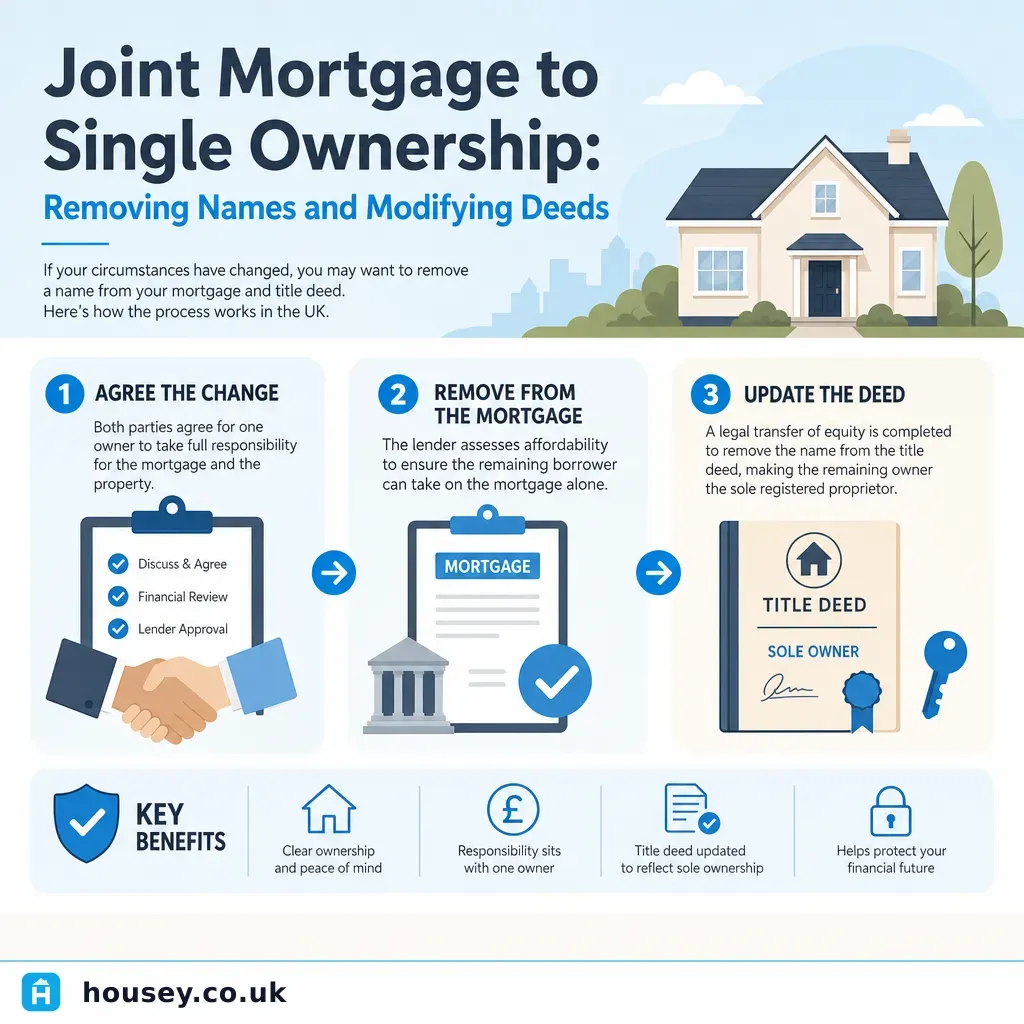
Joint Mortgage to Single Ownership: Removing Names and Modifying Deeds
Removing a name from a joint mortgage requires both a transfer of equity — updating legal title at HM Land Registry — and the lender's formal written consent to modify the loan. A conveyancer handles the title change and lender liaison, while the lender reassesses sole affordability. Stamp Duty Land Tax may apply on the value of equity transferred, including any mortgage liability assumed.
 Surveys & Inspections
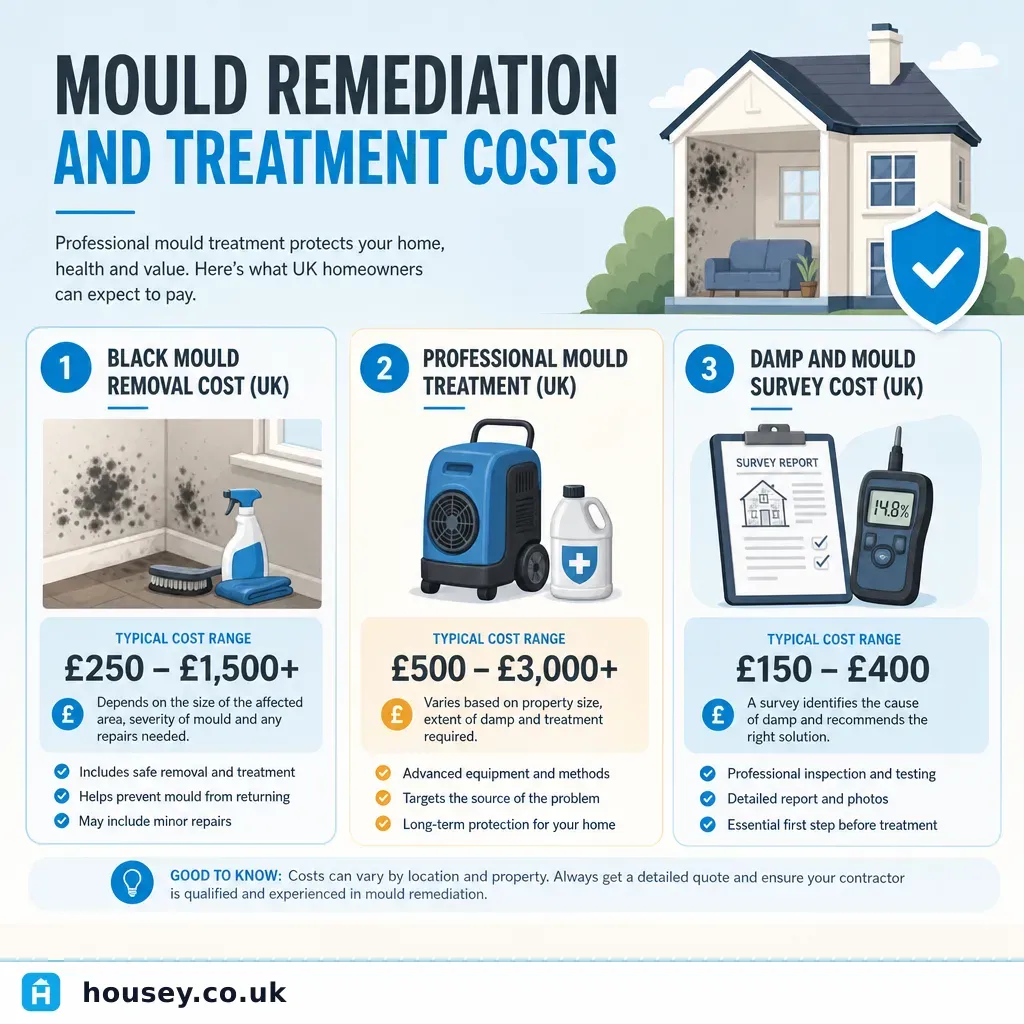
Mould Remediation and Treatment Costs
Professional mould remediation in the UK typically costs £150–£1,500+ depending on the extent of growth, underlying cause, and materials affected. Treating surface mould without identifying the root cause — condensation, penetrating damp, or rising damp — leads to recurrence. A damp and timber survey is usually the correct first step before committing to treatment.
 Buying & Moving
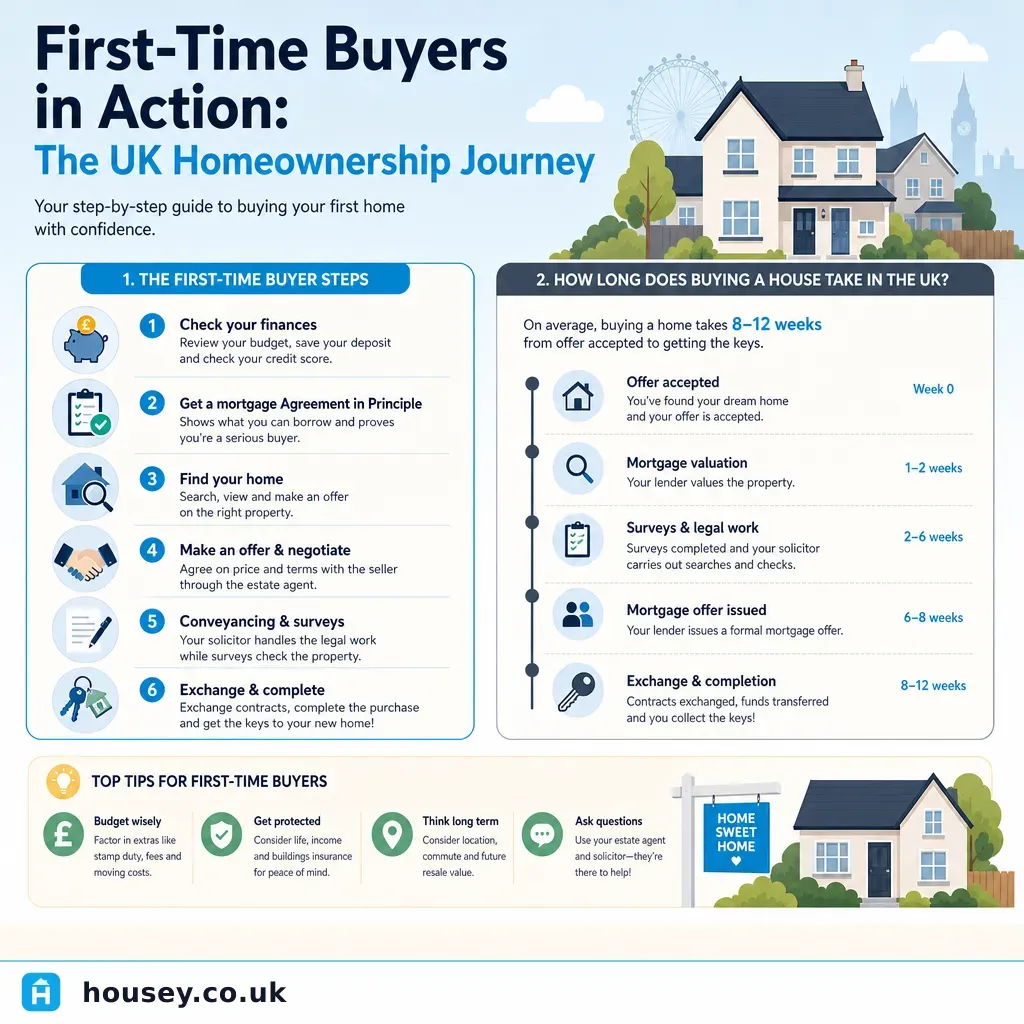
First-Time Buyers in Action: The UK Homeownership Journey
Buying your first home in the UK involves a defined sequence of stages — offer, survey, conveyancing, exchange, and completion — typically spanning 12–16 weeks. Each stage requires specific documents and professional input. Being prepared early, choosing a responsive conveyancer, and commissioning an independent RICS survey are the three decisions that most reliably prevent costly delays.
 Buying & Moving
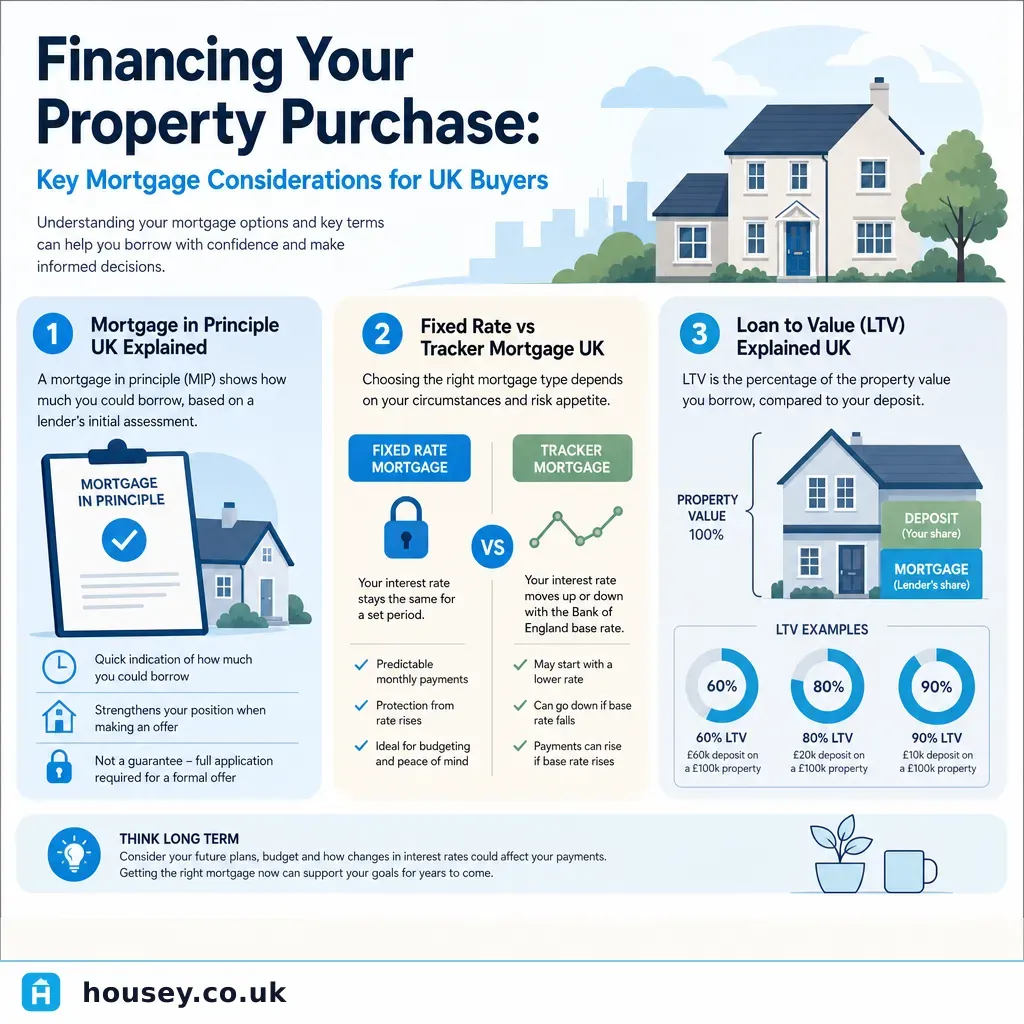
Financing Your Property Purchase: Key Mortgage Considerations for UK Buyers
Choosing the right mortgage involves matching the product type to your circumstances, not just comparing headline rates. Your loan-to-value ratio, income structure, and credit history determine which products you can access and at what cost. A formal mortgage offer is different from an Agreement in Principle and is only issued after the lender has valued the property and assessed your full application.
 Improvement & Build
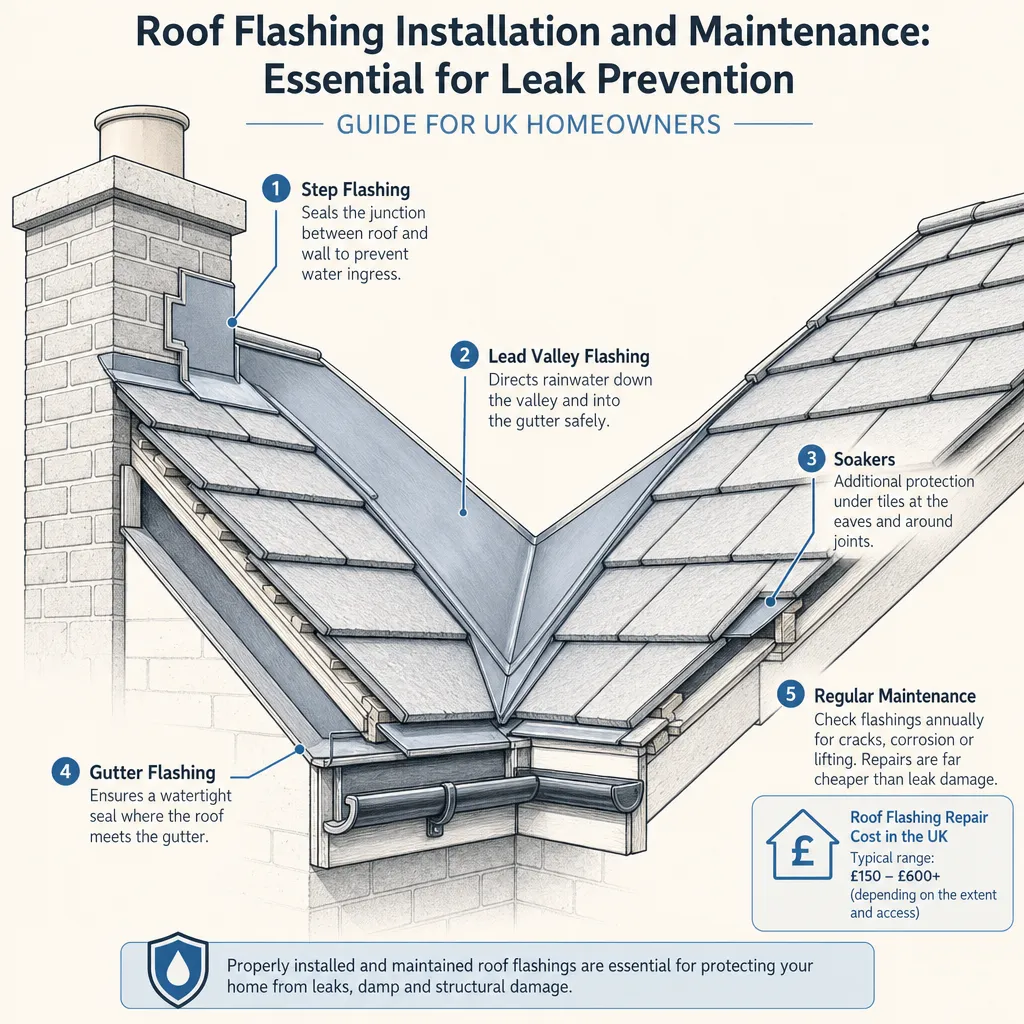
Roof Flashing Installation and Maintenance: Essential for Leak Prevention
Roof flashings seal every junction between the roof covering and an adjoining surface. In UK homes, the most common failures are raggle joint deterioration, insufficient overlaps, and temporary sealant substitution. Lead to BS EN 12588 remains the standard material for most applications, but correct installation practice — particularly proper raggle joints and adequate bay lengths — matters more than material choice alone.
 Surveys & Inspections
New Build Properties: Snagging and Quality Assurance for New Homes
A snagging survey identifies defects and unfinished work in a newly built home, ideally before legal completion. Most new builds contain items ranging from minor cosmetic issues to significant building defects. Commissioning an independent snagging inspector gives you a documented list to present to your developer, who is obliged under the builder's defect period to remedy genuine faults at no cost to you.
 Improvement & Build
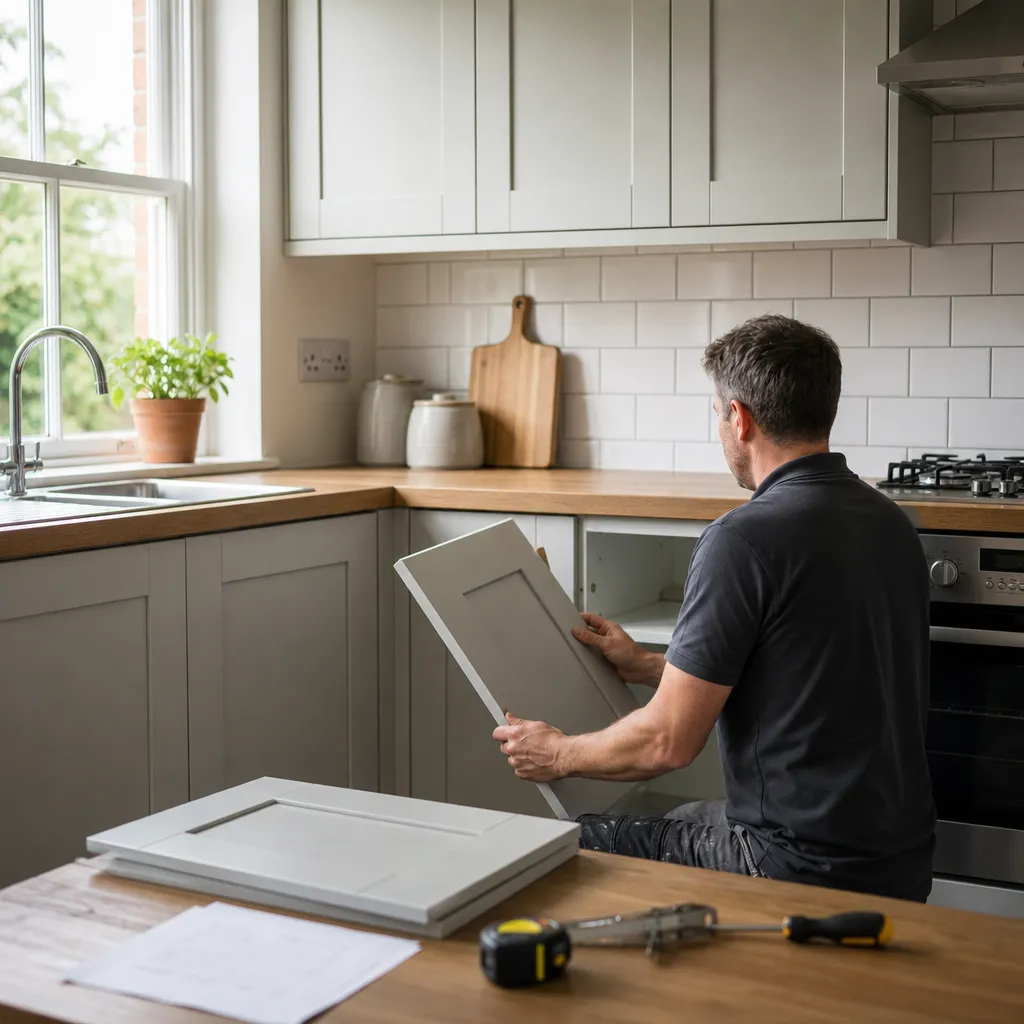
Finding Replacement Cabinet Doors for Wickes Kitchen Units
Wickes only supplies replacement doors for ranges currently in production. For discontinued ranges — most kitchens over five years old — third-party suppliers such as Replacement Doors Direct or Doors4UK offer compatible standard and made-to-measure doors. Always measure your existing door rather than the unit opening, confirm the hinge boring pattern, and order one door as a test fit before committing to a full set.
 Improvement & Build
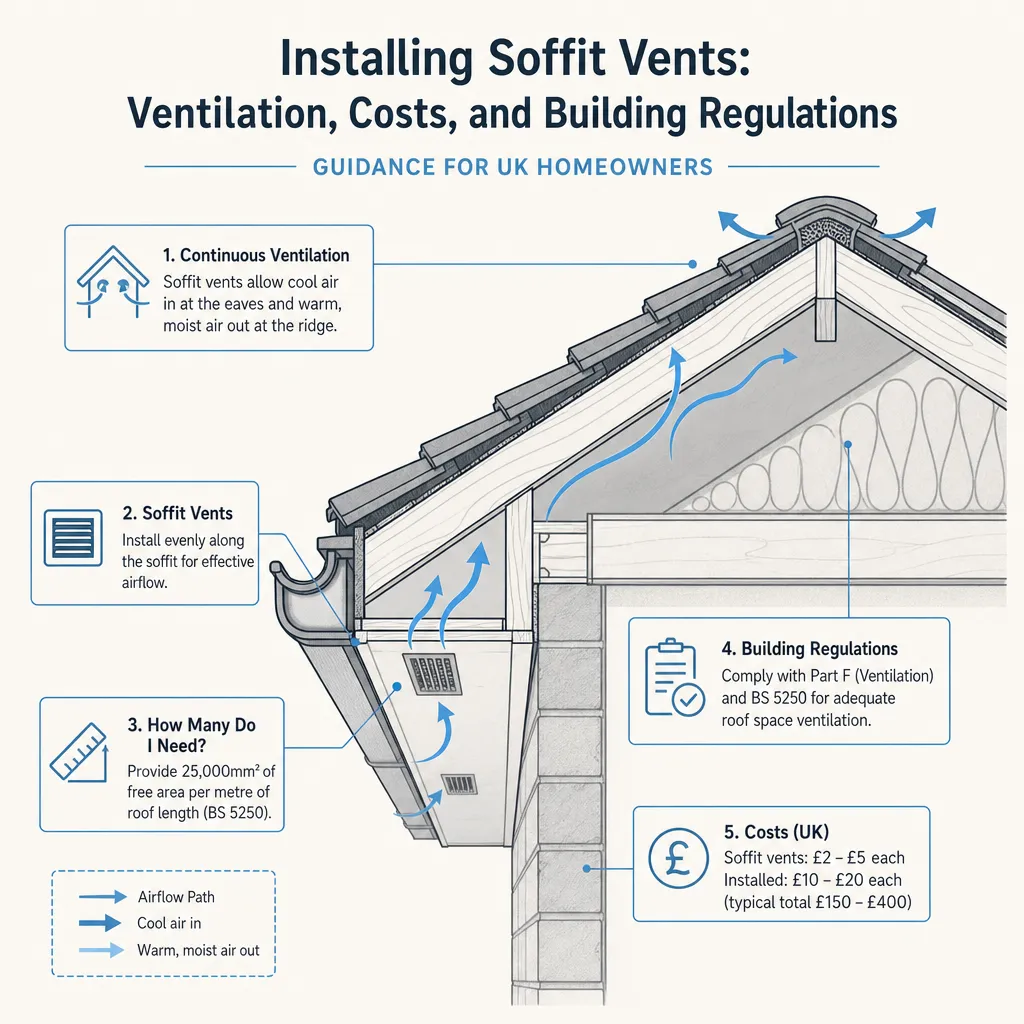
Installing Soffit Vents: Ventilation, Costs, and Building Regulations
Soffit vents allow fresh air into a cold roof space, preventing condensation and timber decay. UK Building Regulations and BS 5250:2011 require ventilation equivalent to at least 1/300 of the roof plan area. Individual disc vents can be retrofitted to existing soffits; full replacement uses continuous ventilated soffit strips. Costs range from around £150 to over £2,000 depending on scope.
 Improvement & Build
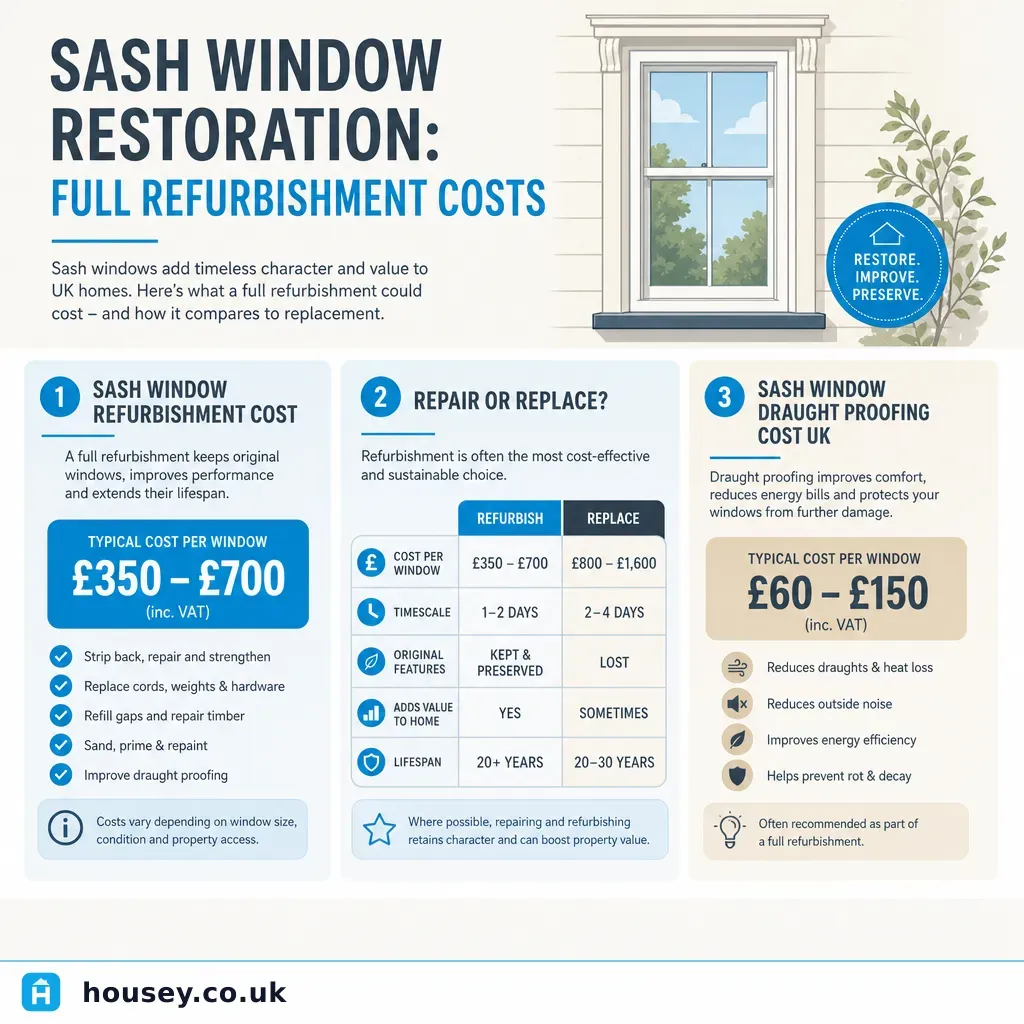
Sash Window Restoration: Full Refurbishment Costs
Sash window restoration typically covers strip, repair, draught-proofing, and redecoration, with full programmes costing roughly £700–£1,500 per window. Draught-proofing alone costs £150–£350. In listed buildings and conservation areas, restoration is usually required rather than replacement. Secondary glazing is the widely preferred thermal upgrade where original sashes must be preserved.
 Improvement & Build
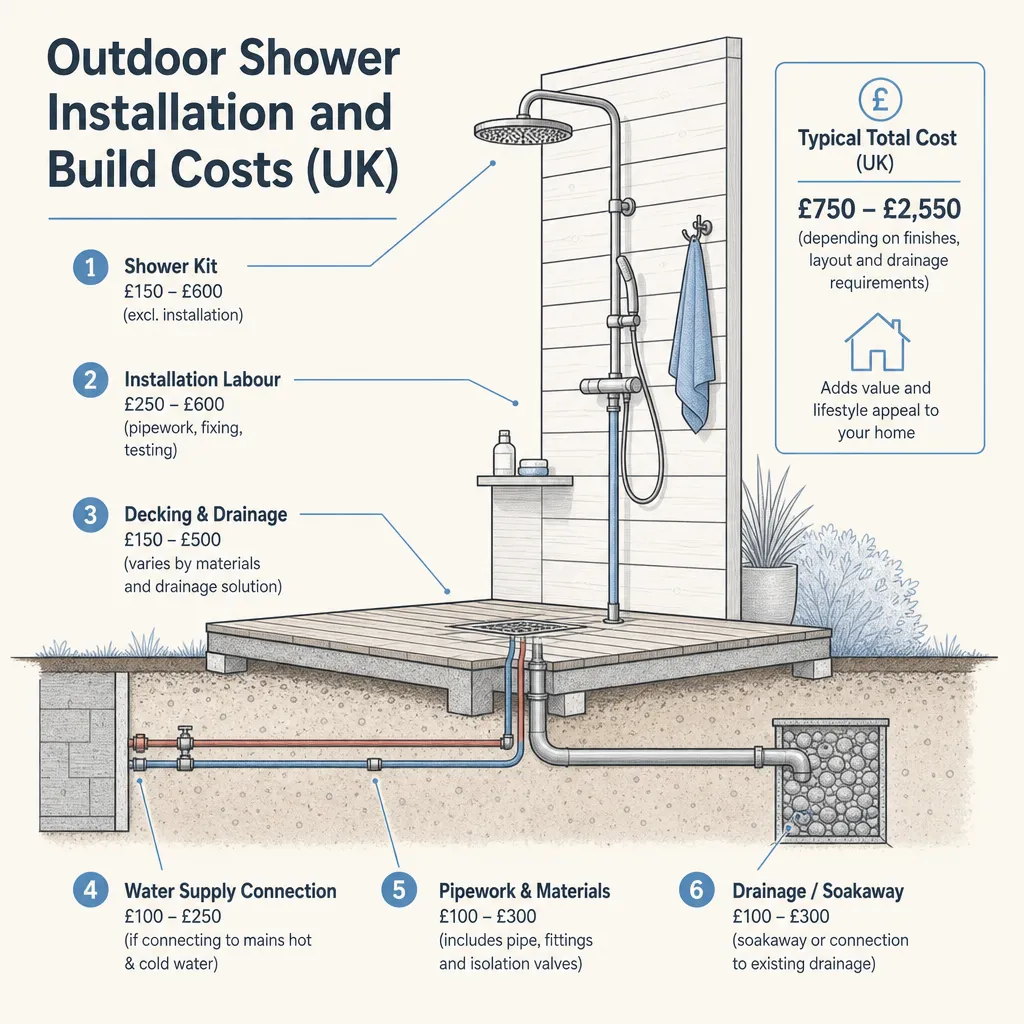
Outdoor Shower Installation and Build Costs
An outdoor shower in the UK costs from around £600 for a simple cold-water tap-fed kit to £15,000+ for a bespoke plumbed enclosure. Hot-and-cold plumbed installations typically cost £2,000–£6,000, depending on proximity to the house, drainage requirements, and specification. A qualified plumber must connect any hot water supply; drainage must discharge legally, not directly to the ground.