Knowledge Base
Property advice that actually helps
Researched, UK-specific guides for every stage of homeownership — from buying and surveys to retrofit, planning and major works.
 Improvement & Build
Slab Door vs Pre-Hung Door: Which Interior Door Option Suits Your Home?
A slab door is the door leaf only, requiring fitting into an existing frame by a joiner on site. A pre-hung door set includes door, frame, and hinges as a tested assembly — better for damaged frames, new openings, or where Building Regulations Part B requires a certified FD30 fire door. The right choice depends on the condition of the existing frame and whether fire compliance is needed.
 Improvement & Build
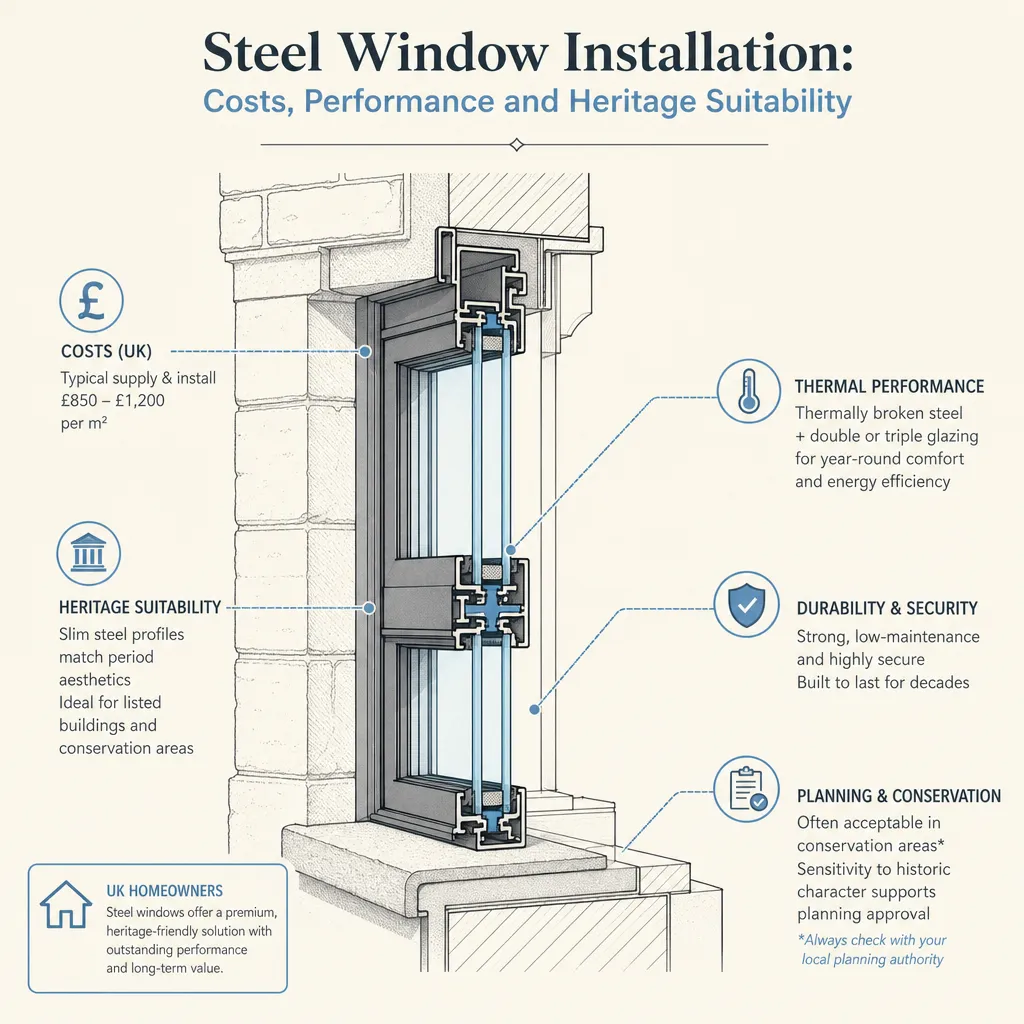
Steel Window Installation: Costs, Performance and Heritage Suitability
Steel windows are suited to inter-war, modernist, and contemporary UK homes where slim sightlines or heritage character matter. Thermally broken frames can meet Building Regulations Part L. Costs typically range from £600 to £2,500 or more per window installed. Planning permission or listed building consent may be required in conservation areas and for listed buildings.
 Energy & Retrofit
The Rise of Green-Rated Homes: Energy Efficiency, Sustainability, and Long-Term Property Value
Homes with higher EPC ratings typically sell faster and can command a premium of up to 10% over equivalent lower-rated properties. Research by Nationwide Building Society shows EPC B-and-above homes attract stronger mortgage terms and broader buyer demand. Upgrading insulation, heating systems, and glazing are among the most cost-effective routes to improving a home's energy rating and supporting long-term value.
 Surveys & Inspections
Mould Survey Costs: What You Need to Know
A basic mould inspection typically costs £150–£300 in the UK; a full damp and timber survey from a qualified specialist costs £250–£500 for an average semi-detached home. The right level of survey depends on the extent of the problem — from a simple visual report to thermal imaging or air quality testing. Instructing a PCA-accredited surveyor provides assurance of competence and a formal complaints route.
 Improvement & Build
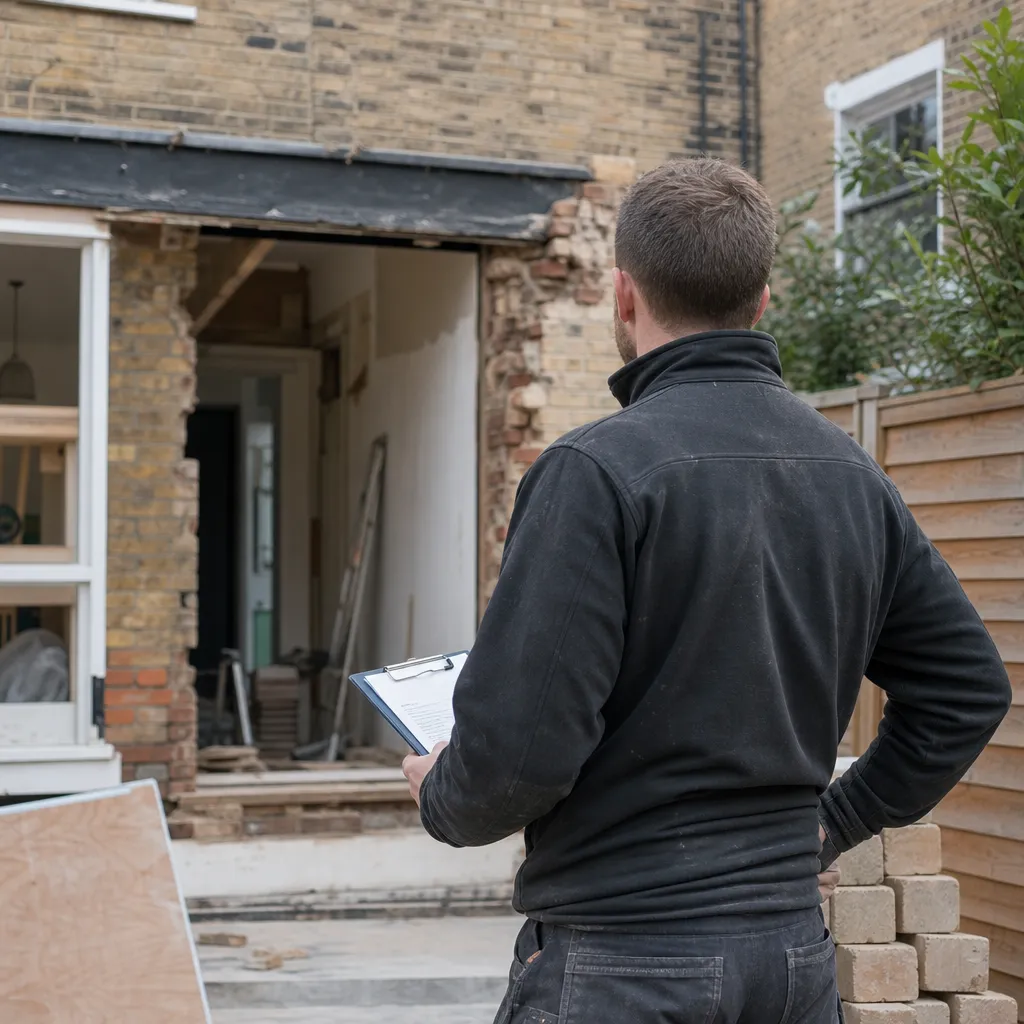
When to Part Ways With a Contractor: Red Flags and Next Steps
You can dismiss a contractor if they abandon the site, consistently miss milestones, produce defective work you have documented in writing, or breach contract terms. Issue a formal written notice citing the specific breach, retain payment only for incomplete or defective work, and photograph everything. For disputes under £10,000 in England and Wales, the small claims track is a practical remedy.
 Buying & Moving
Valuing Your Home: Tools and Methods for Property Estimation
You can estimate your home's value using online automated tools, Land Registry sold prices, and estate agent appraisals — but these differ significantly in accuracy and purpose. For a mortgage, remortgage, or legal matter, only a formal RICS Red Book valuation prepared by a registered valuer carries the authority that lenders and courts require.
 Planning & Pre-Build
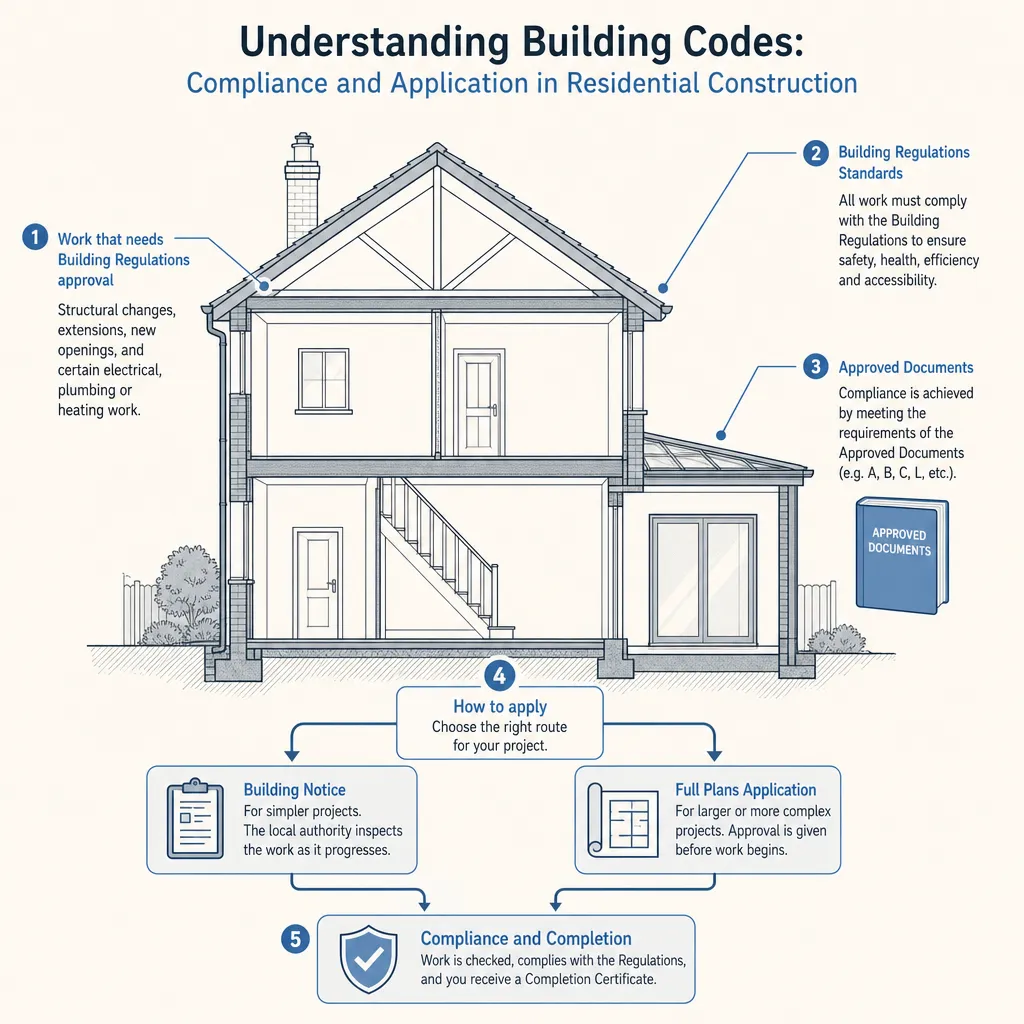
Understanding Building Codes: Compliance and Application in Residential Construction
Building Regulations in England and Wales set minimum technical standards for construction, covering structural stability, fire safety, ventilation, insulation, drainage, and electrical safety. Most domestic improvements — including extensions, loft conversions, structural alterations, and new heating systems — require building control approval, even when planning permission is not needed. Failing to obtain approval can affect a property sale and may leave unsafe work uncertified.
 Improvement & Build
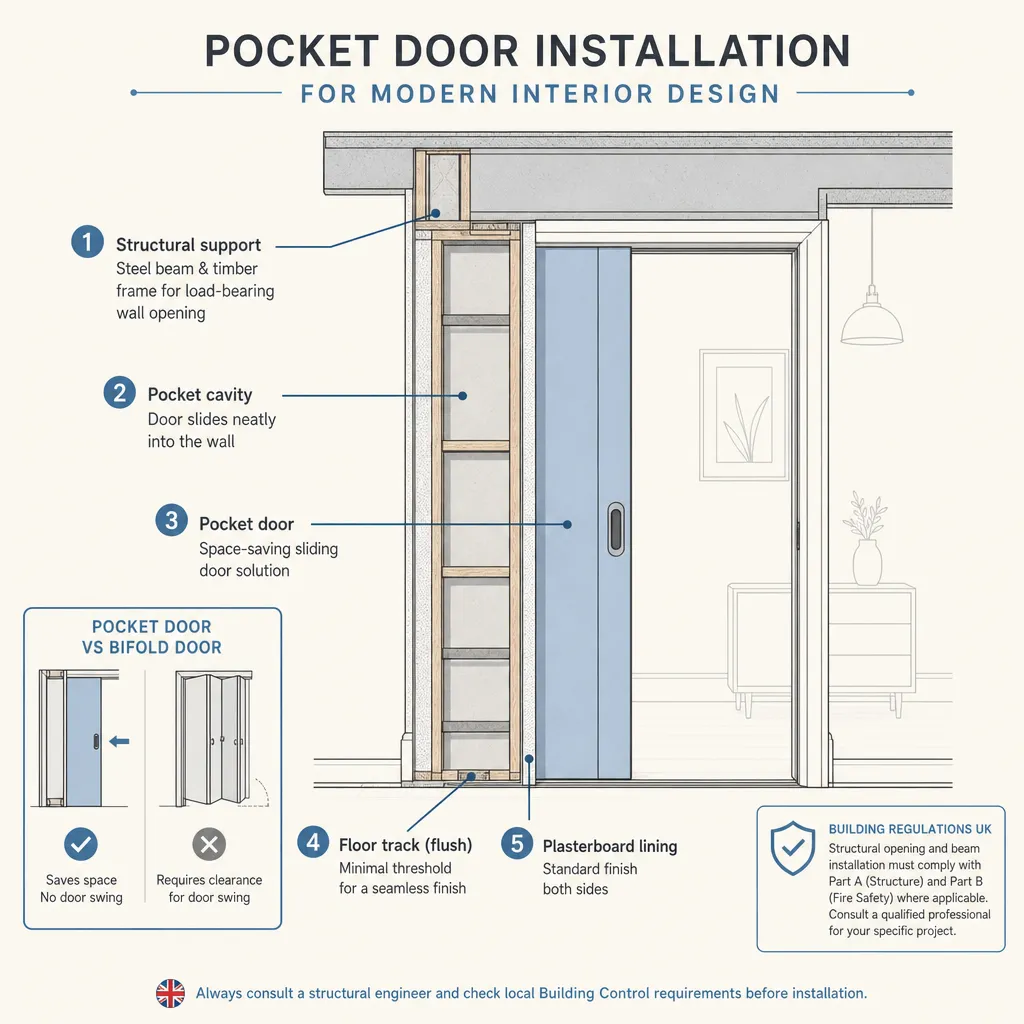
Pocket Door Installation for Modern Interior Design
A pocket door slides into a wall cavity on a top-hung track, saving the swing space of a standard hinged door. Installation requires a dedicated frame kit and a non-load-bearing wall — or a structural solution if the wall carries load. Most internal pocket door installations in a UK home do not require planning permission, but Building Regulations may apply if structural work is involved.
 Improvement & Build
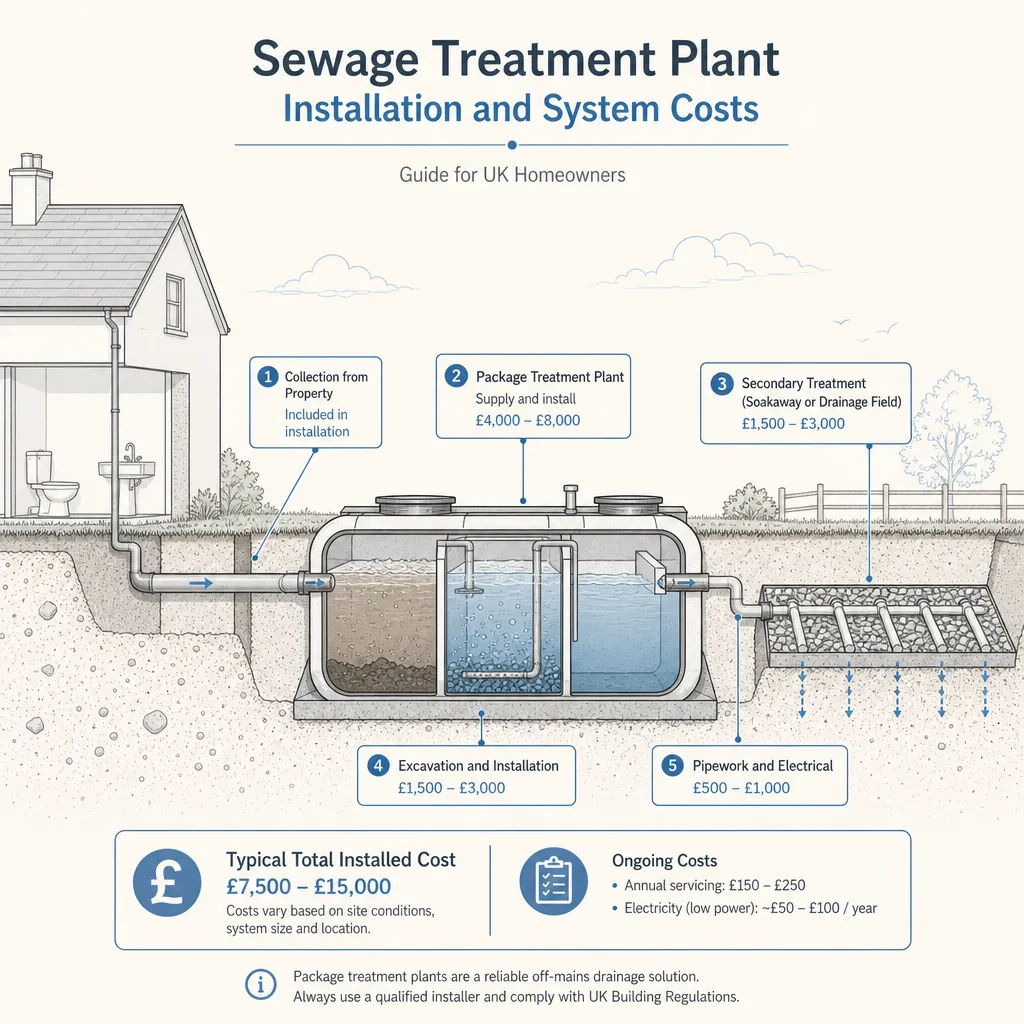
Sewage Treatment Plant Installation and System Costs
A domestic sewage treatment plant typically costs £5,000–£12,000 installed in the UK, depending on capacity, site conditions, and discharge route. You must register a discharge exemption or obtain an Environment Agency permit before installation. Building Regulations Part H also applies. A qualified drainage contractor or civil engineer should assess your site before any works begin.
 Improvement & Build
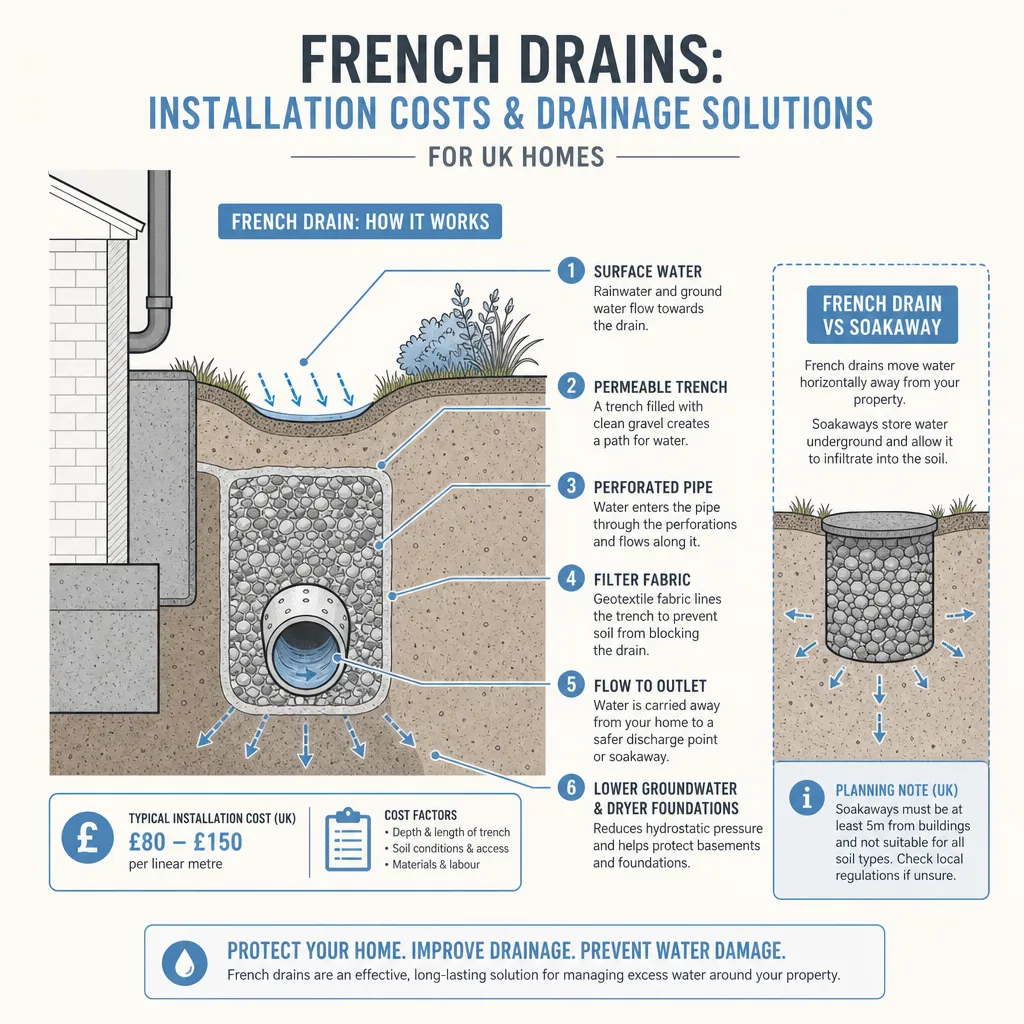
French Drains: Installation Costs and Drainage Solutions
A French drain is a gravel-filled trench with a perforated pipe that redirects groundwater away from a building or waterlogged area. In the UK, installation typically costs between £1,000 and £5,000 depending on length, depth, and site conditions. Planning permission is not usually required, but connecting to a public sewer needs consent from your sewerage undertaker.
 Energy & Retrofit
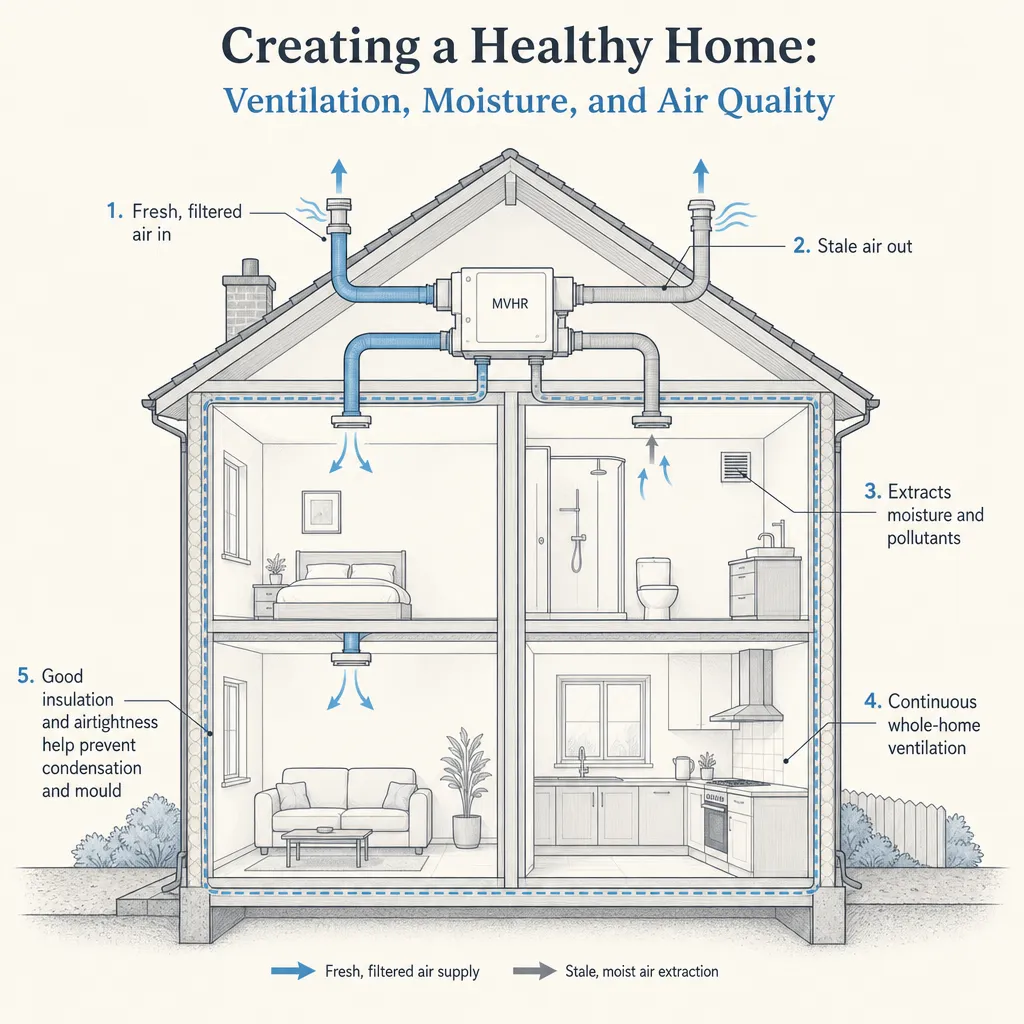
Creating a Healthy Home: Ventilation, Moisture, and Air Quality
Healthy indoor air quality depends on balancing airtightness with adequate ventilation, managing moisture from everyday activities, and removing pollutants at source. In UK homes, the most common causes of poor air quality are inadequate extract ventilation in wet rooms, sealed trickle vents, and condensation mould following insulation works carried out without a prior moisture risk assessment.
 Energy & Retrofit
Comparing Heat Pumps and Air Conditioning: Technology and Costs
Heat pumps and air conditioning systems both use refrigeration technology, but a heat pump can run in reverse to provide both heating and cooling, while a conventional air conditioner only cools. In the UK, a reversible air-source heat pump can replace both your boiler and a separate cooling system, though cooling performance and noise rules vary by property type.