Knowledge Base
Property advice that actually helps
Researched, UK-specific guides for every stage of homeownership — from buying and surveys to retrofit, planning and major works.
 Surveys & Inspections
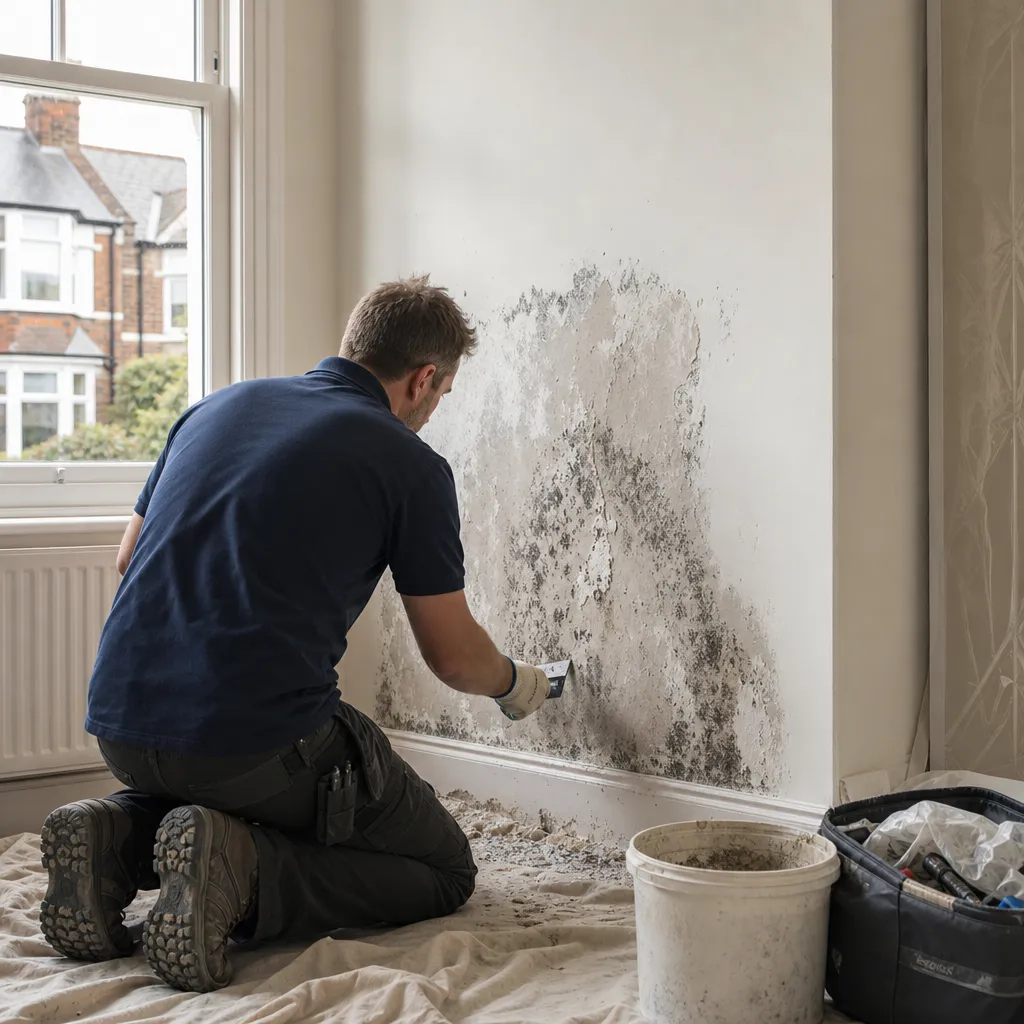
Treating Mould Contamination in Interior Walls
Mould on interior walls is caused by excess moisture — from condensation, penetrating damp, rising damp, or a plumbing leak. Treat the surface with a fungicidal wash only after identifying and fixing the moisture source. Small patches can be managed with careful DIY; patches over 1 m², or mould that recurs despite treatment, warrant professional investigation.
 Improvement & Build
Protecting Your Property from Winter Frost and Freeze Damage
Protecting your home from winter frost damage mainly involves insulating exposed pipes, lagging outdoor taps, maintaining a minimum indoor temperature in unoccupied properties, and clearing drains before cold spells. Checking loft insulation and sealing gaps around external pipework are practical steps most homeowners can carry out before the first hard frost arrives.
 Improvement & Build
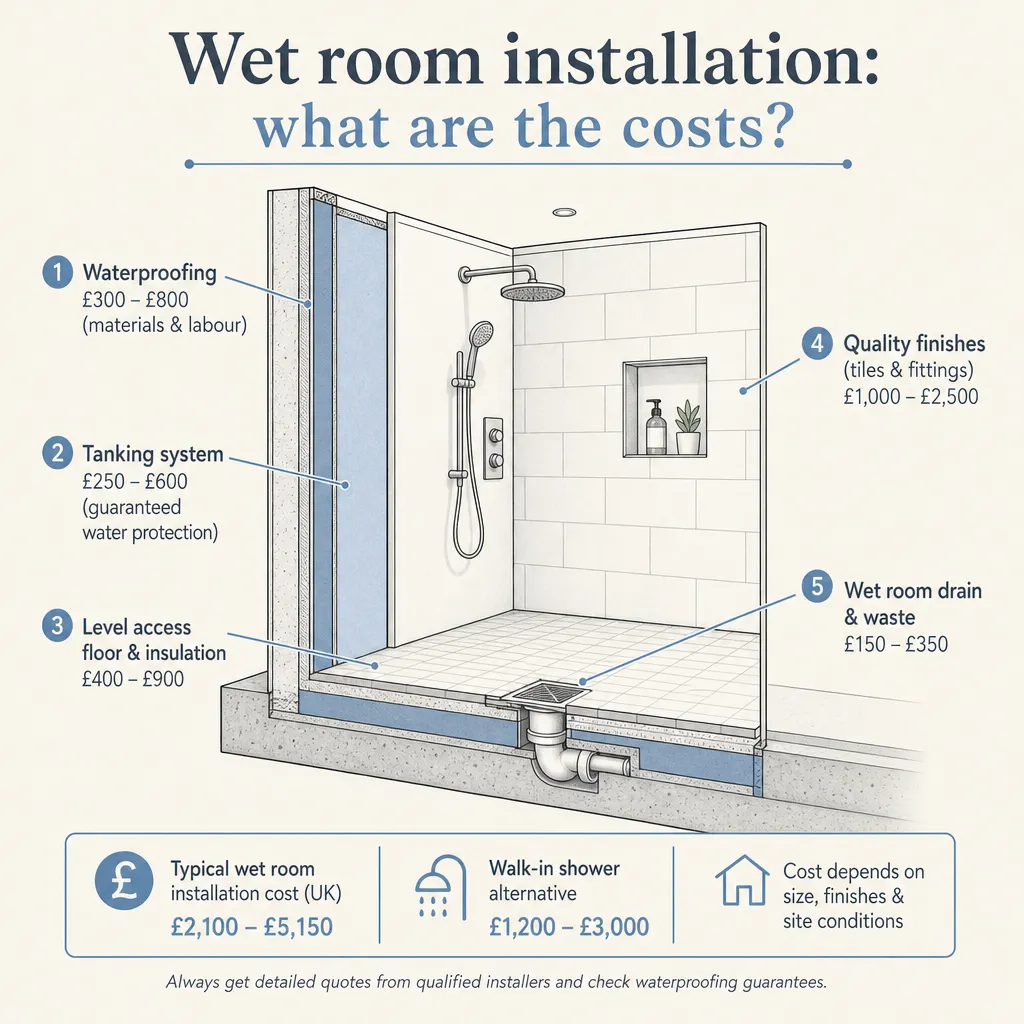
Wet room installation: what are the costs?
A wet room installation in a UK home typically costs between £3,500 and £10,000 depending on room size, materials, and structural requirements. Most mid-range projects in an average bathroom sit between £5,000 and £7,500 including labour and tiling. Costs rise sharply for upper-floor installations, bespoke tiling, or floors needing structural reinforcement.
 Improvement & Build
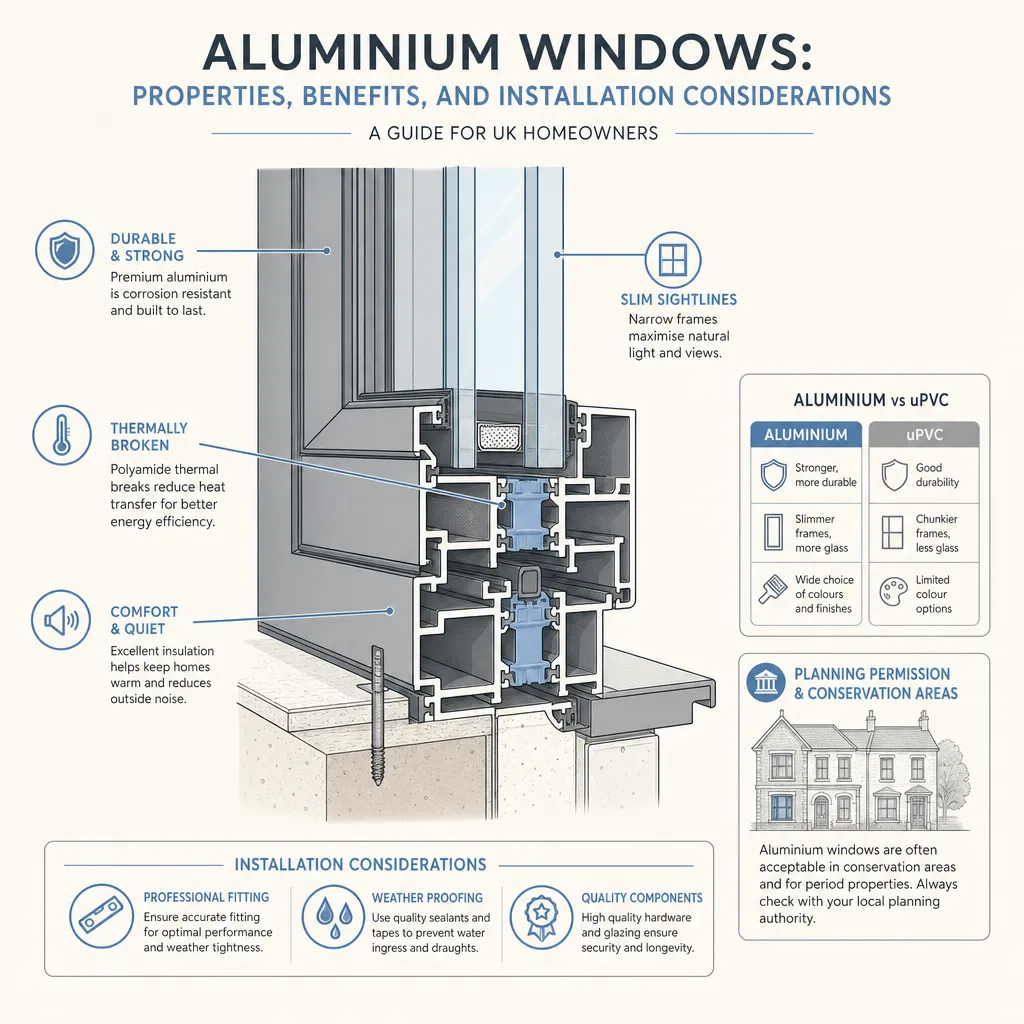
Aluminium Windows: Properties, Benefits, and Installation Considerations
Aluminium windows offer slim sightlines, long lifespan, and minimal maintenance. Modern thermally broken frames meet Building Regulations Part L and achieve whole-window U-values of 1.0–1.4 W/m²K. They cost more than uPVC but suit contemporary extensions and large glazed openings well. Always use a FENSA-registered installer and check planning constraints before ordering in a conservation area or listed building.
 Improvement & Build
Japanese Knotweed: Identification, Legal Obligations and Removal in the UK
Japanese knotweed is a legally controlled invasive plant in the UK. Allowing it to spread is a criminal offence under the Wildlife and Countryside Act 1981. It can affect your ability to sell or mortgage a property. Professional management through a Property Care Association accredited specialist with an insurance-backed management plan is the standard approach for most homeowners.
 Improvement & Build
Seasonal Leaf and Garden Debris Removal Costs
Professional leaf clearance for a small to medium UK garden typically costs £60 to £150 for a single autumn visit, rising to £350 or more for large gardens with mature trees. Seasonal programmes covering multiple October and November visits range from £180 to over £1,000 depending on garden size, tree cover, and whether waste disposal is included.
 Improvement & Build
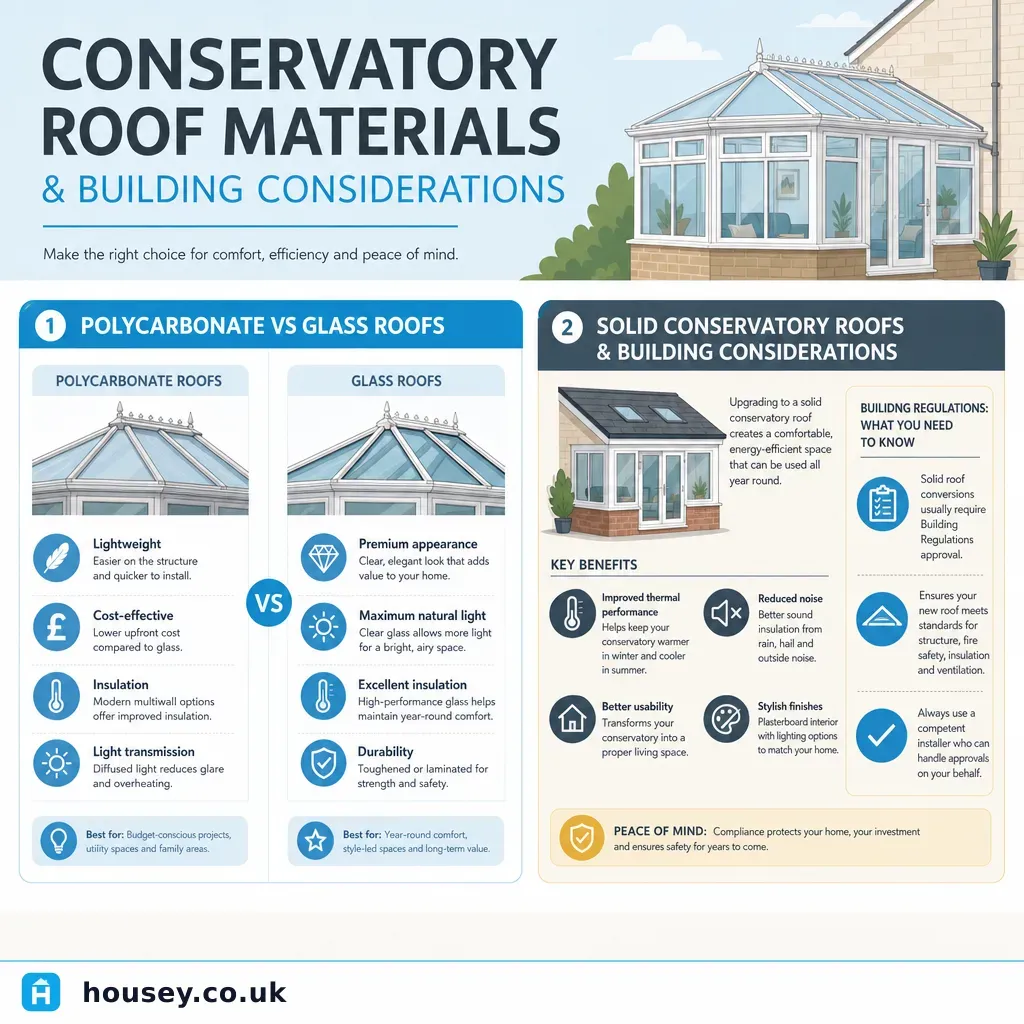
Conservatory Roof Materials and Building Considerations
The main conservatory roof materials are polycarbonate, glass, and solid insulated panels. Polycarbonate is cheapest but scores poorly on thermal performance and noise. Glass offers better light and insulation. Solid roofs achieve the best U-values but almost always require Building Regulations approval, as they remove the conservatory's exempt status under Schedule 2 of the Building Regulations 2010.
 Planning & Pre-Build
Structural Engineering Consultation and Survey Costs
A structural engineer consultation in the UK typically costs £300–£800 for a specific defect report or pre-purchase assessment. Full structural design for an extension or loft conversion ranges from £1,000 to over £2,500, depending on complexity and scope. Fees are unregulated and vary by professional experience, location, and the deliverables required.
 Planning & Pre-Build
Building Material Safety Standards: Regulatory Framework for Modern Construction
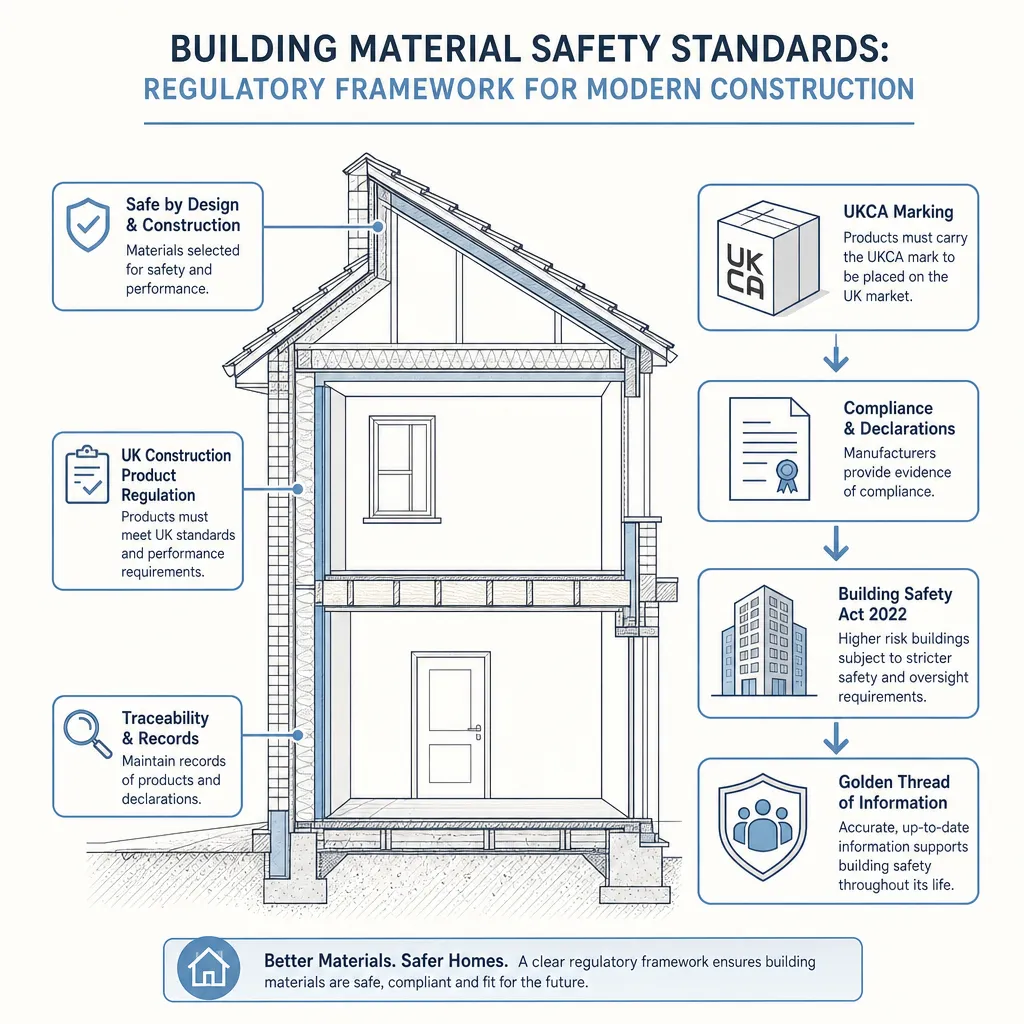
UK building material safety standards are set through the Building Regulations 2010 and associated Approved Documents covering structure, fire, damp, energy, and ventilation. Products placed on the Great Britain market must carry the UKCA mark. Higher-risk residential buildings of 18 metres or seven or more storeys face additional requirements under the Building Safety Act 2022.
 Buying & Moving
Buy-to-Let Property Investment: Essential Guidance for Landlords
Buy-to-let investment in the UK requires careful financial planning. The SDLT surcharge on additional properties is now 5%, individual landlords receive only a 20% tax credit on mortgage interest, and every rental property must meet minimum EPC, gas safety, and electrical standards before a tenancy can start. Net yield — not gross — is the figure that matters.
 Improvement & Build
Solar-powered outdoor lighting: designing efficient garden illumination
Solar-powered outdoor lighting suits most UK gardens and requires no mains wiring, making it a practical, low-disruption option for paths, borders, and security. Performance depends on panel exposure, battery capacity, and seasonal daylight hours. Well-positioned, quality fittings can deliver reliable illumination even through UK winters, though some designs suit low-duty accent lighting better than security or task lighting.
 Energy & Retrofit
Health and Safety Considerations When Selecting Green Insulation Products
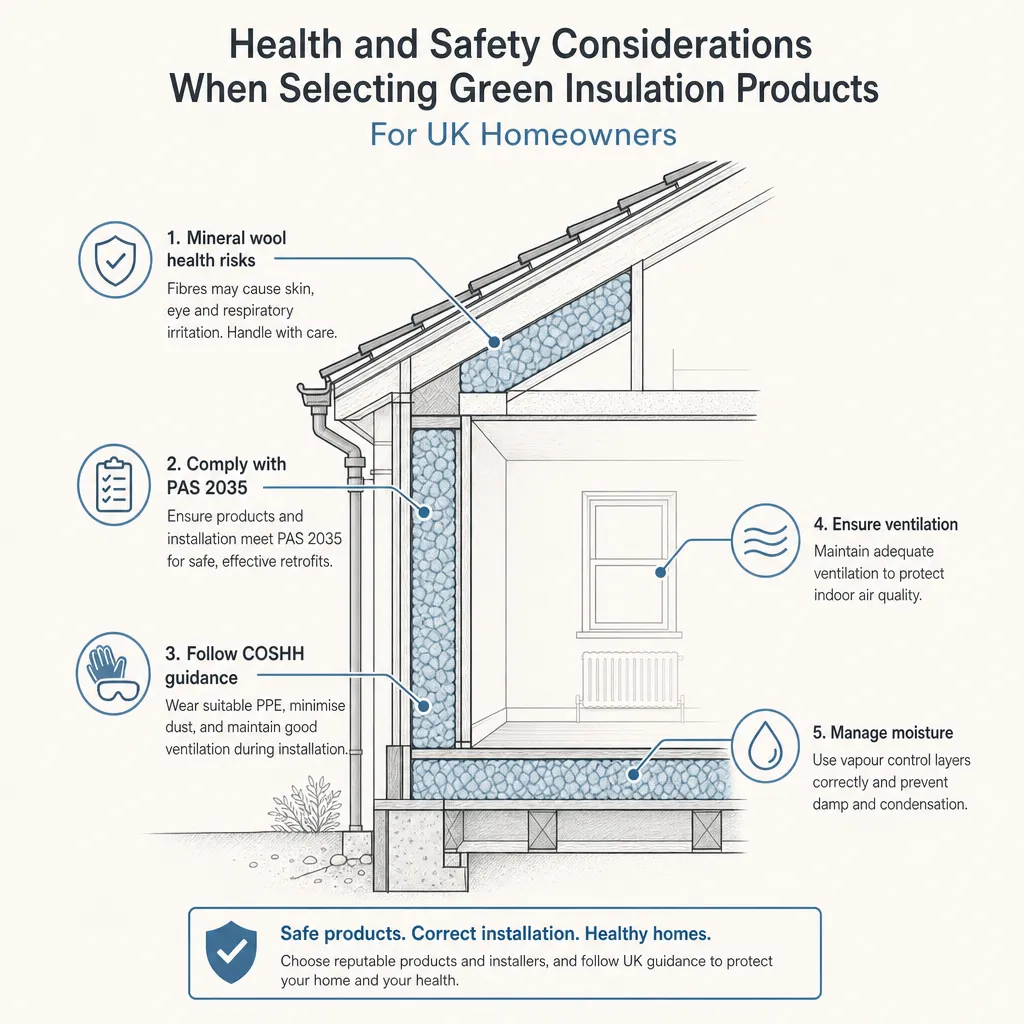
Selecting green insulation in the UK involves genuine health risks alongside environmental claims. Man-made mineral fibres, boron treatments, and blown cellulose all require specific PPE during installation. More significantly, poorly specified insulation in a solid-wall home can cause interstitial condensation and mould growth affecting occupant health. A retrofit assessment under PAS 2035 should precede any significant insulation works.