Knowledge Base
Property advice that actually helps
Researched, UK-specific guides for every stage of homeownership — from buying and surveys to retrofit, planning and major works.
 Buying & Moving
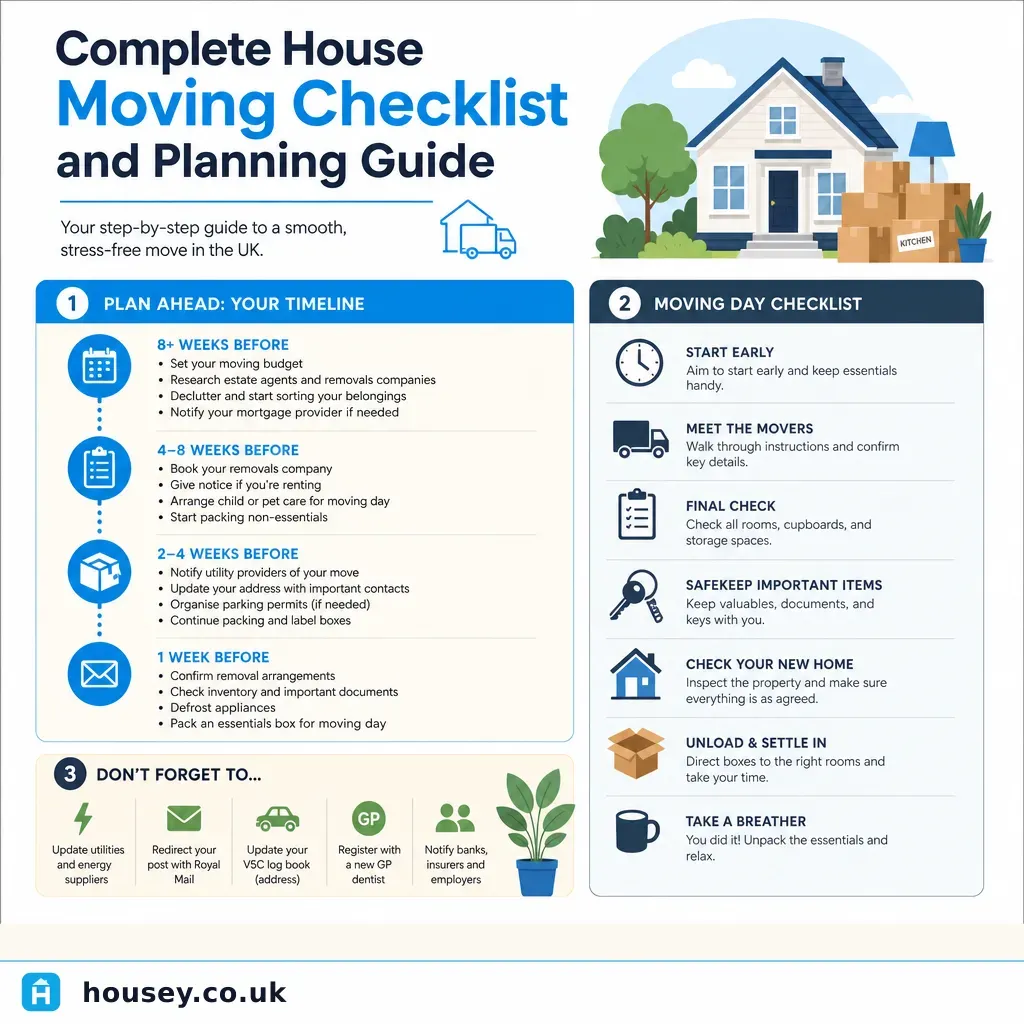
Complete House Moving Checklist and Planning Guide
A successful UK house move requires planning across 8 or more weeks: booking a removal firm early, decluttering before packing, notifying DVLA, HMRC, and utility providers, and confirming completion day logistics in advance. Most delays on moving day arise from poor coordination between solicitors, removal firms, and estate agents — build buffer time into every stage.
 Buying & Moving
Relocating your family home for better school access: planning your house move
Moving for a better school means timing your purchase against two hard constraints: the admissions deadline and the conveyancing timeline. In England, secondary applications close 31 October and primary on 15 January. Conveyancing takes 12–16 weeks on average, so offer acceptance needs to happen several months before the deadline — and you must be genuinely resident at the new address by application date.
 Buying & Moving
Pre-Sale Property Cleaning: Presentation Strategies for Home Surveys
A surveyor assesses your property's condition, not its cleanliness — but access matters. A RICS Level 2 or Level 3 survey takes two to four hours, and restricted access to the loft, boiler, or consumer unit means those areas must be noted as uninspected. Clearing access points and addressing minor visible maintenance usually matters far more than deep cleaning.
 Buying & Moving
How to Sell Your House Fast in the UK
To sell your home quickly in the UK, price it accurately from day one using a professional valuation, maximise kerb appeal, instruct a conveyancer before you list, and choose an estate agent with a strong local track record. Overpricing and slow legal preparation are the two main causes of stalled sales.
 Buying & Moving
First-time home buyer guide: essential property services and purchasing checklist
Buying your first home in the UK typically takes 12–16 weeks from offer acceptance to completion. You will need a solicitor for conveyancing, a RICS survey on the property's condition, and an EPC check. Budget for Stamp Duty if applicable, survey fees, legal costs, and mortgage arrangement fees before exchanging contracts.
 Buying & Moving
How to find a property that matches your needs and budget
Finding the right property starts with separating non-negotiable needs from preferences, then building a realistic budget that includes SDLT, survey fees, and legal costs — typically 2–4% of the purchase price on top. Checking flood risk, EPC ratings, and tenure type before exchange prevents the most common post-purchase surprises for UK buyers.
 Buying & Moving
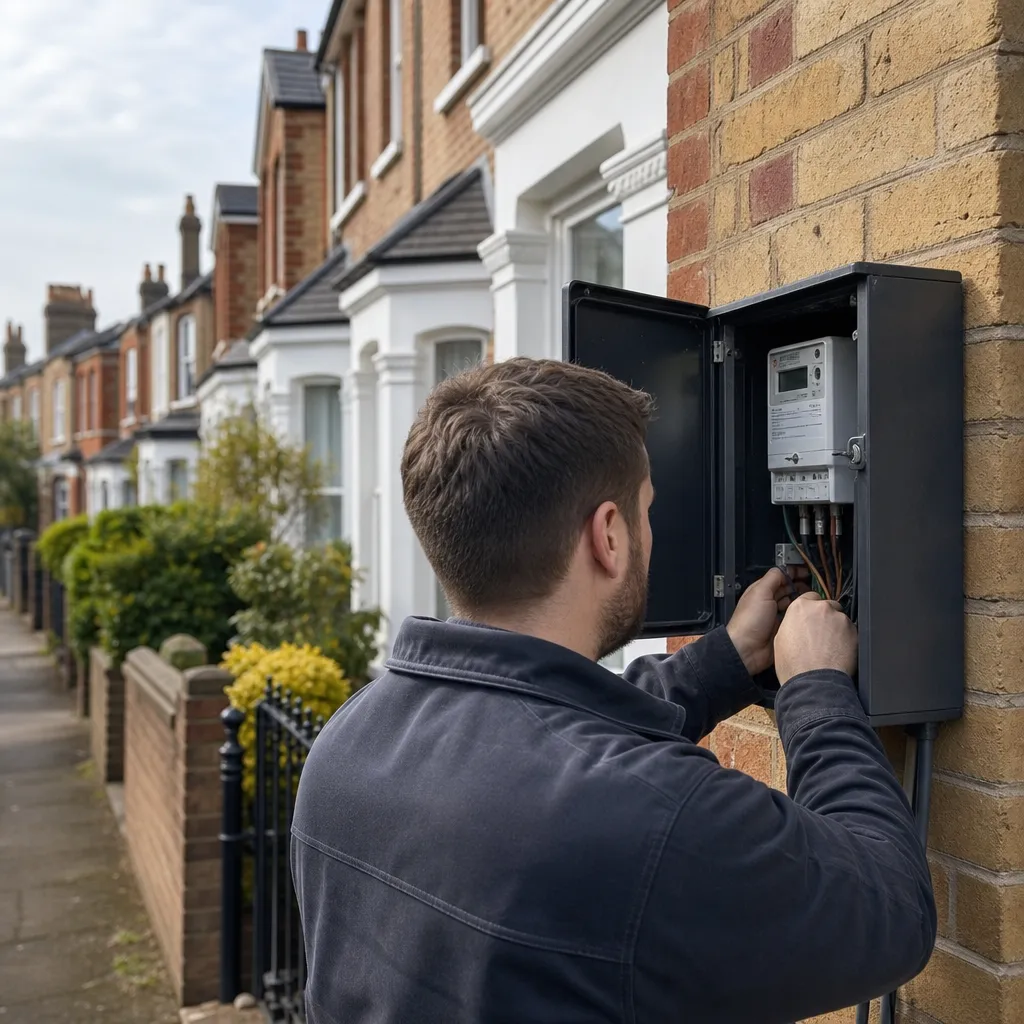
Managing Utilities When Buying a New Home: Electricity Connection Guide
When you complete on a UK property, the electricity supply transfers to you on a deemed contract with the previous occupant's supplier. Take dated meter readings on completion day, notify the existing supplier, and switch to a better tariff — you are free to do so from day one under Ofgem's domestic switching rules. Standing charges begin from completion, not from when you move in.
 Buying & Moving
Common Legal Questions From Property Purchasers and Legal Advisors
Conveyancing in England and Wales typically takes 8–16 weeks. Your solicitor investigates the legal title, carries out searches, raises enquiries, and manages the transfer of funds on completion. Exchange creates a legally binding contract; completion transfers ownership. Leasehold properties require additional checks on lease length, service charges, and ground rent terms.
 Buying & Moving
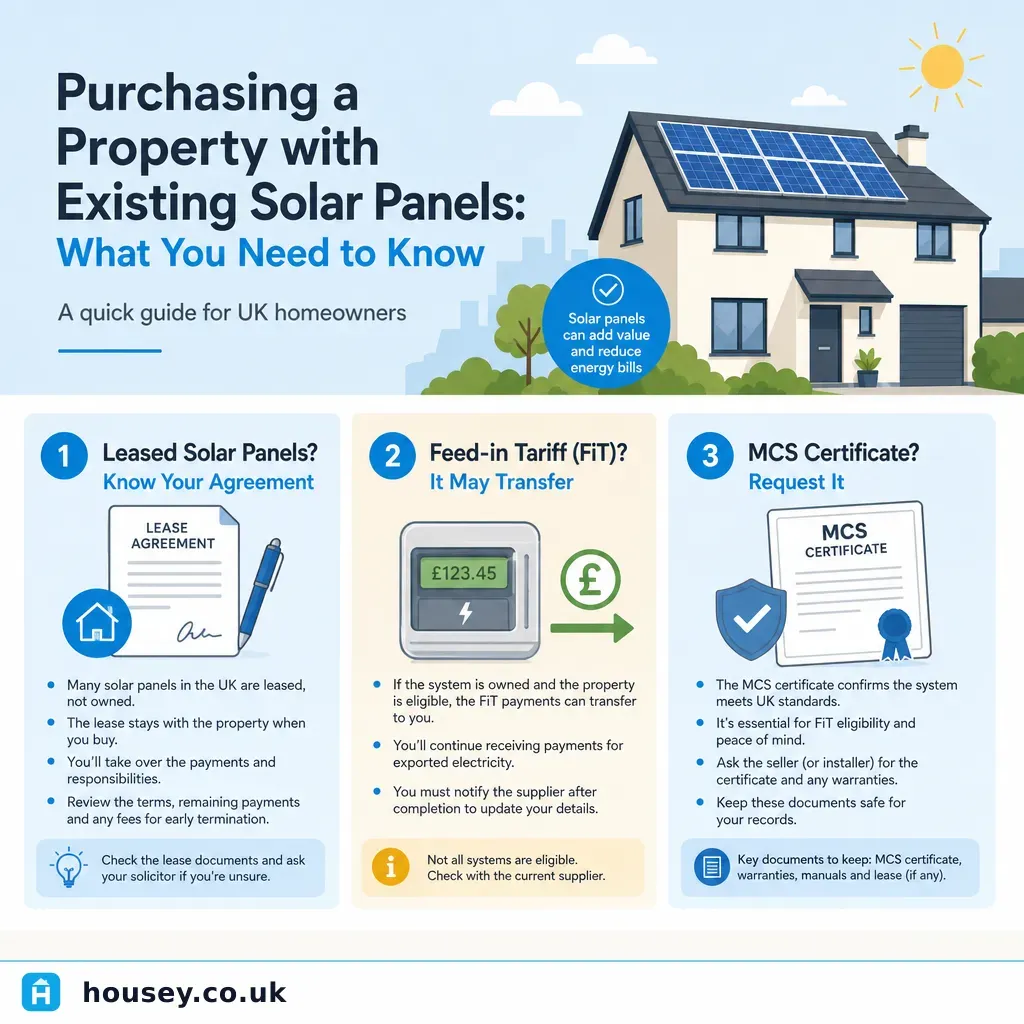
Purchasing a Property with Existing Solar Panels: What You Need to Know
When buying a property with solar panels, first establish whether the panels are owned outright or subject to a roof-space lease. Check for an MCS installation certificate, any Feed-in Tariff or Smart Export Guarantee contracts, and confirm your mortgage lender accepts the arrangement. Commission a solar survey or RICS Level 3 Home Survey before exchange.
 Buying & Moving
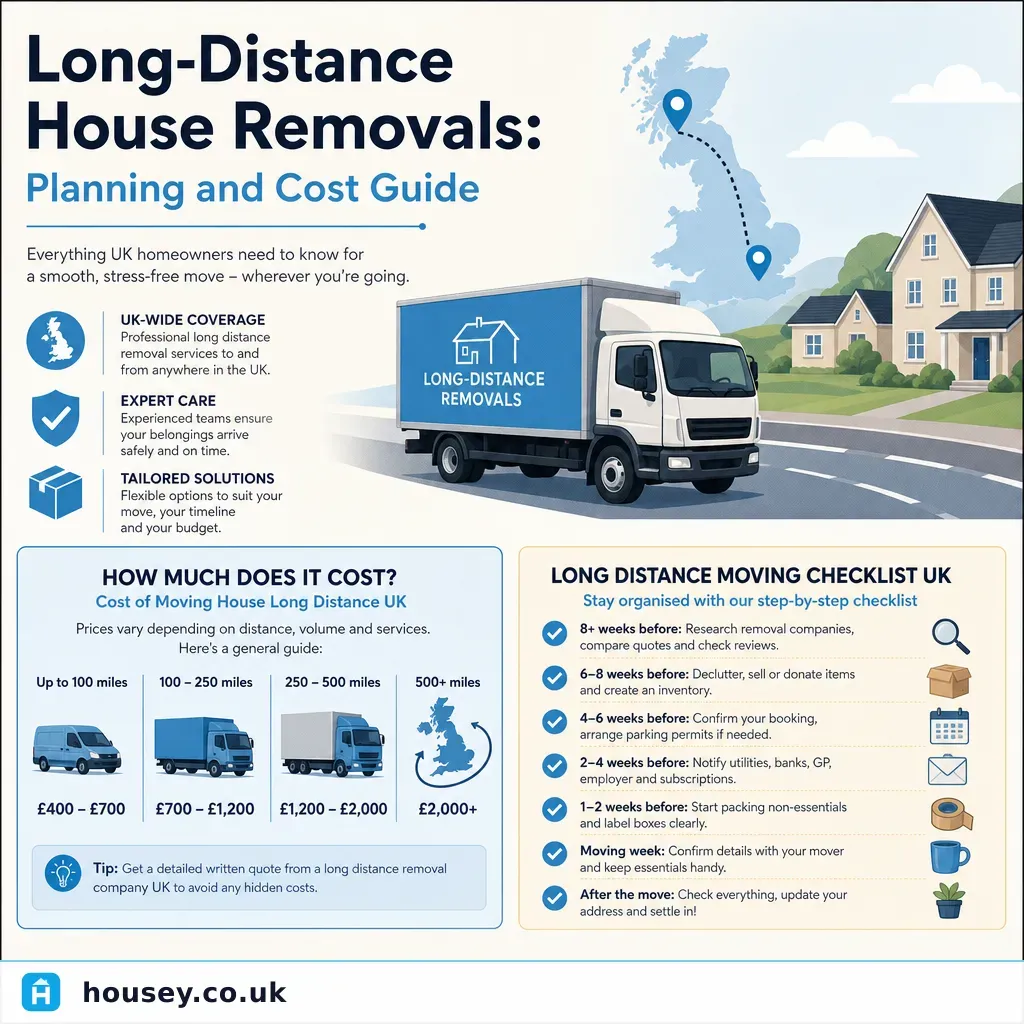
Long-Distance House Removals: Planning and Cost Guide
Long-distance house removals in the UK — typically moves of 100 miles or more — cost around £1,000–£2,500 for a standard 3-bedroom home, depending on volume, packing services, access, and timing. Book at least 8 weeks ahead in peak season, get three written quotes from BAR or RIOS member firms, and check that transit insurance covers replacement value rather than a fixed rate per item.
 Buying & Moving
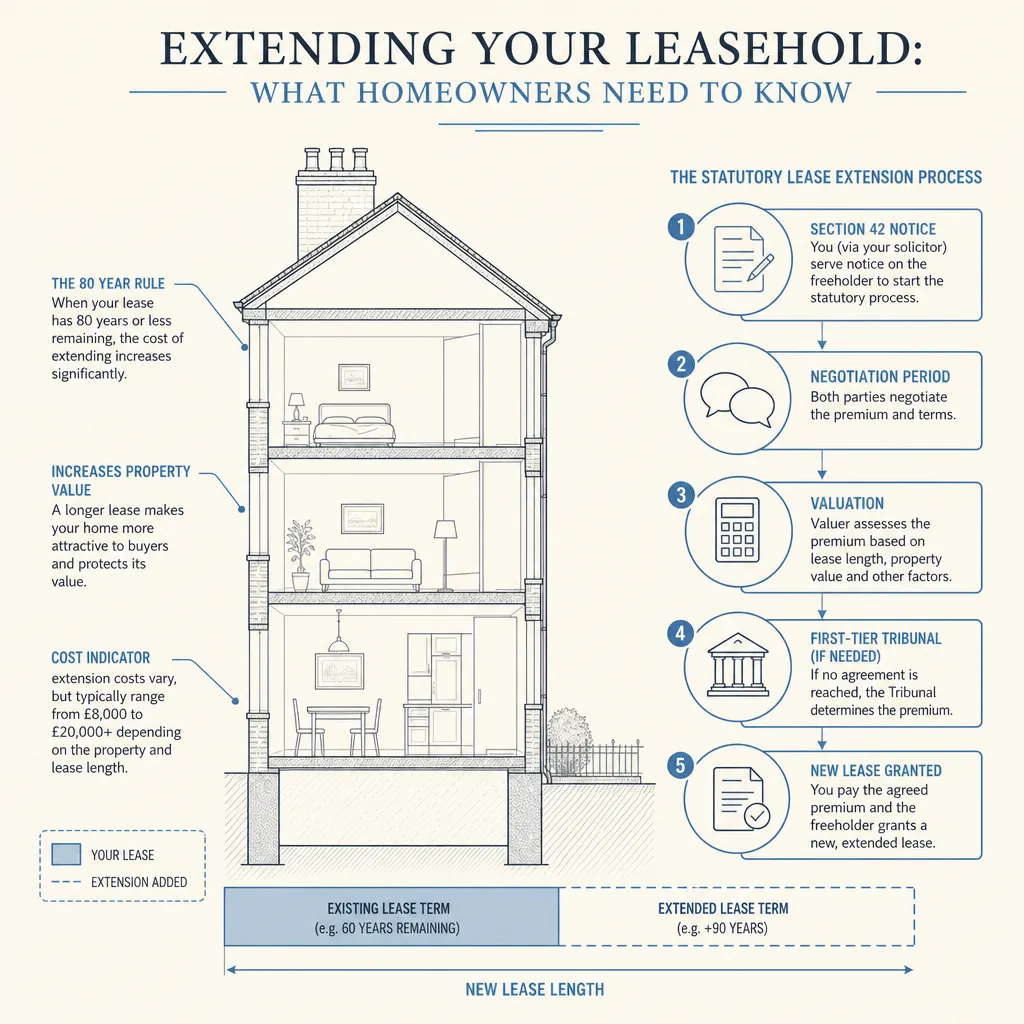
Extending Your Leasehold: What Homeowners Need to Know
Qualifying flat owners in England and Wales can extend their lease by 90 years under the Leasehold Reform, Housing and Urban Development Act 1993. You must have owned the property for at least two years. Once a lease falls below 80 years, marriage value applies, making extension significantly more expensive. A RICS-qualified surveyor and specialist solicitor are essential.
 Buying & Moving
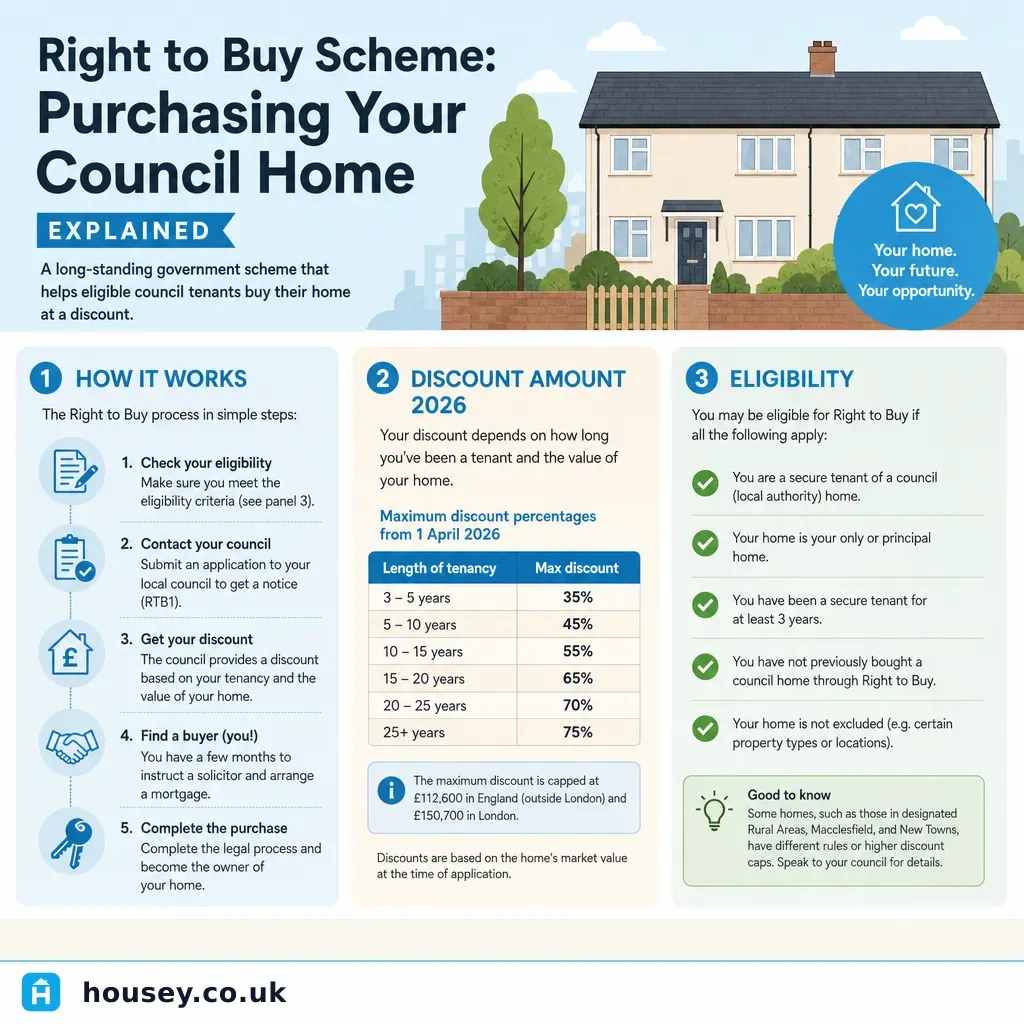
Right to Buy Scheme: Purchasing Your Council Home Explained
Right to Buy allows eligible secure council tenants in England to purchase their home at a discount of up to £102,400 outside London, or £136,400 in London, depending on qualifying tenancy length and property type. You must have held a public sector tenancy for at least three years. The discount is repayable on a sliding scale — from 100% to 20% — if you sell within five years of completing the purchase.