Knowledge Base
Property advice that actually helps
Researched, UK-specific guides for every stage of homeownership — from buying and surveys to retrofit, planning and major works.
 Energy & Retrofit
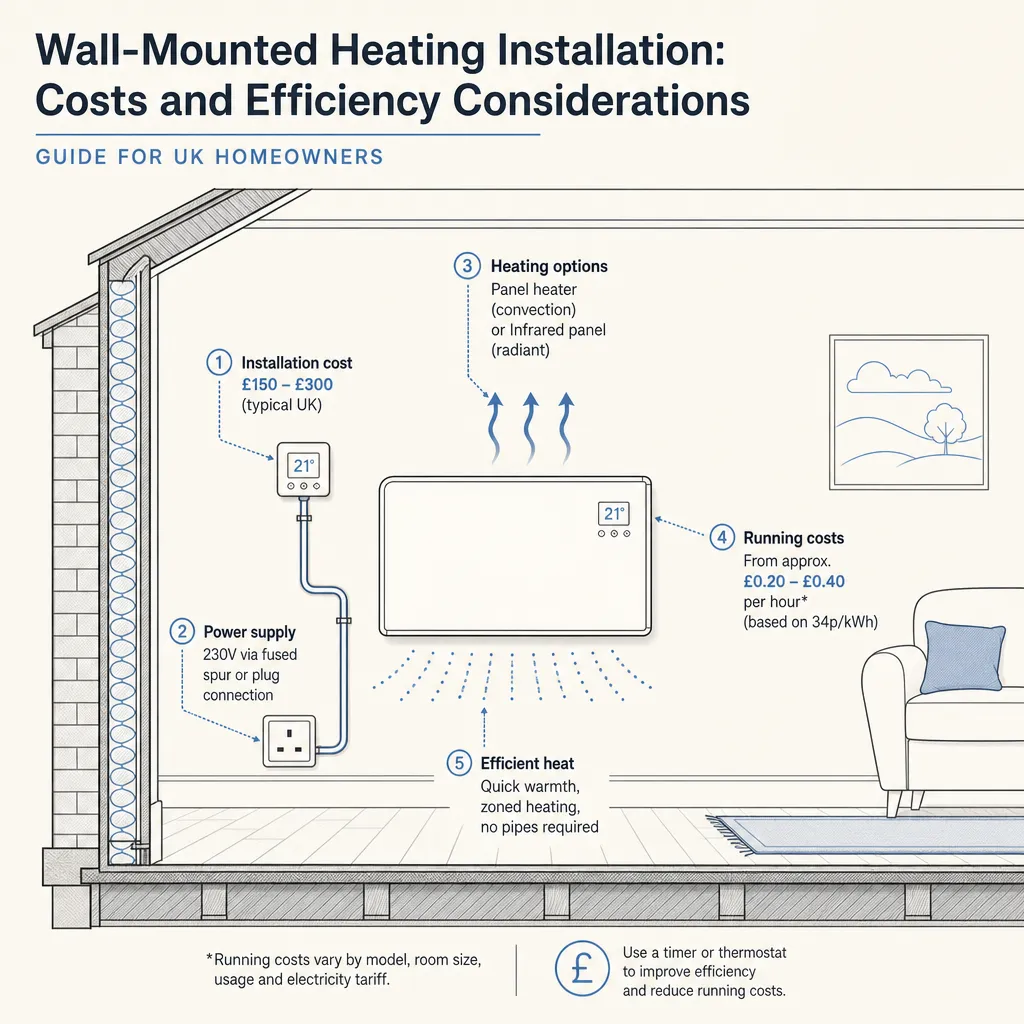
Wall-Mounted Heating Installation: Costs and Efficiency Considerations
Wall-mounted electric heaters fall into three main types: convection panel heaters, infrared panels, and electric wall radiators. All direct electric heating converts electricity to heat at close to 100% efficiency, so running costs depend on wattage, hours of use, and the electricity unit rate. Smart thermostats and programmers are among the most effective ways to keep ongoing costs down.
 Energy & Retrofit
Sustainable Home Upgrades During Renovation
During a renovation, the most effective sustainable upgrades follow a fabric-first sequence: start with loft and wall insulation, improve ventilation, then upgrade heating. UK homeowners may qualify for ECO4 or the Boiler Upgrade Scheme. A Retrofit Assessment under PAS 2035 helps prioritise the right measures for your property type and condition.
 Energy & Retrofit
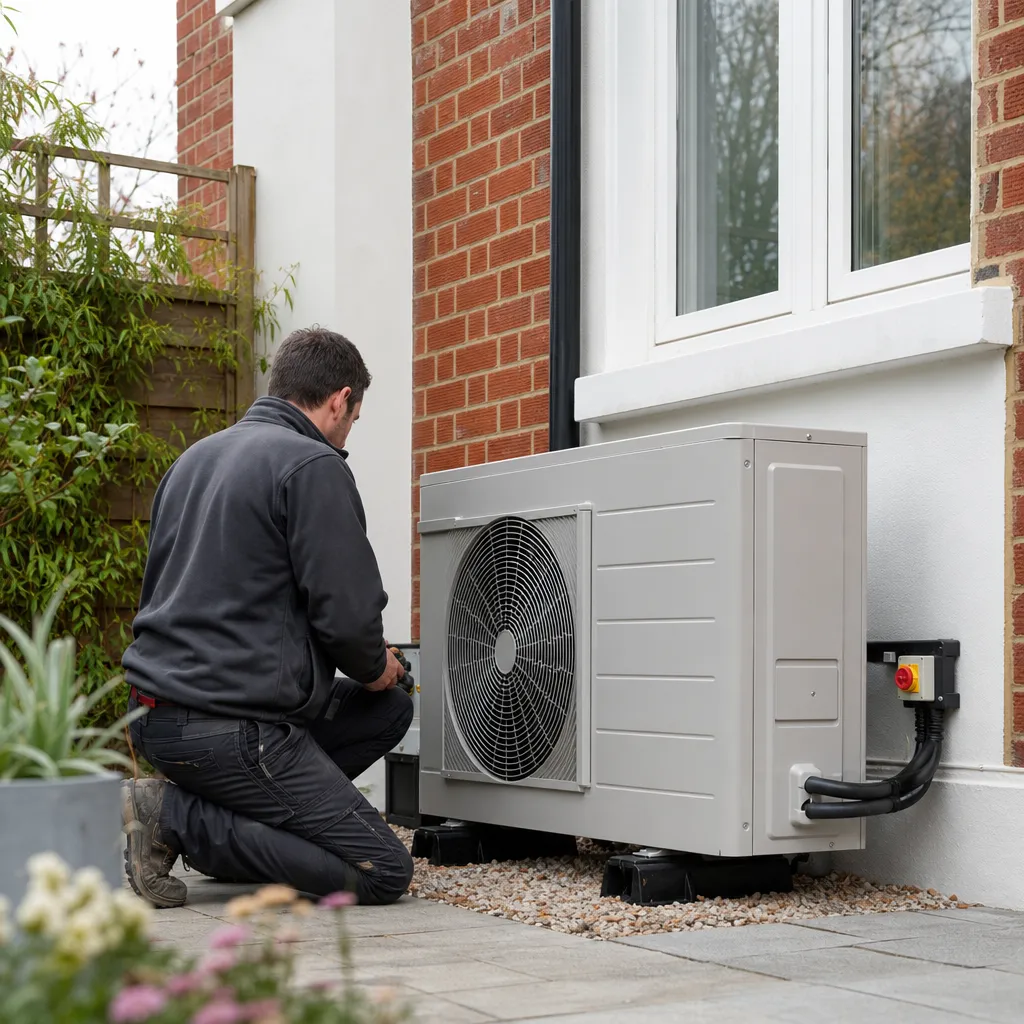
Government Heat Pump Grants: What Property Owners Need to Know
The Boiler Upgrade Scheme (BUS) provides a £7,500 voucher towards installing an air source or ground source heat pump in England and Wales. The grant is redeemed by an MCS-certified installer, not paid to the homeowner. The property must have a valid EPC with no outstanding insulation recommendations. Low-income households may qualify for a free installation through ECO4 instead.
 Energy & Retrofit
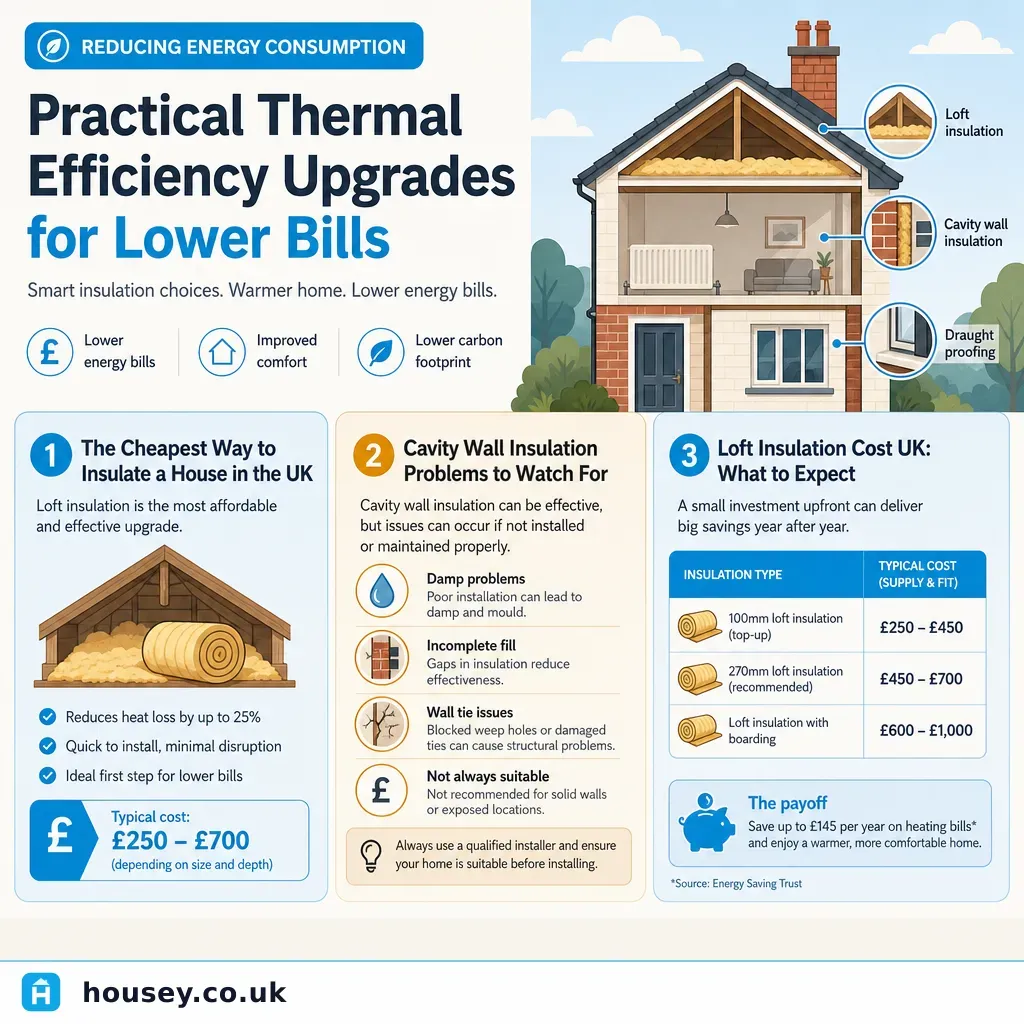
Reducing Energy Consumption: Practical Thermal Efficiency Upgrades for Lower Bills
Improving your home's thermal performance typically starts with the cheapest, fastest-payback measures: draught-proofing gaps at doors, windows, and floors, then loft insulation to 270 mm. Cavity wall insulation suits most 1930–1990s homes but requires a professional assessment — unsuitable installations can cause damp. Government schemes ECO4 and the Great British Insulation Scheme can fund measures for eligible households.
 Energy & Retrofit
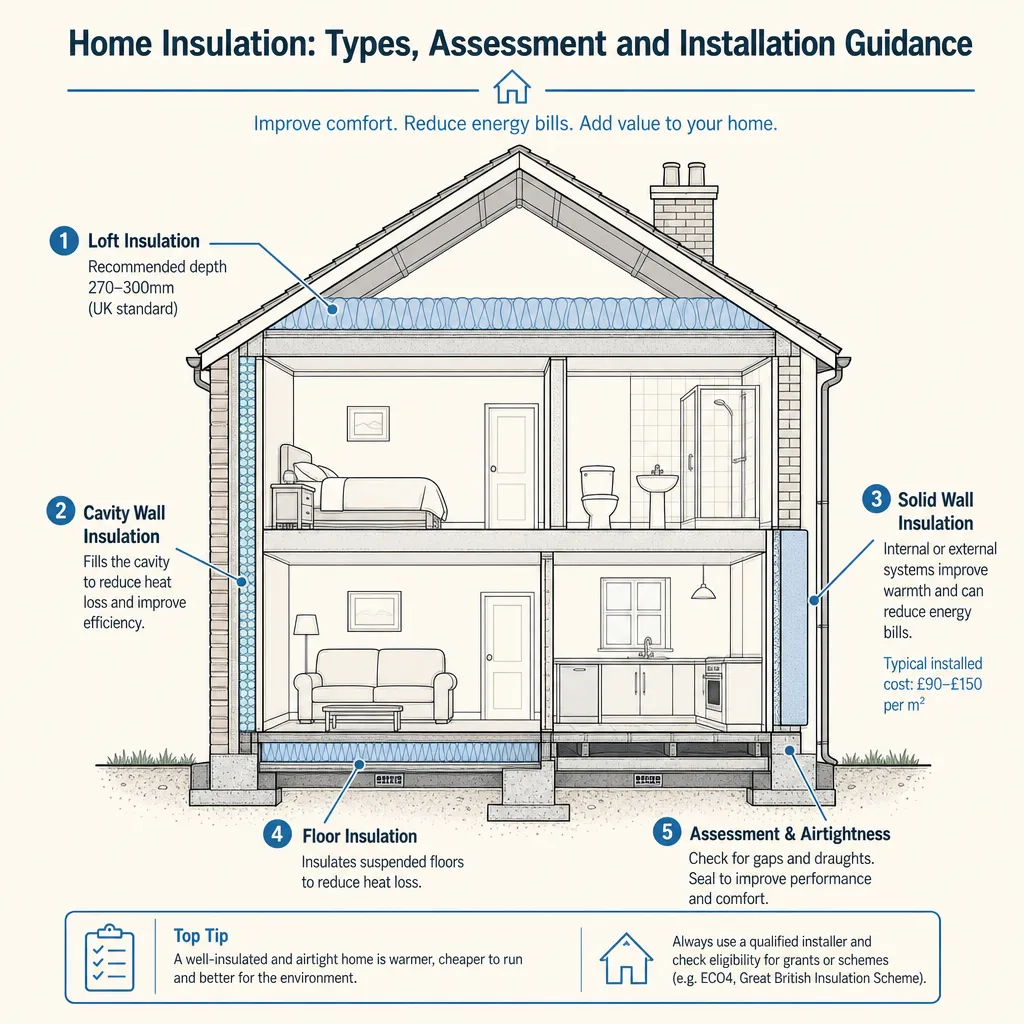
Home Insulation: Types, Assessment and Installation Guidance
Home insulation reduces heat loss through walls, roofs, and floors. The right type depends on your property's construction: cavity wall injection suits most post-1920 homes, solid walls need internal or external insulation, and loft mineral wool works for accessible pitched roofs. A professional assessment identifies the best approach and whether PAS 2035 compliance or grant funding applies.
 Energy & Retrofit
Government Warm Homes Scheme: Energy Upgrades and Support for UK Homeowners
The Warm Homes Plan coordinates several UK government energy upgrade schemes. The Warm Homes: Local Grant offers up to £15,000 for eligible fuel-poor households. The Boiler Upgrade Scheme gives £7,500 towards a heat pump. ECO4 and the Great British Insulation Scheme help lower-income households with insulation. Eligibility depends on income, EPC rating, tenure, and local authority area.
 Energy & Retrofit
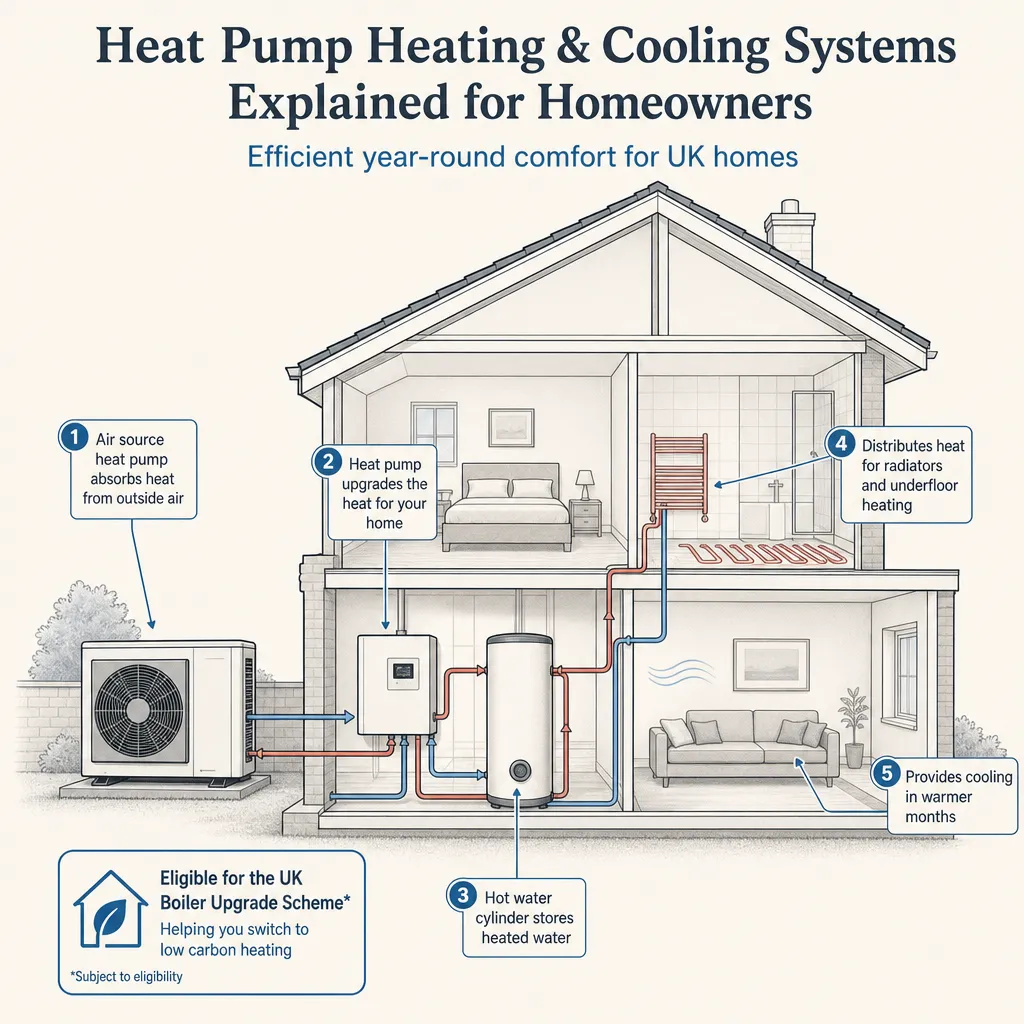
Heat pump heating and cooling systems explained for homeowners
A heat pump extracts heat from air or ground and transfers it indoors for heating, and can reverse the process for cooling. Air source heat pumps (ASHPs) suit most UK homes; ground source (GSHPs) suit properties with adequate land. Both require a well-insulated home, correctly sized radiators or underfloor heating, and professional sizing to work efficiently.
 Energy & Retrofit
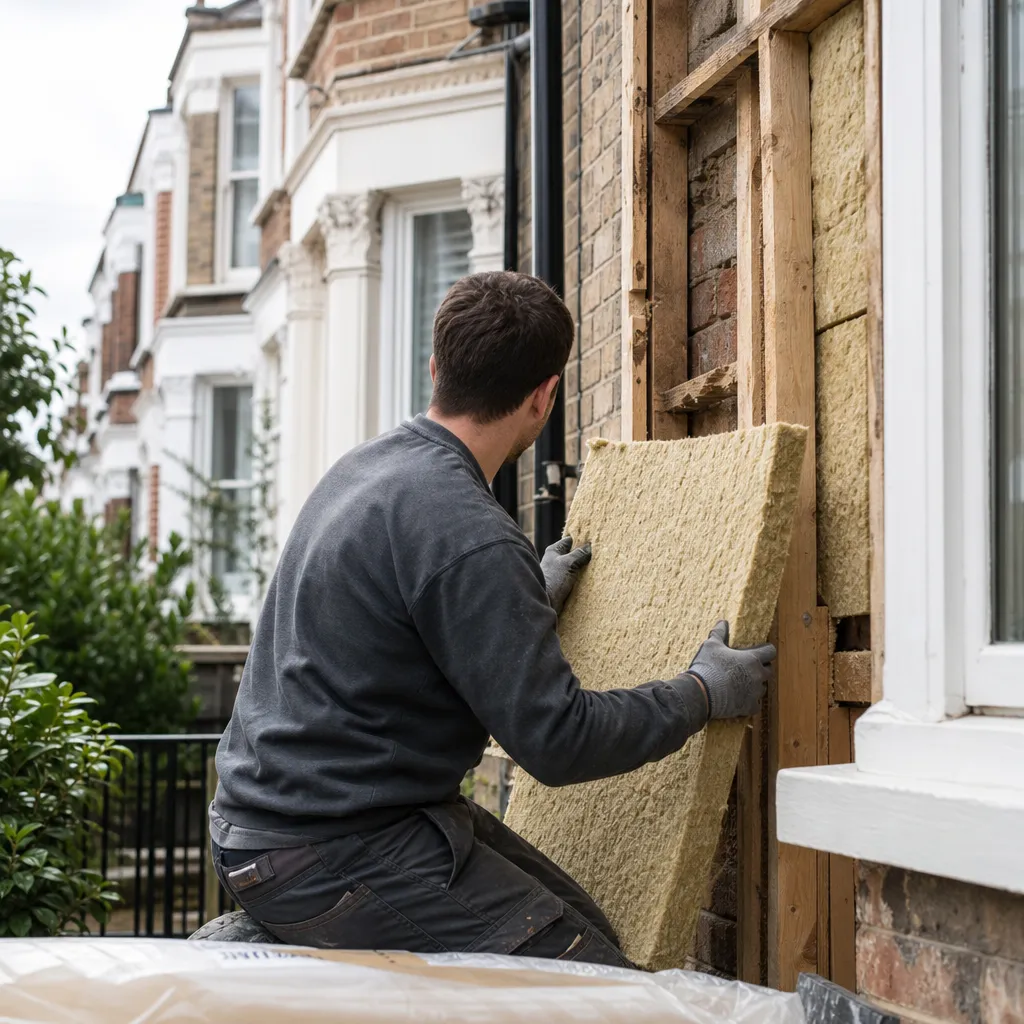
Selecting the Right Insulation for Your Home: Types and Benefits
Most UK homes benefit from loft insulation (270mm mineral wool recommended), cavity wall fill for post-1920 properties, or solid wall insulation — either EWI or IWI — for Victorian and Edwardian homes. The right choice depends on your property's construction, condition, and budget. A retrofit assessor can identify the most cost-effective sequence.
 Energy & Retrofit
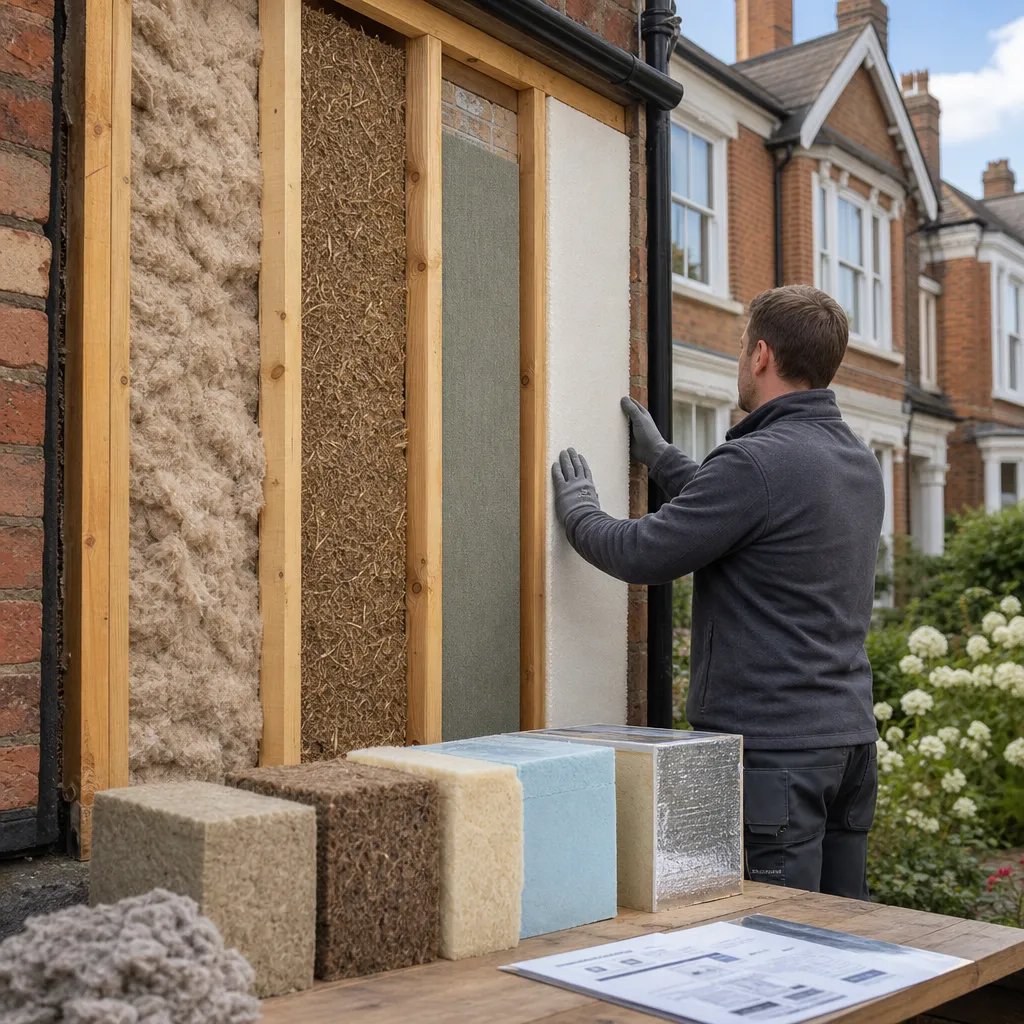
Alternative Insulation Materials: Comparing Natural and Modern Options
The best insulation for a UK home depends on property type, available thickness, and moisture risk. Natural materials such as sheep's wool and hemp suit pre-1919 solid-wall homes where vapour permeability matters. High-performance PIR or aerogel boards work best where space is tight. For ECO4-funded retrofit work, all materials and installation must comply with PAS 2035 and PAS 2030.
 Energy & Retrofit
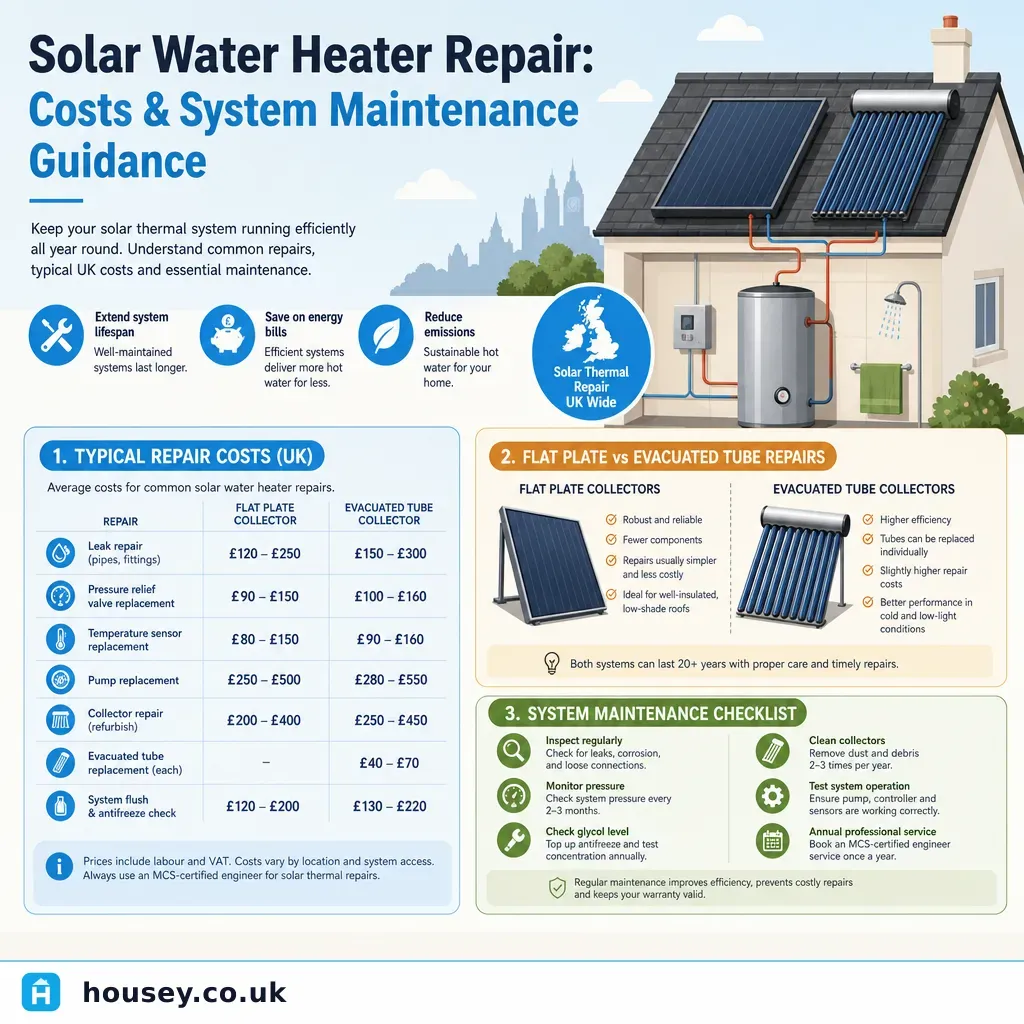
Solar water heater repair: costs and system maintenance guidance
Solar thermal hot water systems need a professional service every 3–5 years, covering glycol fluid condition, system pressure, and pump operation. Routine servicing costs £80–£180; a pump or expansion vessel replacement typically runs £150–£400. Degraded antifreeze is the most common cause of serious frost damage in UK winters — check the glycol before it fails, not after.
 Energy & Retrofit
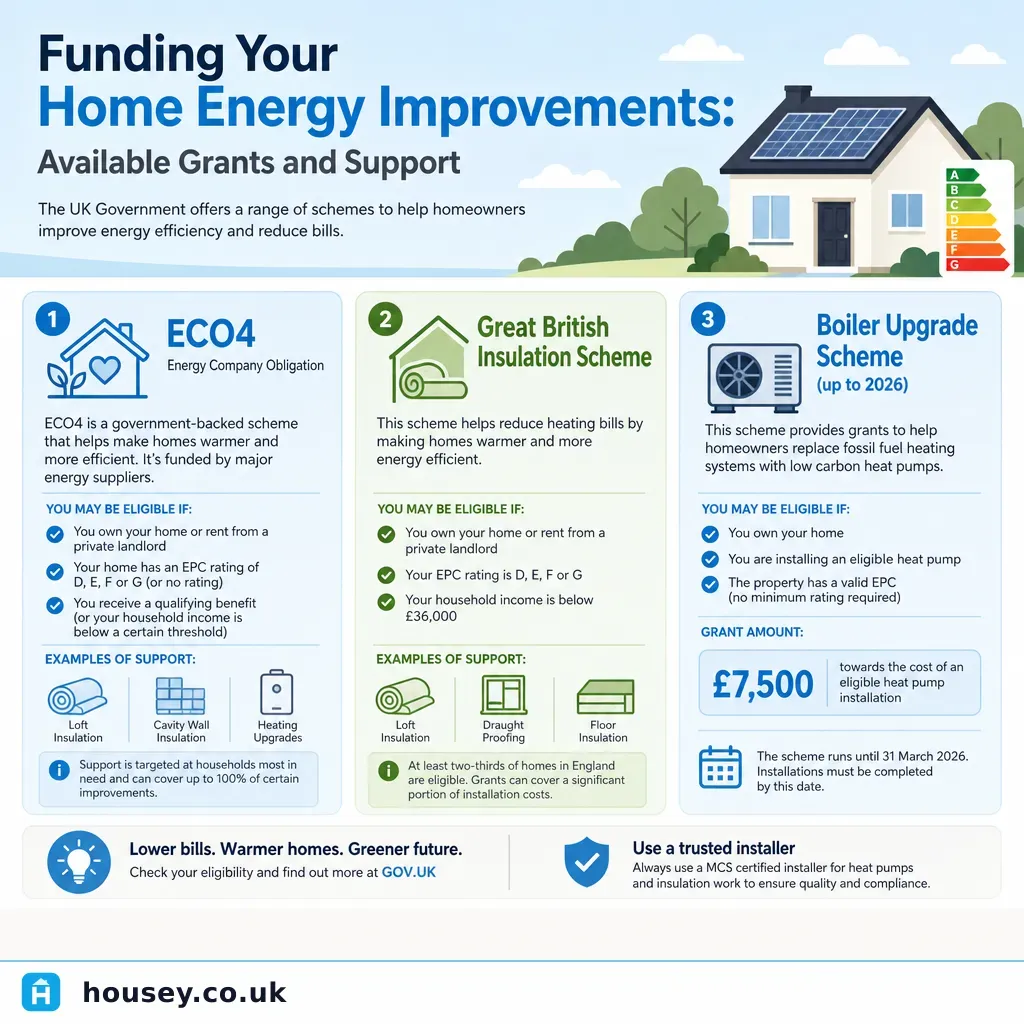
Funding Your Home Energy Improvements: Available Grants and Support
The main UK home energy grants in 2026 are the Boiler Upgrade Scheme (£7,500 towards a heat pump), ECO4 for lower-income households needing insulation or heating upgrades, and the Great British Insulation Scheme for EPC D–G homes. Eligibility depends on your EPC rating, household income, and benefit status. A PAS 2035 retrofit assessment is usually required before funded work begins.
 Energy & Retrofit
Keeping Your Home Cool During Heat Waves and Warm Weather
The most effective free strategy for cooling a UK home during hot weather is night-time cross-ventilation: open windows on opposite sides of the house once outdoor temperatures fall, then close them in the morning to trap cooler air. Adding external shading and topping up loft insulation to 270mm significantly reduces heat gain through glazing and the roof.