Knowledge Base
Property advice that actually helps
Researched, UK-specific guides for every stage of homeownership — from buying and surveys to retrofit, planning and major works.
 Energy & Retrofit
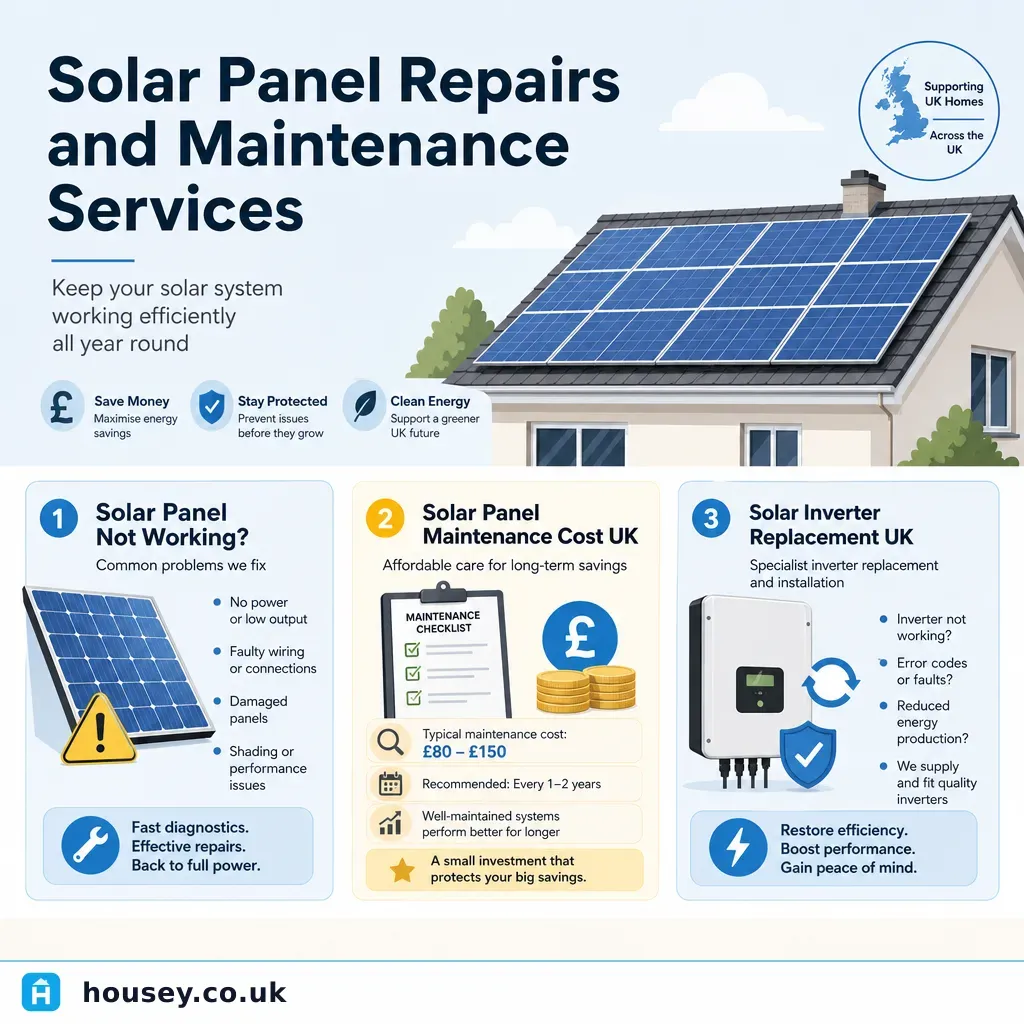
Solar Panel Repairs and Maintenance Services
Solar panels typically need a professional inspection every one to two years and reactive repairs when output drops unexpectedly. Common faults include inverter failure, damaged cells, loose wiring, and soiled panels. Always use an MCS-accredited or RECC-registered contractor to protect your warranty and ensure safe electrical work.
 Energy & Retrofit
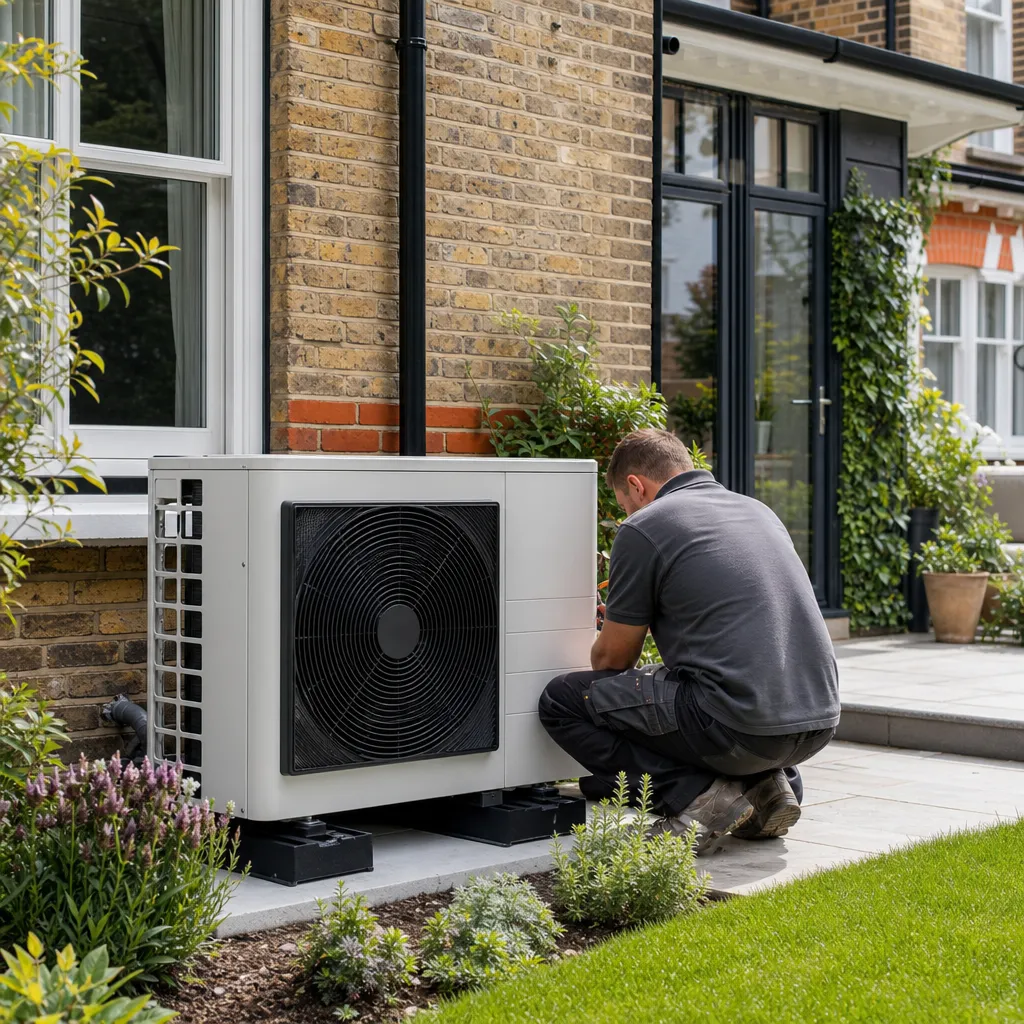
Heat Pumps for Summer Cooling: Performance and Suitability
Most UK air-to-water heat pumps are installed for heating only; reversible models can cool in summer by running the refrigerant cycle in reverse. Air-to-air systems cool as standard. Effective cooling depends on your home's insulation, the system specification, and whether your emitters — underfloor heating or fan coils — can deliver cooling as well as heat.
 Energy & Retrofit
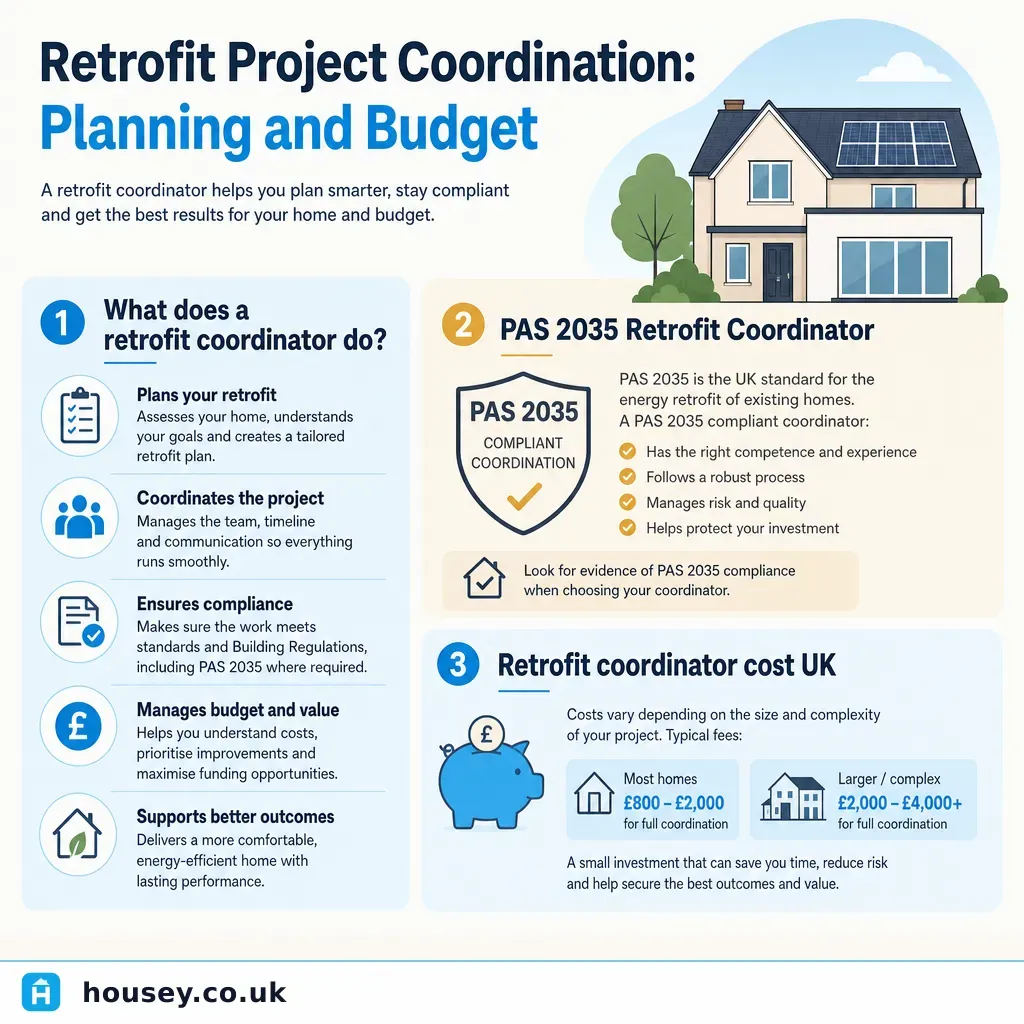
Retrofit Project Coordination: Planning and Budget
A Retrofit Coordinator is a TrustMark-registered professional who develops a Medium Term Improvement Plan for your home and oversees delivery of energy improvement works under PAS 2035. They ensure measures are installed in the correct sequence to avoid moisture and ventilation problems. Coordination fees typically range from £500 to £2,500 depending on the scope and complexity of the project.
 Energy & Retrofit
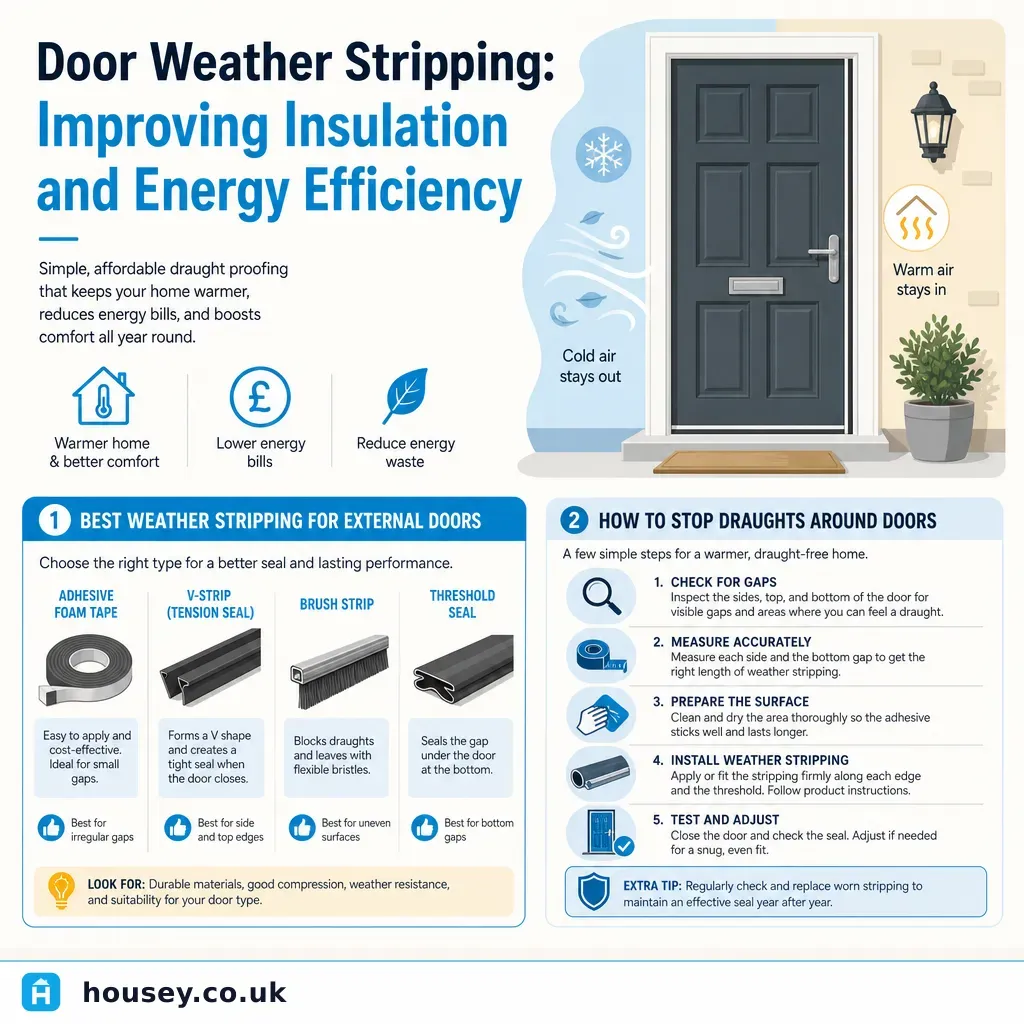
Door Weather Stripping: Improving Insulation and Energy Efficiency
Draught-proofing external doors with well-fitted weather stripping — compression strips at the sides, a threshold seal at the base, and a double-brush letter plate — reduces heat loss and can save around £45 per year in a typical UK semi-detached home, according to the Energy Saving Trust. Choose the seal type to suit the gap width and whether the frame is square.
 Energy & Retrofit
Thermowood External Cladding Installation Costs
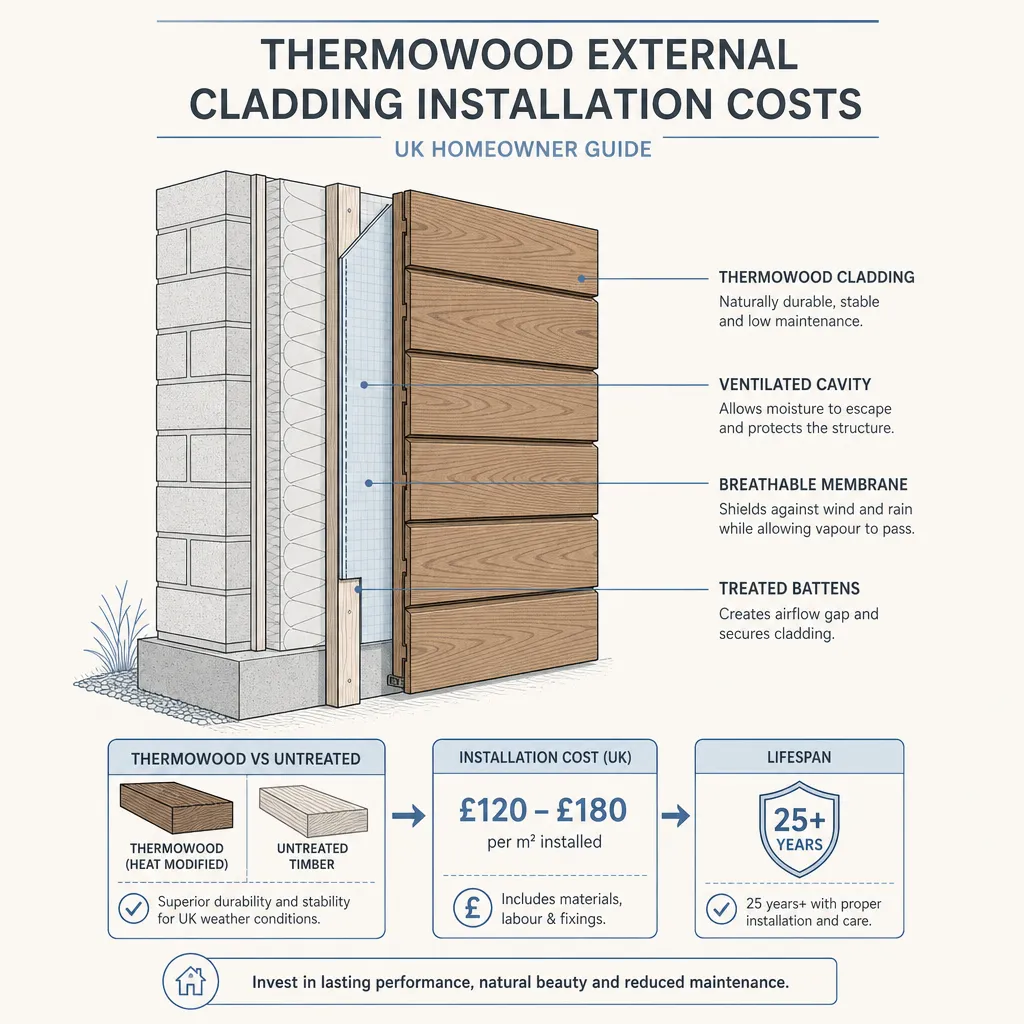
Thermowood external cladding typically costs £80–£180 per m² supply and fit in the UK, depending on board profile, property height, and whether scaffolding is required. Thermally modified timber lasts 25–40 years with minimal maintenance and does not require chemical preservatives. A ventilated rainscreen system with breather membrane is strongly recommended for UK climates.
 Energy & Retrofit
Comparing Insulation Ratings: What You Need to Know
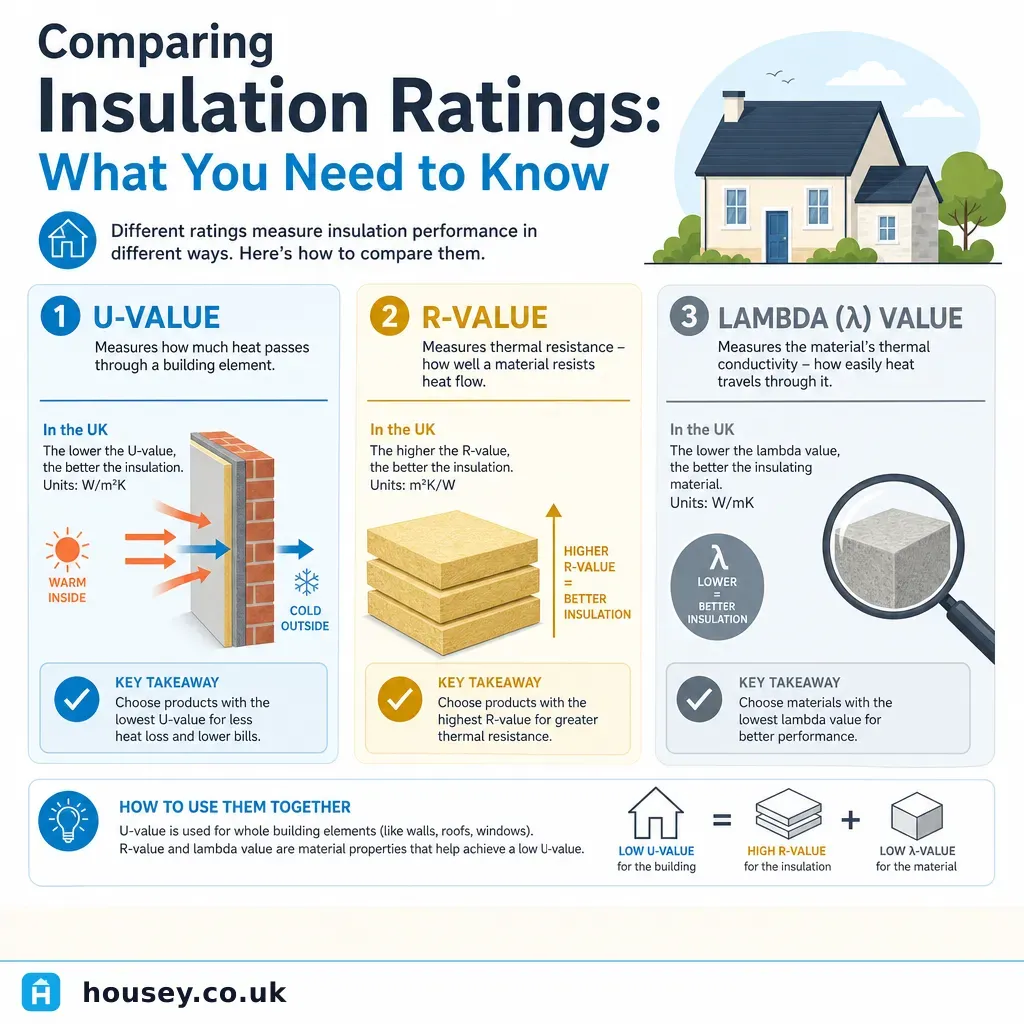
UK insulation performance uses three linked measurements: lambda (λ) for material conductivity in W/mK (lower is better); R-value for thermal resistance at a given thickness in m²K/W (higher is better); and U-value for heat loss through a complete building element in W/m²K (lower is better). Building Regulations Part L sets maximum U-values for walls, roofs, and floors.
 Energy & Retrofit
Lowering Your Home's Carbon Footprint: Practical Energy Strategies
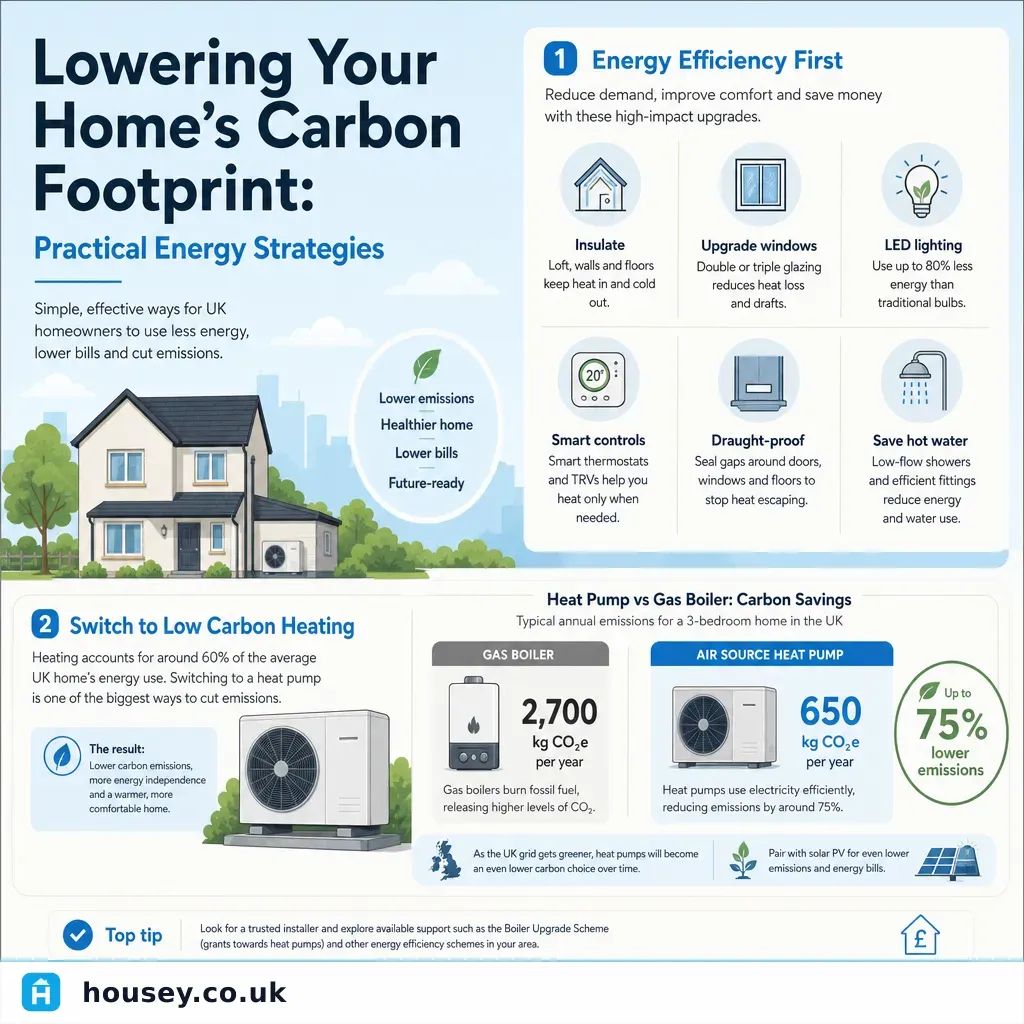
UK homes produce around 19% of national greenhouse gas emissions, mostly from gas heating. The most effective approach is to reduce energy demand first — through insulation and draught-proofing — before switching to low-carbon heating such as a heat pump. Grant support through ECO4 and the Great British Insulation Scheme may reduce upfront costs for eligible households.
 Energy & Retrofit
Central Heating Installation Duration and Process
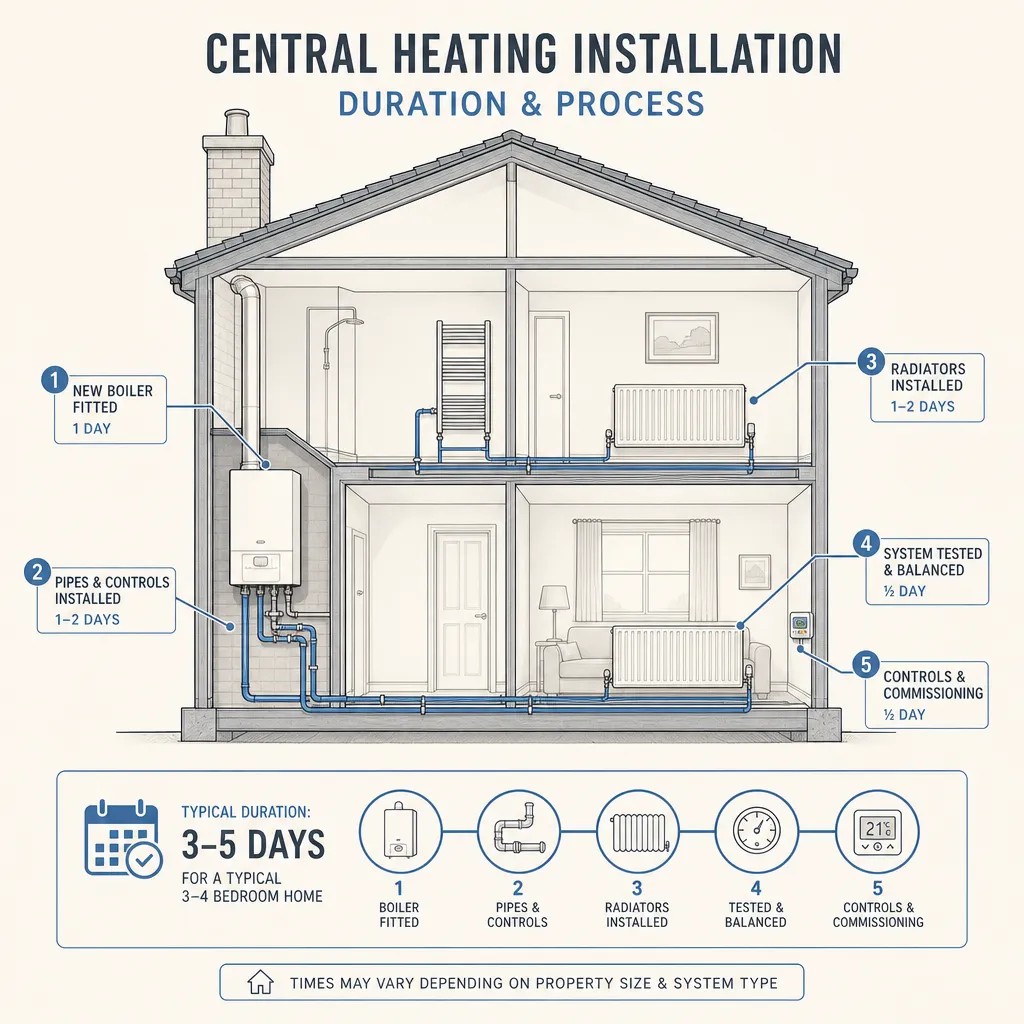
A full central heating installation in a typical UK home usually takes 3 to 5 days for a straightforward gas boiler and radiator system, though larger homes or those requiring major pipework changes can take up to 2 weeks. Timings depend on property size, existing infrastructure, and whether underfloor heating or additional circuits are included.
 Energy & Retrofit
Solar Panel Removal and Decommissioning
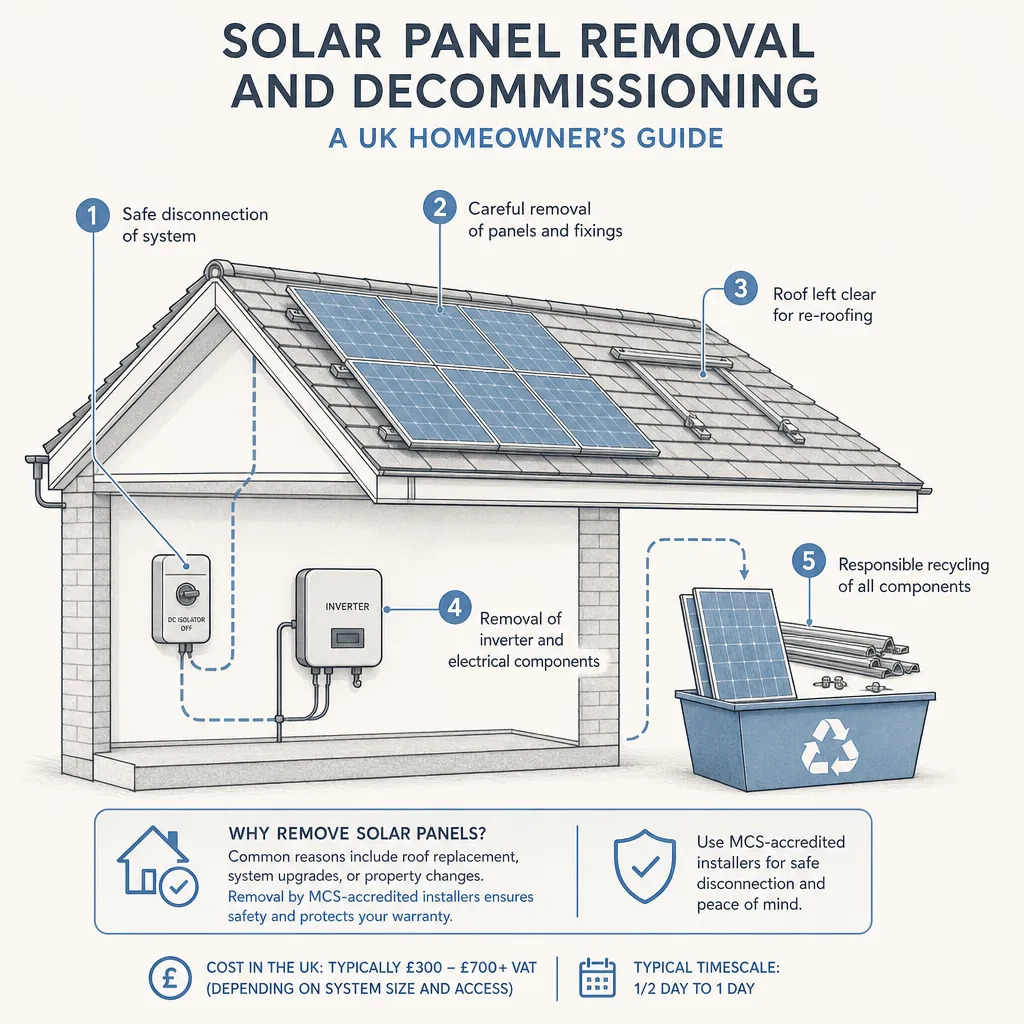
Solar panel removal requires a qualified electrician or MCS-accredited installer to isolate and disconnect live DC cabling before any physical work begins — the cables carry voltage whenever daylight hits the panels, even with the inverter off. Panels are classed as WEEE and cannot go in a skip. If your system is registered under the Feed-in Tariff or Smart Export Guarantee, notify your licensee or energy supplier before decommissioning.
 Energy & Retrofit
Tesla Powerwall Battery Storage: Installation Costs and Home Energy Storage
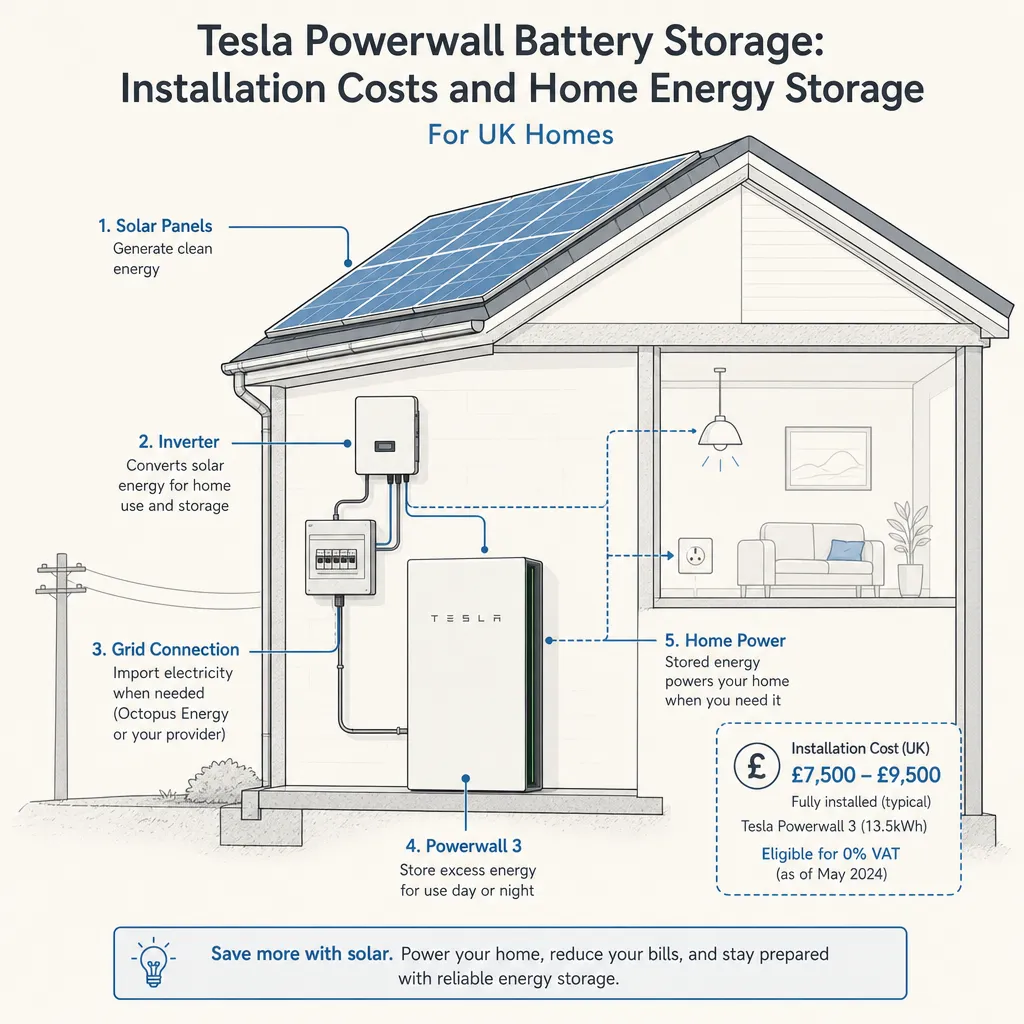
The Tesla Powerwall 3 typically costs £8,000–£12,000 installed in the UK, including the required gateway unit. It stores 13.5 kWh, covering a significant share of a typical household's daily electricity use. Most UK installations pair with solar panels to maximise self-consumption. Installation must be by an MCS-certified electrician, and the system currently qualifies for 0% VAT under energy-saving materials relief.
 Energy & Retrofit
Underfloor Heating Efficiency: Performance and Energy Savings
Wet underfloor heating is typically more energy-efficient than radiators because it operates at lower flow temperatures, allowing heat pumps to achieve a Coefficient of Performance of 3–4. Electric underfloor heating converts power at near-100% efficiency but is most cost-effective only as supplementary heating in small areas such as bathrooms.
 Energy & Retrofit
Soy-based foam insulation: renewable insulation materials and energy savings
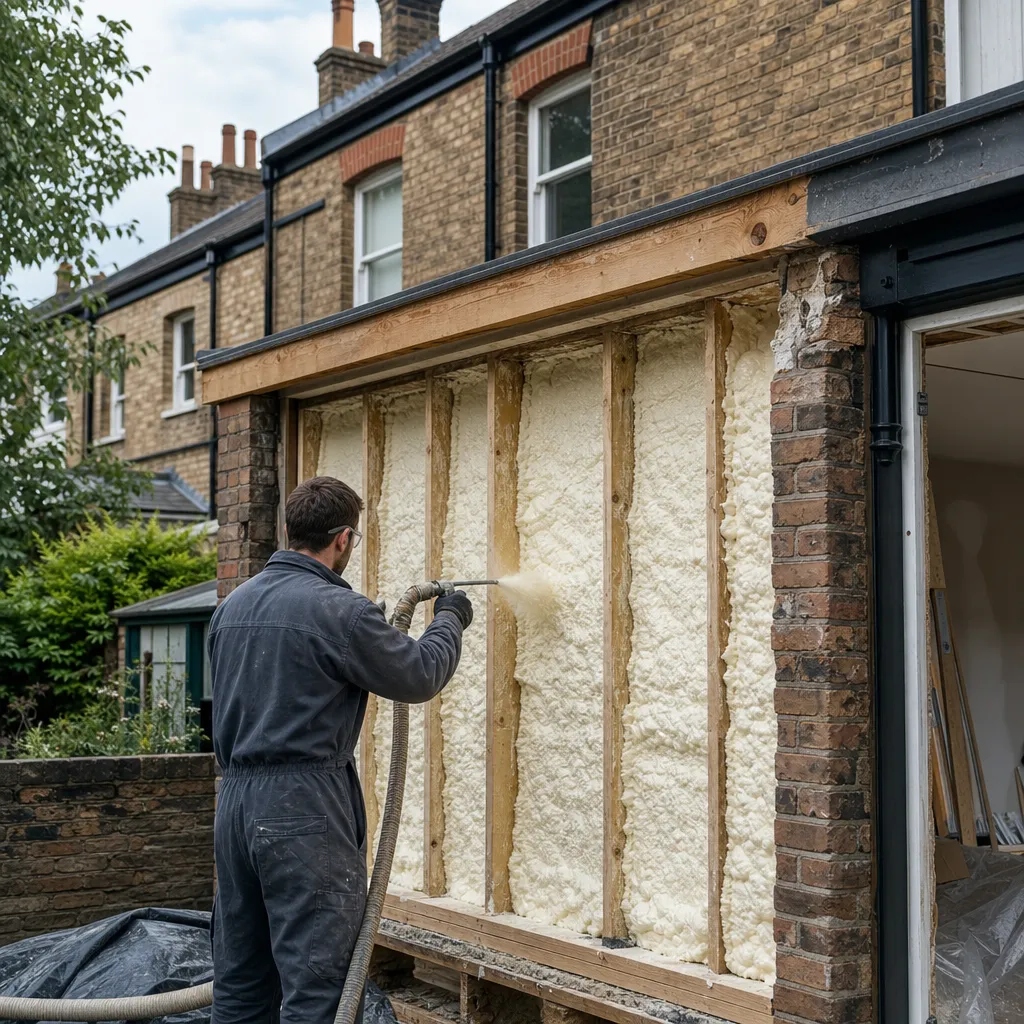
Soy-based foam insulation uses polyols derived from soybean oil to replace some petroleum-based components in conventional spray foam. Available in open-cell and closed-cell variants, it can reduce heat loss and air infiltration. In the UK, availability is limited compared with North America, and all spray foam in roof spaces carries mortgage lendability risk and requires a PAS 2035-compliant whole-house assessment before installation.