Knowledge Base
Property advice that actually helps
Researched, UK-specific guides for every stage of homeownership — from buying and surveys to retrofit, planning and major works.
 Surveys & Inspections
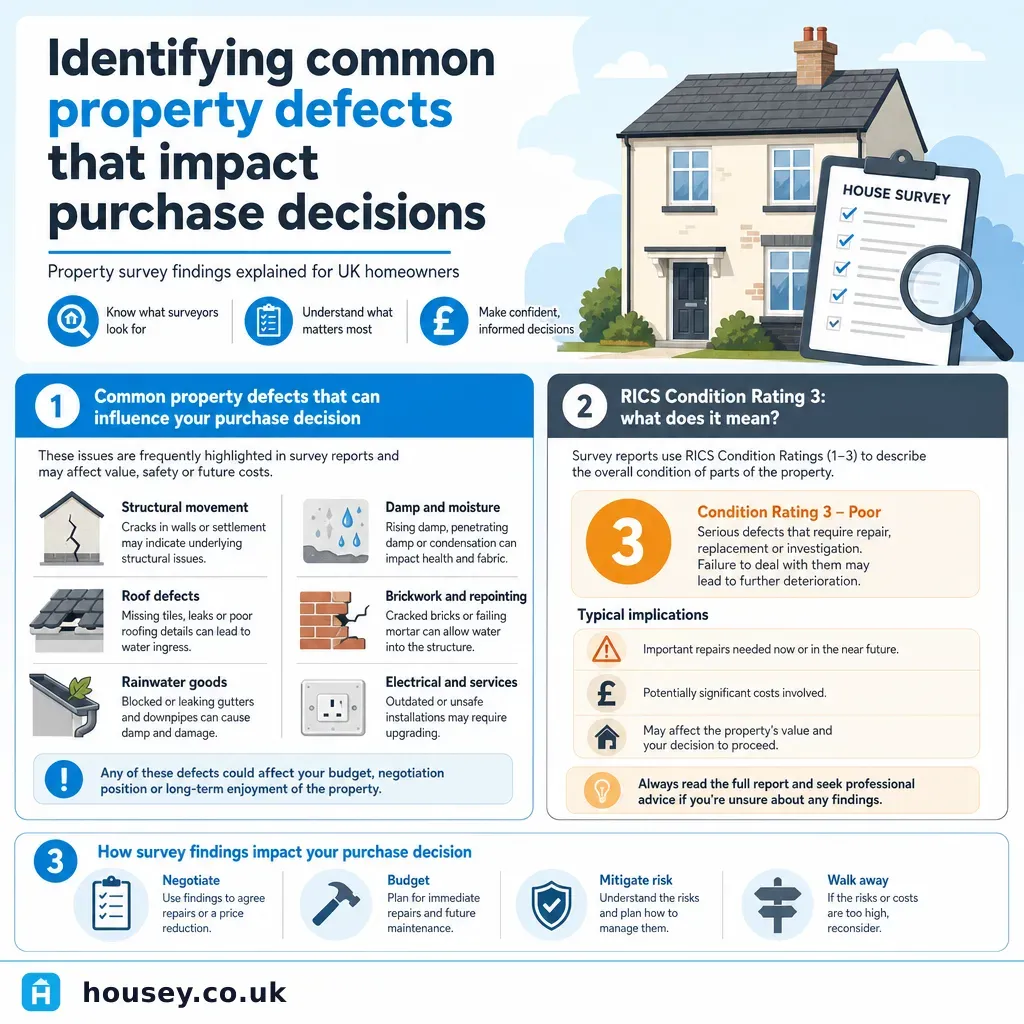
Identifying common property defects that impact purchase decisions
The defects most likely to affect a UK house purchase are structural movement, active damp, Japanese knotweed, asbestos, and failing electrics or roofs. A RICS Level 2 or Level 3 survey identifies these issues and rates them Condition 1–3. Condition 3 findings typically prompt renegotiation, specialist investigation, or a review of mortgage terms before exchange proceeds.
 Surveys & Inspections
What to Expect from a Professional Roof Inspection
A professional roof inspection involves a qualified specialist examining your roof coverings, flashings, mortar, gutters, and structure. The inspector may work from ground level, drone, or scaffold access depending on the roof's complexity. You receive a written report classifying defects by urgency, helping you prioritise repairs and budget effectively before problems worsen.
 Surveys & Inspections
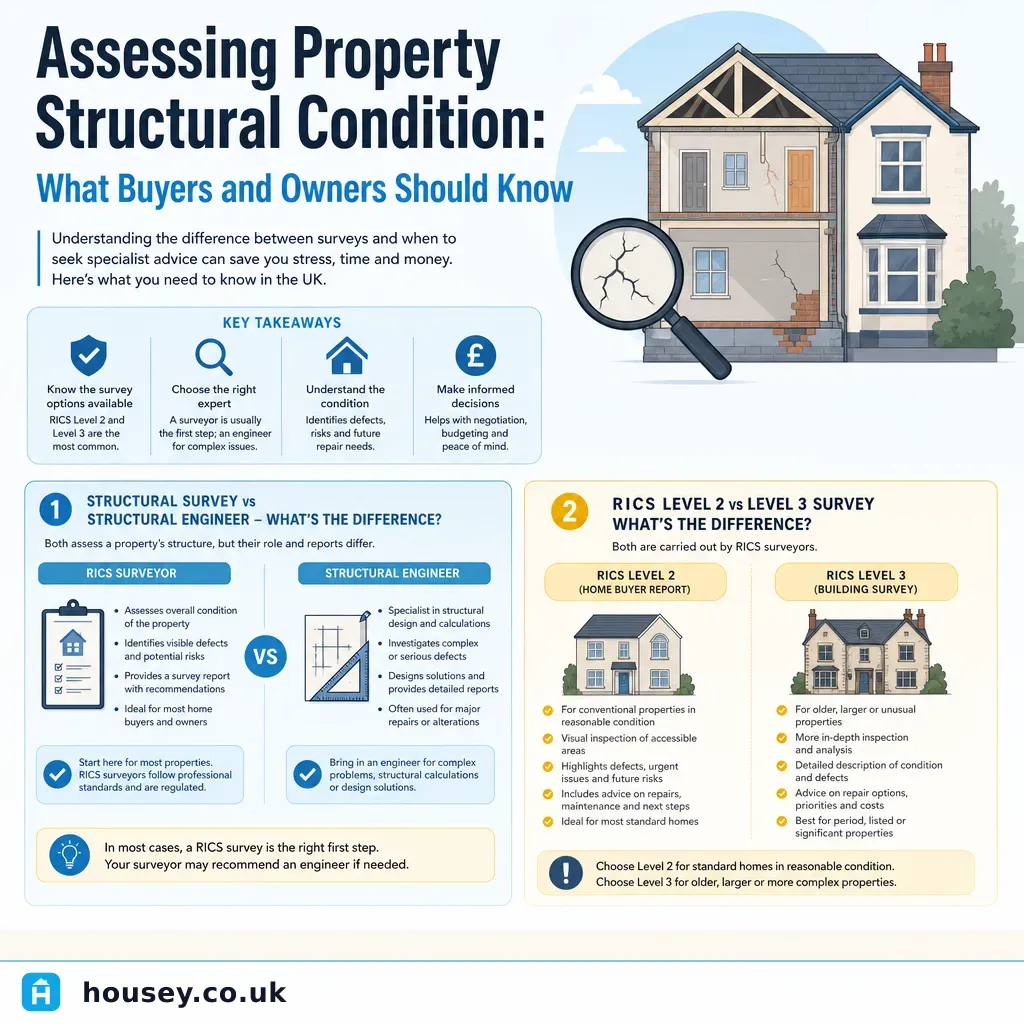
Assessing Property Structural Condition: What Buyers and Owners Should Know
A RICS Level 2 Home Survey suits conventional post-war properties in reasonable condition. A RICS Level 3 Building Survey is more appropriate for older, altered, or visibly defective properties. A structural engineer diagnoses root causes and specifies remedial works. New cracking, sticking doors, or a deflecting floor are signs to commission professional assessment before proceeding.
 Surveys & Inspections
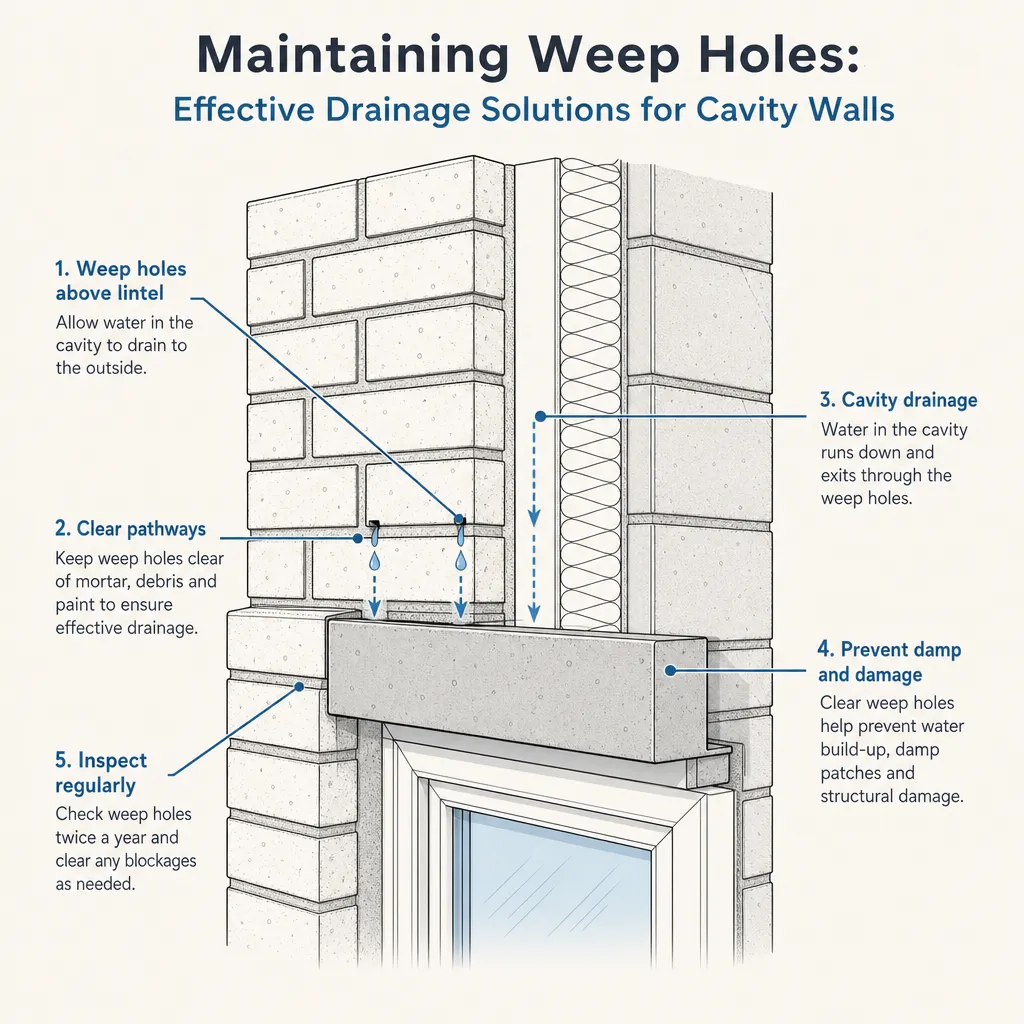
Maintaining Weep Holes: Effective Drainage Solutions for Cavity Walls
Weep holes are unmortered perpend joints in the outer leaf of a cavity wall, positioned at DPC level and above lintels, allowing moisture that enters the cavity to drain outward. Blocked weep holes are a common cause of penetrating damp in UK homes — particularly following repointing works or cavity wall insulation installation — and can cause damage long before internal staining appears.
 Surveys & Inspections
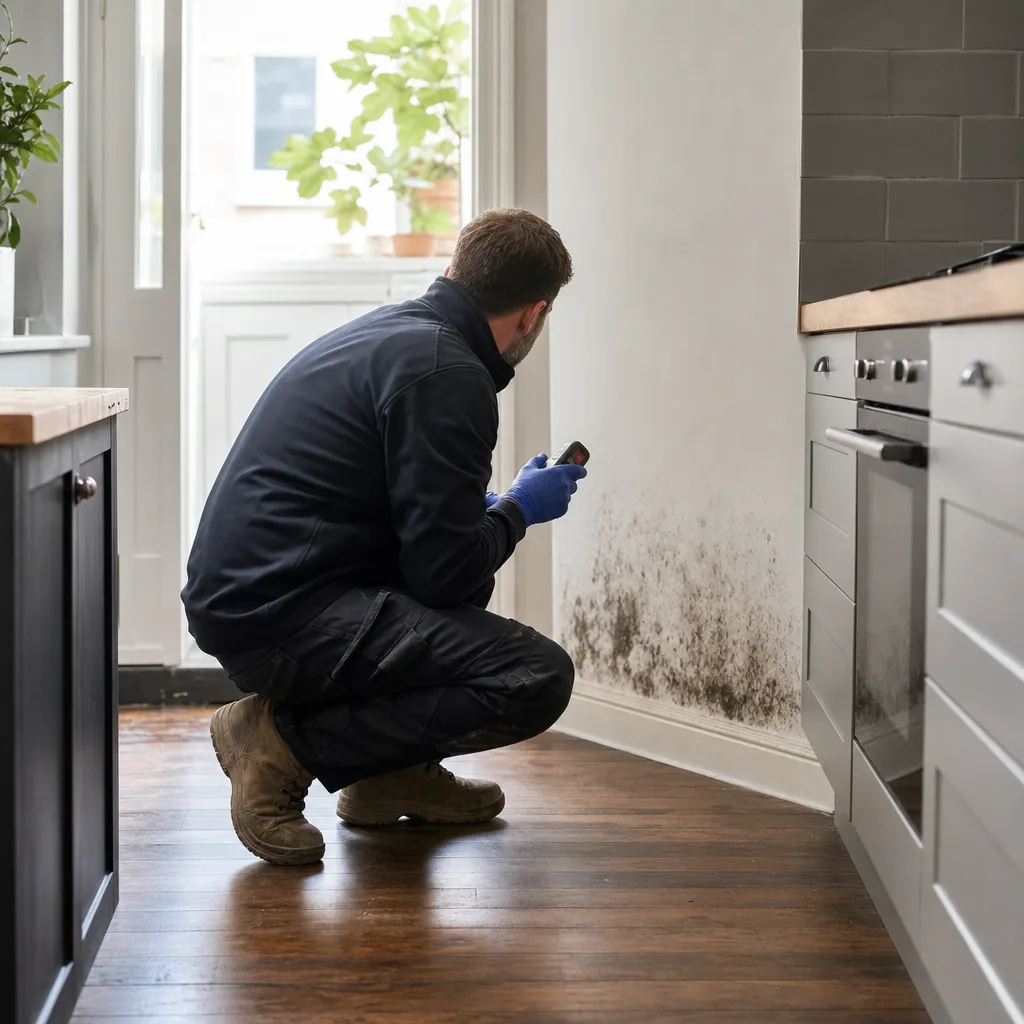
Investigating and Diagnosing Unexpected Odours in Your Property
Unexpected odours in a UK property usually indicate drainage faults, rising or penetrating damp, decaying timber, or mould growth. A smell of gas or rotten eggs is a safety emergency requiring immediate evacuation and a call to 0800 111 999. Other persistent smells — sewage, mustiness, or rotting wood — typically need a drainage specialist, damp surveyor, or timber decay expert to investigate.
 Surveys & Inspections
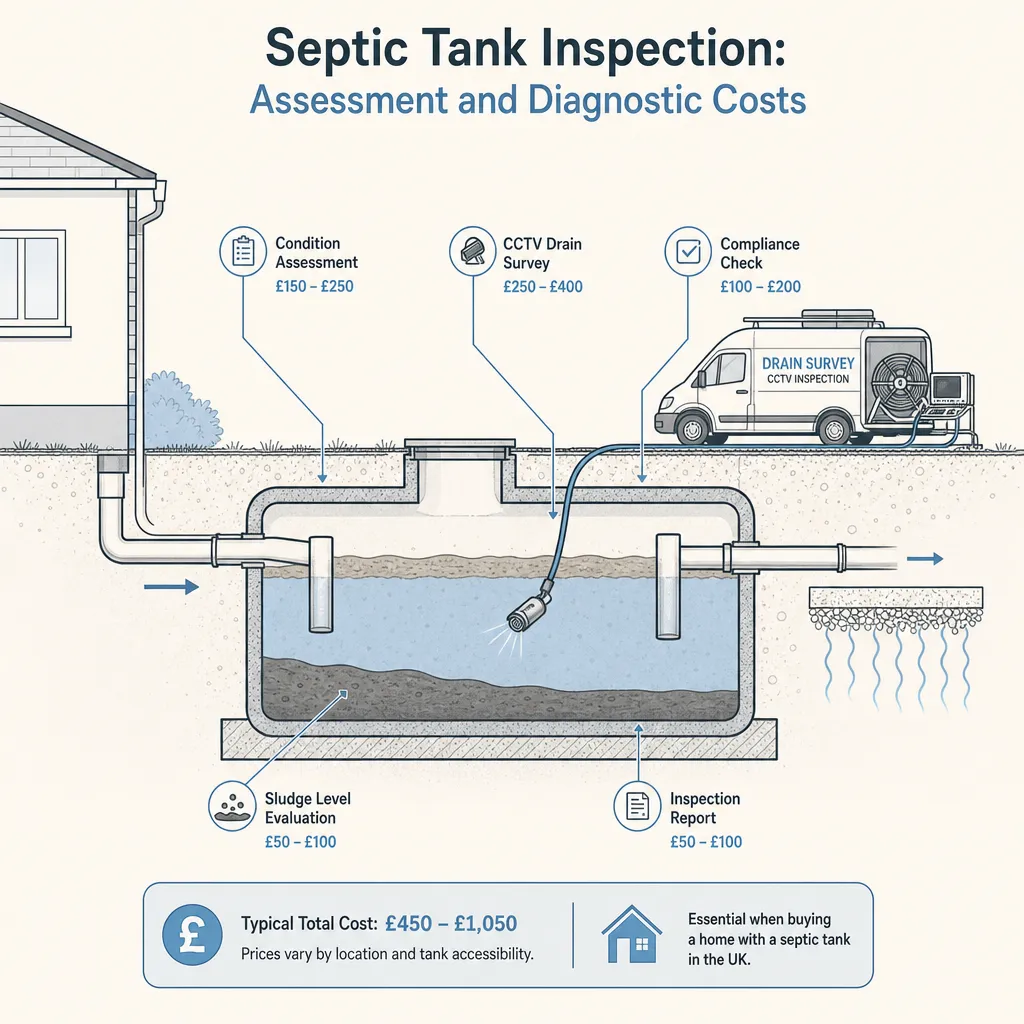
Septic Tank Inspection: Assessment and Diagnostic Costs
A septic tank inspection covers the tank's structural condition, inlet and outlet baffles, sludge depth, and drainage field performance. A basic visual inspection costs £100–£250; a full assessment with CCTV drain survey costs £250–£600. Pre-purchase inspections are strongly advisable — a failed drainage field commonly costs £3,000–£10,000 to replace.
 Surveys & Inspections
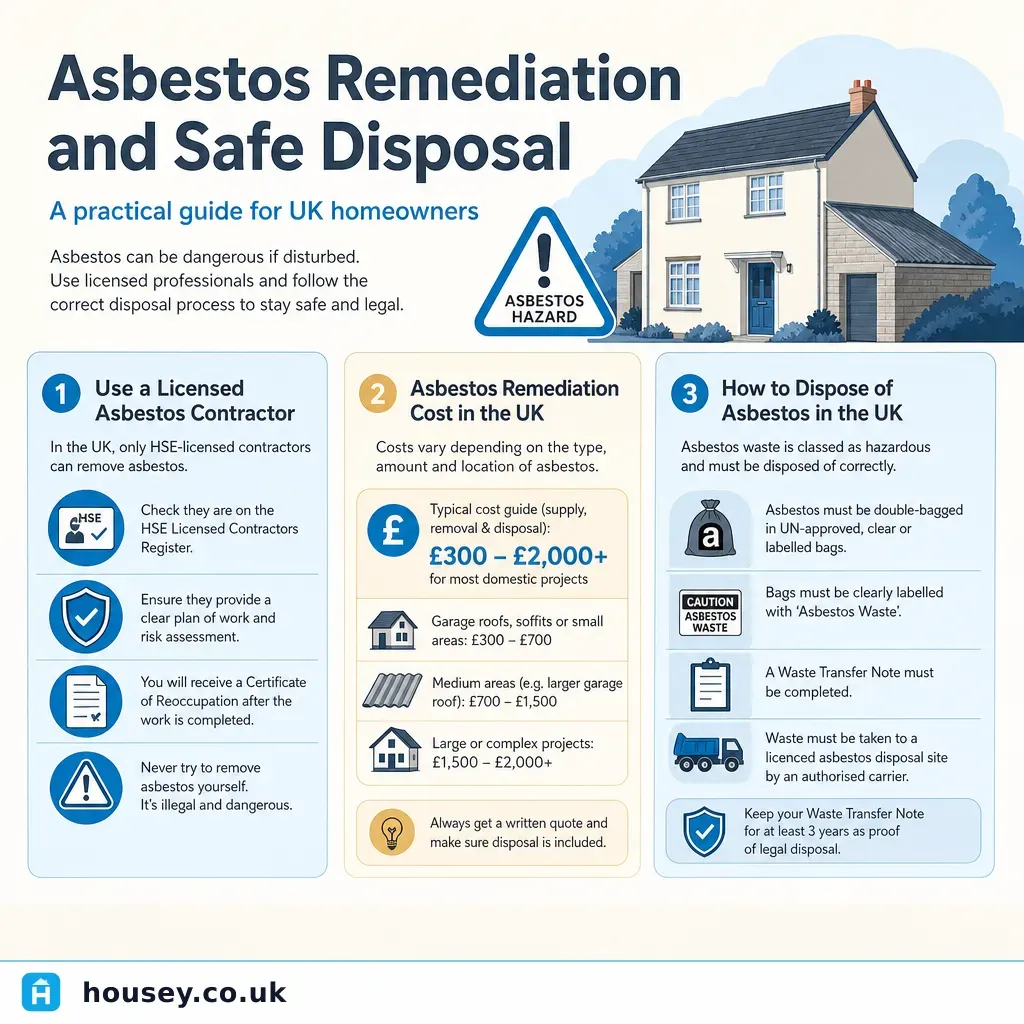
Asbestos Remediation and Safe Disposal
Asbestos remediation in the UK must follow the Control of Asbestos Regulations 2012. High-risk materials such as sprayed coatings and asbestos insulation board require an HSE-licensed contractor. All asbestos waste is classified as hazardous and must go to a permitted facility. A refurbishment and demolition survey by a UKAS-accredited inspector is required before any work that disturbs building fabric.
 Surveys & Inspections
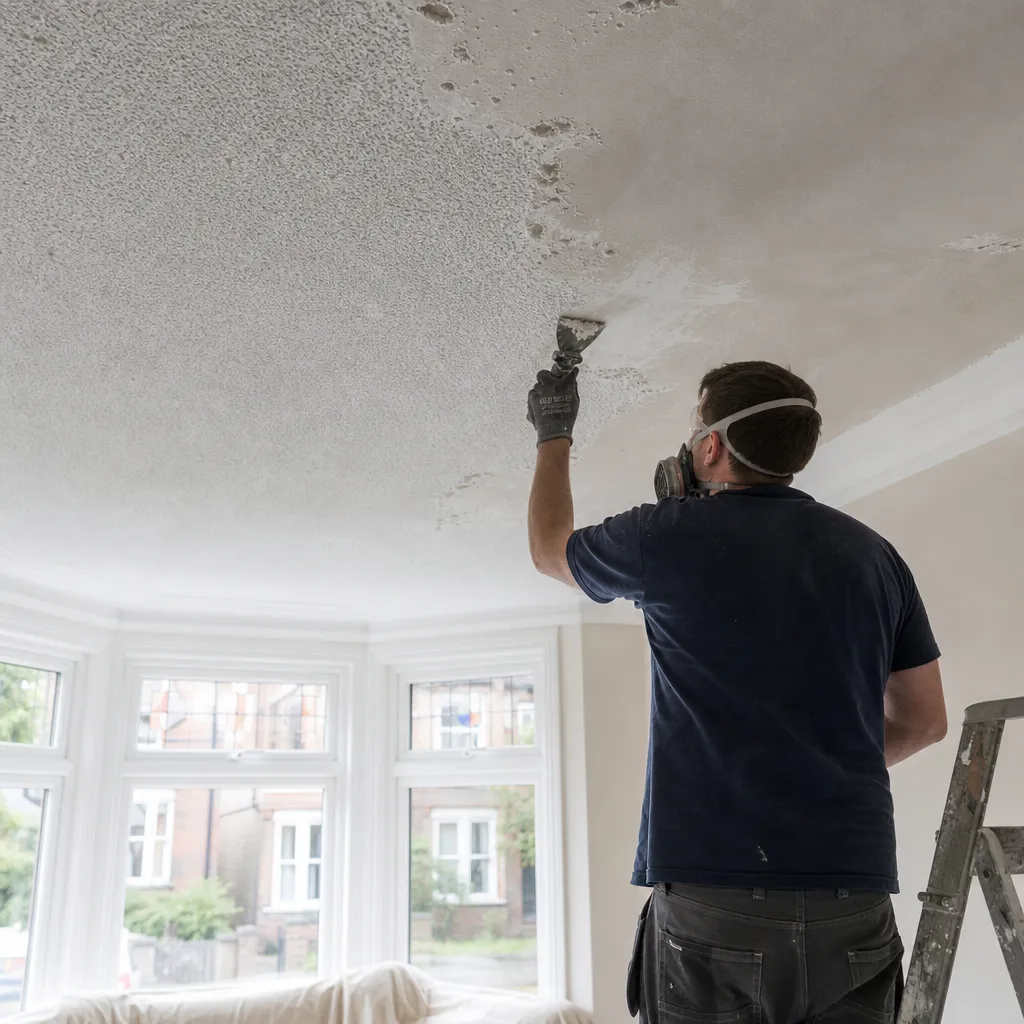
Popcorn Ceiling Removal: Methods and Asbestos Considerations
In UK homes, textured ceilings commonly known as Artex may contain chrysotile asbestos if applied before 2000. Before any removal work begins, a UKAS-accredited refurbishment survey is essential. If asbestos is confirmed, removal must be carried out by a licensed contractor under the Control of Asbestos Regulations 2012. Overboarding or encapsulation may be lower-risk alternatives to full removal.
 Surveys & Inspections
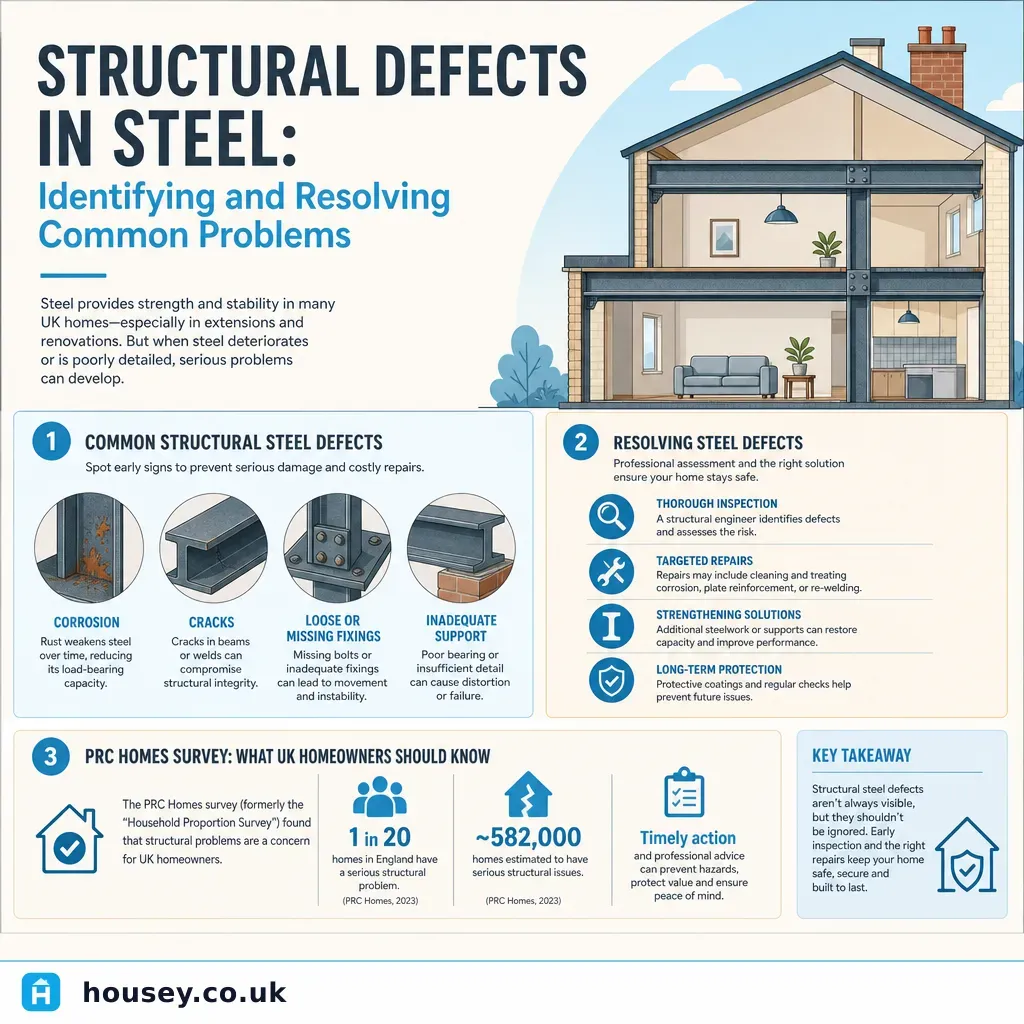
Structural Defects in Steel: Identifying and Resolving Common Problems
Common structural steel defects in UK buildings include corrosion with section loss, weld failures, buckling, and connection problems. PRC homes with corroded steel reinforcement are designated defective under the Housing Defects Act 1984. Any suspected steel defect should be assessed by a chartered structural engineer before remediation work begins.
 Surveys & Inspections
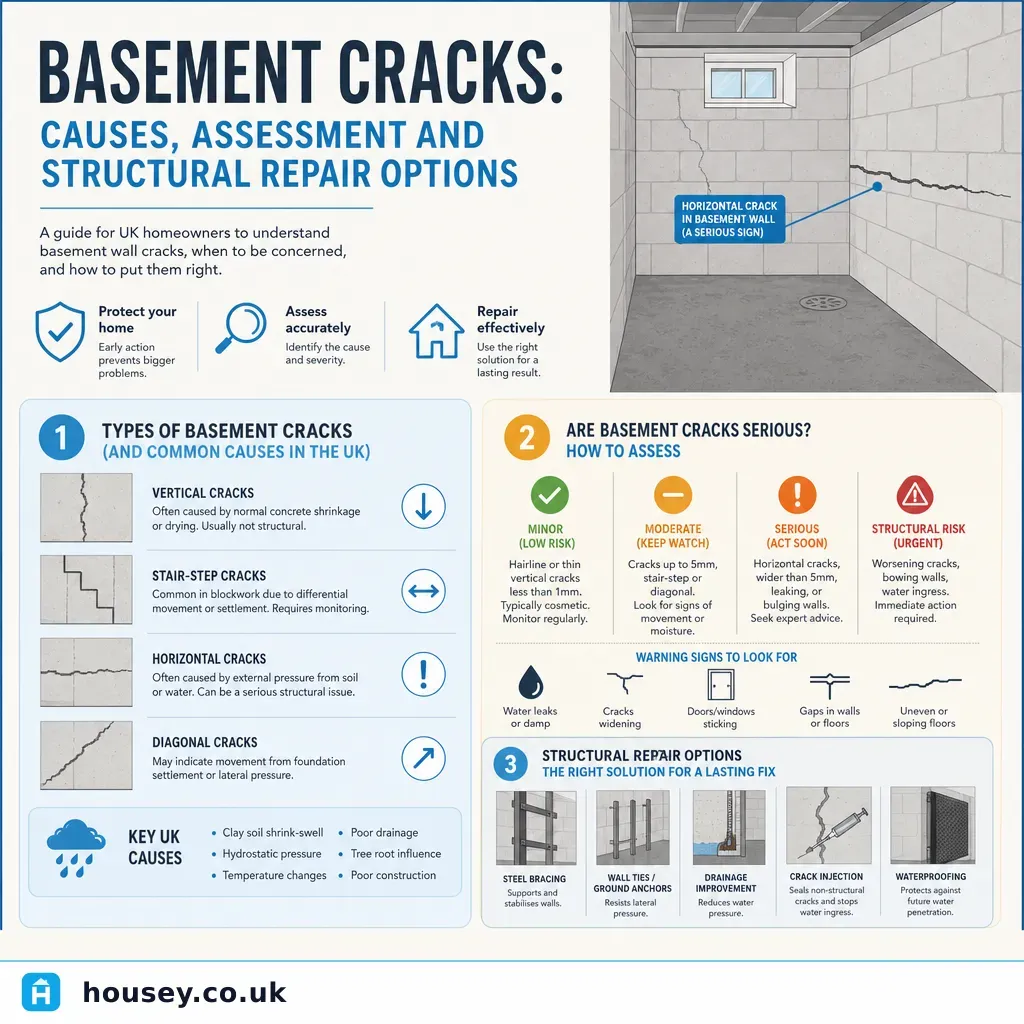
Basement Cracks: Causes, Assessment and Structural Repair Options
Basement cracks fall into three broad categories: hairline shrinkage cracks (usually minor), diagonal settlement cracks (moderate to serious depending on width and pattern), and horizontal cracks in block or concrete walls (serious — indicating lateral soil pressure). Any crack wider than 3mm, growing, or accompanied by water ingress or structural deflection should be assessed by a chartered structural engineer.
 Surveys & Inspections
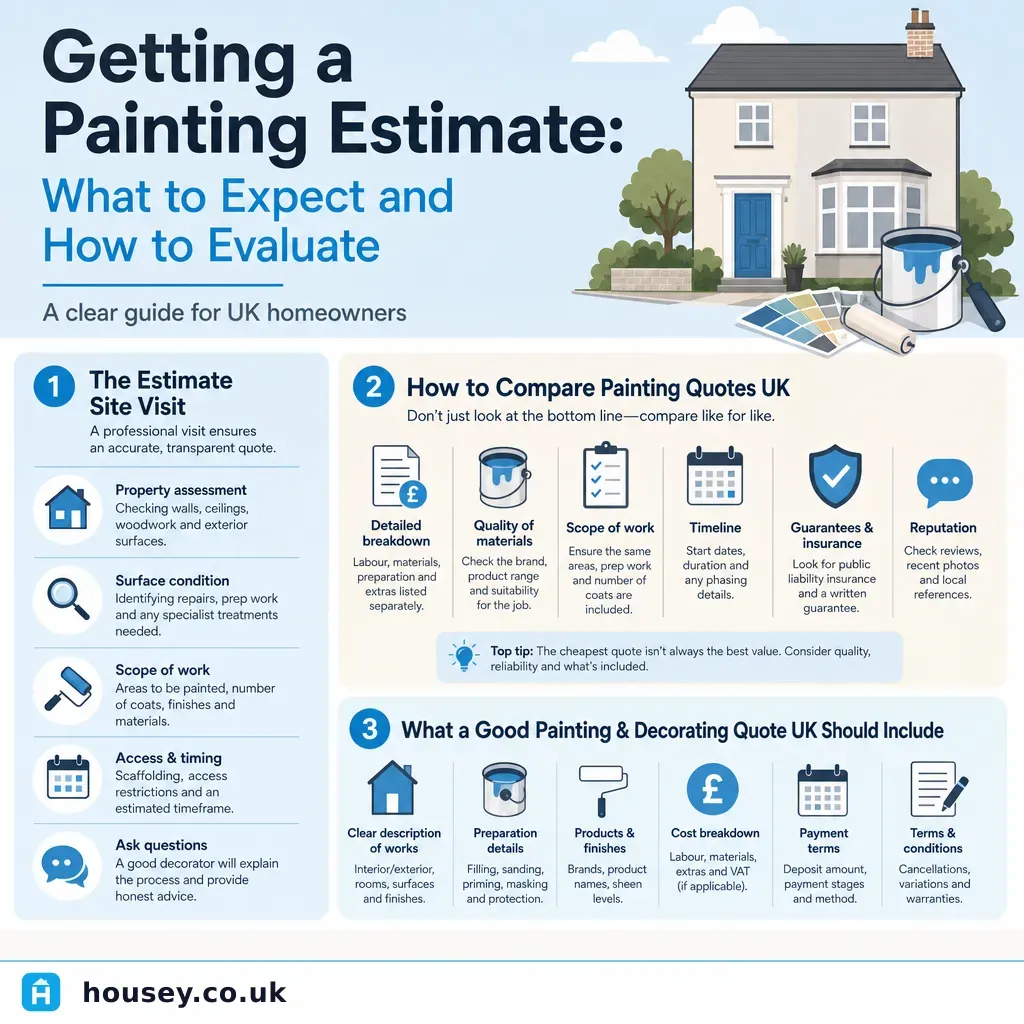
Getting a Painting Estimate: What to Expect and How to Evaluate
A painting estimate should follow a site visit, where the contractor assesses surface condition, preparation needs, access requirements, and material specification. Get at least three written quotes, ask for itemised breakdowns, and confirm that VAT status, preparation scope, and public liability insurance are clearly stated. Significant price variation between quotes usually reflects different assumptions about preparation work.
 Surveys & Inspections
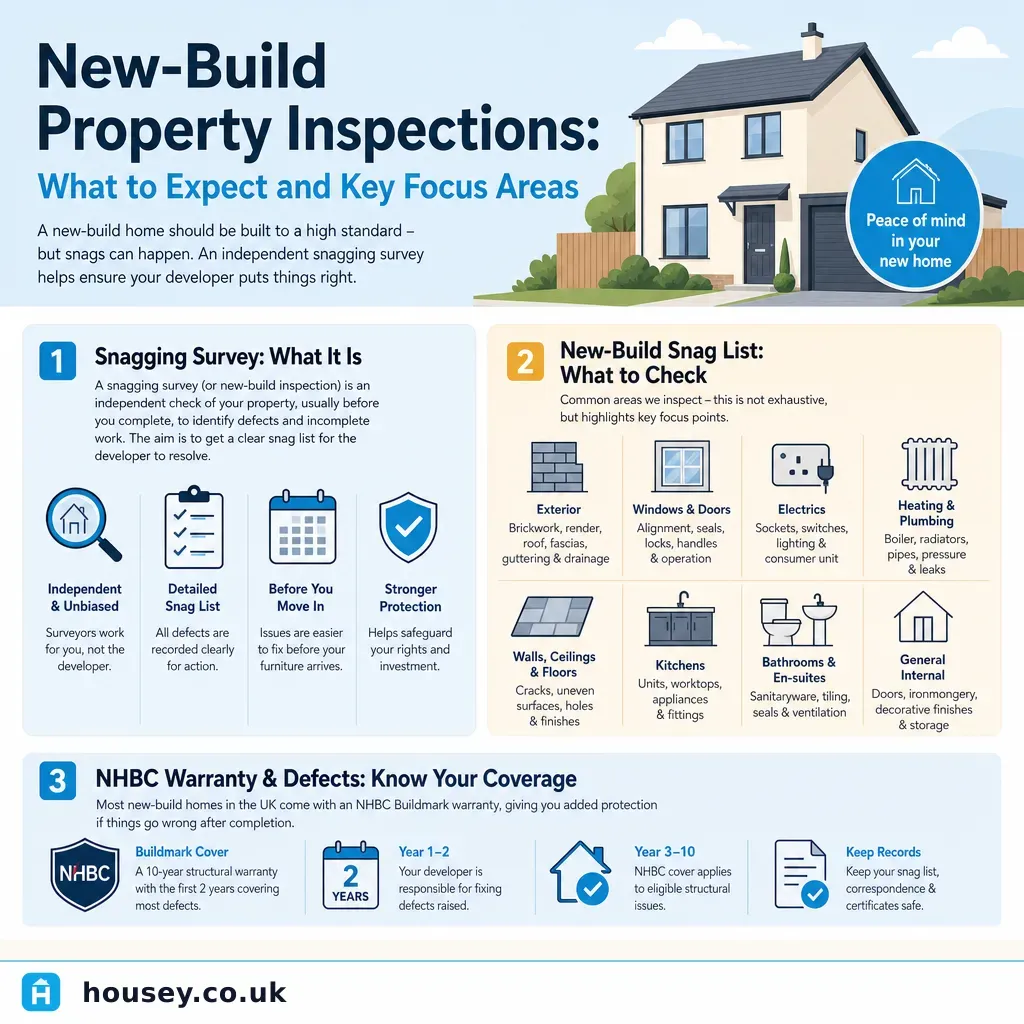
New-Build Property Inspections: What to Expect and Key Focus Areas
A new-build property inspection, or snagging survey, identifies construction defects before or after you take ownership. An independent inspector checks cosmetic and technical items against the builder's specification and Building Regulations requirements. Arranging an inspection before legal completion gives you the strongest leverage to have defects resolved under your NHBC Buildmark or equivalent warranty.