Knowledge Base
Property advice that actually helps
Researched, UK-specific guides for every stage of homeownership — from buying and surveys to retrofit, planning and major works.
 Surveys & Inspections
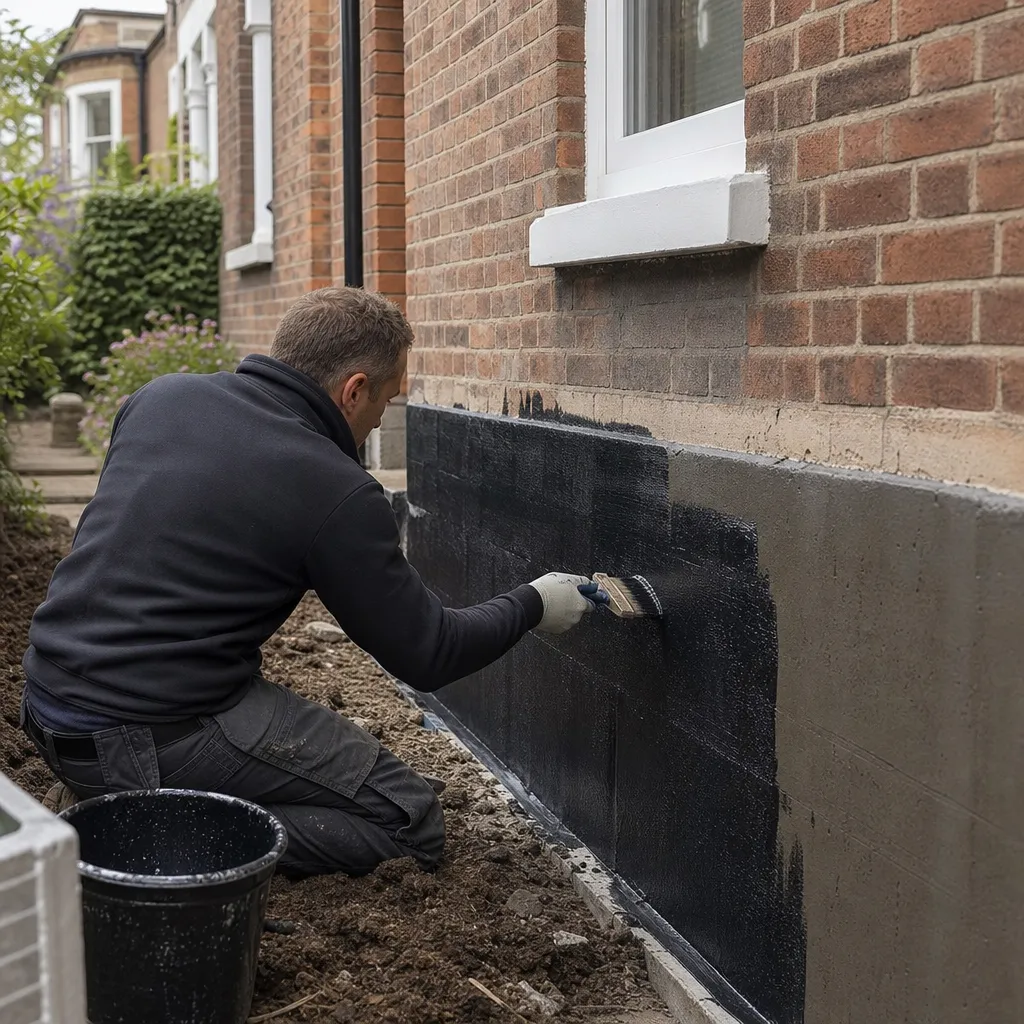
Creating Watertight Walls: Waterproofing Methods and Materials
Waterproofing walls correctly requires diagnosing the moisture source first — rising damp, penetrating damp, and condensation are treated very differently. Below-ground structures should follow BS 8102:2022, which defines three waterproofing system types. An independent professional assessment is essential before any treatment is specified, particularly where wall insulation is also planned alongside moisture management works.
 Surveys & Inspections
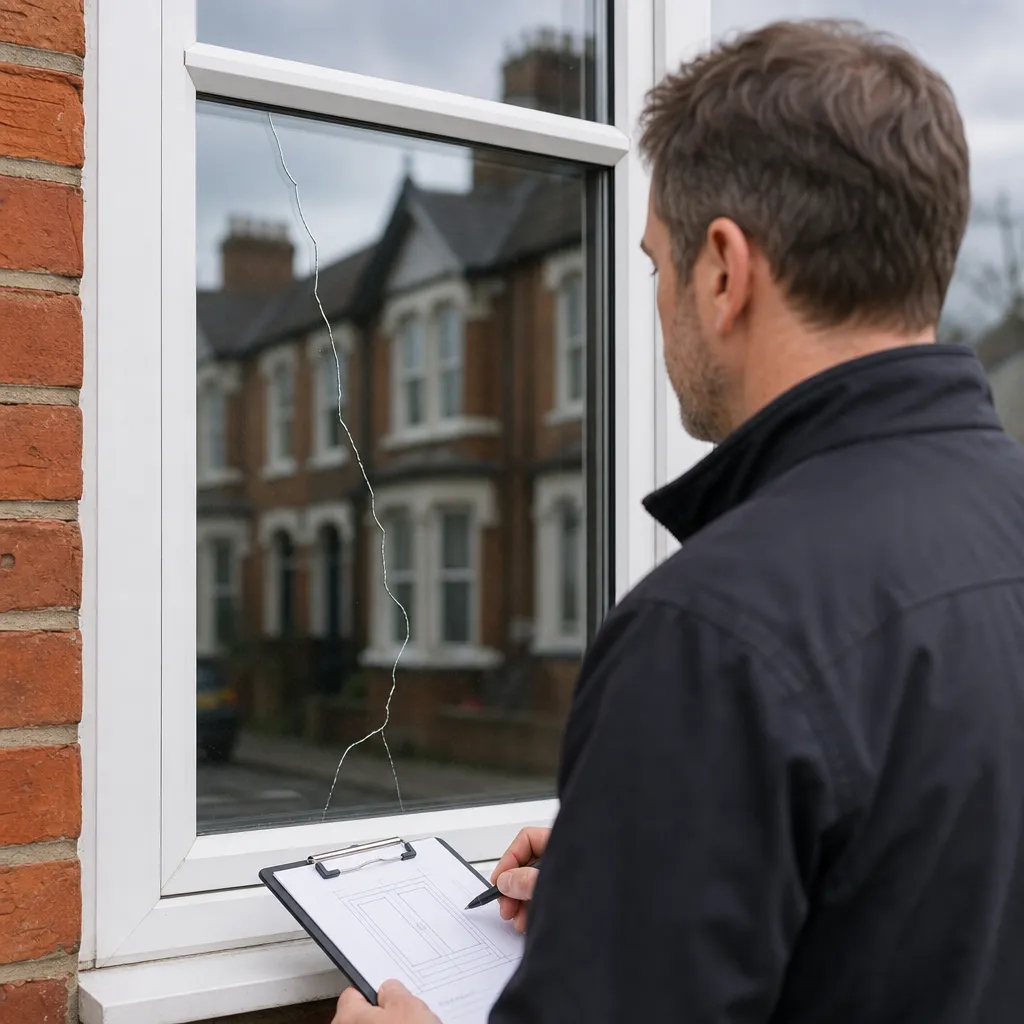
Understanding thermal stress cracks in windows
Thermal stress cracks occur when one part of a glass pane heats or cools faster than another, creating internal tension that the glass cannot absorb. They typically start from the edge of the pane, run at roughly 90 degrees to the frame, and have no clear point of impact. In most cases the affected pane needs replacing rather than repairing.
 Surveys & Inspections
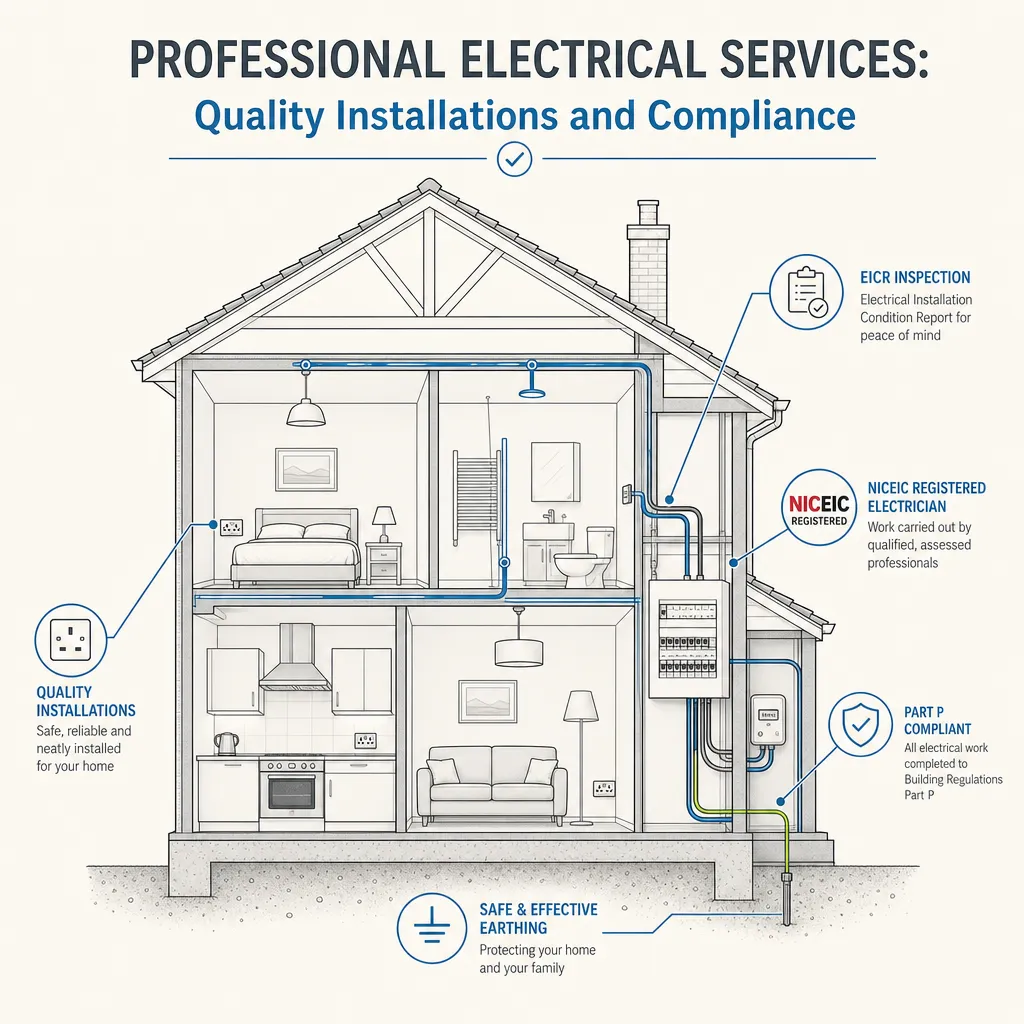
Professional Electrical Services: Quality Installations and Compliance
Professional electrical services in UK homes are governed by Part P of the Building Regulations and BS 7671 (18th Edition). Notifiable work — including new circuits, consumer unit replacements, and work in kitchens and bathrooms — must be carried out by a registered competent person such as an NICEIC or NAPIT-registered electrician, who issues certification on completion.
 Surveys & Inspections
Ideal Humidity Levels in Homes: Achieving Comfort and Health
The recommended indoor relative humidity in a UK home is 40–60%. Below 40%, air can irritate airways and dry skin; above 60–65%, condensation, mould growth, and dust mite activity become more likely. Humidity varies by room and season, so monitoring with a hygrometer and improving ventilation are the most effective first steps.
 Surveys & Inspections
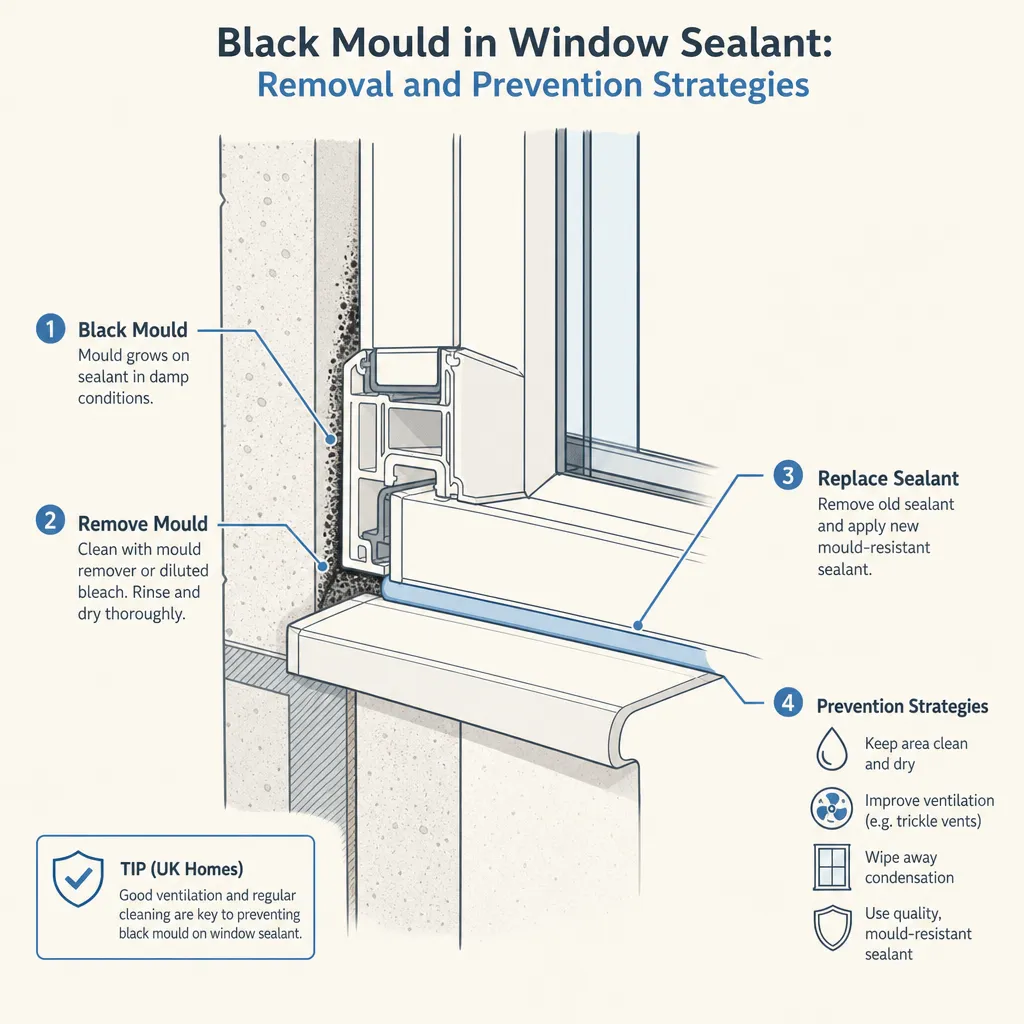
Black Mould in Window Sealant: Removal and Prevention Strategies
Black mould on window sealant is caused by condensation settling repeatedly on cold surfaces around window frames. Surface mould can be removed with white vinegar, dilute bleach, or a specialist mould remover. Deeply contaminated sealant needs replacing with a mould-resistant silicone product. Preventing recurrence means improving ventilation, keeping trickle vents open, and reducing indoor humidity.
 Surveys & Inspections
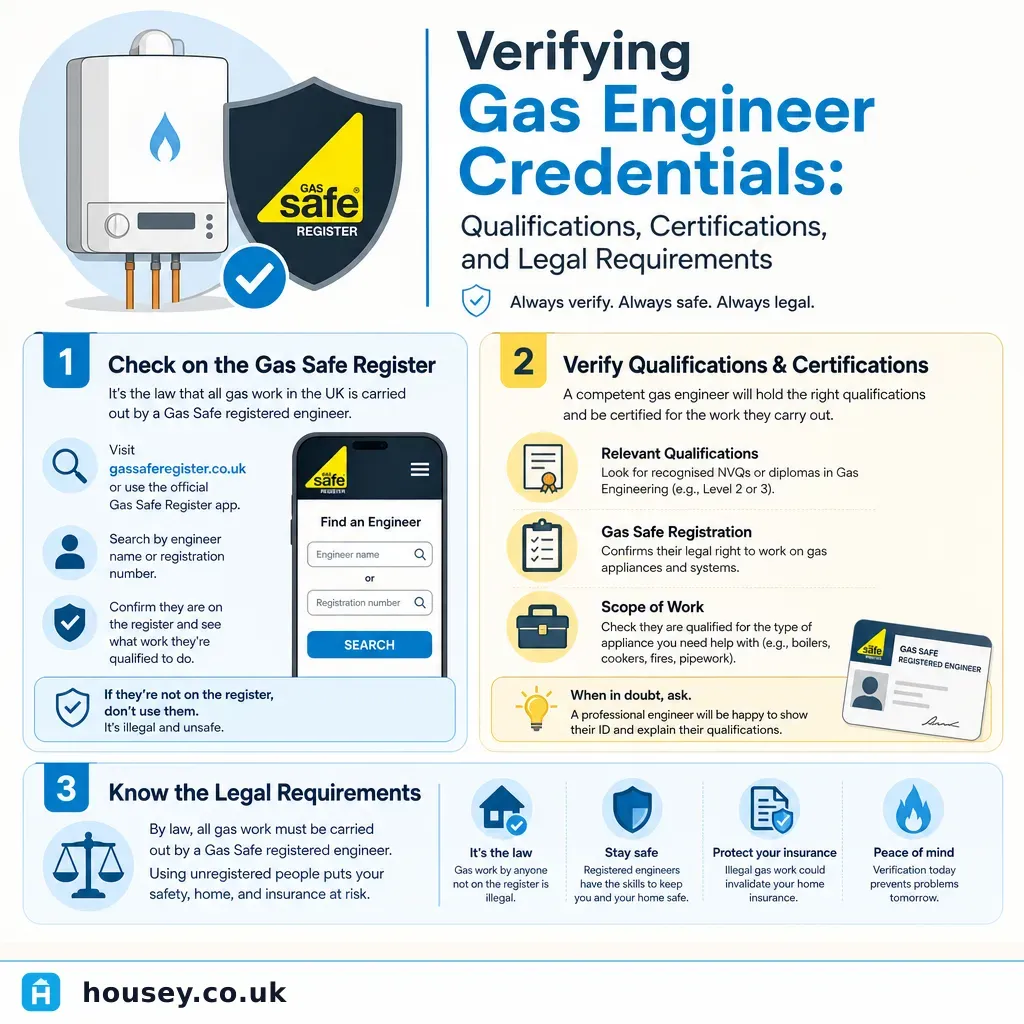
Verifying Gas Engineer Credentials: Qualifications, Certifications, and Legal Requirements
All gas engineers working on domestic properties in Great Britain must be Gas Safe registered — a legal requirement under the Gas Safety (Installation and Use) Regulations 1998. Before any work begins, ask to see the engineer's Gas Safe ID card, check the appliance categories listed on the reverse, and verify their registration number directly at gassaferegister.co.uk.
 Surveys & Inspections
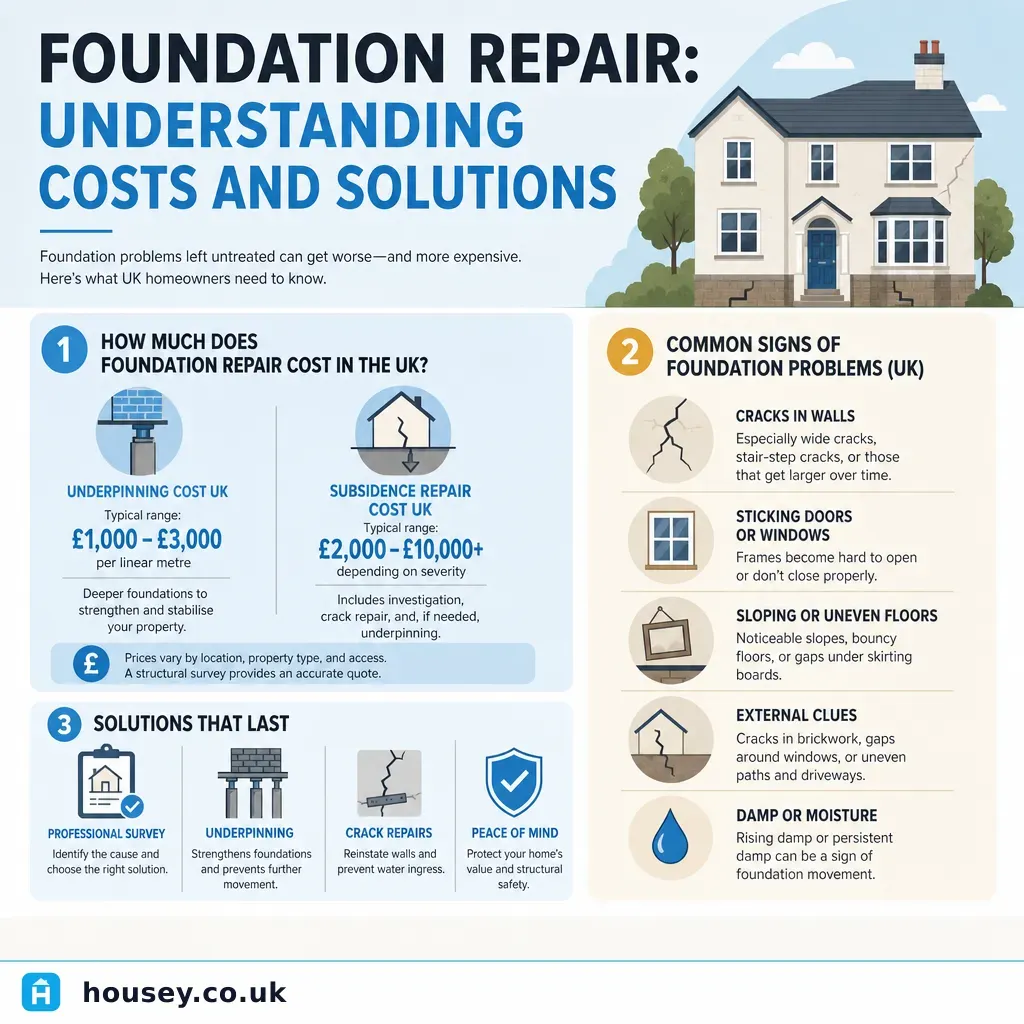
Foundation Repair: Understanding Costs and Solutions
Foundation repair in the UK covers methods from crack injection and drainage improvement through to underpinning or piling, costing from around £5,000 to £50,000 or more depending on the cause and extent. A structural engineer's assessment is always the necessary starting point — insurers often require one, and no repair method should be selected without first identifying the underlying cause.
 Surveys & Inspections
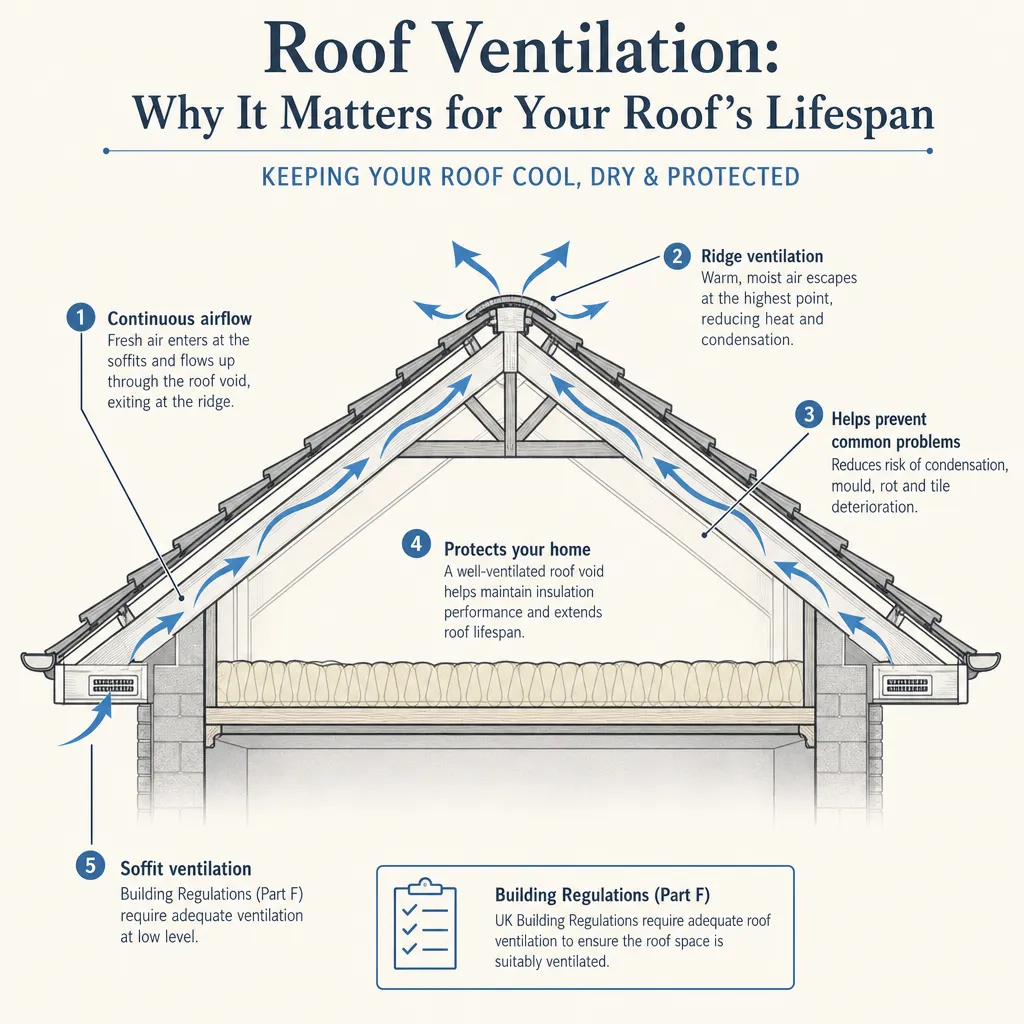
Roof Ventilation: Why It Matters for Your Roof's Lifespan
Adequate roof ventilation prevents condensation building up in the roof void, which can rot timbers and shorten roof life. In UK cold pitched roofs, building regulations and BS 5250 require at least a continuous 25 mm eaves gap plus cross-ventilation near the ridge. Blocked soffit vents are the single most common cause of inadequate ventilation in UK homes built before 2000.
 Surveys & Inspections
Roof Cleaning: Costs, Benefits, and Professional Services
Professional roof cleaning removes moss, algae, and lichen using soft washing, biocide treatment, or manual scraping. Most UK roofs benefit from cleaning every three to five years, depending on pitch, location, and nearby trees. It extends tile life, improves drainage, and can help prevent premature re-roofing. Always use an NFRC-registered roofer with appropriate public liability insurance for safe roof access.
 Surveys & Inspections
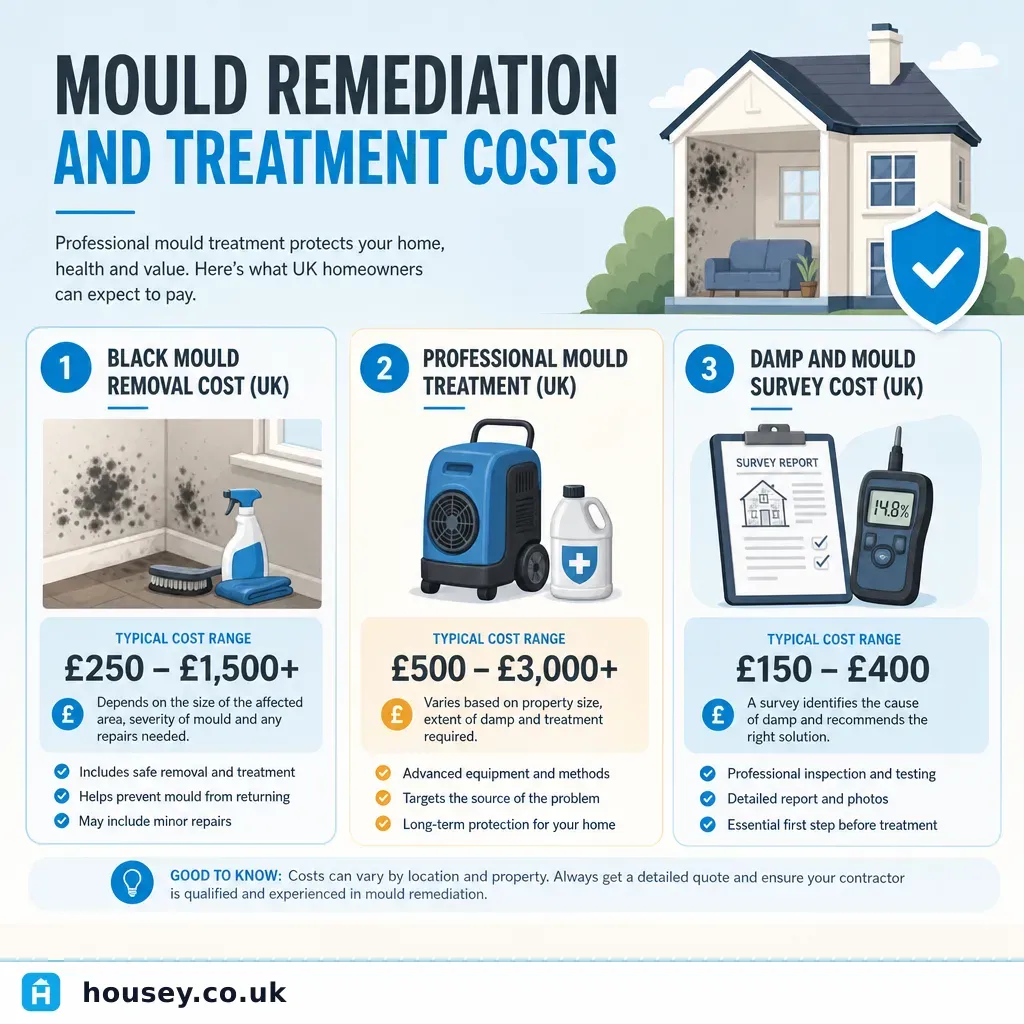
Mould Remediation and Treatment Costs
Professional mould remediation in the UK typically costs £150–£1,500+ depending on the extent of growth, underlying cause, and materials affected. Treating surface mould without identifying the root cause — condensation, penetrating damp, or rising damp — leads to recurrence. A damp and timber survey is usually the correct first step before committing to treatment.
 Surveys & Inspections
New Build Properties: Snagging and Quality Assurance for New Homes
A snagging survey identifies defects and unfinished work in a newly built home, ideally before legal completion. Most new builds contain items ranging from minor cosmetic issues to significant building defects. Commissioning an independent snagging inspector gives you a documented list to present to your developer, who is obliged under the builder's defect period to remedy genuine faults at no cost to you.
 Surveys & Inspections
Mould Survey Costs: What You Need to Know
A basic mould inspection typically costs £150–£300 in the UK; a full damp and timber survey from a qualified specialist costs £250–£500 for an average semi-detached home. The right level of survey depends on the extent of the problem — from a simple visual report to thermal imaging or air quality testing. Instructing a PCA-accredited surveyor provides assurance of competence and a formal complaints route.