Knowledge Base
Property advice that actually helps
Researched, UK-specific guides for every stage of homeownership — from buying and surveys to retrofit, planning and major works.
 General property advice
Mortgage Offer Validity: How Long Is Your Offer Effective?
Most UK mortgage offers are valid for six months from the date of the formal offer letter, though remortgage offers are often three months. Some lenders extend this to nine or twelve months for new-build purchases. If your completion date looks likely to fall outside the validity window, contact your lender or broker early — extensions are usually possible but not guaranteed.
 Surveys & Inspections
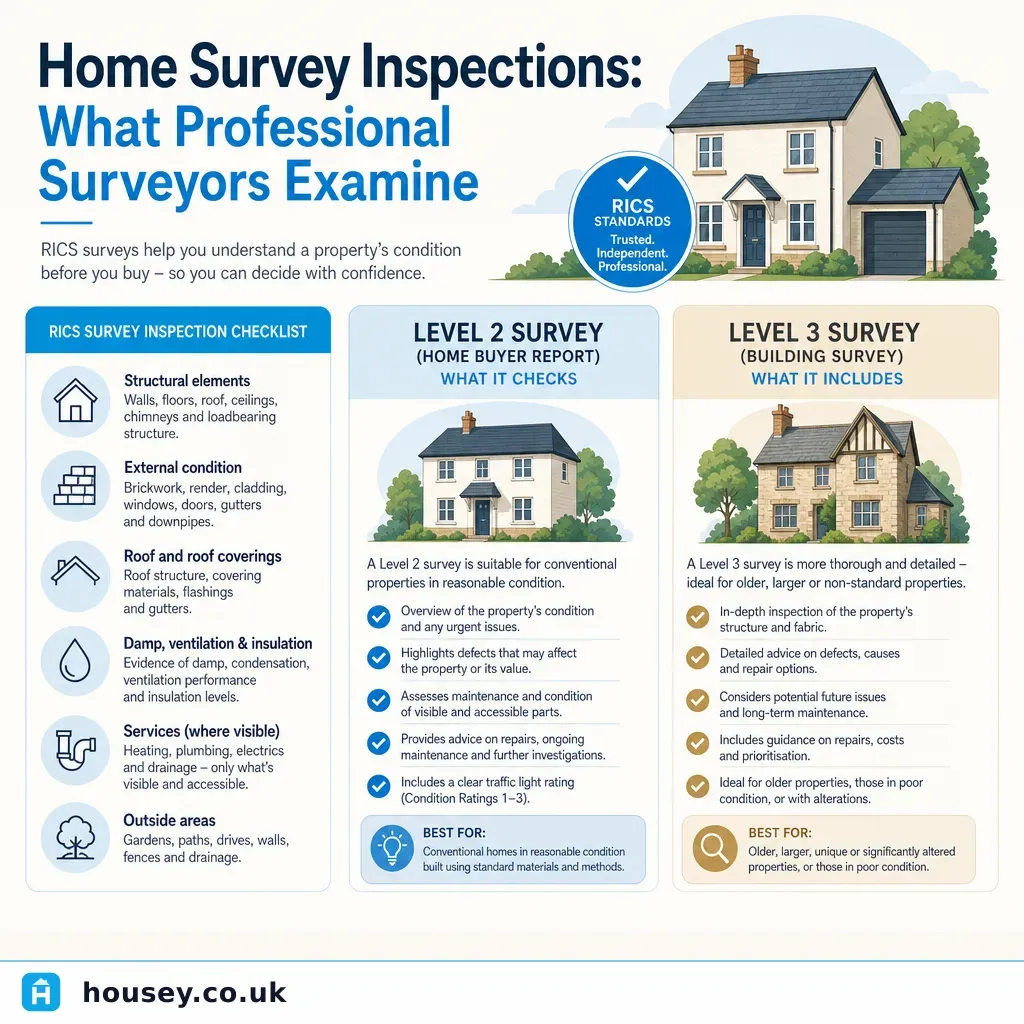
Home Survey Inspections: What Professional Surveyors Examine
A RICS home survey involves a visual inspection of a property's structure, roof, walls, floors, and services. Defects are rated on a three-condition scale in Level 2 and Level 3 reports. The scope and depth of inspection depends on the survey level: Level 1 provides a condition overview, Level 2 covers most conventional homes, and Level 3 is suited to older, larger, or visibly defective properties.
 Improvement & Build
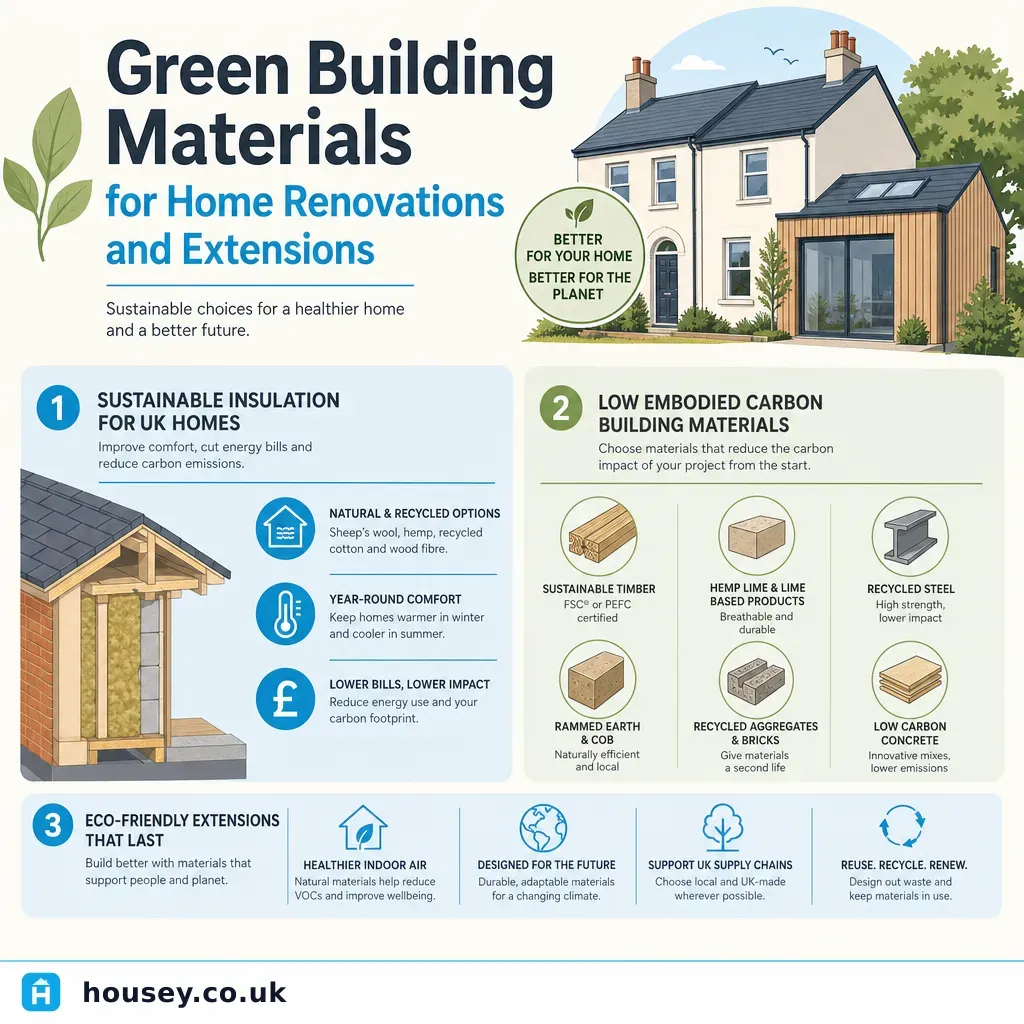
Green Building Materials for Home Renovations and Extensions
Green building materials are those with lower embodied carbon, better whole-life environmental performance, or improved breathability compared to conventional alternatives. In the UK, look for BBA-certified products, FSC or PEFC certified timber, and Environmental Product Declarations. The right choice depends on your building type, construction method, and whether breathable materials are needed for an older solid-wall property.
 Buying & Moving
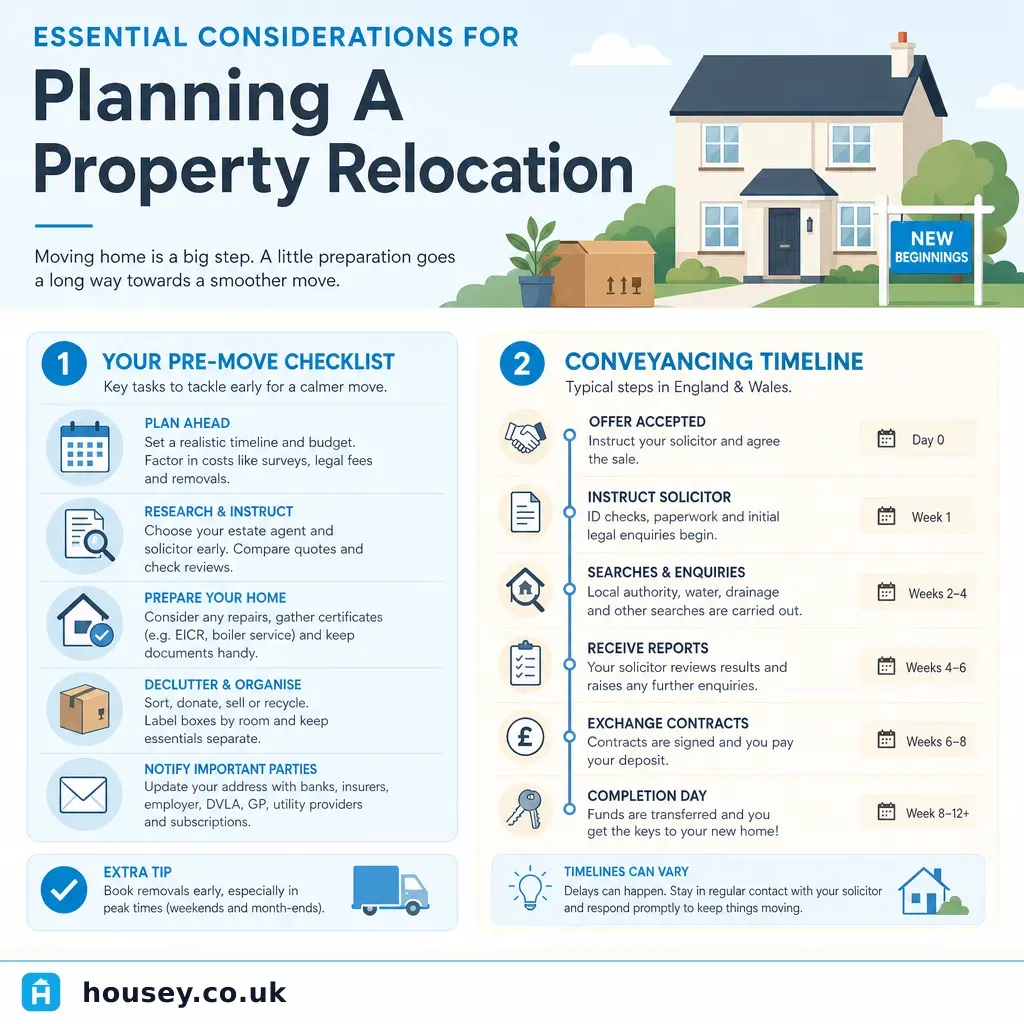
Essential Considerations For Planning A Property Relocation
Planning a UK property relocation means coordinating legal, financial, and practical steps across several months. Instruct a solicitor promptly after offer acceptance, commission a RICS survey before exchange, ensure buildings insurance is in place from exchange, and book a removal firm well in advance of your target completion date. Missing any step can delay or complicate the move.
 Planning & Pre-Build
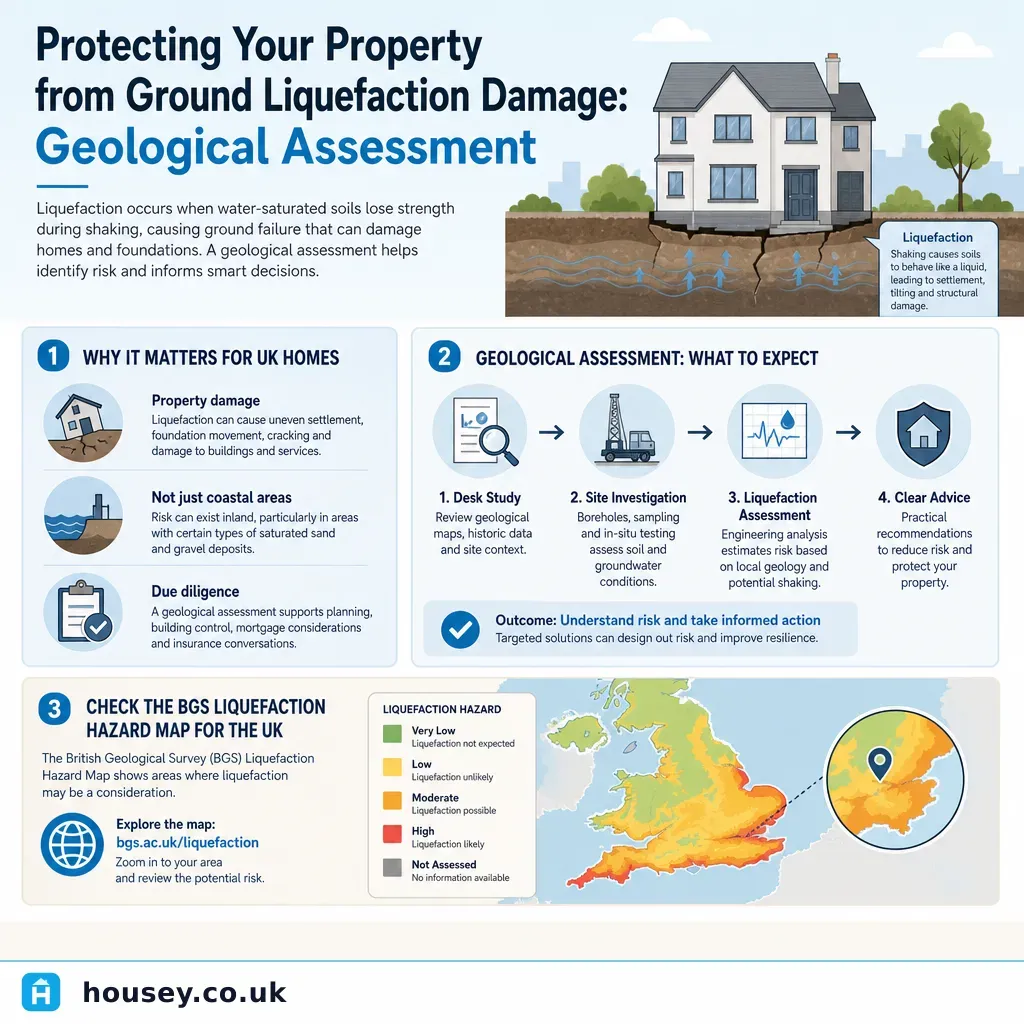
Protecting Your Property from Ground Liquefaction Damage: Geological Assessment
Ground liquefaction occurs when saturated, loose granular soils temporarily lose bearing capacity under vibration or shaking. In the UK, risk is most associated with river floodplain deposits, reclaimed land, and post-industrial made ground. A geotechnical investigation by a Chartered Engineer is the only reliable way to assess site-specific risk and determine whether mitigation measures are needed for foundations.
 Improvement & Build
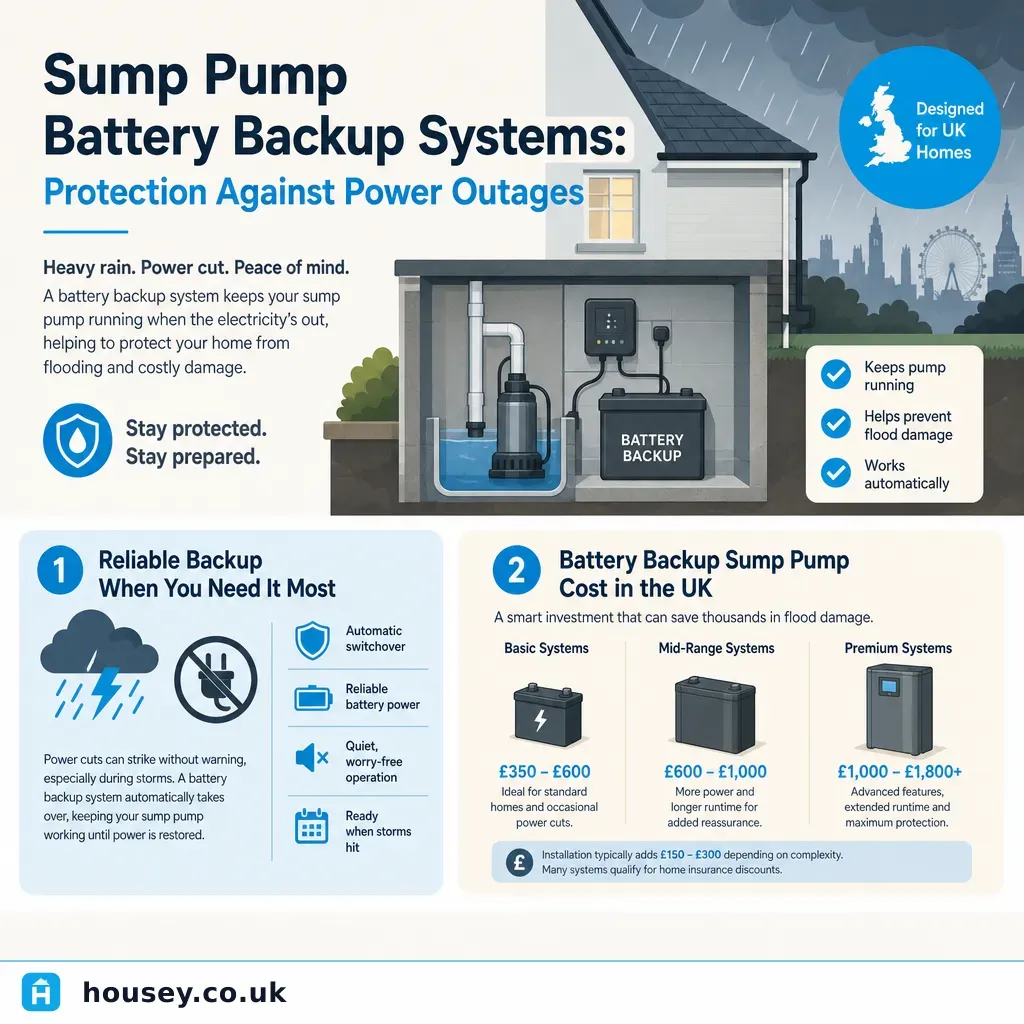
Sump Pump Battery Backup Systems: Protection Against Power Outages
A sump pump battery backup activates automatically when mains power fails, continuing to pump water from your sump pit to protect against flooding. UK systems typically use sealed lead-acid or lithium-iron-phosphate batteries offering 4–12 hours of run time. They are particularly valuable in flood-prone areas or where power cuts and heavy rainfall are likely to coincide.
 Improvement & Build
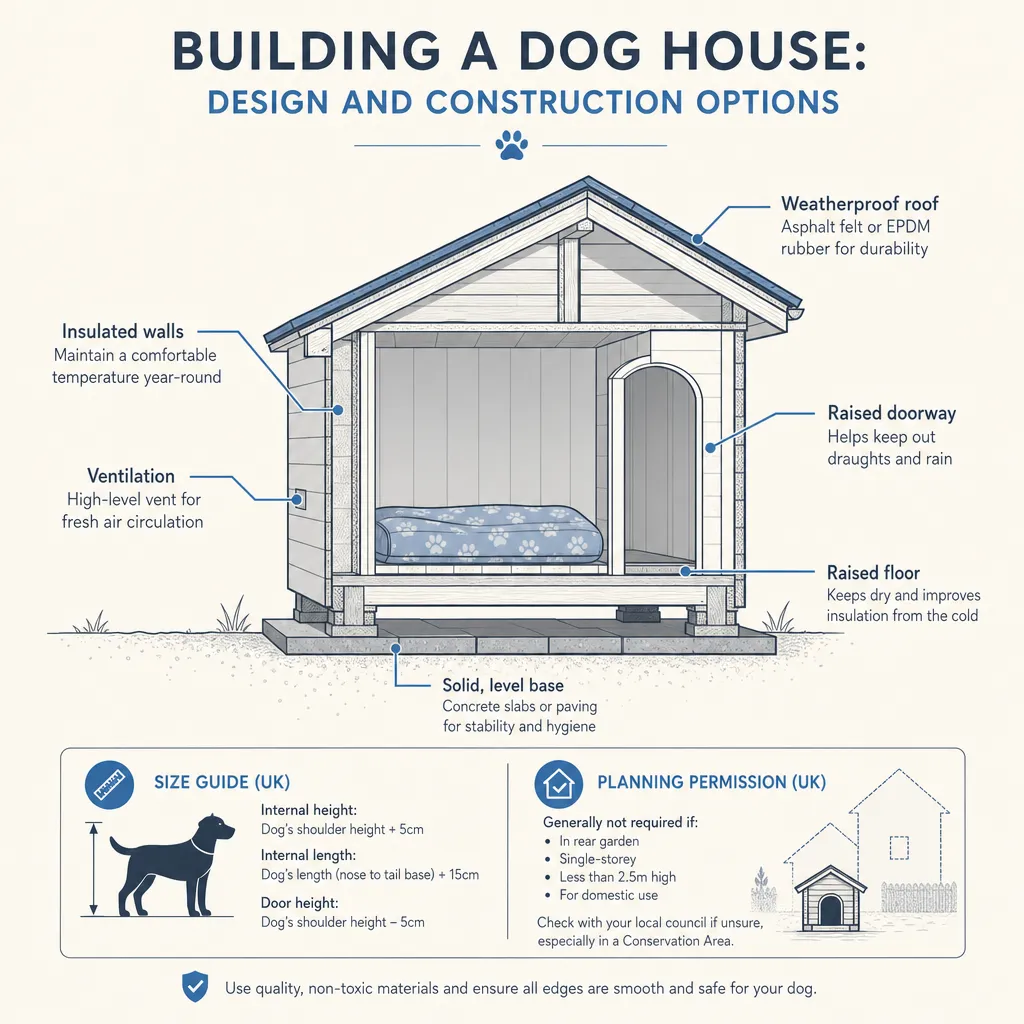
Building a Dog House: Design and Construction Options
Building a dog house in the UK means designing for the British climate — wet winters, variable summers, and occasional cold snaps. Most small timber kennels qualify as permitted development with no planning permission needed. The key priorities are weatherproofing, a raised floor to prevent damp, adequate ventilation, and sizing that lets your dog stand, turn, and stretch comfortably inside.
 Improvement & Build
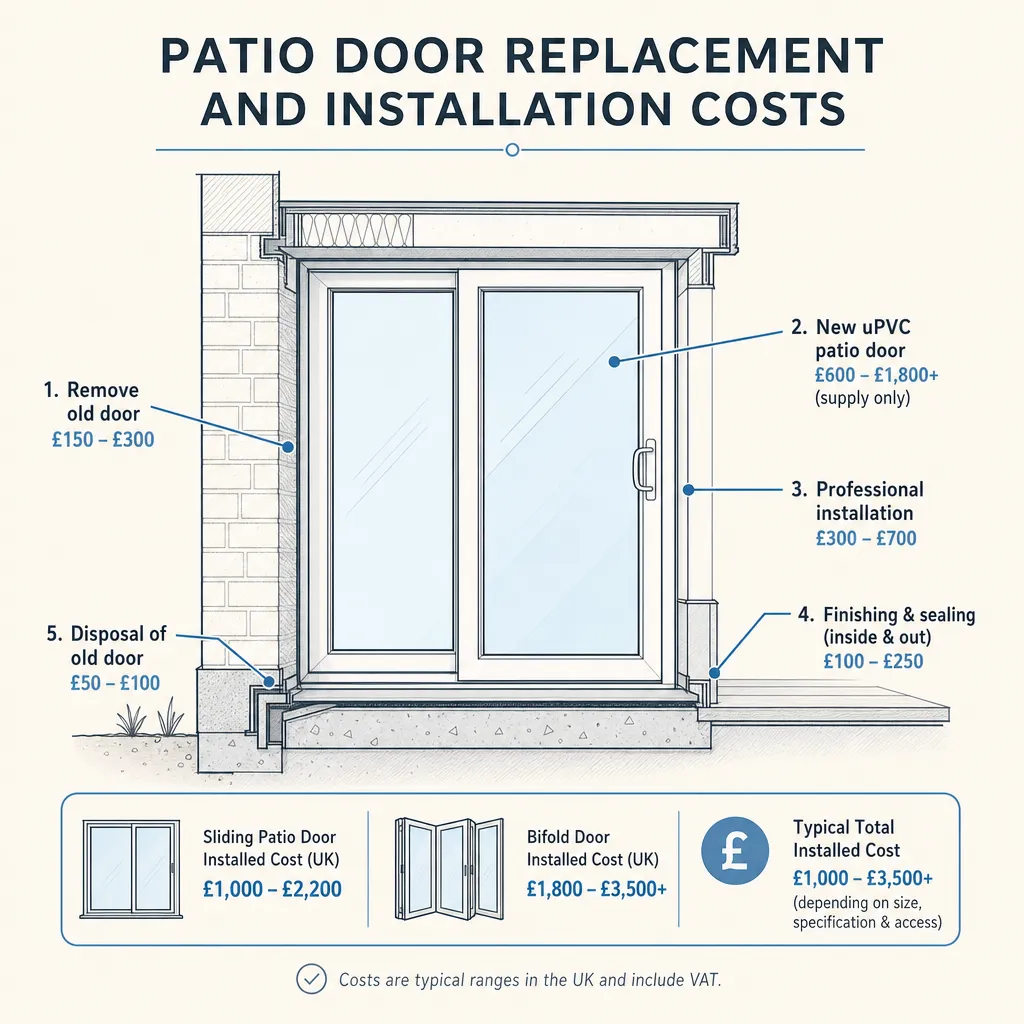
Patio Door Replacement and Installation Costs
Replacing patio doors in the UK typically costs £800–£2,000 installed for a standard uPVC sliding unit, rising to £3,000–£8,000 or more for aluminium bifold doors. The final price depends on door type, frame material, glazing specification, and whether any structural alterations to the existing opening are needed.
 Buying & Moving
Stamp Duty Relief: Regional Variations and Tax Planning for Home Movers
Stamp duty in the UK depends on where the property is located. England and Northern Ireland use SDLT, Scotland uses LBTT, and Wales uses LTT, each with different rates and thresholds. Reliefs are available for first-time buyers but must be claimed correctly at filing. Always confirm your liability with a qualified conveyancer before exchanging contracts.
 General property advice
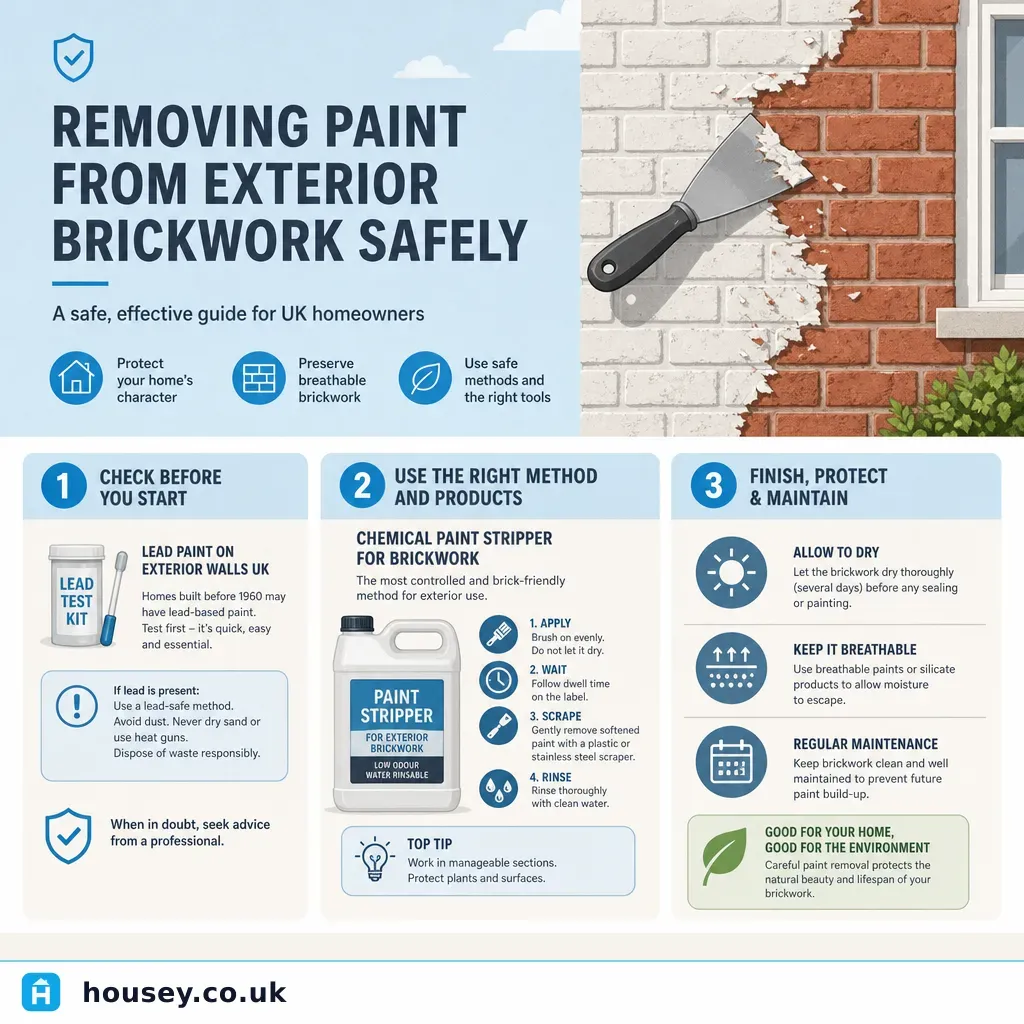
Removing Paint from Exterior Brickwork Safely
Paint can be removed from exterior brickwork using chemical gel strippers, poultice systems, or low-pressure wet blasting. The right method depends on brick type, paint depth, and the property's age. Pre-1960s homes may have lead-based paint requiring testing before work starts. Dry abrasive sandblasting should be avoided as it can permanently damage the brick face.
 Improvement & Build
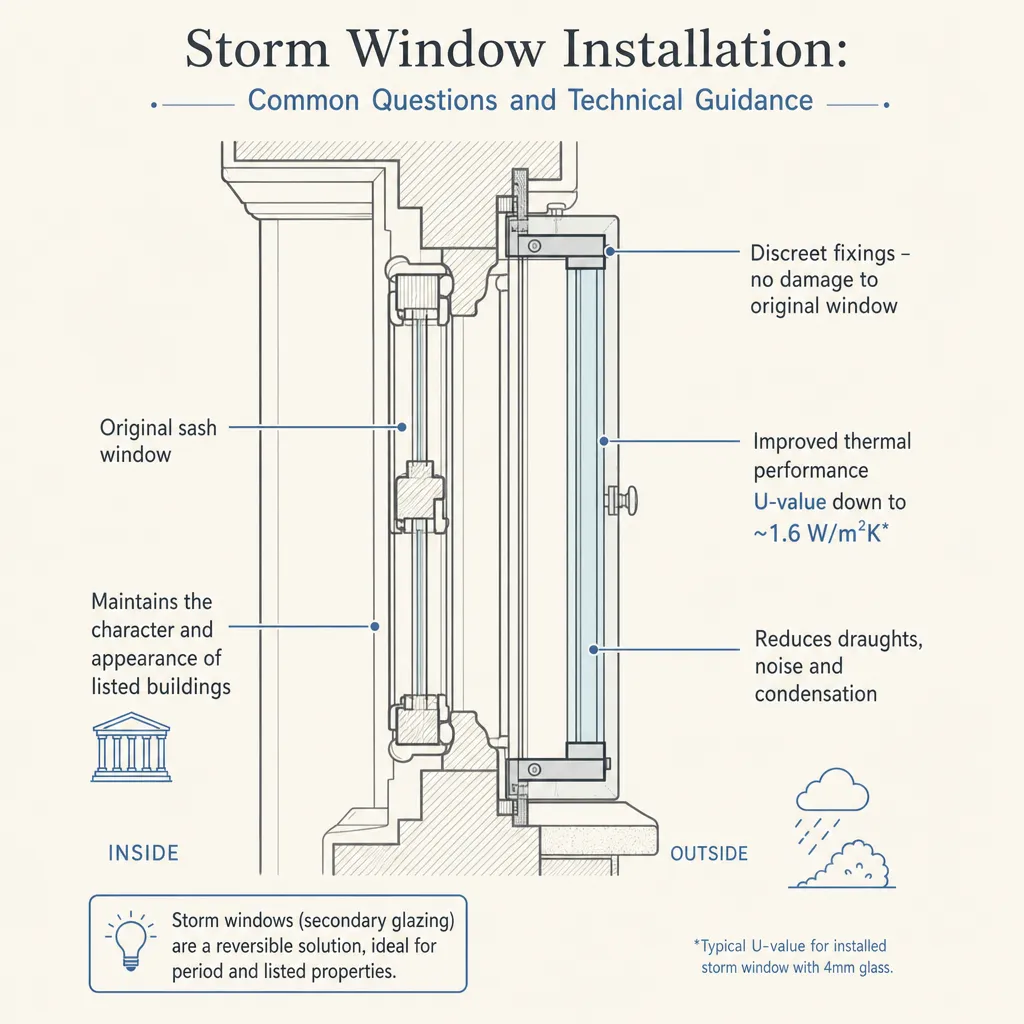
Storm Window Installation: Common Questions and Technical Guidance
Storm windows — more commonly called secondary glazing in the UK — are separately framed glazed panels fitted inside or outside existing windows to reduce heat loss and draughts without replacing the primary frame. They are the standard approved solution for listed buildings and conservation areas where double glazing cannot be permitted. Professional installation typically takes two to four hours per window.
 Buying & Moving
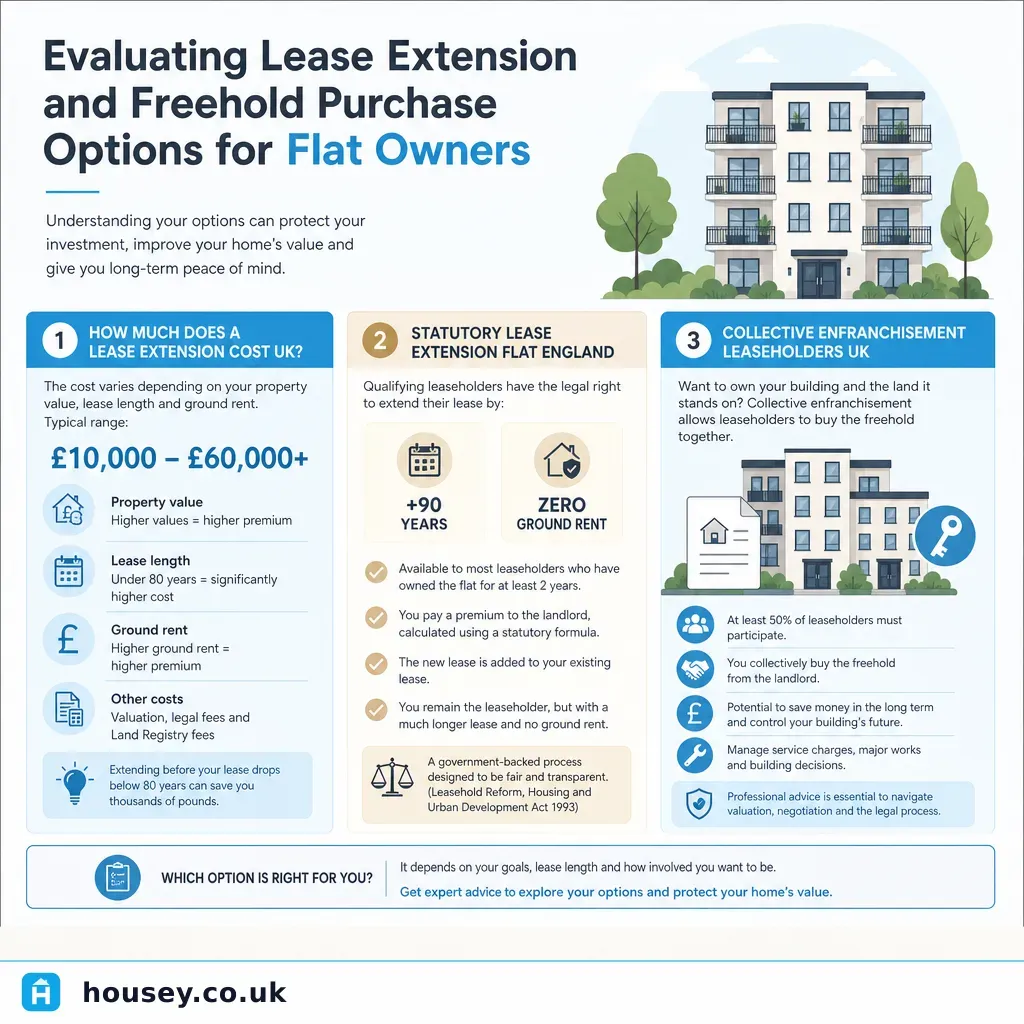
Evaluating Lease Extension and Freehold Purchase Options for Flat Owners
Flat owners in England and Wales can extend their lease by 90 years — increasing to 990 years under pending 2024 reforms — or collectively purchase the freehold. The right choice depends on lease length, number of qualifying leaseholders, and negotiating position. A specialist leasehold solicitor and RICS-registered valuer should be involved in either route.