Knowledge Base
Property advice that actually helps
Researched, UK-specific guides for every stage of homeownership — from buying and surveys to retrofit, planning and major works.
 Improvement & Build
Finding a Qualified Roofer for Roof Repairs
Finding a qualified roofer means checking for NFRC membership, TrustMark registration, or CompetentRoofer accreditation and requesting at least three written, itemised quotes. Avoid unsolicited doorstep traders, particularly after storms. Any contractor working at height must comply with the Work at Height Regulations 2005 and use proper scaffolding or access equipment.
 Buying & Moving
New homes, lasting friendships: how development choices shape neighbourhoods
The design choices made before a new-build estate is built — street layout, Section 106 contributions, and planning policies — determine whether a development becomes a genuine community or just a collection of houses. Checking what obligations are in place, whether roads will be adopted, and who manages communal areas will help you make a more informed decision before you reserve.
 Improvement & Build
Window film problems and solutions
Window film can develop bubbles, peeling edges, discolouration, and adhesive failure — most problems stem from poor surface preparation, an incompatible film type, or DIY installation errors. Bubbling usually indicates trapped moisture or contaminants; peeling suggests adhesive failure; purple or brown colour shift means the dye layer has degraded. Most issues are preventable or fixable with the right approach.
 Buying & Moving
First-Time Buyer vs Established Homeowner: Property Purchase Considerations
First-time buyers in England pay no stamp duty on the first £300,000 of a property worth up to £500,000 and may access specific mortgage products. Established homeowners moving home must co-ordinate their sale and purchase to avoid a 3% additional dwelling surcharge. Both groups need a qualified conveyancer and an independent survey, though the complexity of the process differs significantly.
 Improvement & Build
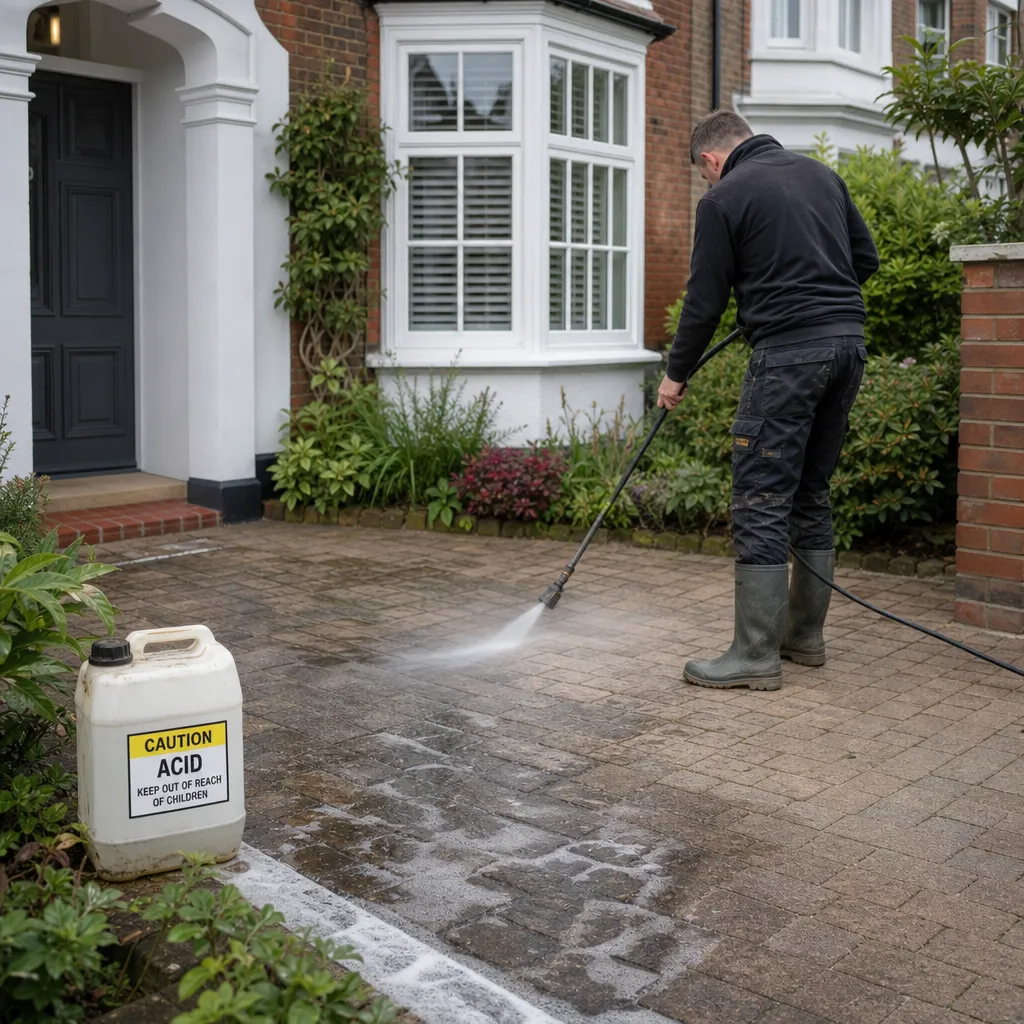
Acid Cleaning Driveways: Risks and Safe Cleaning Alternatives
Acid cleaning — typically using diluted hydrochloric (muriatic) acid — can remove stubborn stains from concrete and block paving but risks etching the surface, eroding mortar joints, and causing chemical burns if mishandled. For most UK driveways, pressure washing combined with an alkaline degreaser or pH-neutral cleaner is safer, equally effective, and carries no chemical disposal obligations.
 Energy & Retrofit
Sustainable Home Improvements: Eco-Friendly Upgrades and Green Living
Sustainable home improvements in the UK typically start with insulation to cut heat loss, then move to low-carbon heating such as a heat pump, solar panels, and smart controls. Grant funding through ECO4 and the Boiler Upgrade Scheme may significantly reduce upfront costs, depending on your property type, EPC rating, and household income.
 Planning & Pre-Build
Victorian Architecture: Design Principles and Heritage Characteristics
Victorian architecture spans 1837 to 1901 and includes several distinct sub-styles — Gothic Revival, Italianate, Queen Anne Revival, and Arts and Crafts among them. Common features include bay windows, decorative brickwork, sash windows, and ornate chimney stacks. Owners of Victorian properties must often consider conservation area rules or listed building consent before making alterations.
 Improvement & Build
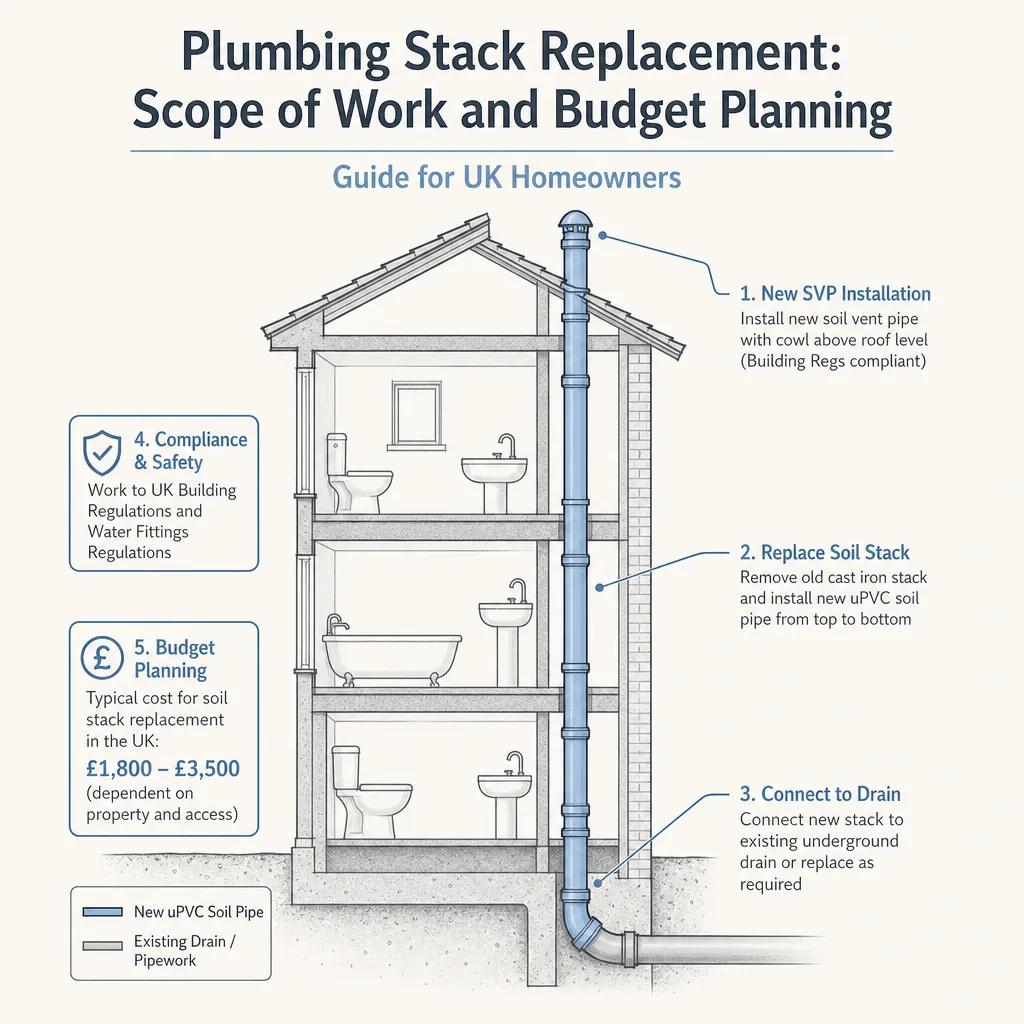
Plumbing Stack Replacement: Scope of Work and Budget Planning
Replacing a plumbing stack in a UK home typically costs £1,500–£6,000 depending on the number of storeys, access conditions, and whether cast iron pipework must be removed. Work usually takes 2–5 days and must comply with Building Regulations Part H. Always use a qualified drainage contractor, and ensure a building control notification is obtained on completion.
 Energy & Retrofit
Renewable Energy Solutions: Solar, Heat Pumps, and Home Battery Storage
UK homeowners can reduce energy bills and carbon emissions by combining solar PV panels, air source heat pumps, and home battery storage. Each technology suits different property types and energy needs. MCS-certified installers are required to access government grants including the Boiler Upgrade Scheme and Smart Export Guarantee. The right system depends on your home's insulation, roof orientation, and budget.
 Energy & Retrofit
Solar Panels: A Comprehensive Buying and Installation Guide
Choosing solar panels for a UK home involves matching system size — typically 3–4 kWp for a three-bedroom house — to your roof orientation and available area, selecting a panel technology and inverter type, and instructing an MCS-accredited installer. Getting a solar survey beforehand helps you avoid oversizing, undersizing, or missing shading and structural issues that affect long-term performance.
 Surveys & Inspections
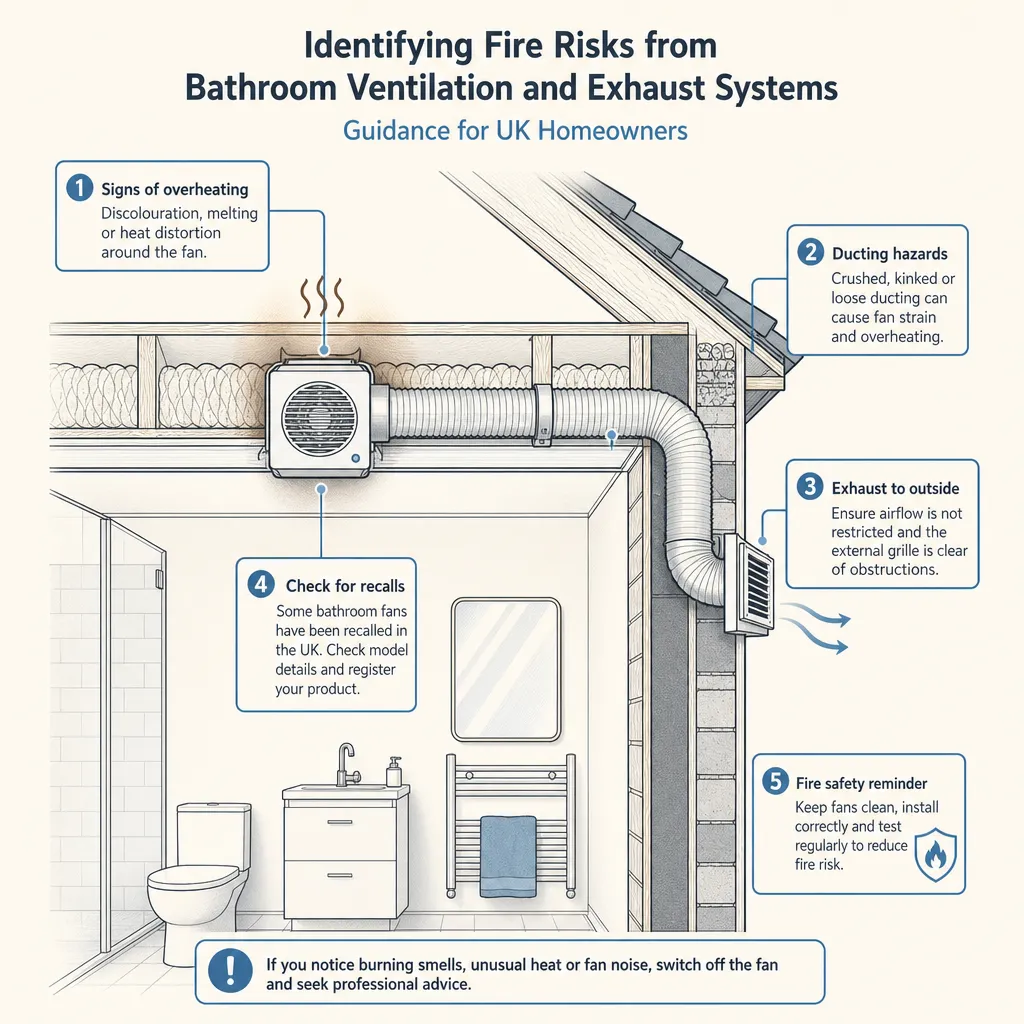
Identifying Fire Risks from Bathroom Ventilation and Exhaust Systems
Bathroom exhaust fans and ventilation systems can cause fires if they overheat, accumulate dust, are incorrectly installed, or are affected by product recalls. Regular cleaning, checking for unusual noise or heat, and ensuring correct IP-rated fans are fitted in the right bathroom zones all reduce the risk. If in doubt, arrange a professional inspection.
 Improvement & Build
Dehumidifier Hire for Damp and Moisture Control
Hiring an industrial dehumidifier in the UK typically costs £25–£60 per day or £100–£250 per week for a standard 50-litre-per-day unit. Hired equipment suits post-flood drying, construction drying, and temporary moisture management, but does not fix the underlying cause of damp. Always address the moisture source alongside running the equipment.