Knowledge Base
Property advice that actually helps
Researched, UK-specific guides for every stage of homeownership — from buying and surveys to retrofit, planning and major works.
 Buying & Moving
Planning A House Move In The New Year: A Complete Relocation Checklist
Planning a house move in the new year means coordinating removals, utilities, address changes, and legal completions across multiple parties. Start at least 8–12 weeks before your target move date, book removals early as January is a popular period, and work through address notifications and utility transfers systematically in the final two weeks before moving day.
 Improvement & Build
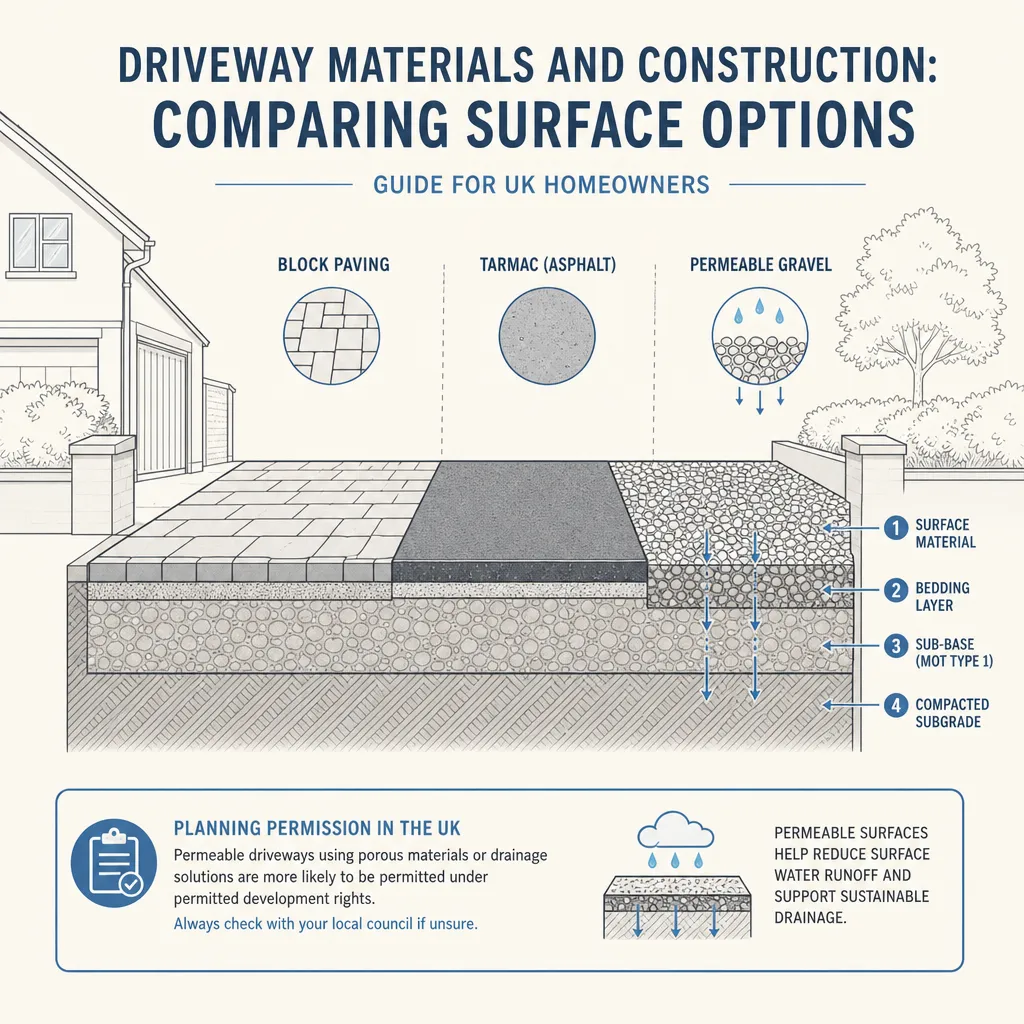
Driveway Materials and Construction: Comparing Surface Options
Common driveway surfaces in the UK include block paving, tarmac, concrete, gravel, and resin-bound aggregate. Front driveways over 5m² using non-permeable surfaces require planning permission unless drainage is directed to a lawn or soakaway. The best material depends on budget, drainage requirements, maintenance preference, and planning constraints — particularly in conservation areas.
 Improvement & Build
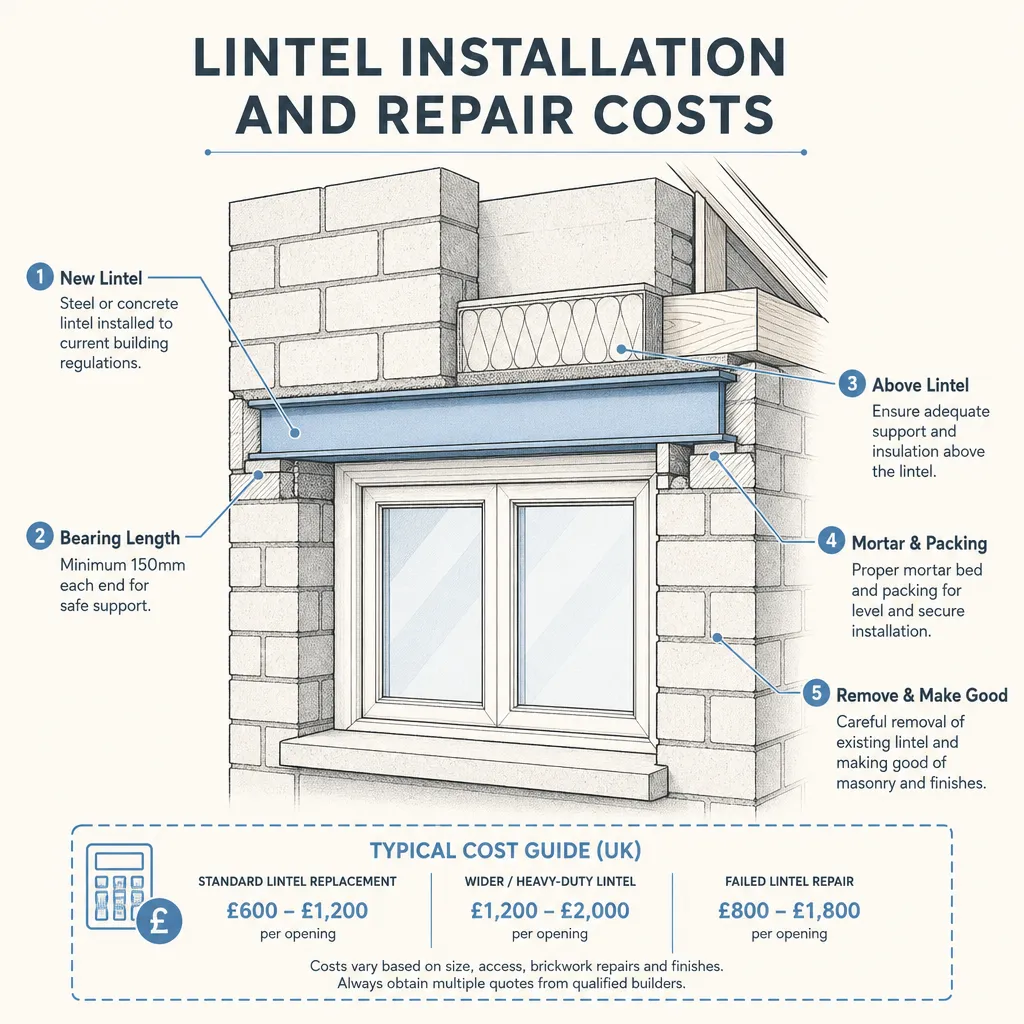
Lintel Installation and Repair Costs
Replacing or installing a lintel in the UK typically costs £400–£1,500 for a standard residential opening, covering supply of a steel lintel and a day's skilled labour. Wider or load-bearing openings, access difficulties, or the need for temporary propping can raise costs significantly. A structural engineer's assessment is advisable before creating any new opening or replacing a failed lintel.
 Improvement & Build
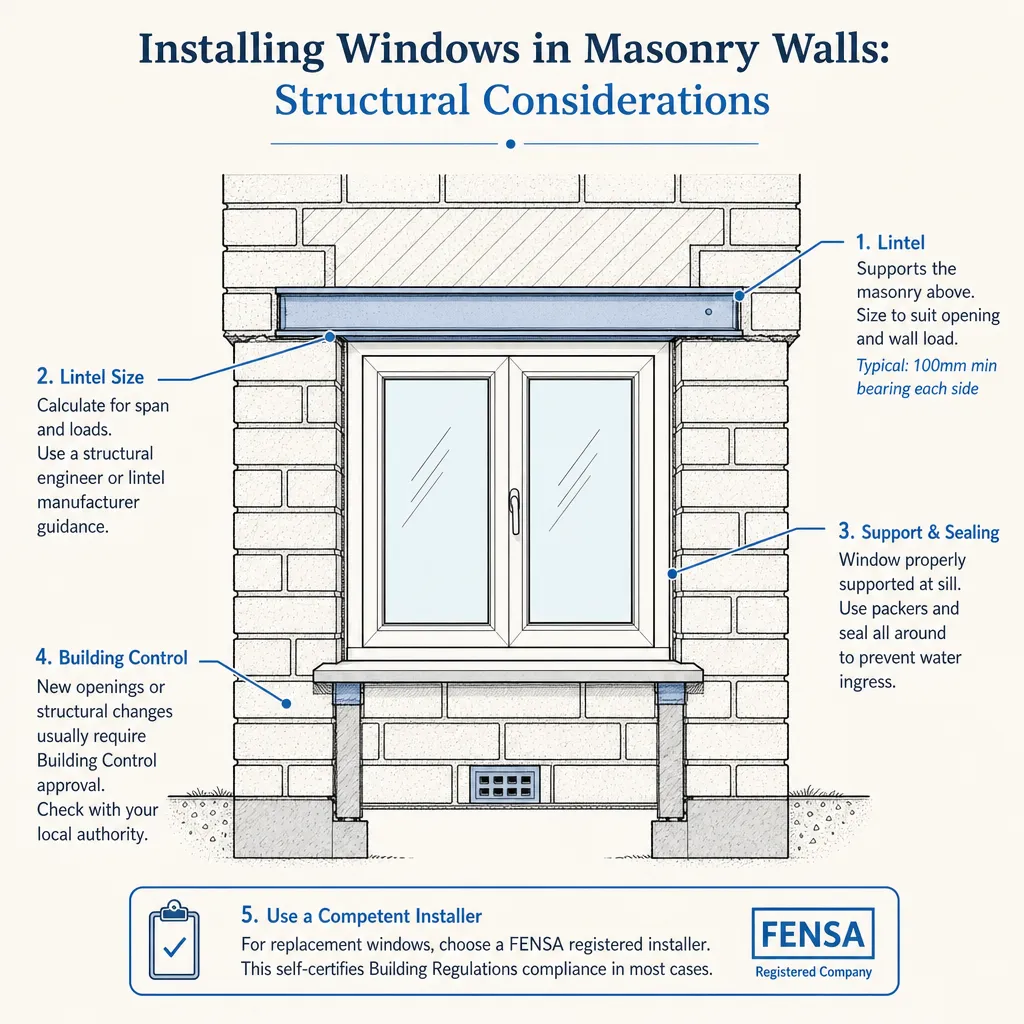
Installing Windows in Masonry Walls: Structural Considerations
Installing a window in a masonry wall involves cutting through load-bearing structure, fitting a correctly sized lintel, and notifying building control. For new openings, a structural engineer or qualified designer should specify the lintel size. Replacement windows in existing openings are less complex but must comply with Building Regulations and, in England and Wales, be installed by a FENSA-registered company.
 Buying & Moving
Preparing Your Home for Sale: Interior and Exterior Improvements
Preparing your home for sale means prioritising presentation over renovation. Declutter, carry out minor repairs, boost kerb appeal, and ensure you have a valid EPC. Neutral decoration, clean carpets, and tidy outdoor spaces typically deliver the greatest return for the least outlay. Major structural works rarely recover their full cost at sale — focus on what buyers notice first.
 Surveys & Inspections
Roof Warranties: Understanding Coverage and Limitations
UK roof warranties fall into two main types: a manufacturer's product guarantee covering materials, typically for 10 to 30 years, and a contractor's workmanship guarantee covering installation quality, usually for five to ten years. Insurance-backed guarantees remain valid if the contractor ceases trading and transfer to future owners. Always request both warranty documents in writing at project completion.
 Planning & Pre-Build
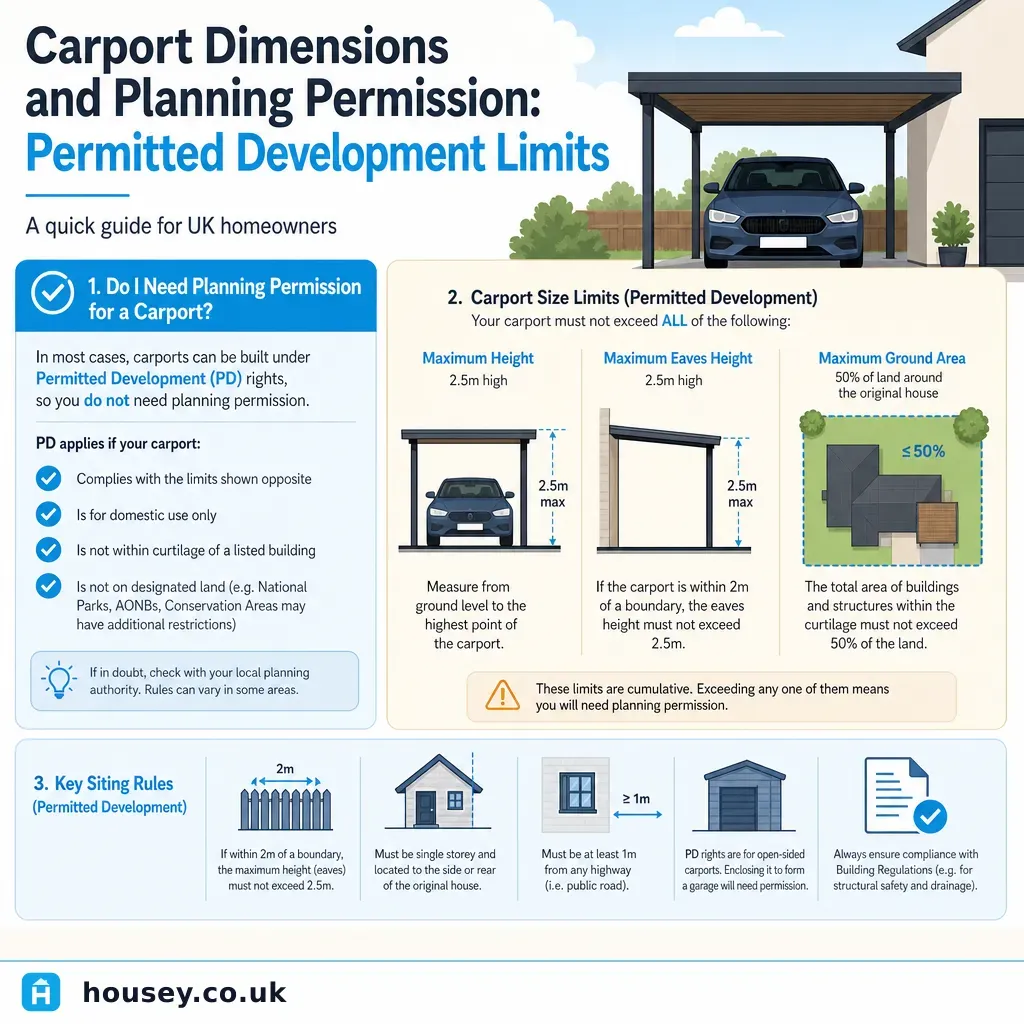
Carport Dimensions and Planning Permission: Permitted Development Limits
A carport may be built under permitted development (Class E, GPDO 2015) if it stays within 50% of the curtilage, does not exceed 2.5m at the eaves or 4m overall, and sits behind the principal elevation. Full planning permission is required on designated land or where size limits are exceeded. Check with your local planning authority before starting work.
 Planning & Pre-Build
Frame House Construction: Building Technique and Overview
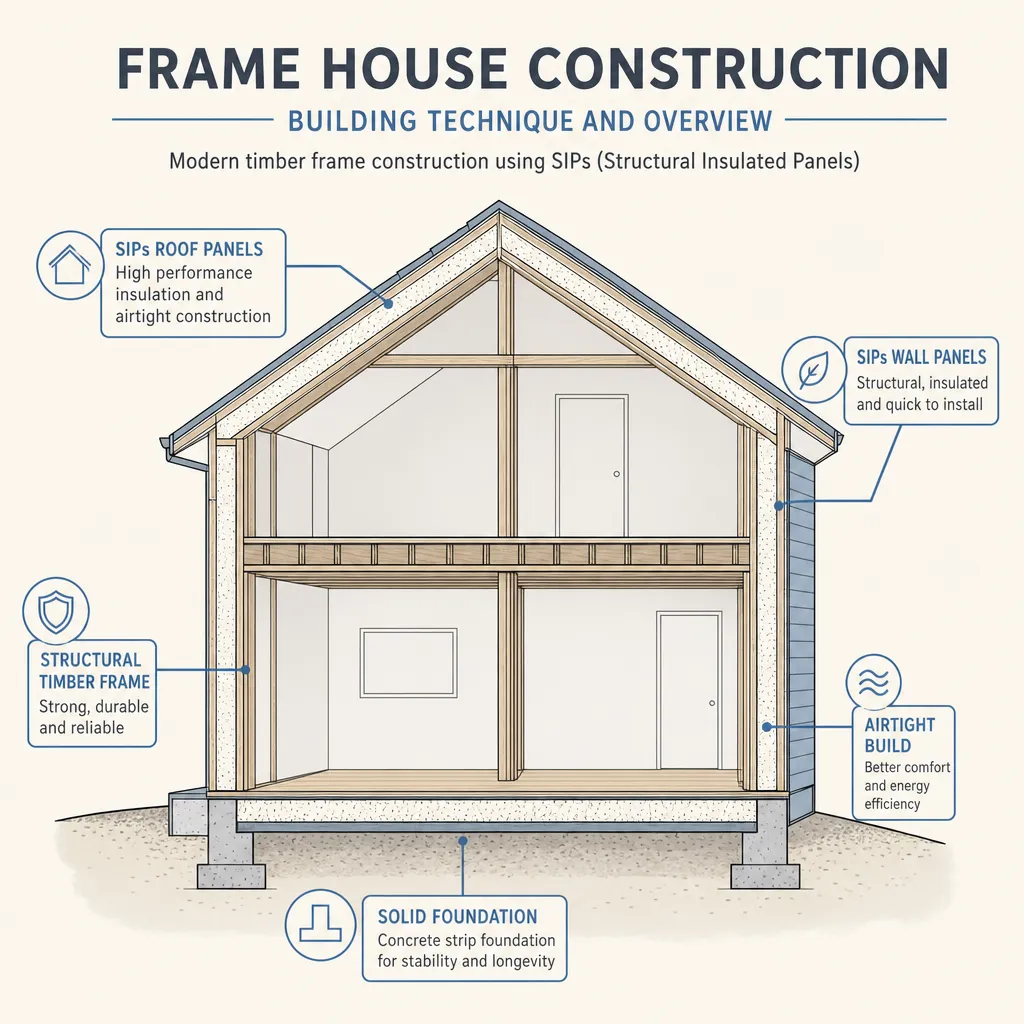
Frame house construction uses a structural skeleton — most commonly timber, steel, or structural insulated panels — rather than load-bearing masonry walls. Timber frame is the dominant method in UK new-builds, accounting for most new homes in Scotland and a growing share in England. Each system has different implications for insulation, build speed, mortgage eligibility, and long-term maintenance.
 Surveys & Inspections
Comparing Tile, Slate and Asphalt Roof Coverings for UK Homes
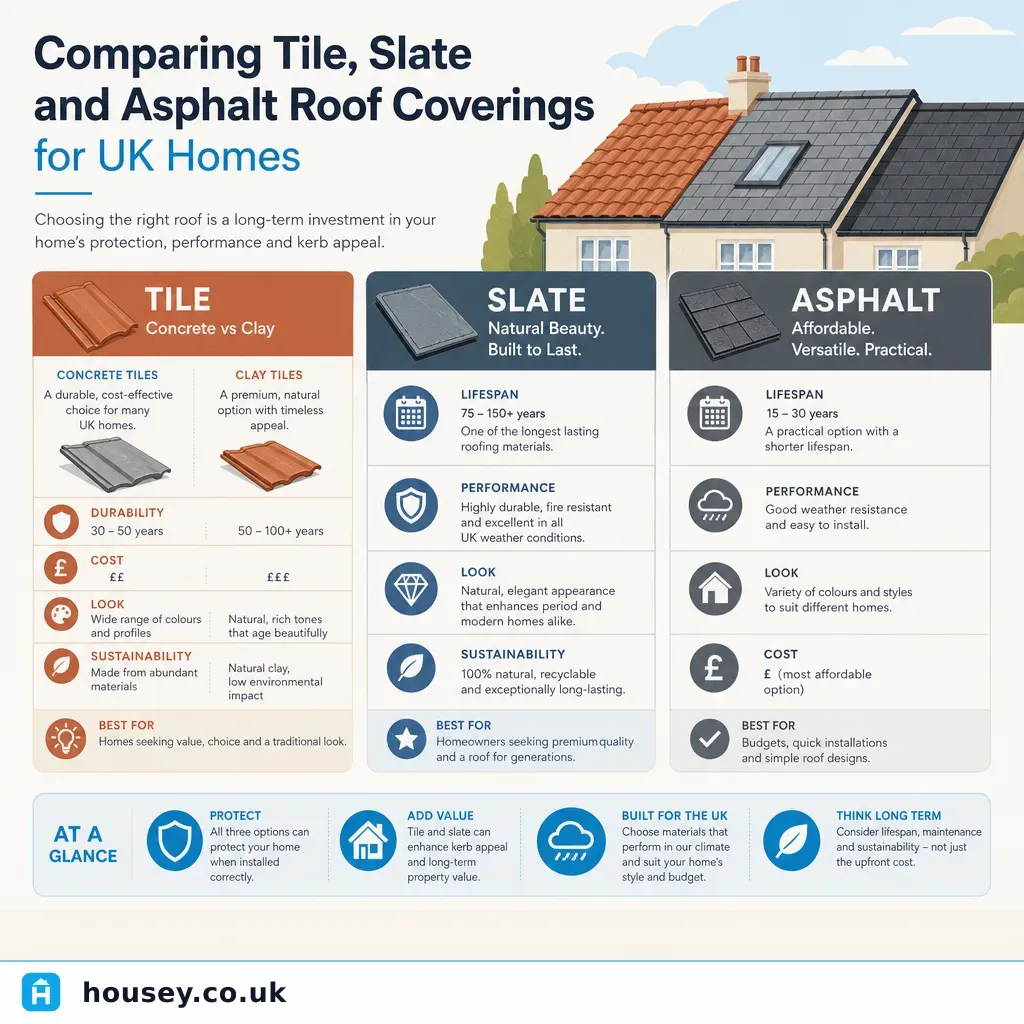
Clay and concrete tiles suit most standard UK pitched roofs, natural slate is the longest-lasting option and often required on traditional or listed properties, and asphalt shingles are rarely used in the UK. The right choice depends on roof pitch, local planning policy, the existing structure's load capacity, and budget. Confirm minimum pitch requirements with your roofer before finalising any specification.
 Planning & Pre-Build
Lawful Development Certificate: Planning Documentation Costs
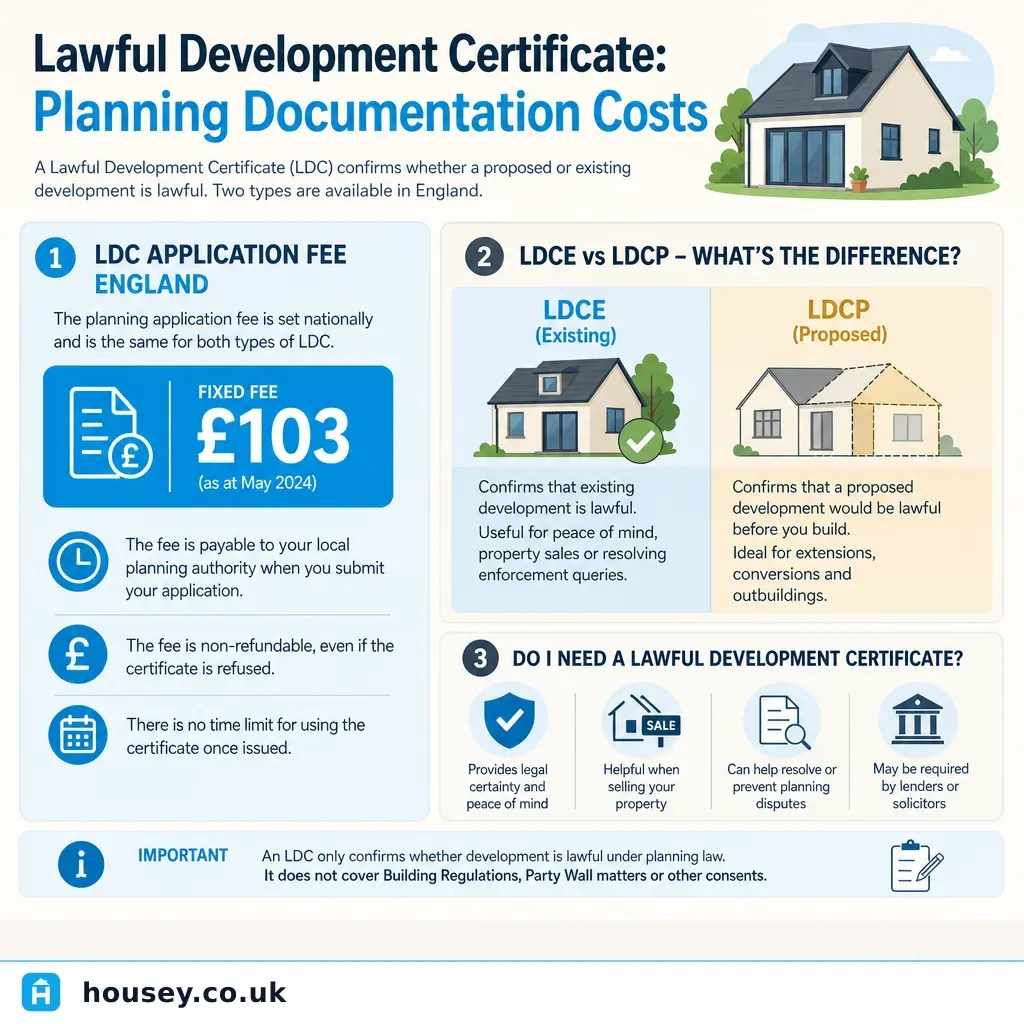
A Lawful Development Certificate in England costs £258 in application fees for householder proposed works, plus £500–£2,000 in professional preparation fees depending on complexity. Two types exist: LDCP for proposed works and LDCE for existing use. Most applications are determined within 8 weeks by your local planning authority.
 Surveys & Inspections
Cavity Wall Damp Proofing: Protecting the Inner Wall Face
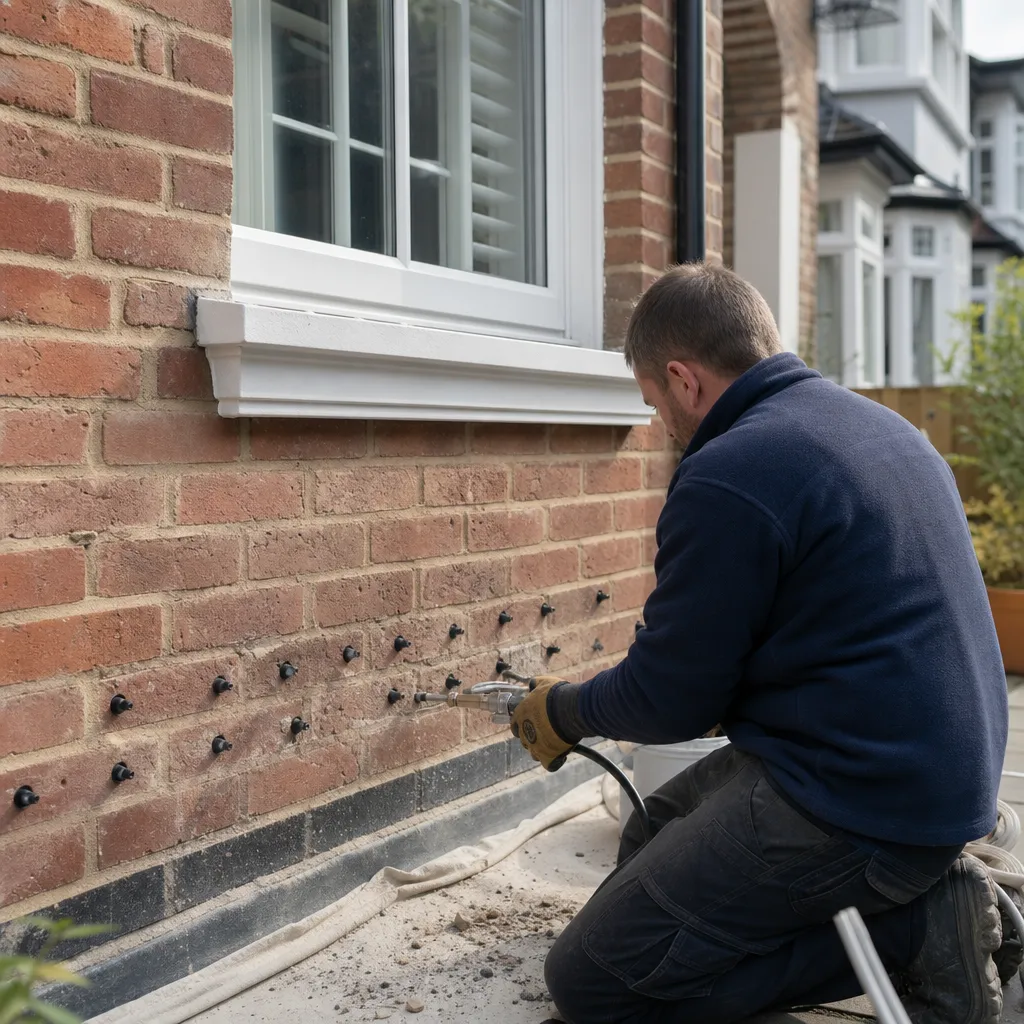
Cavity wall damp proofing protects the inner wall face by ensuring cavity trays, physical DPCs, and weep holes are intact and unobstructed. Where cavity wall insulation has been installed, moisture bridging can cause penetrating damp that mimics rising damp. A specialist damp survey is usually the first step before any remedial treatment is specified.
 Buying & Moving
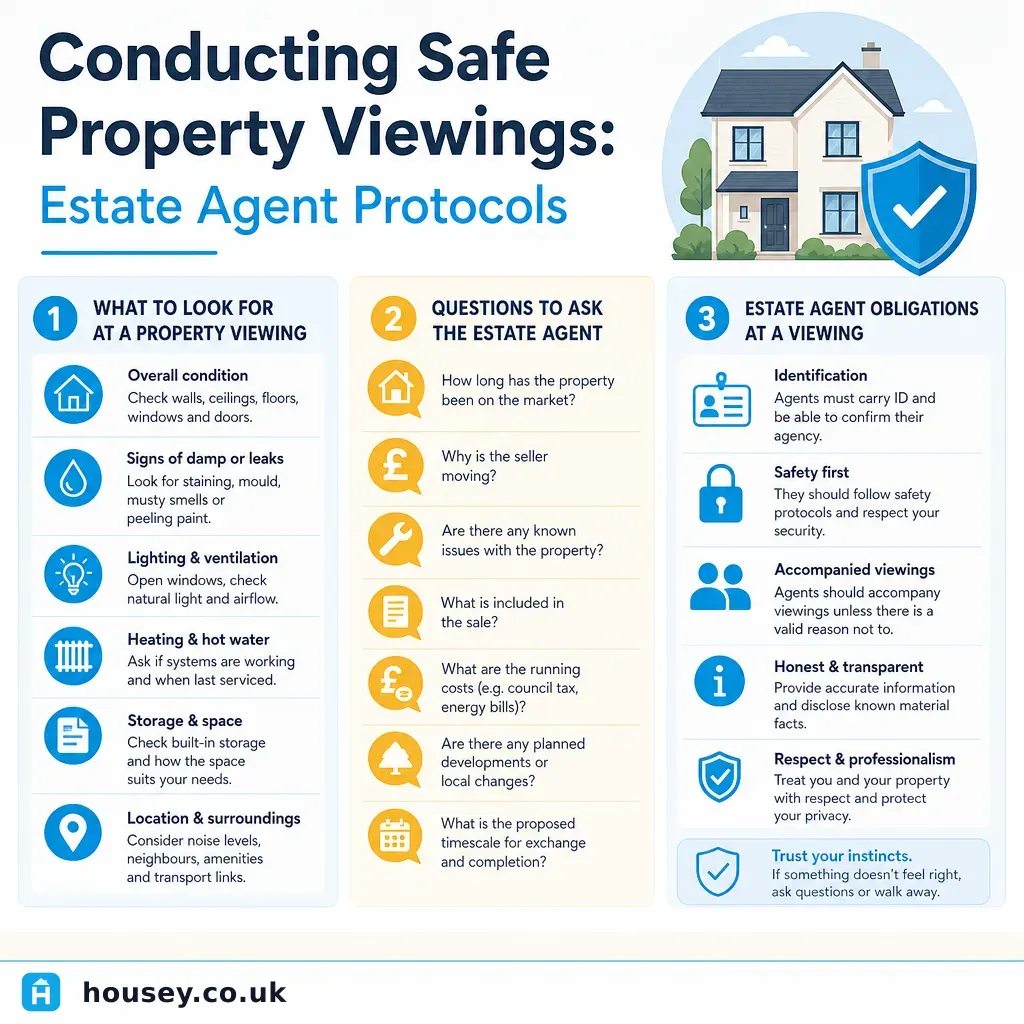
Conducting Safe Property Viewings: Estate Agent Protocols
A property viewing typically lasts 20 to 45 minutes — limited time to assess a home you may own for years. Arrive with a checklist, ask the agent directly about offers, the seller's chain position, and any known defects. Check for damp, cracks, roof condition, mobile signal, and natural light. Requesting a second viewing before making an offer is standard practice and agents should accommodate it without pressure.