Knowledge Base
Property advice that actually helps
Researched, UK-specific guides for every stage of homeownership — from buying and surveys to retrofit, planning and major works.
 Improvement & Build
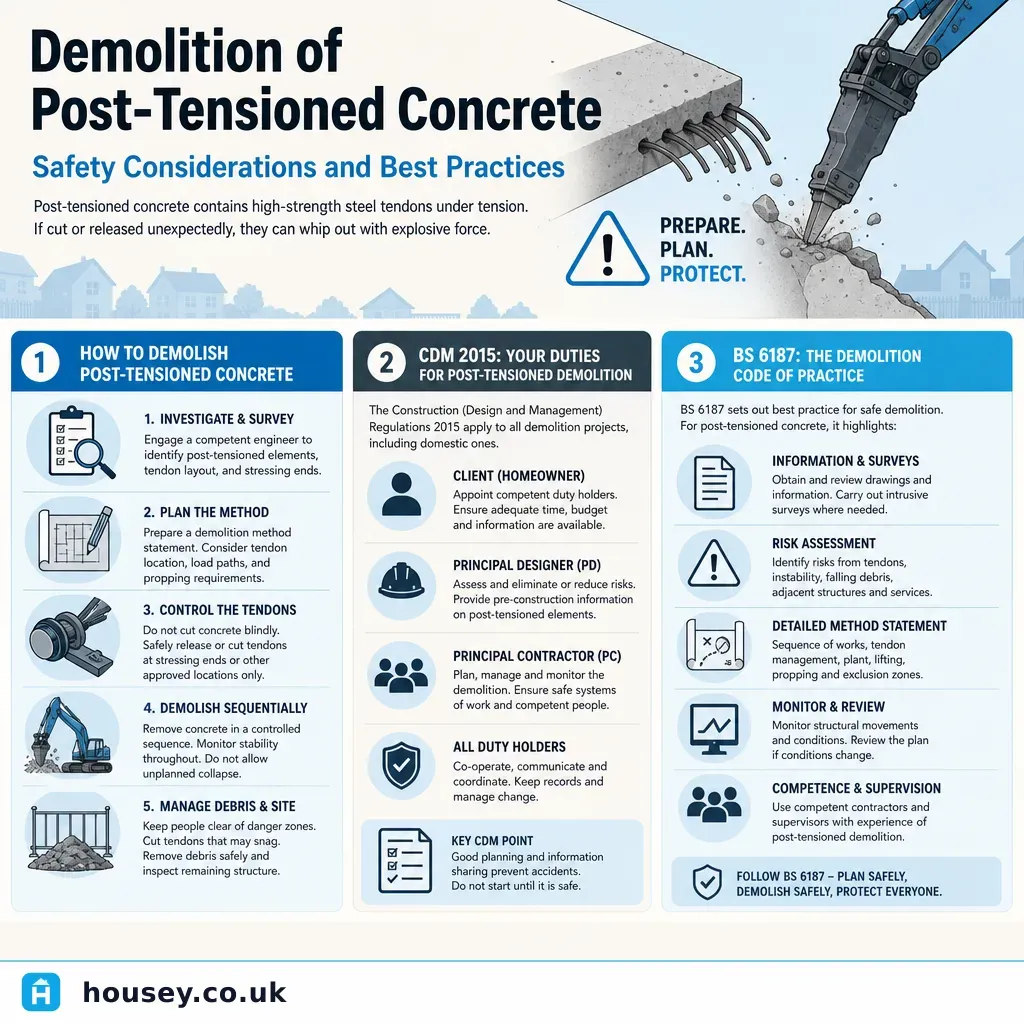
Demolition of Post-Tensioned Concrete: Safety Considerations and Best Practices
Post-tensioned concrete contains steel tendons under loads of up to 1,860 MPa. Cutting or disturbing them without controlled de-tensioning can cause sudden, violent structural failure. UK law requires a structural engineer's method statement under CDM 2015 and compliance with BS 6187:2011. Only NFDC-registered contractors with specific PT experience should carry out this work.
 Surveys & Inspections
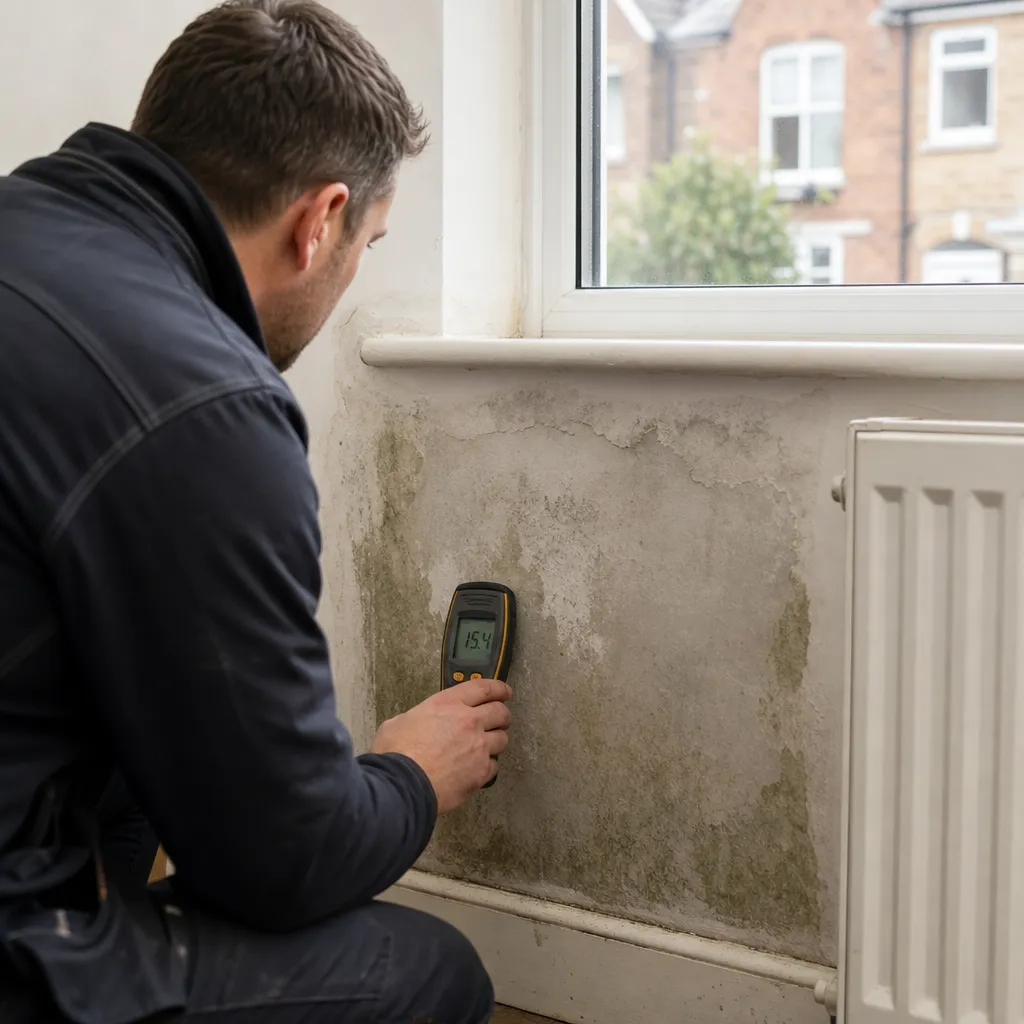
Cold and Damp Walls: Diagnosing Condensation and Moisture Issues
Cold, damp walls in UK homes most commonly result from surface condensation, penetrating damp, or rising damp. Surface condensation — the most common cause — forms when warm humid air meets a cold wall surface and is usually linked to inadequate ventilation. Penetrating damp enters through external defects; rising damp is rarer than commonly assumed and requires professional confirmation before treatment.
 Energy & Retrofit
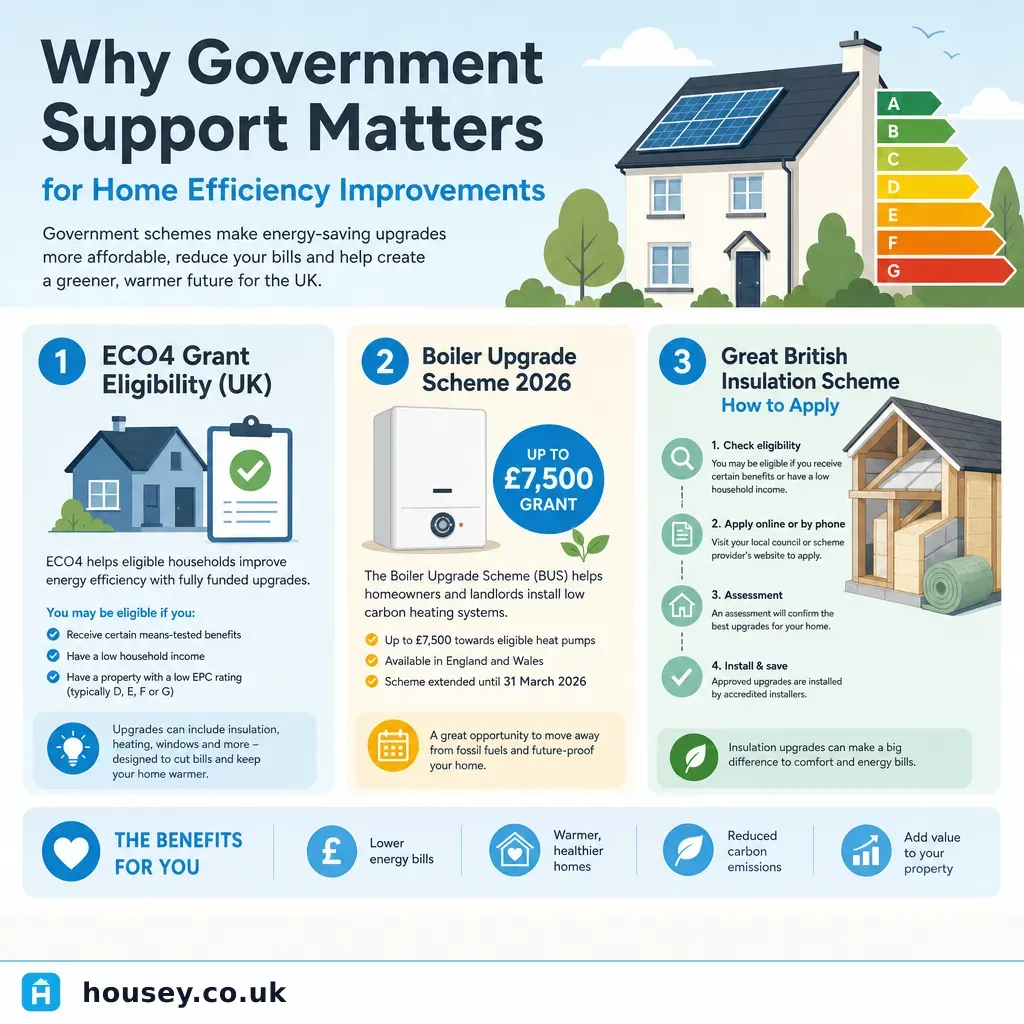
Why Government Support Matters for Home Efficiency Improvements
UK homeowners and landlords can access several government-backed schemes to fund energy efficiency improvements, including ECO4, the Boiler Upgrade Scheme, and the Great British Insulation Scheme. Eligibility depends on EPC rating, household income, tenure, and the type of improvement. A qualified retrofit assessor or energy-efficiency consultant can identify the most suitable route for your property and circumstances.
 Energy & Retrofit
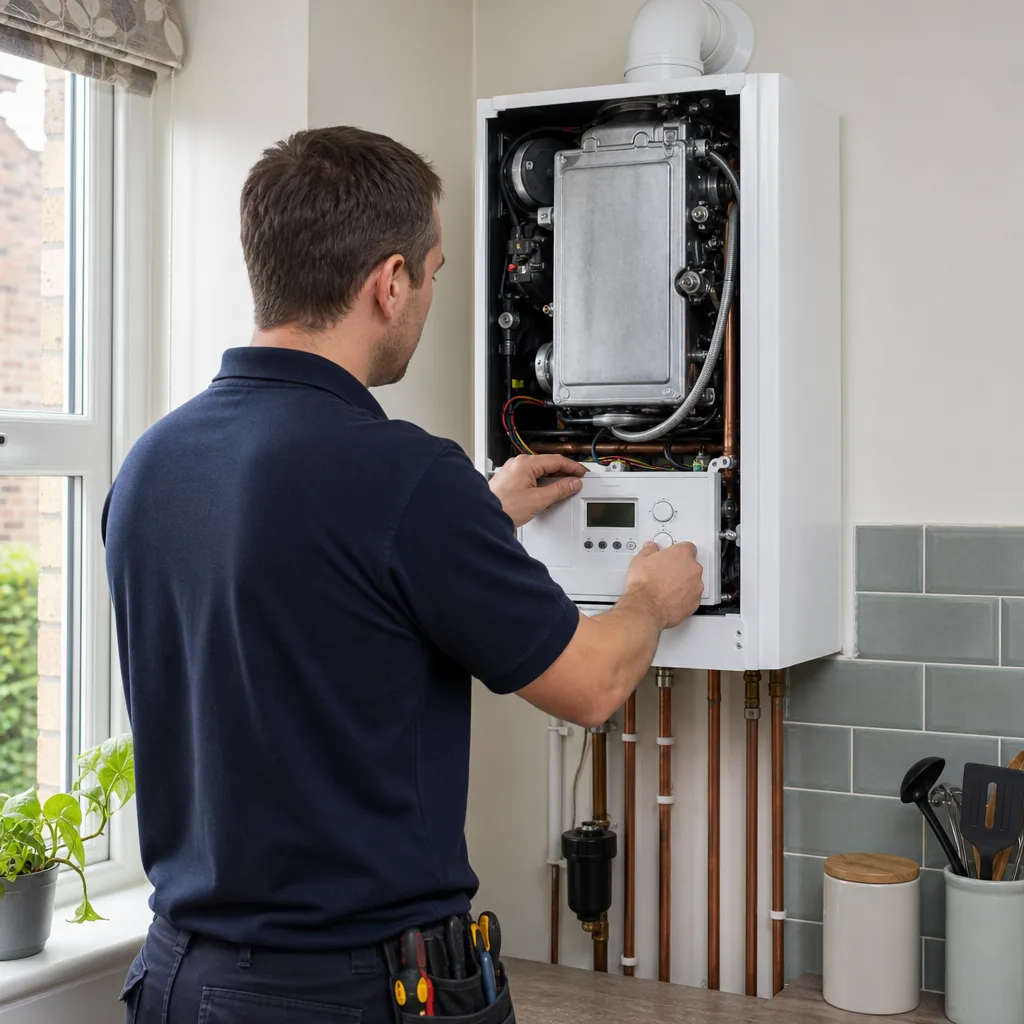
Gas Boiler Ignition and Startup Failures: Diagnosis
When a gas boiler fails to ignite or start, common causes include a loss of gas supply, low system pressure, a faulty ignition electrode or lead, a blocked condensate pipe (in cold weather), or a safety lockout triggered by the control board. Some checks are safe for homeowners to carry out, but any internal boiler work or gas supply investigation must be done by a Gas Safe registered engineer.
 Improvement & Build
Storm Door Hardware Options: Handle Styles and Installation Types
UK storm door hardware options include full-length pull bars, lever handles, and push plates. Latch types range from single-point to multi-point for better weatherseal compression. For exposed positions, choose powder-coated aluminium or stainless steel and consider multi-point latching. Surface-mounted hardware suits most aluminium doors; concealed mortice hardware needs a minimum 44mm stile depth.
 Improvement & Build
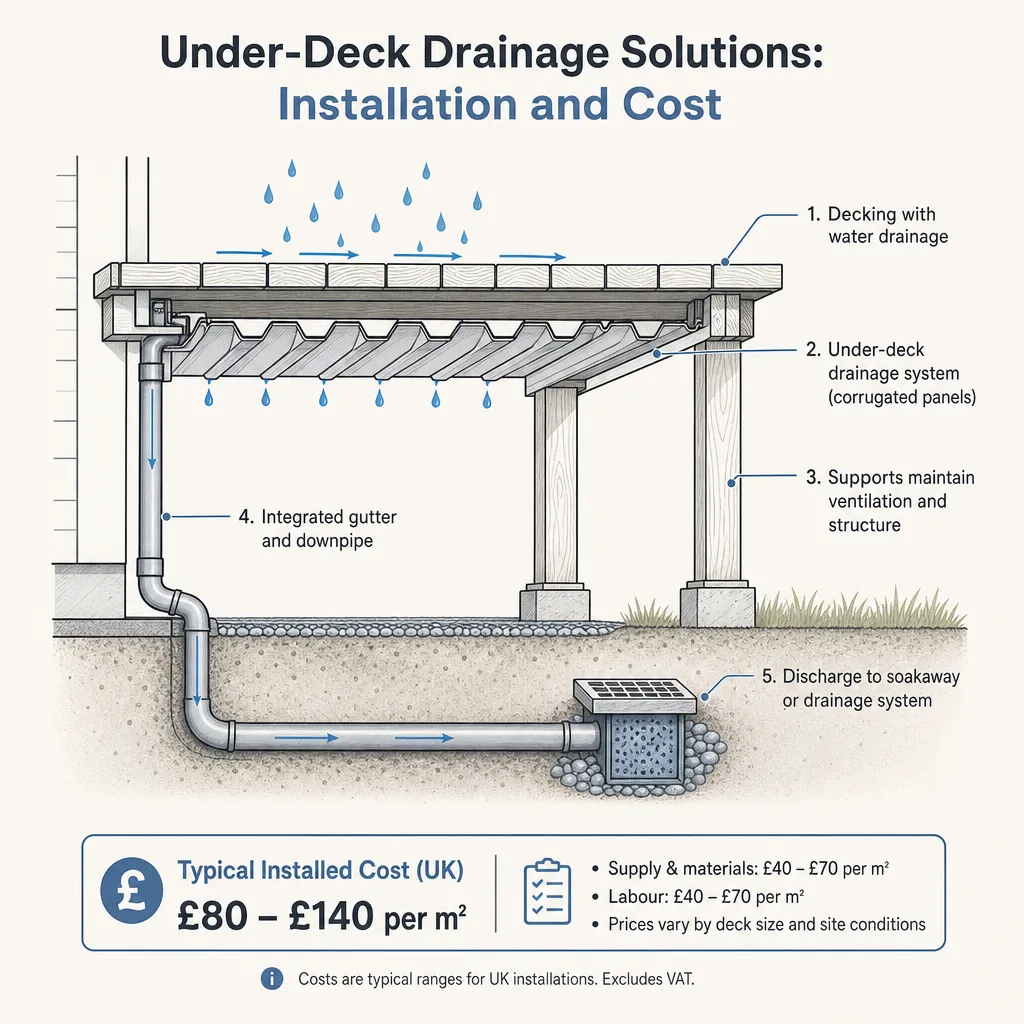
Under-Deck Drainage Solutions: Installation and Cost
Under-deck drainage systems channel rainwater falling through or running off a raised deck away from the space beneath it, keeping the under-deck area dry and usable. Systems range from simple channel gutters to full membrane liners. Installation costs vary by deck size and method, but typically run from £20 to £50 per square metre for materials and fitting combined.
 Planning & Pre-Build
Planning an open-plan kitchen and living space
Creating an open-plan kitchen and living area almost always involves removing a load-bearing wall, which requires structural engineer calculations and Building Regulations approval under Parts A, B, and F in England and Wales. An architect or architectural technologist can produce the technical drawings, and building control sign-off is essential before works complete.
 Energy & Retrofit
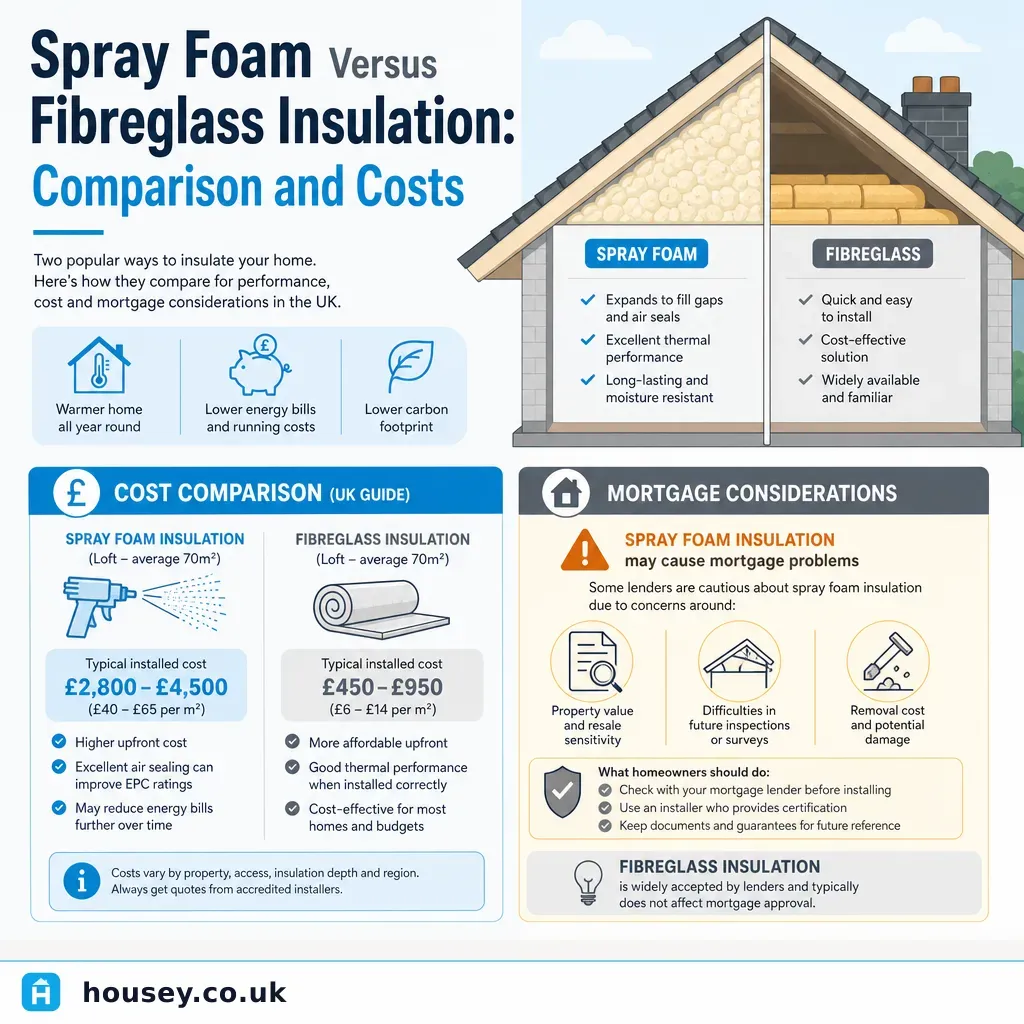
Spray Foam Versus Fibreglass Insulation: Comparison and Costs
Fibreglass (glass wool) insulation is the most widely used and mortgage-friendly choice for UK lofts and cavities, typically costing £300–£600 for a standard semi-detached loft. Spray foam offers better air-sealing and higher R-values but costs significantly more, can affect mortgage eligibility, and should only be installed following professional assessment.
 Improvement & Build
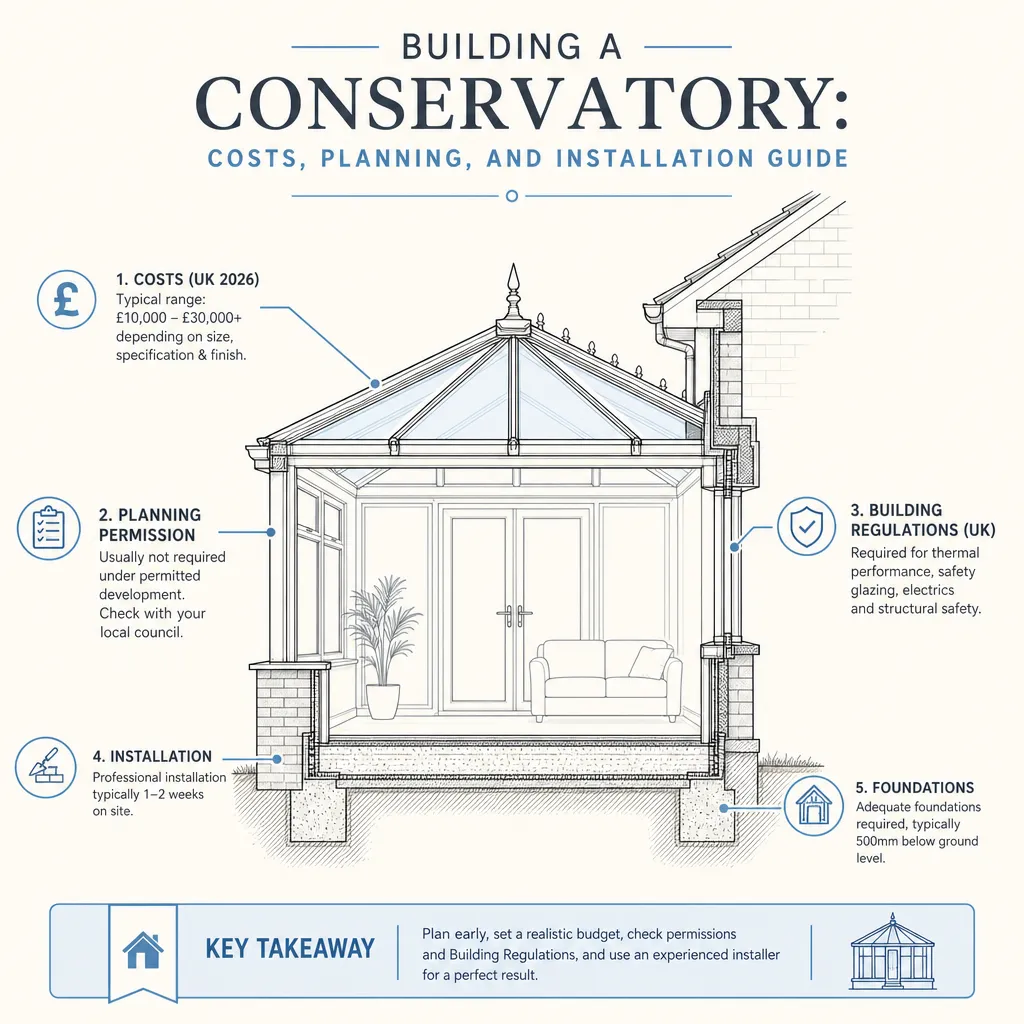
Building a Conservatory: Costs, Planning, and Installation Guide
Most UK conservatories qualify as permitted development and do not need a planning application, provided they meet the size, height, and location conditions in the Town and Country Planning (General Permitted Development) (England) Order 2015. Building regulations are usually exempt too if the conservatory is separated from the house by external-quality walls and doors with a self-supporting transparent roof. Always confirm with your local planning authority before starting.
 Improvement & Build
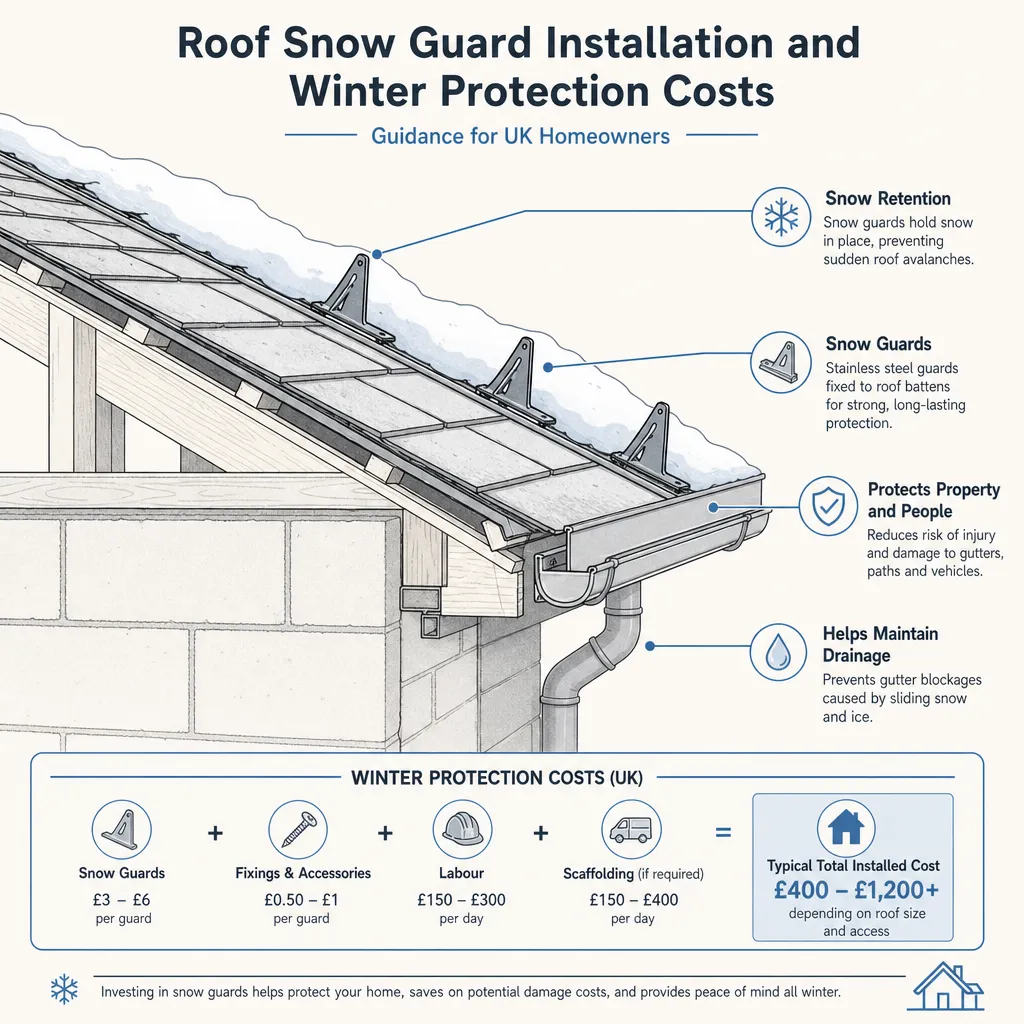
Roof Snow Guard Installation and Winter Protection Costs
Snow guards prevent snow and ice from sliding off roofs onto people and property below. In the UK, a typical installation costs between £500 and £3,000 depending on roof size, pitch, and guard type. A qualified roofer should always carry out the work — this is not a DIY task.
 Improvement & Build
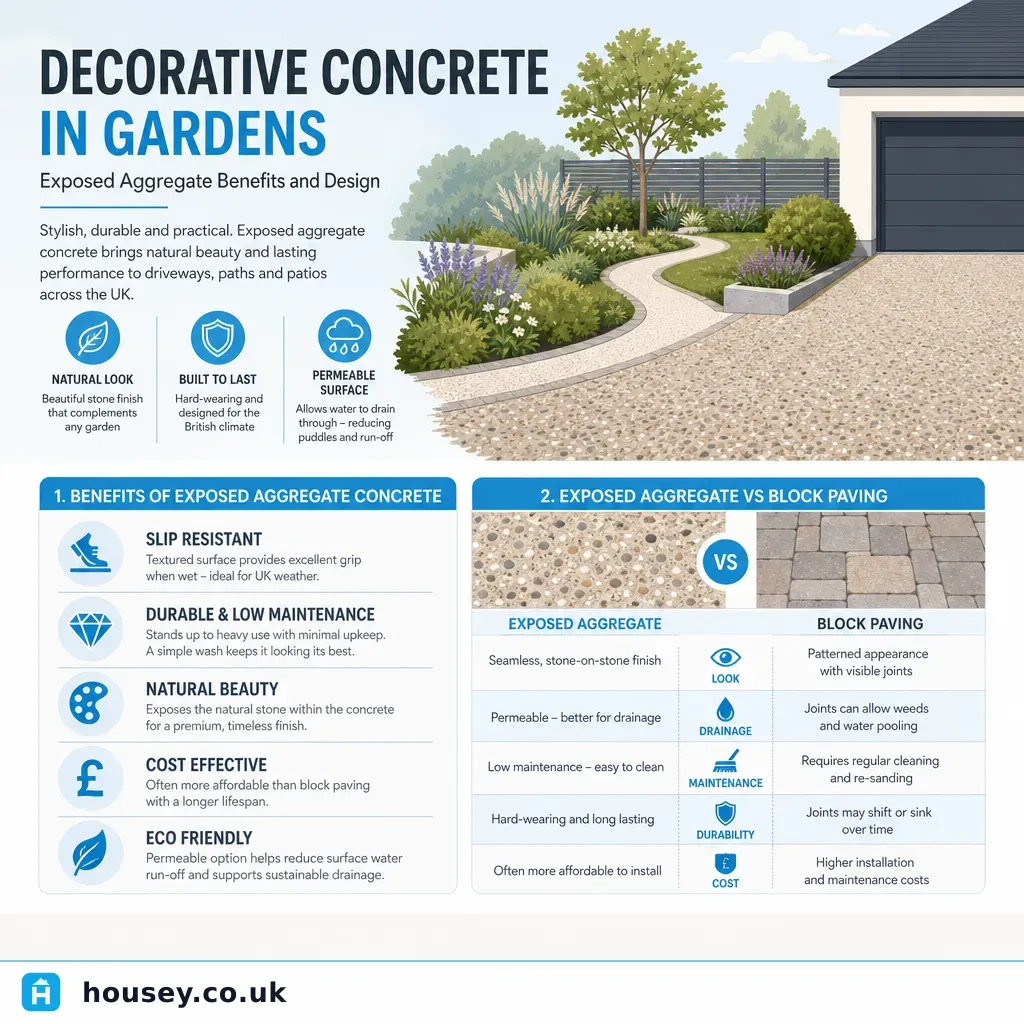
Decorative Concrete in Gardens: Exposed Aggregate Benefits and Design
Exposed aggregate concrete is a decorative hard-landscaping finish made by removing the surface cement paste to reveal the underlying stone. It offers good slip resistance in wet UK conditions, low joint maintenance compared with block paving, and a range of aggregate and colour options — but needs proper sub-base preparation, correct concrete mix design, and regular sealing to resist freeze-thaw damage.
 Improvement & Build
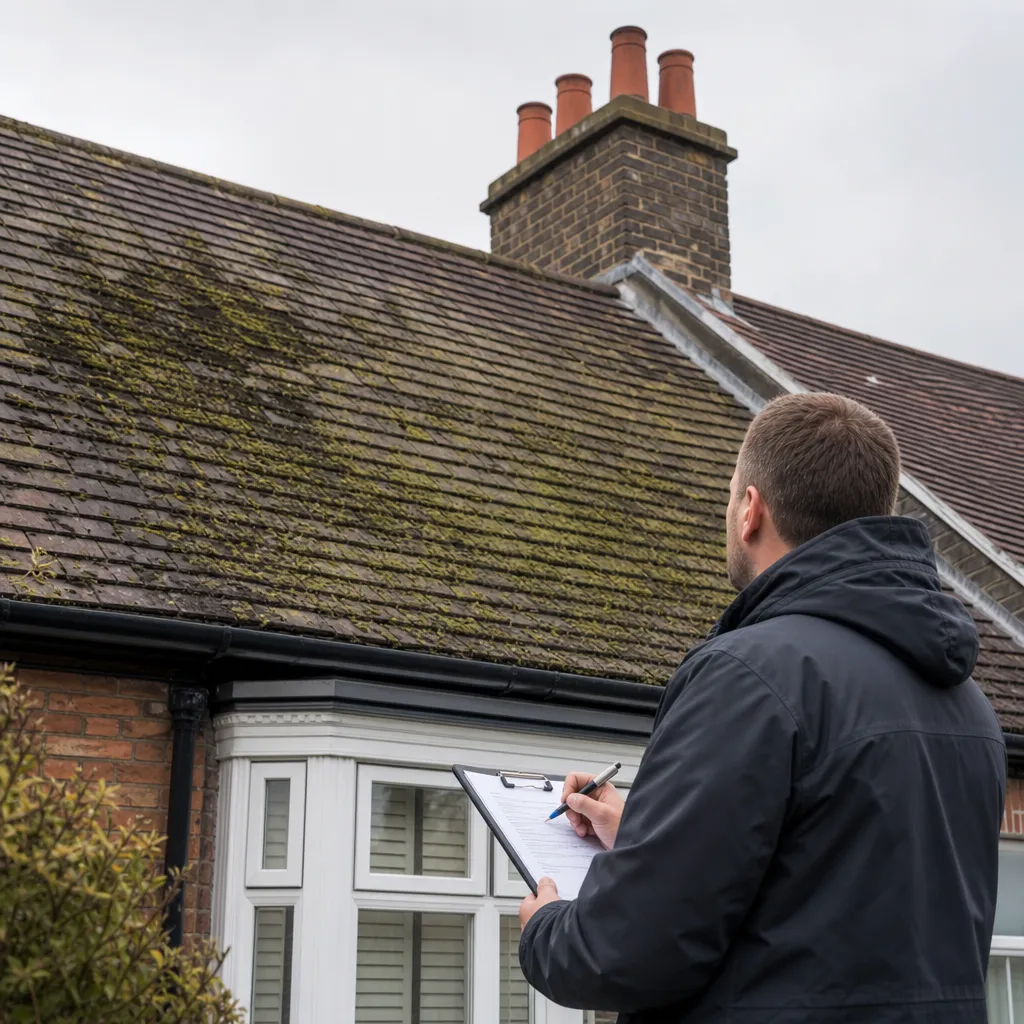
Roof Discolouration and Algae Growth: Prevention and Treatment Options
Roof discolouration in the UK is almost always caused by algae, moss, lichen, or liverworts. Algae and light moss are primarily cosmetic on well-maintained roofs; lichen and heavy moss can cause longer-term surface degradation. Treatment options include biocide soft washing and manual removal — the right method depends on tile type, age, and condition.