Knowledge Base
Property advice that actually helps
Researched, UK-specific guides for every stage of homeownership — from buying and surveys to retrofit, planning and major works.
 Improvement & Build
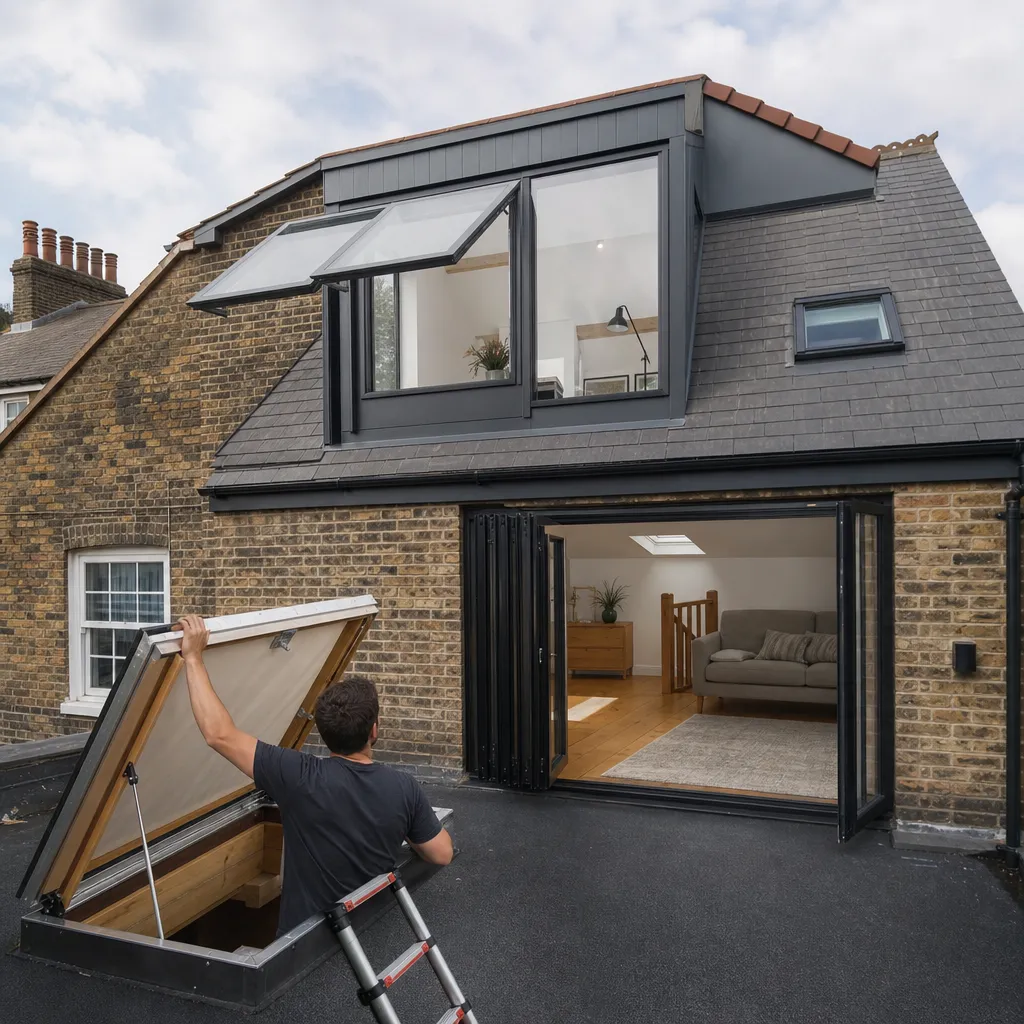
Alternatives to Velux Windows for Roof Lights and Loft Access
Velux is a brand name — direct alternatives for pitched roofs include Fakro, Roto, and Keylite. For flat roofs, roof lanterns and frameless rooflights are standard choices. Sun tunnels bring daylight to rooms with no direct roof access. The right option depends on your roof pitch, planning constraints, and whether you need ventilation or emergency egress.
 Improvement & Build
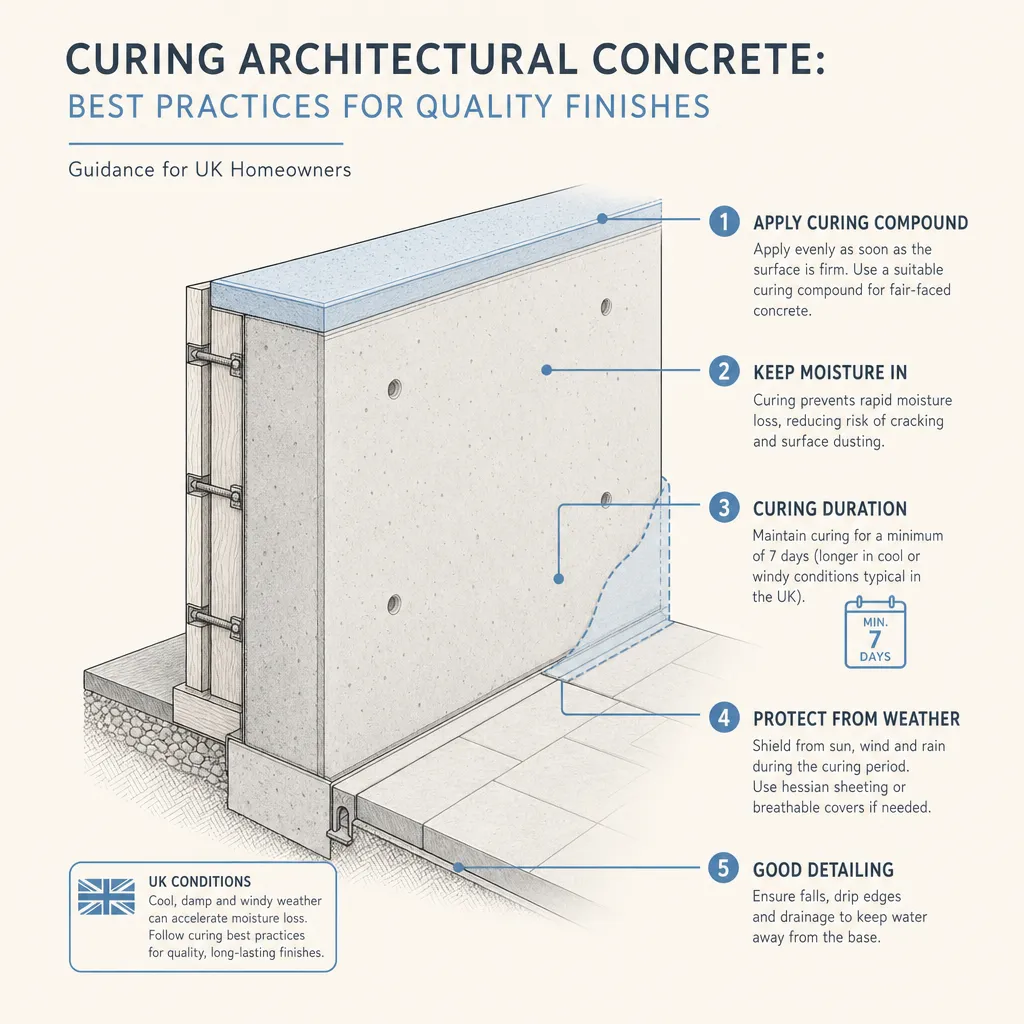
Curing Architectural Concrete: Best Practices for Quality Finishes
Architectural concrete curing requires maintaining moisture and temperature for a minimum of seven days after casting. Methods include leaving formwork in place, wet hessian under polythene sheeting, or a sprayed curing compound applied within 30 minutes of formwork striking. Skipping or shortening the cure risks cracking, surface dusting, and permanent colour variation in exposed finishes.
 Improvement & Build
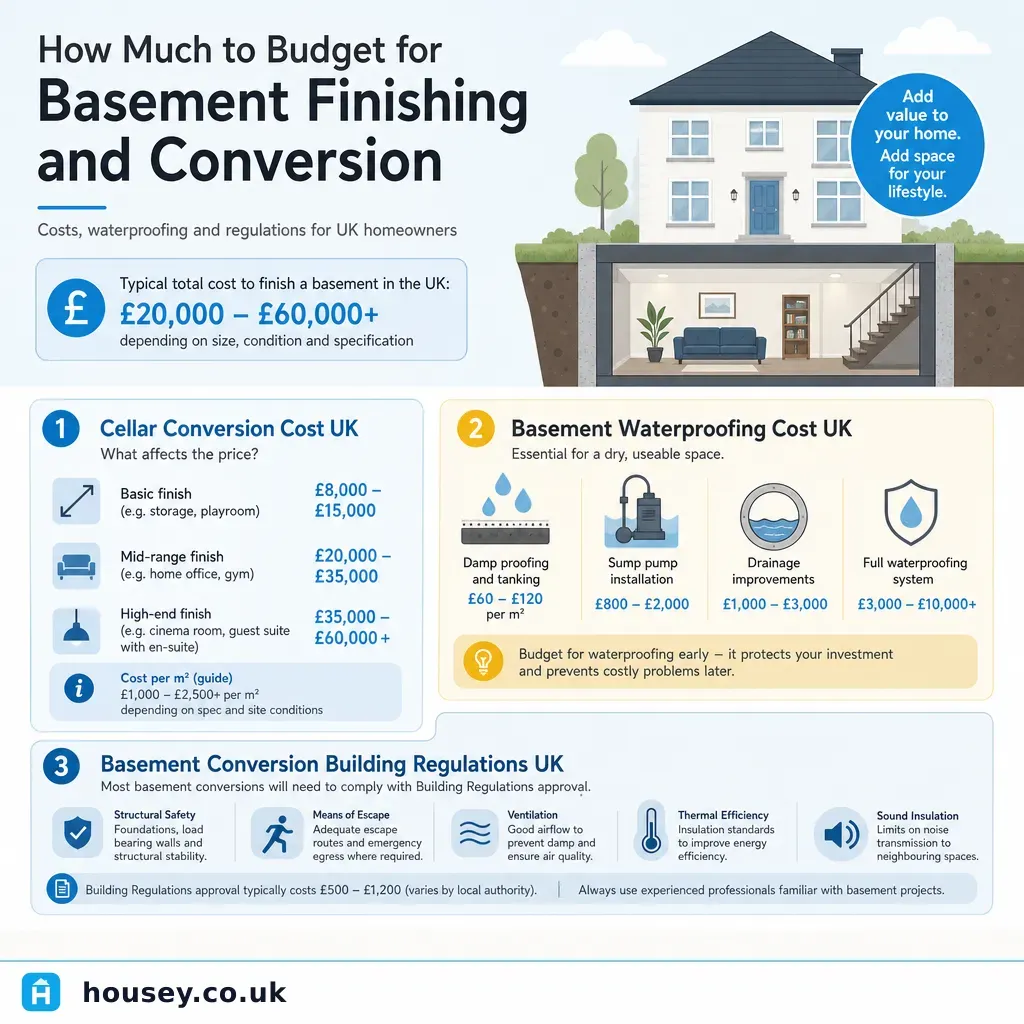
How Much to Budget for Basement Finishing and Conversion
Basement conversions in the UK typically cost £700–£1,500 per square metre for a simple cellar finish with existing headroom, rising to £1,500–£3,500 per square metre for a full conversion with underpinning. Costs vary based on waterproofing requirements, structural conditions, and fit-out specification. Building Regulations approval is required for all habitable basement rooms.
 Improvement & Build
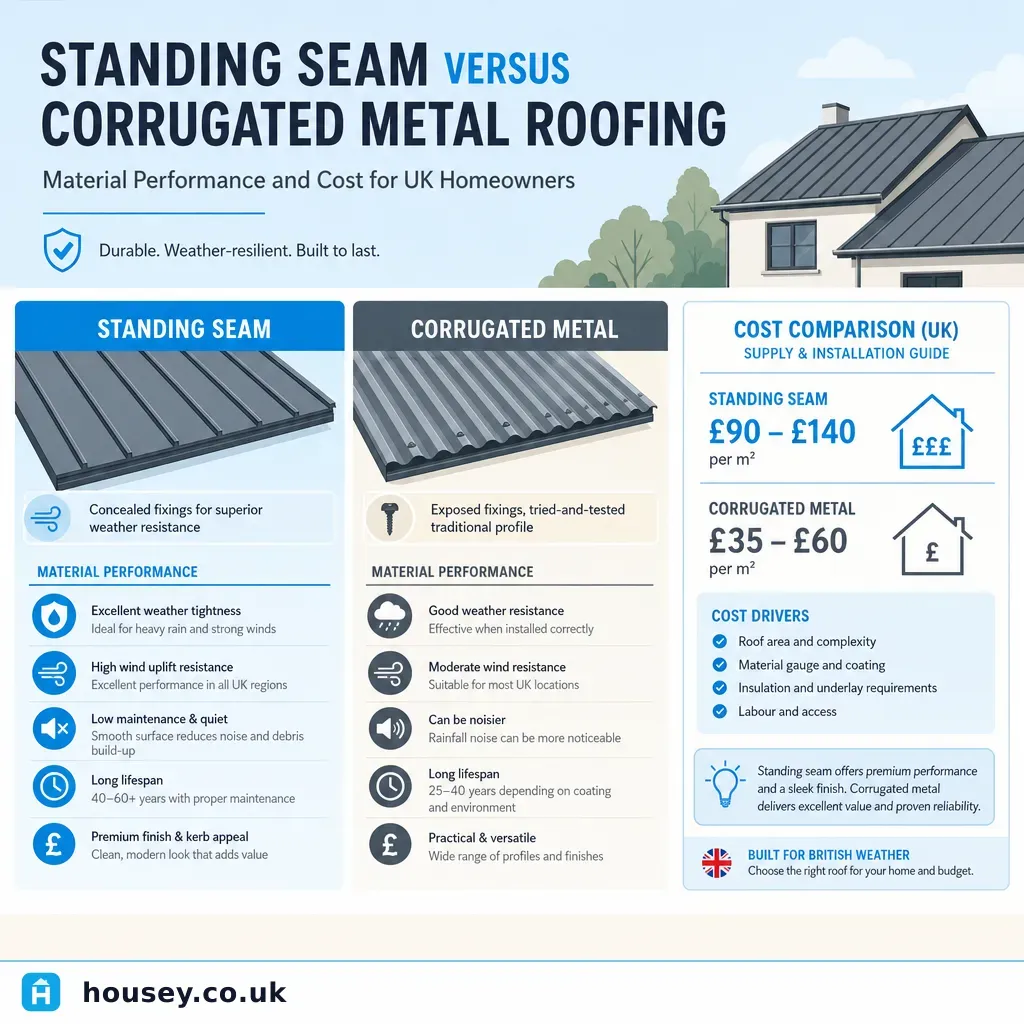
Standing Seam versus Corrugated Metal Roofing: Material Performance and Cost
Standing seam uses concealed clips on long panels running ridge to eave, suits pitches from 1.5°, and lasts 40–60+ years. Corrugated profiled metal uses exposed screw fixings, requires at least 5°–10° pitch, and typically lasts 20–35 years. Standing seam costs roughly twice as much per square metre but needs less maintenance and is better suited to residential and low-pitch projects.
 Energy & Retrofit
Choosing the Best Materials for Pipe Insulation
The most common pipe insulation materials in UK homes are closed-cell polyethylene foam (foam lagging), elastomeric rubber (e.g. Armaflex), mineral wool, and phenolic foam. Foam lagging suits most domestic hot and cold water pipes; elastomeric rubber is preferred where condensation resistance is critical; mineral wool suits high-temperature applications. The right material depends on pipe temperature, location, and budget.
 Surveys & Inspections
Property valuation factors: how mortgages and lending conditions influence market confidence
Mortgage lenders base their offer on the lower of the agreed purchase price or the surveyor's valuation. When lending conditions tighten — through higher LTV restrictions or cautious down-valuations — buyer purchasing power falls, reducing demand and market confidence. A standard mortgage valuation protects the lender, not the buyer.
 Improvement & Build
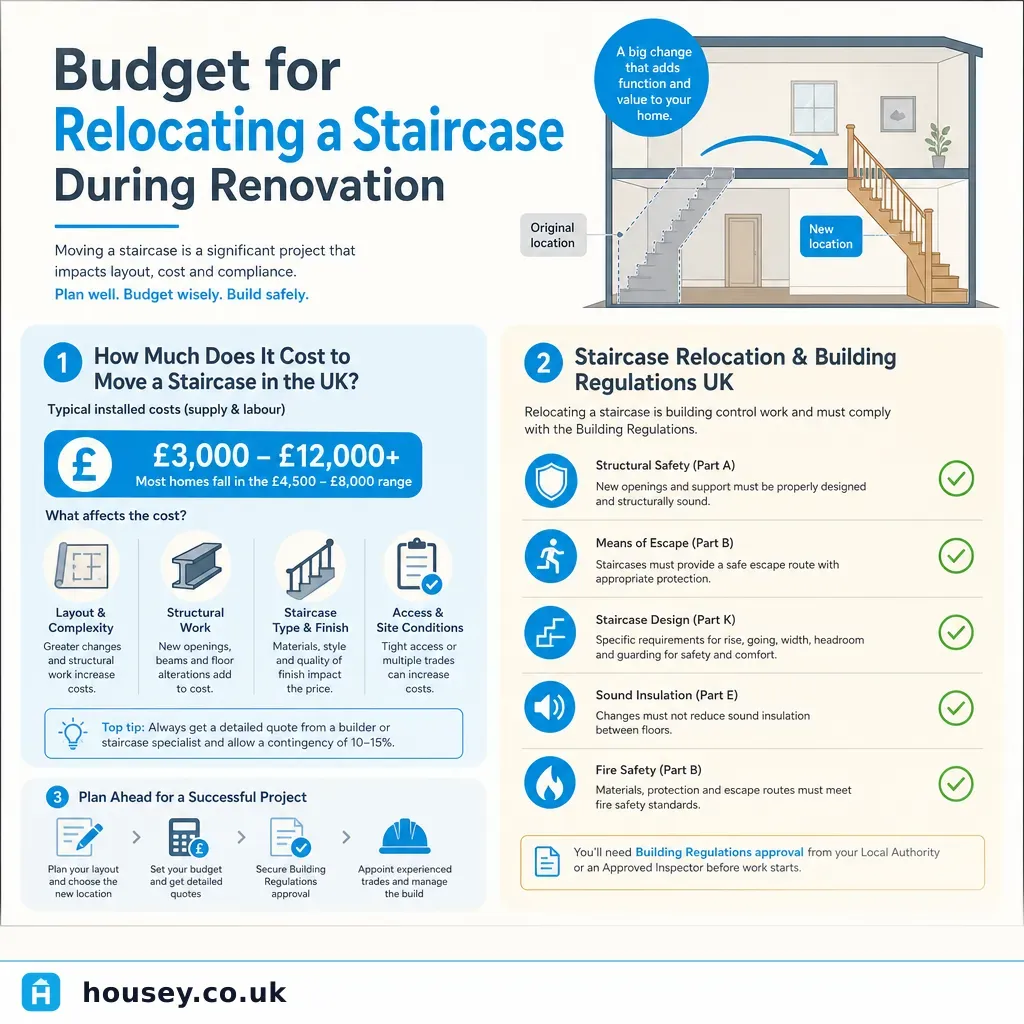
Budget for Relocating a Staircase During Renovation
Relocating a staircase in a UK home typically costs £6,000 to £20,000 or more, depending on structural complexity and staircase design. You will need a structural engineer, building regulations approval, and a qualified carpenter or joiner. Planning permission is usually not required, but listed buildings are an exception.
 Planning & Pre-Build
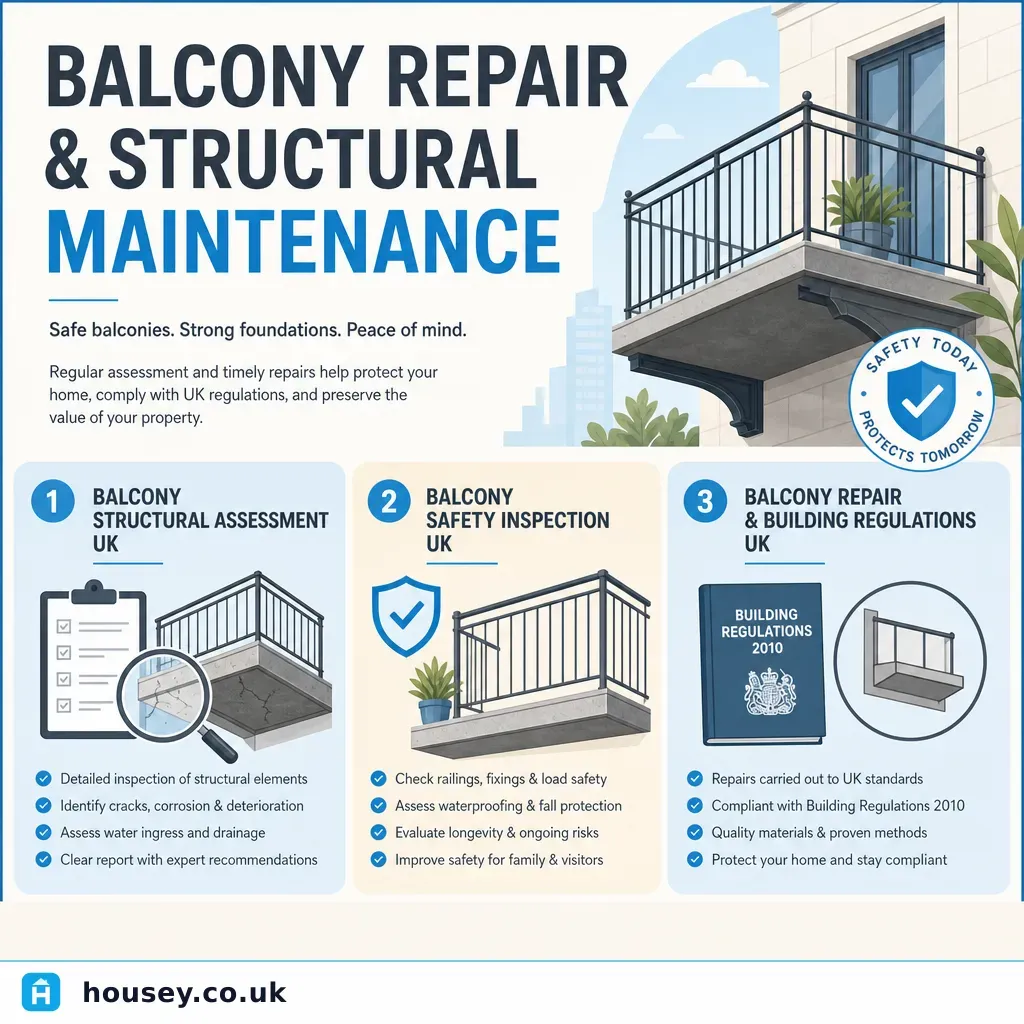
Balcony Repair and Structural Maintenance
Balcony repairs range from cosmetic resurfacing to full structural replacement. Any suspected structural defect — cracking, corrosion, movement, or deflection — should be assessed by a structural engineer before use continues. UK building regulations require balconies to meet structural safety standards, and leaseholders should check their lease to understand who holds repair responsibility.
 Improvement & Build
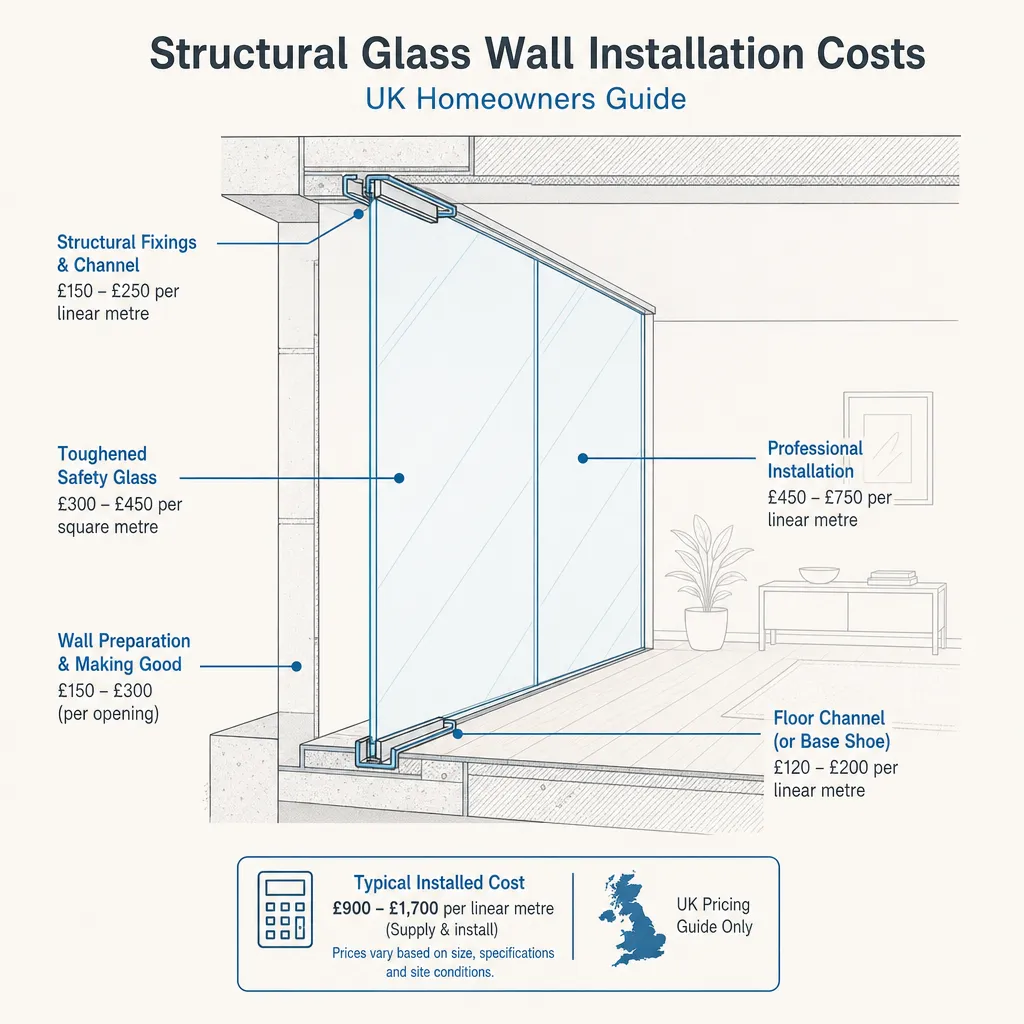
Structural Glass Wall Installation Costs
Structural glass wall installation in the UK typically costs £400–£900 per m² for internal frameless partitions rising to £1,200–£3,000 per m² for external structural glazing, depending on glass specification, framing system, and whether structural calculations are required. Fire-rated glass, frameless bolt-fixed systems, and large bespoke panels push costs toward the higher end of that range.
 Planning & Pre-Build
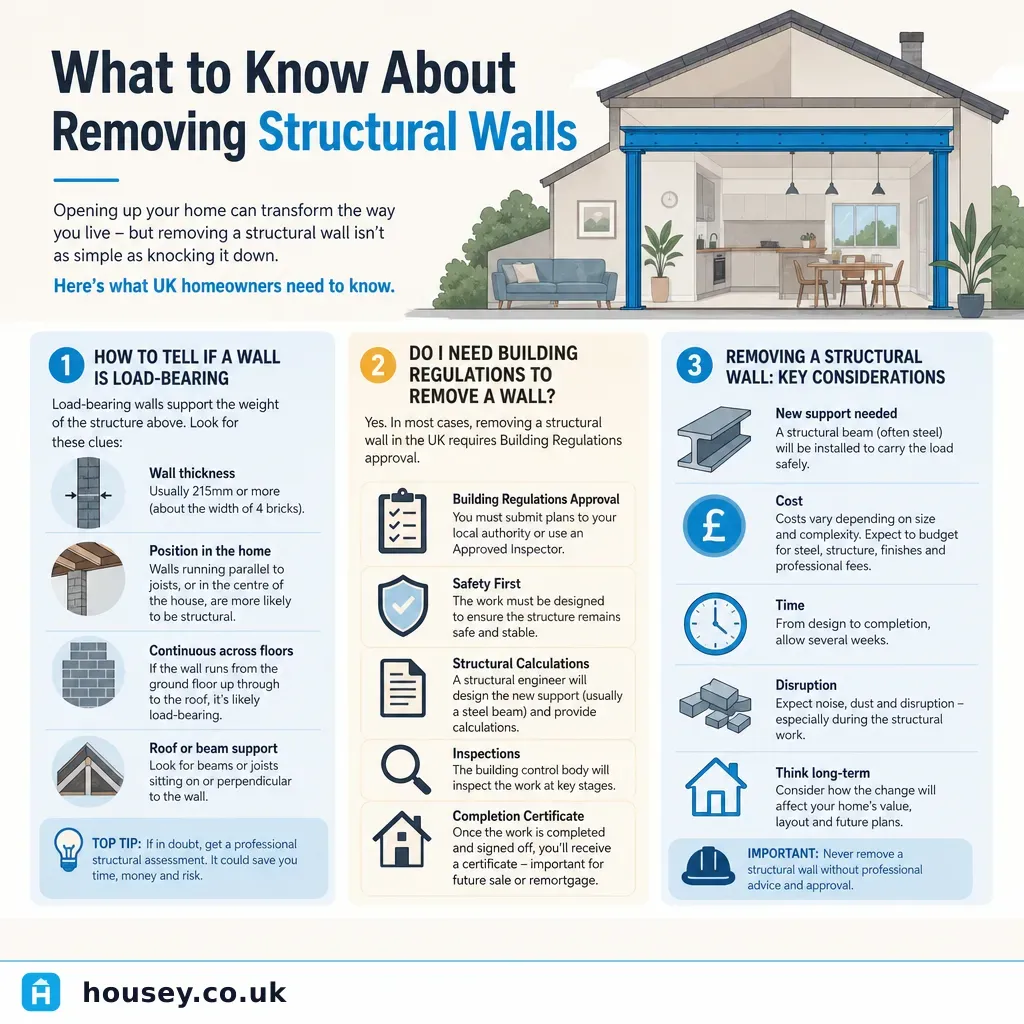
What to Know About Removing Structural Walls
Removing a structural or load-bearing wall in a UK home requires a structural engineer's assessment, a correctly specified steel beam (RSJ), and Building Regulations approval. Skipping any of these steps risks structural movement, building control issues at sale, and potential injury. Always engage a structural engineer before any work begins.
 Energy & Retrofit
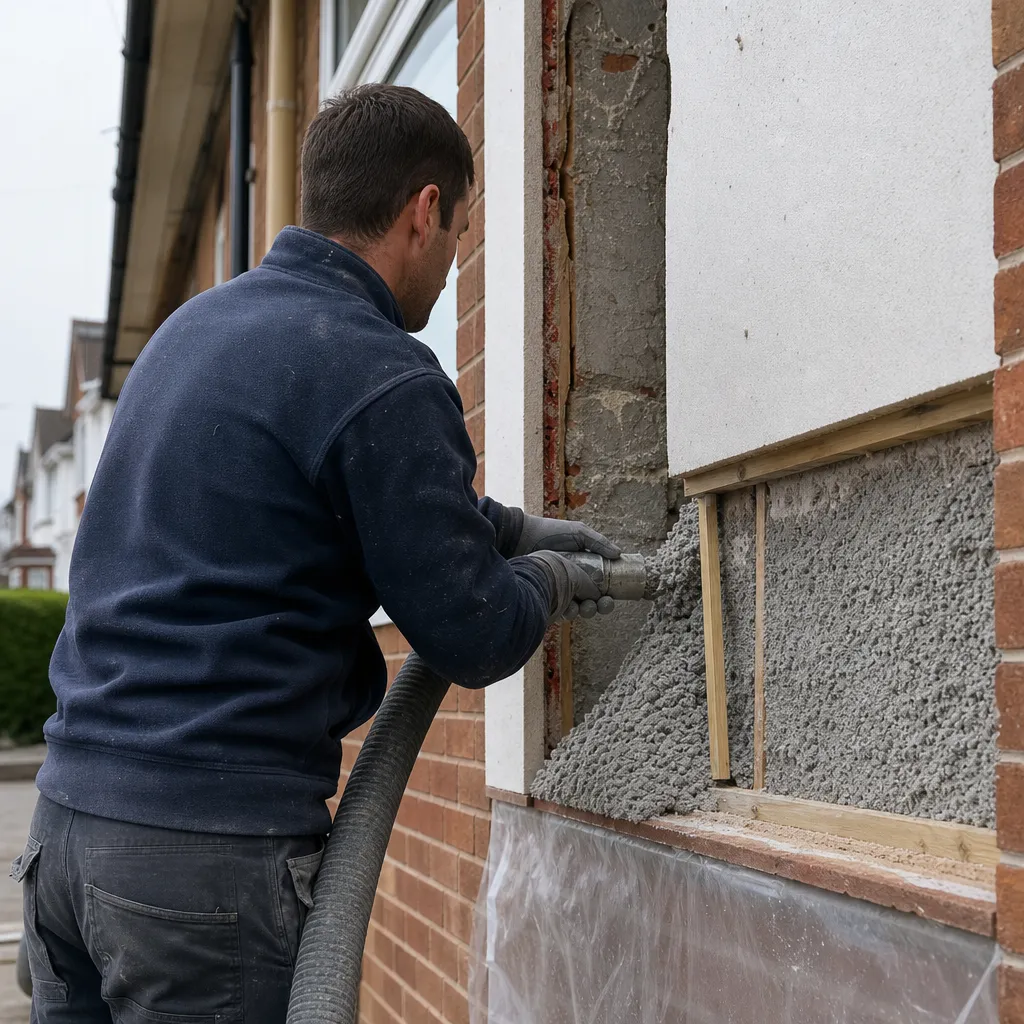
Lightweight Concrete as a Building Insulation Material
Lightweight concrete — including aerated, foamed, and expanded-aggregate types — offers meaningfully better thermal resistance than dense concrete, but it cannot replace dedicated insulation products on its own. It is best used as part of a multi-layer building envelope strategy, typically combined with insulation boards or blanket insulation to meet Building Regulations Part L U-value targets.
 Improvement & Build
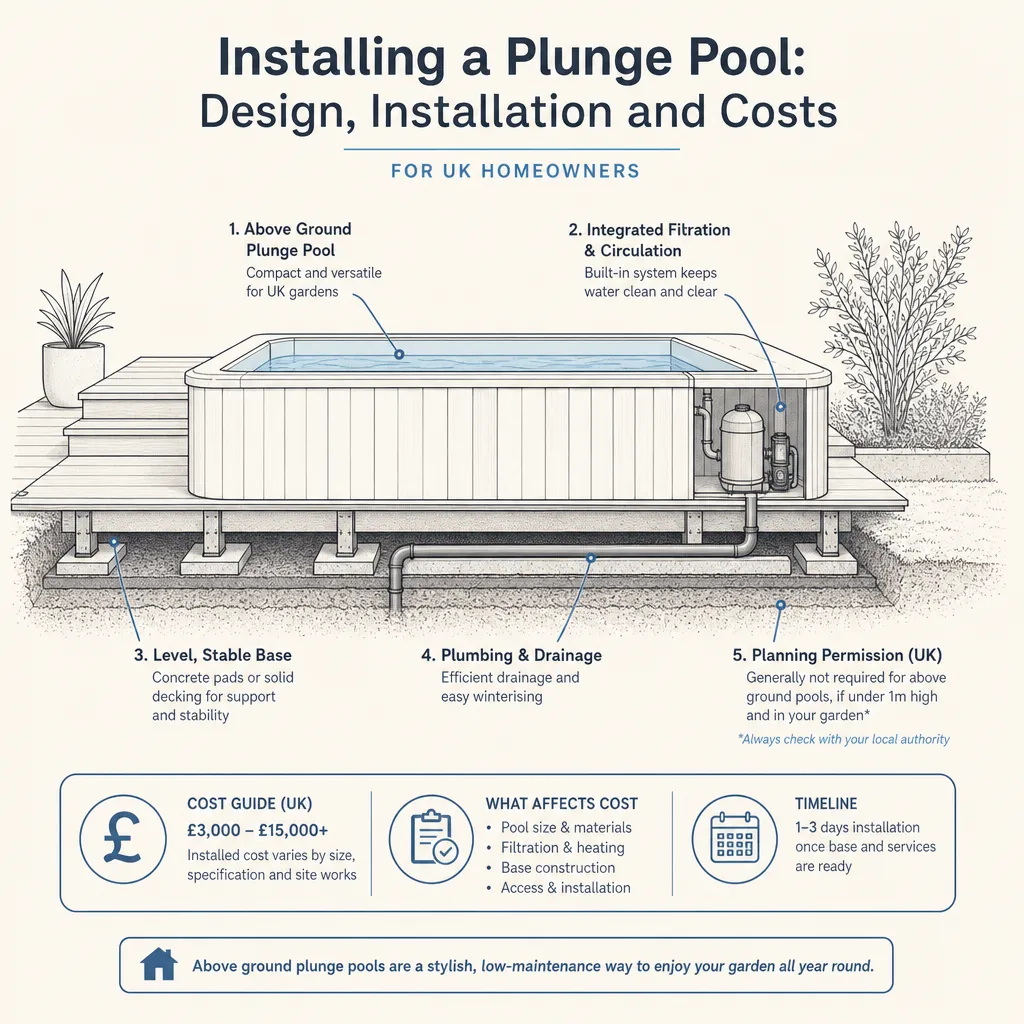
Installing a Plunge Pool: Design, Installation and Costs
Installing a plunge pool in the UK typically costs £8,000–£35,000 depending on type, size, and specification. Above-ground modular pools sit at the lower end; in-ground concrete or steel pools cost considerably more. Most domestic plunge pools do not need planning permission under permitted development, but rules differ for listed buildings and conservation areas — always check locally.