Knowledge Base
Property advice that actually helps
Researched, UK-specific guides for every stage of homeownership — from buying and surveys to retrofit, planning and major works.
 Improvement & Build
Sliding Doors and Patio Doors: Styles, Materials and Installation
Sliding patio doors move horizontally on a track, keeping outside space clear compared to a swinging door. UK options include uPVC, aluminium, and timber frames with double or triple glazing. Replacement doors must meet Building Regulations Part L thermal requirements and, for new openings in extensions, Part Q security standards. A FENSA-registered installer should carry out all replacement glazing work.
 Energy & Retrofit
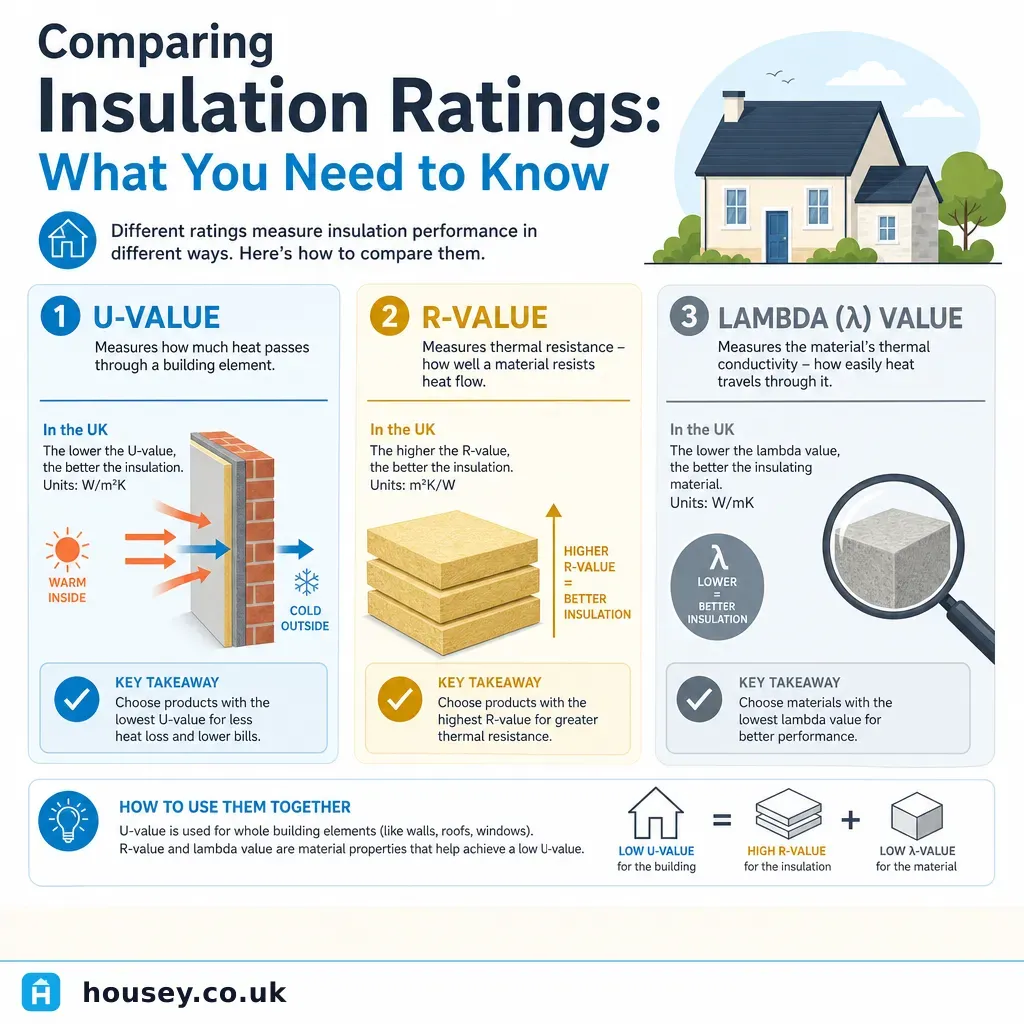
Comparing Insulation Ratings: What You Need to Know
UK insulation performance uses three linked measurements: lambda (λ) for material conductivity in W/mK (lower is better); R-value for thermal resistance at a given thickness in m²K/W (higher is better); and U-value for heat loss through a complete building element in W/m²K (lower is better). Building Regulations Part L sets maximum U-values for walls, roofs, and floors.
 Improvement & Build
Door Repair and Replacement Services
For most UK homes, door repair is cost-effective when the frame is sound and the fault is mechanical. Full replacement makes sense where there is significant rot, thermal failure, or the door no longer meets Building Regulations Part Q security standards. An installer registered with FENSA or CERTASS can self-certify compliance without a separate building control application.
 Improvement & Build
Identifying Problem Areas: Rogue Traders and How to Protect Your Home
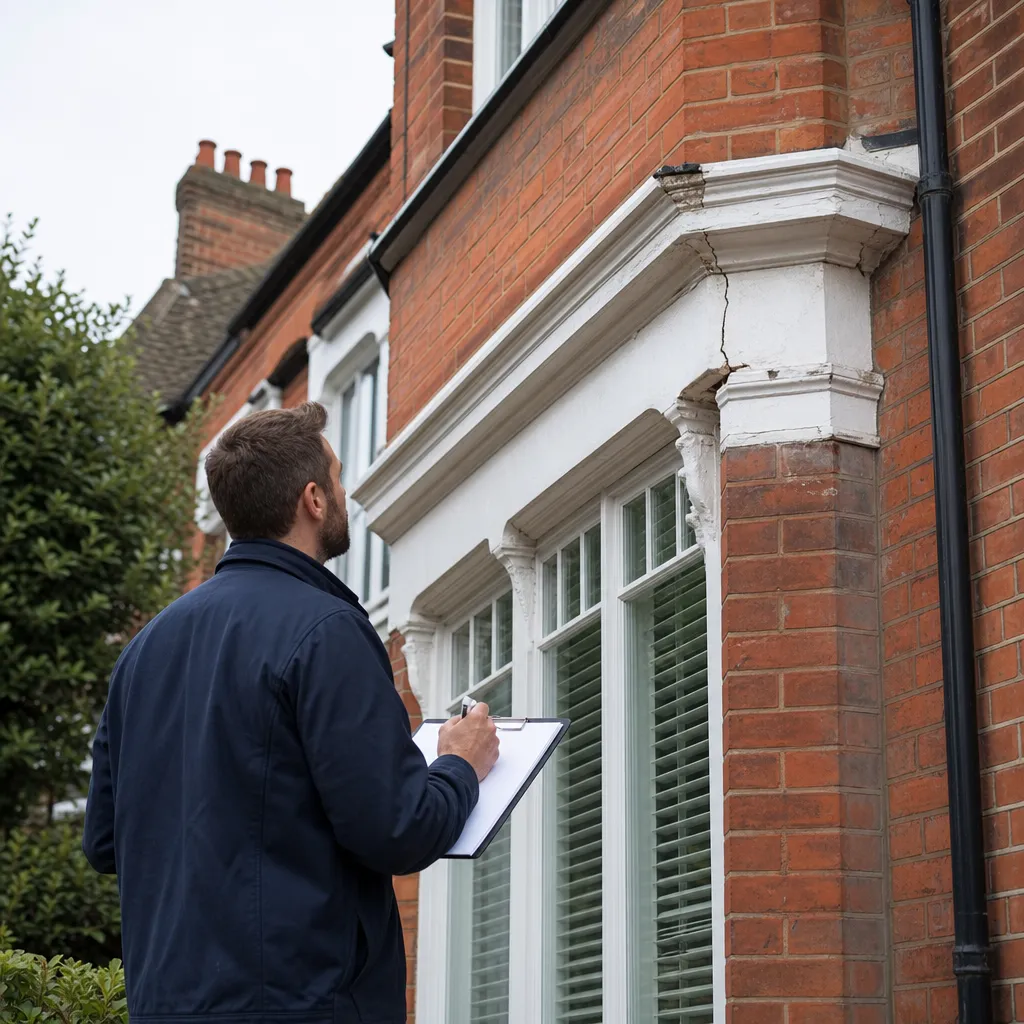
Rogue traders target homeowners with unsolicited visits, pressurised quotes, and substandard or incomplete work. Protect yourself by using accredited schemes such as TrustMark or Trading Standards approved directories, verifying insurance and qualifications before any work starts, and never paying the full amount upfront in cash. Report suspected fraud to Citizens Advice Consumer Service or Action Fraud.
 Planning & Pre-Build
Architect or Builder: Determining the Right Professional for Your Project
An architect designs, plans, and often manages projects; a builder carries out the physical construction work. Most significant home projects — extensions, loft conversions, structural alterations — benefit from an architect or architectural technologist first, to produce drawings, gain approvals, and set a specification. The builder then works from those documents. For most projects, you need both, at different stages.
 Improvement & Build
Replastering Interior Walls: Techniques for Smooth Finishes and Problem Solving
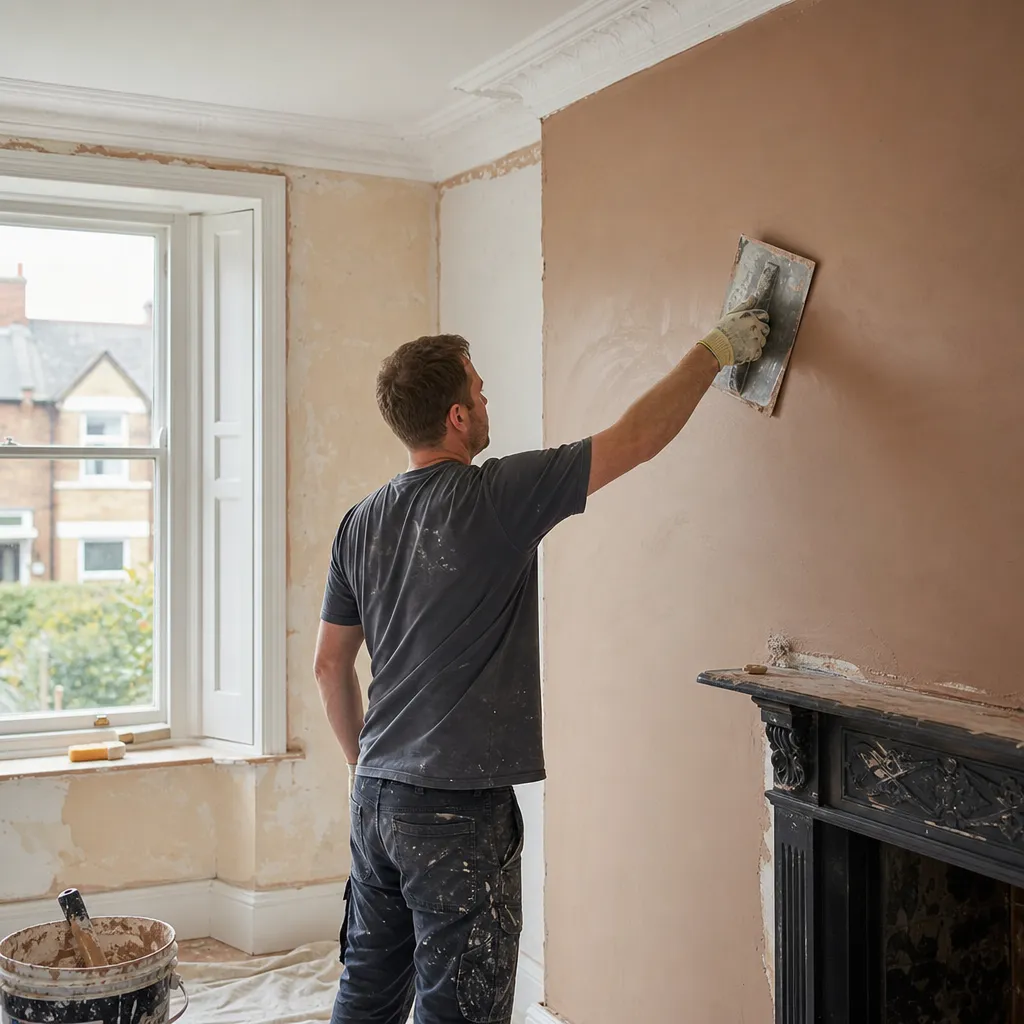
Replastering interior walls involves removing all loose or damaged plaster, preparing the substrate, and applying coats suited to the wall type. Most modern UK walls take a bonding coat plus multi-finish skim; pre-1919 solid masonry usually requires a breathable lime plaster system. Address active damp before plastering or the new surface will fail within months.
 Energy & Retrofit
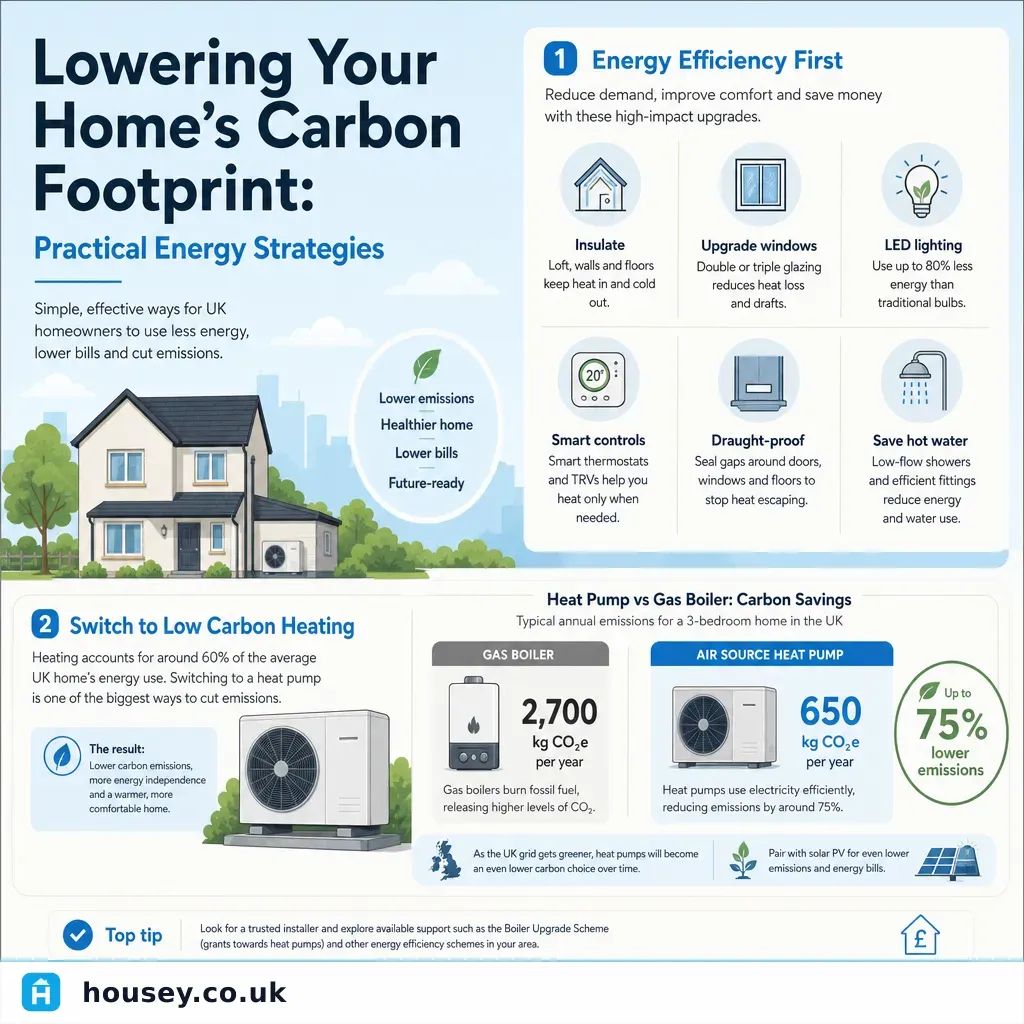
Lowering Your Home's Carbon Footprint: Practical Energy Strategies
UK homes produce around 19% of national greenhouse gas emissions, mostly from gas heating. The most effective approach is to reduce energy demand first — through insulation and draught-proofing — before switching to low-carbon heating such as a heat pump. Grant support through ECO4 and the Great British Insulation Scheme may reduce upfront costs for eligible households.
 Improvement & Build
Garden Decking: Design, Installation, and Maintenance for Outdoor Living
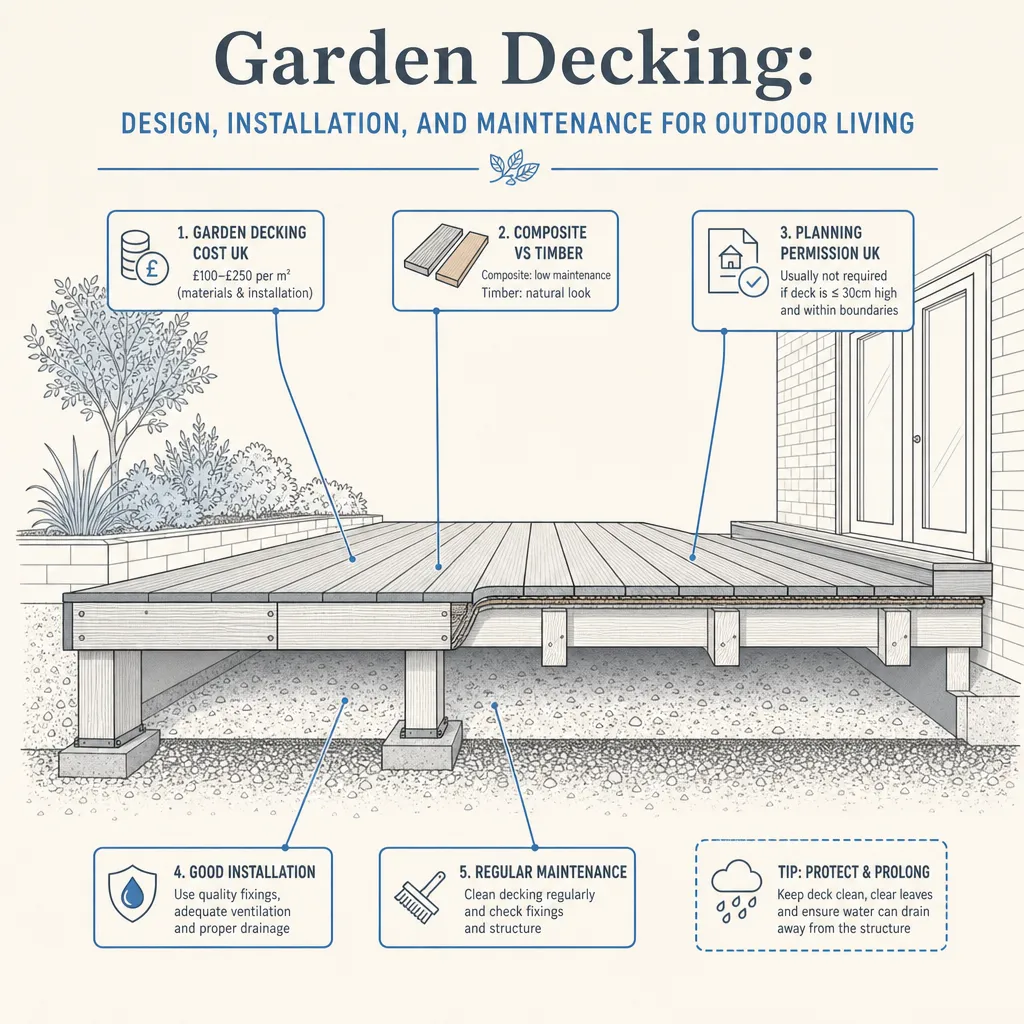
Garden decking creates a level, usable outdoor surface from timber or composite boards, typically costing £1,000–£5,000+ depending on size, material, and access. Most residential decking under 30cm above ground does not need planning permission, but higher or larger structures may require building regulations approval. Choosing the right material and a competent installer are the two most important decisions.
 Planning & Pre-Build
Building regulations for boiler installation: compliance requirements
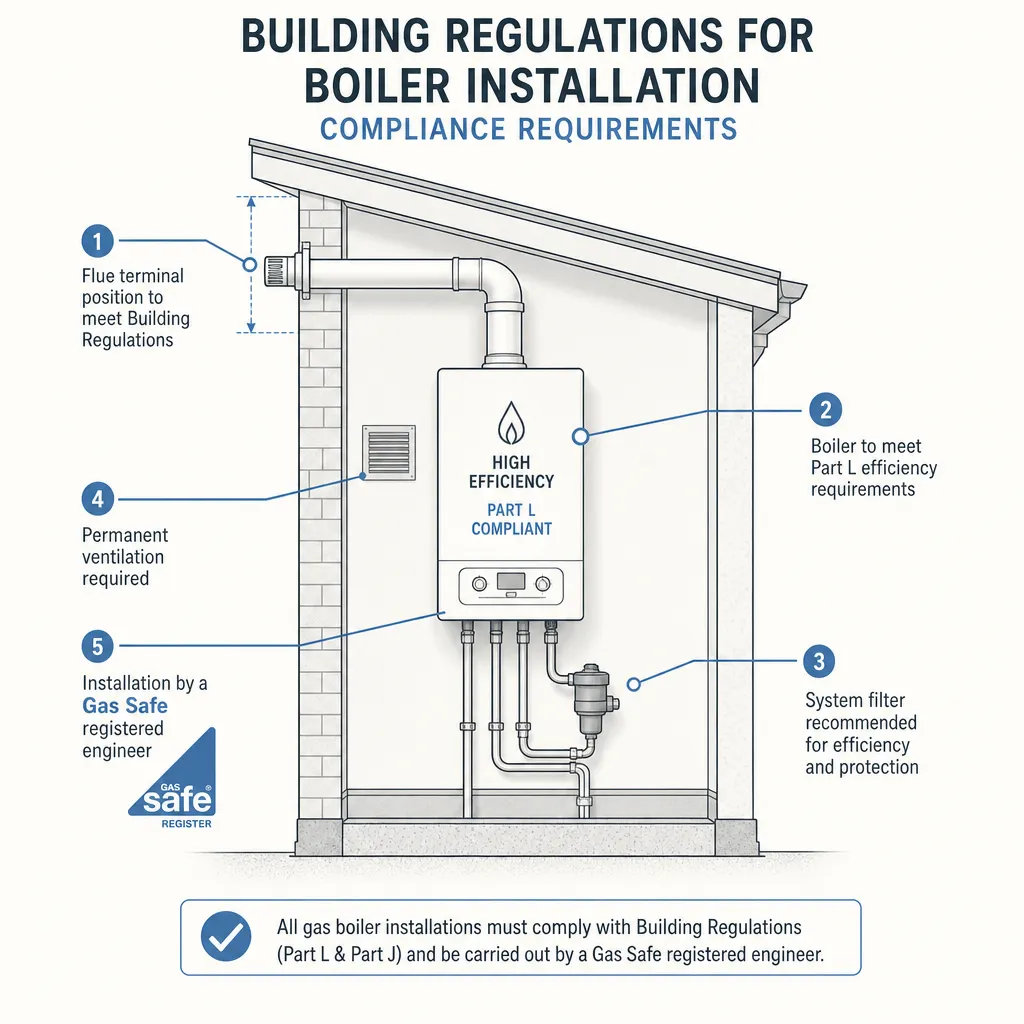
Boiler installation is regulated under the Gas Safety (Installation and Use) Regulations 1998 and Building Regulations Parts J and L. All gas work must be carried out by a Gas Safe registered engineer, who can self-certify the installation to Building Control under a Competent Person Scheme. You should receive a Gas Safety certificate and a Building Regulations Compliance Certificate within 30 days.
 Improvement & Build
PVC Roofing: Material Properties and Long-term Performance Evaluation
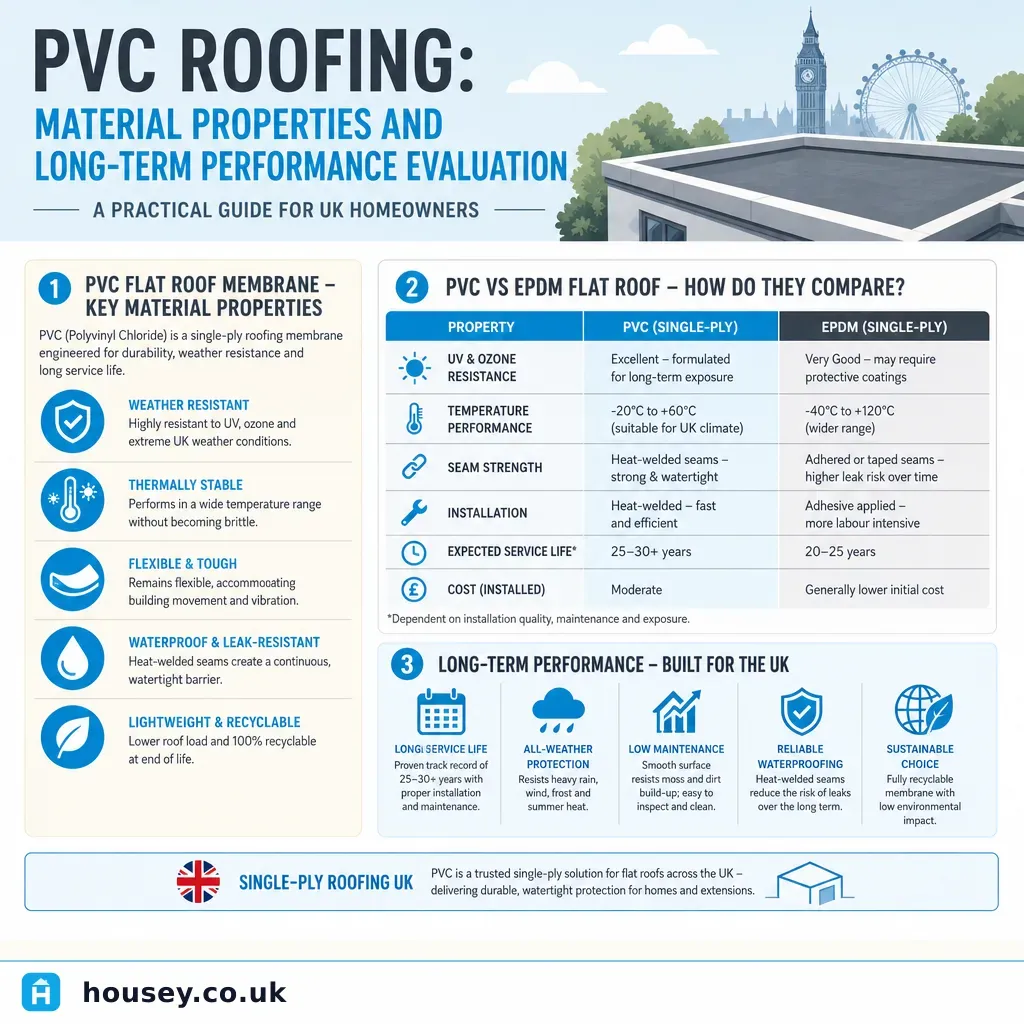
PVC single-ply roofing is a thermoplastic flat roof membrane with manufacturer warranties typically ranging from 15 to 25 years. Hot-air welded seams give it a waterproofing advantage over adhesive-jointed EPDM, but PVC is prone to plasticiser migration over time, which can cause brittleness. Seam quality, detailing at penetrations, and membrane specification are the main determinants of long-term performance.
 Energy & Retrofit
Central Heating Installation Duration and Process
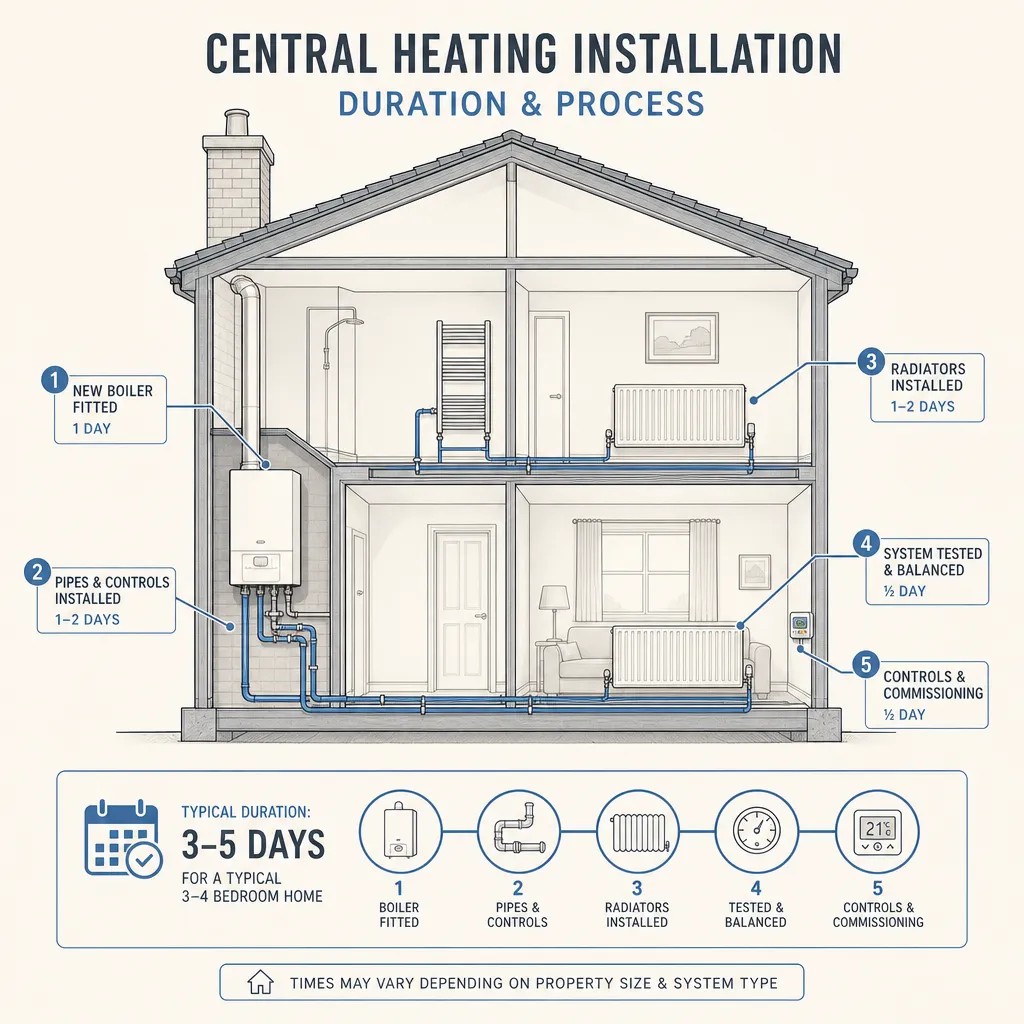
A full central heating installation in a typical UK home usually takes 3 to 5 days for a straightforward gas boiler and radiator system, though larger homes or those requiring major pipework changes can take up to 2 weeks. Timings depend on property size, existing infrastructure, and whether underfloor heating or additional circuits are included.
 Improvement & Build
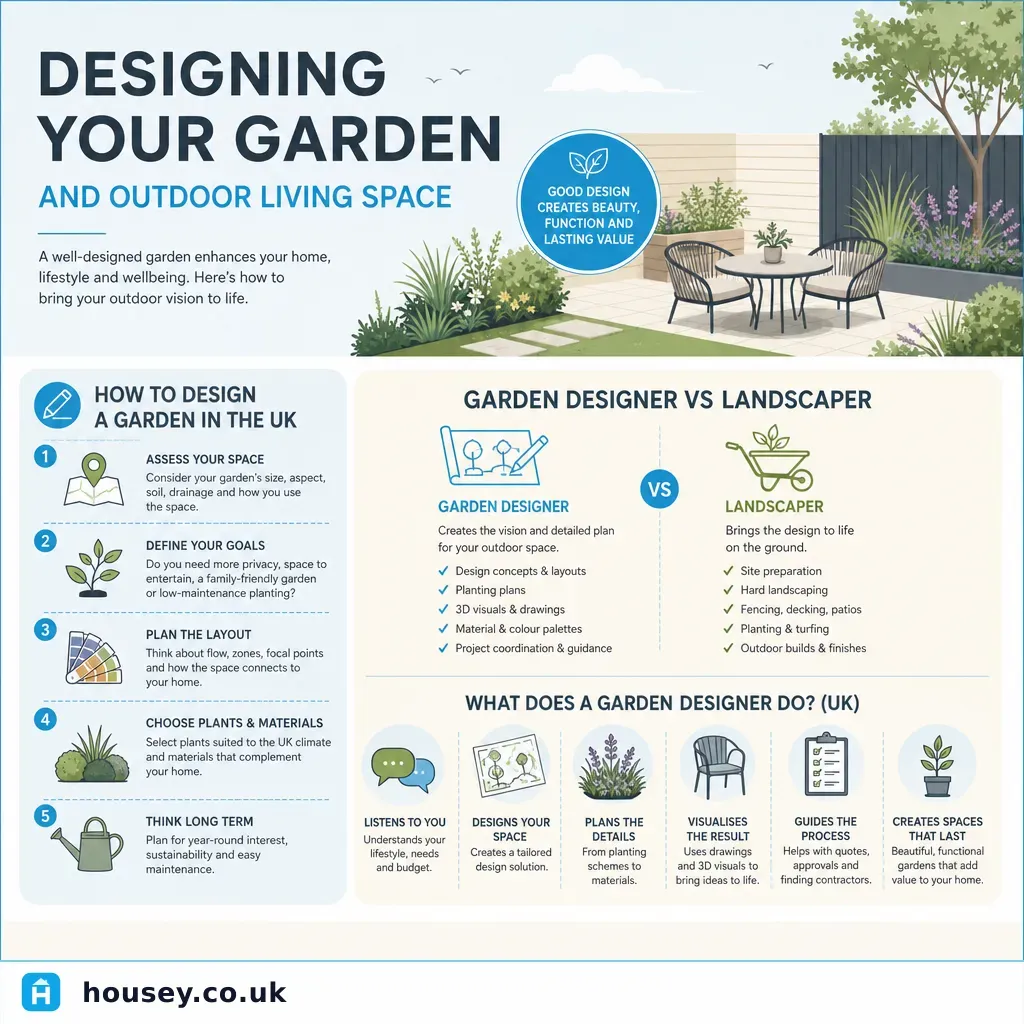
Designing Your Garden and Outdoor Living Space
Designing a garden or outdoor living space involves planning layout, planting, drainage, surfaces, and structures to suit how you live. A professional garden designer produces a cohesive scheme tailored to your site, brief, and budget. Costs vary significantly by scope, materials, and region, so gathering at least three quotes is the most reliable way to set realistic expectations before committing to landscaping work.