Knowledge Base
Property advice that actually helps
Researched, UK-specific guides for every stage of homeownership — from buying and surveys to retrofit, planning and major works.
 Improvement & Build
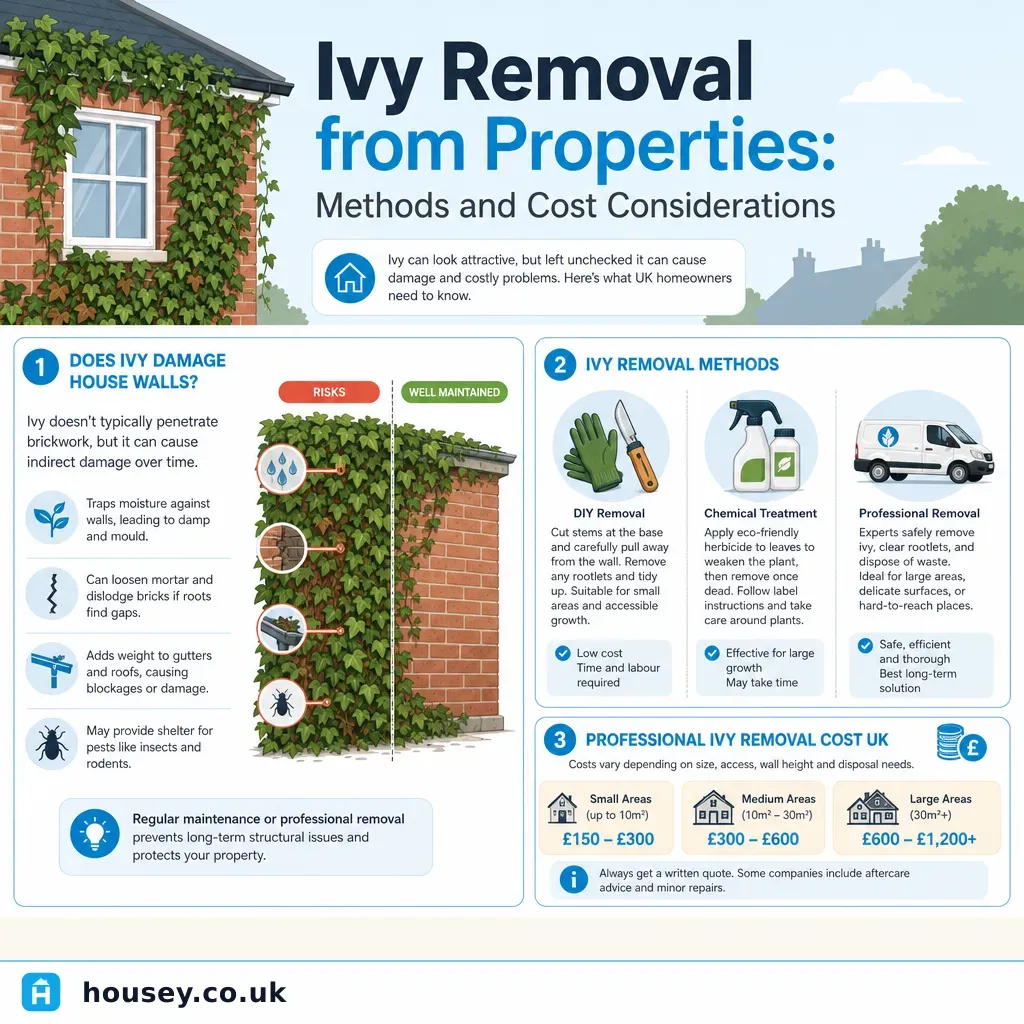
Ivy Removal from Properties: Methods and Cost Considerations
Remove ivy by cutting the main stems at the base and waiting two to four weeks before pulling the dead growth from the wall — this reduces damage to mortar. Treat cut stumps with herbicide or dig out the root ball to prevent regrowth. Avoid removing significant vegetation during the main bird nesting season (March–August). Use a professional for heights above 2m or where lime mortar is present.
 Improvement & Build
Expert Roofing Installation: Quality Materials and Craftsmanship
A quality roof installation depends on matching materials to your property type, hiring a suitably qualified roofer, and ensuring building regulations are met where required. For most UK homes, pitched roofs use clay or concrete tiles, while flat roofs typically use EPDM rubber or fibreglass. Getting at least three written quotes and checking a roofer's insurance and trade body membership are essential first steps.
 Improvement & Build
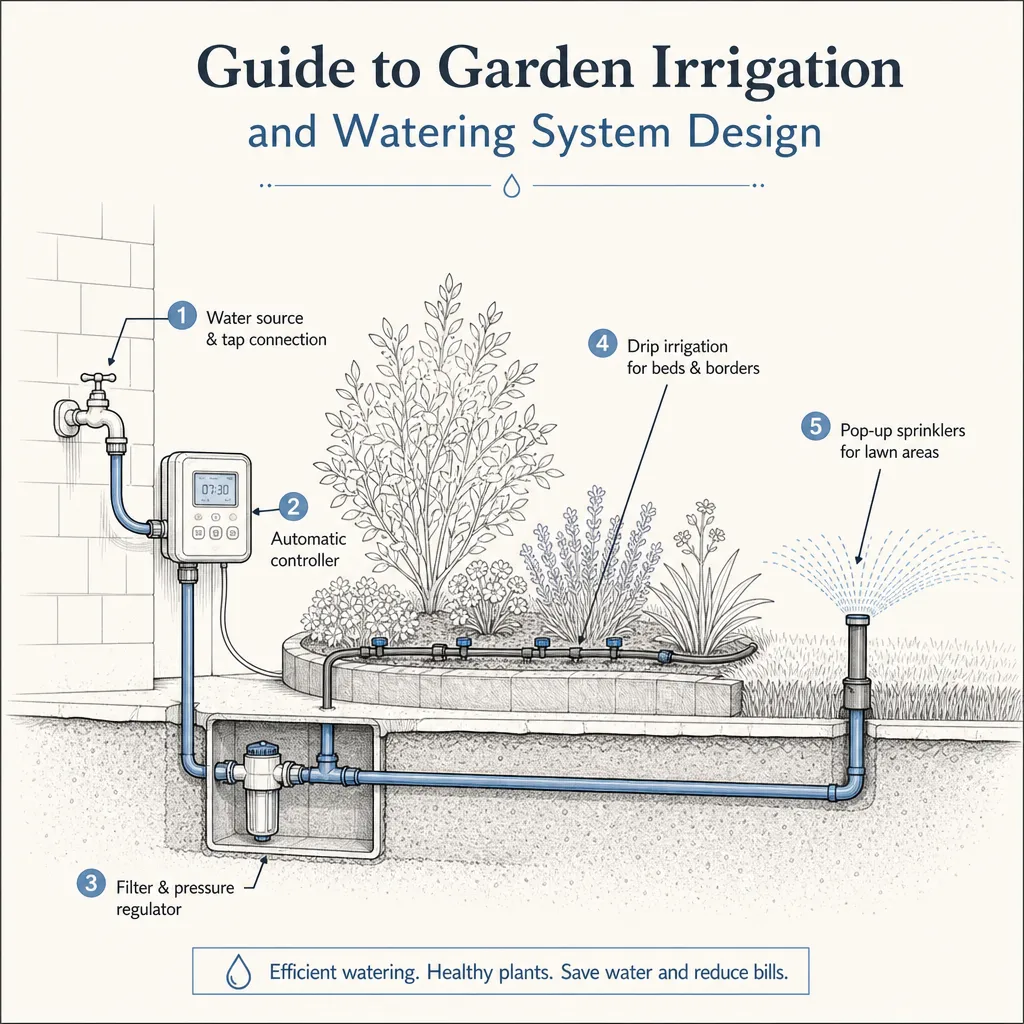
Guide to Garden Irrigation and Watering System Design
A garden irrigation system can be designed using drip lines for planted beds, pop-up sprinklers for lawns, or soaker hoses for rows of planting. Drip systems typically use 30–50% less water than sprinklers. Any mains connection must include a WRAS-approved backflow prevention device under the Water Supply (Water Fittings) Regulations 1999.
 Improvement & Build
Garage Conversions: Transforming Your Garage into Living Space
Most integral garage conversions in England fall within permitted development and do not require a planning application, but Building Regulations approval is required in virtually all cases. The regulations cover thermal performance, fire safety, damp, ventilation, and electrics. A building control completion certificate is essential before you sell.
 Improvement & Build
Cracks in Driveways: What's Normal and When Should You Worry?
Hairline cracks under 1 mm in concrete driveways are usually normal shrinkage and cosmetic. Cracks wider than 5 mm, stepped cracks where one side is higher than the other, or cracks that visibly widen over time indicate ground movement or sub-base failure and need investigation before any repair. Block paving rarely cracks; widespread sinking or rocking blocks points to sub-base or drainage problems.
 Buying & Moving
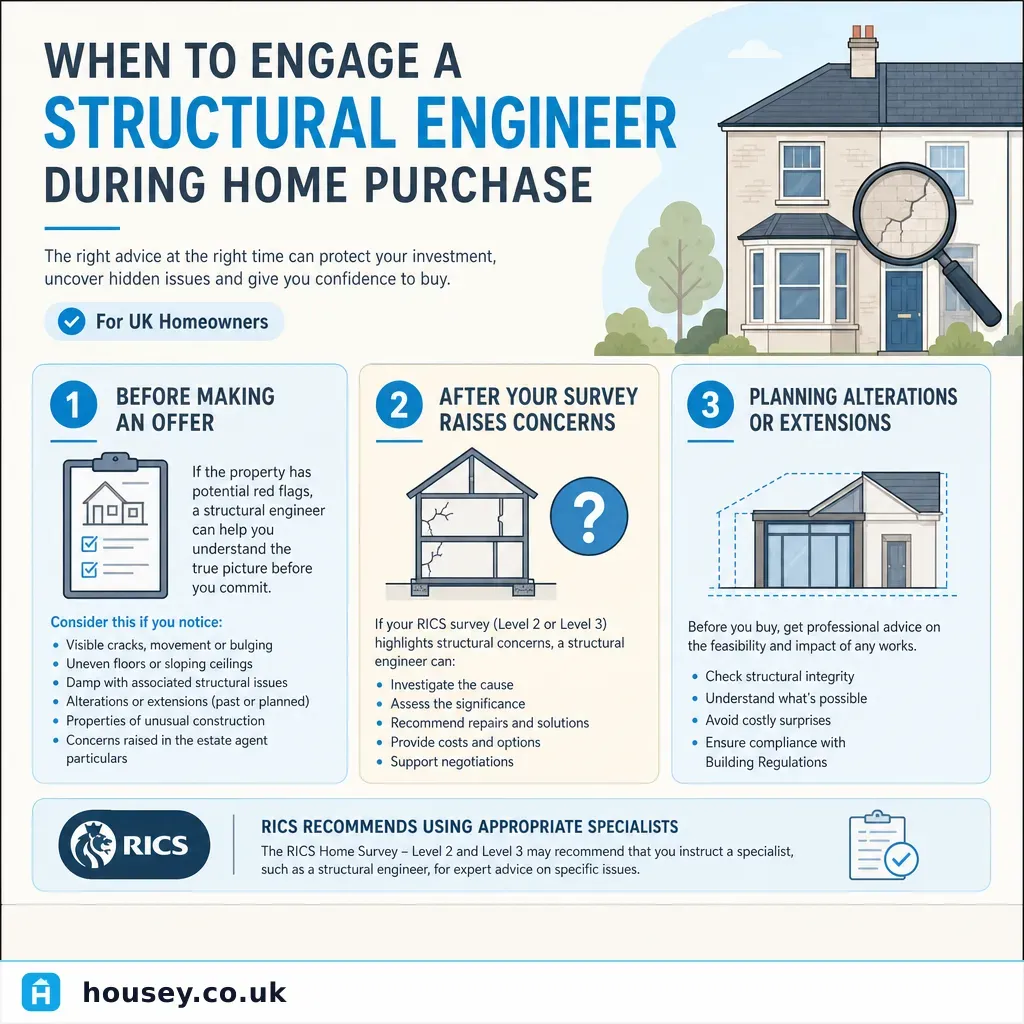
When to Engage a Structural Engineer During Home Purchase
Instruct a structural engineer before exchange if your RICS survey flags movement, cracking rated condition 3, or suspected subsidence. Older properties — Victorian terraces, pre-war semis, solid-wall homes — carry higher structural risk. A structural engineer provides an engineering opinion that a general home survey cannot, helping you negotiate, proceed with confidence, or withdraw before exchange.
 Improvement & Build
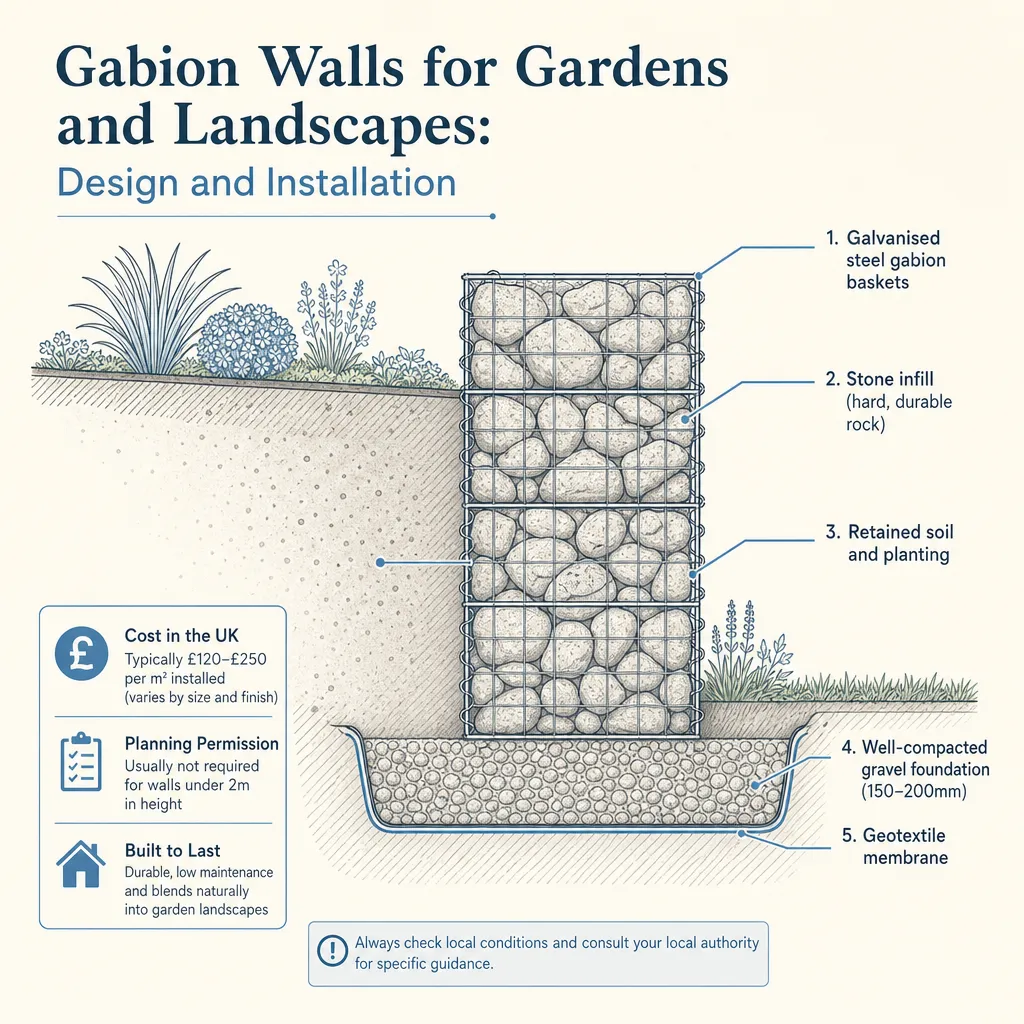
Gabion Walls for Gardens and Landscapes: Design and Installation
Gabion walls are wire mesh baskets filled with stone, stacked to form freestanding or retaining landscape structures. In most UK gardens, walls under 1 m adjacent to a highway or under 2 m elsewhere do not need planning permission under permitted development rules. Any retaining wall over 1 m should be assessed by a structural or civil engineer. Angular stone fill and galvanised mesh are the key material choices.
 Improvement & Build
Outdoor lighting problems: solutions for common issues in gardens and driveways
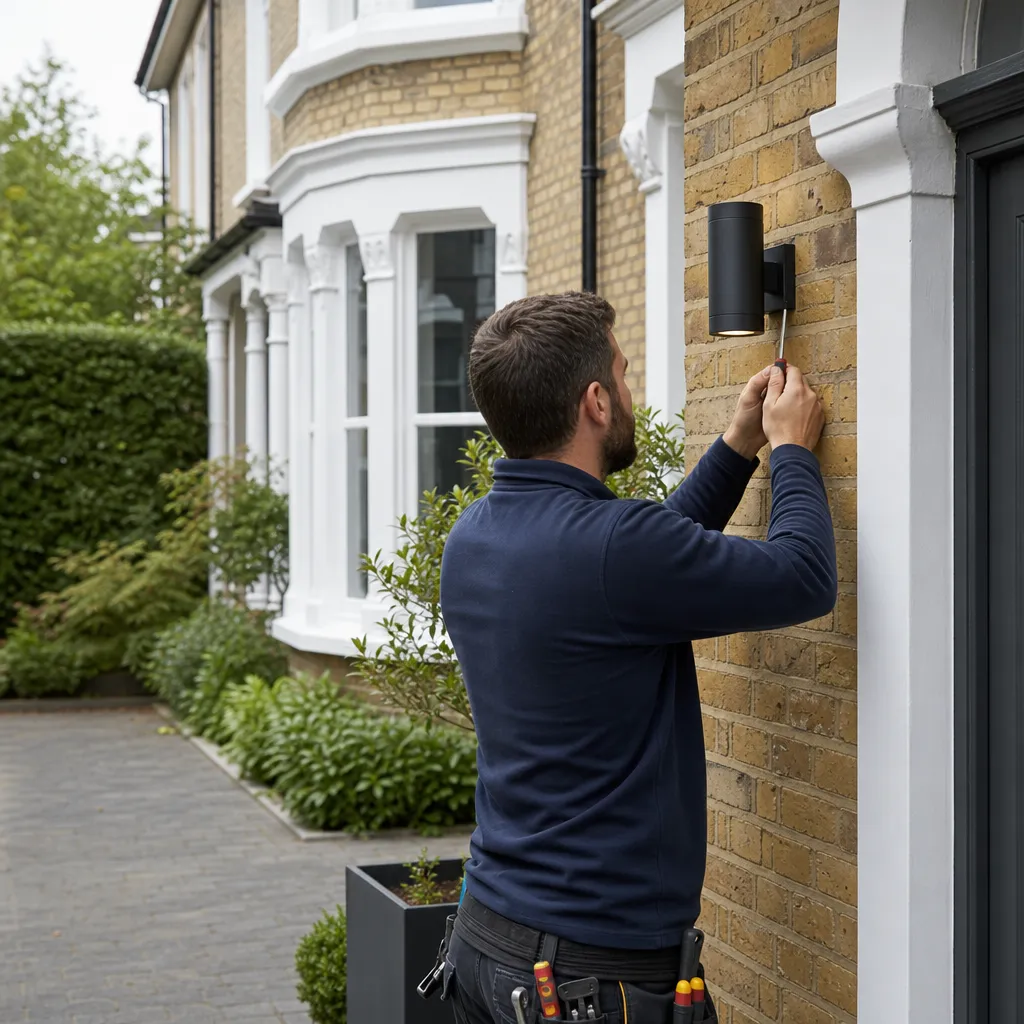
Outdoor lighting problems in UK gardens commonly stem from water ingress, incorrect IP ratings, faulty transformers, poor earth connections, or corroded contacts. Most bulb and housing issues can be checked safely, but any problem involving the outdoor circuit, RCD tripping, or cable faults must be diagnosed by a Part P-registered electrician.
 Improvement & Build
What is window mulling in window installation
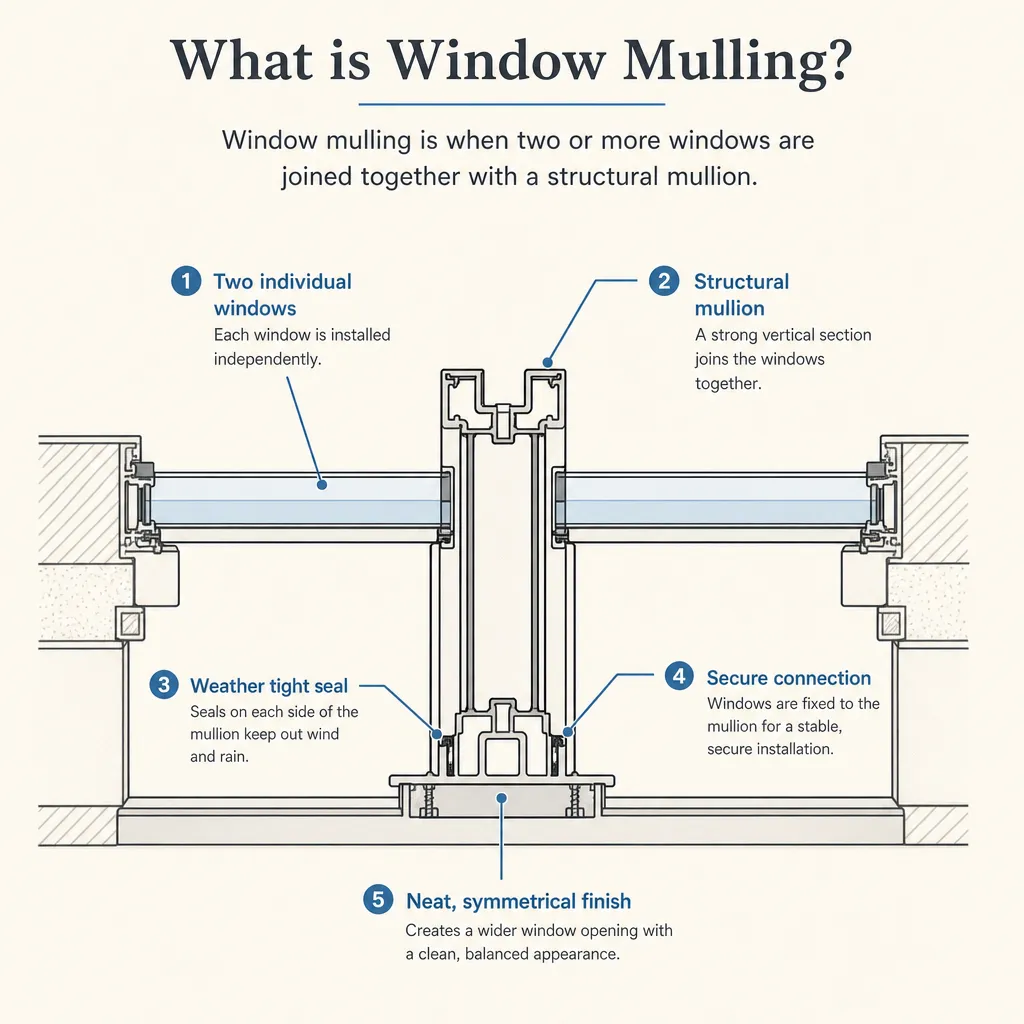
Window mulling is the process of joining two or more individual window frames together using a mullion bar or mulling kit, so they function and appear as a single combined window assembly. It is used in UK homes to fill wide openings, create paired casement or sash arrangements, and form bay windows without needing a bespoke single oversized frame.
 Improvement & Build
Repairing Broken Windows: Finding a Window Specialist
Repairing a broken window depends on the type of damage: a failed double-glazing unit (misted glass) needs the sealed unit replaced, cracked or broken glass needs a glazier, and frame damage may require a specialist joiner. For full window replacements in England and Wales, use a FENSA-registered installer. Most glaziers offer emergency call-out for security-critical repairs.
 Planning & Pre-Build
Garden Room or Garden Studio: Planning Permission and Building Control
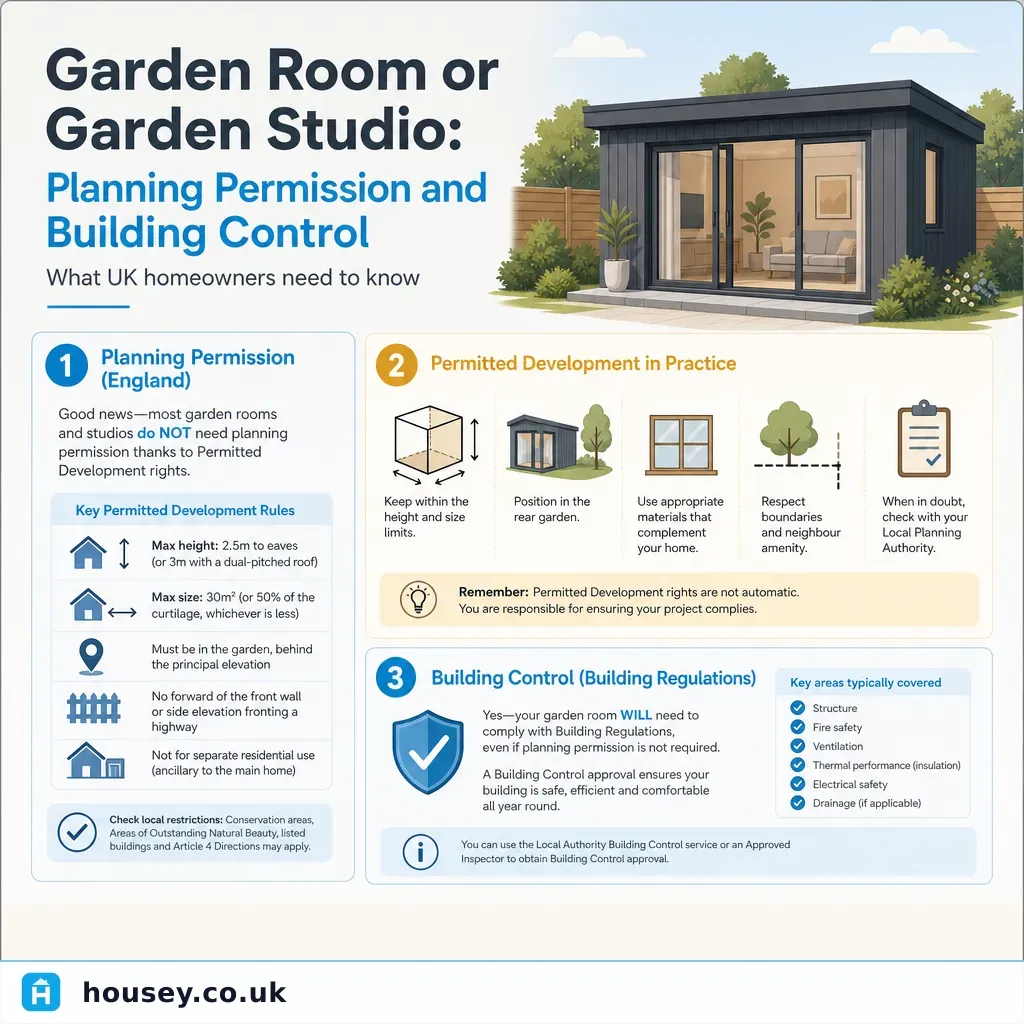
A garden room or studio often qualifies as permitted development in England, meaning no planning application is needed — provided it occupies no more than 50% of the total curtilage, sits within height limits, and is not used as a separate dwelling. Building regulations may still apply if you add electrics, plumbing, or sleeping accommodation.
 Improvement & Build
Shrub and Vegetation Removal: Costs and Process
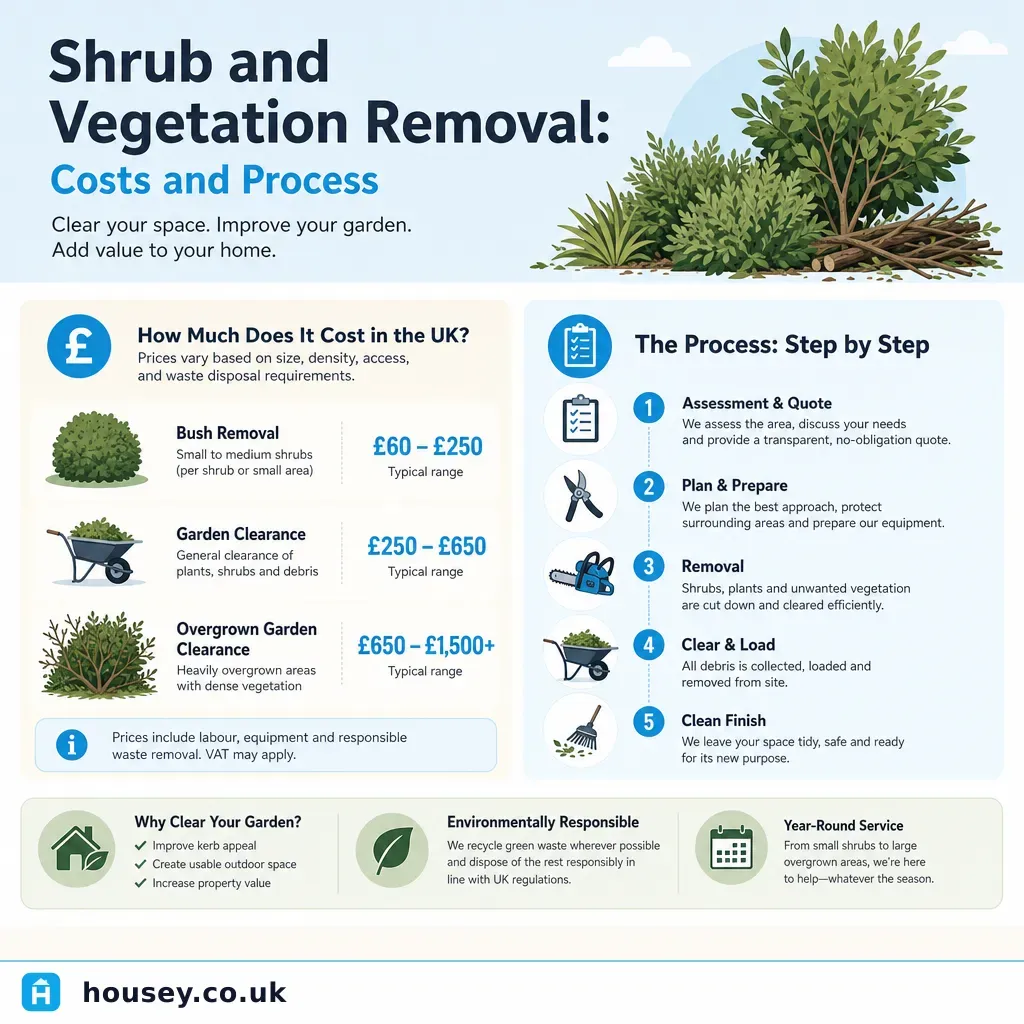
Shrub and vegetation removal costs £50–£2,500 or more depending on area size, species involved, and whether stumps need grinding. Invasive species such as Japanese knotweed require specialist licensed disposal. Most jobs are handled by a landscaper or tree surgeon, with stump grinding usually quoted separately.