Knowledge Base
Property advice that actually helps
Researched, UK-specific guides for every stage of homeownership — from buying and surveys to retrofit, planning and major works.
 Improvement & Build
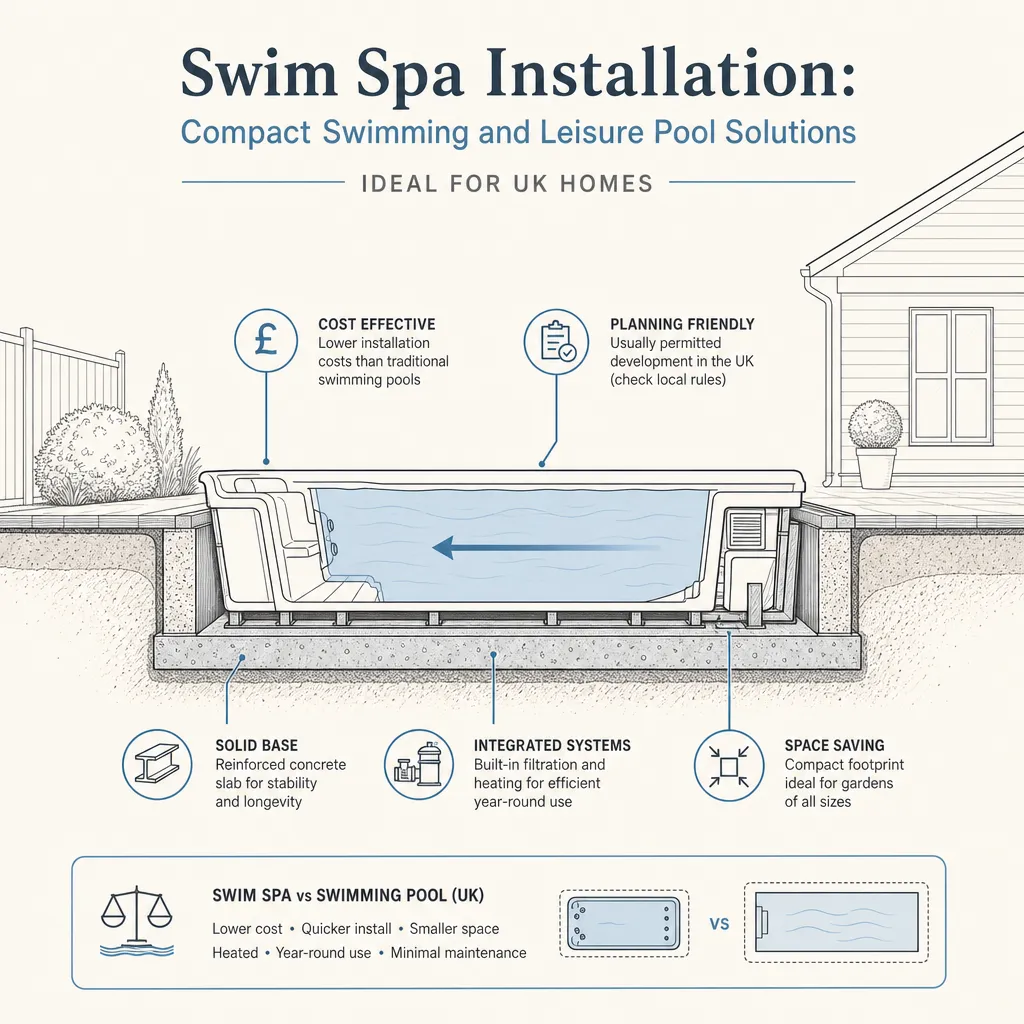
Swim Spa Installation: Compact Swimming and Leisure Pool Solutions
A swim spa typically needs a reinforced concrete base, a dedicated 32A or 63A electrical supply installed by a Part P-registered electrician, and site preparation by a groundworker. Most above-ground swim spas in the rear garden do not require planning permission, but listed buildings, conservation areas, and in-ground installations are common exceptions to this rule.
 Improvement & Build
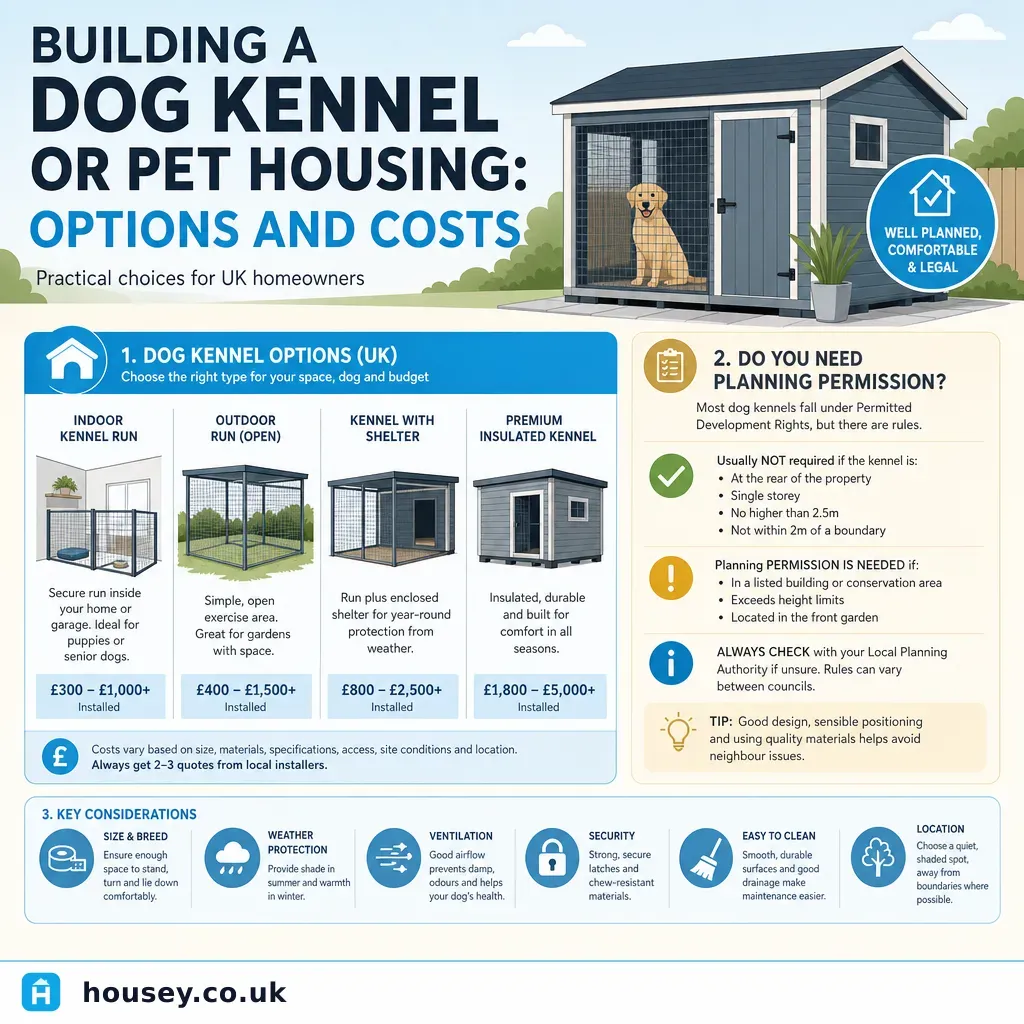
Building a Dog Kennel or Pet Housing: Options and Costs
A domestic dog kennel or pet housing structure is almost always permitted development in England and does not need planning permission if sited behind the house, below 2.5m tall near a boundary, and covering under 50% of the garden. Size the kennel so your dog can stand, turn, and lie fully stretched, and insulate properly for year-round outdoor use in the UK.
 Improvement & Build
Professional Roofing Solutions: Expert Installation and Maintenance
A professional roofer should hold relevant trade qualifications such as NVQ Level 2 in Roofing Occupations, carry public liability insurance, and provide a written quotation. For flat or pitched roof work, always confirm the materials specified, the workmanship guarantee offered, and whether building regulations approval may be required for structural or insulation changes.
 Planning & Pre-Build
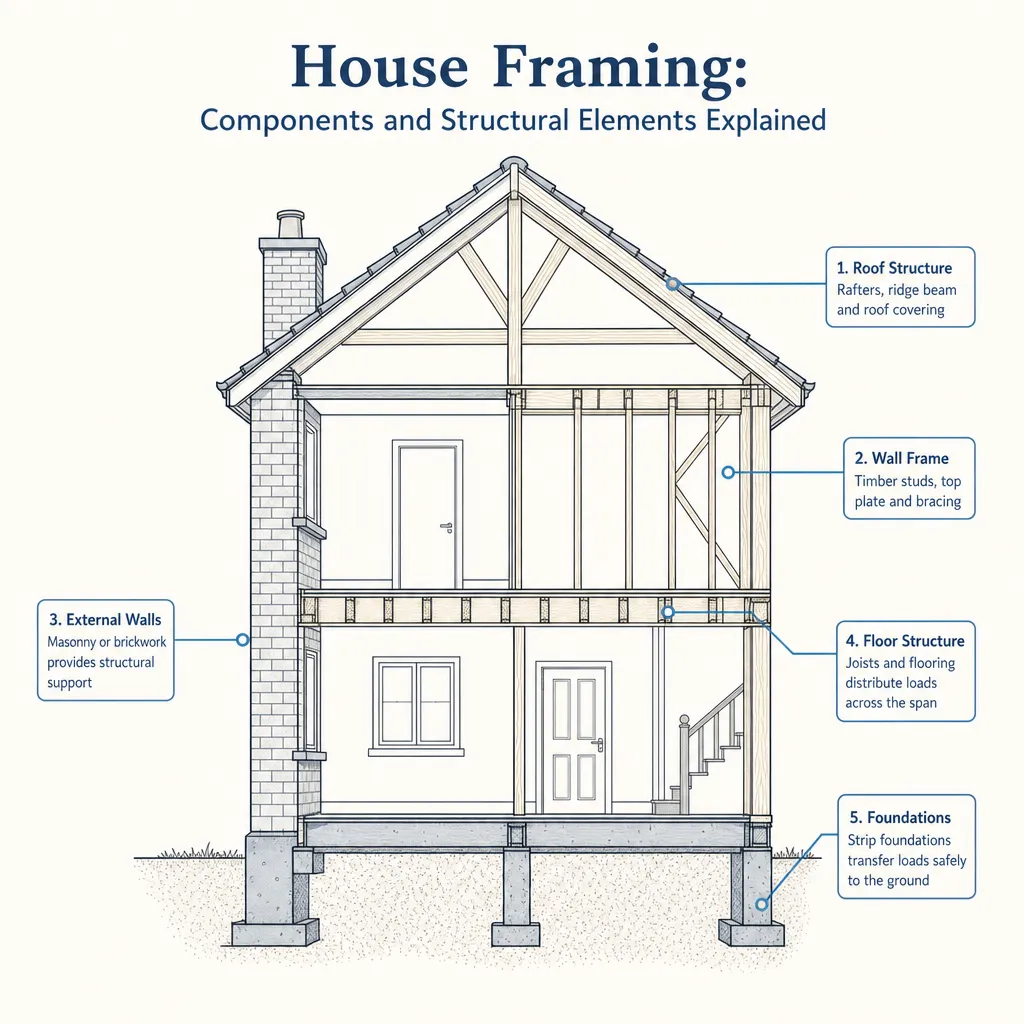
House Framing: Components and Structural Elements Explained
Most UK homes are built from load-bearing masonry — brick and block cavity walls — or, increasingly, from factory-engineered timber frames where the masonry outer leaf is non-structural cladding. Load-bearing walls, floor joists, lintels, and the roof structure all work together to transfer loads to the foundations. Any alteration to a structural element requires calculations from a chartered structural engineer and building regulations approval before work begins.
 Improvement & Build
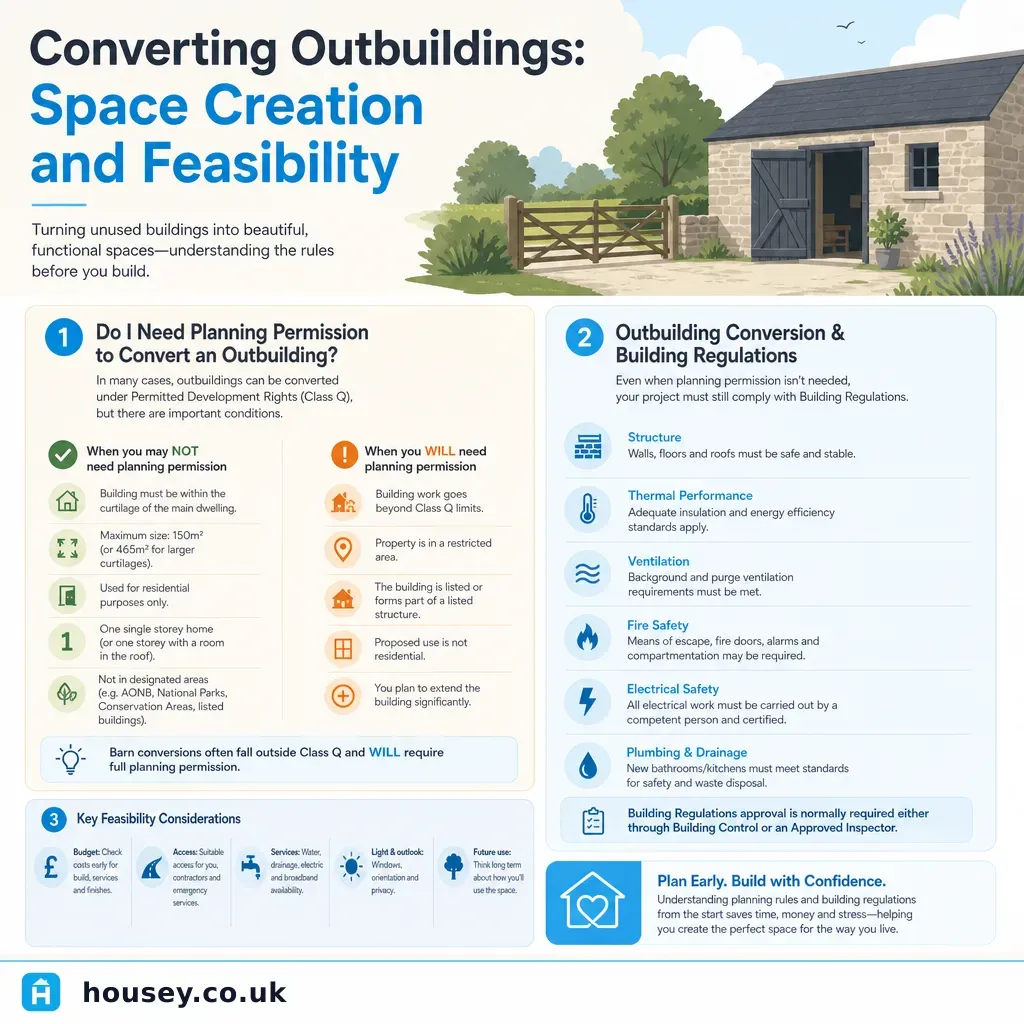
Converting Outbuildings: Space Creation and Feasibility
Converting an outbuilding to habitable or self-contained space usually requires planning permission for a change of use and Building Regulations approval covering structural safety, fire safety, moisture resistance, ventilation, and energy efficiency. Permitted development rights rarely cover residential change of use, and listed buildings or conservation area properties face additional consent requirements. A builder and building control consultant should be involved from the outset to assess feasibility.
 Surveys & Inspections
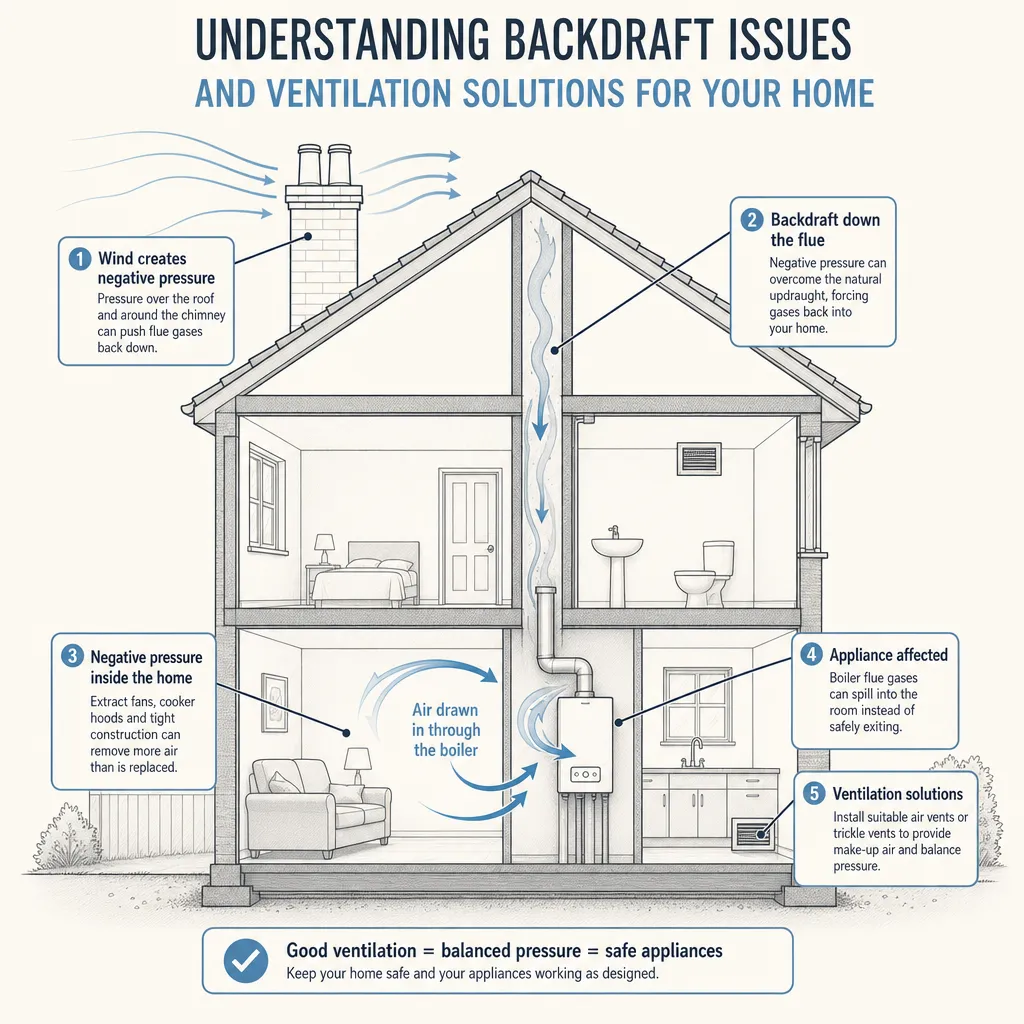
Understanding backdraft issues and ventilation solutions for your home
Backdraft occurs when negative pressure inside a building draws combustion gases back through a flue or chimney instead of expelling them outside. It can cause carbon monoxide build-up, a serious safety risk. Common causes include sealed trickle vents, powerful extractor fans, and blocked flues. A ventilation specialist or HETAS-registered engineer should diagnose and resolve persistent backdraft.
 Improvement & Build
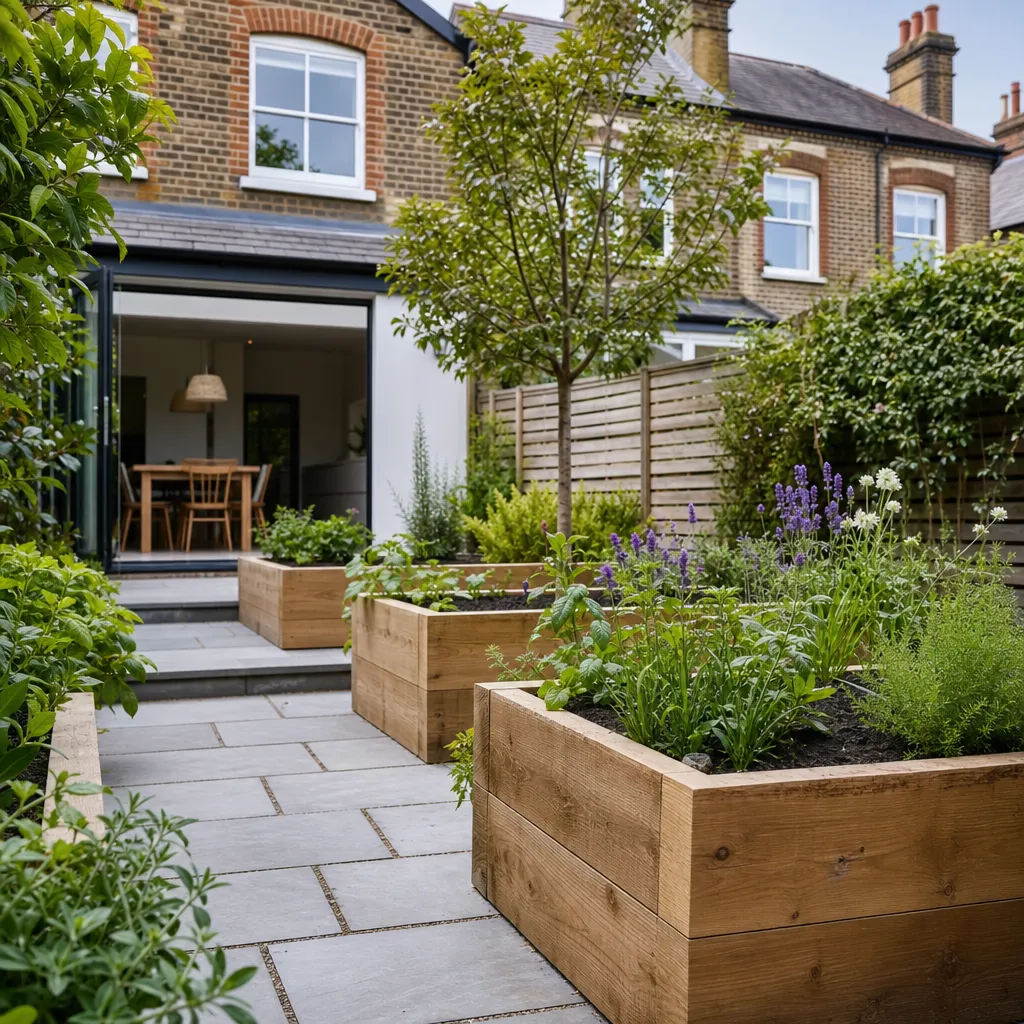
Raised Garden Beds: Design Benefits and Implementation
Raised garden beds suit most UK gardens, particularly those with heavy clay, poor drainage, or limited growing space. They warm faster in spring, allow you to control the growing medium, and reduce weed pressure. Standard beds are 1.2 m wide and 20–30 cm deep, though root vegetables need at least 35–45 cm. Timber is the most common UK construction material.
 Surveys & Inspections
Asbestos in Building Materials: Identification and Survey
Asbestos-containing materials (ACMs) are present in many UK homes built before 2000, including floor tiles, textured coatings such as Artex, roof sheets, pipe lagging, and ceiling tiles. You cannot safely identify asbestos by sight alone — only accredited laboratory analysis of a sample taken by a competent surveyor can confirm presence. If you suspect ACMs, do not disturb them; commission an asbestos survey first.
 Improvement & Build
Sash Window Cord and Pulley Repair Guide
Repairing a broken sash window cord involves removing the staff bead, lifting out the lower sash, threading new wax-coated cord through the pulley, and tying it securely to the sash weight. An experienced joiner typically completes a single cord replacement in two to four hours. Listed buildings require like-for-like materials, and repair is almost always preferred over replacement by conservation officers.
 Improvement & Build
Window and Door Sill Damage: Repair Solutions
Window and door sill damage ranges from surface cracking and peeling paint to structural rot, spalling stone, or broken concrete. The appropriate repair depends on the sill material — timber, natural stone, concrete, brick, or uPVC — and the depth of deterioration. Surface repairs cost around £50–£200 per sill; full replacement typically runs £150–£600, with stone or hardwood replacements at the higher end.
 Improvement & Build
How Much Does a Wellness Garden Cost in the UK?
A wellness garden in the UK typically costs £8,000–£40,000 for a mid-sized design-and-build project. Garden designer fees alone run from £1,500 to £5,000. Hard landscaping, water features, pergolas, and mature planting each add significantly to the total. Costs vary by garden size, material choice, ground conditions, and your location.
 Improvement & Build
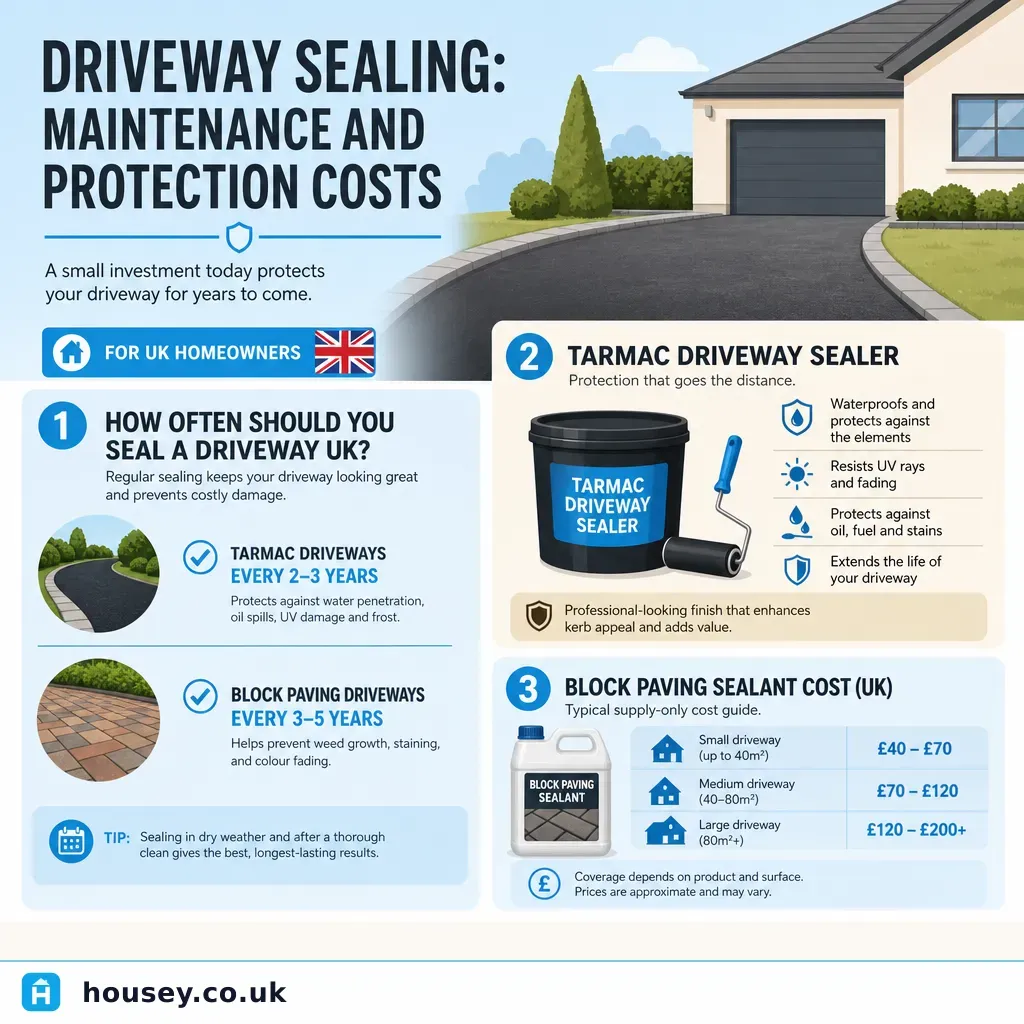
Driveway Sealing: Maintenance and Protection Costs
Sealing a driveway typically costs £3–£8 per m² in the UK, depending on the surface material, area size, and condition. Tarmac sealers, block paving sealants, and resin-bound finishes each require different products and preparation. Most driveways benefit from resealing every 3–7 years, though high-traffic or UV-exposed surfaces may need attention sooner.