Knowledge Base
Property advice that actually helps
Researched, UK-specific guides for every stage of homeownership — from buying and surveys to retrofit, planning and major works.
 Improvement & Build
Renovation Tips From Experienced Homeowners: Practical Advice
Experienced UK homeowners consistently identify the same lessons: set a contingency of 10–20%, obtain at least three written itemised quotes, confirm whether planning permission and Building Regulations approval are both needed, and always sign a contract with a written scope of works before work starts. A staged payment schedule and a 5% snagging retention resolve most contractor disputes before they escalate.
 Surveys & Inspections
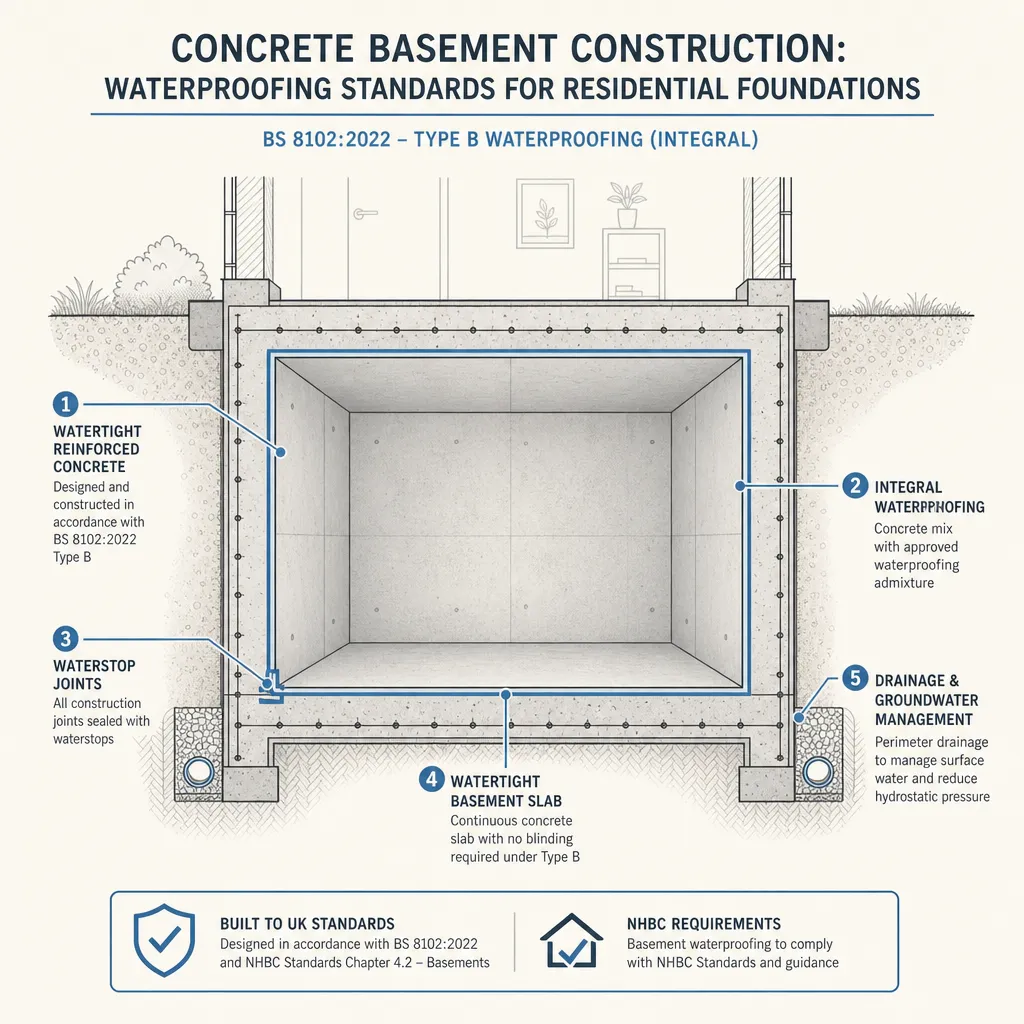
Concrete Basement Construction: Waterproofing Standards for Residential Foundations
Concrete basement waterproofing in the UK must comply with BS 8102:2022 and Building Regulations Part C. New-build reinforced concrete typically uses Type B structural integral waterproofing — a designed low-water/cement-ratio mix with careful construction joint detailing. For habitable Grade 3 spaces, BS 8102 recommends combining Type B with a Type C cavity drain membrane system.
 Improvement & Build
Winterizing Plumbing in Holiday Homes and Vacation Properties
Holiday homes left unheated face serious burst-pipe risk in UK winters. The two main protective strategies are draining down the entire water system before each absence, or using a frost thermostat set to 4–7°C. Most insurers require one or the other and will not pay frost-damage claims if neither measure has been taken. Check your policy schedule before the season starts.
 Energy & Retrofit
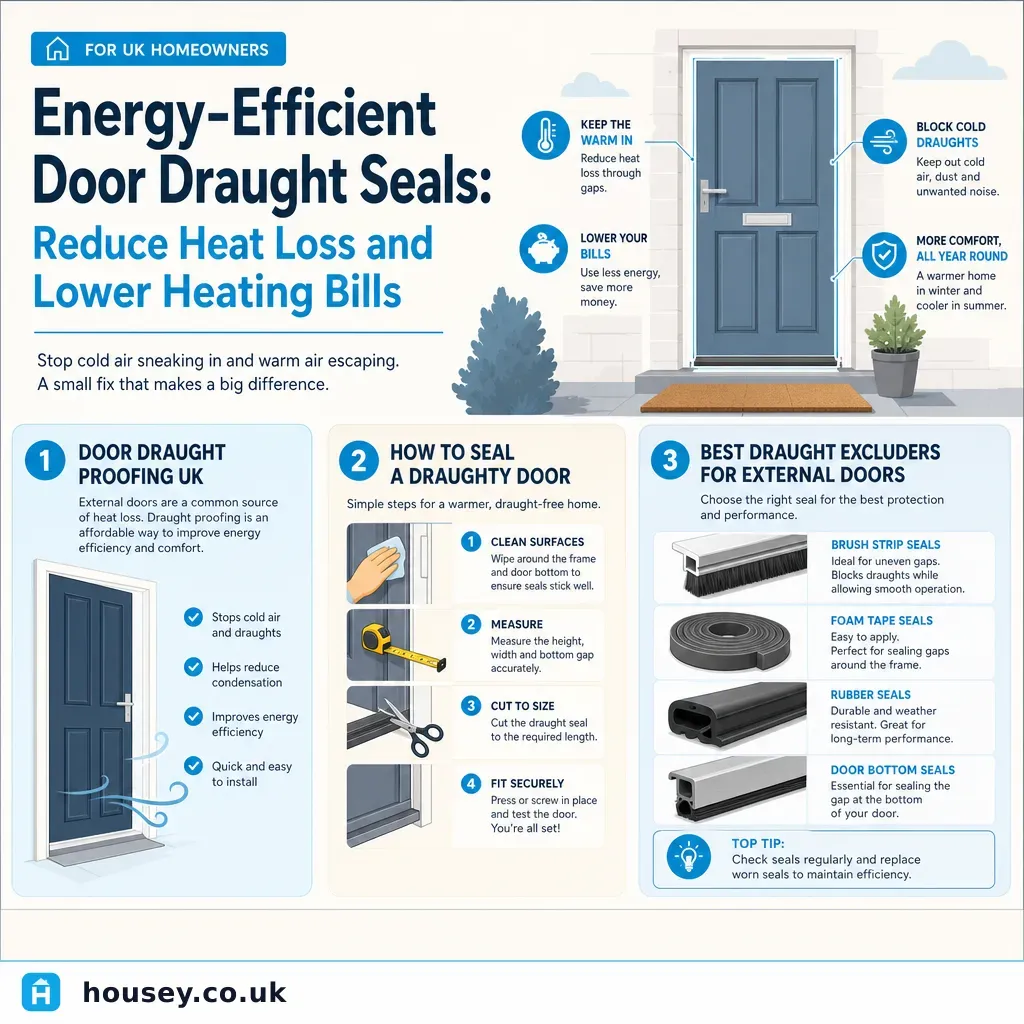
Energy-Efficient Door Draught Seals: Reduce Heat Loss and Lower Heating Bills
Door draught seals — brush strips, compression seals, threshold strips, and letterbox excluders — reduce heat loss through gaps in door frames. The Energy Saving Trust estimates savings of around £45–£60 per year on gas heating in a typical semi-detached. Professional fitting for all doors and windows costs roughly £150–£350; many products are suitable for confident DIY installation.
 Improvement & Build
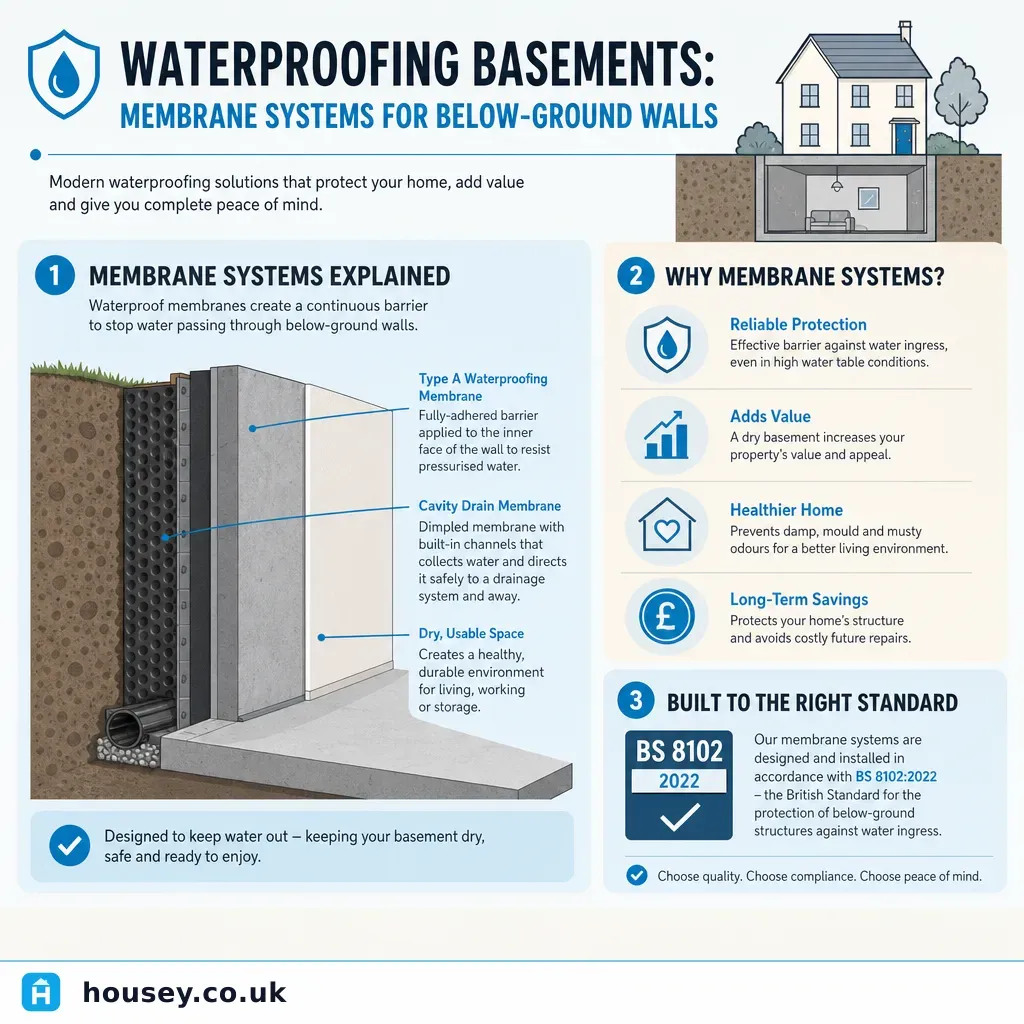
Waterproofing Basements: Membrane Systems for Below-Ground Walls
The three principal below-ground waterproofing systems under BS 8102:2022 are Type A (barrier membranes such as tanking or crystalline coatings), Type B (structurally integral waterproof concrete), and Type C (cavity drain membranes that collect and redirect water). Most UK basement conversions use Type C alone or combined with Type A. A qualified waterproofing specialist should design and install the system.
 Improvement & Build
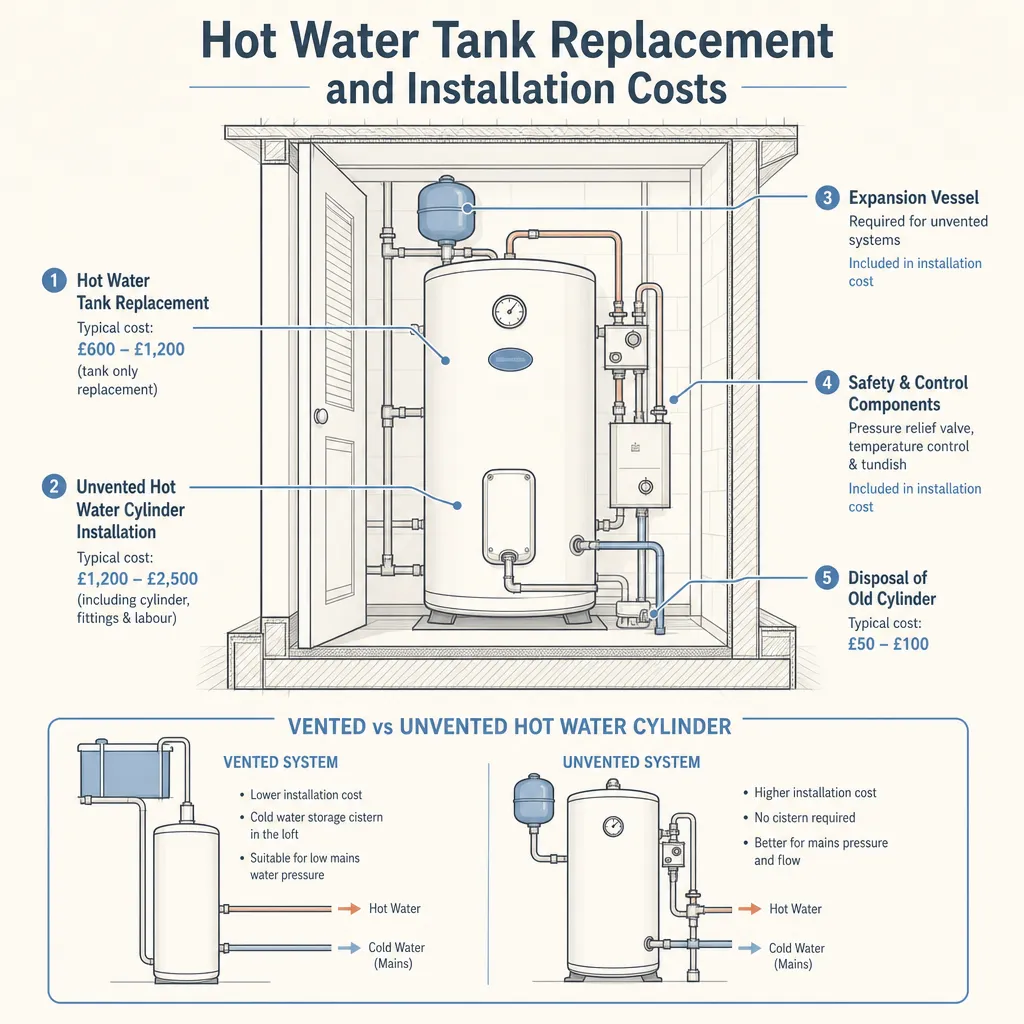
Hot Water Tank Replacement and Installation Costs
Replacing a hot water cylinder in the UK typically costs £450–£1,500 in total, depending on whether you choose a vented or unvented system and the cylinder's capacity. Unvented systems offer mains-pressure hot water but require a G3-qualified installer by law. Replacing just the immersion heater element is cheaper at £100–£250 all-in.
 Energy & Retrofit
Renewable Energy Systems and Property Value: Solar Panels and Heat Pumps
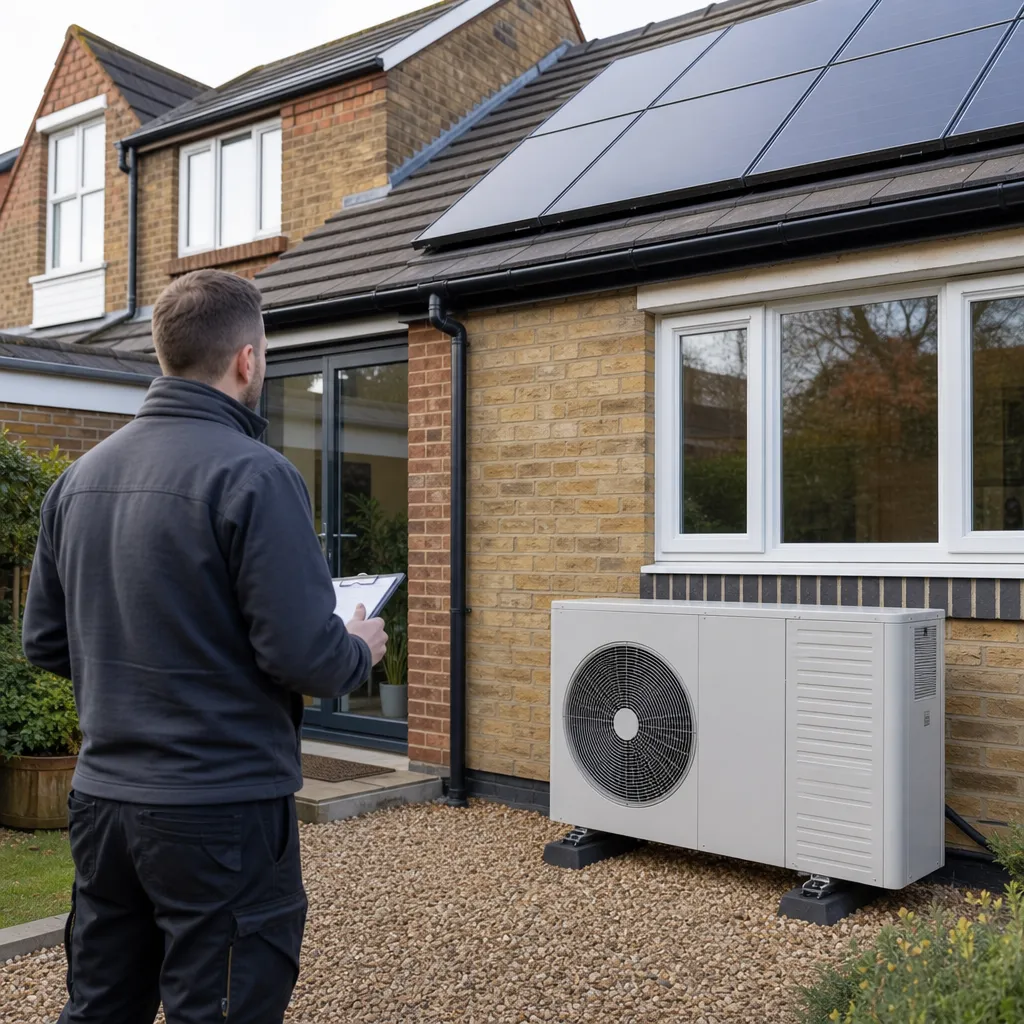
Solar panels can add a modest 1–4% to UK property values in the right conditions, particularly when they improve the EPC rating. Heat pumps have a less consistent impact, but a well-documented system in a well-insulated home is generally a positive selling point. Owned panels are simpler to convey than leased systems, and MCS certification reassures buyers of installation quality.
 Improvement & Build
Pocket Door Installation: Techniques and Best Practice Guidance
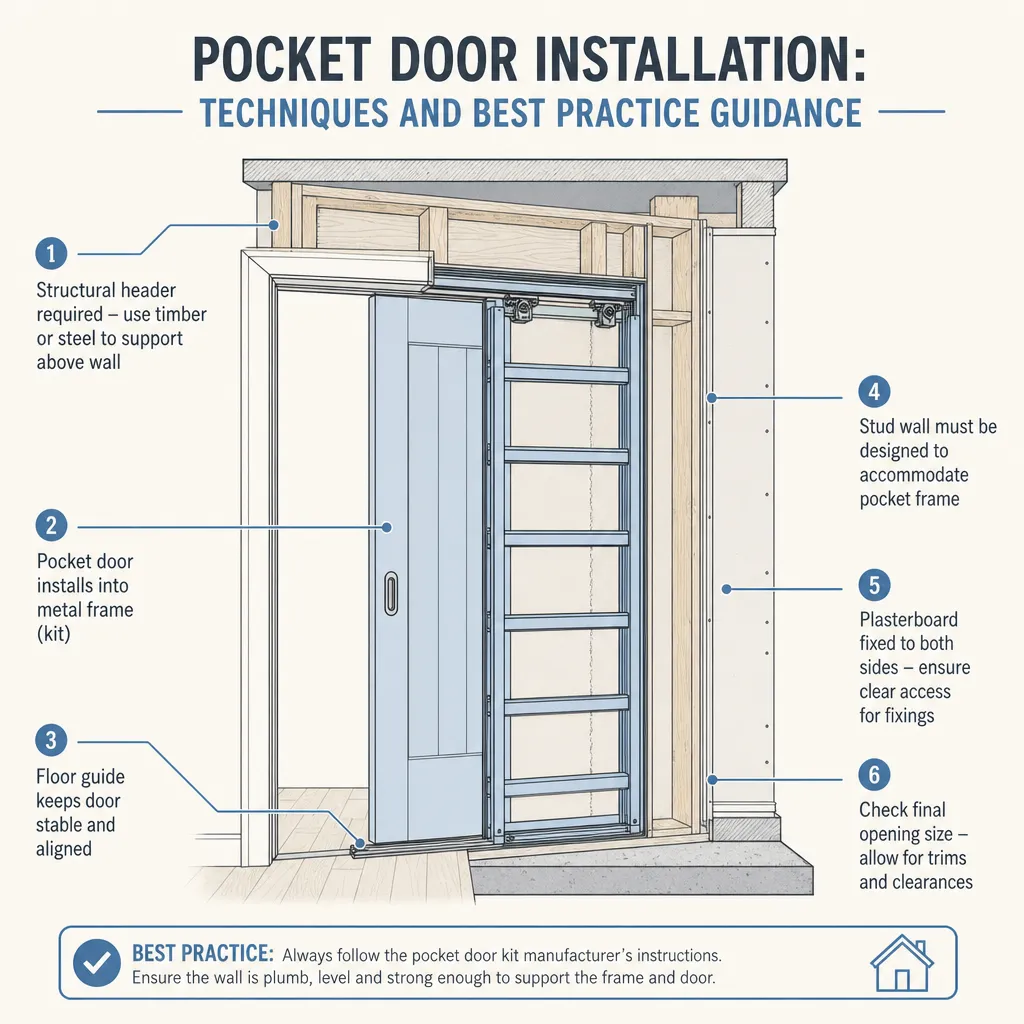
Pocket doors slide into a cavity within the wall, requiring a proprietary steel or timber frame kit installed during the rough carpentry stage. The wall cavity must be at least as wide as the door leaf. Electrical cables and pipework must be re-routed before fitting. Most installations benefit from a specialist carpenter or door fitter.
 Surveys & Inspections
Boundary Surveys and Land Measurement Services
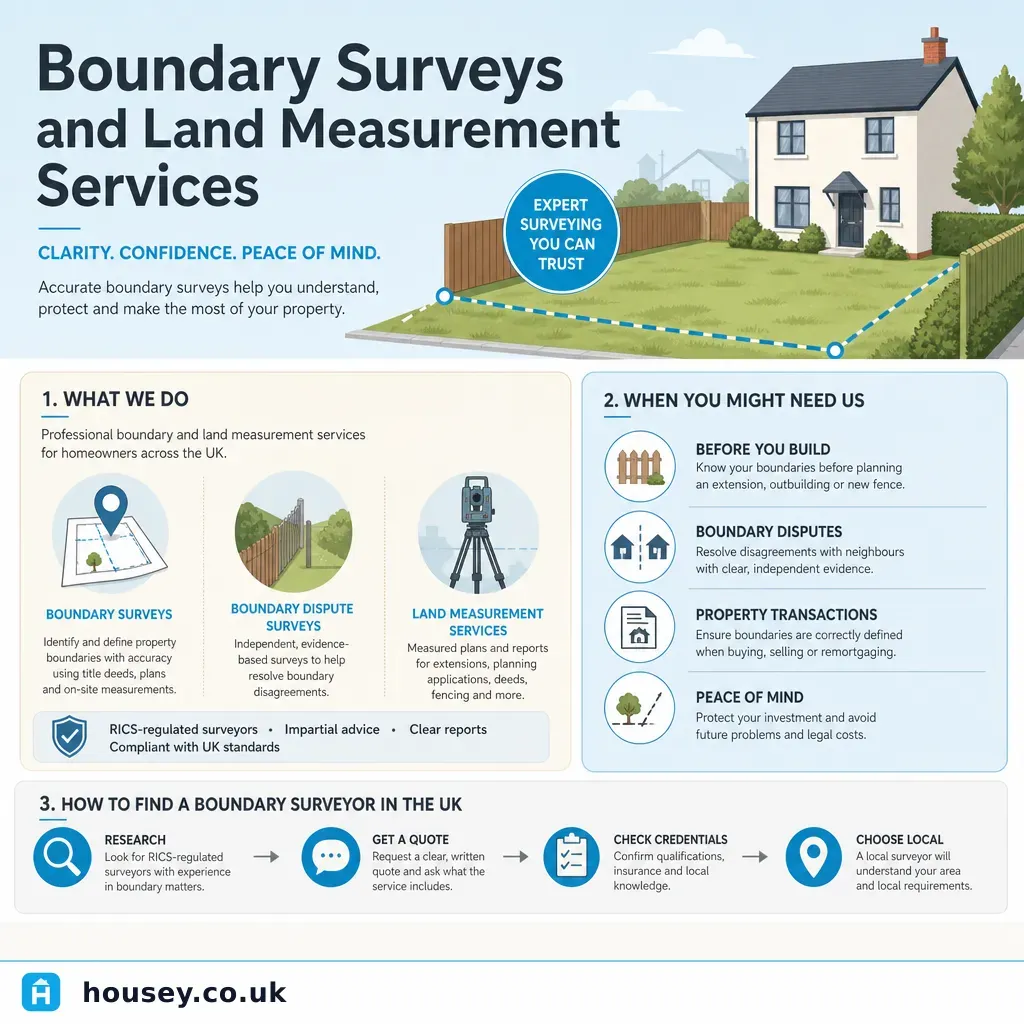
A boundary survey establishes where the legal boundary of a property sits, using title deeds, historic maps, and on-site measurement. It is needed when planning extensions, resolving neighbour disputes, or preparing land for sale. Land Registry title plans show only a general boundary position and are not precise enough for these purposes.
 Planning & Pre-Build
Boundary Fence Height Requirements: What Installers and Property Owners Need to Know
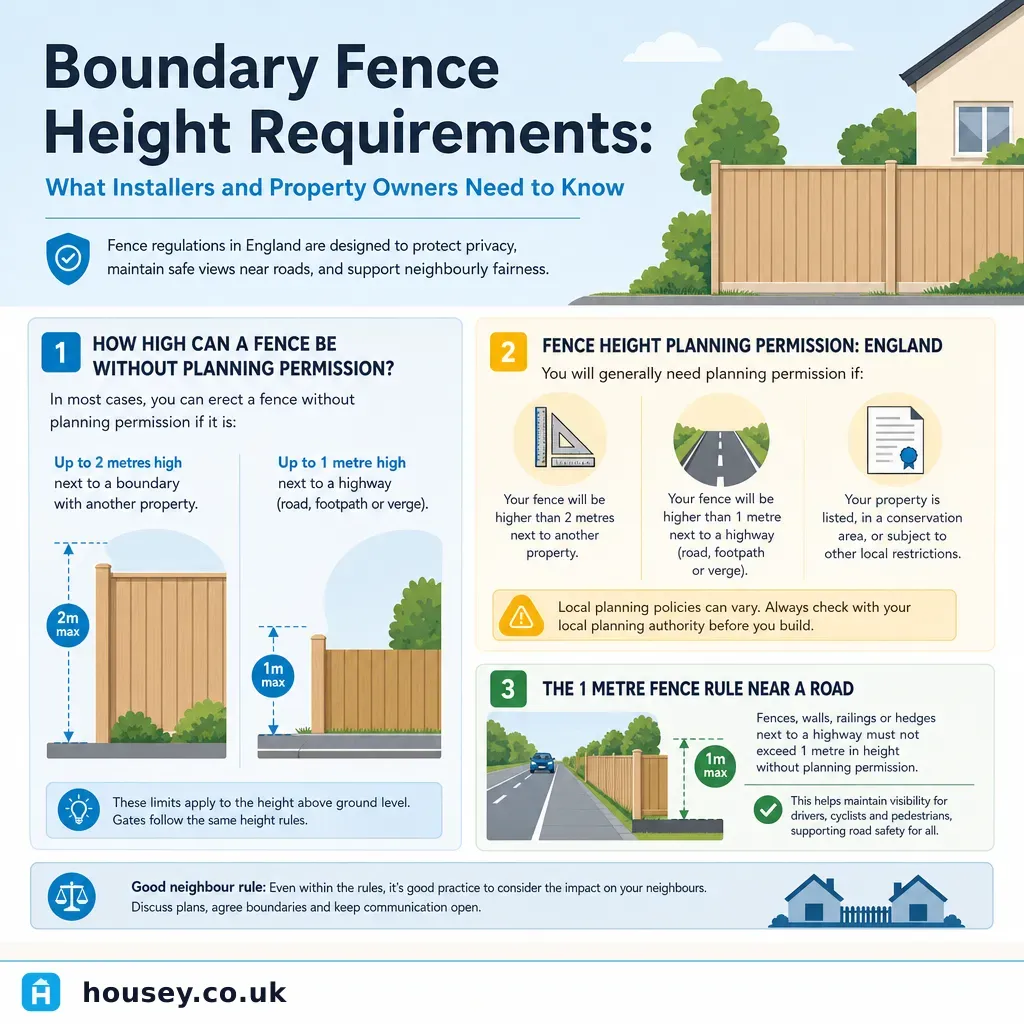
In England, a fence can be up to 2 metres high without planning permission, reducing to 1 metre when adjacent to a highway used by vehicles. Conservation areas, Article 4 Directions, listed building status, and private deed covenants can further restrict what is permitted. Always verify with your local planning authority and check your title deeds before erecting any boundary structure.
 Surveys & Inspections
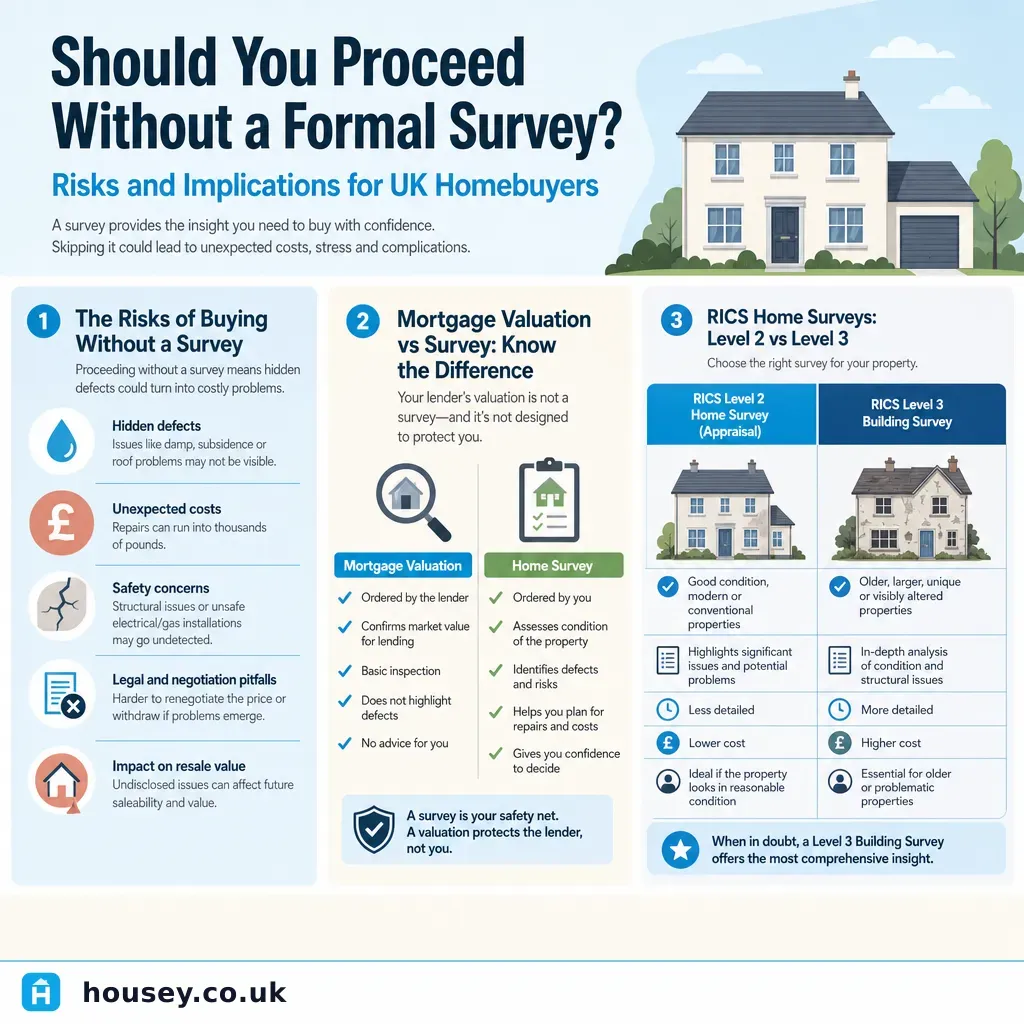
Should You Proceed Without a Formal Survey? Risks and Implications
In England and Wales there is no legal requirement to obtain a survey before exchange, but caveat emptor means any undisclosed defects become your problem the moment contracts are exchanged. A mortgage valuation is not a survey. The appropriate RICS survey level depends on the property's age, condition, and construction type.
 Improvement & Build
Concrete Garden Features and Outdoor Landscape Design
Concrete garden features range from exposed aggregate paths and stamped concrete patios to cast raised planters and precast water features. The right finish depends on the intended use, budget, and aesthetic. Front garden hard standing over 5m² must use permeable surfacing under England's permitted development rules. Most decorative concrete garden work can be delivered by a competent landscaper.