Knowledge Base
Property advice that actually helps
Researched, UK-specific guides for every stage of homeownership — from buying and surveys to retrofit, planning and major works.
 Surveys & Inspections
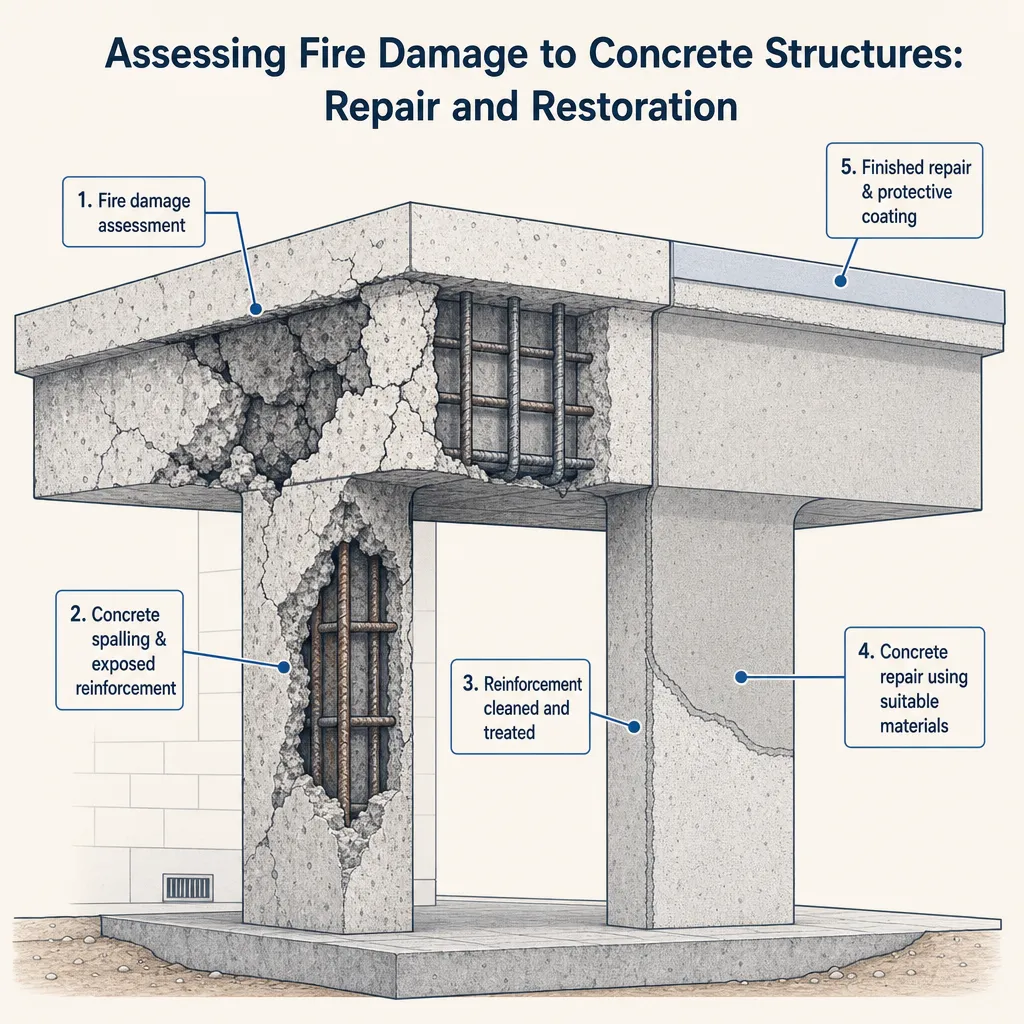
Assessing Fire Damage to Concrete Structures: Repair and Restoration
After a building fire, concrete is assessed by a chartered structural engineer using colour mapping, core sampling, and laboratory strength testing. The depth of heat penetration determines whether elements can be repaired — through patch mortar, sprayed concrete, or jacketing — or must be demolished. Do not re-enter the building until an engineer confirms it is structurally safe.
 Energy & Retrofit
HVAC System Upgrades: Cost Savings for Older Properties
Upgrading heating and ventilation systems in an older UK home can significantly reduce energy bills, but the best approach depends on the property's insulation, construction, and heat demand. Options range from high-efficiency condensing boilers to air source heat pumps, with government grants such as the Boiler Upgrade Scheme (up to £7,500) available for eligible properties. A retrofit assessment is the recommended first step before any major system change.
 Improvement & Build
Cost of winterising your UK property
Winterising a typical UK home commonly costs £200–£400 for straightforward annual maintenance including a boiler service, gutter clearing, and drain inspection. Properties needing roof repairs, repointing, or a CCTV drain survey may spend considerably more. Costs vary by region, access, property age, and which trades are involved. Book early to avoid winter premium rates.
 Improvement & Build
Comparing Wood and Vinyl Windows for UK Homes
Timber windows typically cost more upfront than uPVC but can last twice as long with regular maintenance. uPVC suits low-maintenance budgets and post-1970s properties; timber suits older, heritage, or listed buildings. Both must meet Building Regulations Part L thermal standards and require FENSA or CERTASS registered installation in England and Wales.
 Improvement & Build
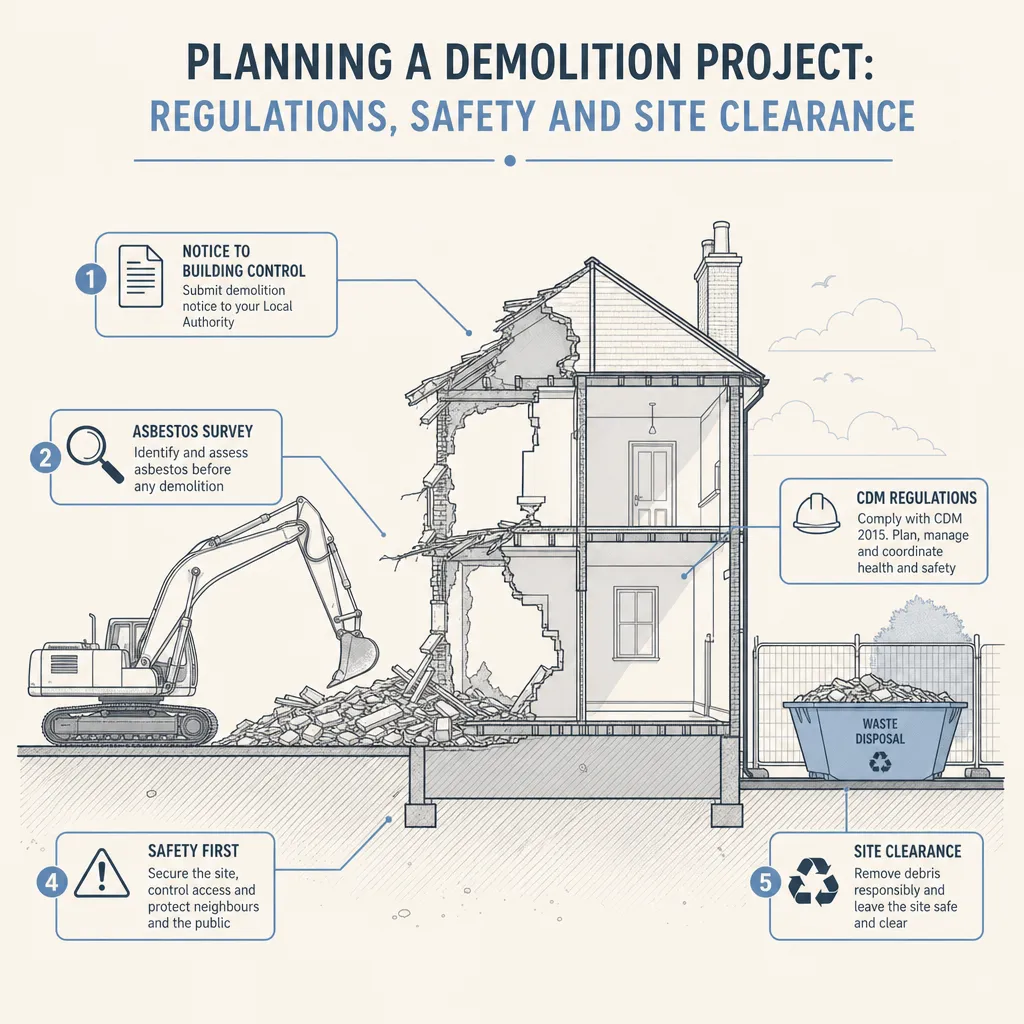
Planning a Demolition Project: Regulations, Safety and Site Clearance
Demolishing a building in England requires a Section 80 building control notice served at least six weeks before work starts, a Refurbishment and Demolition asbestos survey before any demolition begins, and compliance with CDM 2015. Planning permission or prior approval may also be needed depending on the building's volume, location, and whether it is listed or in a conservation area.
 General property advice
London Property Costs vs Regional Alternatives: Price Comparison
London's average property price is roughly double the UK average and around three times higher than cities such as Manchester, Leeds, and Birmingham. For buyers with location flexibility, regional cities offer significantly more space for the same budget, though employment prospects, transport links, and lifestyle factors matter as much as the price difference.
 Energy & Retrofit
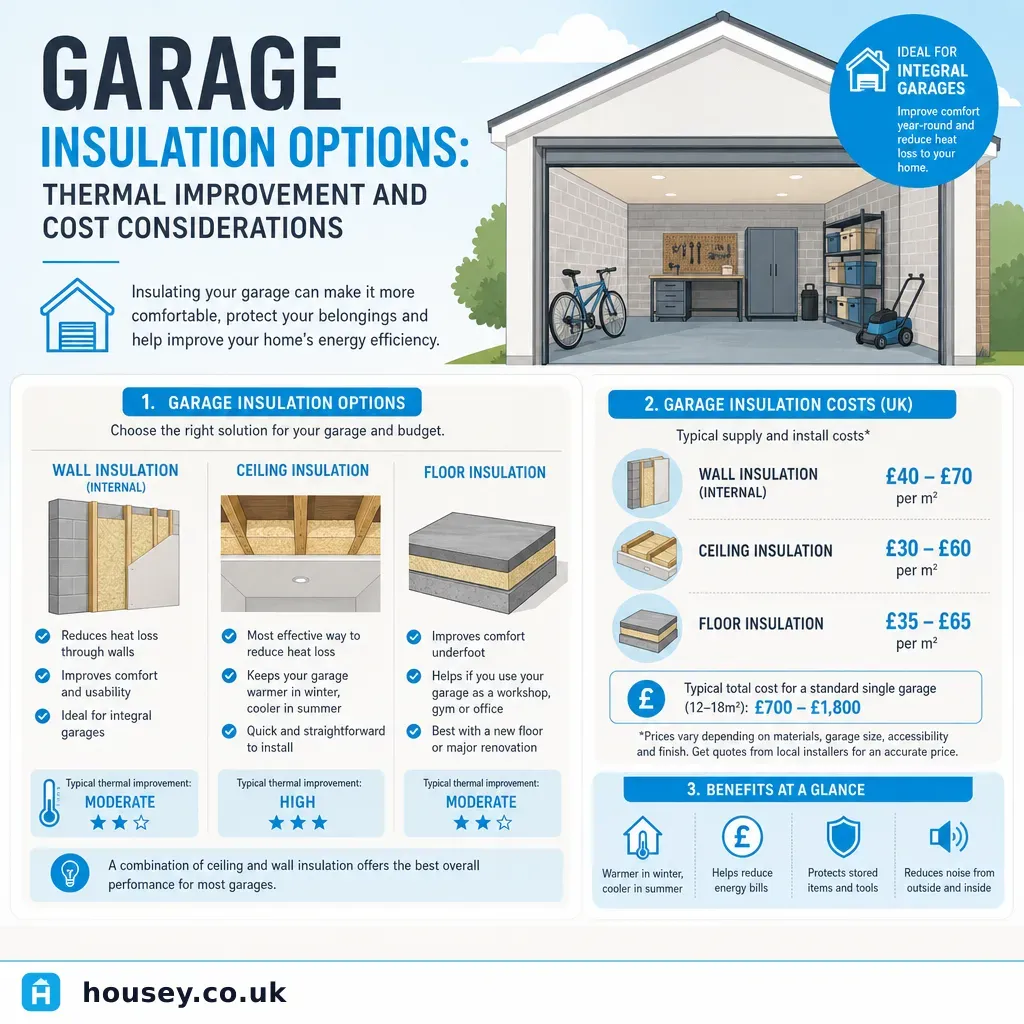
Garage Insulation Options: Thermal Improvement and Cost Considerations
Garage insulation options in the UK include mineral wool batts, rigid foam boards (PIR or EPS), and insulated garage doors. The best approach depends on whether the garage is integral or detached, heated or unheated, and whether a habitable conversion is planned. Integral garages with shared walls and ceilings benefit most from a comprehensive insulation strategy.
 Improvement & Build
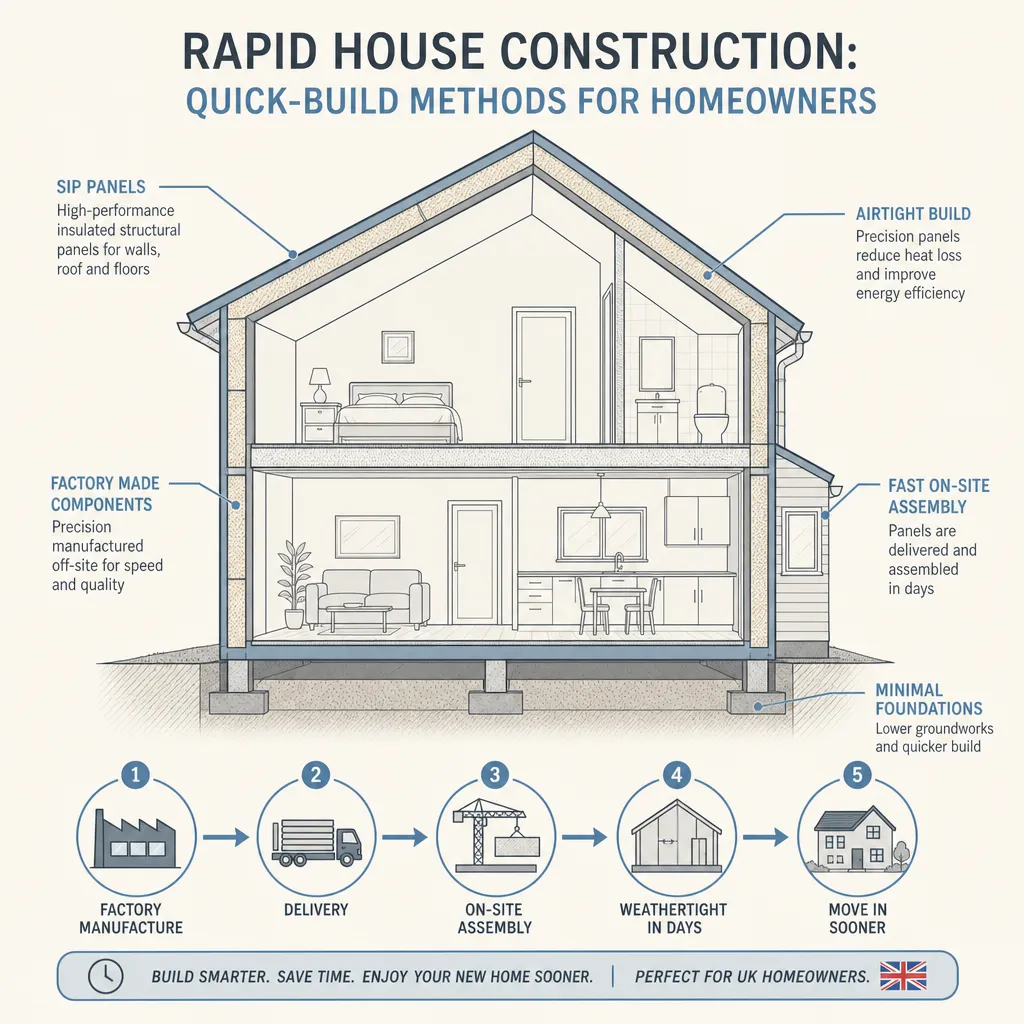
Rapid House Construction: Quick-Build Methods for Homeowners
Rapid house construction in the UK typically uses Modern Methods of Construction such as timber frame, structural insulated panels (SIPs), or volumetric modular systems. These can reduce on-site build time by 30 to 50 per cent compared with traditional masonry. The fastest systems can be watertight within days of assembly, but groundworks and planning timescales remain outside the quick-build programme.
 Improvement & Build
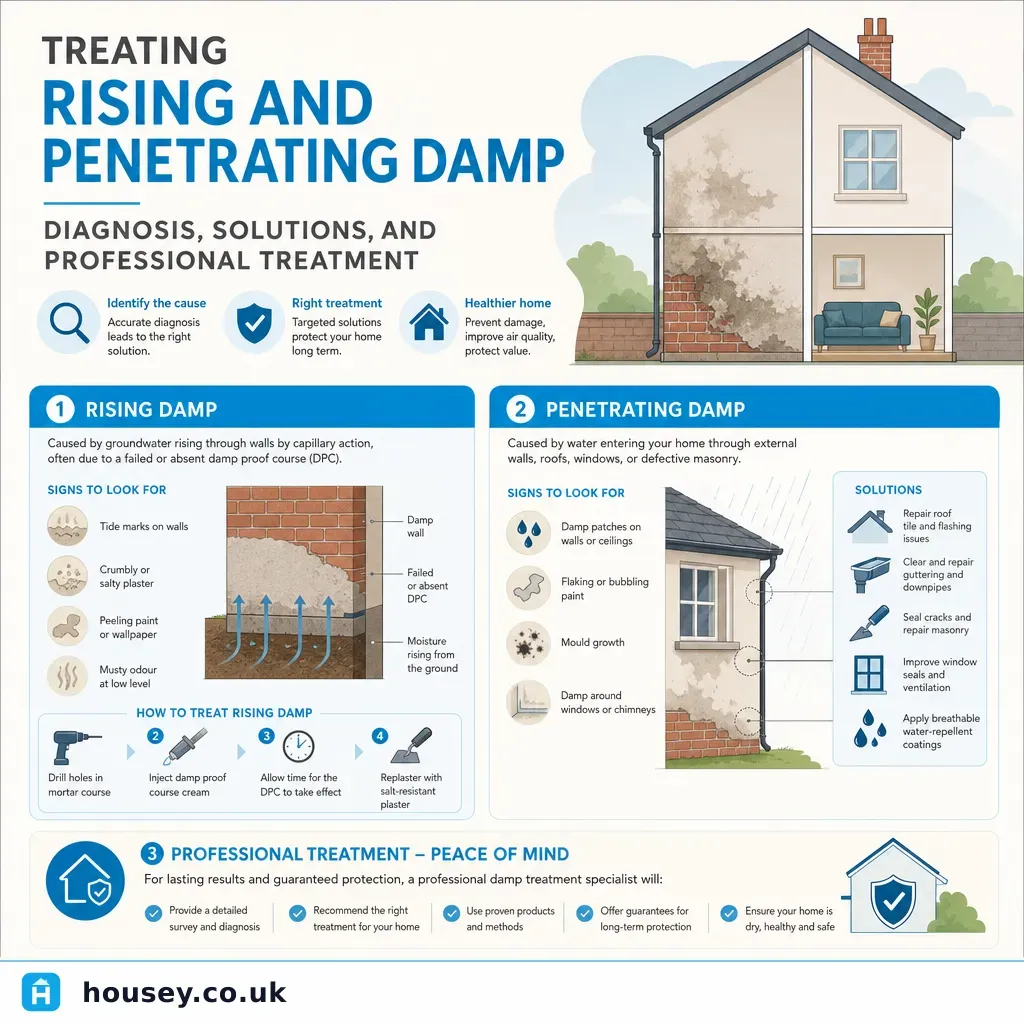
Treating Rising and Penetrating Damp: Diagnosis, Solutions, and Professional Treatment
Rising damp appears as a tide mark at the base of ground-floor walls and is caused by a failed or absent damp-proof course. Penetrating damp enters through defects in the building fabric and typically appears after rainfall. Accurate diagnosis by a RICS-registered or PCA-certified surveyor is essential before any treatment, as both types are routinely misidentified and incorrect treatment wastes money without solving the problem.
 Improvement & Build
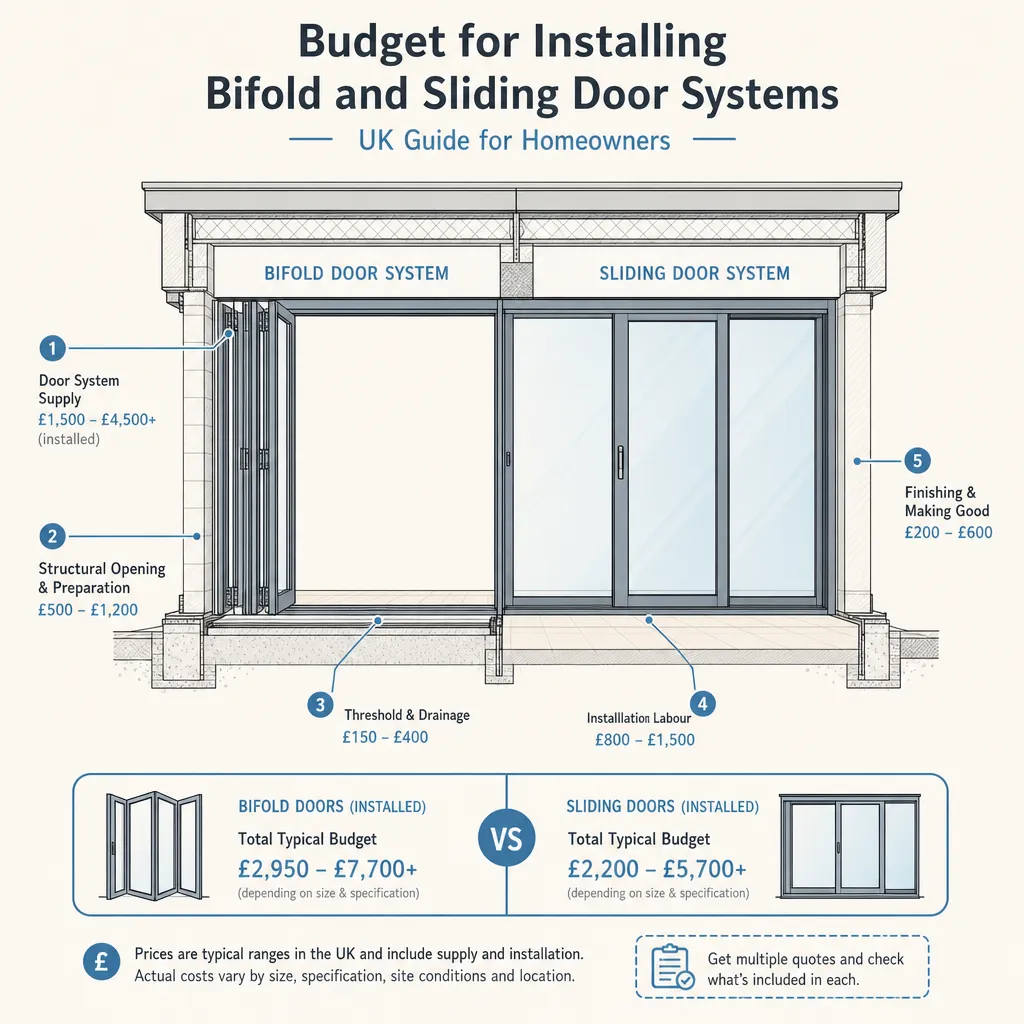
Budget for Installing Bifold and Sliding Door Systems
Aluminium bifold doors typically cost £4,000–£12,000 supplied and installed; uPVC bifolds run £2,500–£6,000. Sliding doors are generally cheaper at £1,200–£7,000 depending on material and size. Costs vary by panel count, glazing spec, and whether structural changes are needed. Always get at least three quotes from FENSA- or CERTASS-registered installers.
 Improvement & Build
Selecting a Concrete Paving Specialist: Key Questions to Ask
When selecting a concrete paving specialist, check whether your planned surface requires planning permission — in England, impermeable driveways over 5 m² usually need consent unless drainage is properly managed. Confirm the concrete mix specification, sub-base depth, expansion joint placement, and public liability insurance, and get the full scope in writing before any work starts.
 Surveys & Inspections
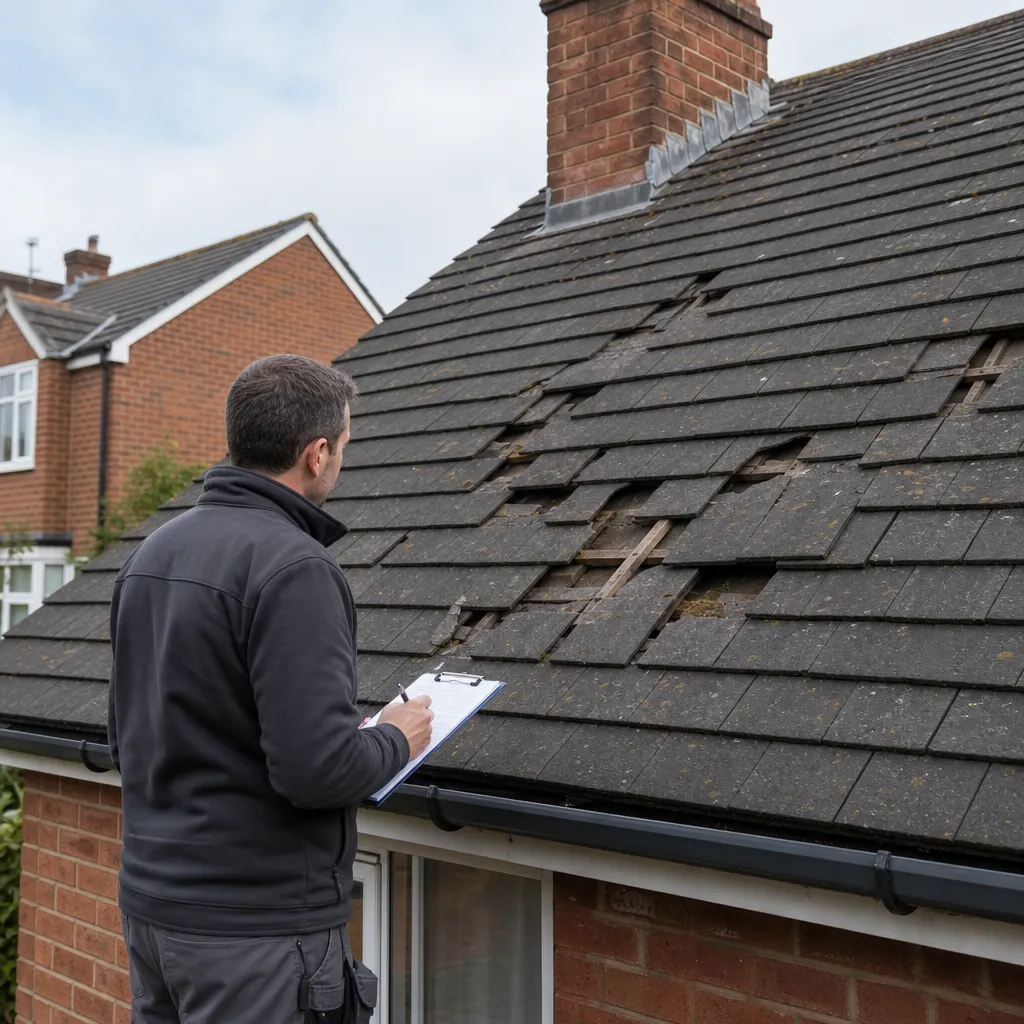
Wind Damage to Roof Tiles and Shingles: Inspection and Repair Guidance
After a storm, inspect your roof from ground level using binoculars before attempting access. Missing tiles, displaced ridge tiles, detached flashings, or a sagging roofline all need prompt attention from a qualified roofer or surveyor. Photograph all damage before starting repairs — most UK insurers require documented evidence before approving storm damage claims.