Knowledge Base
Property advice that actually helps
Researched, UK-specific guides for every stage of homeownership — from buying and surveys to retrofit, planning and major works.
 Improvement & Build
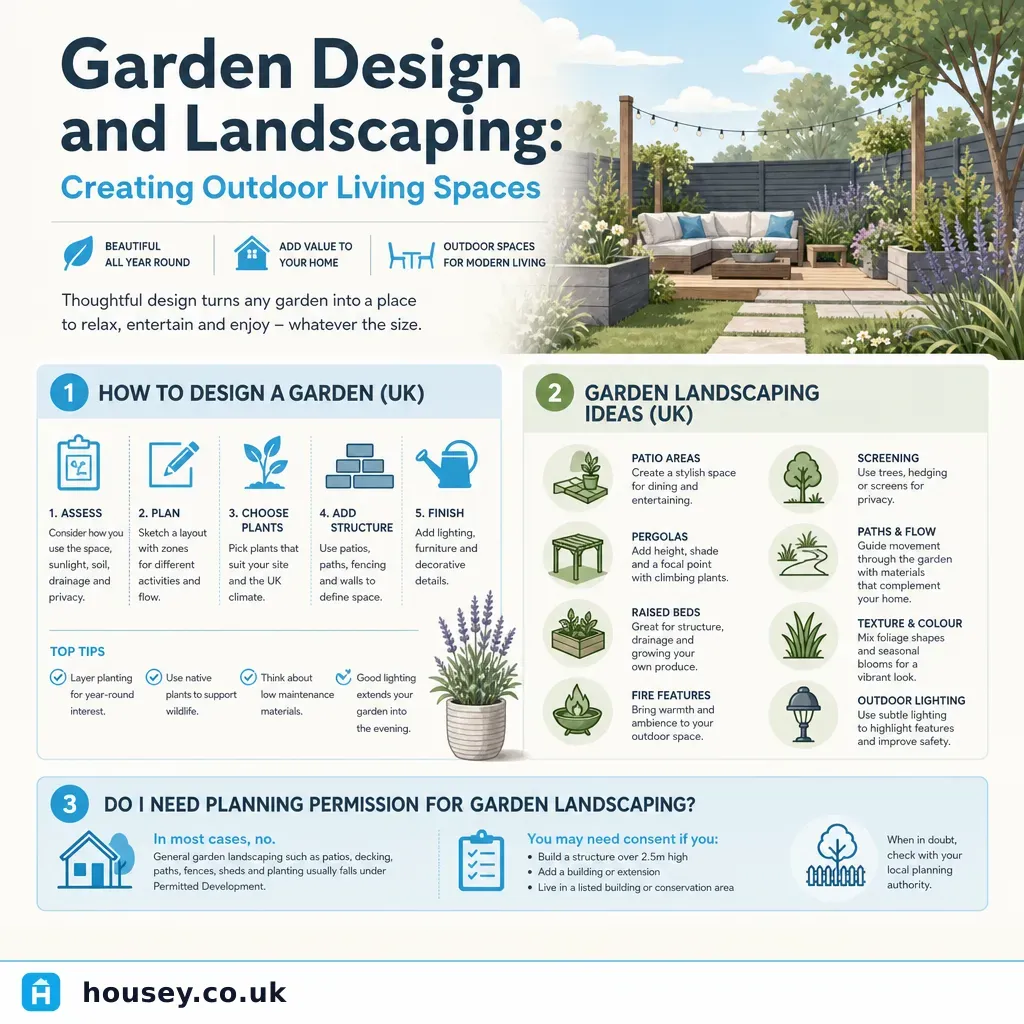
Garden Design and Landscaping: Creating Outdoor Living Spaces
Garden design creates functional outdoor living spaces through a combination of hard landscaping such as paving and decking, soft landscaping including planting and lawns, and structures such as pergolas or raised beds. In the UK, most rear garden work does not require planning permission, though front-garden hard surfacing, conservation areas, and listed properties require additional care.
 Improvement & Build
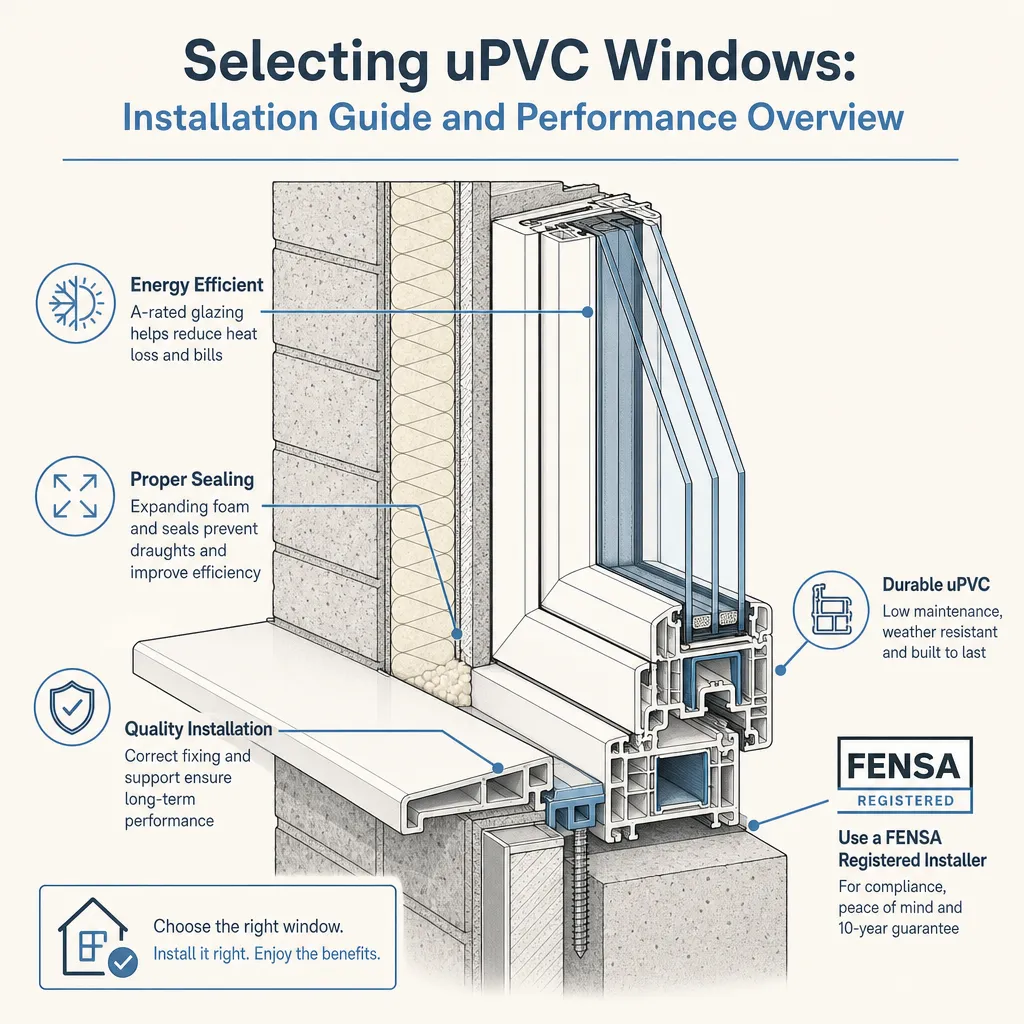
Selecting uPVC Windows: Installation Guide and Performance Overview
uPVC windows are a practical, low-maintenance choice for most UK homes. Building Regulations Part L requires a minimum whole-window U-value of 1.6 W/m²K. Use a FENSA-registered installer to self-certify compliance, specify at least BFRC energy Band A, and confirm any planning restrictions before ordering if your property is listed or in a conservation area.
 Buying & Moving
Step-by-Step Guide to Selling Your Property
Selling a property in the UK involves six main stages: getting a valuation, instructing an estate agent, preparing legal documents with a conveyancer, accepting an offer, exchange of contracts, and completion. The full process typically takes 3–6 months, though the timeline varies by chain complexity, mortgage requirements, and local market conditions.
 Buying & Moving
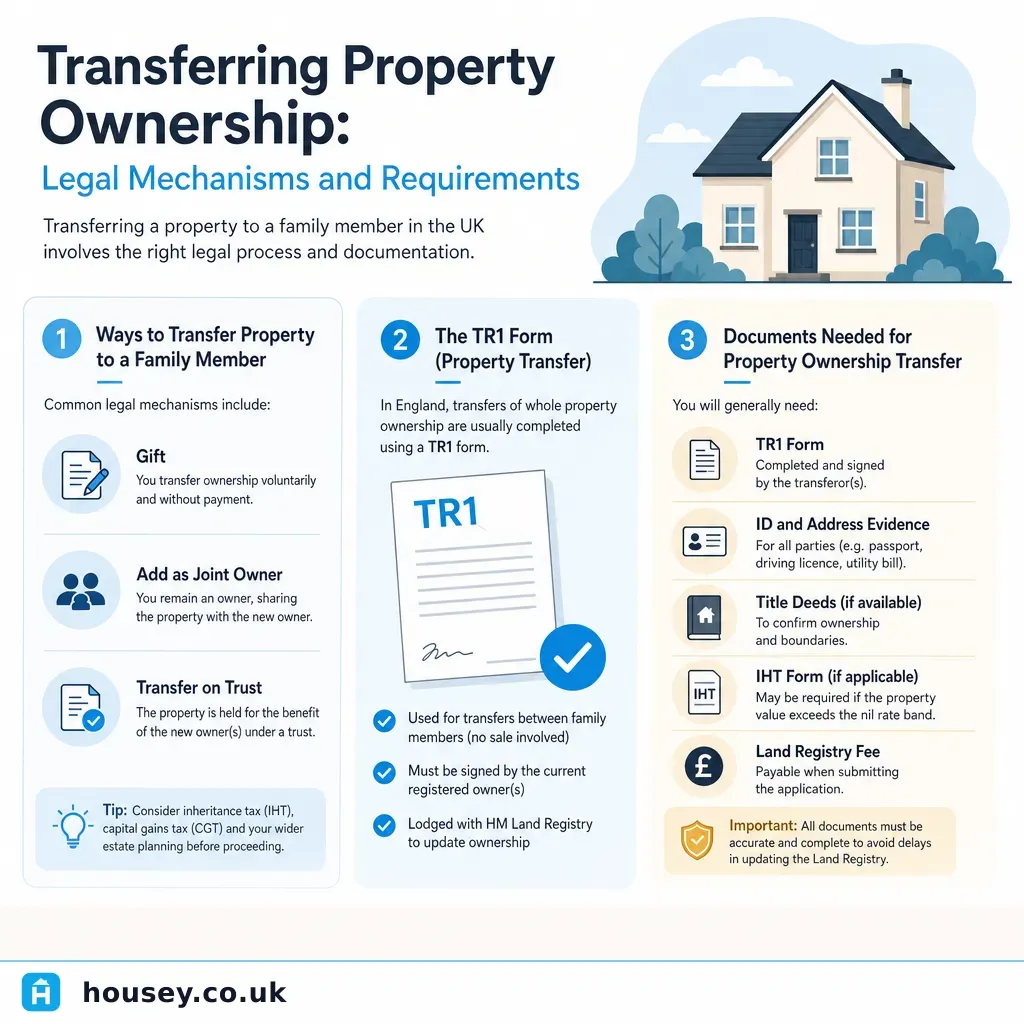
Transferring Property Ownership: Legal Mechanisms and Requirements
In England and Wales, property ownership transfers when HM Land Registry records a change of proprietor, triggered by a completed TR1 deed for full transfers or a TP1 for partial ones. The process involves identity checks, an SDLT return submitted to HMRC within 14 days of completion, and an AP1 application to update the register. A regulated solicitor or licensed conveyancer is almost always required.
 Improvement & Build
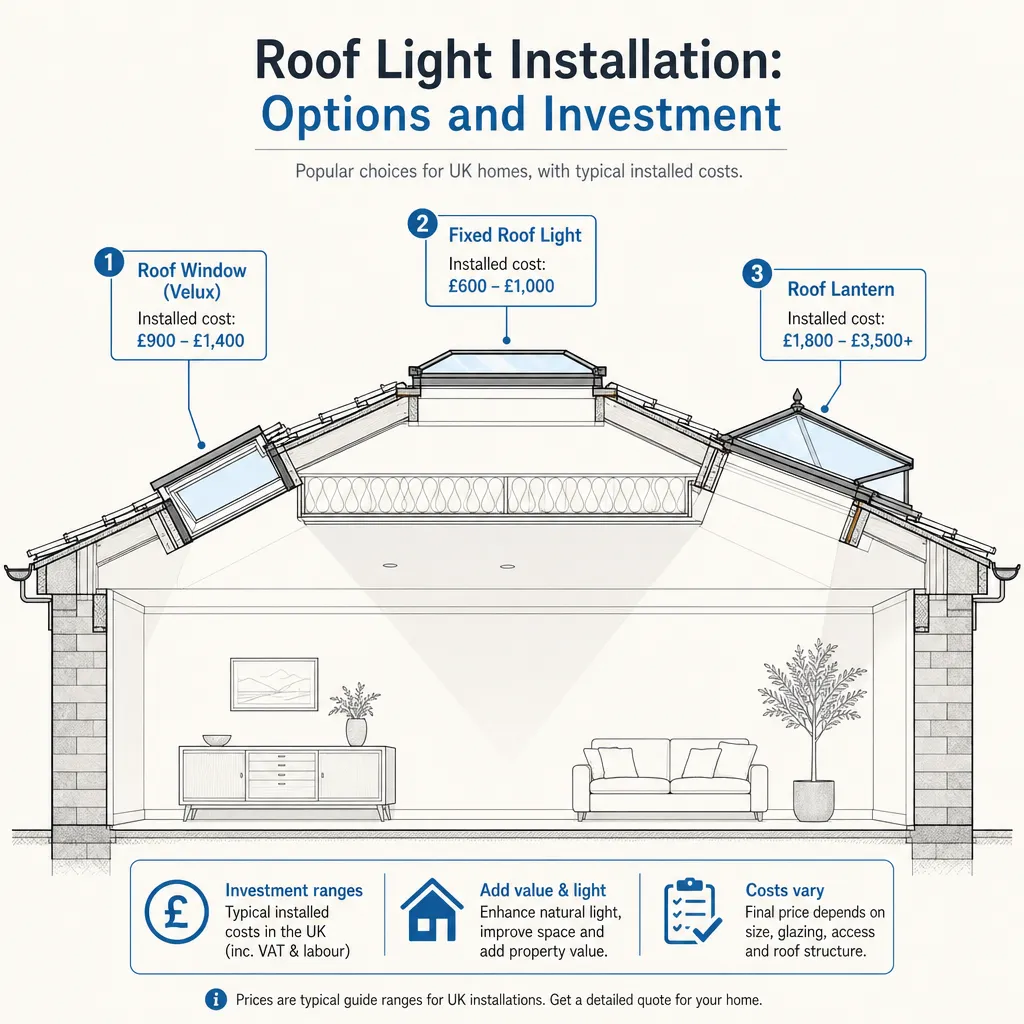
Roof Light Installation: Options and Investment
Roof light installation costs range from £500–£1,500 for a fitted pitched roof window to £2,000–£8,000 or more for a flat roof lantern. Most installations require building regulations approval covering structural and energy efficiency requirements. Permitted development rights usually apply to pitched roof windows, but flat roofs and listed buildings need individual checks.
 Energy & Retrofit
Sustainable Outdoor Maintenance and Eco-Friendly Garden Care
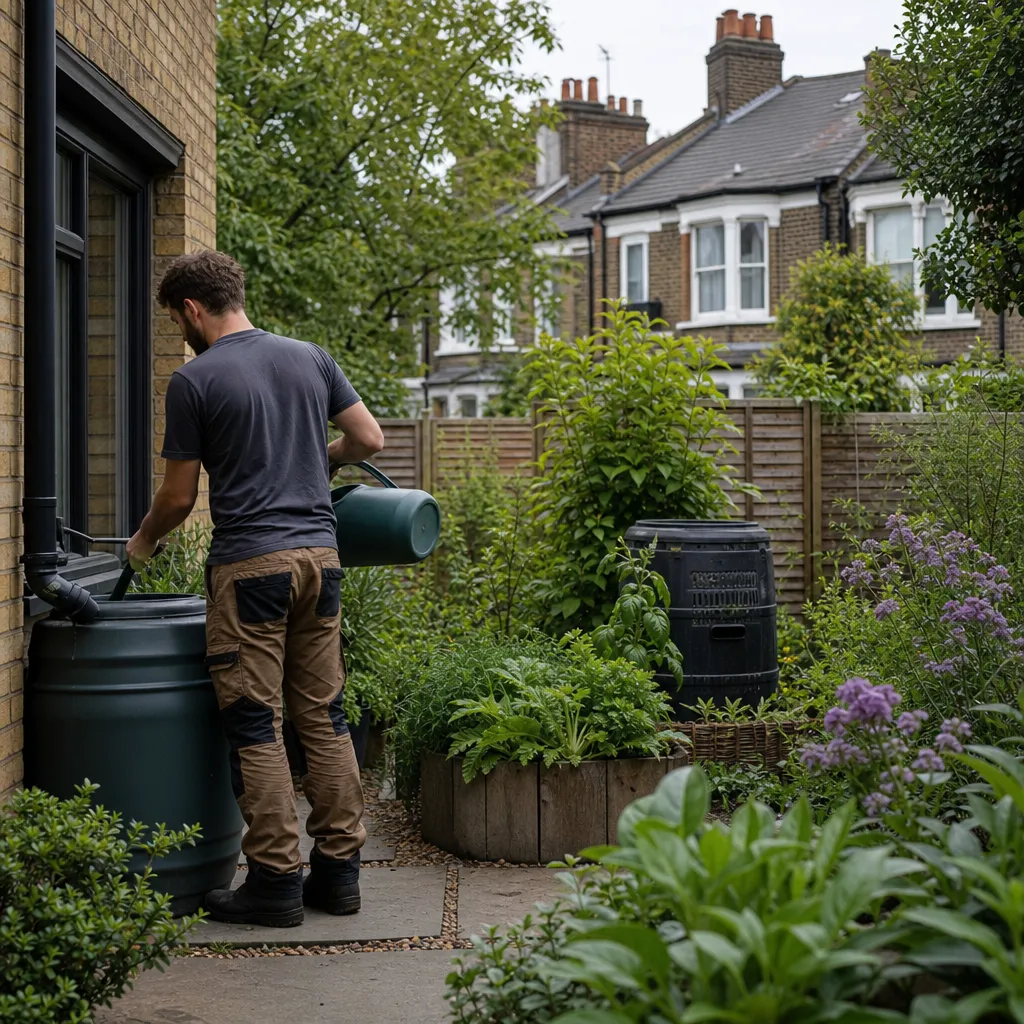
Sustainable garden care in the UK means switching to peat-free compost, collecting rainwater via a water butt, reducing synthetic fertiliser and pesticide use, and managing hard surfaces to improve drainage. Small, consistent changes — native plants, hedgehog gaps in fences, and annual mulching — deliver genuine environmental benefits without requiring a complete garden redesign.
 Improvement & Build
Winter Garden Care: Professional Landscaping and Design Strategies
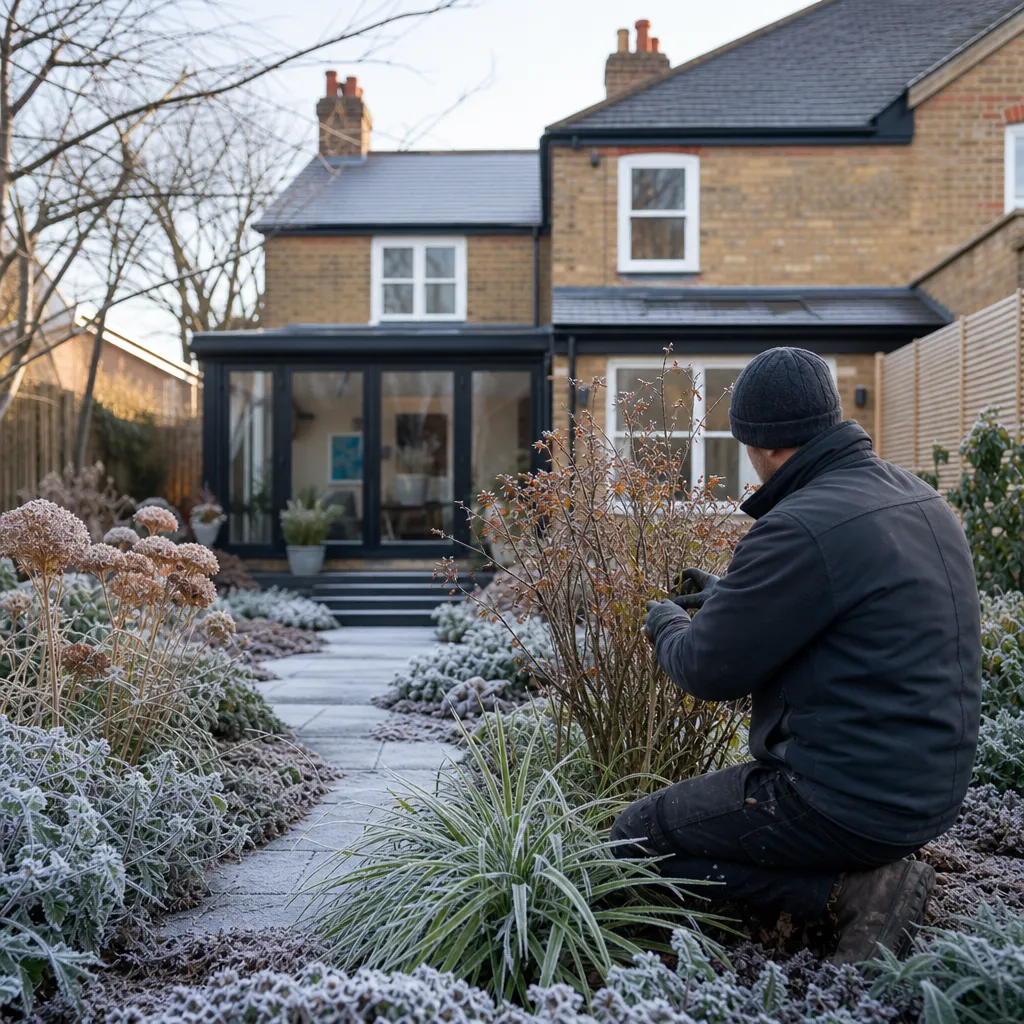
UK gardens need attention in winter even when growth has stopped. Key tasks include pruning deciduous trees and shrubs during dormancy, mulching beds after the first hard frost, checking hard landscaping for frost damage, and clearing drainage before the wettest months. Tree work above 2 m and structural hard landscaping repairs should always involve a qualified professional.
 Surveys & Inspections
Managing Humidity in the Home: Dehumidification Solutions
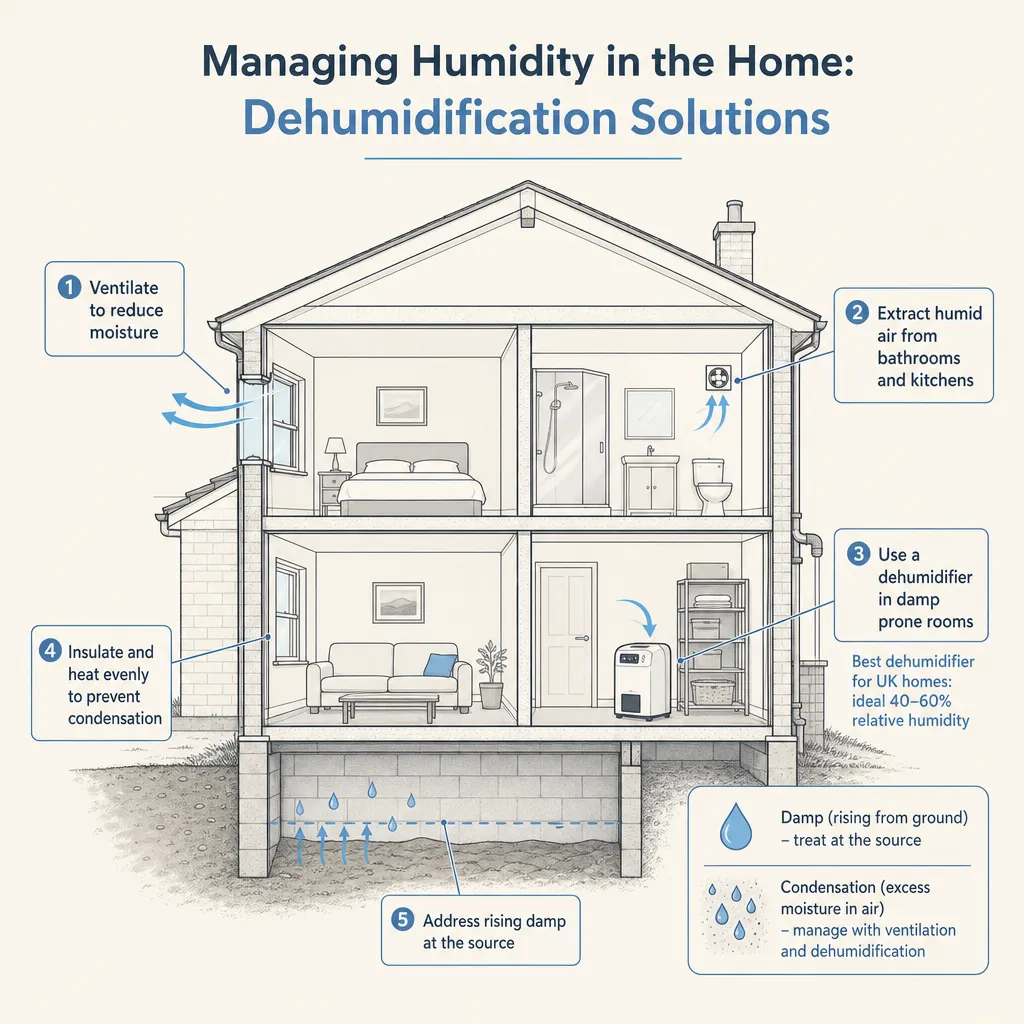
Managing indoor humidity usually means combining adequate ventilation with a correctly sized dehumidifier. Aim for 40–60% relative humidity. Portable refrigerant dehumidifiers suit heated rooms above 15°C; desiccant models work better in cold spaces. Persistent damp on walls, recurring mould, or planned retrofit work under PAS 2035 warrants a professional damp or ventilation survey rather than relying on a dehumidifier alone.
 Planning & Pre-Build
Construction Documentation and Drawings: Essential Planning Records
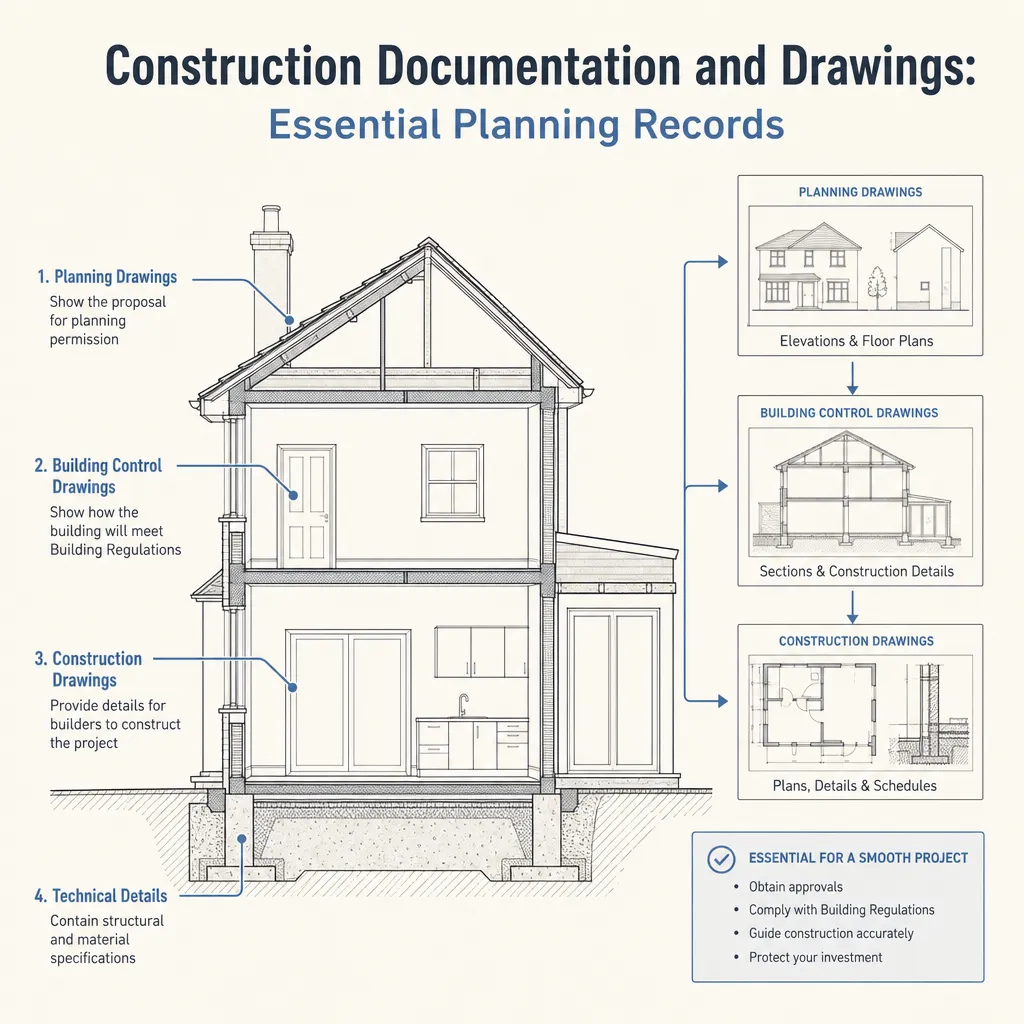
Construction documentation covers all drawings, specifications, and records needed to design, build, and inspect a project. For UK homeowners this typically includes planning drawings, Building Regulations drawings, structural calculations, and as-built records. The type and depth of documentation required depends on the scale of the project, the approvals needed, and the stage of work.
 Improvement & Build
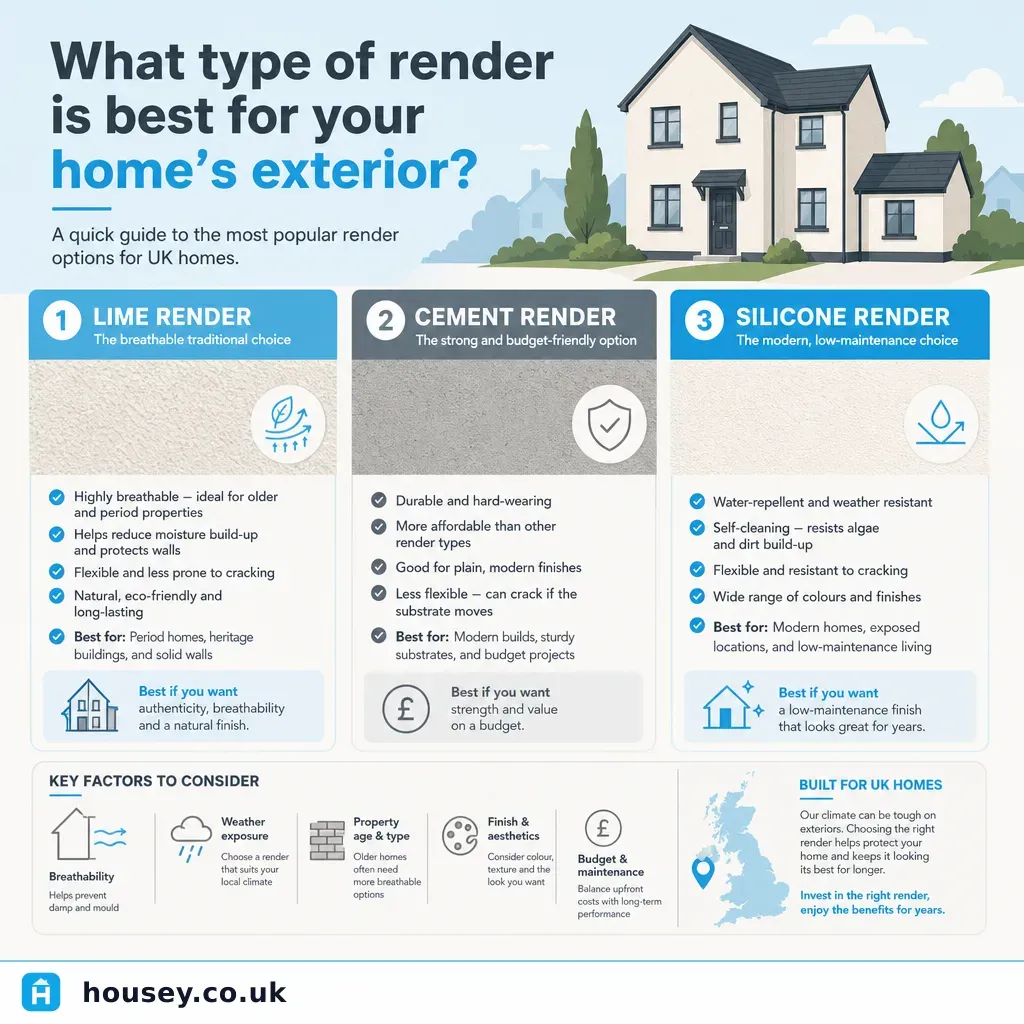
What type of render is best for your home's exterior?
The right render depends on your wall type and property age. Pre-1919 solid-wall homes need lime render to stay breathable; modern cavity-wall properties can use sand and cement, monocouche, or silicone thin-coat. EWI installations use silicone or acrylic over insulation boards. Properties in conservation areas may need planning consent before any render change.
 Improvement & Build
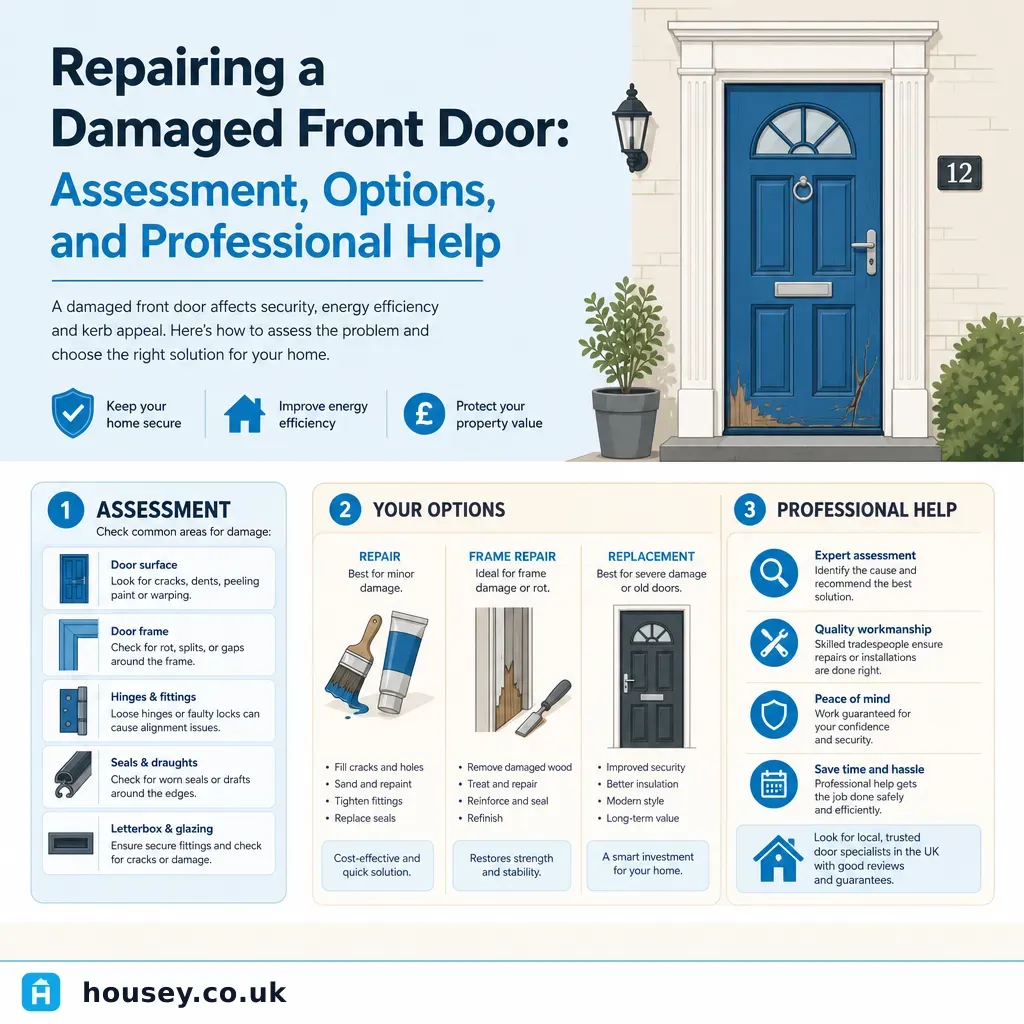
Repairing a Damaged Front Door: Assessment, Options, and Professional Help
A damaged front door may need repair, partial replacement, or full replacement depending on what has failed — the door panel, the frame, the locks, or the threshold. Before any work starts, check your home insurance policy, address any immediate security risk, and understand whether building regulations notification is required for the replacement.
 Surveys & Inspections
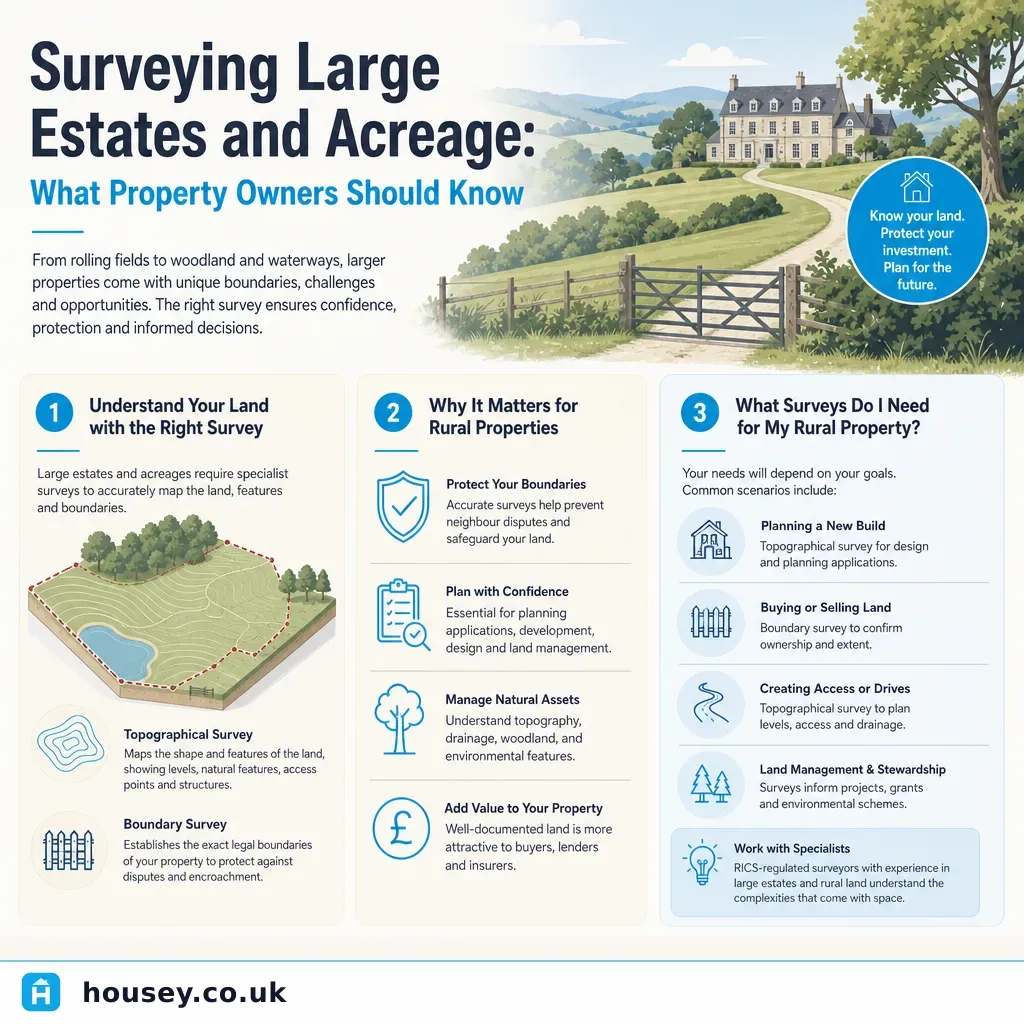
Surveying Large Estates and Acreage: What Property Owners Should Know
Large estates and acreage typically require a combination of surveys: a topographical survey to map contours and features, a boundary survey to confirm legal extents, and often an ecological or environmental assessment. The right combination depends on the estate's size, proposed use, and development plans — costs and timescales vary significantly and more than one professional is usually needed.