Knowledge Base
Property advice that actually helps
Researched, UK-specific guides for every stage of homeownership — from buying and surveys to retrofit, planning and major works.
 Buying & Moving
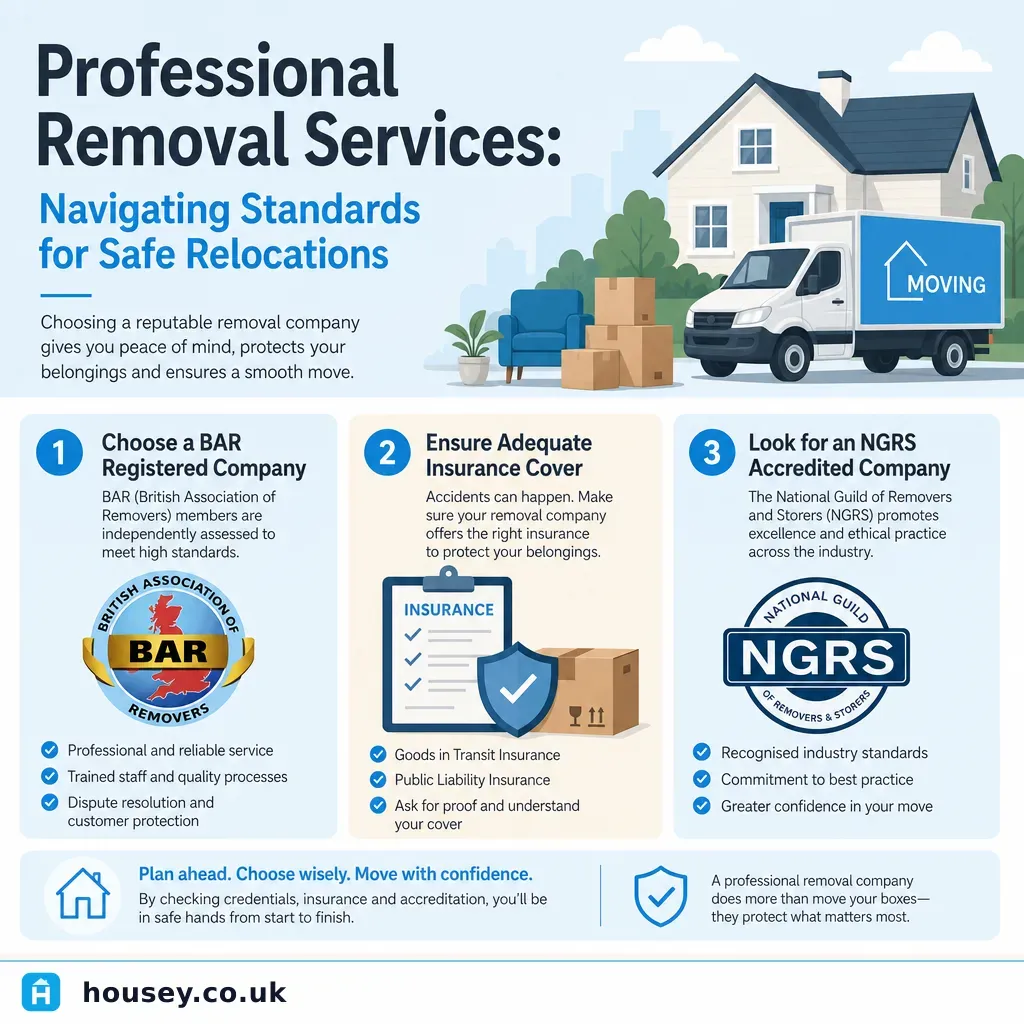
Professional Removal Services: Navigating Standards for Safe Relocations
A professional removal company in the UK should hold British Association of Removers (BAR) or NGRS membership, carry adequate goods-in-transit insurance, and conduct a pre-move survey before quoting. Always confirm insurance limits, specialist item coverage, and cancellation terms in writing. Book after exchange of contracts to avoid costly rescheduling fees if your completion date changes.
 Improvement & Build
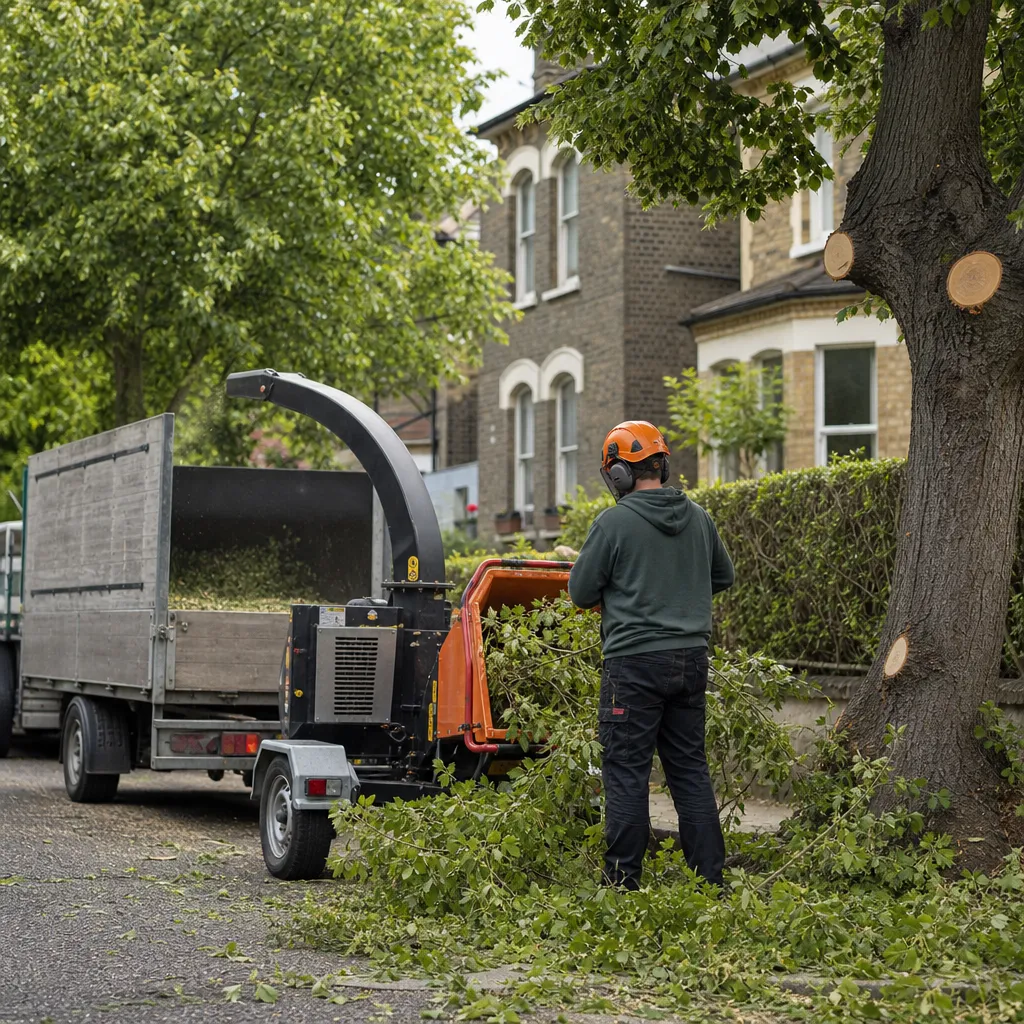
Professional Tree Trimming and Limb Removal Equipment Explained
Professional tree surgeons use chainsaws, pole pruners, rope-access climbing rigs or mobile elevated work platforms, wood chippers, and stump grinders depending on the job. Knowing what equipment a contractor should have helps you verify qualifications and insurance. For any limb removal above 2 m or near buildings, use an Arboricultural Association Approved Contractor.
 Buying & Moving
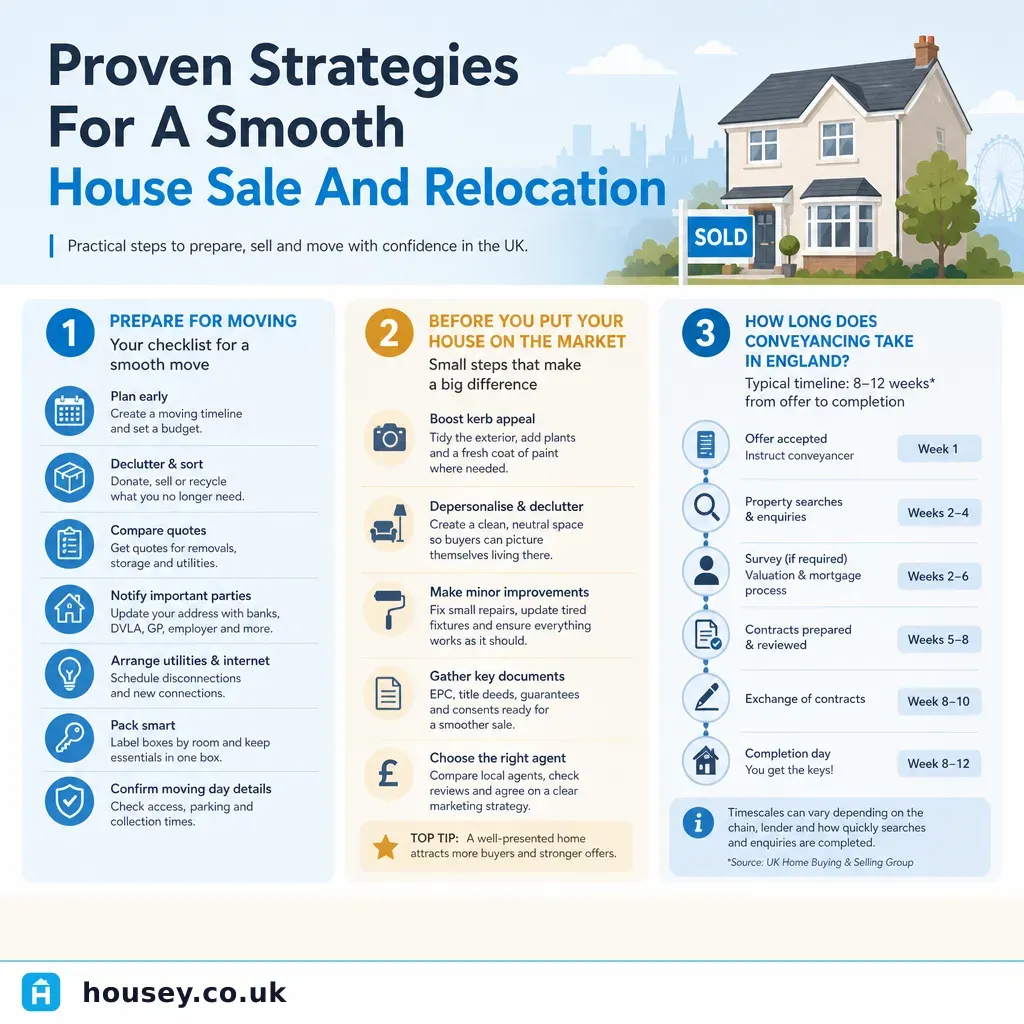
Proven Strategies For A Smooth House Sale And Relocation
Selling a house and relocating smoothly in the UK depends on preparation at every stage: instructing a solicitor early, presenting the property well for marketing, and booking removals before your completion date is confirmed. A phased timeline covering marketing, conveyancing, packing, and moving-day logistics reduces delays and last-minute costs.
 Buying & Moving
Man Van and Removal Service Pricing
A man and van in the UK typically costs £30–£80 per hour, with most small moves priced as a half or full day. For a one-bedroom flat move, expect to pay £150–£350 including loading and unloading. Prices vary by region, vehicle size, distance, and whether a second operative is needed. Always confirm insurance coverage before booking.
 Improvement & Build
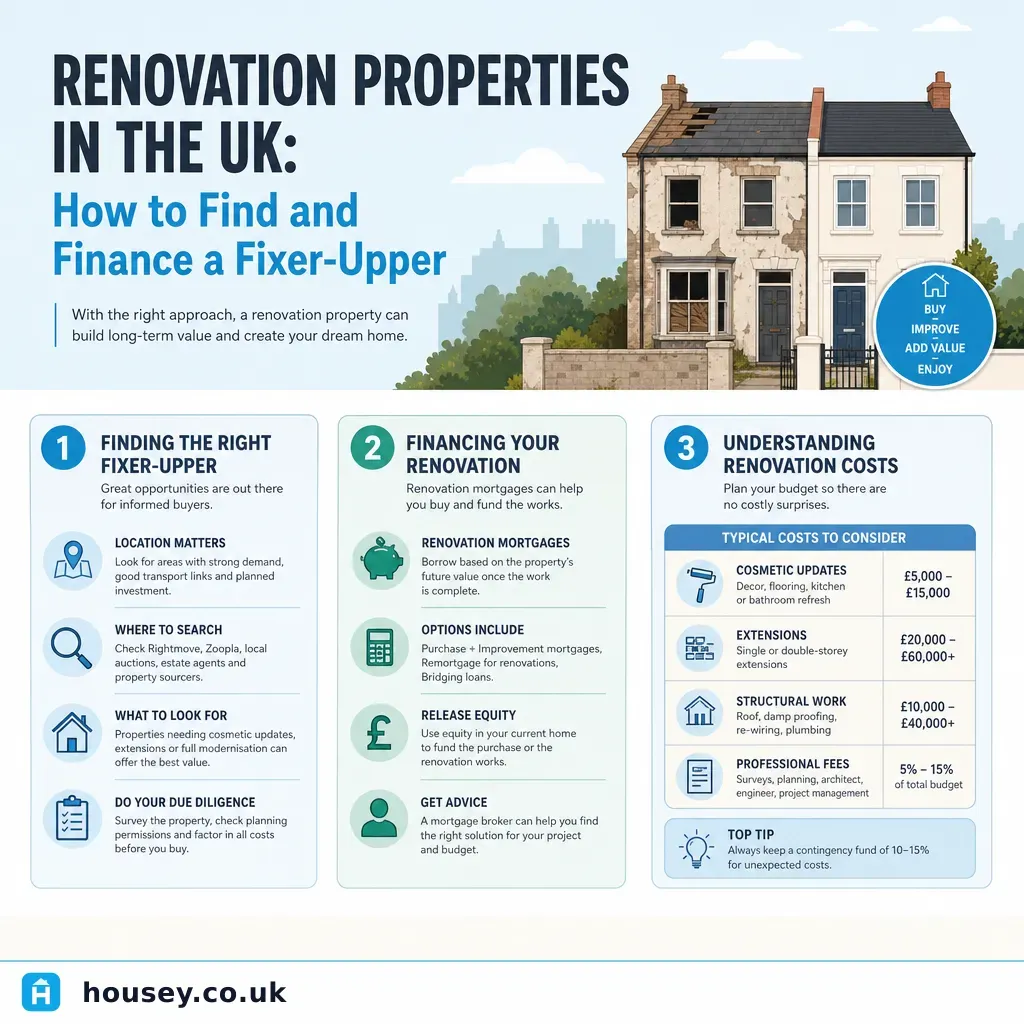
Renovation Properties in the UK: How to Find and Finance a Fixer-Upper
Renovation properties can offer genuine value, but success depends on thorough due diligence before exchange. Commission a RICS Level 3 Building Survey, check planning history and permitted development rights, and obtain indicative costs for the main works before committing. Damp, structural movement, and roof condition are the costliest defects and should be specifically investigated before you buy.
 Improvement & Build
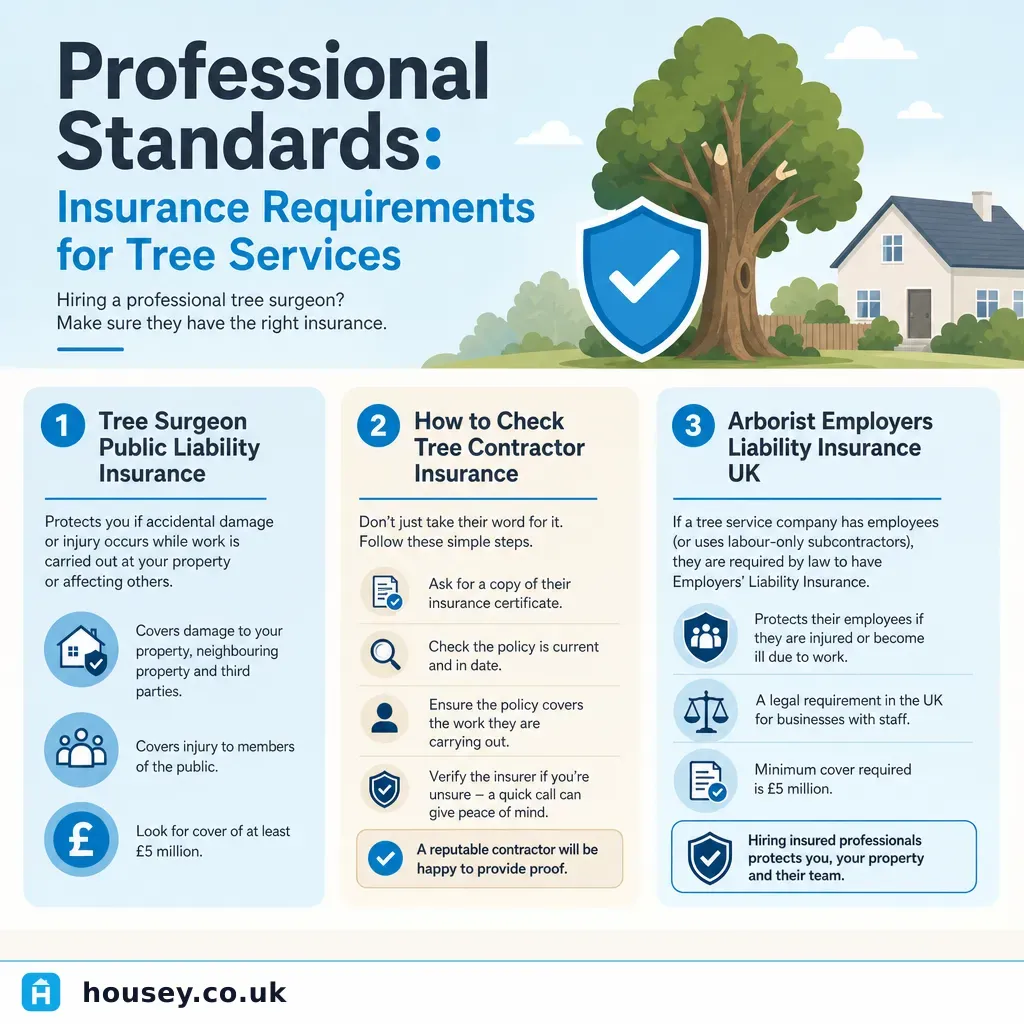
Professional Standards: Insurance Requirements for Tree Services
Reputable tree surgeons in the UK typically carry a minimum of £5 million public liability insurance and, if they employ staff, employers' liability cover of at least £5 million — a legal requirement under the Employers' Liability (Compulsory Insurance) Act 1969. Always ask to see current certificates before work begins on your property.
 Energy & Retrofit
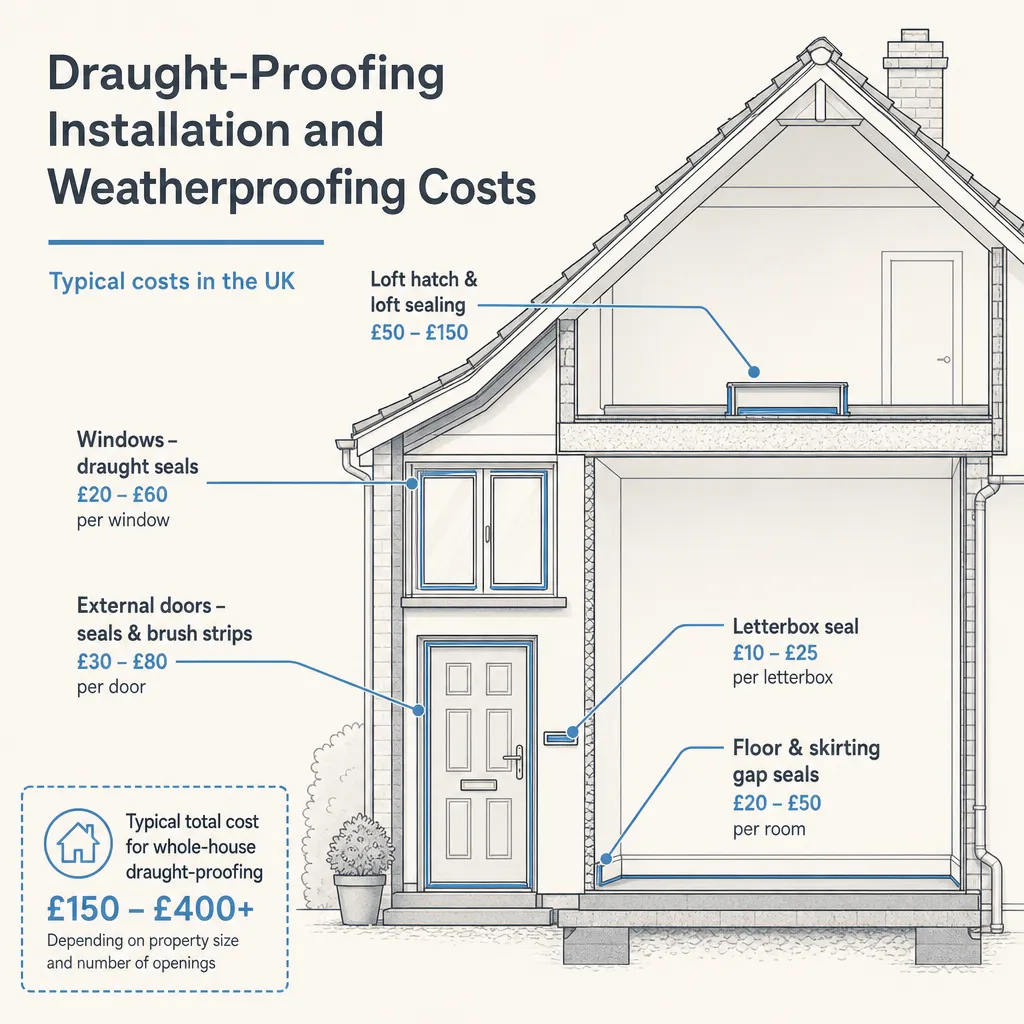
Draught-Proofing Installation and Weatherproofing Costs
Professional draught proofing for a typical UK semi-detached home usually costs £150–£450, depending on property size and the number of gaps treated. DIY materials cost £10–£50. Most homes recover the outlay within two to three years through lower heating bills, and older properties with solid walls and suspended timber floors often see the greatest benefit.
 Surveys & Inspections
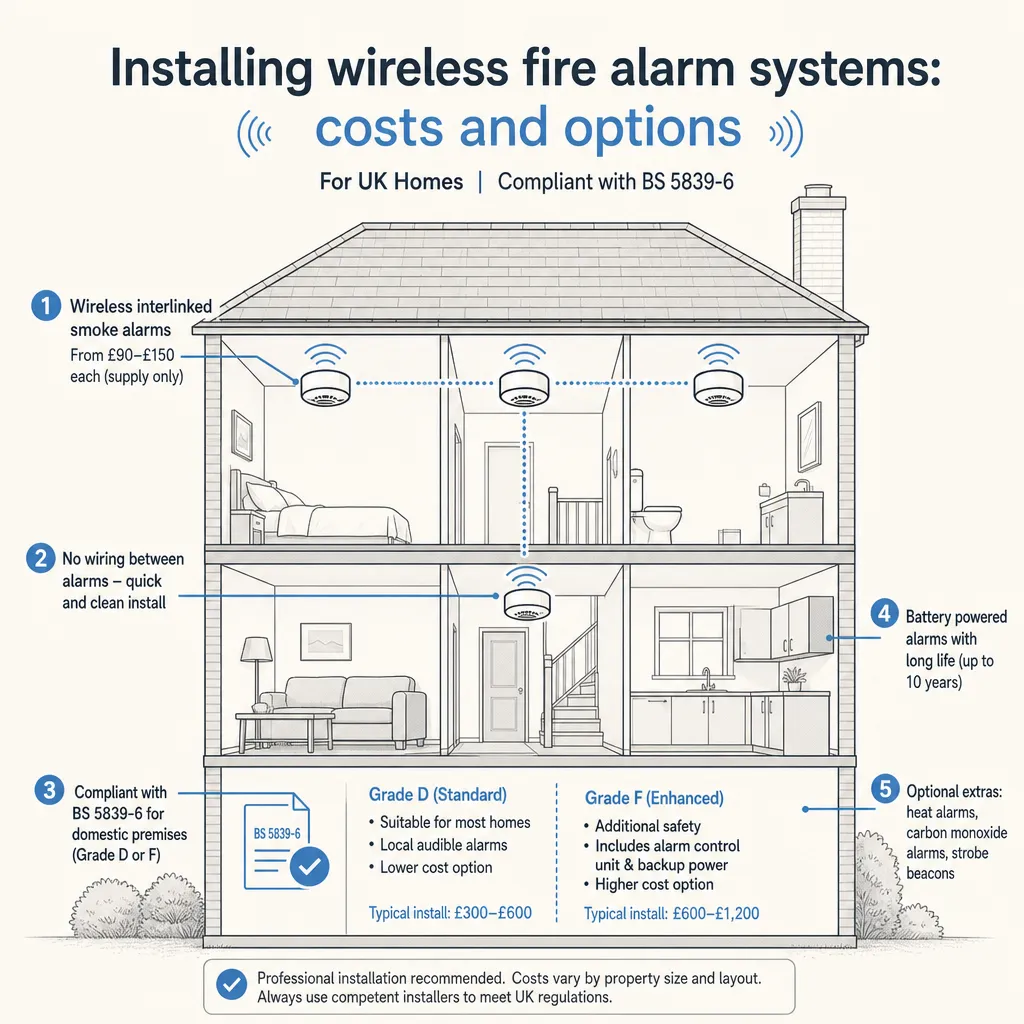
Installing wireless fire alarm systems: costs and options
Wireless interlinked fire alarm systems for a three-bedroom UK home typically cost £200–£600 installed. Battery-only Grade F systems suit straightforward retrofit; mains-connected Grade D systems need a Part P electrician. Landlords must comply with the Smoke and Carbon Monoxide Alarm Regulations 2022. For HMOs, a BS 5839-1 Grade A panel system is required.
 Improvement & Build
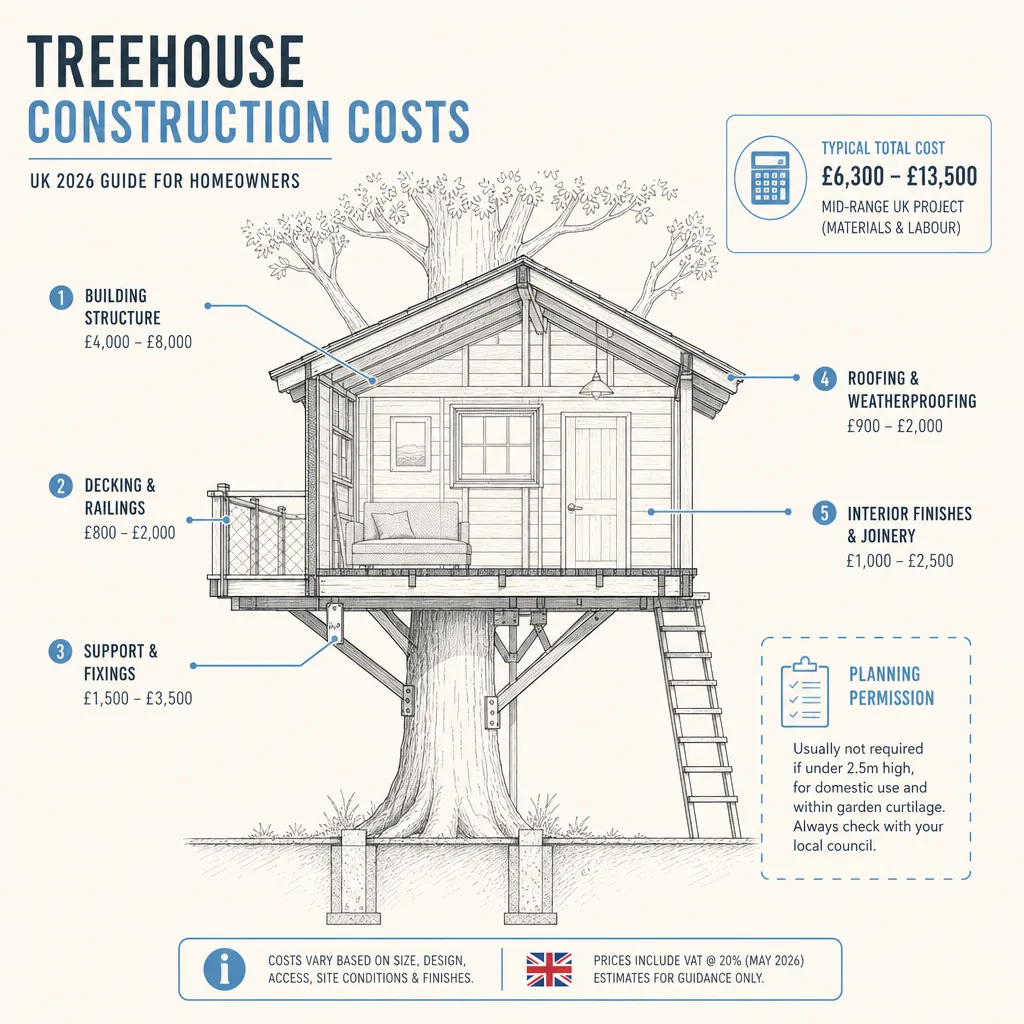
Treehouse Construction Costs
A basic garden treehouse in the UK costs around £1,500–£5,000 for a simple platform or play structure. A mid-range bespoke cabin build typically runs £8,000–£20,000, while high-end designs with insulation, electrics, or plumbing can exceed £30,000. Cost depends on tree species, platform height, materials, and finish. Most garden treehouses fall within permitted development rights.
 Buying & Moving
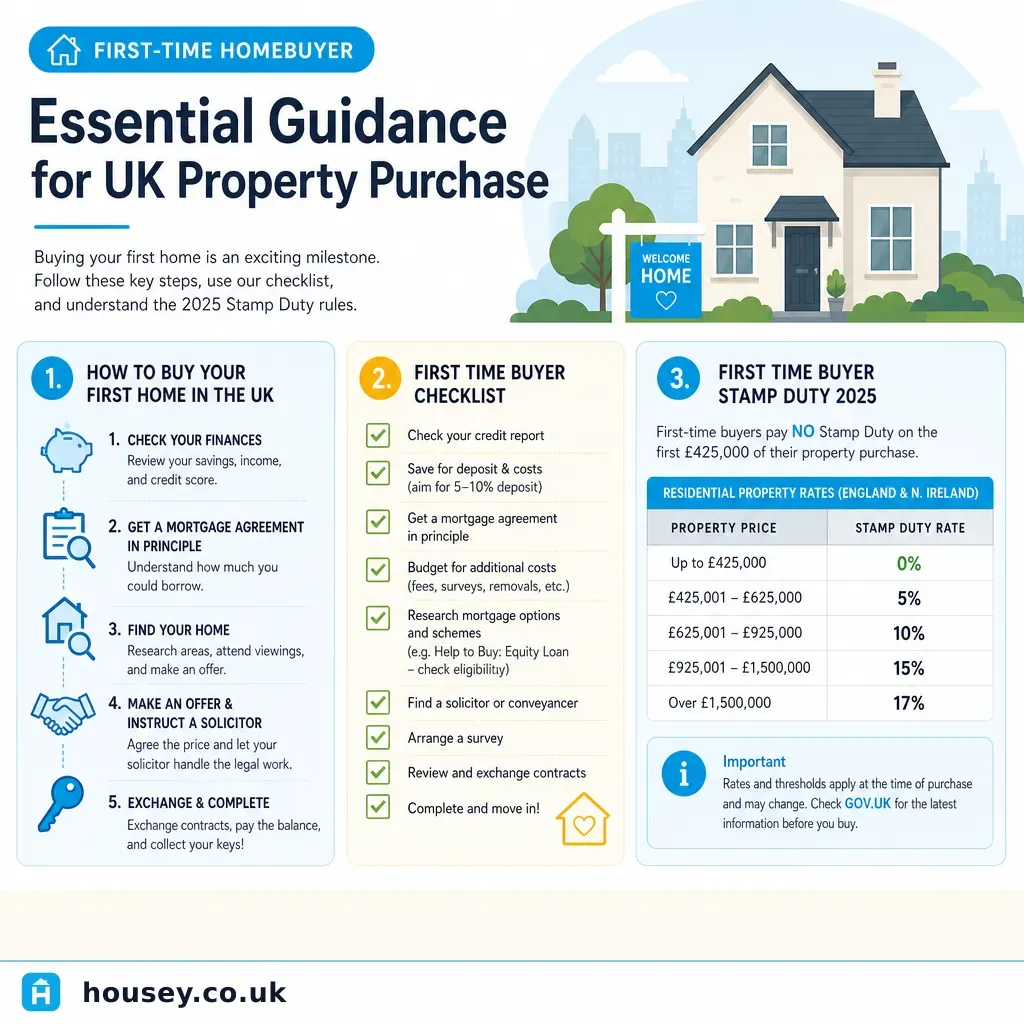
First-Time Homebuyer: Essential Guidance for UK Property Purchase
Buying your first home in the UK involves securing a mortgage in principle, making an offer, instructing a solicitor for conveyancing, commissioning a RICS Home Survey, then exchanging and completing contracts. Budget for solicitor fees, Stamp Duty, survey costs, and removal expenses on top of your deposit. The full process typically takes three to six months from accepted offer to completion in England and Wales.
 Planning & Pre-Build
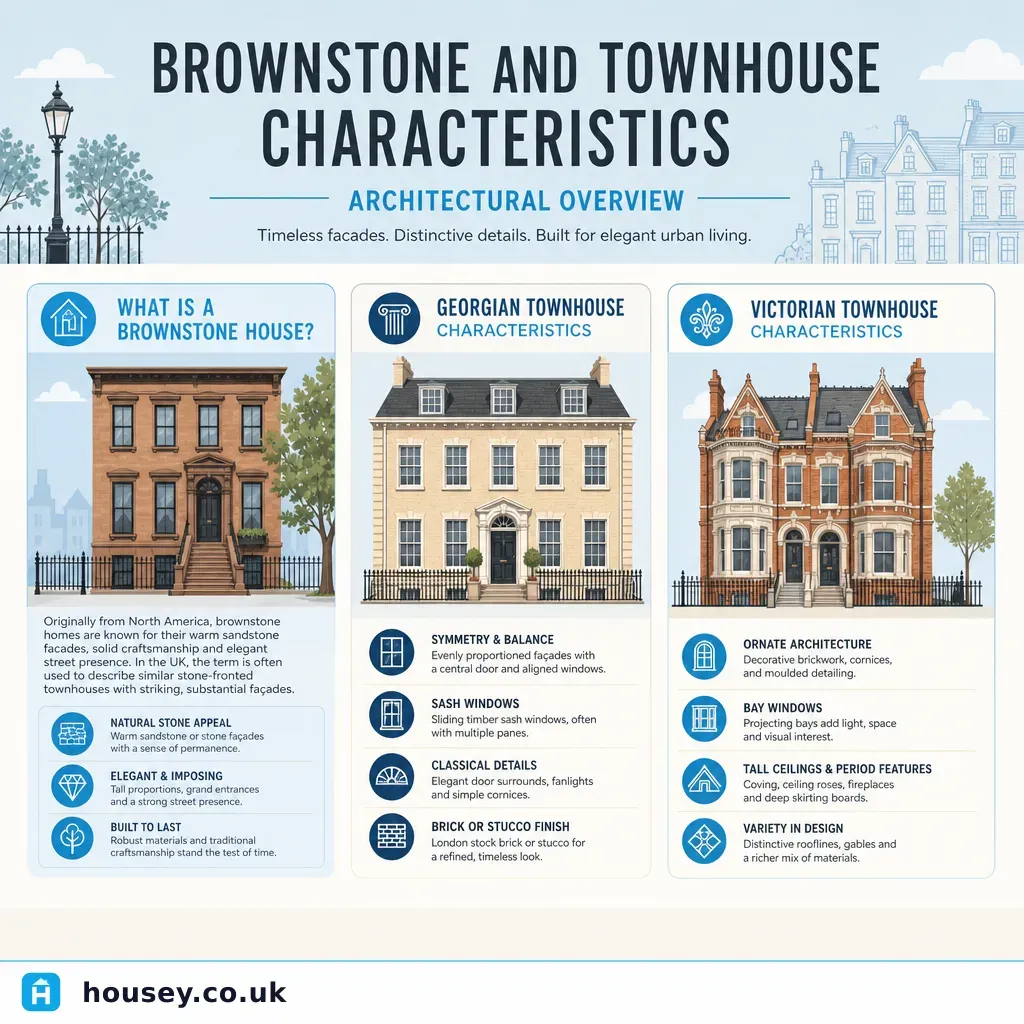
Brownstone and Townhouse Characteristics: Architectural Overview
Brownstones are a North American building type — sandstone-fronted urban terraced houses associated with 19th-century US cities. The UK equivalent is the Georgian or Victorian townhouse: a tall, narrow, multi-storey terraced property. UK buyers and renovators of these properties face specific planning, conservation area, and structural survey considerations depending on the property's age and listing status.
 Improvement & Build
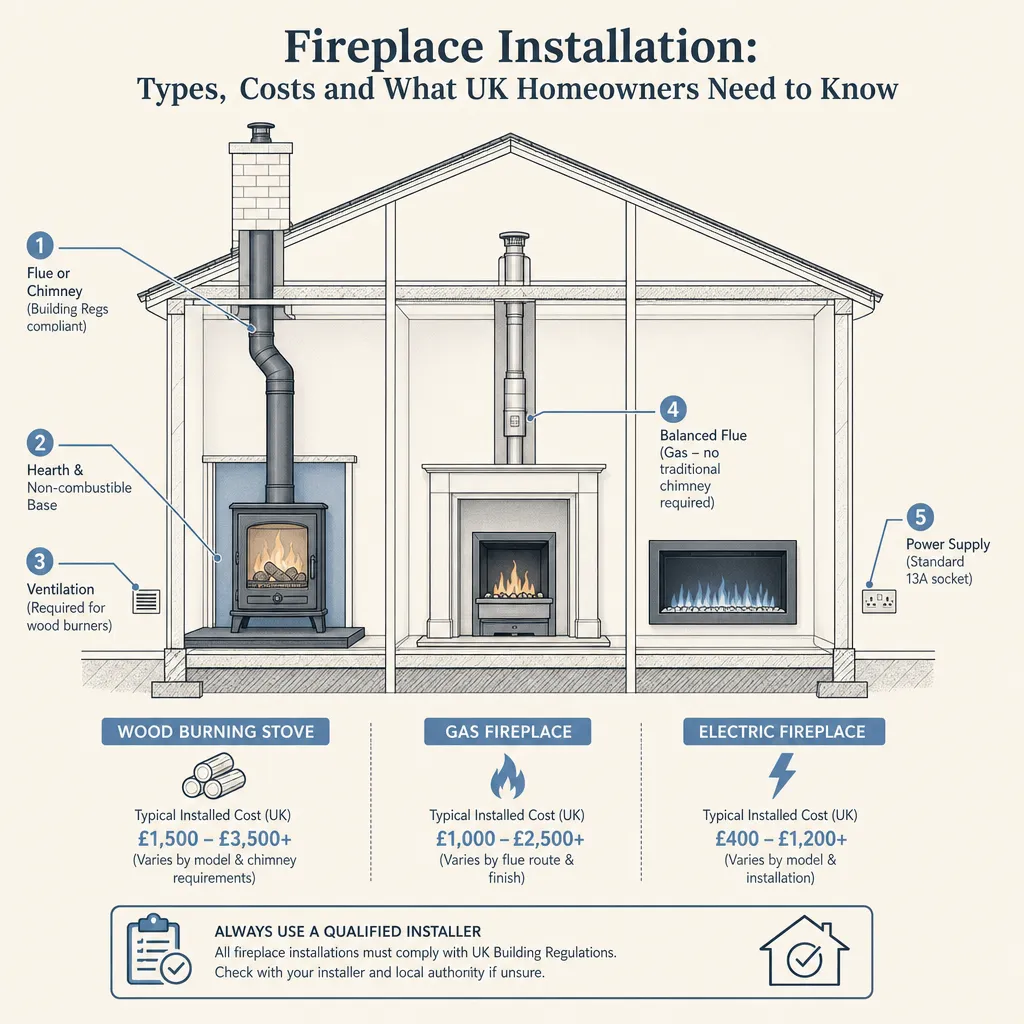
Fireplace Installation: Types, Costs and What UK Homeowners Need to Know
Fireplace installation in the UK is governed by Building Regulations Part J. Gas fires must be installed by a Gas Safe registered engineer; wood burning stoves by a HETAS registered installer, who can self-certify compliance. Costs range from around £200 for an electric fire to £7,000 or more for a new twin-wall flue and stove system. Always verify installer registration before work begins.