Knowledge Base
Property advice that actually helps
Researched, UK-specific guides for every stage of homeownership — from buying and surveys to retrofit, planning and major works.
 Improvement & Build
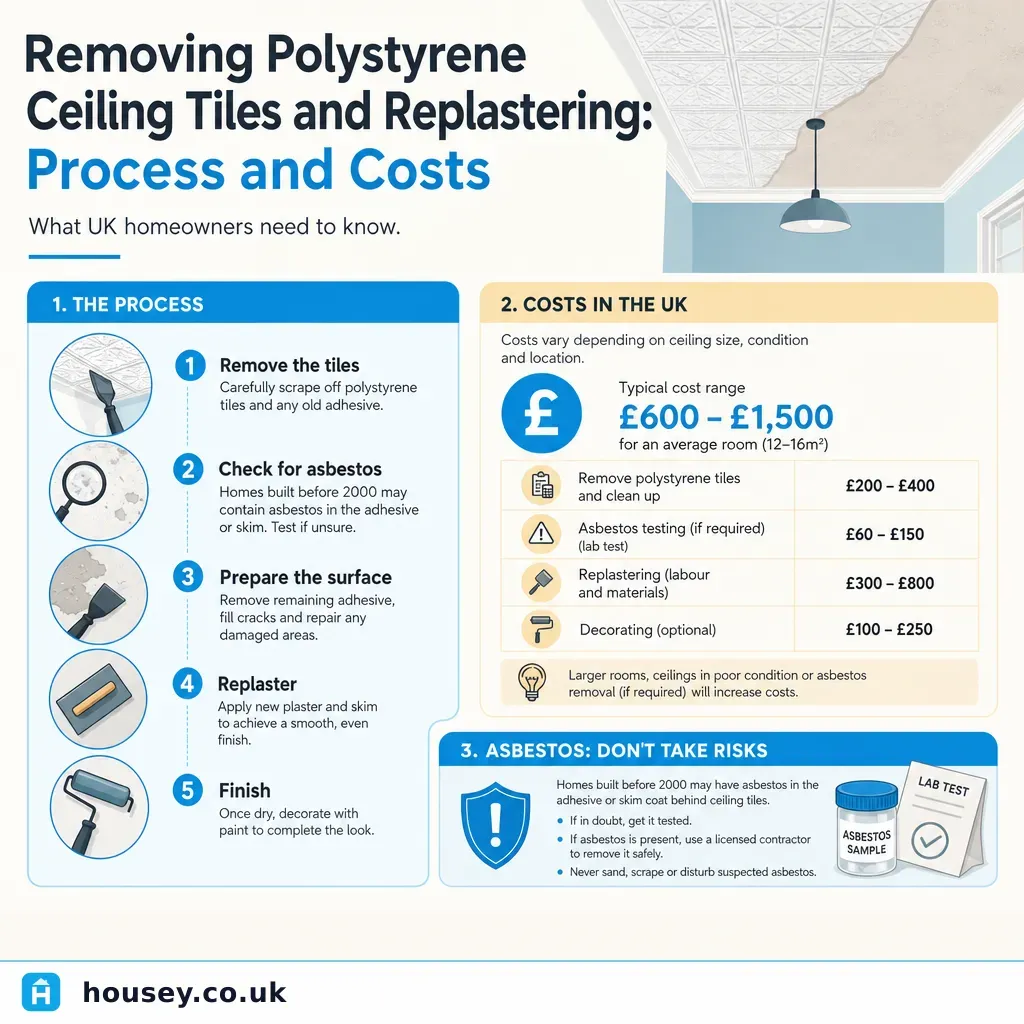
Removing Polystyrene Ceiling Tiles and Replastering: Process and Costs
Polystyrene ceiling tiles are usually glued directly to plaster or artex and must be removed before replastering. The primary risk in pre-2000 UK homes is asbestos in artex or tile adhesive, requiring professional testing before any disturbance. Professional removal and re-skim of a standard room ceiling typically costs £400–£1,200 depending on condition.
 Improvement & Build
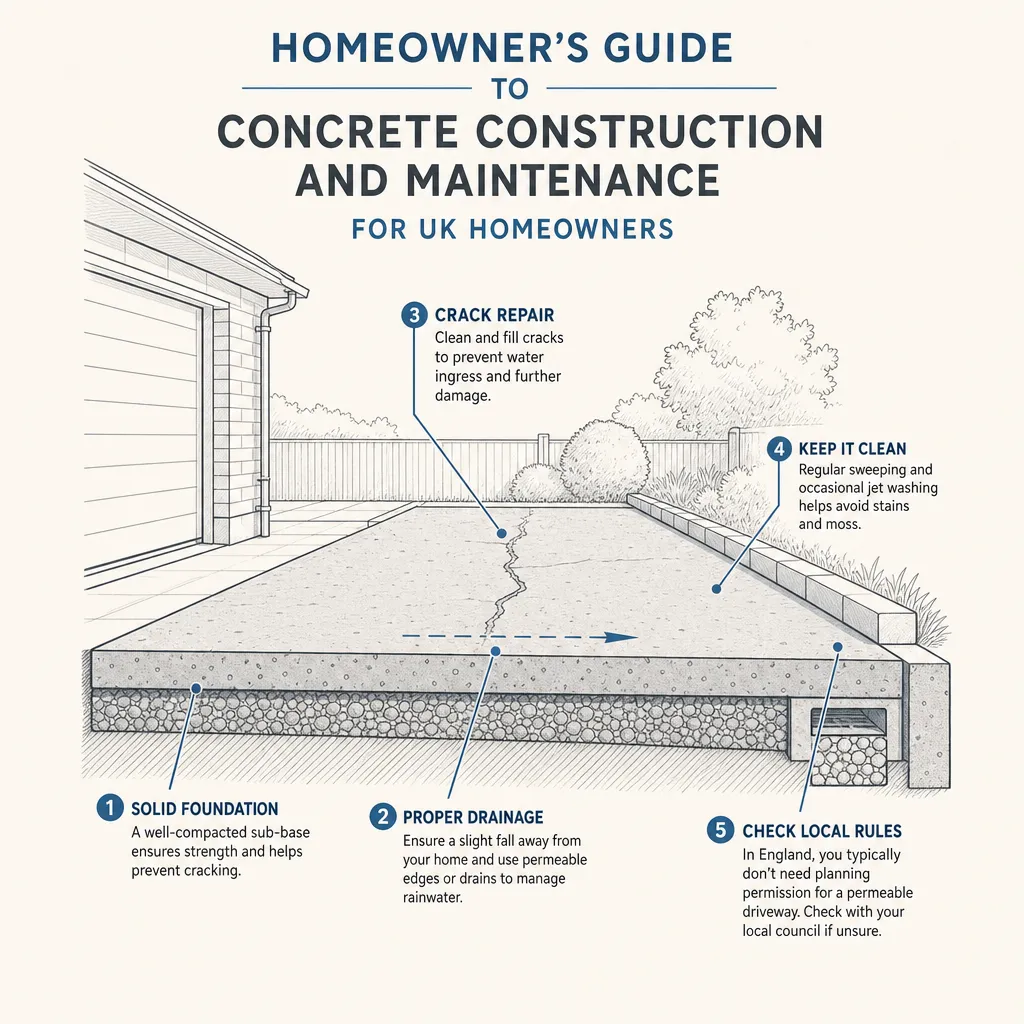
Homeowner's Guide to Concrete Construction and Maintenance
Concrete for residential driveways and paths should be specified to C25/30 grade, laid at least 100 mm thick over a compacted sub-base, and sealed every 3–5 years to resist freeze-thaw and oil damage. Hairline cracks under 0.3 mm are usually cosmetic; wider or moving cracks need investigation. New driveways over 5 m² with impermeable surfaces serving the highway require planning permission in England under permitted development rules.
 Planning & Pre-Build
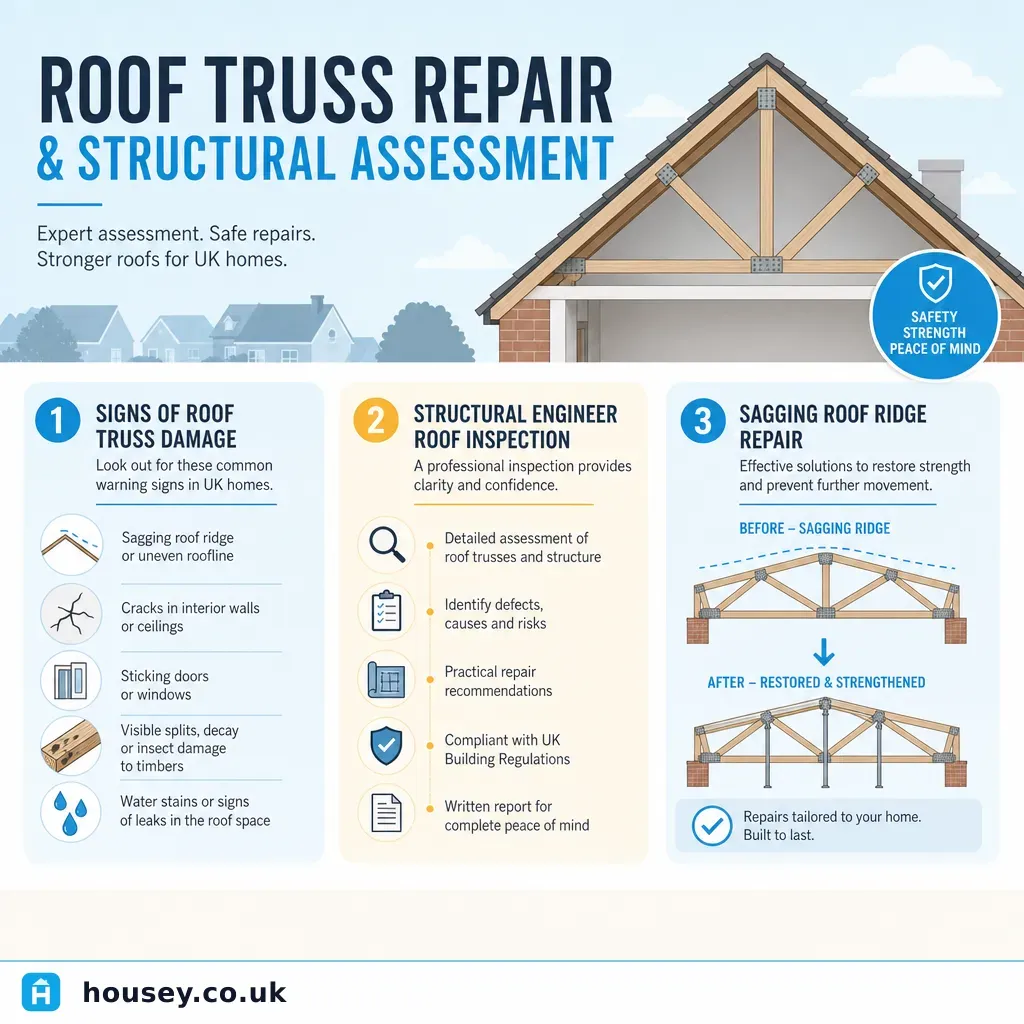
Roof Truss Repair and Structural Assessment
Roof truss damage — from rot, woodworm, overloading, or accidental cutting — requires a structural engineer's assessment before any repair work begins. Repairs must comply with Building Regulations Part A and usually require building control approval. Never cut or modify prefabricated gang-nail trusses without professional engineering sign-off; they are designed to act as an integrated structural system.
 Energy & Retrofit
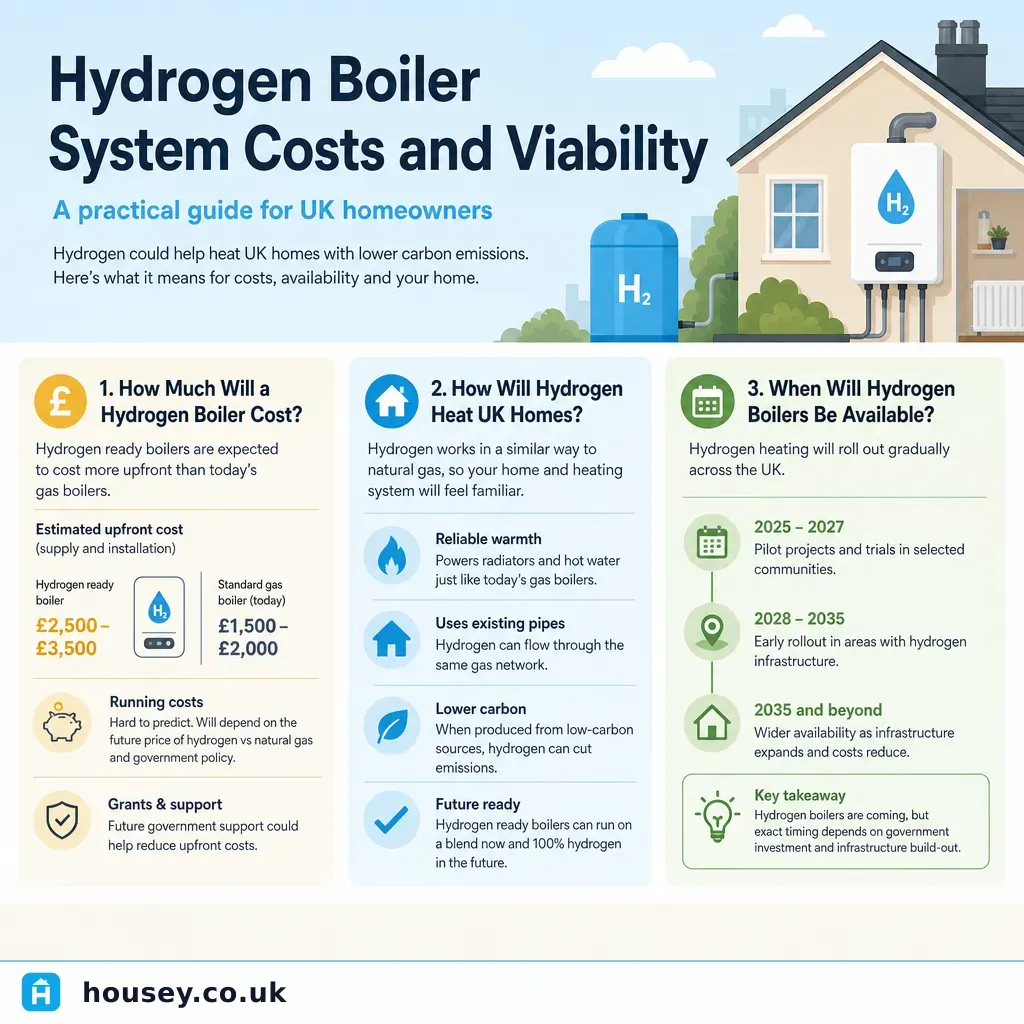
Hydrogen Boiler System Costs and Viability
Hydrogen boilers are not commercially available for UK homes as of 2026. The government has confirmed heat pumps — not hydrogen — as the primary low-carbon residential heating solution. Hydrogen-ready gas boilers exist but still run on natural gas. For most homeowners, a heat pump supported by the Boiler Upgrade Scheme is the practical low-carbon option right now.
 Improvement & Build
What Does Wood Floor Restoration Cost?
Wood floor restoration in the UK typically costs £15–£40 per square metre for sanding and finishing, depending on floor type, condition, and finish chosen. A typical two-bedroom house with 30–40 m² of timber floor might cost £600–£1,500 in total. Repairs, parquet restoration, or gap filling are usually quoted separately.
 Planning & Pre-Build
Modern Home Design Trends: What Today's Homeowners Really Want
Modern home design in the UK is moving towards broken-plan living — open spaces with the flexibility to zone or separate — alongside dedicated home offices, biophilic interiors, and fabric-first energy performance. The strongest designs balance current lifestyle preferences with thermal standards under Part L and avoid fashions that date within a decade.
 Improvement & Build
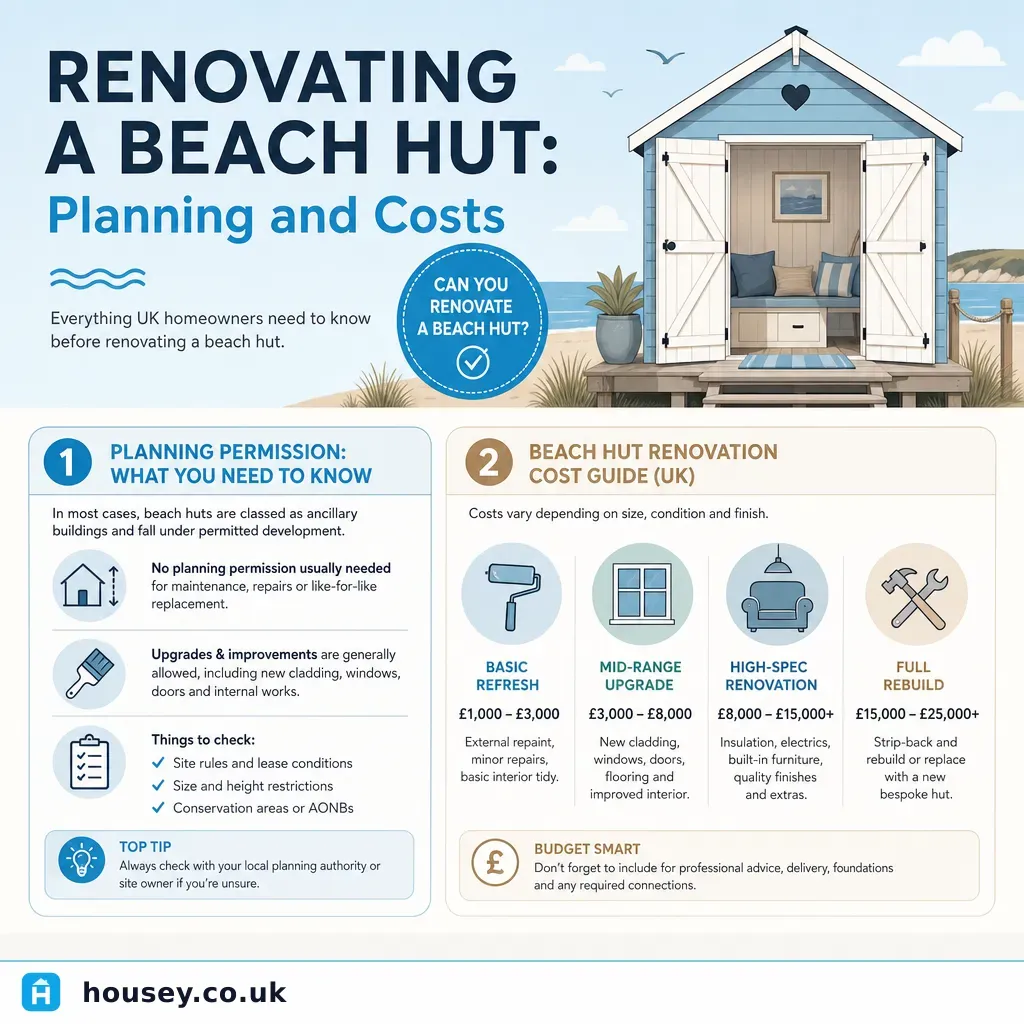
Renovating a Beach Hut: Planning and Costs
Renovating a beach hut in the UK usually requires permission from the landowner or local authority before structural changes, as most beach huts are leased rather than owned freehold. Cosmetic refurbishment costs £300–£1,500; structural work or re-cladding typically costs £1,500–£8,000. In designated areas such as AONBs or conservation areas, even external repainting may need consent.
 Improvement & Build
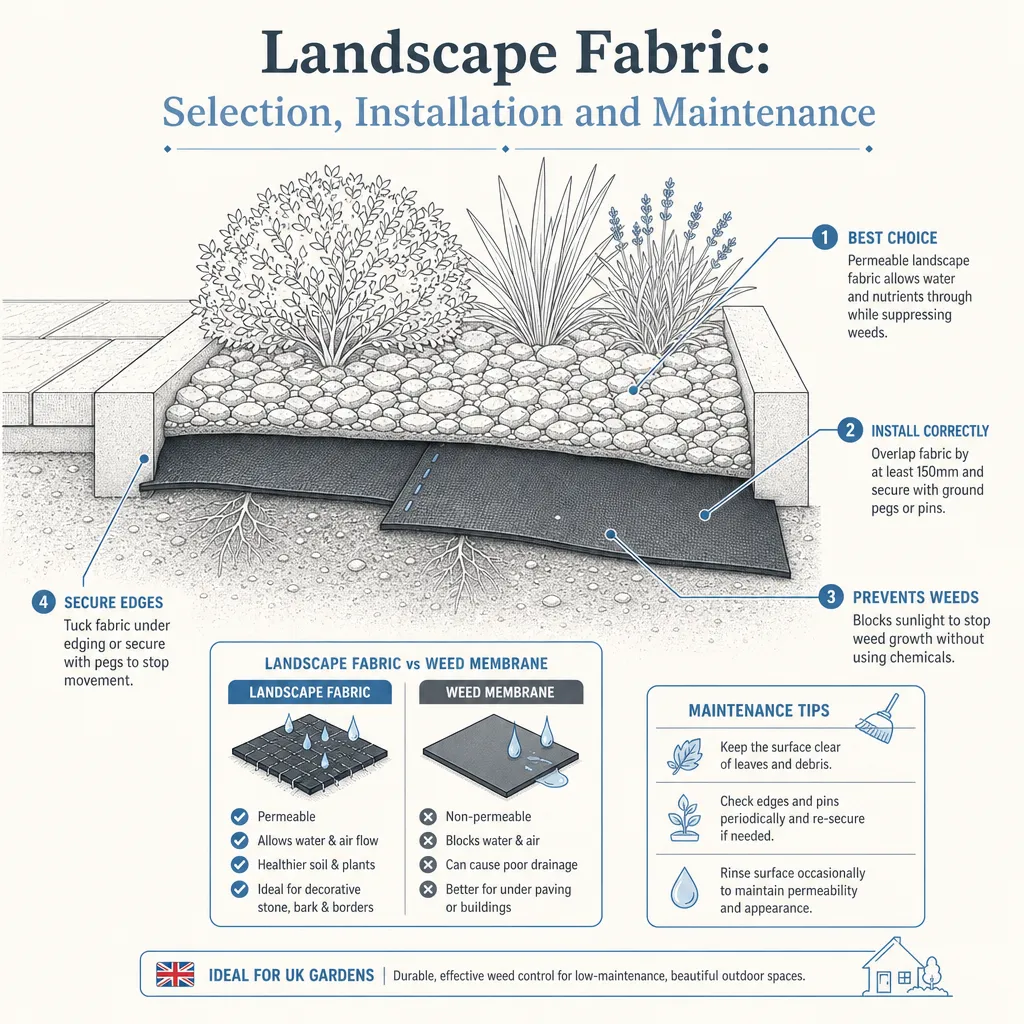
Landscape Fabric: Selection, Installation and Maintenance
Landscape fabric is a permeable membrane laid under mulch or gravel to suppress weeds while allowing water through. Woven polypropylene suits hard landscaping; non-woven fleece suits planting borders. Overlap seams by 150 mm, secure with galvanised pins, and always apply a covering layer. A quality fabric lasts 5–15 years with light annual maintenance.
 Improvement & Build
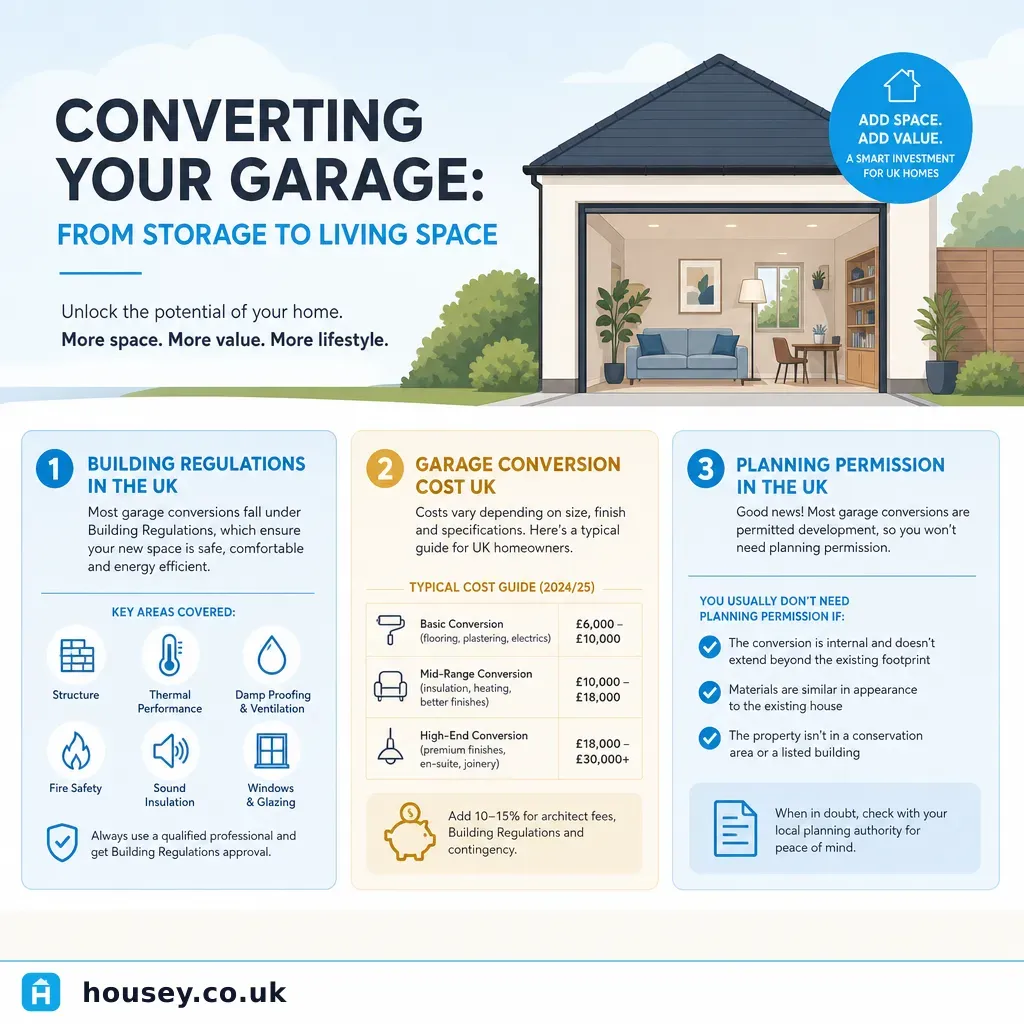
Converting Your Garage: From Storage to Living Space
Converting a garage to habitable space in the UK almost always requires Building Regulations approval, covering structure, insulation, ventilation, and fire safety. Most integral and attached garages fall under permitted development, so full planning permission is not usually needed. Always verify with your local planning authority and obtain a completion certificate from Building Control before the project closes.
 Improvement & Build
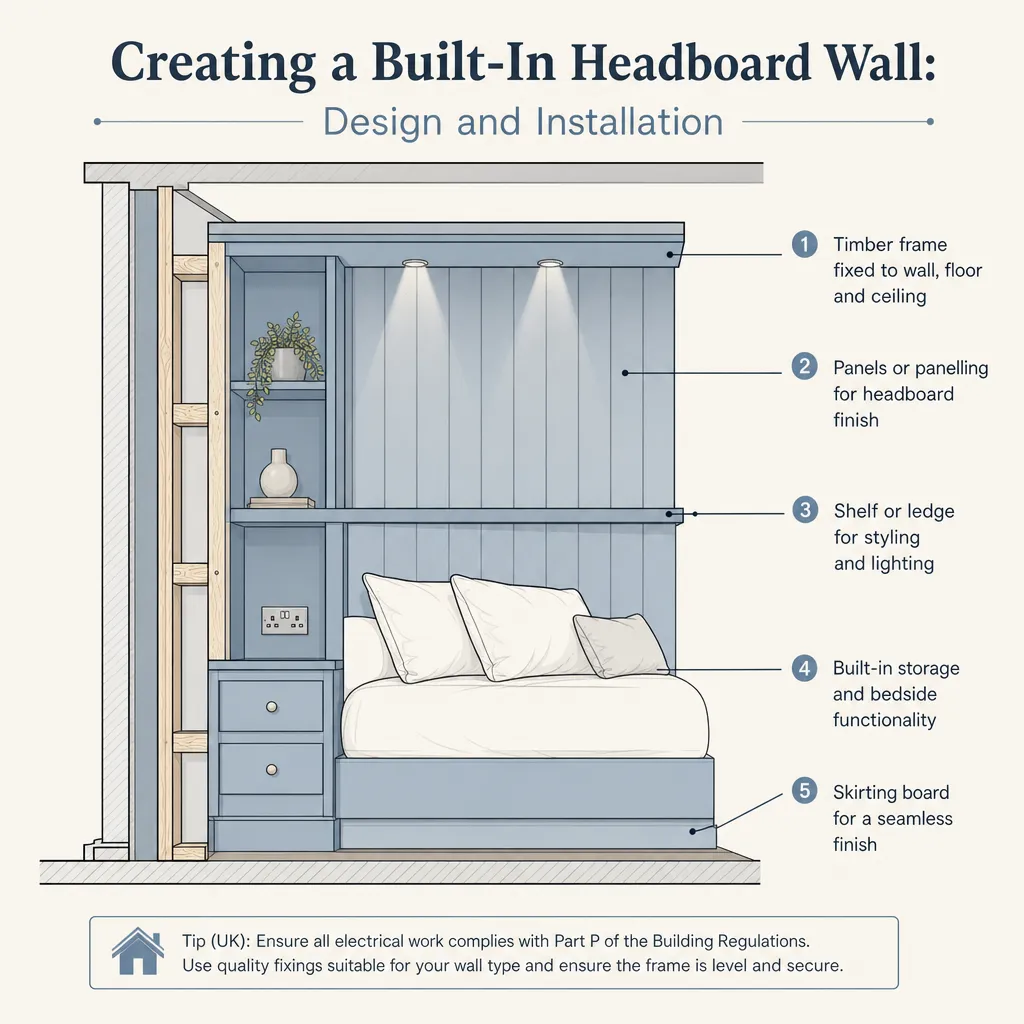
Creating a Built-In Headboard Wall: Design and Installation
A built-in headboard wall involves fixing a panelled or framed structure to the bedroom wall, typically from floor to dado height or full ceiling. Choose MDF for a painted finish, hardwood for a natural look, or a fabric-wrapped frame for a boutique feel. Plug-in lighting needs no qualification, but any hardwired electrics must be carried out by a Part P-registered electrician.
 Improvement & Build
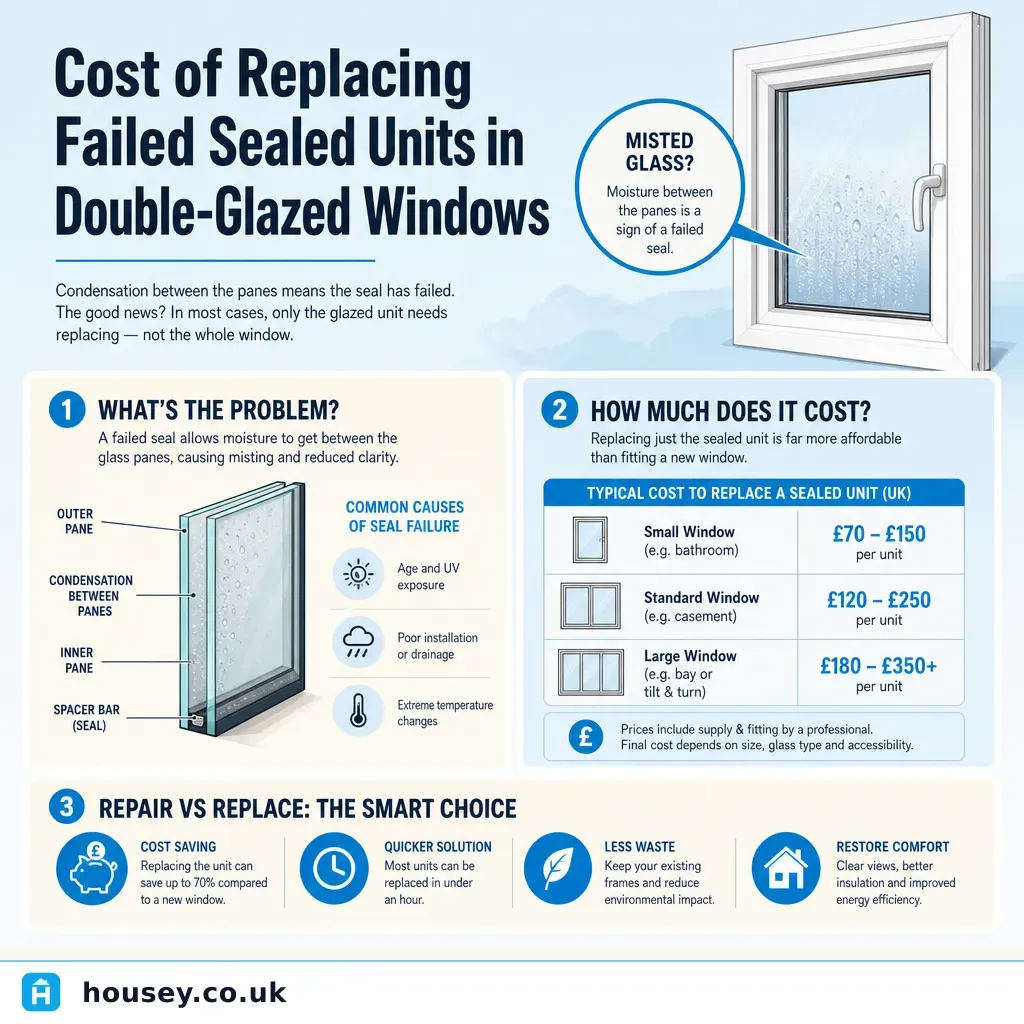
Cost of Replacing Failed Sealed Units in Double-Glazed Windows
Replacing a failed sealed unit in a double-glazed window typically costs £75–£200 per unit in the UK, depending on size, glass type, and access. Most glaziers complete a standard unit swap within a few hours. If frames are damaged or multiple units have failed, a full window replacement may offer better long-term value.
 Planning & Pre-Build
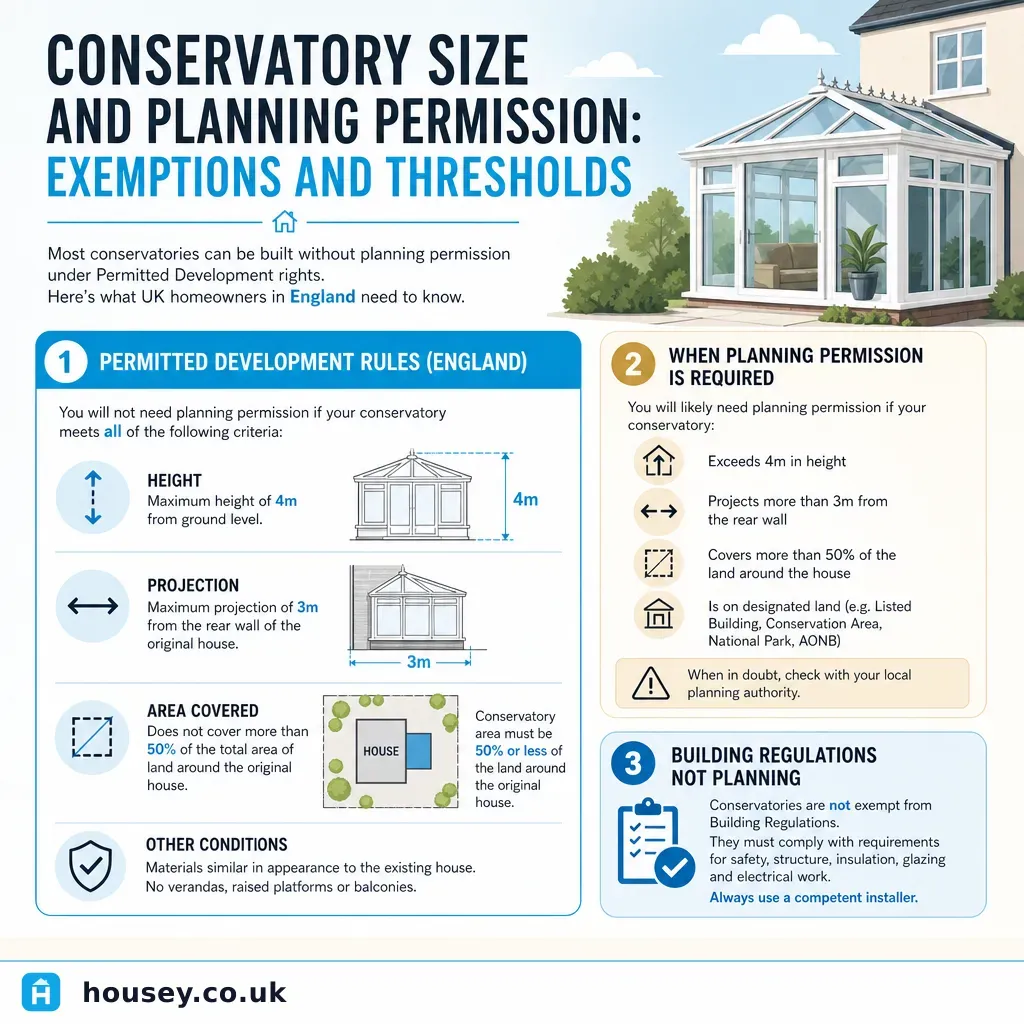
Conservatory Size and Planning Permission: Exemptions and Thresholds
In England, a rear conservatory is usually permitted development if it extends no more than 3 metres (semi-detached or terraced) or 4 metres (detached) beyond the original rear wall. It is also exempt from most building regulations if it is thermally separated from the house, has a roof that is at least 75% translucent glazing, is under 30m², and has its own independent heating system.