Knowledge Base
Property advice that actually helps
Researched, UK-specific guides for every stage of homeownership — from buying and surveys to retrofit, planning and major works.
 Improvement & Build
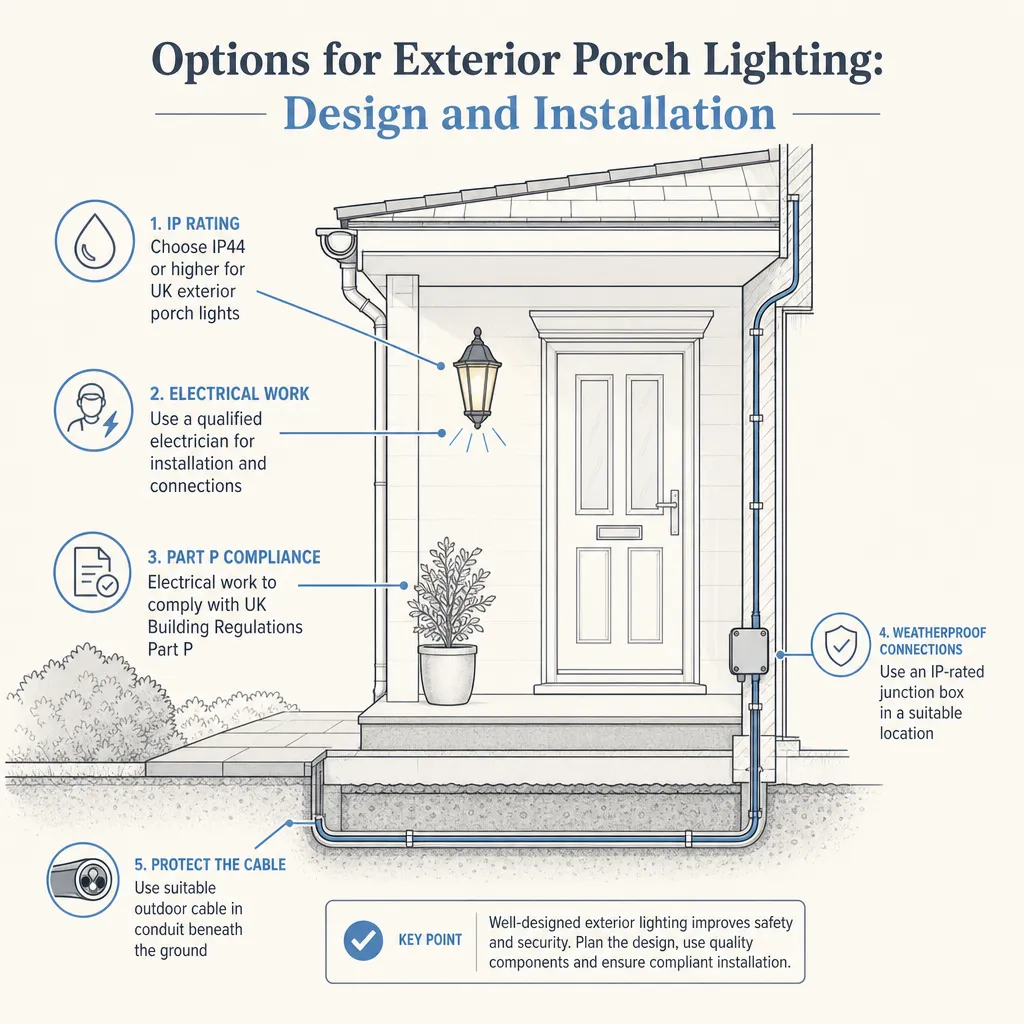
Options for Exterior Porch Lighting: Design and Installation
For most UK porches, a mains-wired LED wall lantern or bulkhead fitting with at least an IP44 rating is the most reliable choice. PIR sensors add security; solar options suit accent lighting but are less dependable in winter. New wiring is notifiable under Building Regulations Part P and should be carried out by a registered electrician.
 Buying & Moving
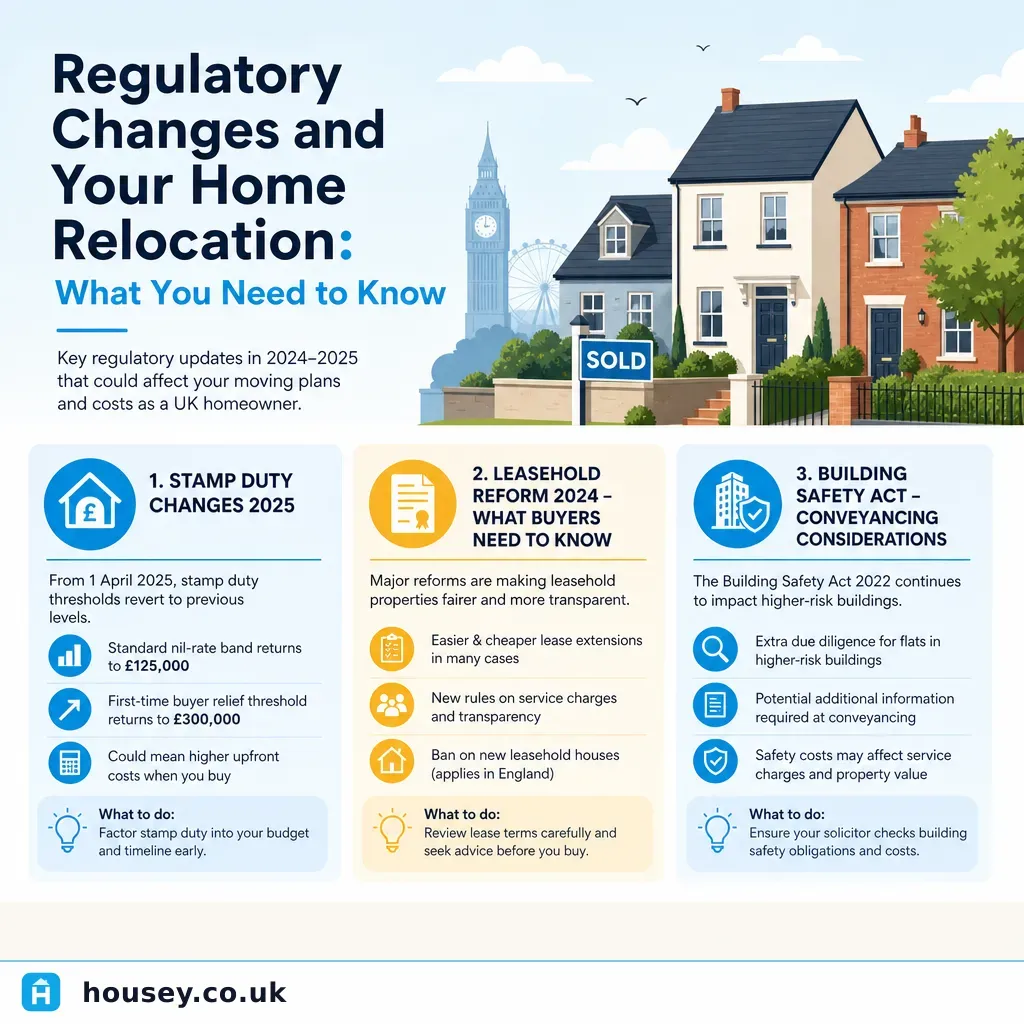
Regulatory Changes and Your Home Relocation: What You Need to Know
Several regulatory changes currently affect UK home movers, including a return to standard stamp duty thresholds from April 2025, tighter anti-money-laundering checks in conveyancing, and Building Safety Act documentation requirements for qualifying leasehold buildings. Leasehold reform under the 2024 Act also changes how lease extension premiums are calculated. A regulated solicitor should advise on your specific transaction.
 Improvement & Build
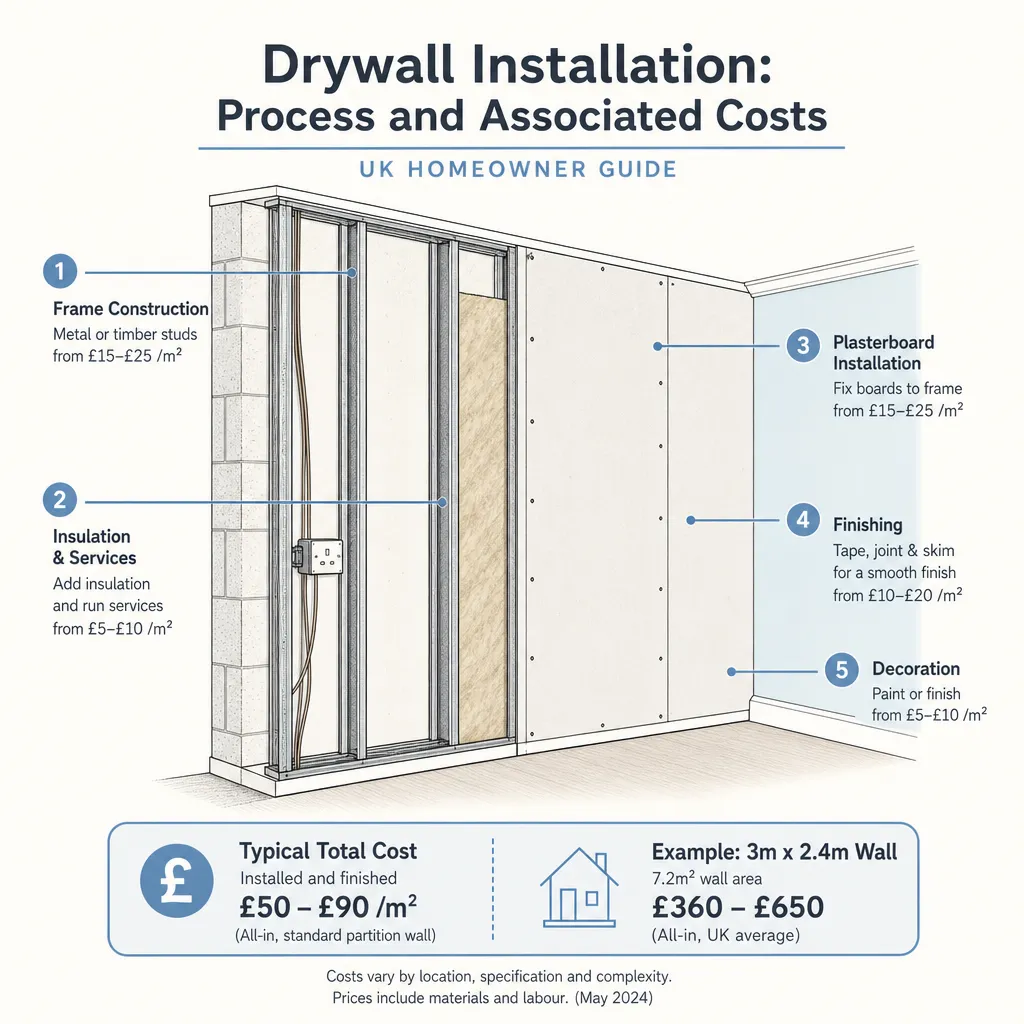
Drywall Installation: Process and Associated Costs
Drywall — known in the UK as plasterboard — is installed by fixing sheets to timber or metal studwork, or bonding directly to masonry using the dot-and-dab method. Typical UK costs range from £20 to £45 per m² for labour and materials, depending on board type, method, and finish. A skim coat of finishing plaster is usually required for a paint-ready surface.
 Improvement & Build
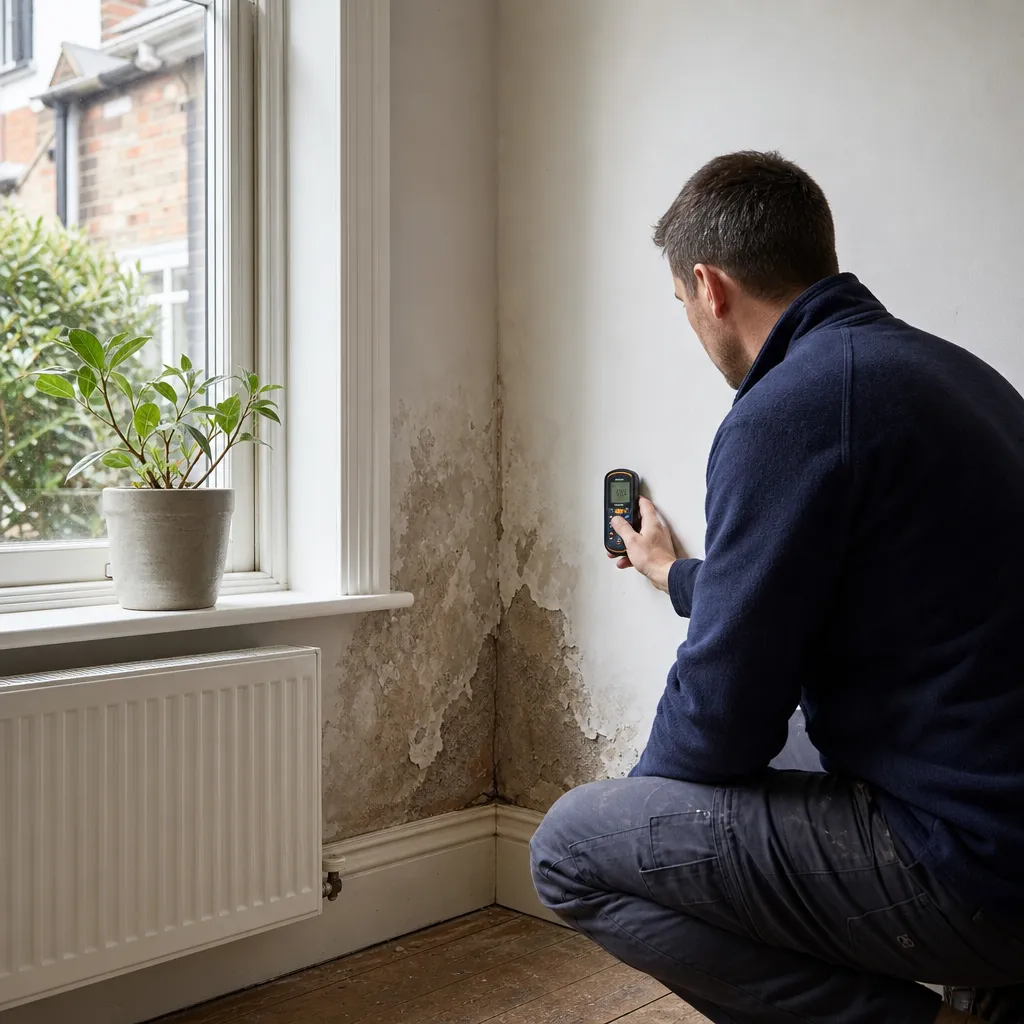
Identifying and Treating Damp Before Interior Decoration: Remediation First
Decorating before treating damp guarantees early failure — paint and wallpaper will bubble, stain, and peel within months. The correct approach is to diagnose the damp type — rising, penetrating, or condensation — address the root cause, allow the structure to dry fully, and prepare the surface correctly before decorating. Surface treatments alone will not produce a lasting result.
 Buying & Moving
A Step-by-Step Guide to Selling Your Property: From Valuation to Exchange
Selling a property in England and Wales typically involves five key stages: valuation and agent appointment, preparing your EPC and documents, accepting an offer, instructing a conveyancer, and exchanging contracts. The process usually takes three to six months from listing to exchange, though chains and mortgage delays can extend this. Instructing a conveyancer before you receive an offer helps reduce delays once one is agreed.
 Improvement & Build
Hanging Wallpaper with PVA Adhesive: Technique and Application
PVA adhesive in wallpapering is primarily used as a wall size (primer), diluted 1 part PVA to 4–5 parts water, applied to seal porous or new plaster surfaces before hanging. It should not replace purpose-made wallpaper paste as a hanging adhesive, and should not be used behind vinyl wallpapers where it can trap moisture and encourage mould.
 Surveys & Inspections
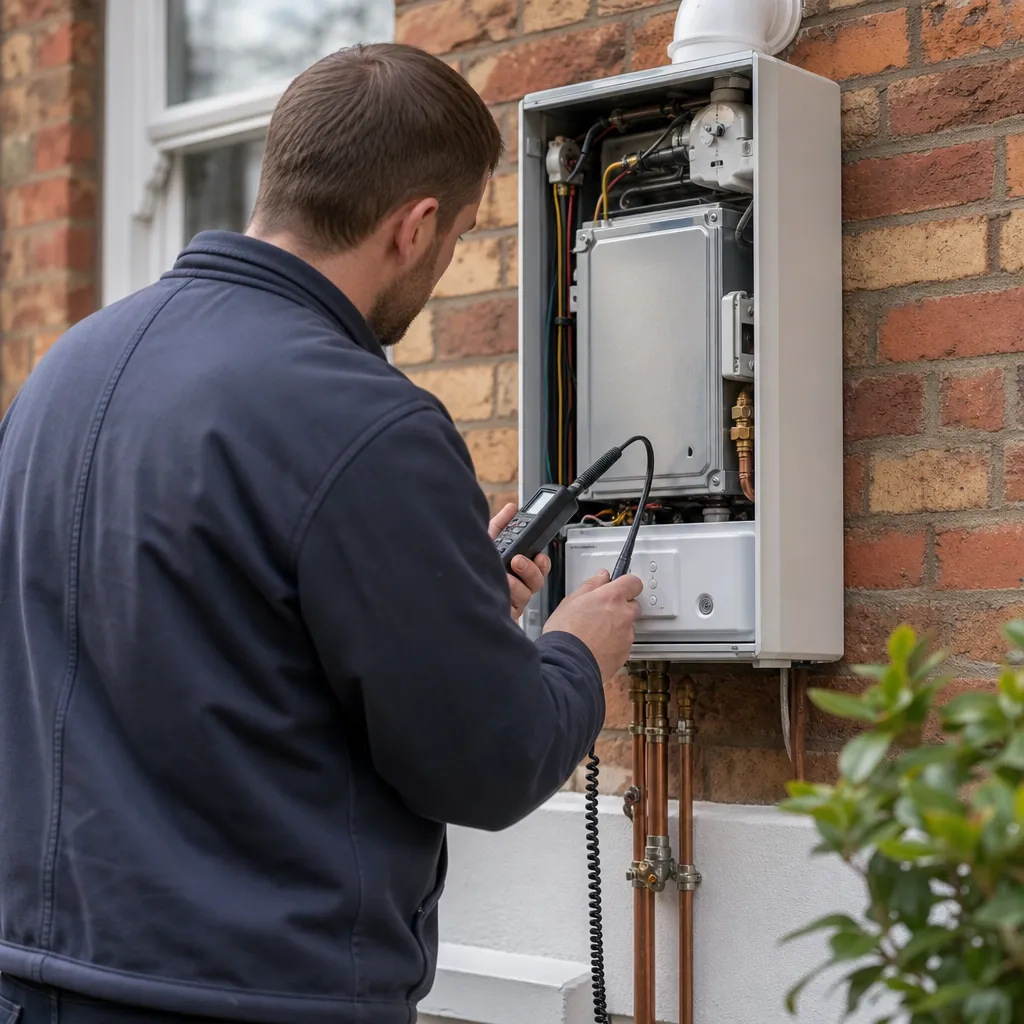
Gas Leak Emergency: Identifying, Reporting, and Safety Response
If you smell gas in your home, leave immediately without touching electrical switches, call the National Gas Emergency Service on 0800 111 999, and do not re-enter until given the all-clear. Speed matters — ventilate where it is safe to do so, but your priority is to evacuate and call for professional help.
 Improvement & Build
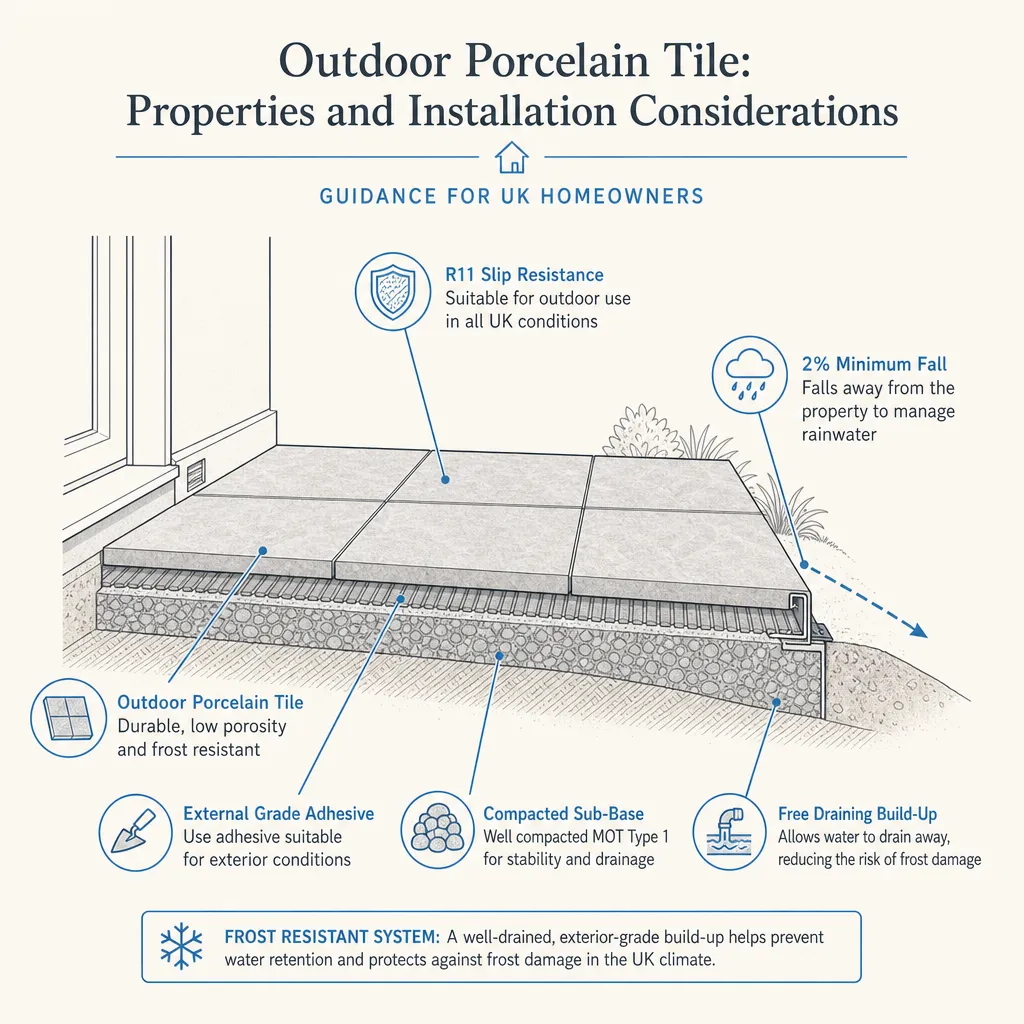
Outdoor Porcelain Tile: Properties and Installation Considerations
Outdoor porcelain tiles are a durable, low-maintenance choice for UK patios, paths, and driveways when correctly specified. Choose frost-resistant tiles with water absorption below 0.5%, a minimum R10 slip-resistance rating (R11 for slopes or steps), and at least 20mm thickness for pedestrian areas. Correct sub-base preparation and a flexible C2-rated adhesive or mortar bed are as important as the tile choice itself.
 Planning & Pre-Build
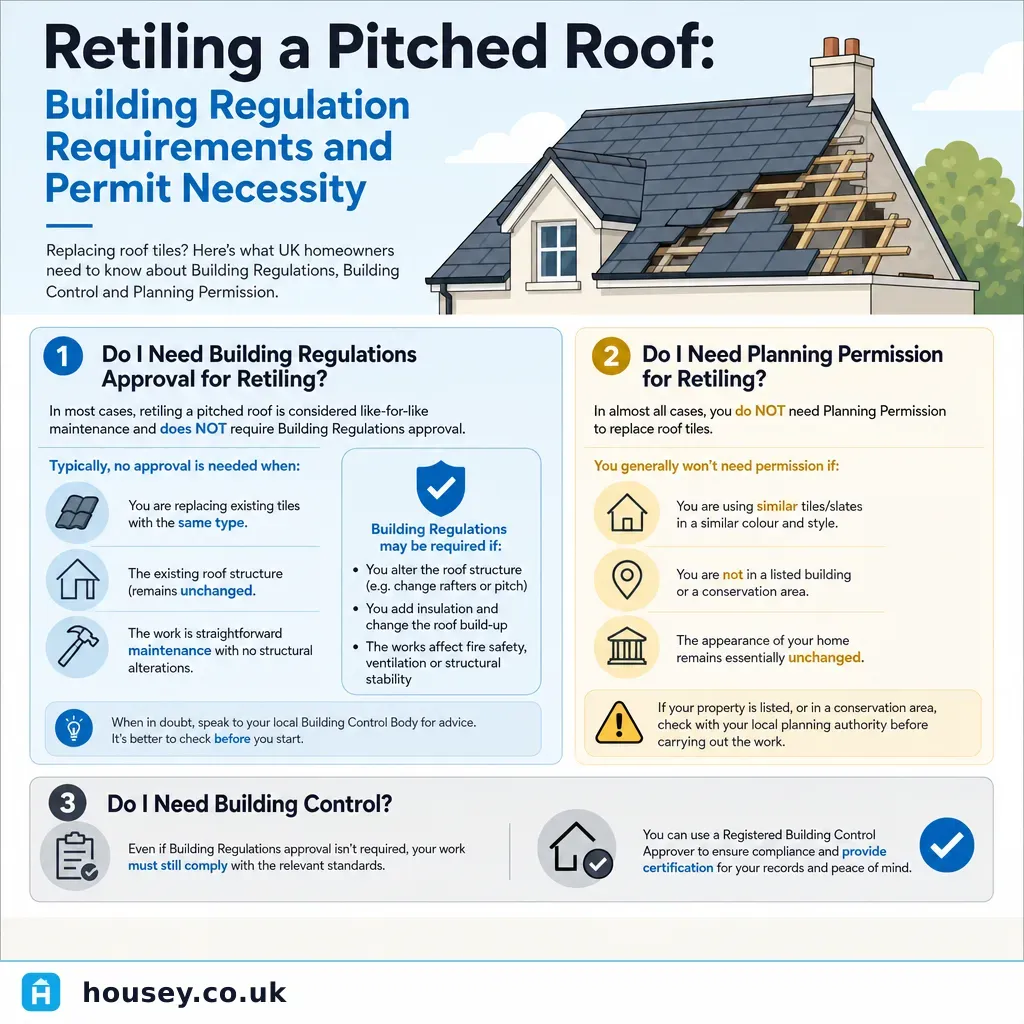
Retiling a Pitched Roof: Building Regulation Requirements and Permit Necessity
Like-for-like retiling of a pitched roof in England does not usually require planning permission or a building control application. However, if the replacement tiles differ significantly in weight, if the roof structure is altered, or if the property is listed or in a conservation area, additional approvals will apply. Always check before changing tile type or specification.
 Planning & Pre-Build
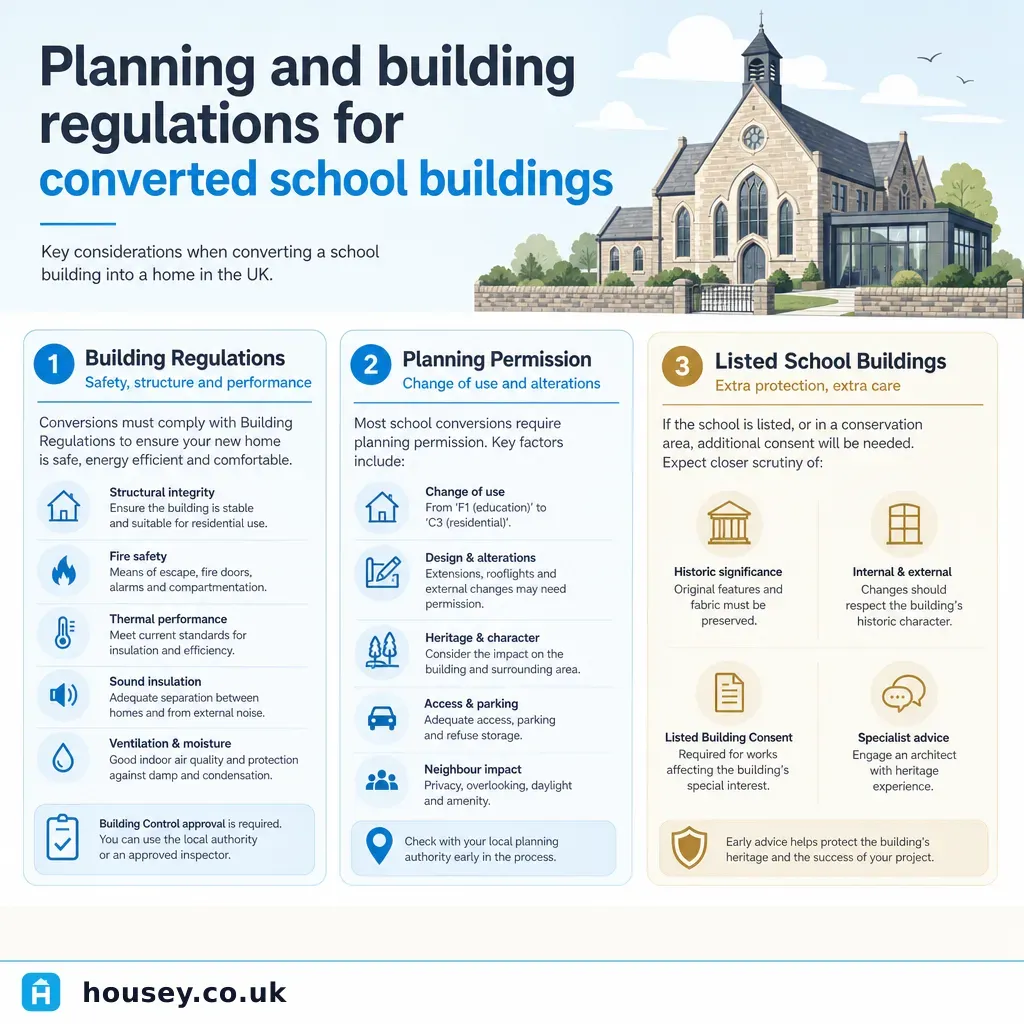
Planning and building regulations for converted school buildings
Converting a school building to residential use in England requires a full planning application — there is no permitted development route for F.1(a) to C3 change of use. Many former schools are listed or in conservation areas, adding listed building consent requirements. Building Regulations Parts A, B, F, L, and M all apply. Pre-application advice from the local planning authority is strongly recommended before purchase or design work begins.
 Improvement & Build
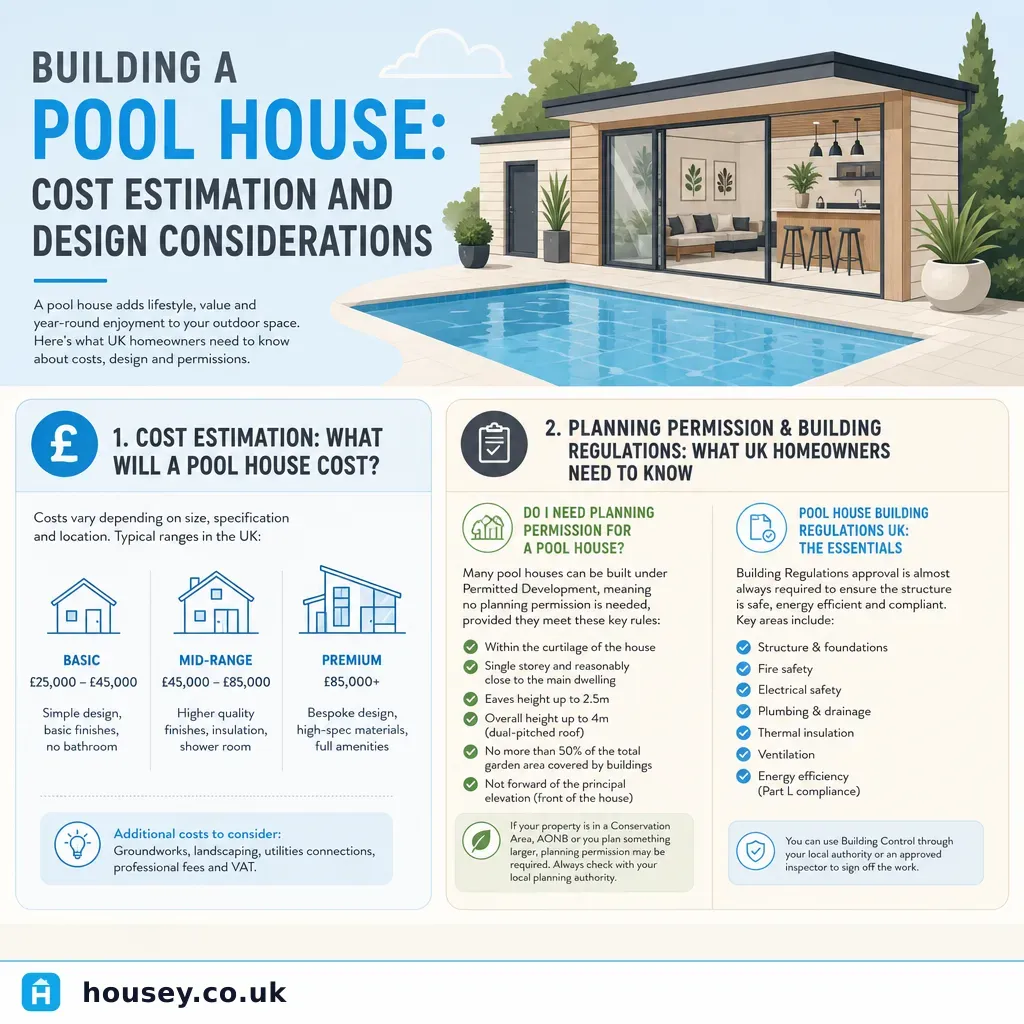
Building a Pool House: Cost Estimation and Design Considerations
A pool house in the UK typically costs between £20,000 and £180,000 depending on size, construction method, and specification. Small timber-frame changing rooms sit at the lower end; fully fitted masonry buildings with kitchen, bathroom, and plant room at the higher end. Planning rules, ground conditions, and utilities connections are the key variables to resolve before appointing a contractor.
 Buying & Moving
The Evolution and Development of the Removals Industry
The UK removals industry has transformed from Victorian horse-drawn furniture wagons into a specialist logistics sector with professional accreditation, containerised storage, international moves, and digital booking. Today, reputable removals firms hold membership with the British Association of Removers (BAR) or carry Which? Trusted Trader status, offering insurance-backed services and fixed-price estimates before any move.