Knowledge Base
Property advice that actually helps
Researched, UK-specific guides for every stage of homeownership — from buying and surveys to retrofit, planning and major works.
 Improvement & Build
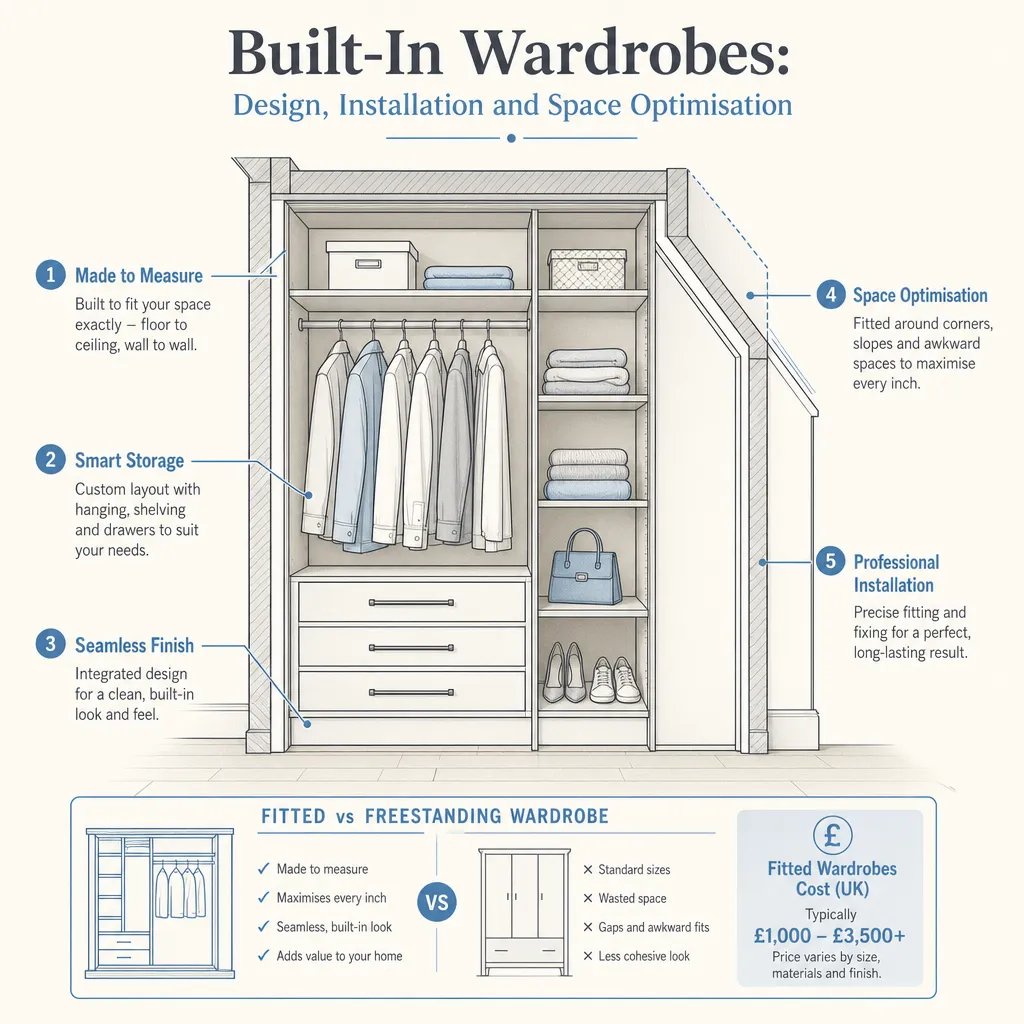
Built-In Wardrobes: Design, Installation and Space Optimisation
Built-in wardrobes are fixed storage units designed to span a wall, alcove, or recess, installed by a joiner or fitted-furniture company. UK costs range from around £400 for a self-assembled flat-pack system to £6,000 or more for bespoke joinery. They make better use of ceiling height and awkward spaces than freestanding furniture, and usually require no planning permission.
 Improvement & Build
Landscape Lighting Design Ideas for Gardens
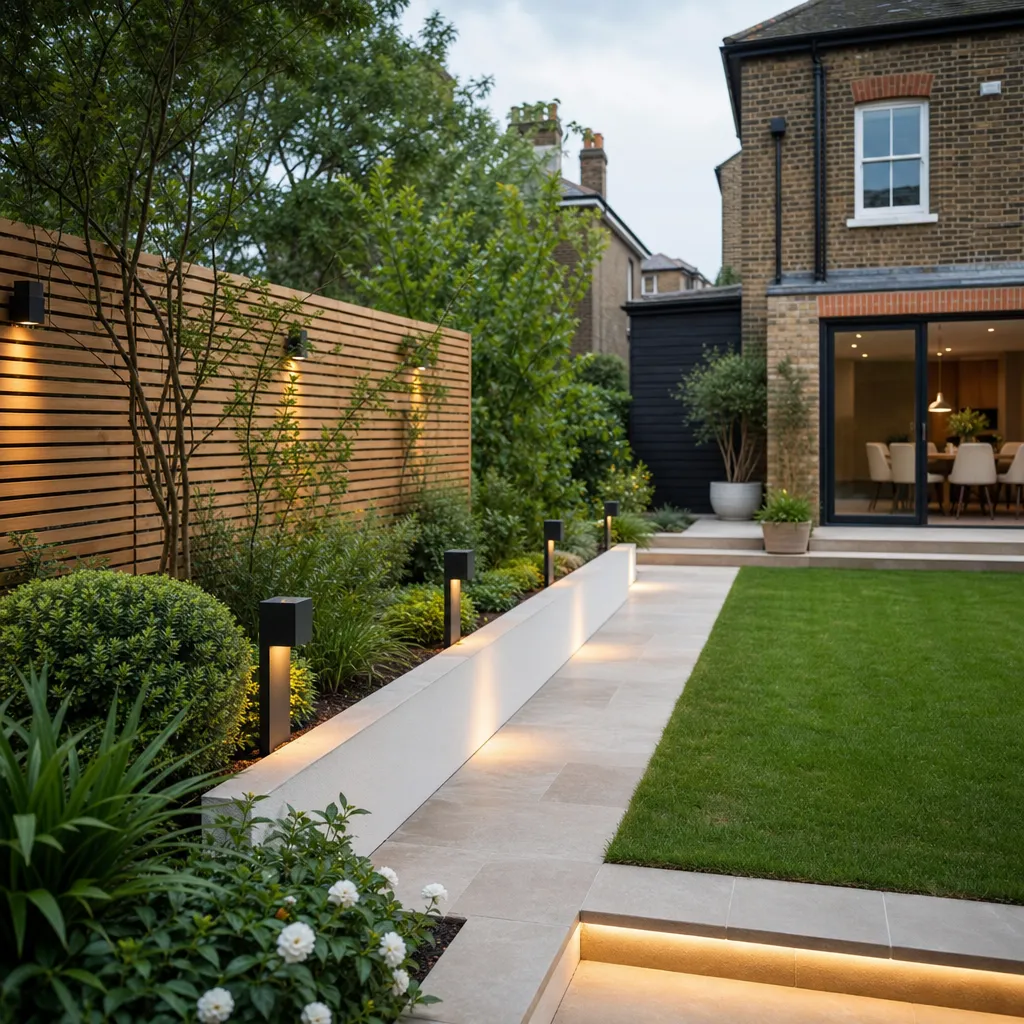
Effective garden lighting combines task lighting for paths and entrances, accent lighting to highlight trees and borders, and ambient lighting for entertaining areas. Low-voltage LED systems are the most practical choice for most UK gardens, offering energy efficiency, longevity, and easier installation than mains-voltage circuits.
 Improvement & Build
Historic and Period Windows: Restoration and Replacement Options
For period and historic windows, restoration is usually preferable — especially in listed buildings or conservation areas where replacement requires consent. Timber sash windows can often be draught-proofed, reglazed, and repaired cost-effectively. Replacement with like-for-like materials may be permitted where a window is beyond repair, but always check planning requirements before ordering.
 Improvement & Build
Is Your Shower Tile Installation Truly Waterproof?
Tile and grout alone do not make a shower waterproof. A correct installation requires a tanking membrane or liquid waterproofing system applied behind the tiles, movement joints at all internal corners, and C2-rated adhesive. Without these elements, water will eventually penetrate the substrate, causing hidden structural damage and mould — often months before it becomes visible.
 Improvement & Build
Stump Removal: Cost Factors and Process for Complete Tree Elimination
Stump removal in the UK is priced mainly by stump diameter and method. Stump grinding typically costs £60–350 per stump; full excavation costs more, often £250–800 for medium to large stumps. Key cost drivers include species hardness, site access, number of stumps, and whether disposal is included. Always get at least two itemised quotes and confirm whether VAT, backfilling, and arisings removal are covered.
 Energy & Retrofit
Fireplace Draught Prevention: Sealing and Efficiency Solutions
Draughts from fireplaces and chimneys are a significant source of heat loss in UK homes, particularly in Victorian and Edwardian properties. Chimney balloons and draught excluders reduce heat loss from unused fireplaces at low cost. Sealing a flue connected to any live appliance must only be carried out by a Gas Safe or HETAS-registered engineer to avoid carbon monoxide risk.
 Improvement & Build
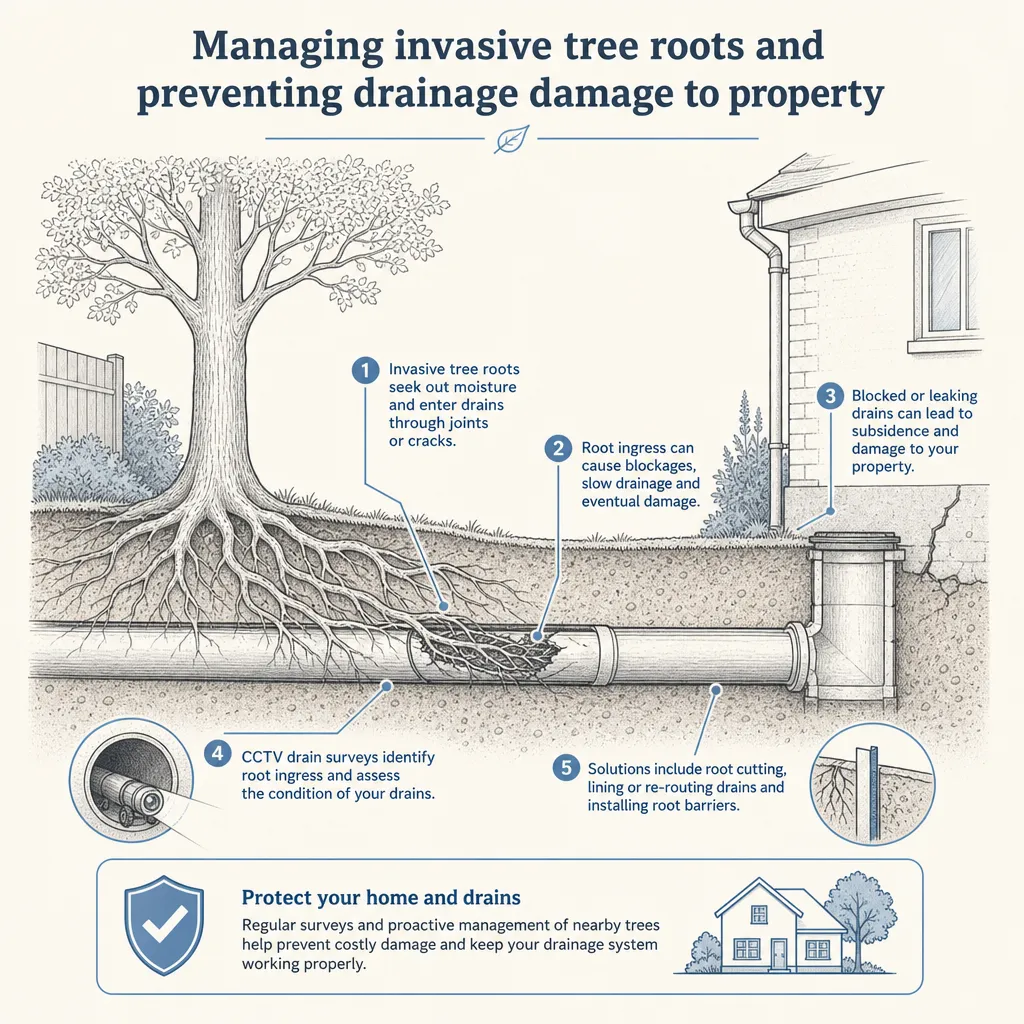
Managing invasive tree roots and preventing drainage damage to property
Tree roots damage UK properties in two main ways: by intruding into clay drainage pipes at joints, causing blockages and fractures; and by extracting moisture from shrinkable clay soils, leading to subsidence. High-risk species include willow, poplar, and oak. A CCTV drain survey is the first step; suspected structural movement requires a chartered surveyor or structural engineer.
 Improvement & Build
Adjusting Garden Soil Chemistry and pH Levels
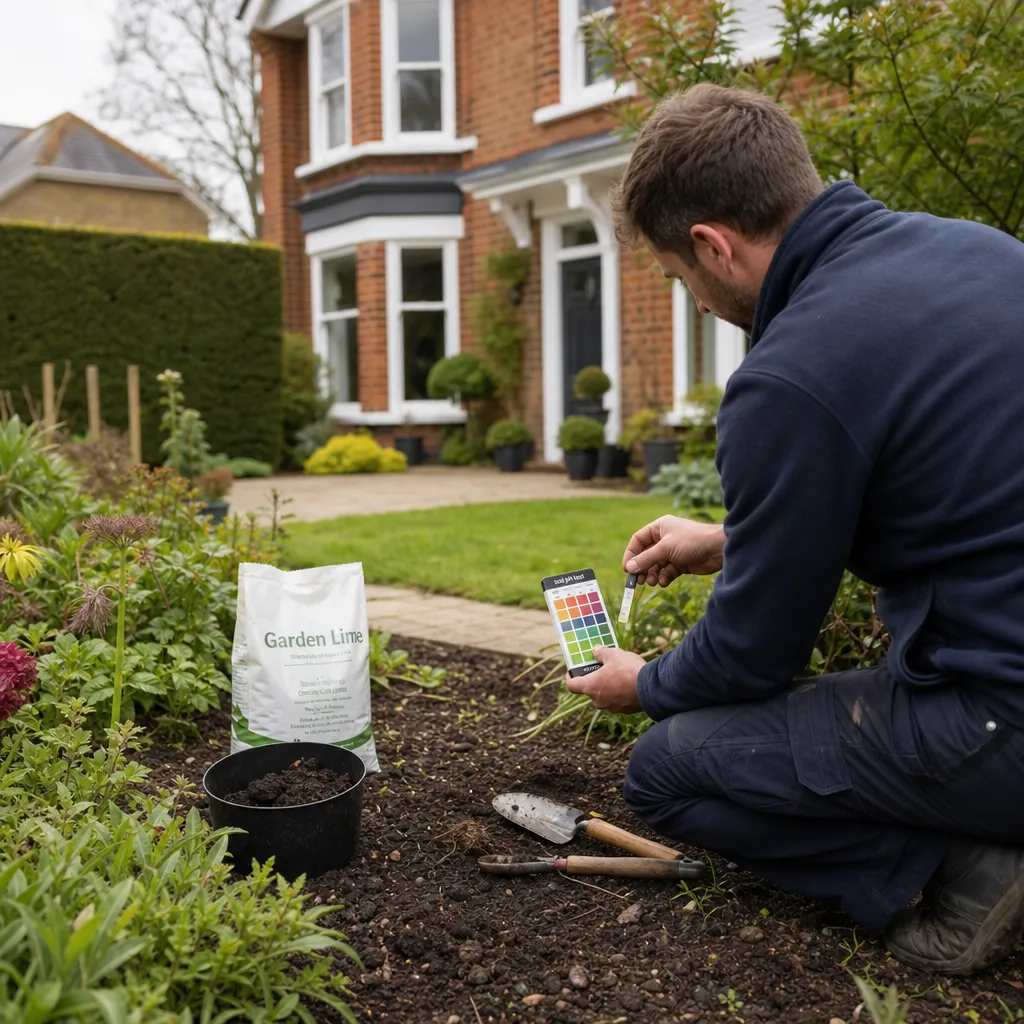
Most garden plants grow best in soil with a pH between 6.0 and 7.0. You can raise pH by adding garden lime, and lower it with sulphur or acidic organic matter. Test soil before amending it, as over-correcting is as problematic as the original imbalance. Results take weeks to months to stabilise.
 Buying & Moving
Chattels and Personal Property in House Sales: Impact on Conveyancing Costs
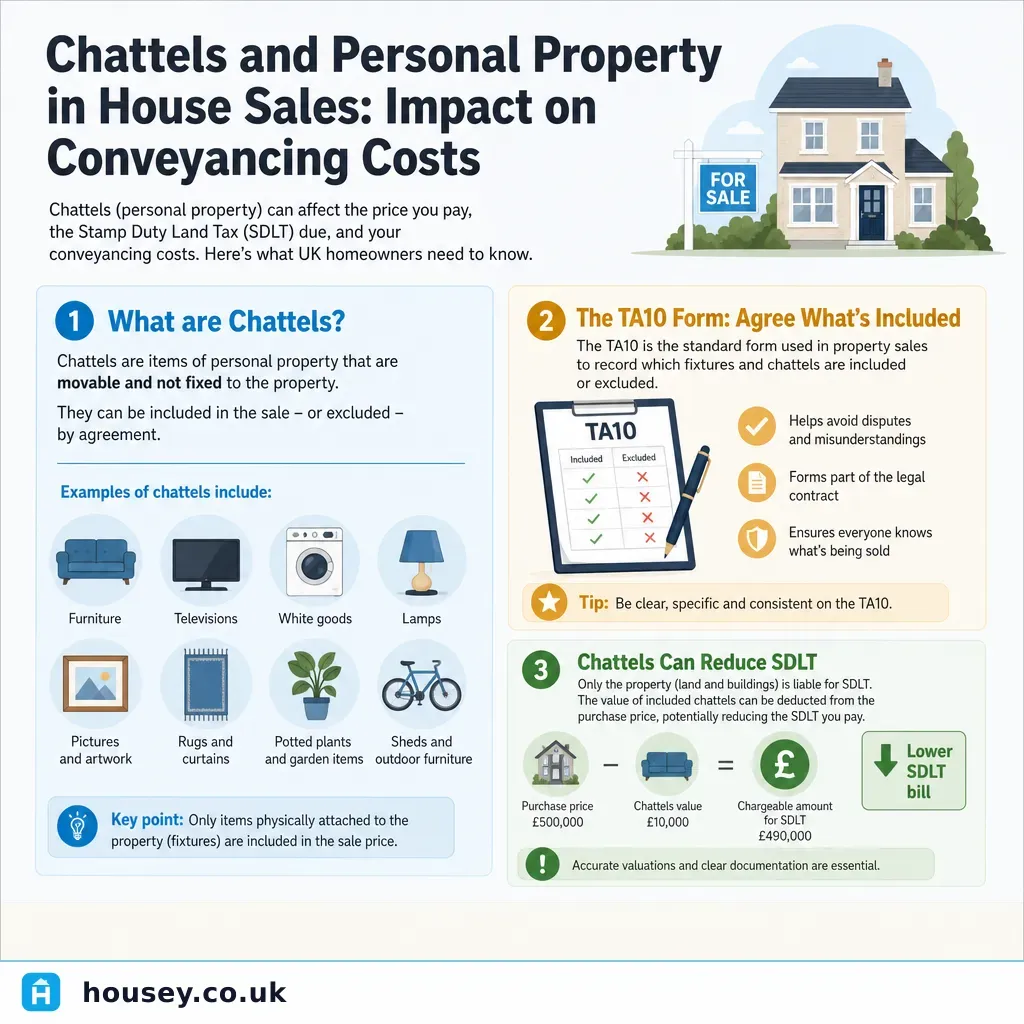
Chattels are moveable items — appliances, carpets, curtains, garden furniture — that a seller may include in or exclude from a house sale. Allocating a separate price for chattels can reduce the amount subject to Stamp Duty Land Tax, but HMRC scrutinises unrealistically high allocations. Your solicitor will use the TA10 Fixtures, Fittings and Contents form to agree exactly what is and is not included.
 Planning & Pre-Build
Native Plants for Rain Gardens: Ecological Design and Installation
Native UK plants are ideal for rain gardens because they tolerate the country's seasonal wet-dry rainfall cycle, support local pollinators and invertebrates, and align with Biodiversity Net Gain objectives. A well-designed rain garden uses 8–15 complementary native species across three moisture zones — basin, edges, and periphery — to balance hydraulic performance with ecological function.
 Improvement & Build
Storm Door Buying Guide: Types and Installation Considerations
In the UK, 'storm door' refers either to a secondary outer door forming a draught lobby in front of the main entrance, or to a robust composite, uPVC, or timber external door with enhanced weather sealing. Most UK homeowners achieve weather protection through a high-performance composite door. Replacements must meet building regulations for energy efficiency and security and should be installed by a FENSA or CERTASS-registered installer.
 Surveys & Inspections
Gable Roofs: Design, Characteristics, and Installation Considerations
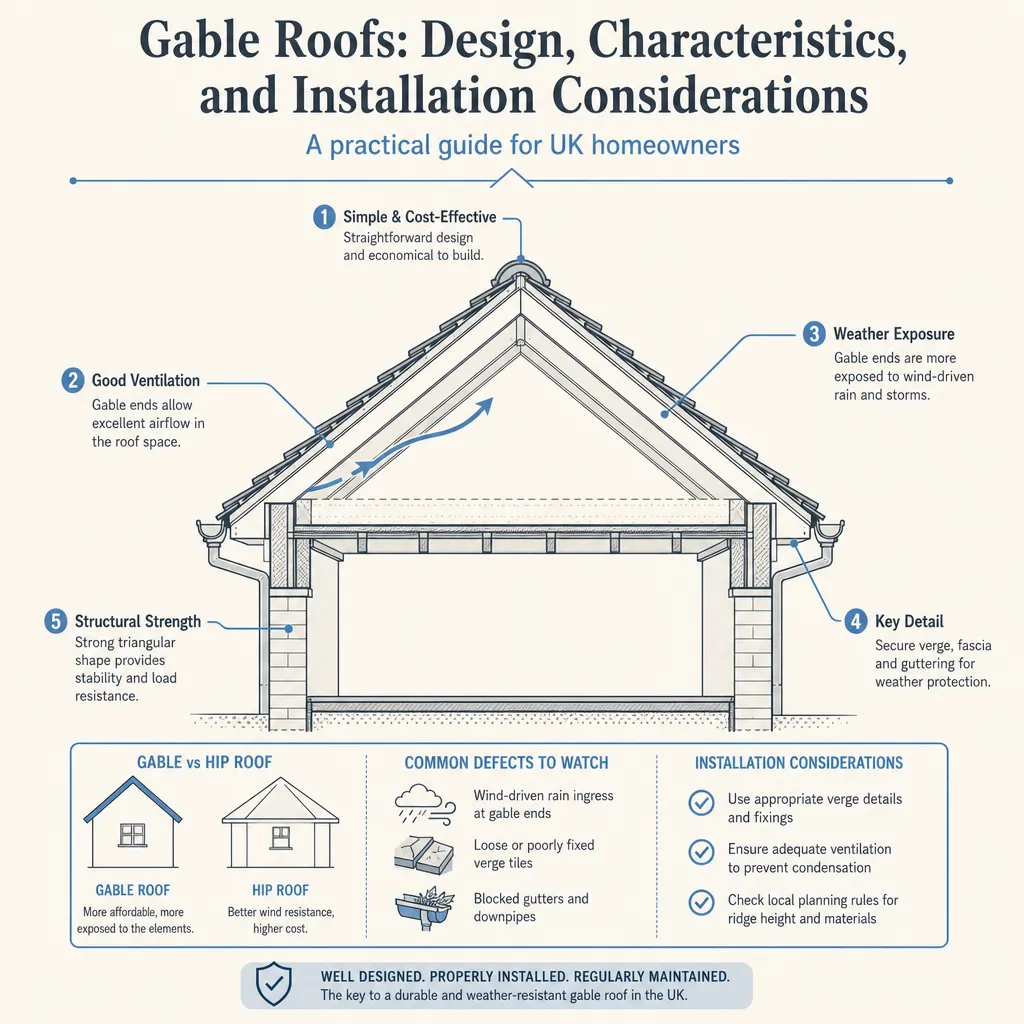
A gable roof has two sloping sides that meet at a central ridge, forming triangular gable ends. It is one of the most common roof forms in UK residential property, particularly on Victorian terraces, 1930s semis, and new-build houses. Gable roofs are relatively straightforward to build, but the exposed gable end walls require careful detailing to prevent water ingress and wind damage.