Knowledge Base
Property advice that actually helps
Researched, UK-specific guides for every stage of homeownership — from buying and surveys to retrofit, planning and major works.
 Energy & Retrofit
Common Myths and Misconceptions About Heat Pump Technology
Many common beliefs about heat pumps are inaccurate. Modern air source heat pumps work efficiently in UK winters, do not require underfloor heating, and can suit older homes with adequate insulation. Running costs depend on system design and electricity tariff rather than the technology itself. An MCS-accredited assessment is the only reliable way to establish suitability for your specific property.
 Improvement & Build
Understanding Pest Control Service Costs in the UK
Pest control costs in the UK typically range from around £45 for a single wasp nest treatment to over £600 for complex bed bug jobs. Prices depend on pest type, property size, severity, and the number of visits required. Always request itemised quotes, confirm whether VAT is included, and verify that the contractor holds BPCA membership or an RSPH qualification.
 Improvement & Build
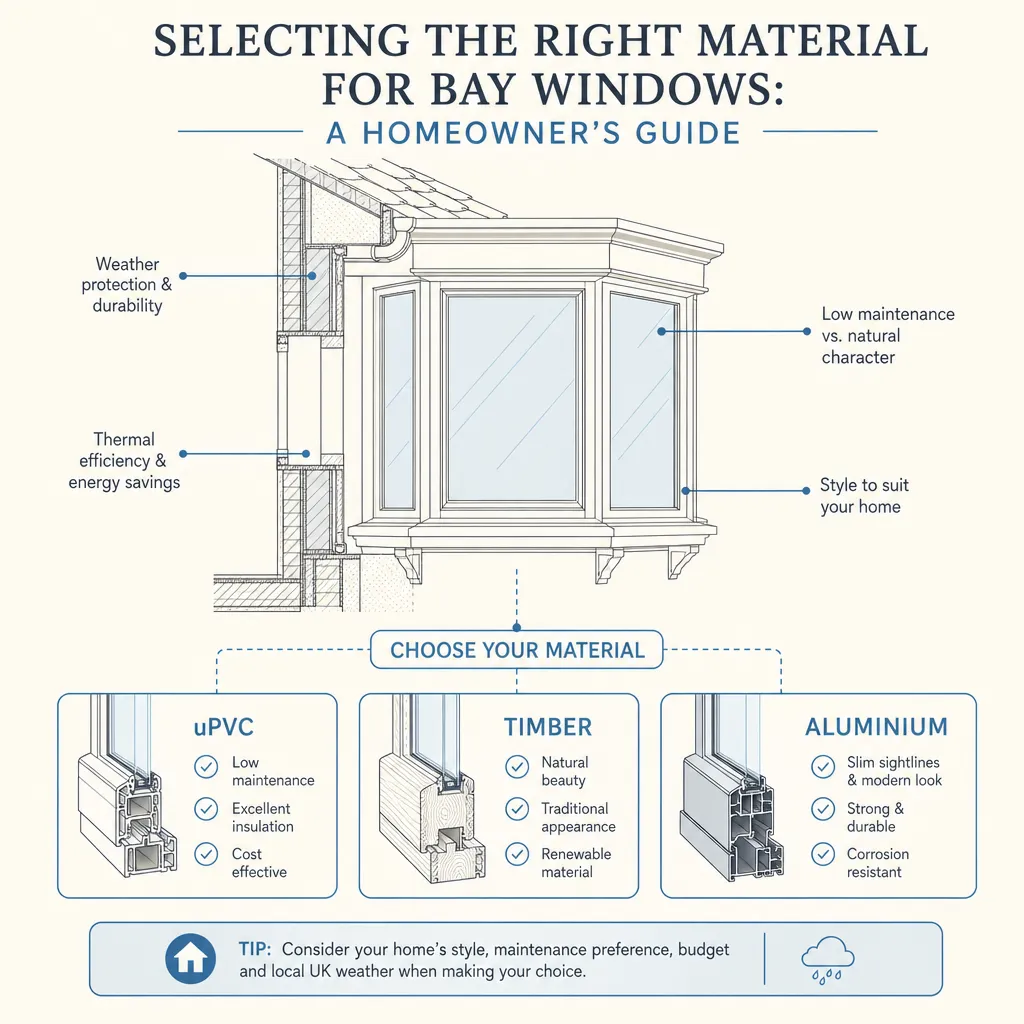
Selecting the right material for bay windows: a homeowner's guide
The main bay window materials in the UK are uPVC, timber, and aluminium. uPVC offers the lowest cost and maintenance; timber is required or preferred for period homes and conservation areas; aluminium provides slim sightlines and long life. Your choice depends on budget, property era, planning constraints, and thermal performance requirements under Building Regulations Part L.
 Energy & Retrofit
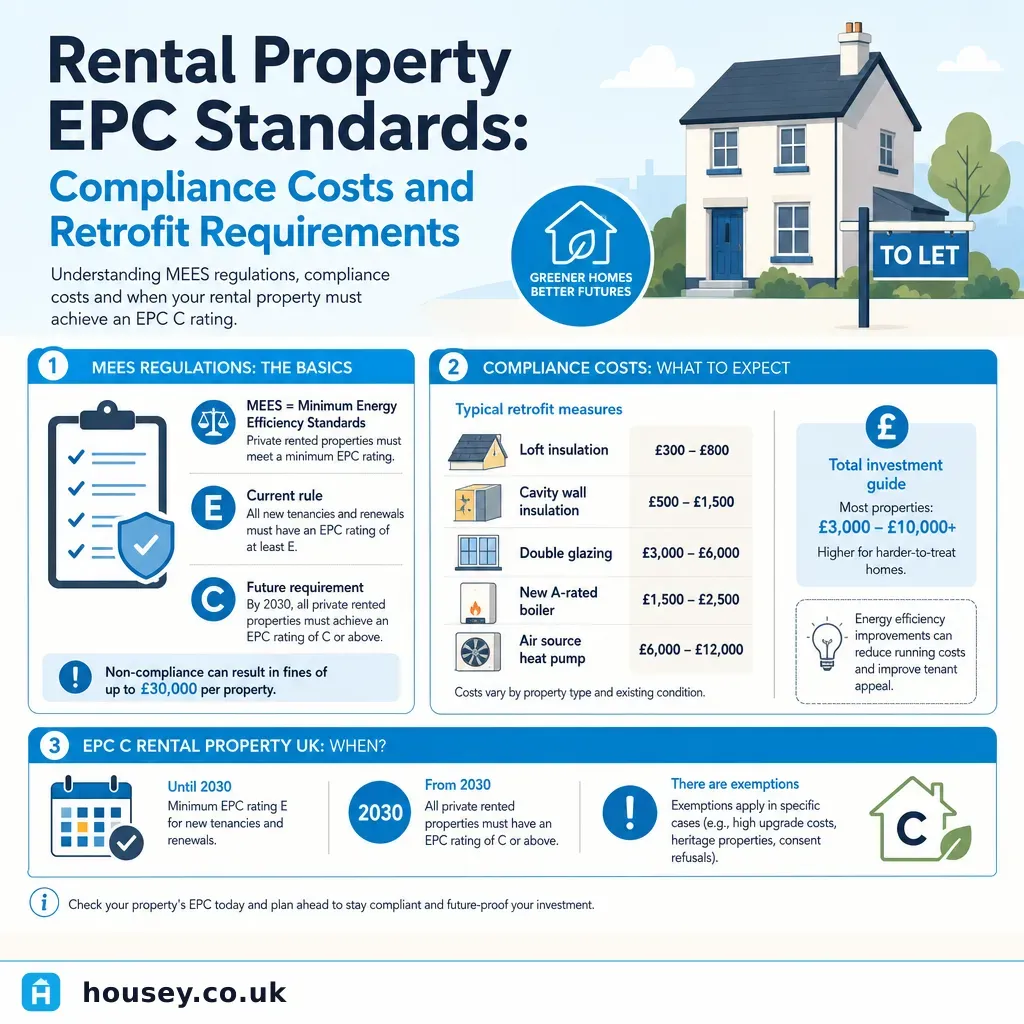
Rental Property EPC Standards: Compliance Costs and Retrofit Requirements
Private landlords in England and Wales must hold a minimum EPC E rating for all residential lettings under the MEES Regulations 2018. Properties rated F or G cannot lawfully be let without a registered exemption. The government has proposed raising the minimum standard to EPC C by 2030, though this is not yet law. Compliance costs vary considerably by property construction and current rating.
 Improvement & Build
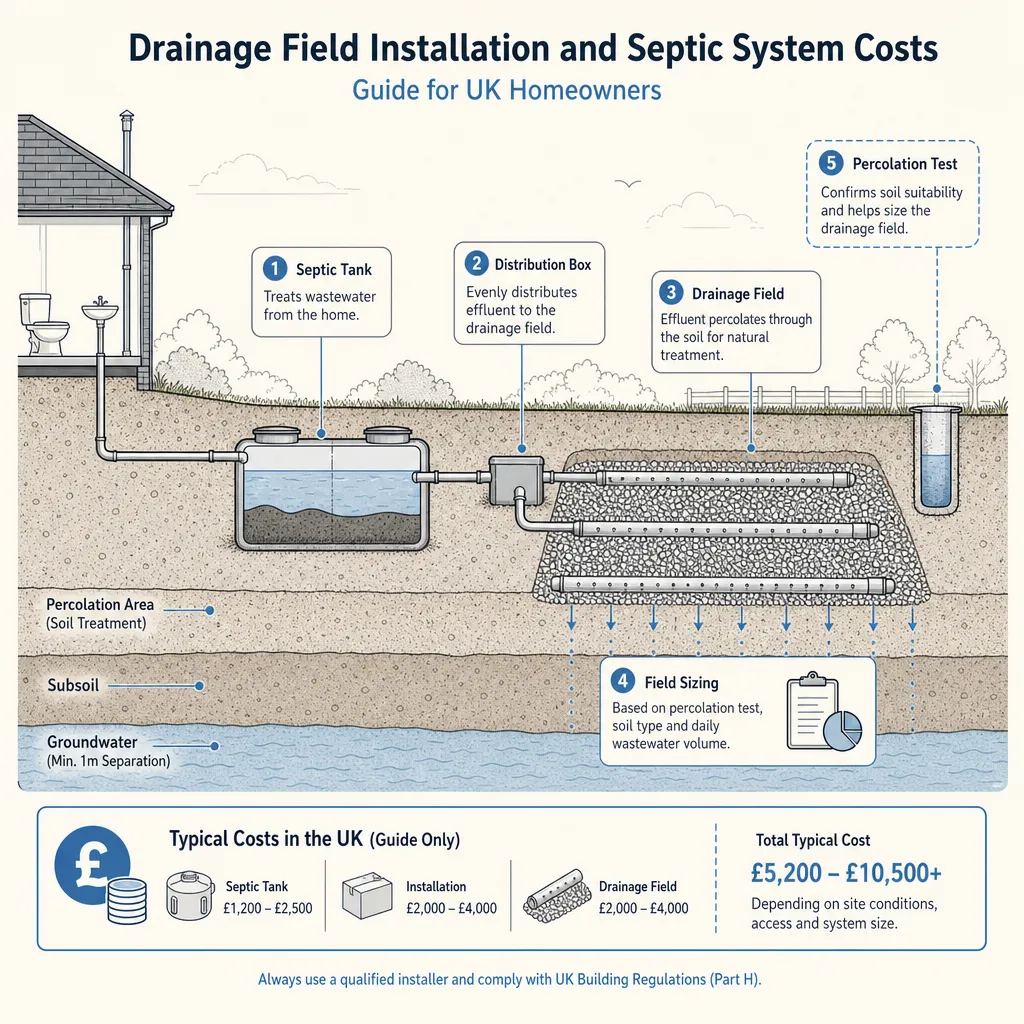
Drainage Field Installation and Septic System Costs
A drainage field disperses treated effluent from a septic tank or sewage treatment plant into the ground via perforated pipes in gravel-filled trenches. UK installation costs typically range from £2,000 to £6,000 for a domestic property. A percolation test is required before the field can be sized, and the installation must comply with Building Regulations Part H and Environment Agency General Binding Rules.
 Buying & Moving
Home Staging: Presentation Strategies for Property Sale
Home staging for a property sale means decluttering, depersonalising, and presenting rooms to appeal to the broadest range of buyers. The most impactful steps — clearing worktops, making beds with fresh linen, and improving lighting — cost little or nothing. Professional photography is almost always worth commissioning before listing, at any price point, given that most buyers begin their search online.
 Surveys & Inspections
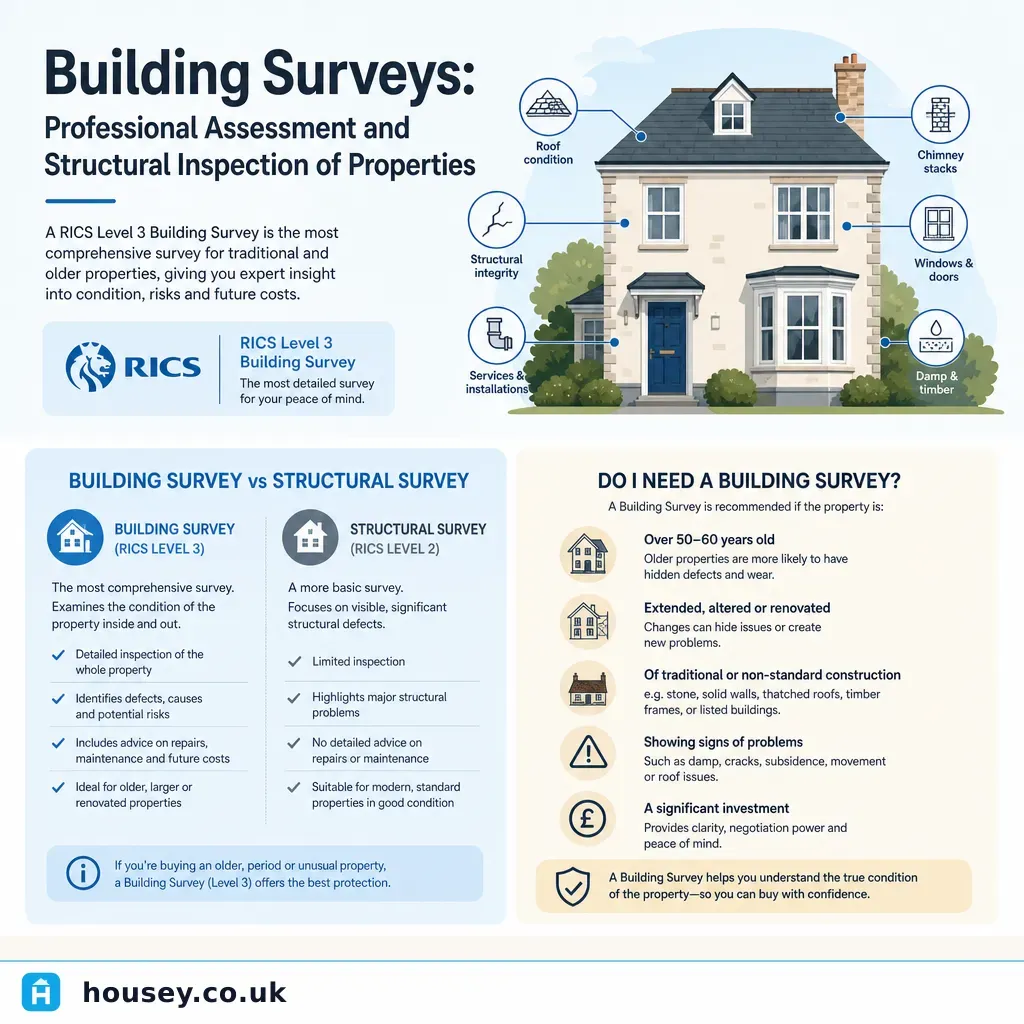
Building Surveys: Professional Assessment and Structural Inspection of Properties
A building survey is a professional condition inspection of a property carried out by a RICS-regulated surveyor. The most thorough option is the RICS Level 3 Building Survey, recommended for older, altered, or visibly defective properties. A structural engineer provides specialist diagnosis for movement and cracking. Mortgage valuations are not a substitute — they protect the lender, not the buyer.
 Improvement & Build
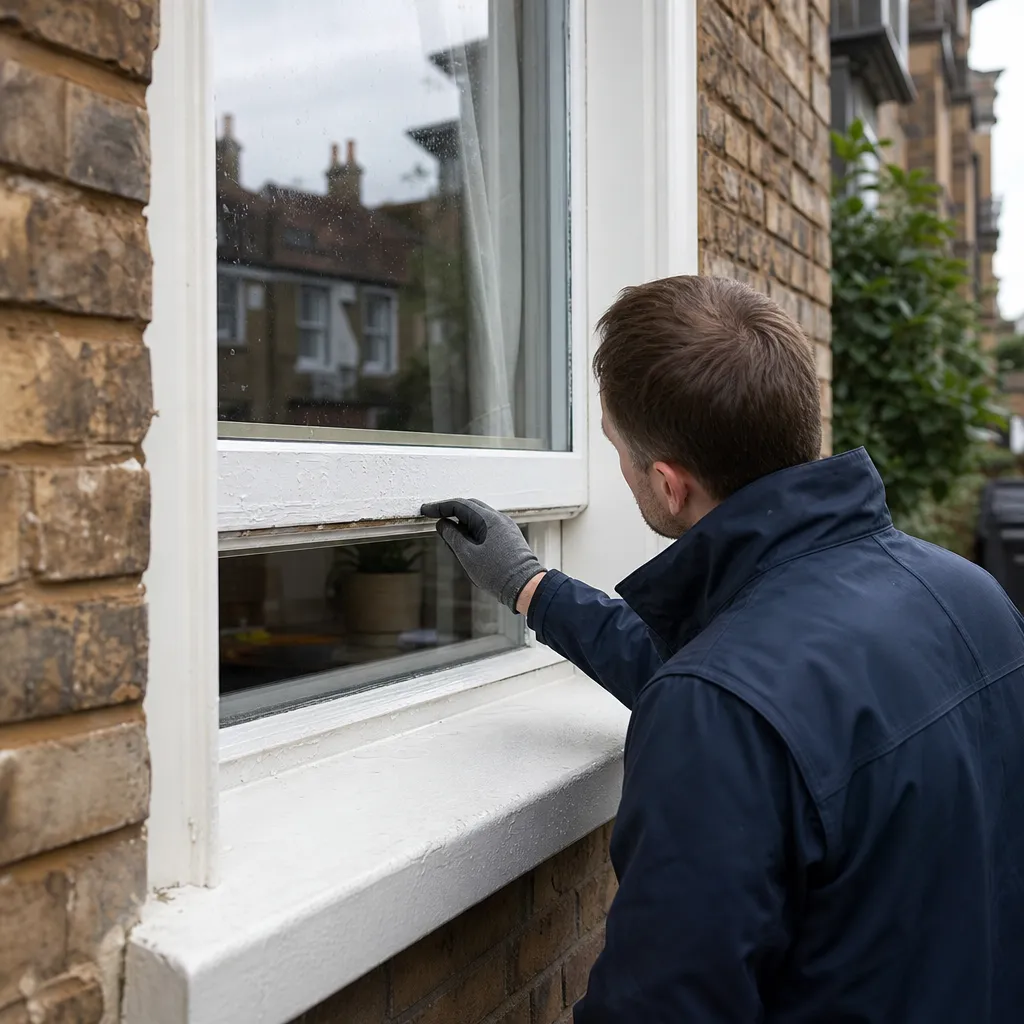
Fixing Window Leaks from Rain: Causes, Diagnosis, and Solutions
Window leaks during rain are most often caused by failed sealant around the frame, perished or missing weatherstripping, cracked glazing putty, or water tracking down from the roof or lintel above. Identifying the exact source — rather than just where water appears inside — is essential before attempting any repair, as the entry point can be several hundred millimetres from where water becomes visible.
 Improvement & Build
Starting a Greenhouse: Growing Guide and Setup
Setting up a greenhouse in a UK garden involves choosing the right size and glazing, positioning to maximise south-facing sunlight, and confirming whether permitted development rules apply. Most domestic greenhouses fall within permitted development, but those in conservation areas, on listed property curtilages, or above certain height thresholds require a planning application to the local planning authority.
 Improvement & Build
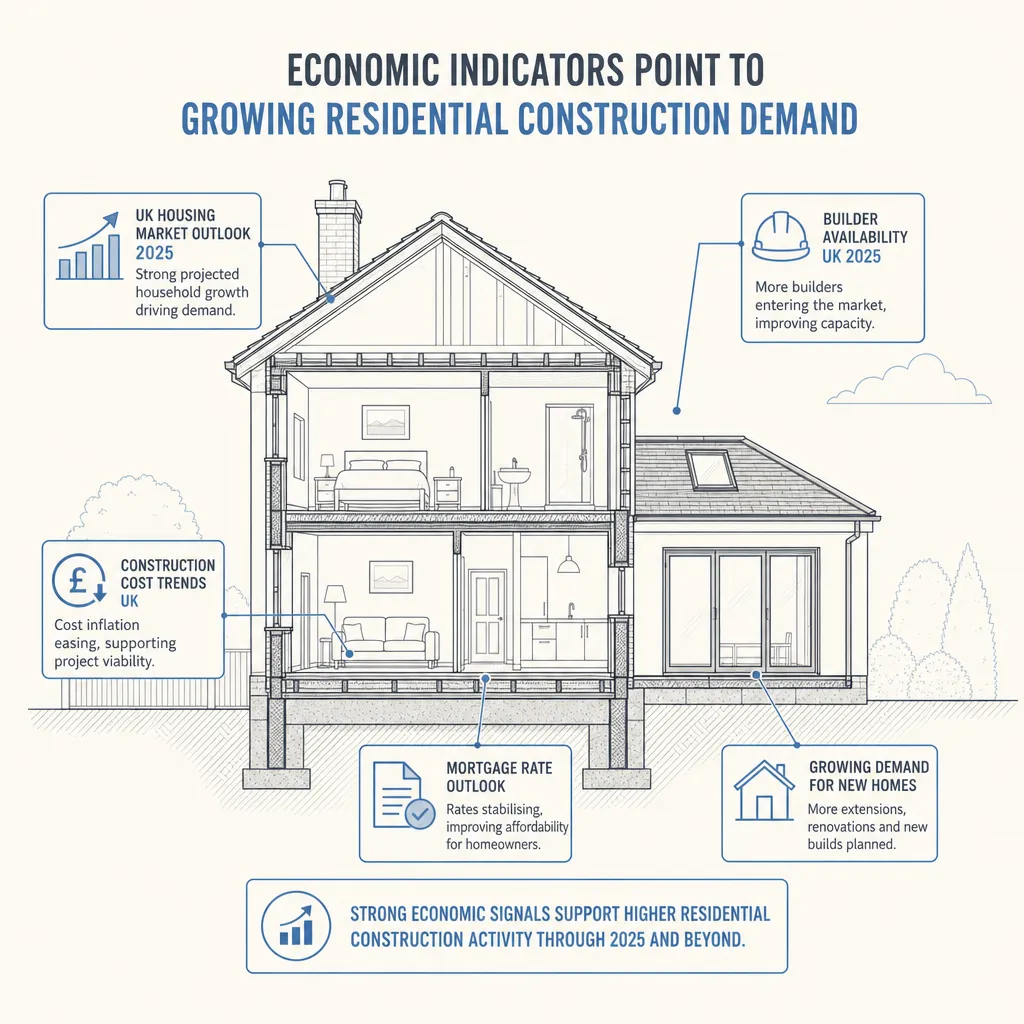
Economic Indicators Point to Growing Residential Construction Demand
Falling interest rates, the government's 1.5 million homes target, and recovering homeowner confidence are increasing residential construction demand across the UK. Homeowners planning extensions or renovations should expect strong competition for qualified builders, with lead times extending in many areas. Obtaining quotes early and securing written contracts gives the best chance of competitive pricing.
 Surveys & Inspections
Removing Asbestos Tiles: Health Risks and Safe Disposal
Asbestos tiles in pre-2000 UK properties must not be disturbed without a refurbishment and demolition survey under HSG264. The Control of Asbestos Regulations 2012 governs all asbestos work including tile removal. Damaged or friable tiles require an HSE-licensed contractor. Intact tiles in good condition can often be safely overlaid rather than removed, avoiding fibre release.
 General property advice
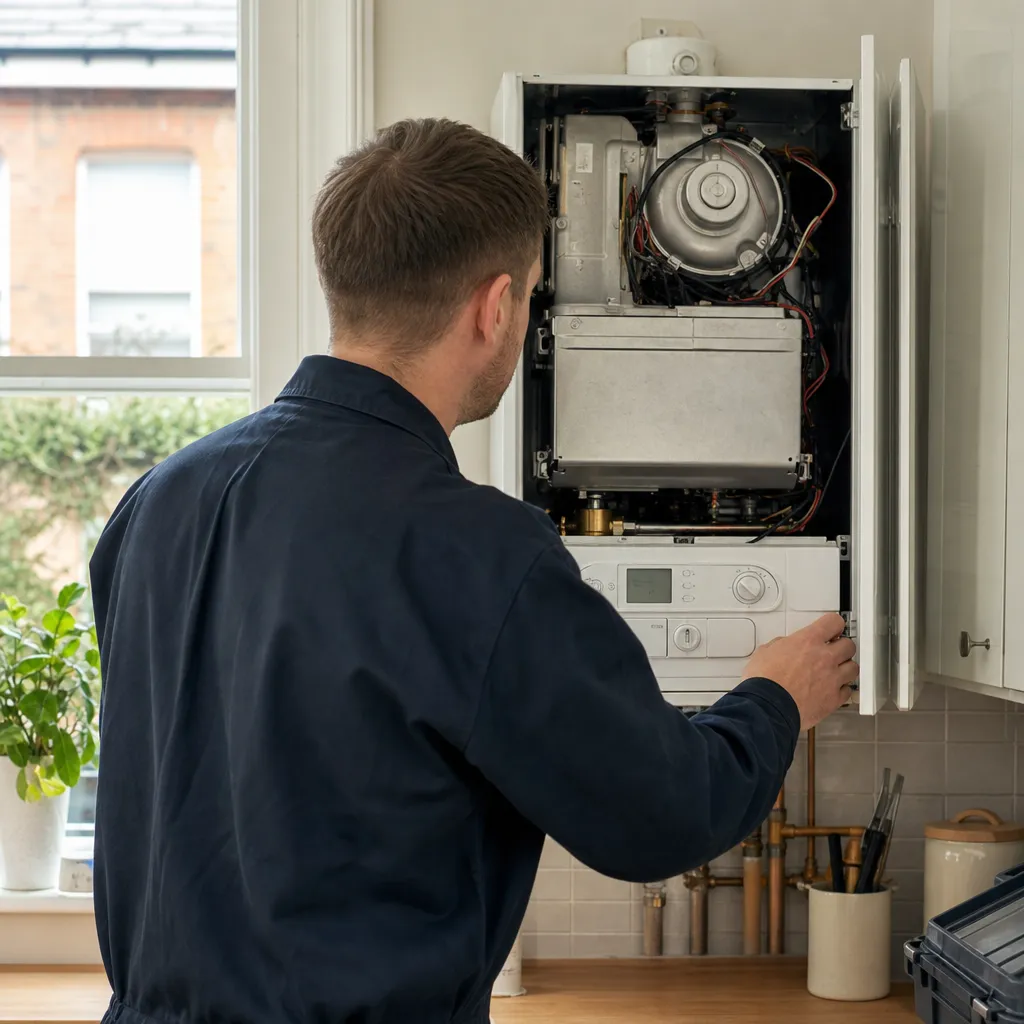
Common Boiler Faults: Identification and Remedies
The most common boiler faults in UK homes are pressure loss, no heating or hot water, unusual noises such as kettling or banging, a frozen condensate pipe, and repeated lockouts. Most can be identified by checking the boiler's pressure gauge and fault code display. Any fault involving gas components or combustion must be repaired by a Gas Safe registered engineer.