Knowledge Base
Property advice that actually helps
Researched, UK-specific guides for every stage of homeownership — from buying and surveys to retrofit, planning and major works.
 Improvement & Build
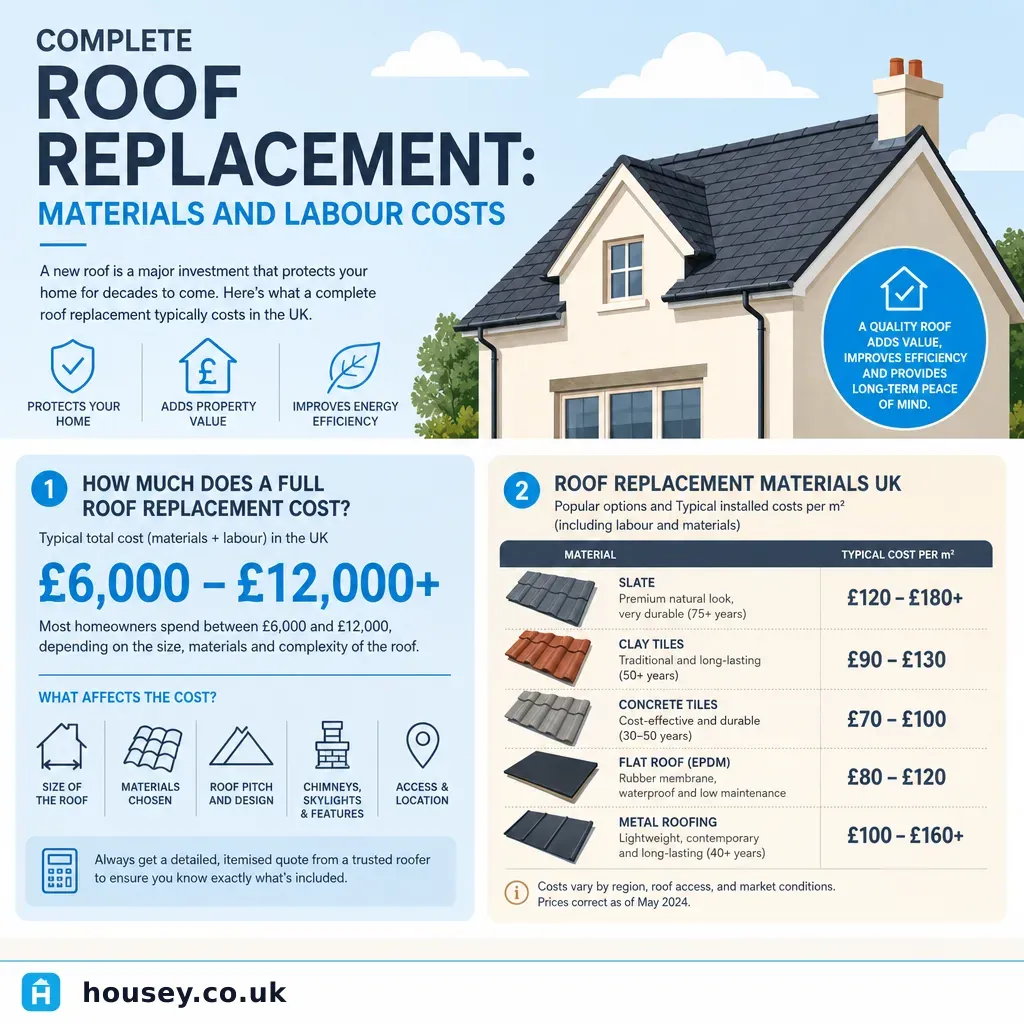
Complete Roof Replacement: Materials and Labour Costs
A complete roof replacement on a typical three-bedroom semi-detached house costs between £5,500 and £14,000, depending on material, roof complexity, and region. It triggers a Building Regulations Part L notification for insulation compliance. Natural slate and clay tiles last longest but cost more than concrete alternatives; obtaining at least three itemised quotes is essential before committing.
 Buying & Moving
Understanding Gazumping in Property Transactions: Risks and Protections
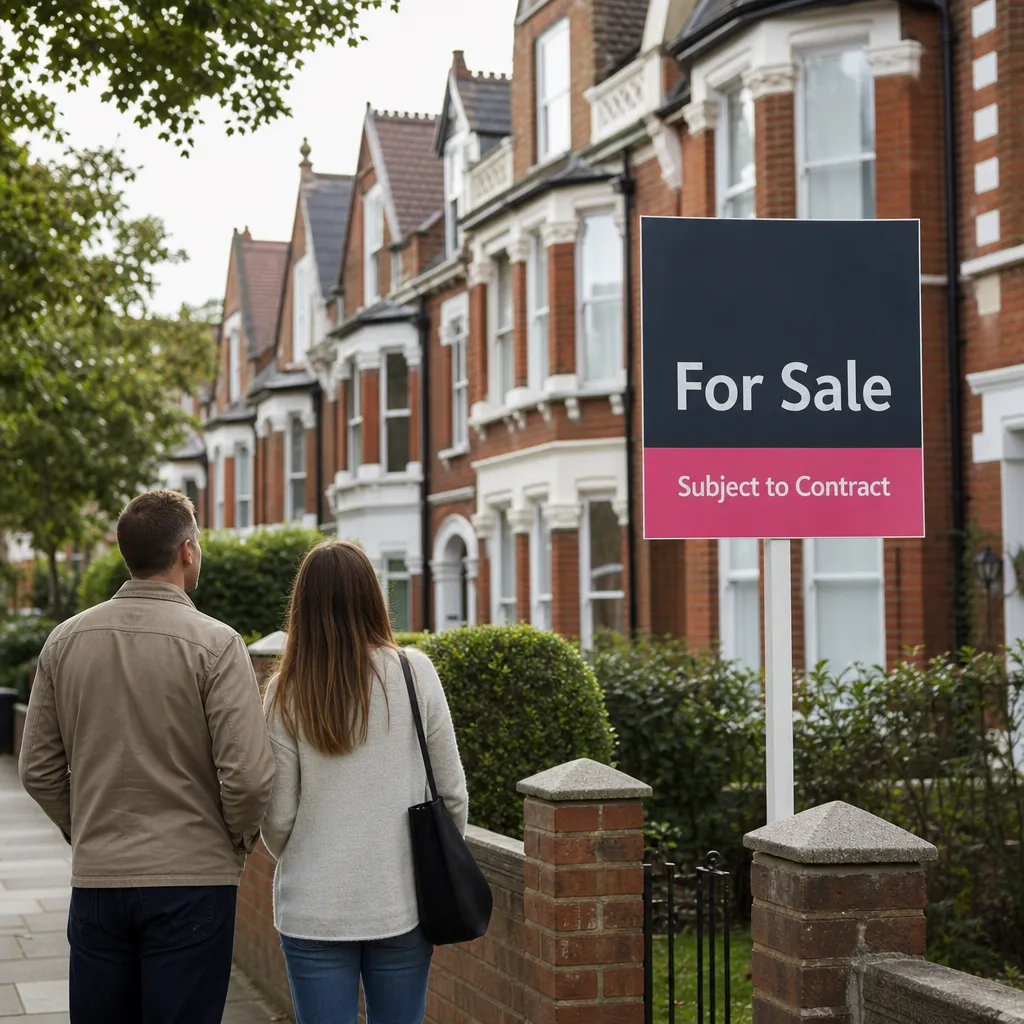
Gazumping occurs when a seller in England or Wales accepts a higher offer from another buyer after verbally agreeing to sell to you, but before exchange of contracts — the legally binding point. It is not illegal. Buyers can reduce the risk by moving quickly through conveyancing and survey, requesting the property is taken off the market, and using a reservation agreement.
 Improvement & Build
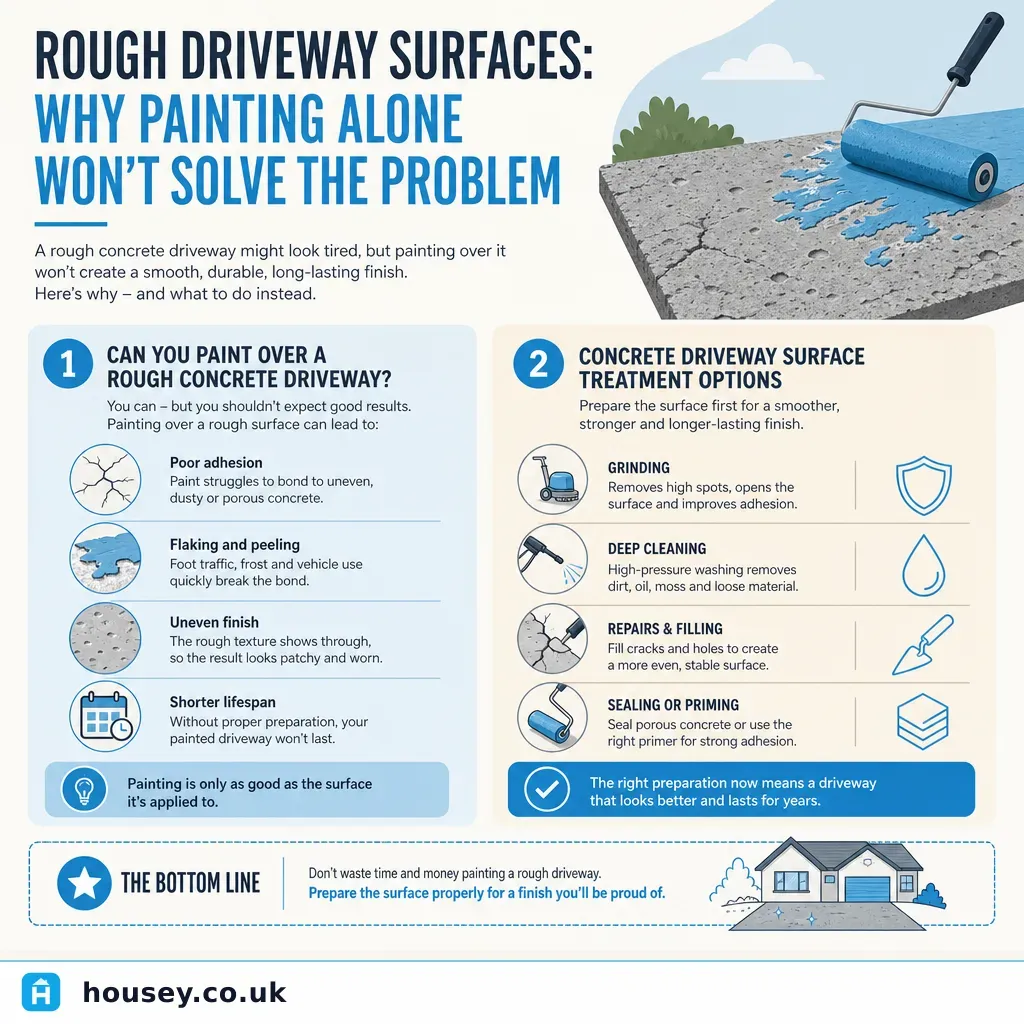
Rough Driveway Surfaces: Why Painting Alone Won't Solve the Problem
Rough driveway surfaces are caused by scaling, aggregate exposure, binder oxidation in tarmac, or sub-base failure — and painting over them won't last. The right treatment depends on the cause: surface-only issues can be repaired with overlay systems or resurfacing; base failure requires full replacement. Always identify the underlying problem before spending on surface treatment.
 Planning & Pre-Build
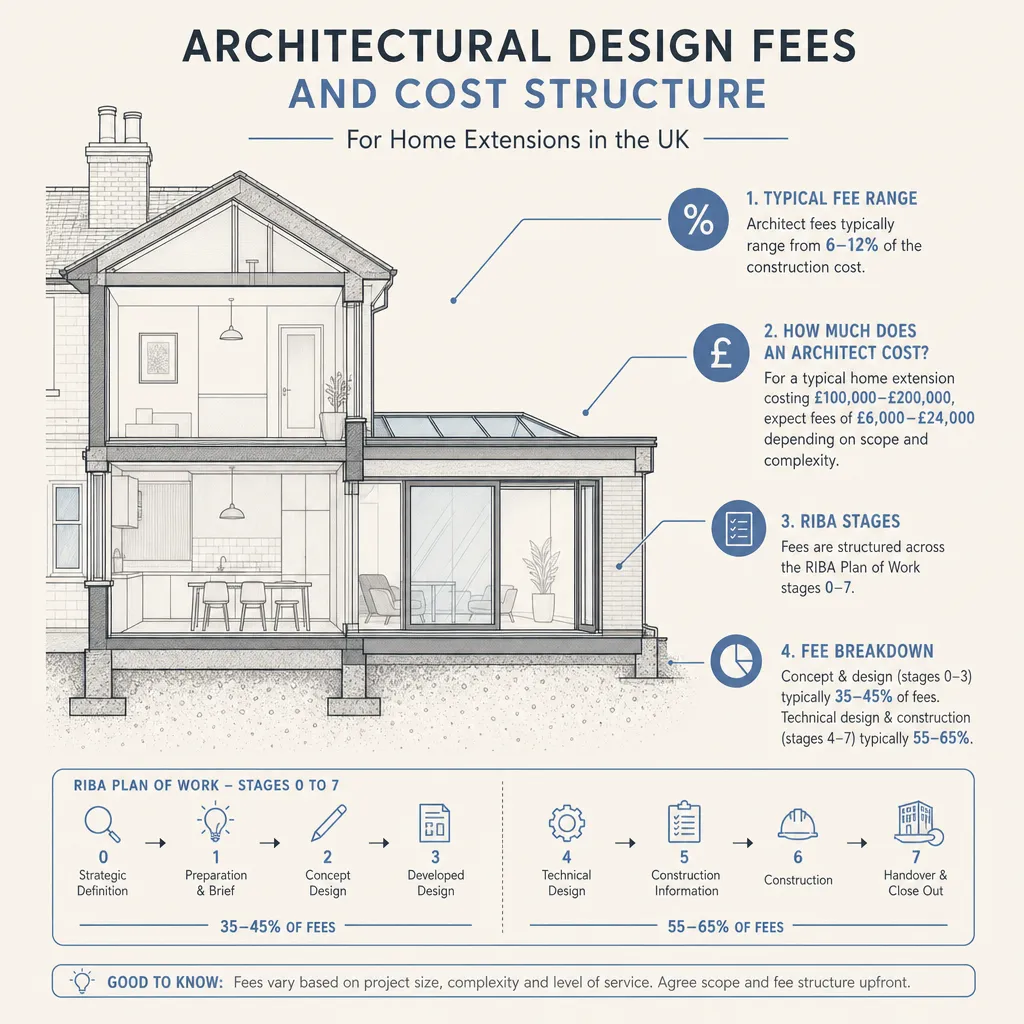
Architectural Design Fees and Cost Structure
UK architects typically charge between 7% and 15% of construction cost for a full residential service, or a fixed fee per RIBA stage for smaller projects. Hourly rates range from £60 to £200 depending on location and experience. Always request a stage-by-stage fee breakdown, confirm whether VAT is included, and compare at least three detailed quotes before appointing.
 Planning & Pre-Build
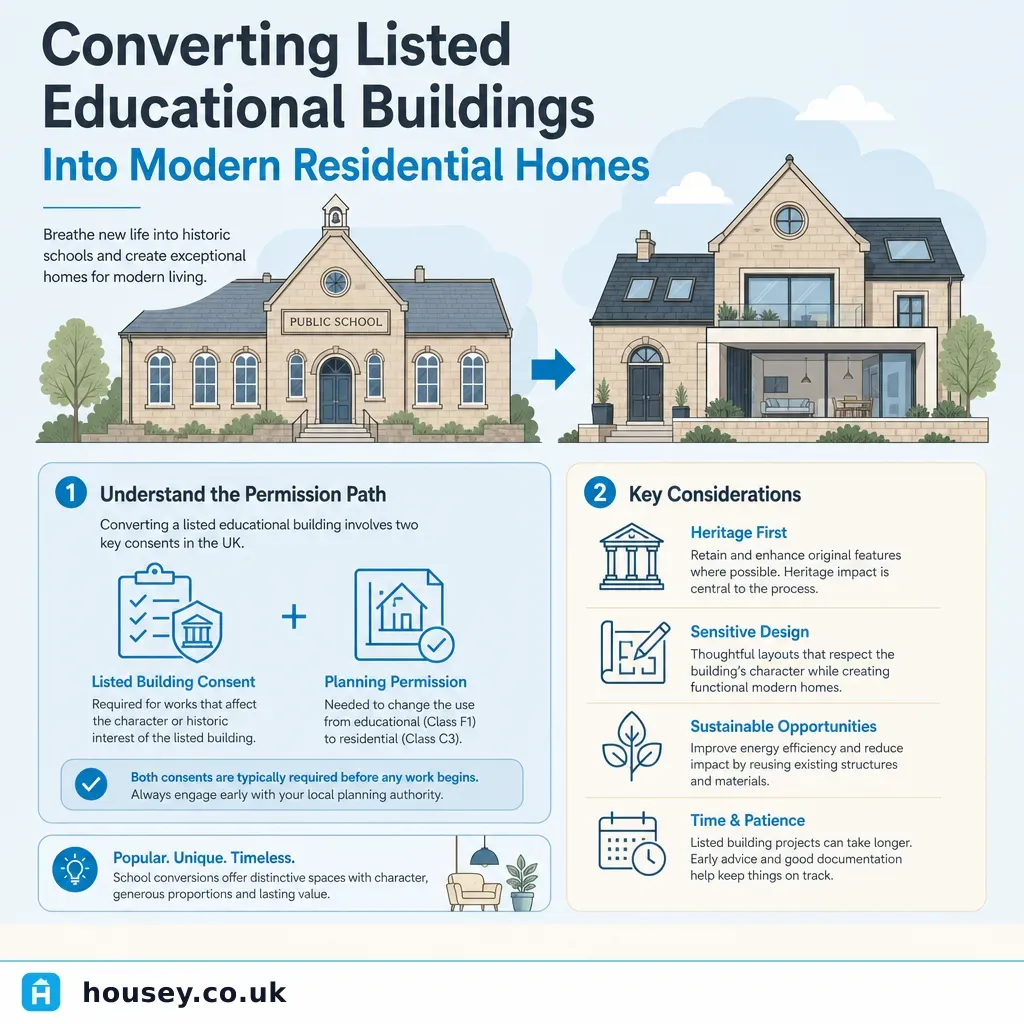
Converting Listed Educational Buildings Into Modern Residential Homes
Converting a listed educational building to residential use requires listed building consent and planning permission for change of use from your local planning authority. You'll need a heritage consultant, structural engineer, and conservation-experienced architect or architectural technologist. Works must preserve the building's special architectural or historic interest. The process typically takes 18–36 months from feasibility to occupation, and consent is not guaranteed.
 Improvement & Build
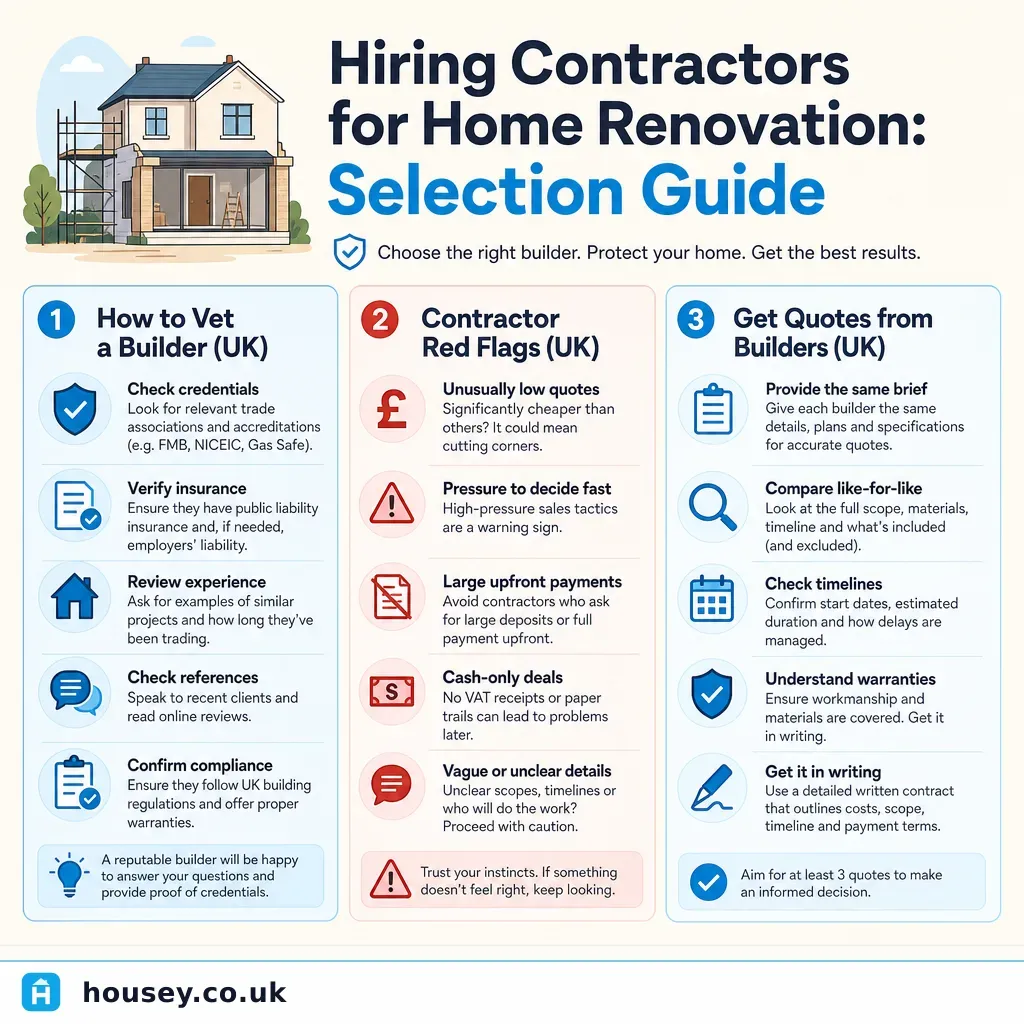
Hiring Contractors for Home Renovation: Selection Guide
To hire a contractor for home renovation, get at least three written quotes from verified tradespeople, check their public liability insurance and trade body registration, and use a written contract with stage payments tied to progress. Red flags include cash-only requests, pressure to sign quickly, and contractors who cannot supply an insurance certificate.
 Improvement & Build
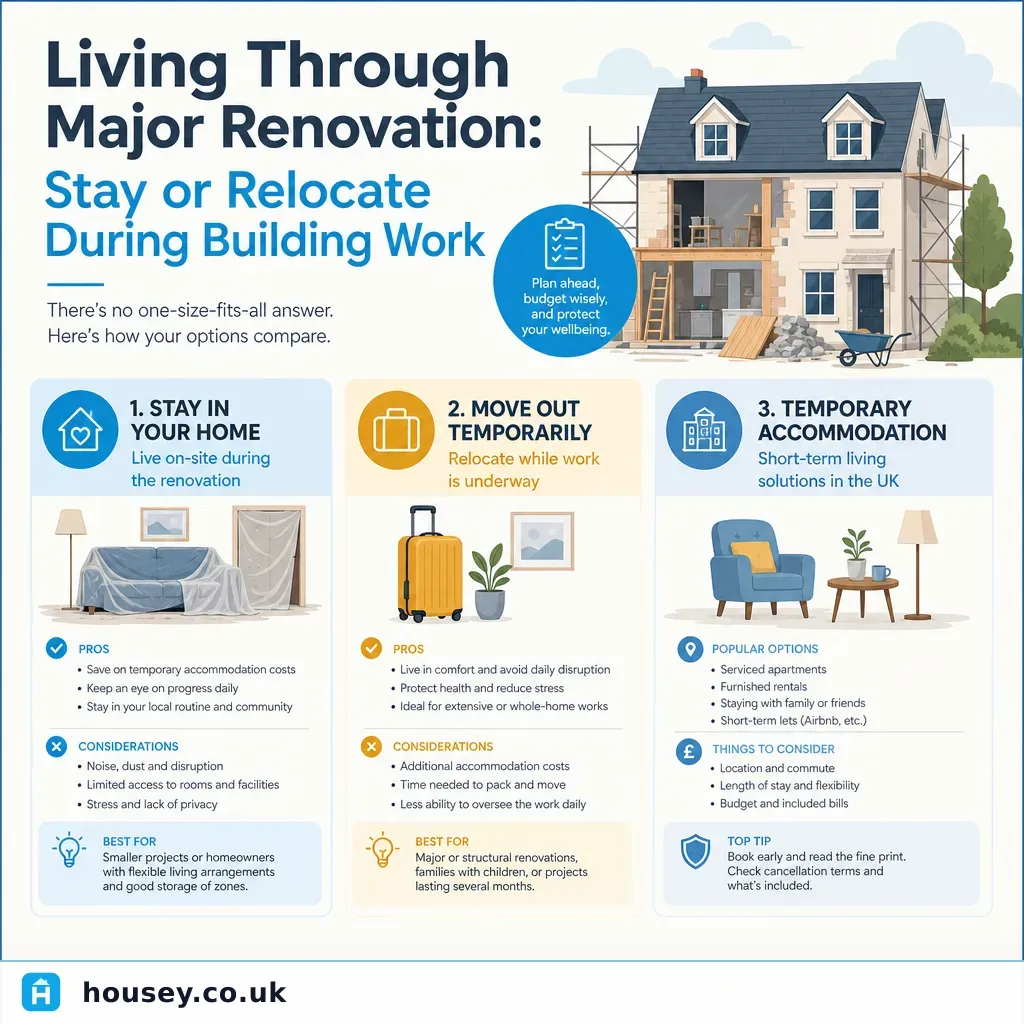
Living Through Major Renovation: Stay or Relocate During Building Work
Whether to stay in your home or relocate during major building work depends on the project scope, programme, and your household's circumstances. Single-zone works can often be managed in situ; full-house renovations lasting more than three months, or projects affecting vulnerable occupants, usually warrant a temporary move. Plan accommodation before work starts, notify your insurer, and agree a phased programme with your contractor.
 Improvement & Build
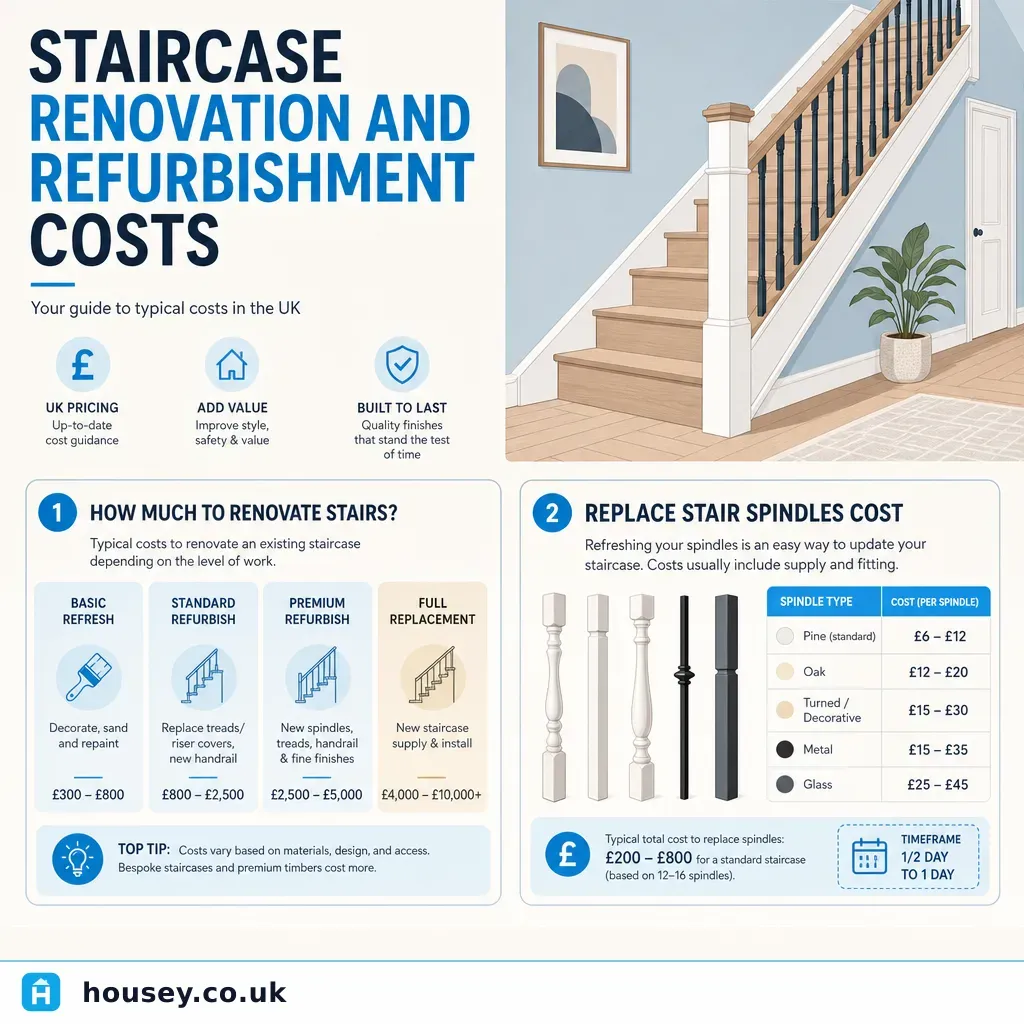
Staircase Renovation and Refurbishment Costs
Staircase renovation costs in the UK range from a few hundred pounds for cosmetic work — painting, replacing spindles, or fitting a carpet runner — to £10,000 or more for a full structural remodel with new treads and balustrade. Cosmetic changes are generally straightforward; structural alterations require building control sign-off under Approved Document K.
 Improvement & Build
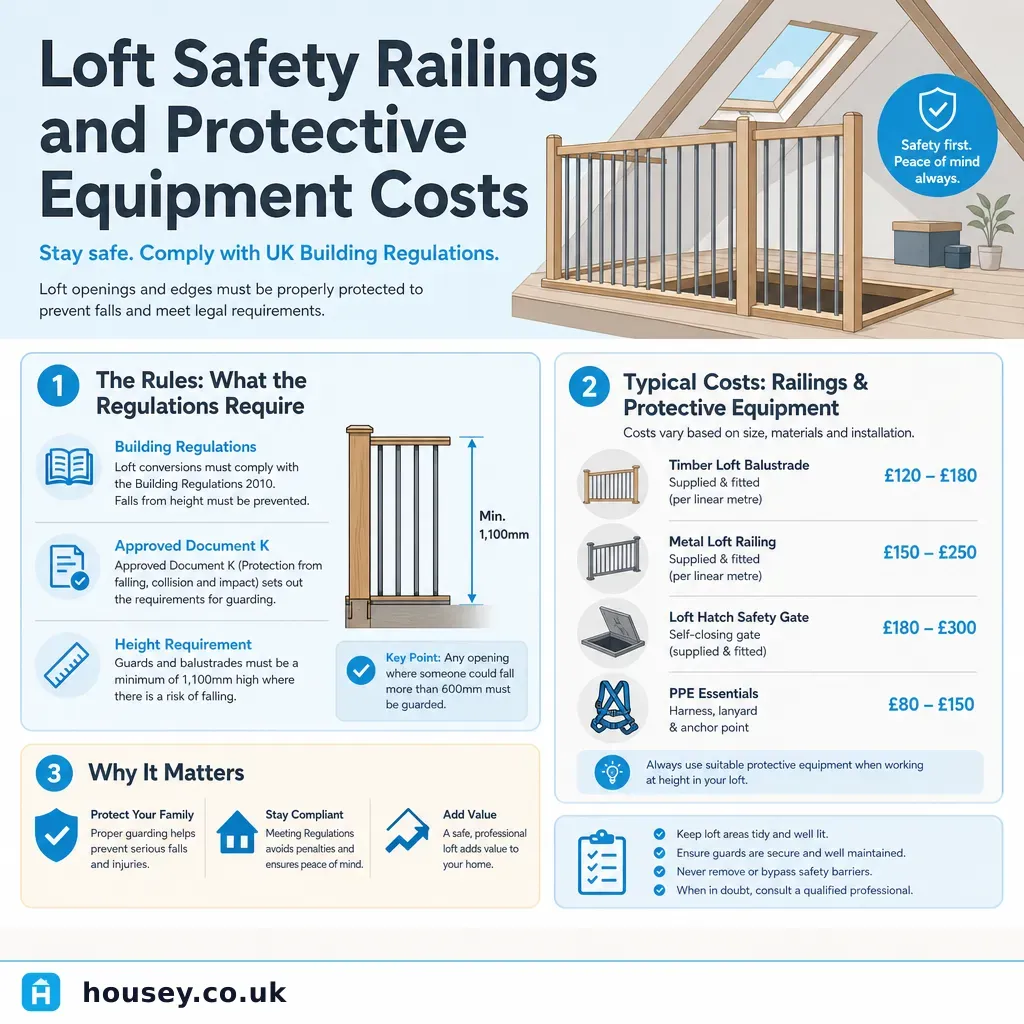
Loft Safety Railings and Protective Equipment Costs
Loft safety railings typically cost £300–£1,800 for a standard balustrade run, depending on material and length. Building Regulations Approved Document K requires guarding at least 1,100 mm high on loft landing edges and floor areas, with no gap wider than 100 mm. A building control completion certificate is usually required for notifiable loft conversion works.
 Planning & Pre-Build
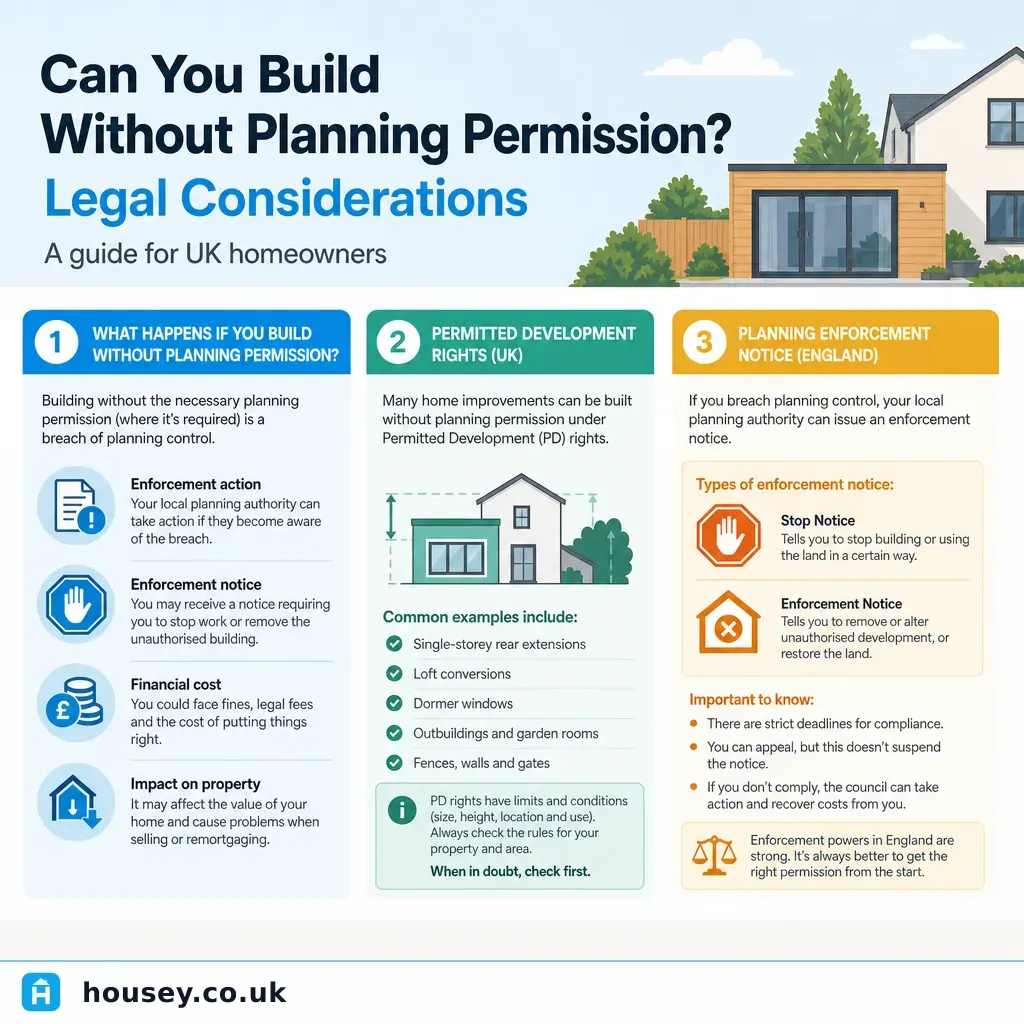
Can You Build Without Planning Permission? Legal Considerations
In England, many small-scale works fall within permitted development rights and need no planning application. Building without permission where it is required can result in enforcement notices or a demolition order. Always check with your local planning authority before starting, especially if your property is listed, in a conservation area, or subject to an Article 4 Direction.
 Energy & Retrofit
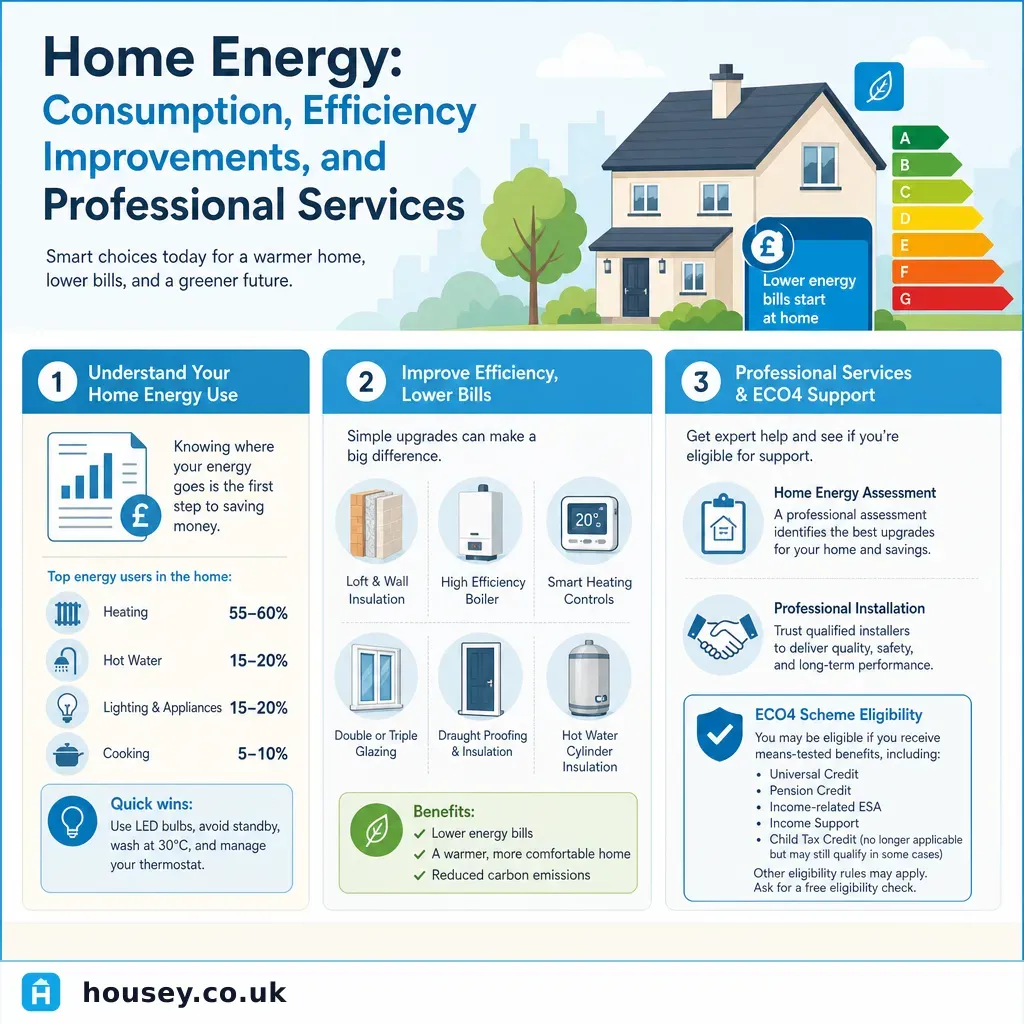
Home Energy: Consumption, Efficiency Improvements, and Professional Services
Most UK homes can cut energy use by 20–40% through insulation, upgraded heating controls, and appliance improvements. Begin with a whole-house assessment to prioritise measures by cost-effectiveness. ECO4 and the Great British Insulation Scheme may fund insulation and heating upgrades at no upfront cost for eligible households.
 Improvement & Build
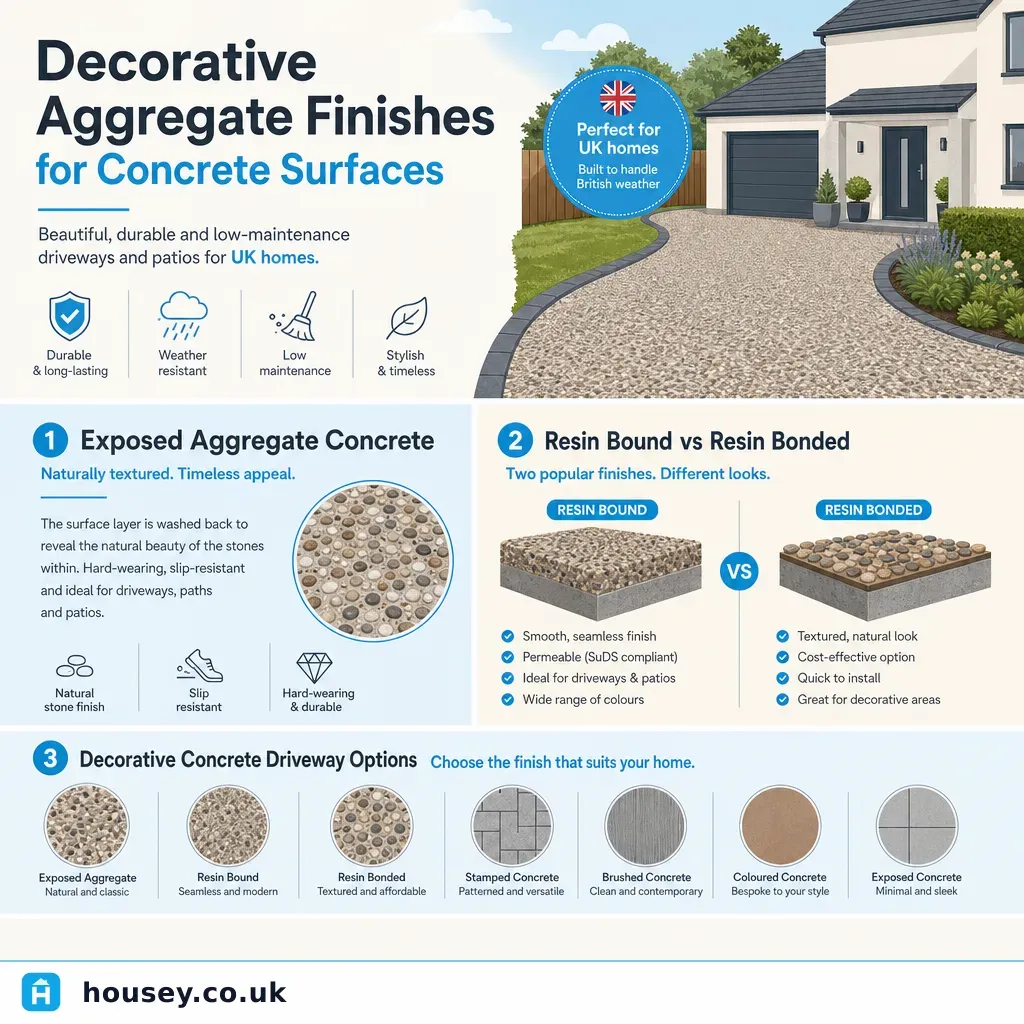
Decorative Aggregate Finishes for Concrete Surfaces
Decorative aggregate finishes for driveways and paths fall into four main types: exposed aggregate concrete, resin-bound aggregate (permeable and SuDS-compliant), resin-bonded aggregate (not permeable), and tar-chip. Resin-bound is the only type that qualifies for permitted development on front driveways over 5 square metres without planning permission. Aggregate choice, sub-base specification, and installer experience all significantly affect durability and drainage performance.