Knowledge Base
Property advice that actually helps
Researched, UK-specific guides for every stage of homeownership — from buying and surveys to retrofit, planning and major works.
 Surveys & Inspections
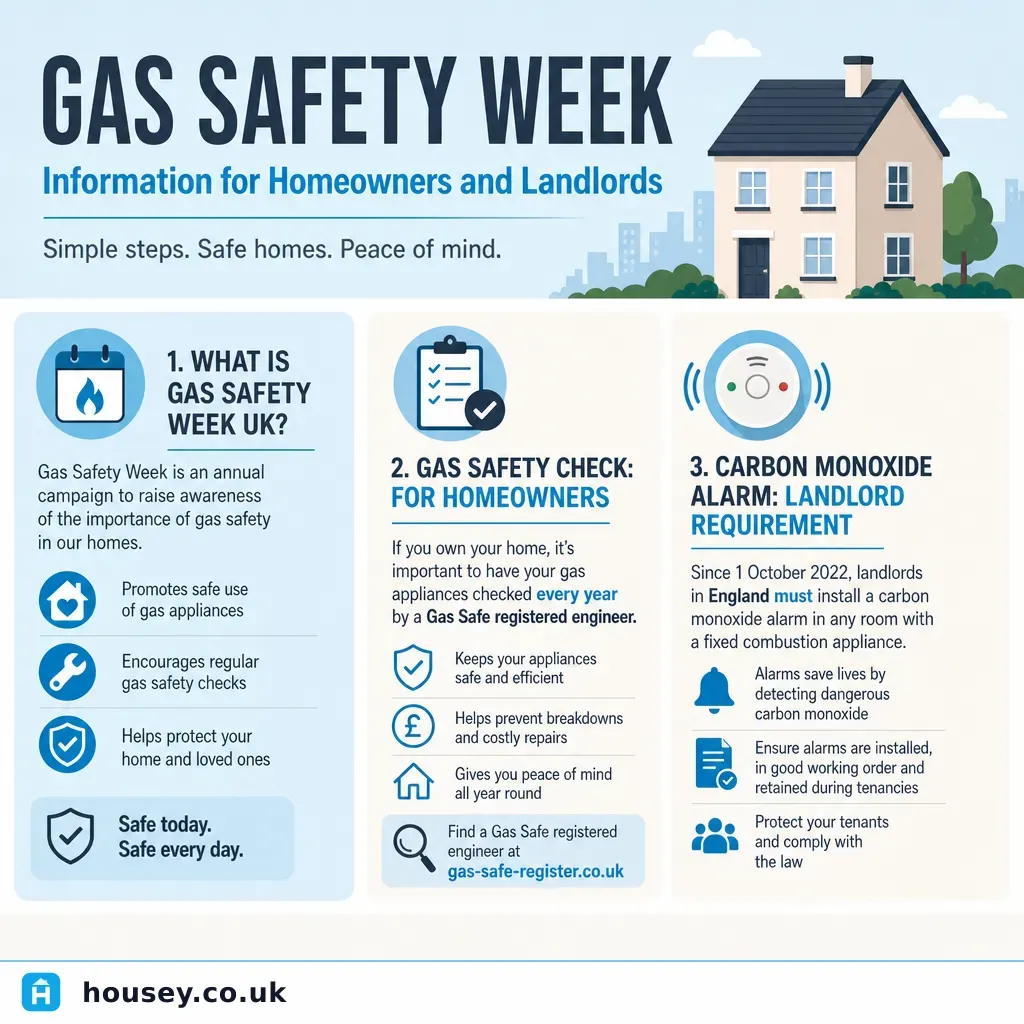
Gas Safety Week: Information for Homeowners and Landlords
Gas Safety Week, run each September by Gas Safe Register, highlights the risks of unsafe gas appliances and unlicensed gas work. Homeowners are encouraged to arrange annual appliance checks with a Gas Safe registered engineer. Landlords must also ensure their Landlord Gas Safety Record (CP12) is current and that carbon monoxide alarms comply with the Smoke and Carbon Monoxide Alarm (Amendment) Regulations 2022.
 Improvement & Build
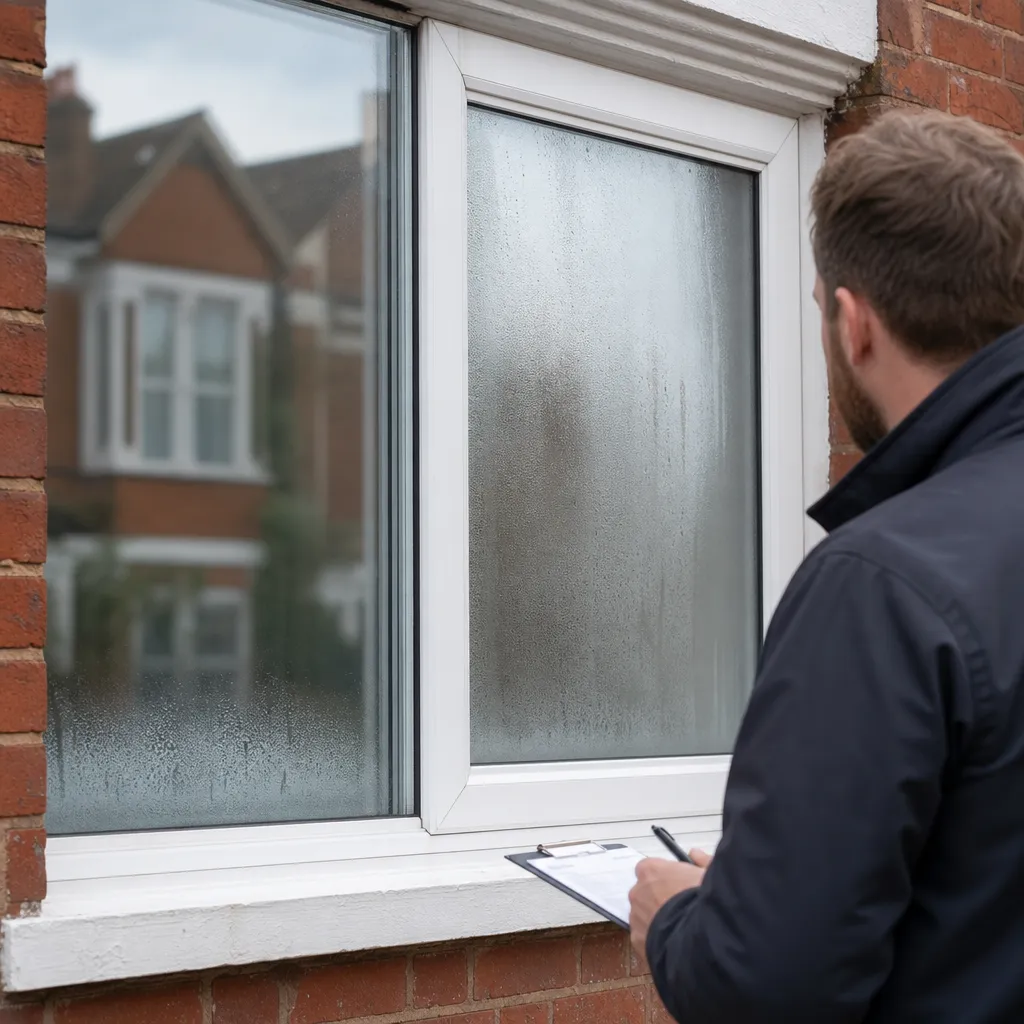
Why Double-Glazed Windows Become Misty or Foggy
Misting between double-glazed panes means the hermetic seal of the insulated glazing unit (IGU) has failed, allowing humid air into the cavity. The misting cannot be wiped away. The standard fix is sealed unit replacement — retaining the existing frame and swapping only the glass pack — which typically costs £80–£200 per unit in the UK.
 Improvement & Build
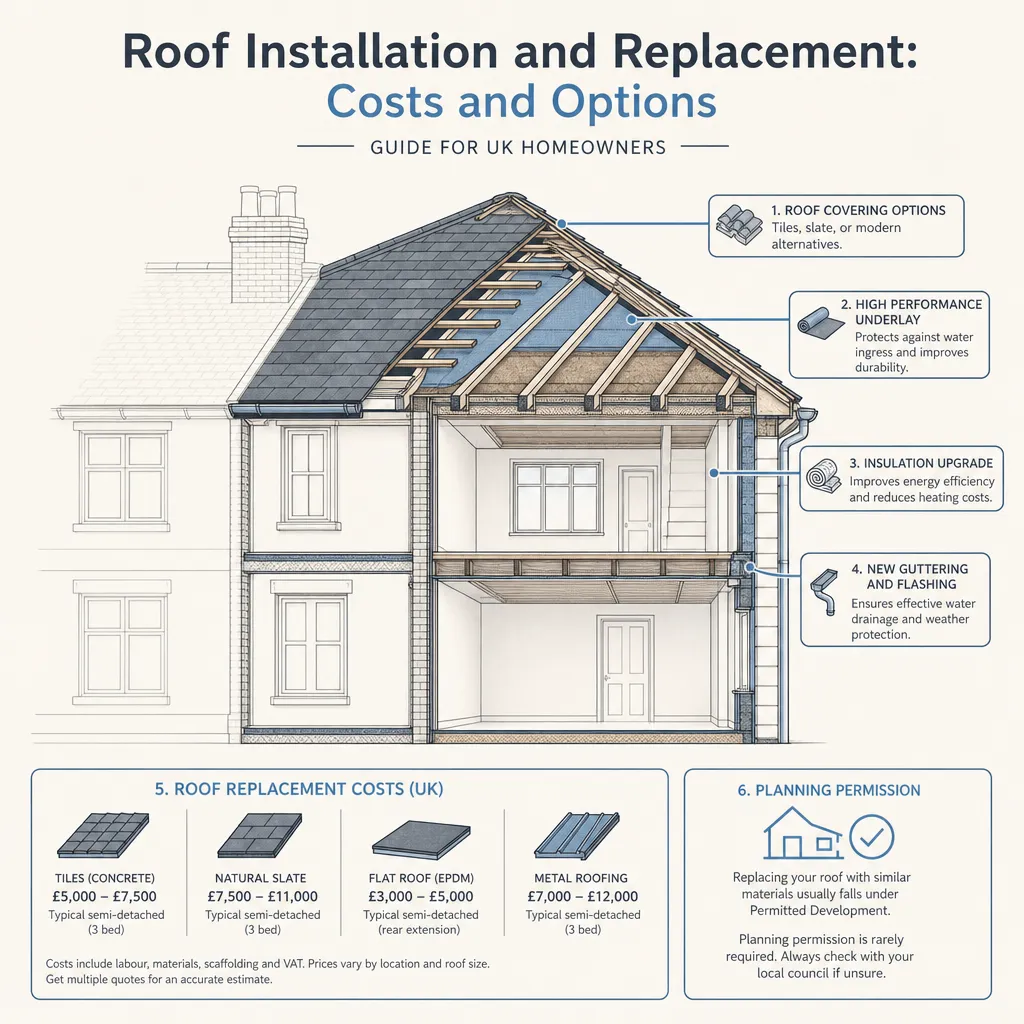
Roof Installation and Replacement: Costs and Options
A full pitched roof replacement on a UK semi-detached house typically costs £5,000–£12,000 depending on materials, roof complexity, and structural condition. Clay tiles and natural slate last longest but cost more than concrete. Building regulations approval is required, and the project is an opportunity to upgrade roof insulation to current Part L standards.
 Improvement & Build
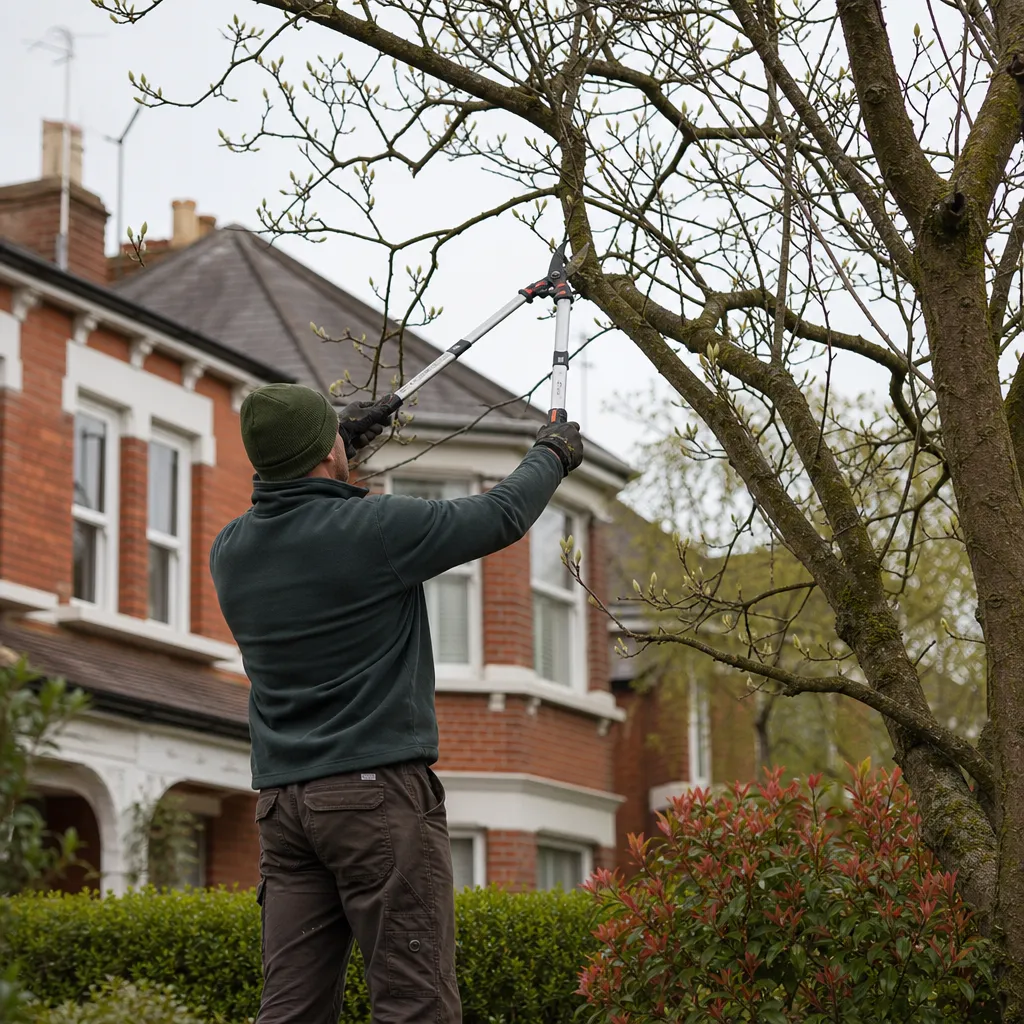
When to Prune Trees: Timing Guide for UK Tree Care
Most deciduous trees are best pruned between November and February, when dormancy reduces disease risk. Stone fruit trees such as plums and cherries should be pruned in summer to avoid silver leaf disease. Always check whether a tree has a Tree Preservation Order before starting work, as pruning without consent is a criminal offence.
 Planning & Pre-Build
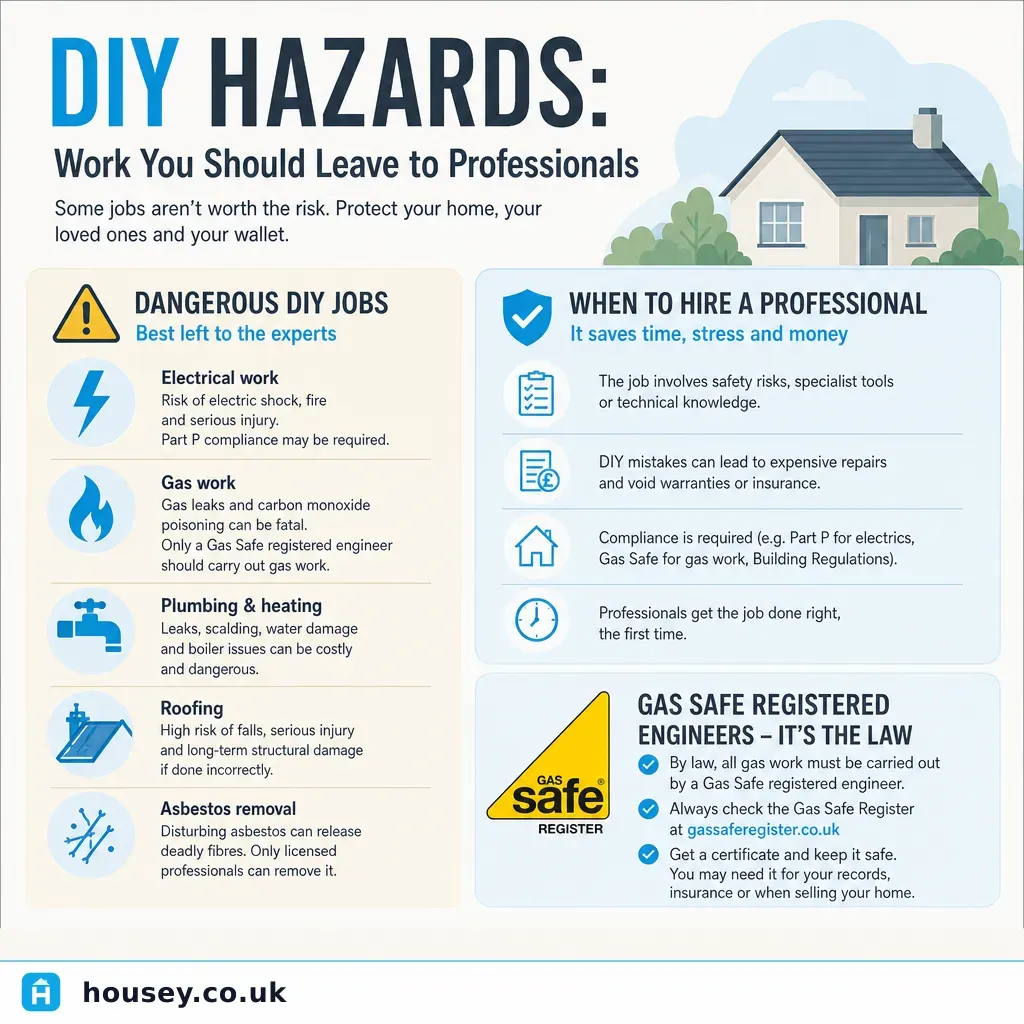
DIY Hazards: Work You Should Leave to Professionals
Several types of home improvement work are legally restricted or carry serious safety risks for UK homeowners. Gas installation and repair must be done by a Gas Safe registered engineer. Electrical work on consumer units or in bathrooms requires a registered competent person. Asbestos disturbance, structural alterations, and work at height above 2m should always involve qualified professionals.
 Surveys & Inspections
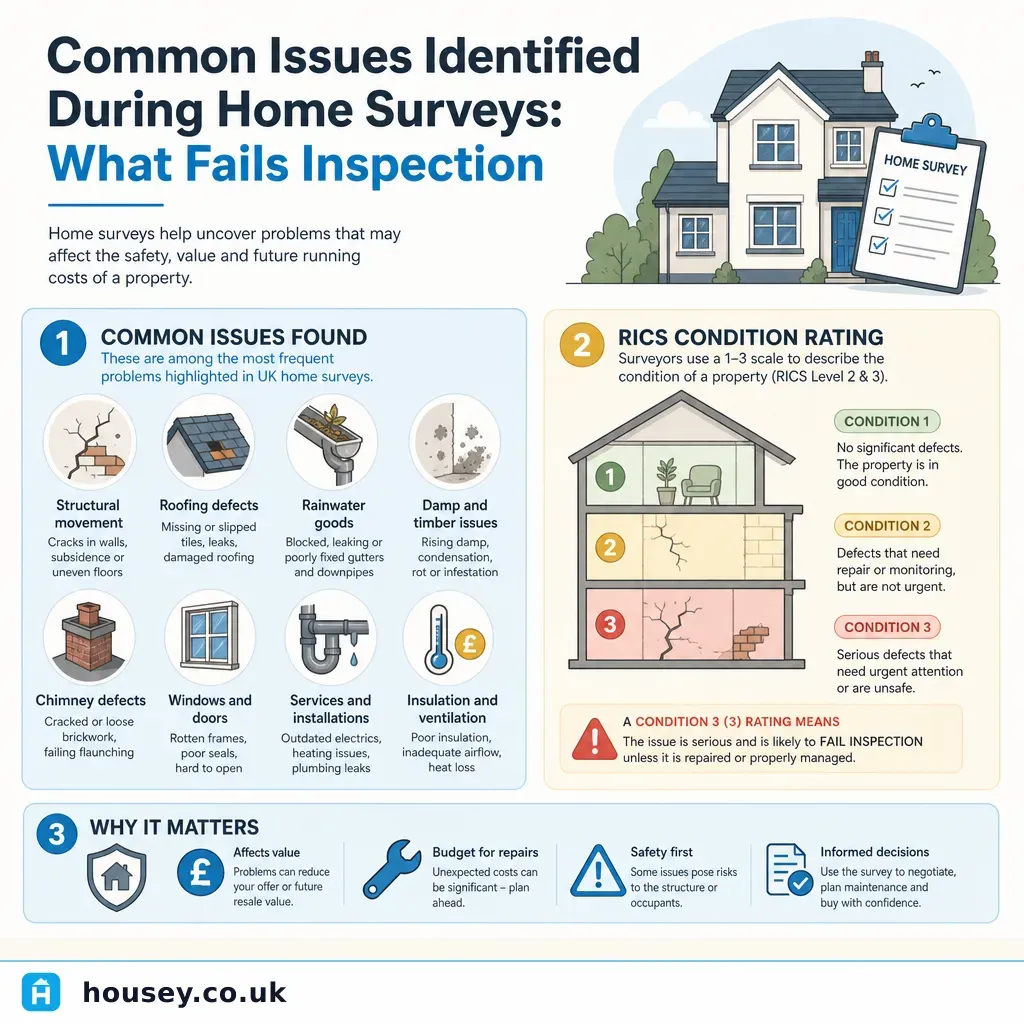
Common Issues Identified During Home Surveys: What Fails Inspection
The most common findings in UK home surveys are damp and moisture penetration, roof defects, structural movement indicators, outdated electrical installations, and drainage faults. Most issues are not deal-breakers but inform price negotiation or remedial works. Older properties — especially pre-1919 Victorian and Edwardian homes — attract the highest defect frequency.
 Energy & Retrofit
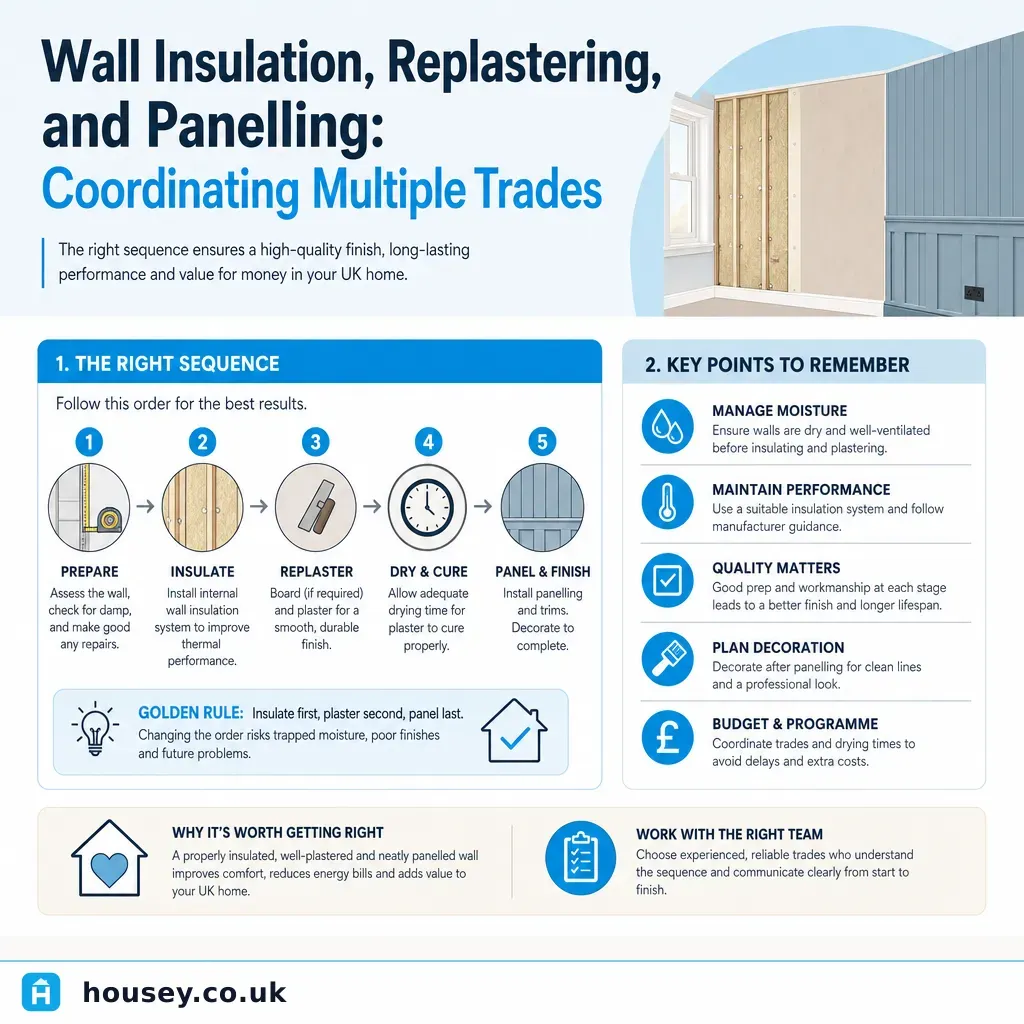
Wall Insulation, Replastering, and Panelling: Coordinating Multiple Trades
Coordinating wall insulation with replastering and panelling requires a strict trade sequence: damp assessment first, then first-fix electrical, insulation, boarding, wet plaster, and second-fix. Skipping steps — especially moisture surveys or electrical re-routes — risks trapping damp, invalidating guarantees, or failing Building Regulations compliance.
 Energy & Retrofit
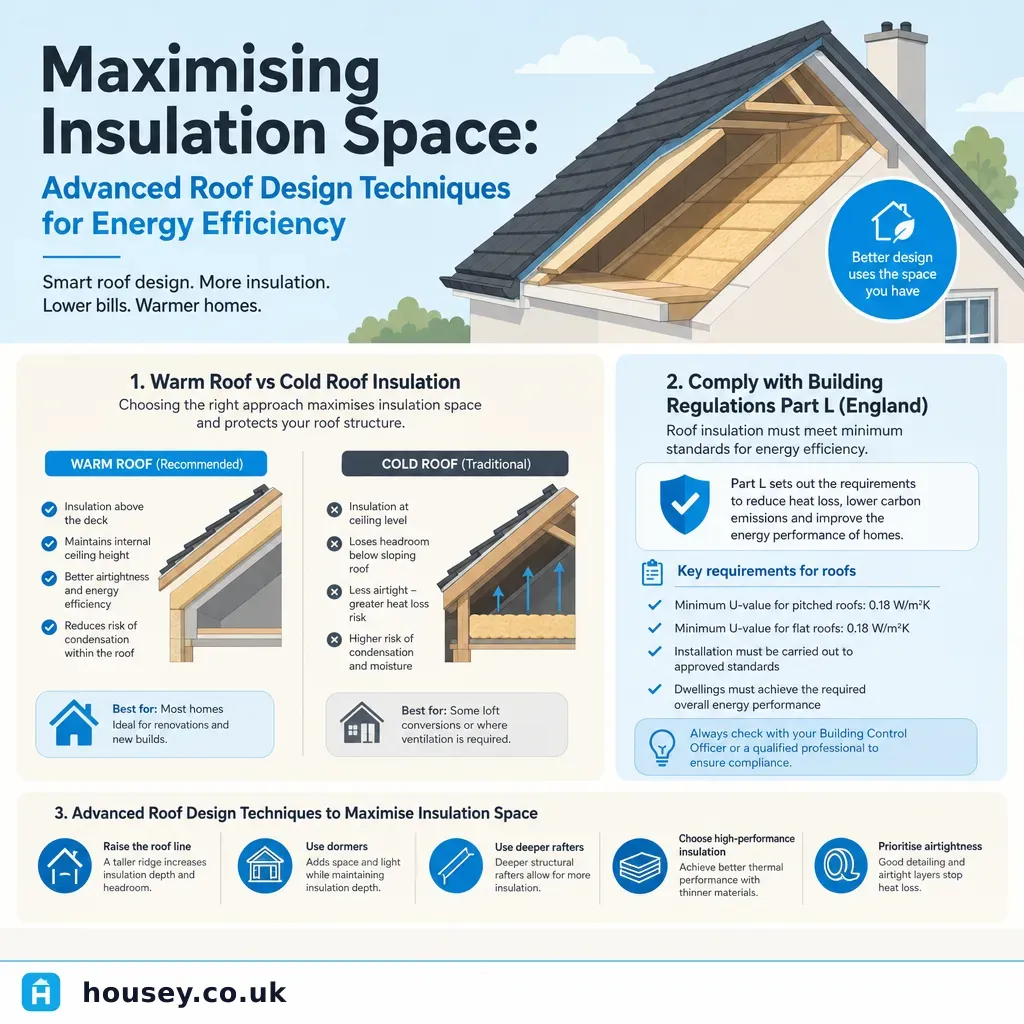
Maximising Insulation Space: Advanced Roof Design Techniques for Energy Efficiency
Maximising insulation space in a roof depends on the roof type, construction era, and energy targets. Warm roof decks, raised heel trusses, and hybrid cold-warm configurations all increase effective insulation depth. Building Regulations Part L sets minimum U-values of 0.16 W/m²K; most upgrades require a competent installer and may need building control sign-off.
 Improvement & Build
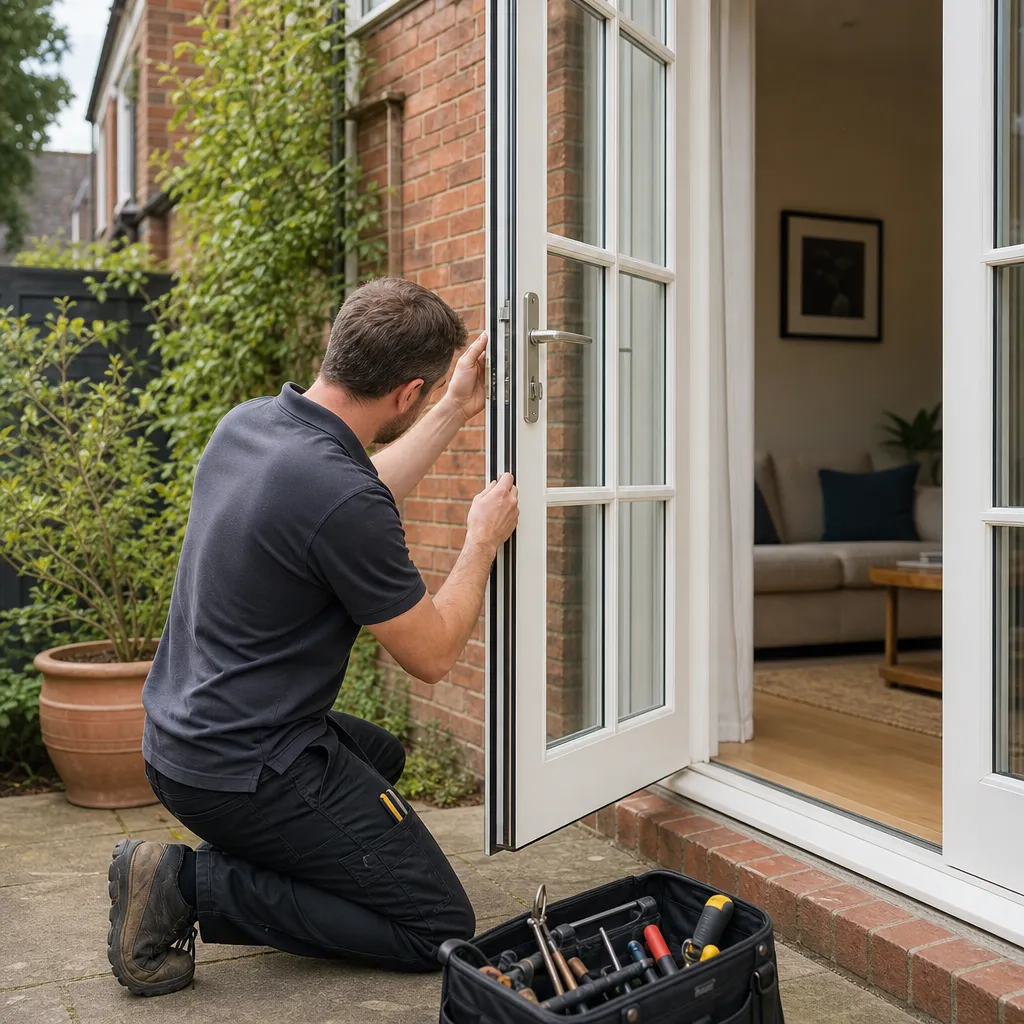
Diagnosing and Fixing French Door Closure Issues
French doors that won't close are usually caused by hinge drop, a misaligned keep plate, or seasonal timber swelling. Check where the door binds, inspect the hinges for loose screws, and test the keep plate alignment. Minor adjustments are straightforward DIY; frame racking or structural movement needs a professional assessment.
 Improvement & Build
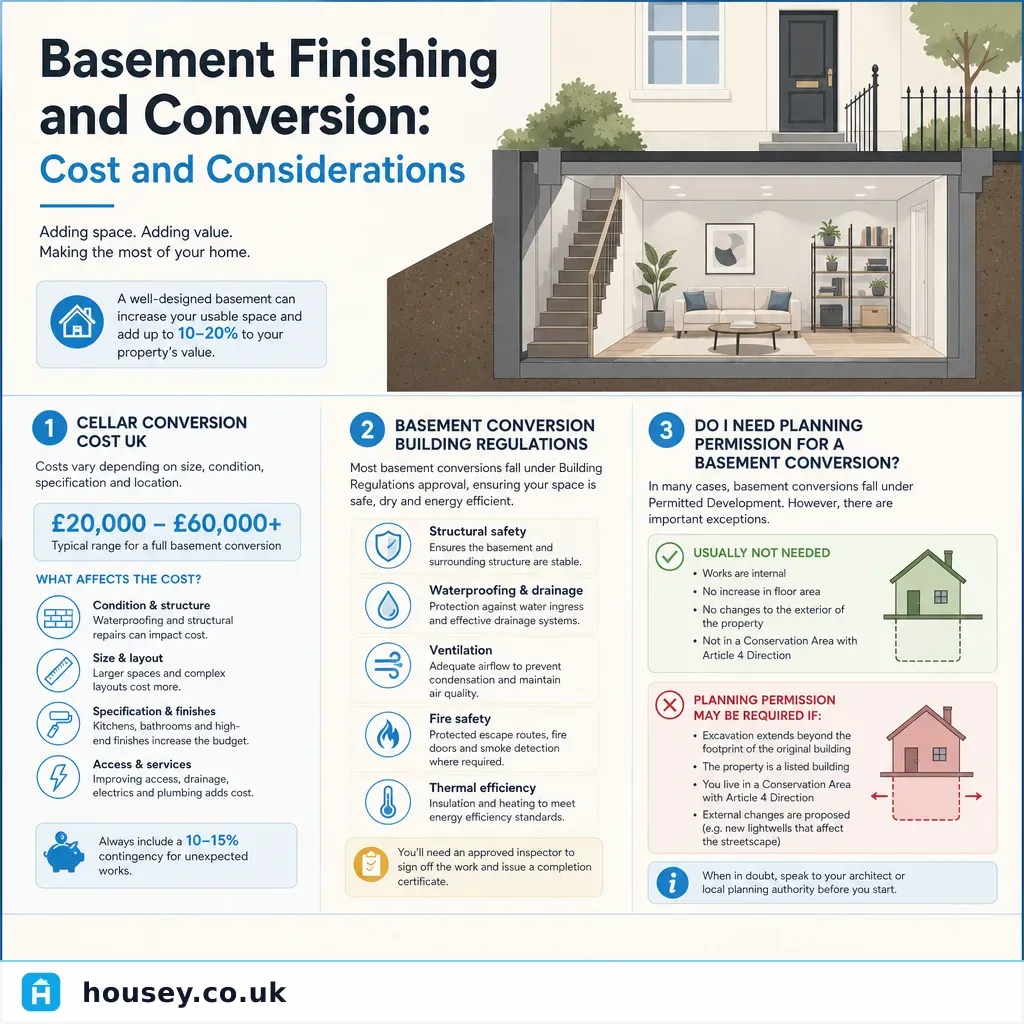
Basement Finishing and Conversion: Cost and Considerations
Converting an existing basement or cellar into a habitable room in the UK typically costs £1,500–£3,000 per square metre, depending on the condition, waterproofing method, and fit-out specification. Most conversions require building regulations approval but not planning permission. A structural engineer and a Property Care Association-accredited waterproofing specialist are usually essential.
 Planning & Pre-Build
Specialist Considerations When Acquiring Historic and Listed Properties
Buying a listed property in the UK means inheriting the regulatory history — including any unauthorised alterations made by previous owners. You will need a RICS Level 3 survey from a specialist, careful conveyancing to check for enforcement notices, and likely a heritage or conservation consultant if you plan any changes after purchase.
 Improvement & Build
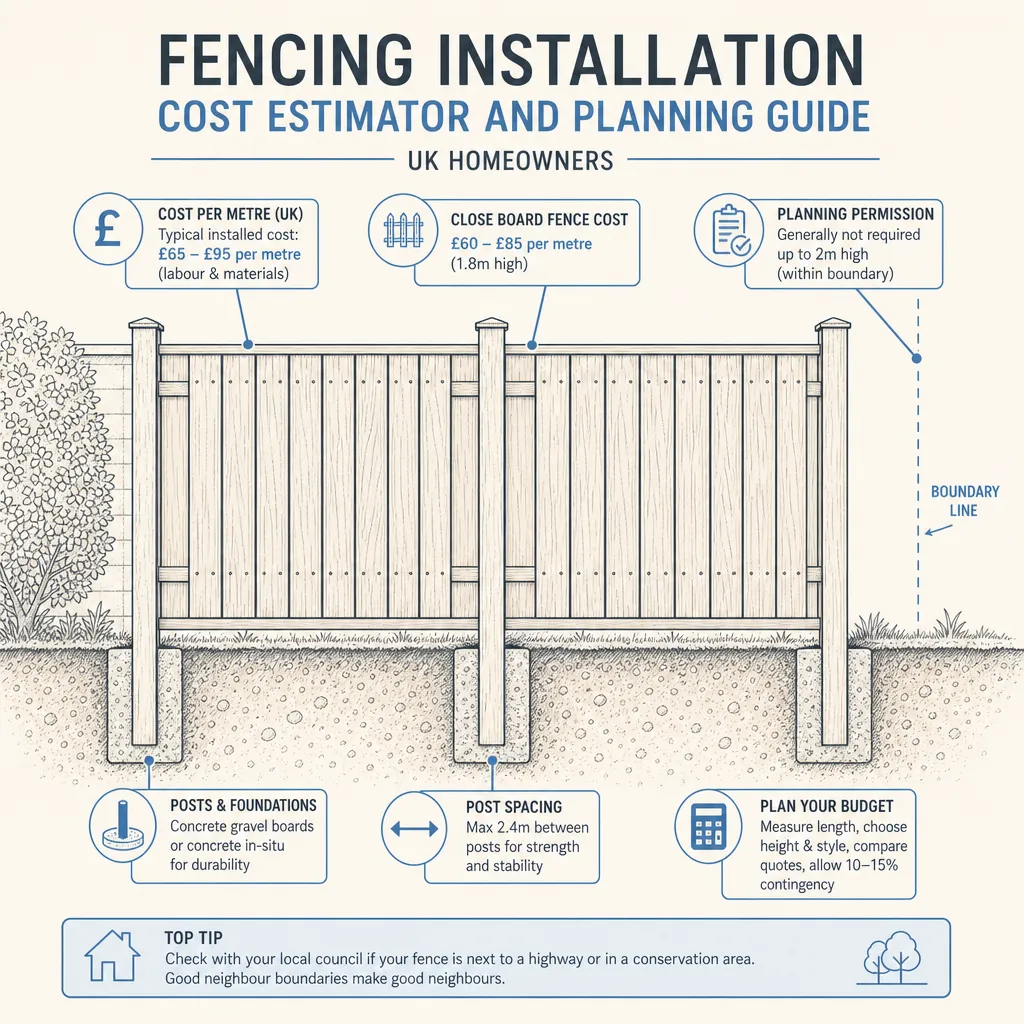
Fencing Installation Cost Estimator and Planning Guide
Fencing installation in the UK typically costs £50–£160 per metre installed, depending on fence type and ground conditions. Close-board fencing runs £80–£160 per metre. Fences over 2 metres, or adjacent to a highway, usually require planning permission. Always check your Land Registry title documents to confirm boundary ownership before instructing a contractor.