Knowledge Base
Property advice that actually helps
Researched, UK-specific guides for every stage of homeownership — from buying and surveys to retrofit, planning and major works.
 Improvement & Build
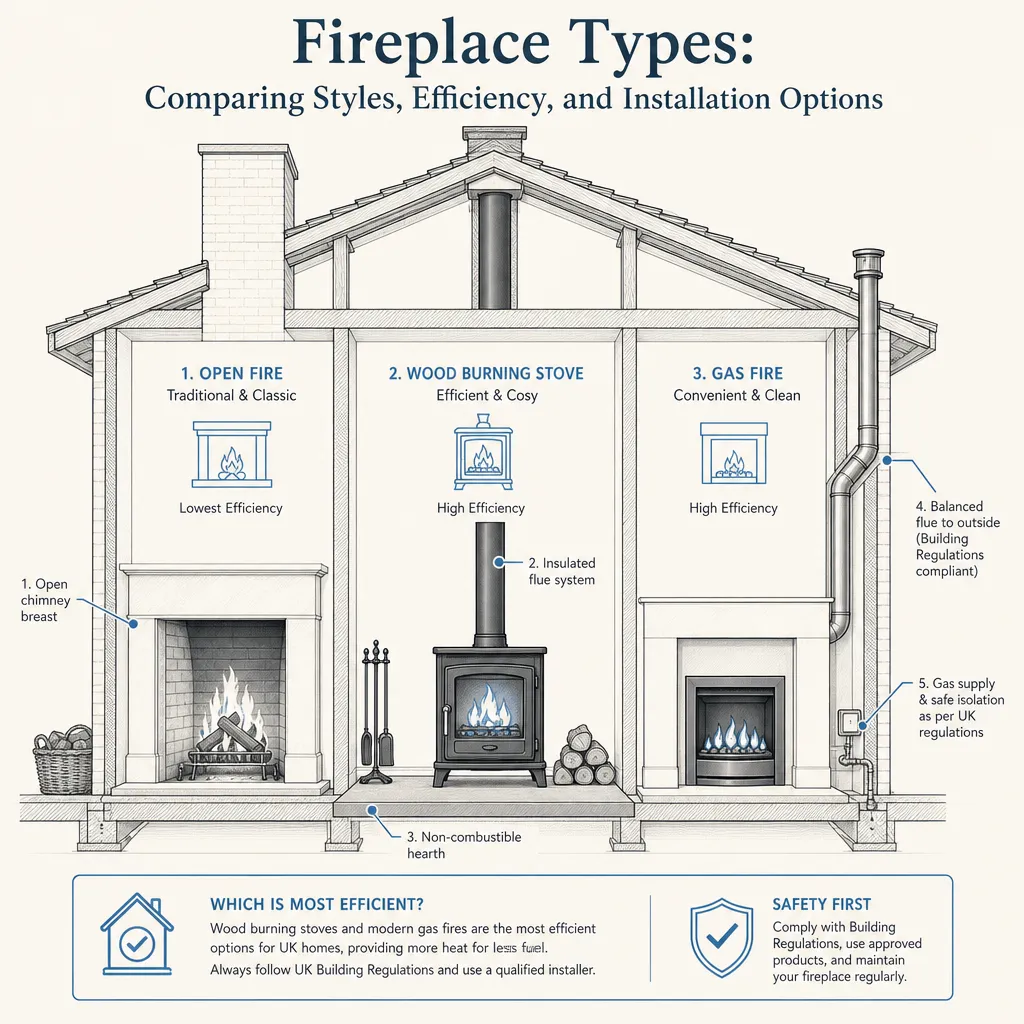
Fireplace Types: Comparing Styles, Efficiency, and Installation Options
UK homeowners can choose from open fires, wood-burning stoves, multi-fuel stoves, gas fires, electric fires, and bioethanol fireplaces. Each differs in efficiency, installation requirements, and running costs. Wood-burning stoves typically achieve 65–80% efficiency, while open fires return around 30%. Gas fires require a Gas Safe registered engineer by law.
 Improvement & Build
Specialist Tree Removal and Extraction Costs
Specialist tree removal costs in the UK range from around £150 for small trees to £3,000 or more for large mature specimens, with palm trees typically costing more due to specialist technique. Costs depend on tree size, species, access, and disposal. Stump grinding usually adds £60–£250. Always use a qualified, insured arborist.
 Energy & Retrofit
Central Heating Systems: Comparing Boiler Options for UK Homes
UK homes are generally heated by a combi boiler (no cylinder needed), system boiler (needs a hot water cylinder), or regular boiler (needs both a cylinder and cold-water tank). Heat pumps are a growing low-carbon alternative. The right choice depends on household size, hot water demand, and existing pipework. All gas boiler installation must be carried out by a Gas Safe registered engineer.
 Improvement & Build
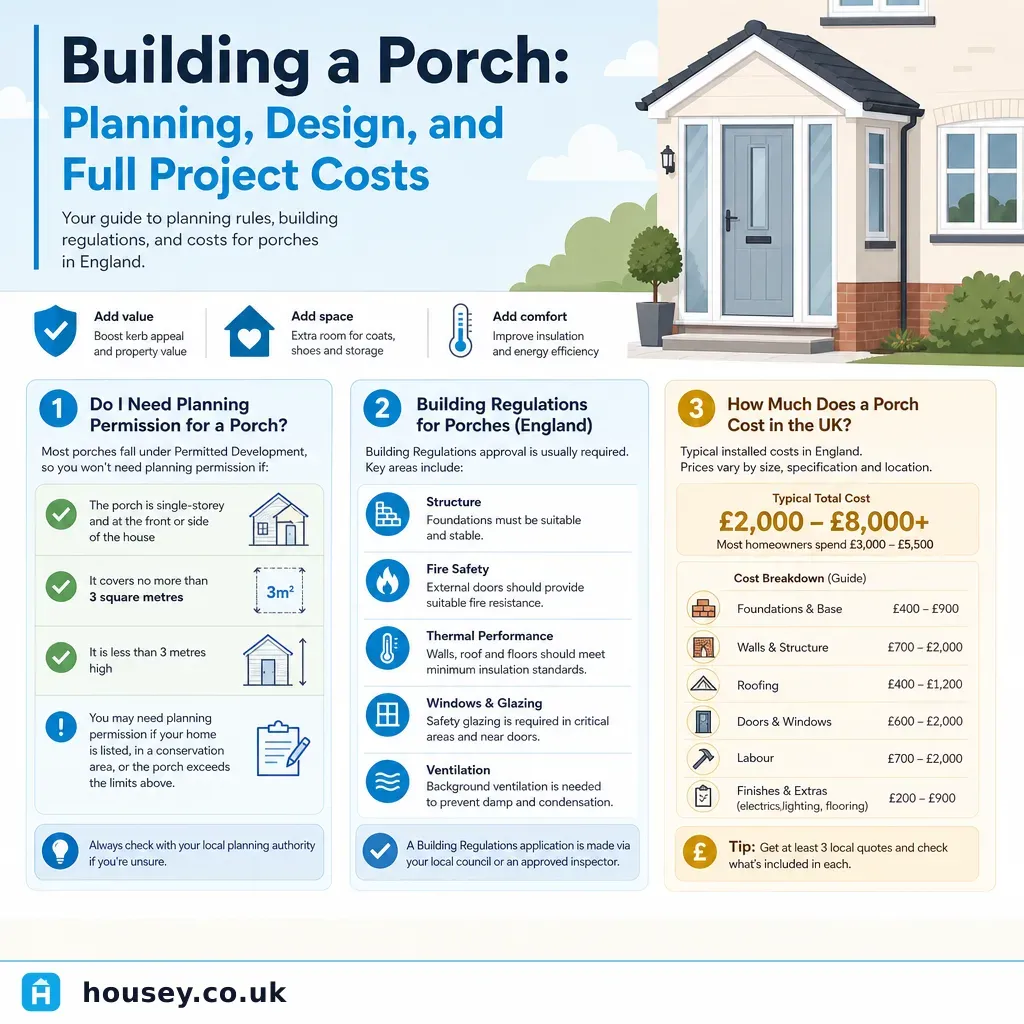
Building a Porch: Planning, Design, and Full Project Costs
Most porches with an external floor area of 3m² or less can be built without planning permission in England under permitted development rights, but building regulations approval is almost always required. Costs typically range from £3,000 for a basic uPVC structure to £15,000 for a brick-built porch. Listed buildings and conservation area properties need additional consent — check with your local planning authority first.
 Planning & Pre-Build
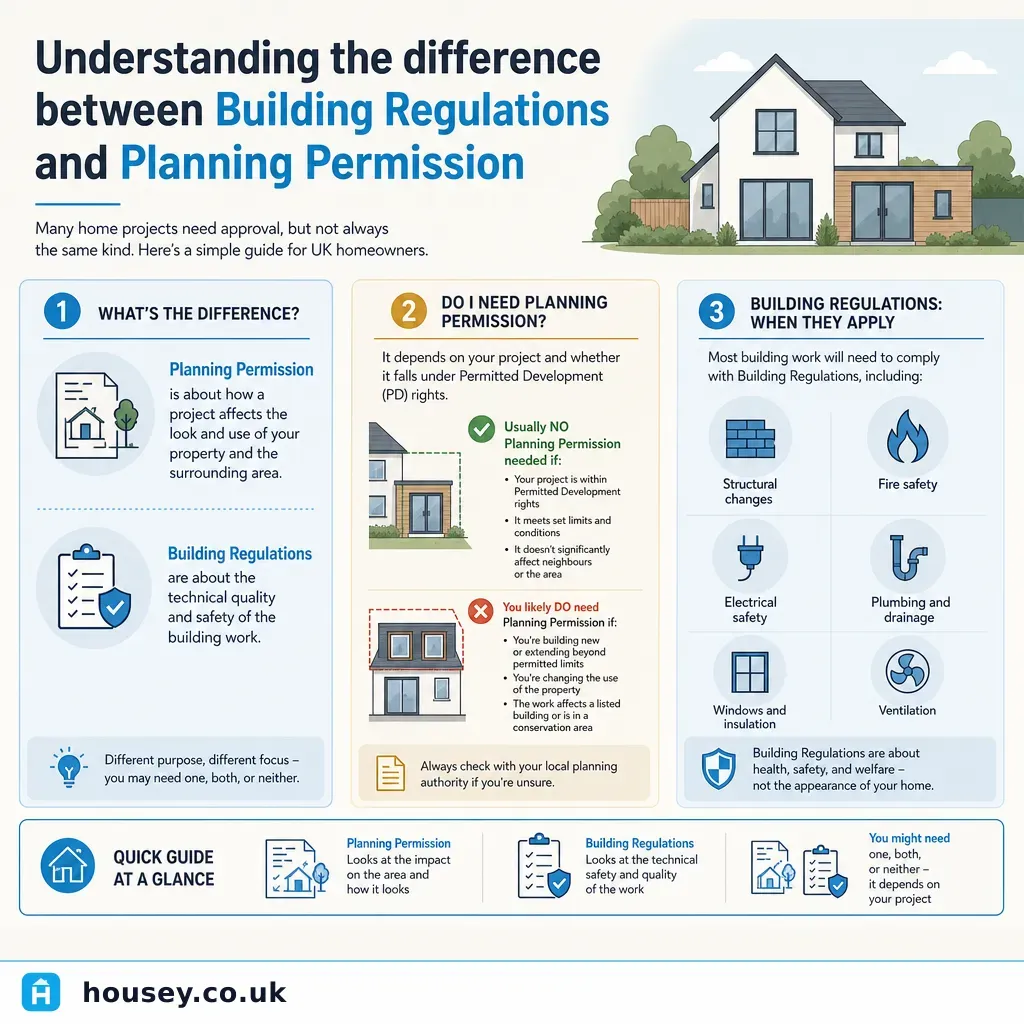
Understanding the difference between building regulations and planning permission
Planning permission is granted by your Local Planning Authority and controls whether a development is acceptable in principle — its appearance, use, and impact on the area. Building regulations are administered by Building Control and set minimum standards for how work must be built safely. You may need one, both, or neither depending on the specific work, your property type, and its location.
 Surveys & Inspections
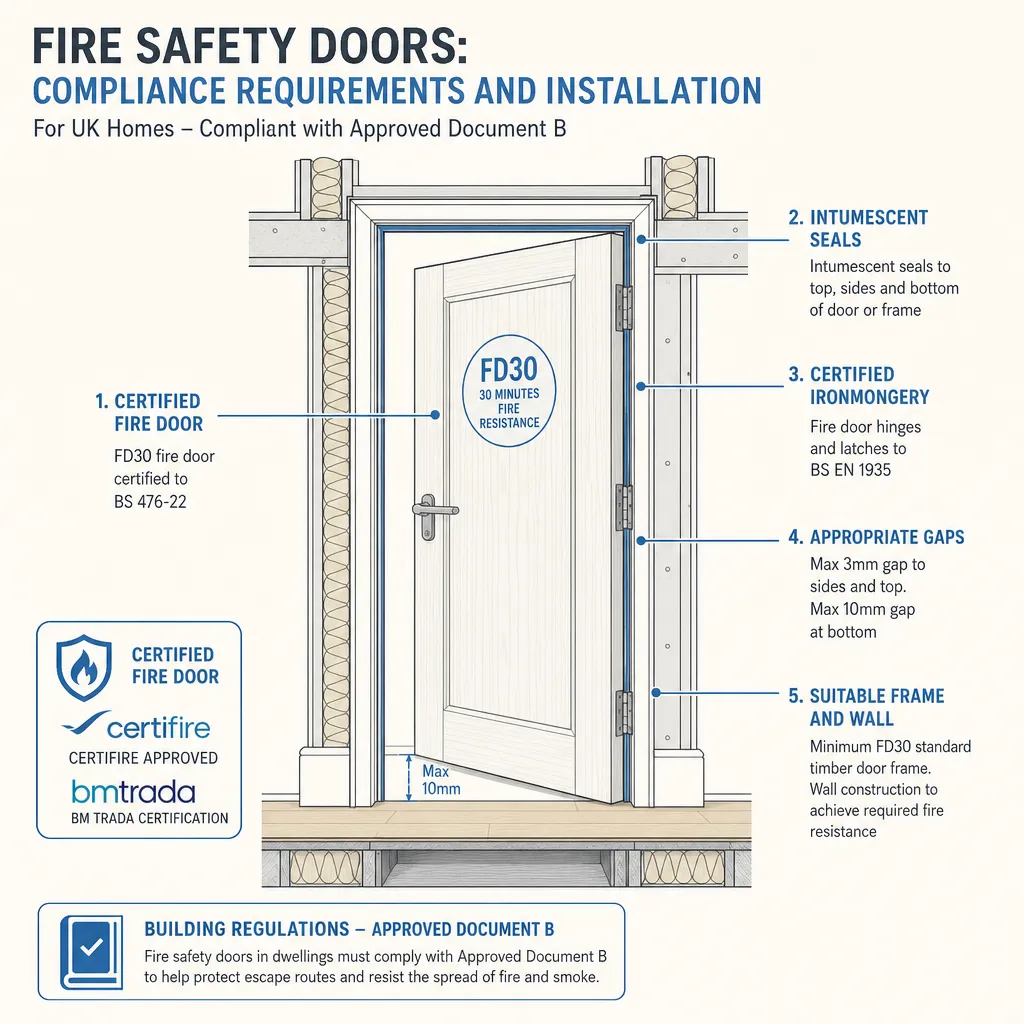
Fire Safety Doors: Compliance Requirements and Installation
Fire doors in England must meet BS 476-22 or BS EN 1634-1 and carry third-party certification from a UKAS-accredited scheme such as CERTIFIRE or BM TRADA Q-Mark. Approved Document B specifies where FD30 or FD60 doors are required in new builds and conversions. In HMOs and multi-occupancy buildings, the Regulatory Reform (Fire Safety) Order 2005 requires regular fire door inspection and maintenance.
 Improvement & Build
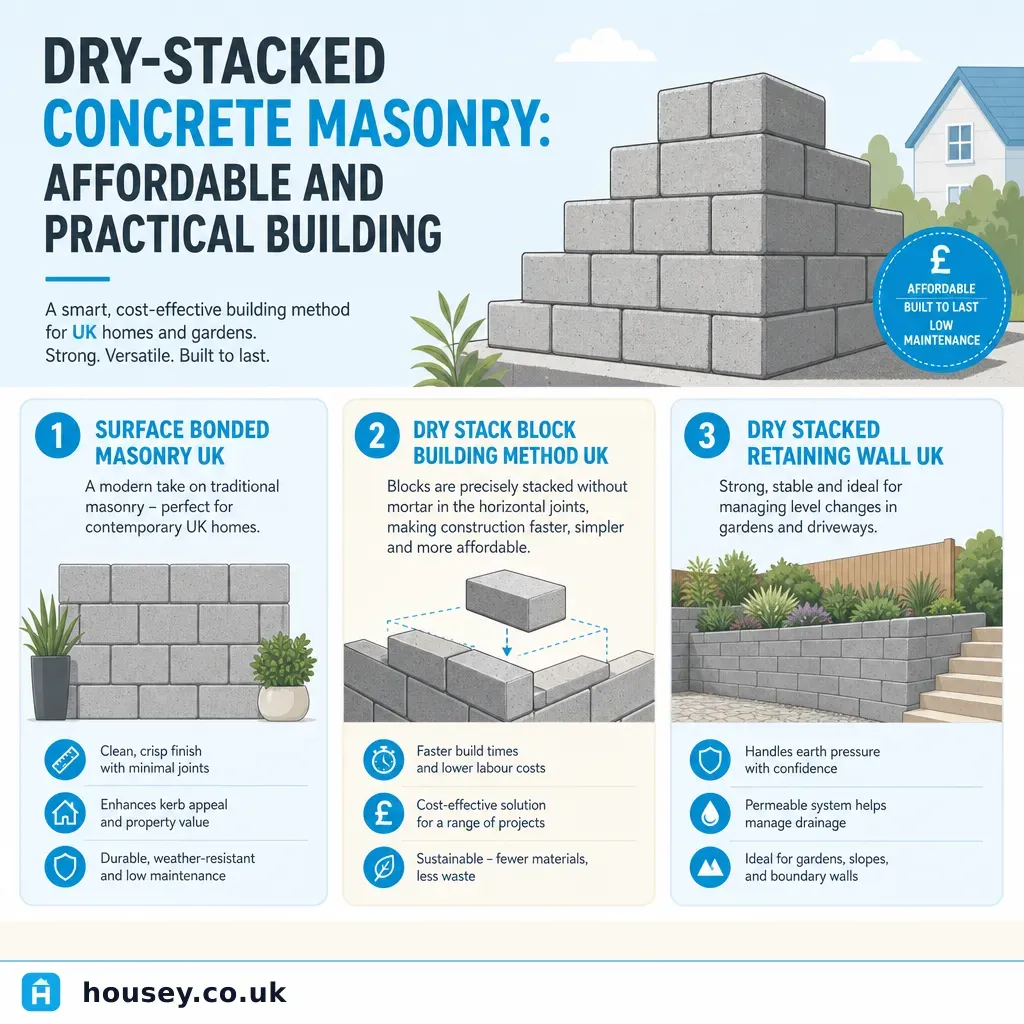
Dry-Stacked Concrete Masonry: Affordable and Practical Building
Dry-stacked concrete masonry stacks blocks without mortar and coats both wall faces with a surface bonding compound, reducing labour time and skill requirements. In the UK it suits garden buildings, boundary walls, retaining walls, and single-storey outbuildings. Building Regulations approval is still required for habitable structures, and the technique is not used for multi-storey domestic construction.
 Improvement & Build
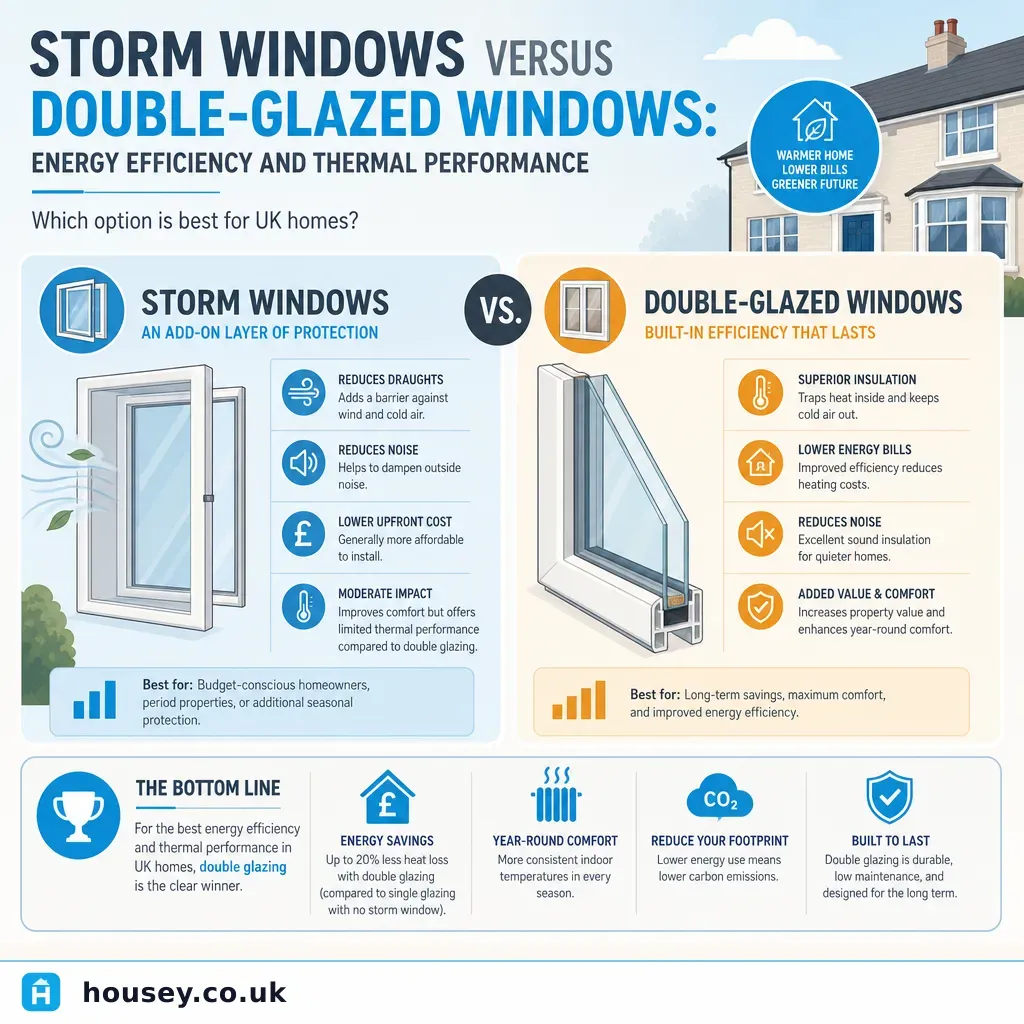
Storm Windows versus Double-Glazed Windows: Energy Efficiency and Thermal Performance
In the UK, storm windows are usually called secondary glazing — a supplementary inner pane fitted inside your existing window reveal. Secondary glazing can approach, but rarely match, the thermal performance of modern double-glazed sealed units. The right choice depends on your property type, planning constraints — particularly if the building is listed or in a conservation area — and your budget.
 Surveys & Inspections
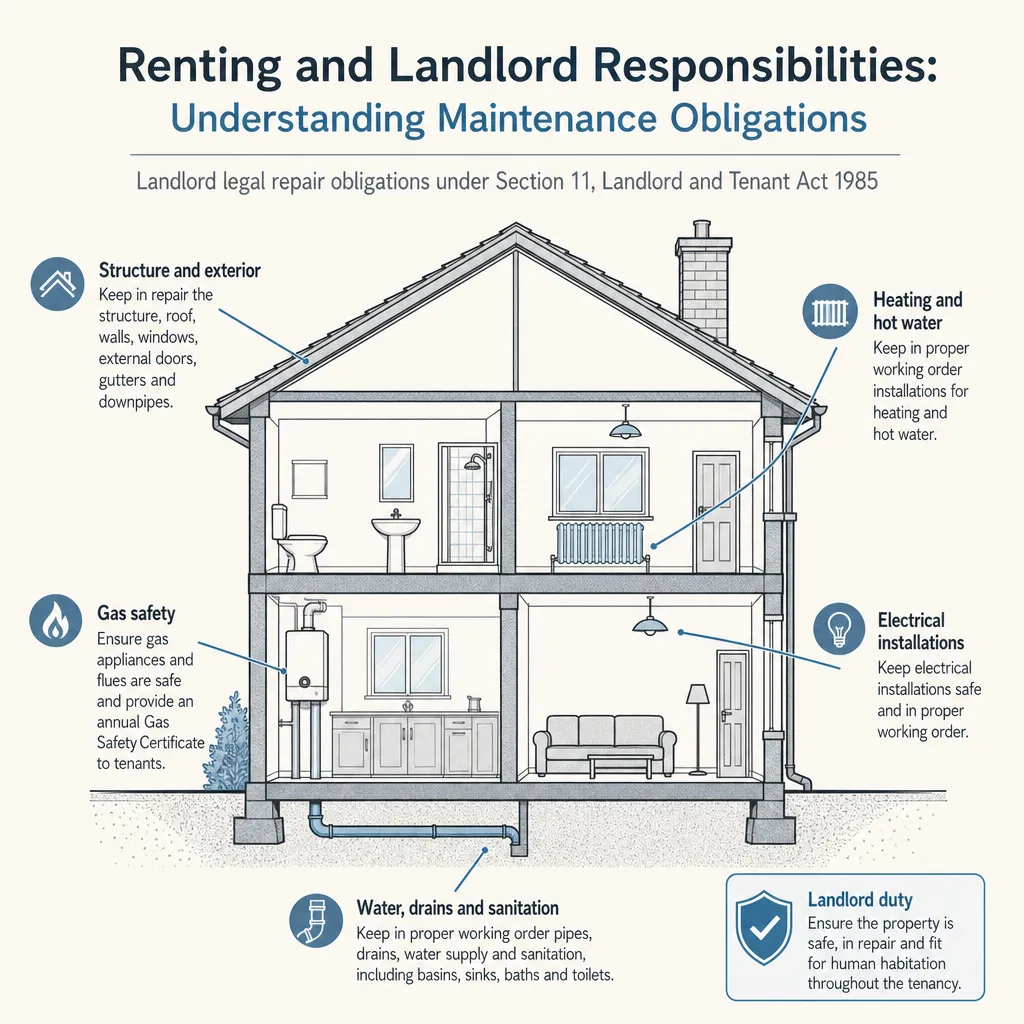
Renting and Landlord Responsibilities: Understanding Maintenance Obligations
UK landlords must keep the structure, exterior, and core services of a rented property in good repair under Section 11 of the Landlord and Tenant Act 1985. This covers roofs, walls, heating, hot water, and gas and electrical installations. Tenants can report failures to the local council for HHSRS enforcement action if a landlord fails to act.
 Planning & Pre-Build
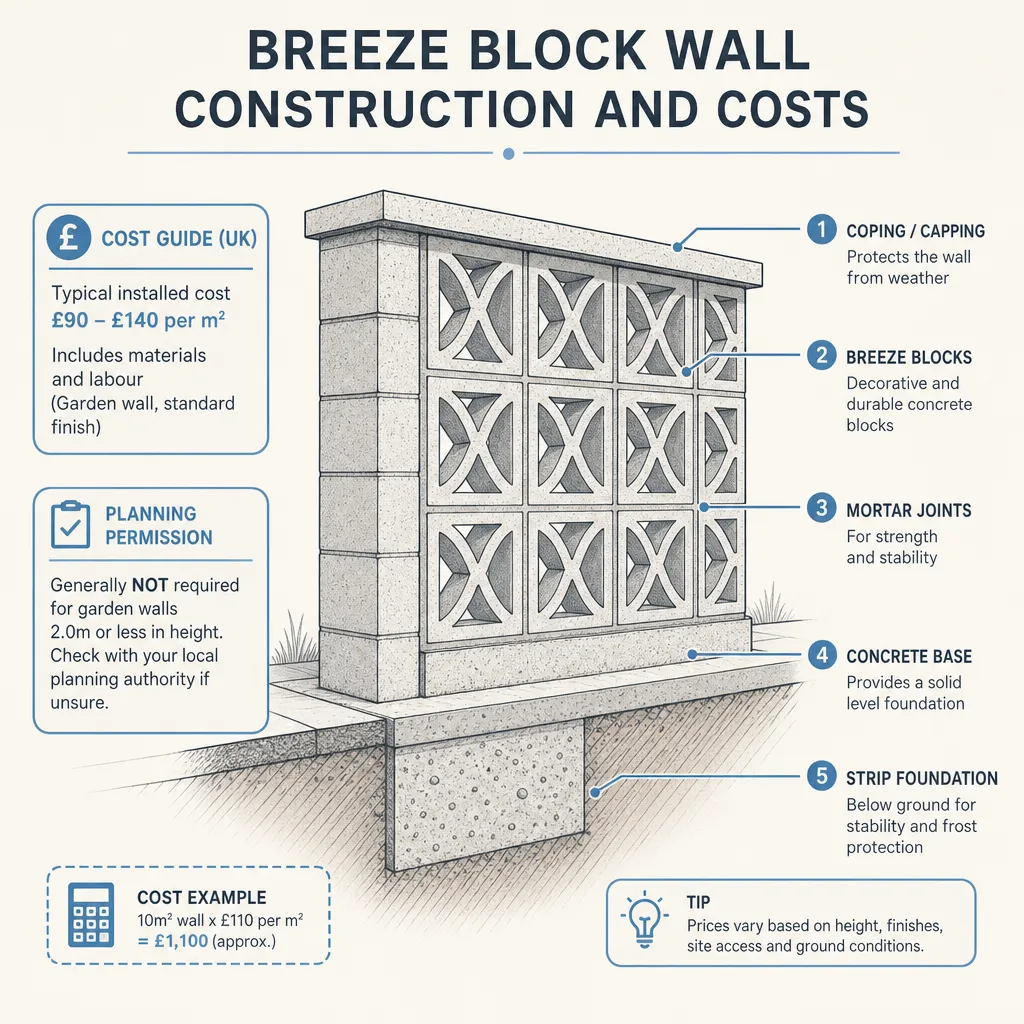
Breeze Block Wall Construction and Costs
Breeze blocks (concrete masonry units) are used across UK construction for garden walls, extensions, and structural applications. A simple single-skin garden wall costs approximately £80–£150 per square metre for supply and build. Structural or retaining walls require a structural engineer's input and Building Regulations approval. Planning permission may apply for walls over 1–2 metres.
 Energy & Retrofit
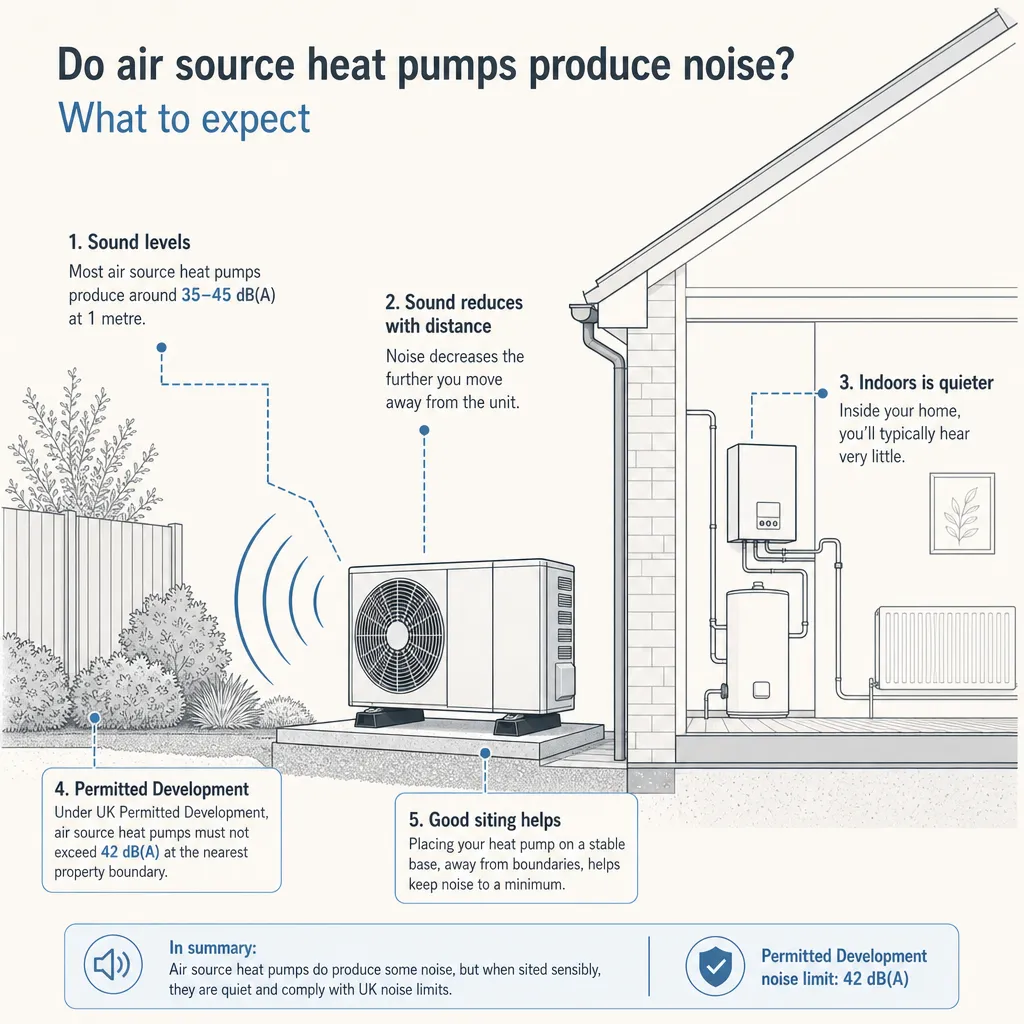
Do air source heat pumps produce noise? What to expect
Air source heat pumps produce a continuous low-level hum, typically 40–55 dB at one metre — similar in volume to a refrigerator or quiet background noise. Permitted development rules in England cap noise at 42 dB(A) measured one metre from any neighbour's window or door. Modern inverter-driven units are significantly quieter than older models.
 Improvement & Build
Adding a Garden Office: Space, Value and Planning Considerations
Most garden offices qualify as permitted development and do not need planning permission, provided they stay within specific size and height limits and are not used as separate sleeping accommodation. Building regulations may still apply depending on the structure's size and intended use. Listed buildings, flats, and properties in conservation areas or subject to Article 4 directions face stricter rules.