Knowledge Base
Property advice that actually helps
Researched, UK-specific guides for every stage of homeownership — from buying and surveys to retrofit, planning and major works.
 Improvement & Build
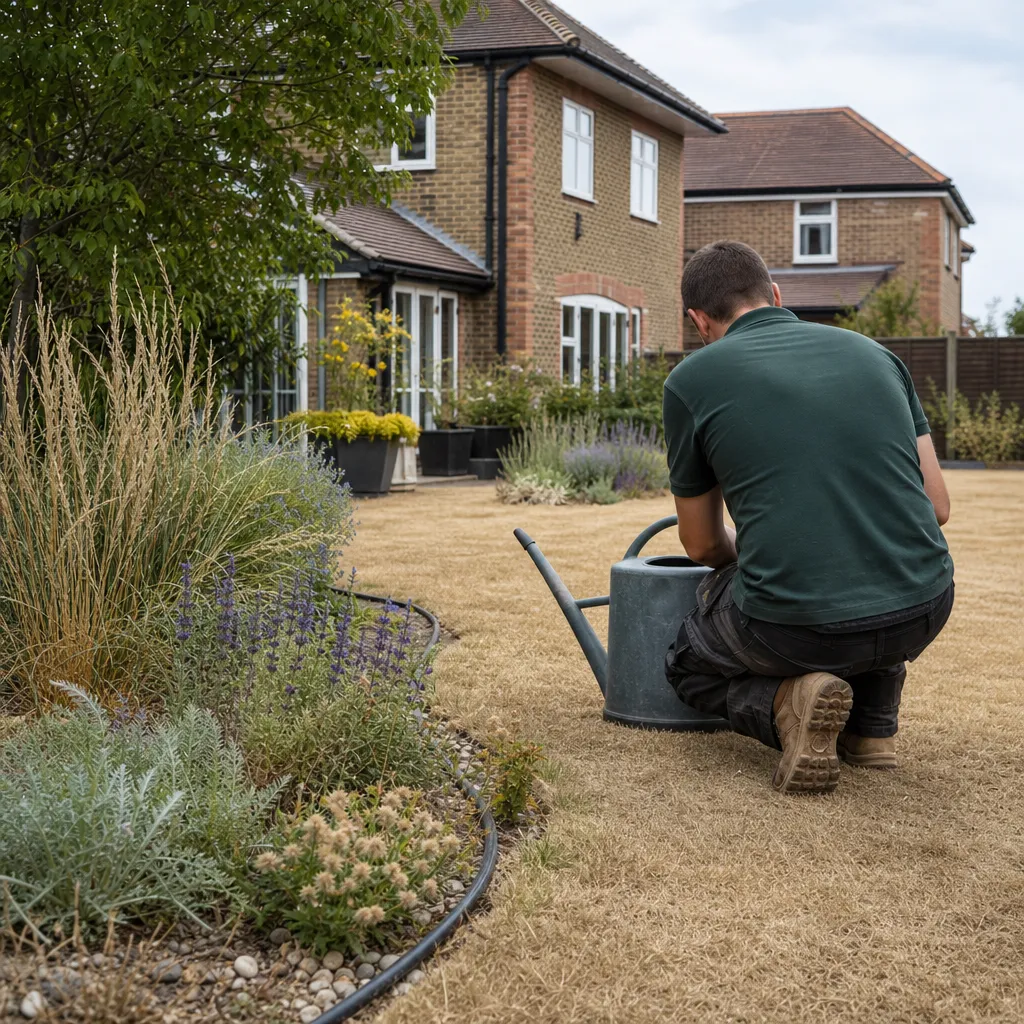
Garden Maintenance During Drought and Water Restrictions
During a UK hosepipe ban, you can still water your garden using a watering can, stored rainwater from a water butt, or recycled grey water. Established lawns generally recover unaided once rain returns. Switching to drought-tolerant planting and improving soil structure with organic matter significantly reduces the impact of future dry periods on your garden.
 Planning & Pre-Build
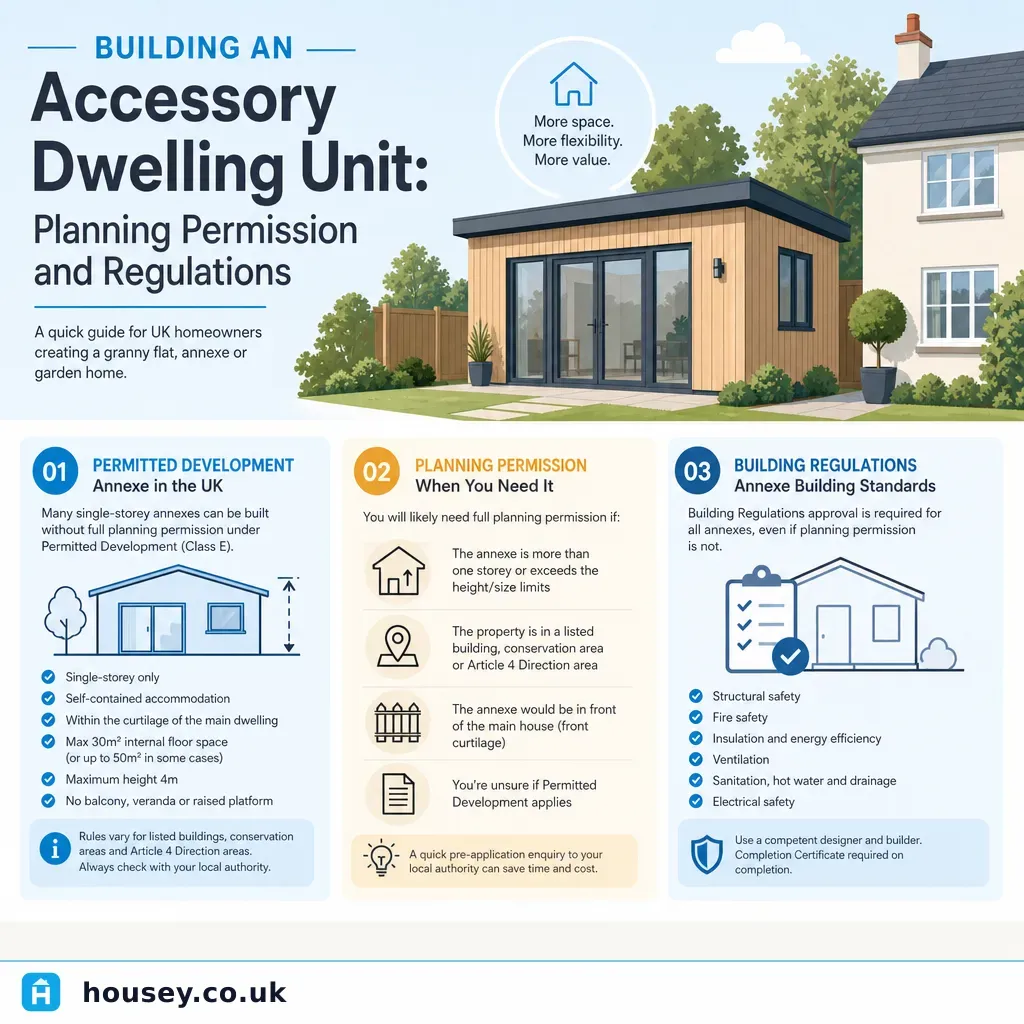
Building an Accessory Dwelling Unit: Planning Permission and Regulations
A fully self-contained annexe or granny flat in England almost always requires full planning permission, as it constitutes a separate dwelling in planning terms. Building regulations approval is always required separately. Your local planning authority's attitude and local plan policies determine the exact approach — a pre-application enquiry is usually the right first step.
 Improvement & Build
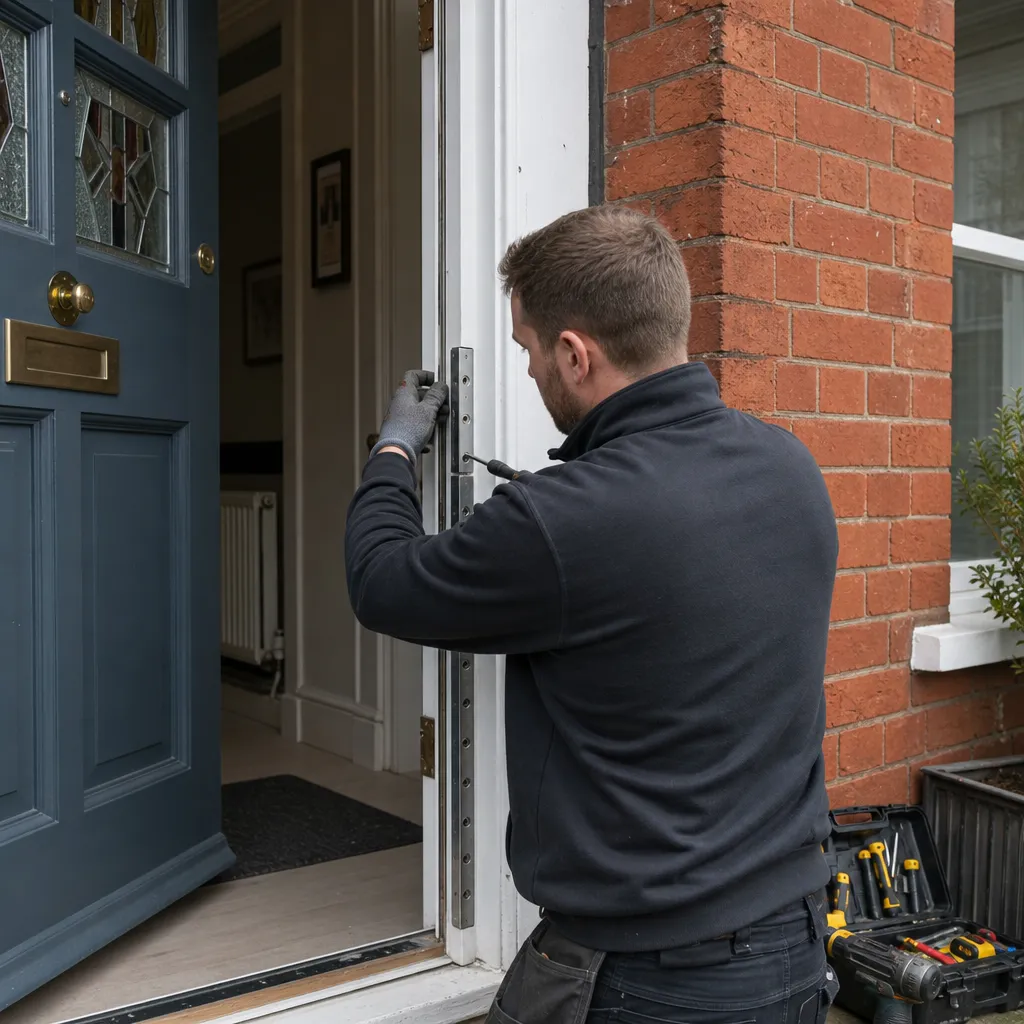
Front Door Frame Reinforcement for Security Upgrade
Most burglars enter through the door frame, not the lock. Reinforcing your front door typically involves fitting a heavy-duty strike plate with long screws, hinge bolts, and an anti-snap cylinder. For seriously degraded frames or post-break-in properties, a steel frame reinforcement kit or a full PAS 24 doorset provides the most reliable protection.
 Surveys & Inspections
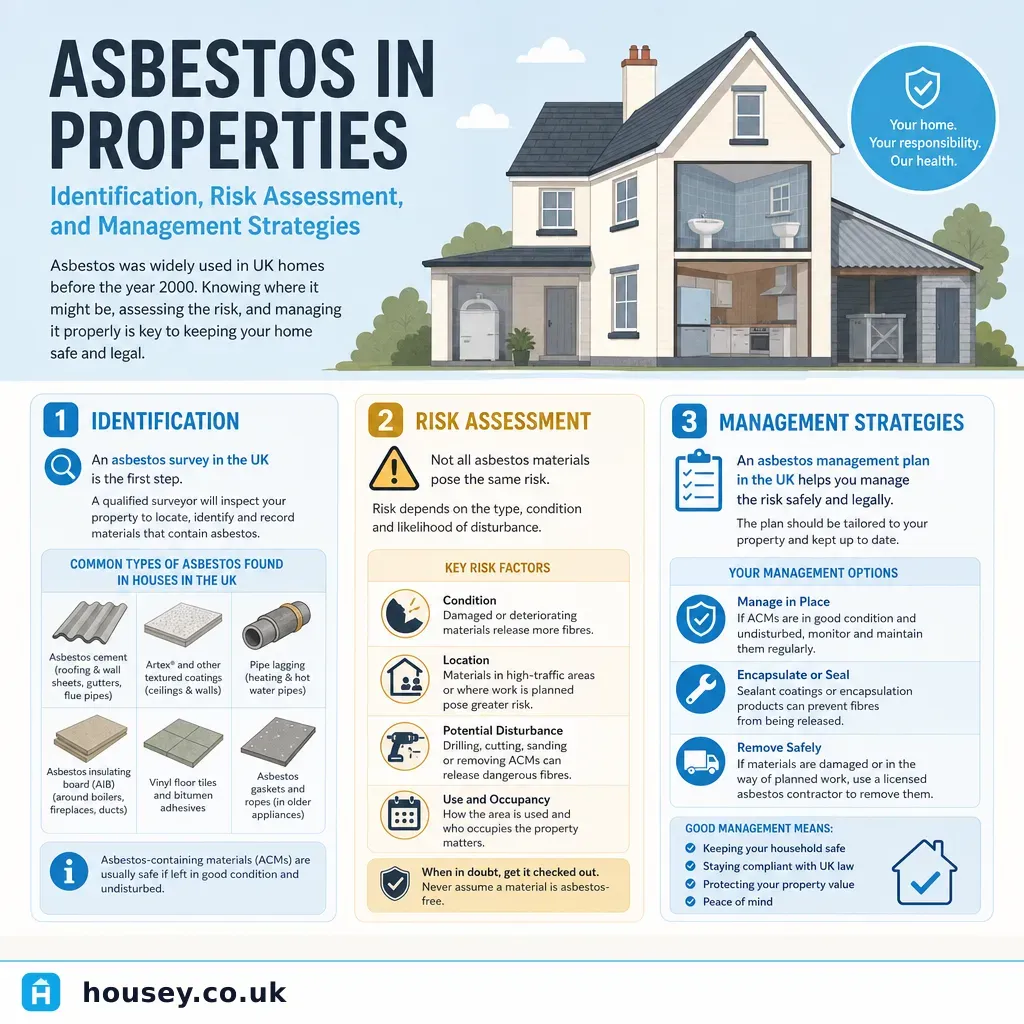
Asbestos in Properties: Identification, Risk Assessment, and Management Strategies
Asbestos-containing materials may be present in any UK property built before 2000. A UKAS-accredited asbestos survey is the only reliable way to confirm their presence, type, and condition. Undisturbed asbestos in good condition is often managed in place rather than removed. Disturbing suspected asbestos without a prior survey and professional oversight is unsafe and, in many premises, unlawful.
 Improvement & Build
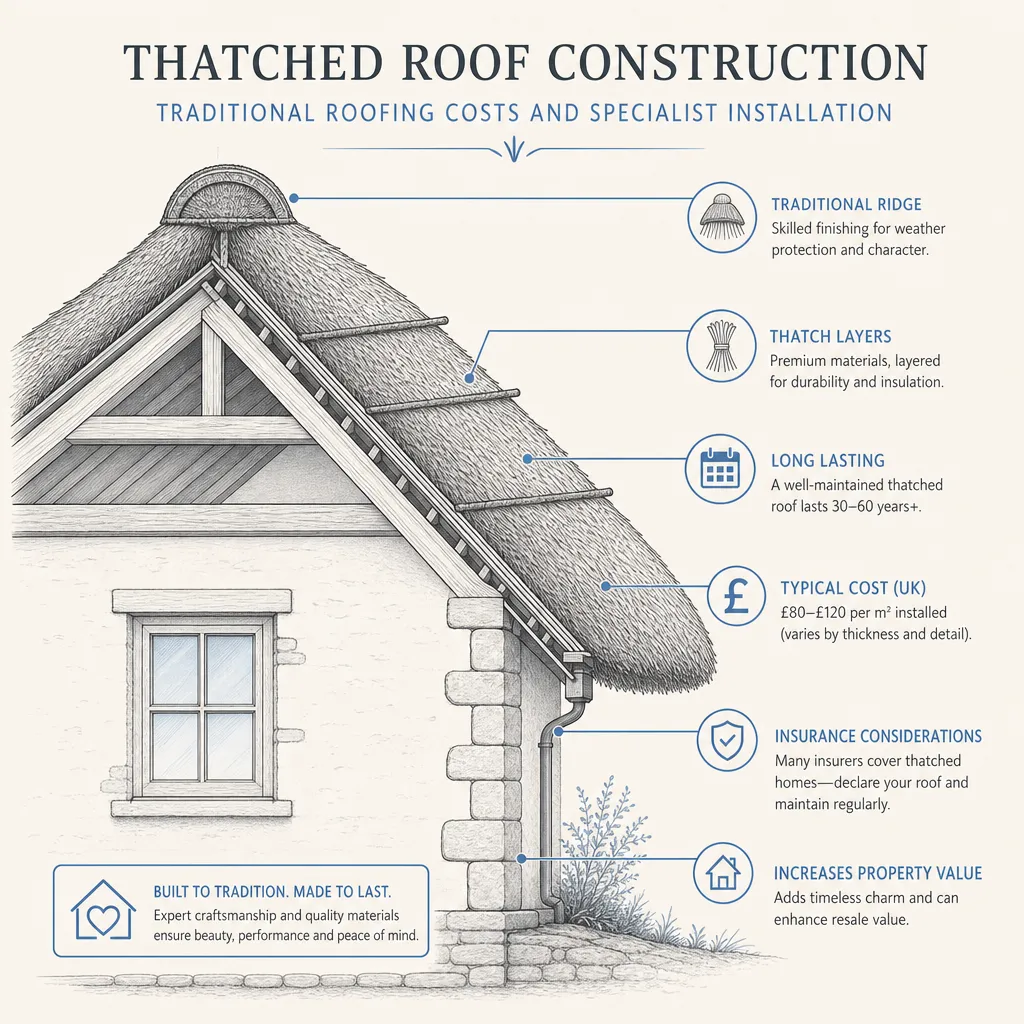
Thatched Roof Construction: Traditional Roofing Costs and Specialist Installation
A new thatched roof typically costs £700–£1,200 per square metre depending on material and access. Water reed, combed wheat reed, and long straw each have different lifespans. You will need a specialist thatcher and, on listed buildings or in conservation areas, may require Listed Building Consent before any work begins. Fire-retardant measures are increasingly required by specialist insurers.
 Surveys & Inspections
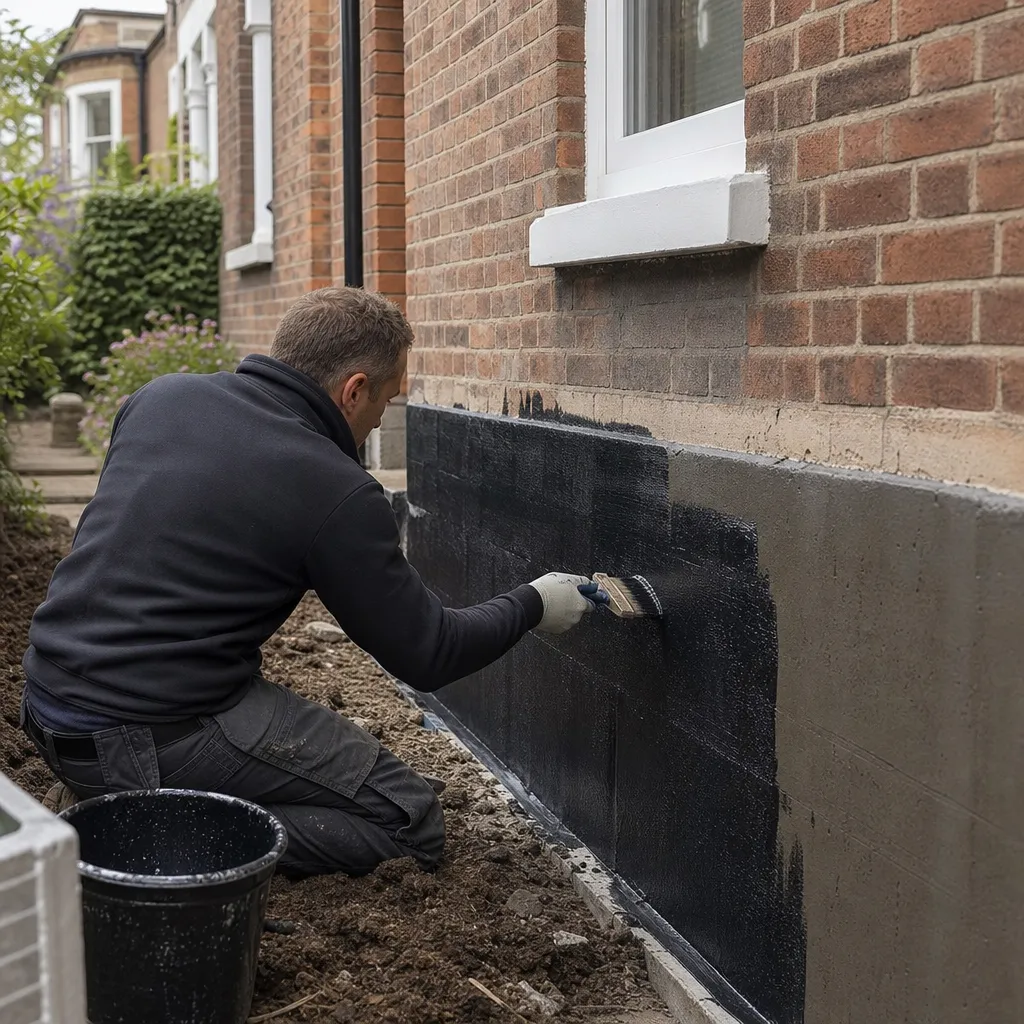
Creating Watertight Walls: Waterproofing Methods and Materials
Waterproofing walls correctly requires diagnosing the moisture source first — rising damp, penetrating damp, and condensation are treated very differently. Below-ground structures should follow BS 8102:2022, which defines three waterproofing system types. An independent professional assessment is essential before any treatment is specified, particularly where wall insulation is also planned alongside moisture management works.
 Improvement & Build
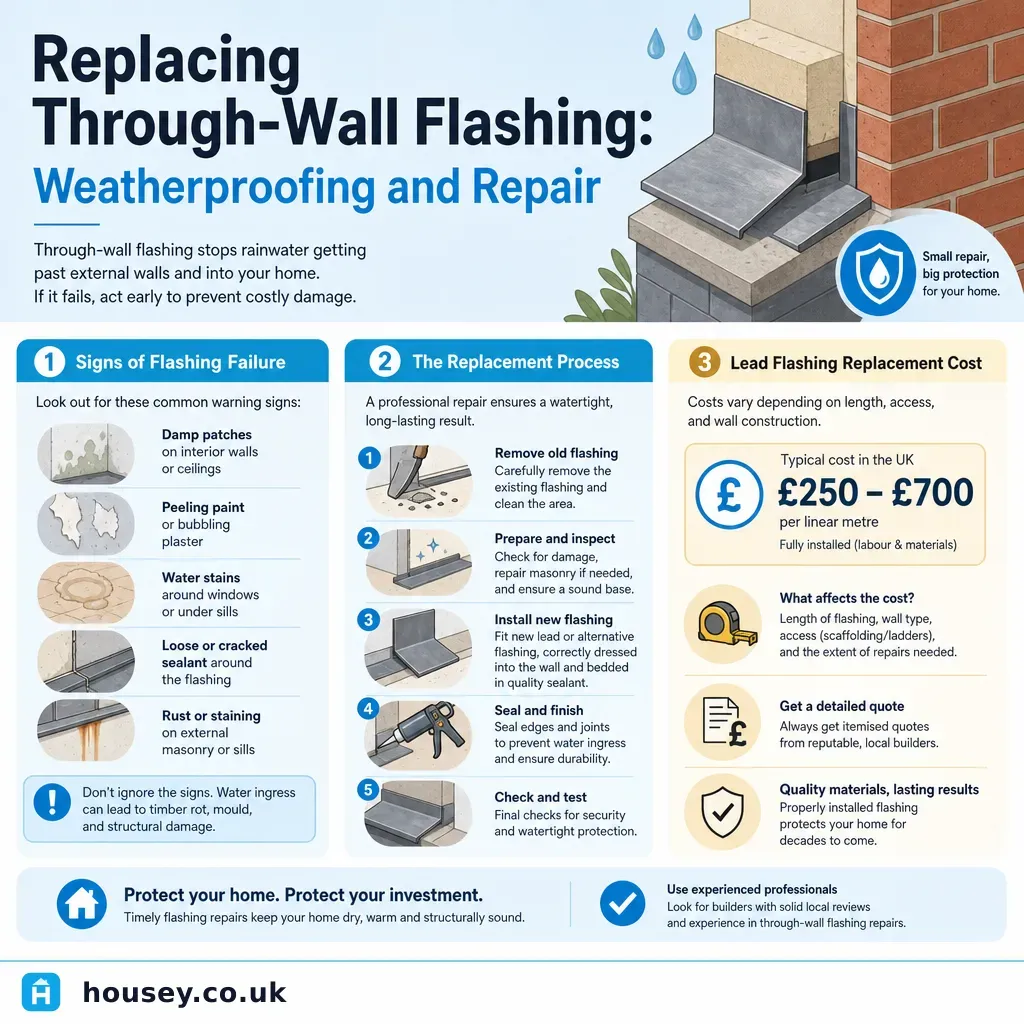
Replacing Through-Wall Flashing: Weatherproofing and Repair
Through-wall flashing is a damp-proof membrane embedded in masonry at roof-to-wall junctions, chimney bases, and above windows or doors. Replacing it requires cutting out mortar joints, inserting new sheet material, and sealing with mortar or flexible sealant. The work almost always involves working at height and should be carried out by a qualified roofer or specialist contractor.
 Buying & Moving
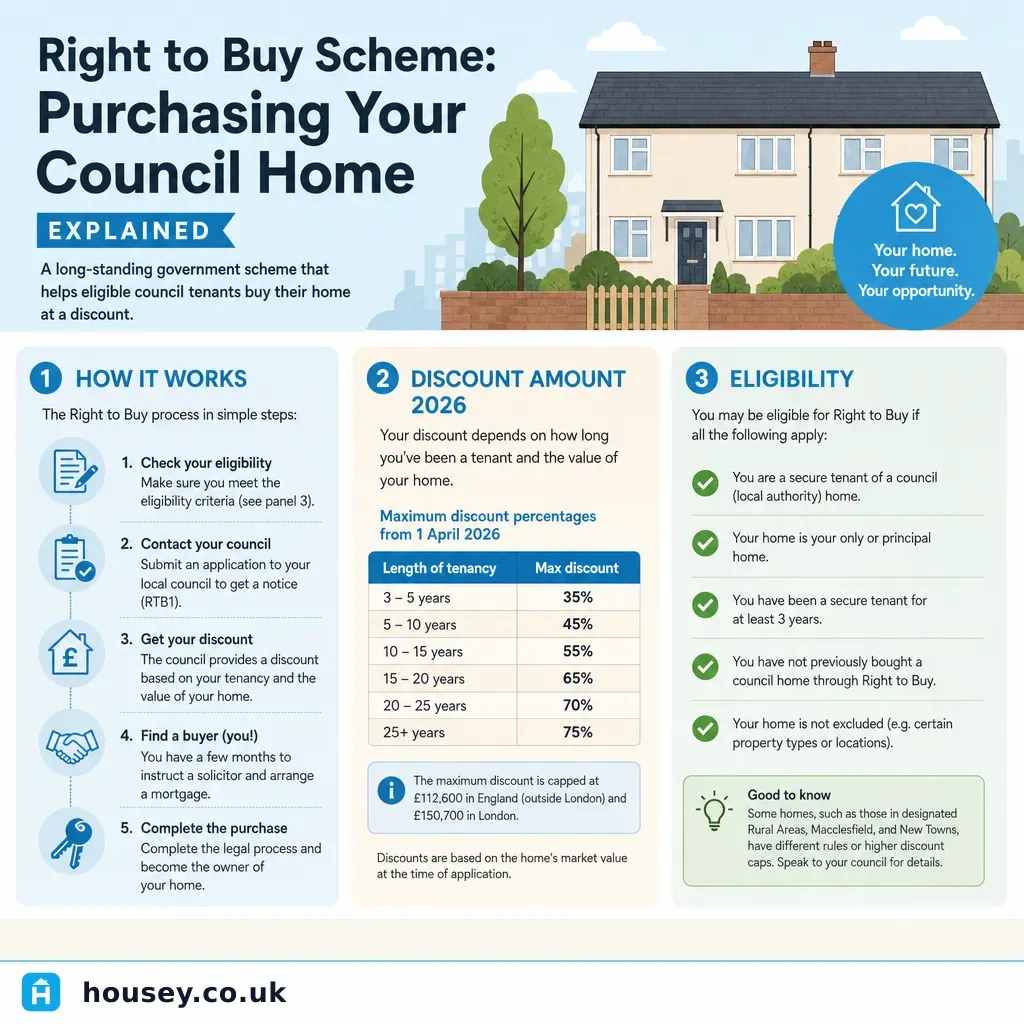
Right to Buy Scheme: Purchasing Your Council Home Explained
Right to Buy allows eligible secure council tenants in England to purchase their home at a discount of up to £102,400 outside London, or £136,400 in London, depending on qualifying tenancy length and property type. You must have held a public sector tenancy for at least three years. The discount is repayable on a sliding scale — from 100% to 20% — if you sell within five years of completing the purchase.
 Improvement & Build
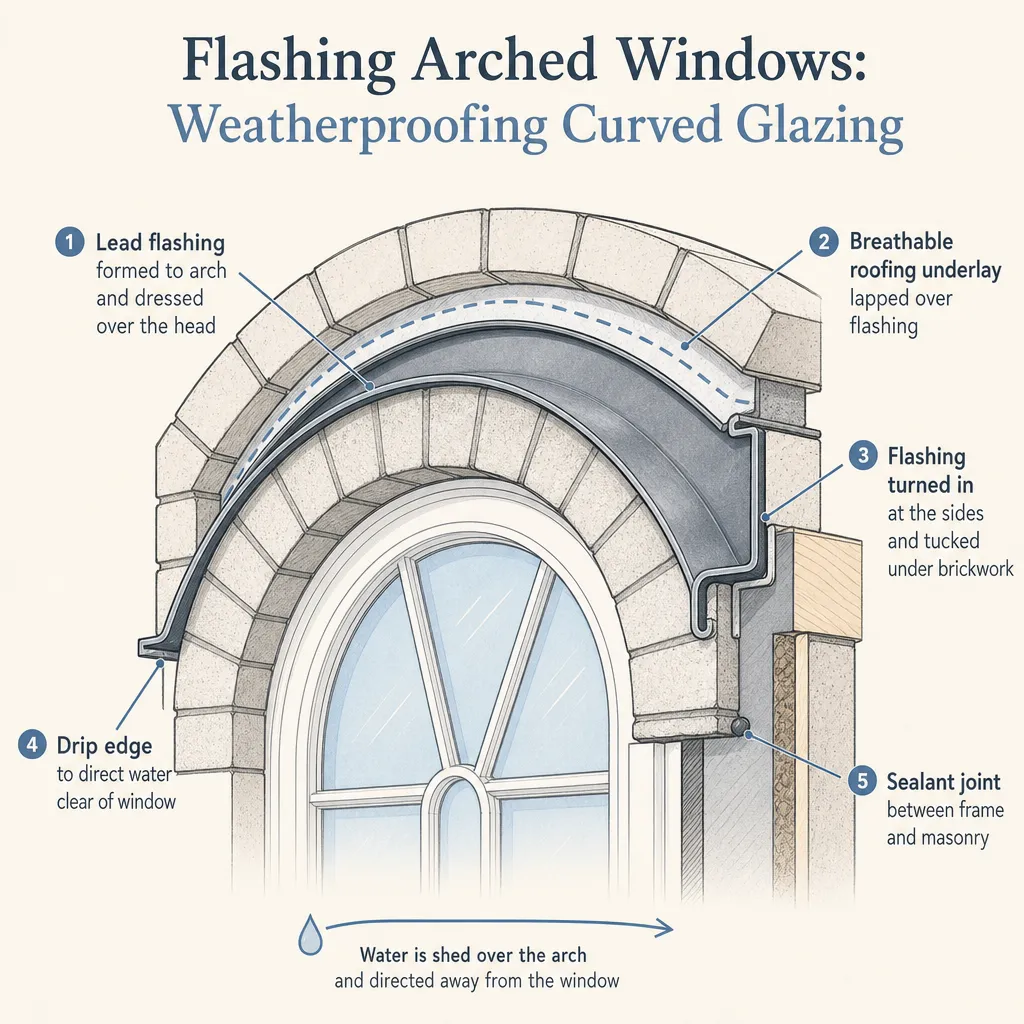
Flashing Arched Windows: Weatherproofing Curved Glazing
Flashing an arched window requires flexible or purpose-formed lead, GRP, or aluminium shaped to follow the curved head, with stepped soakers at the sides and a correctly dressed sill. Because the curve prevents standard straight flashing sections from lying flat, poor installation is a leading cause of water ingress around arched glazing — always use an installer experienced with curved window detailing.
 Improvement & Build
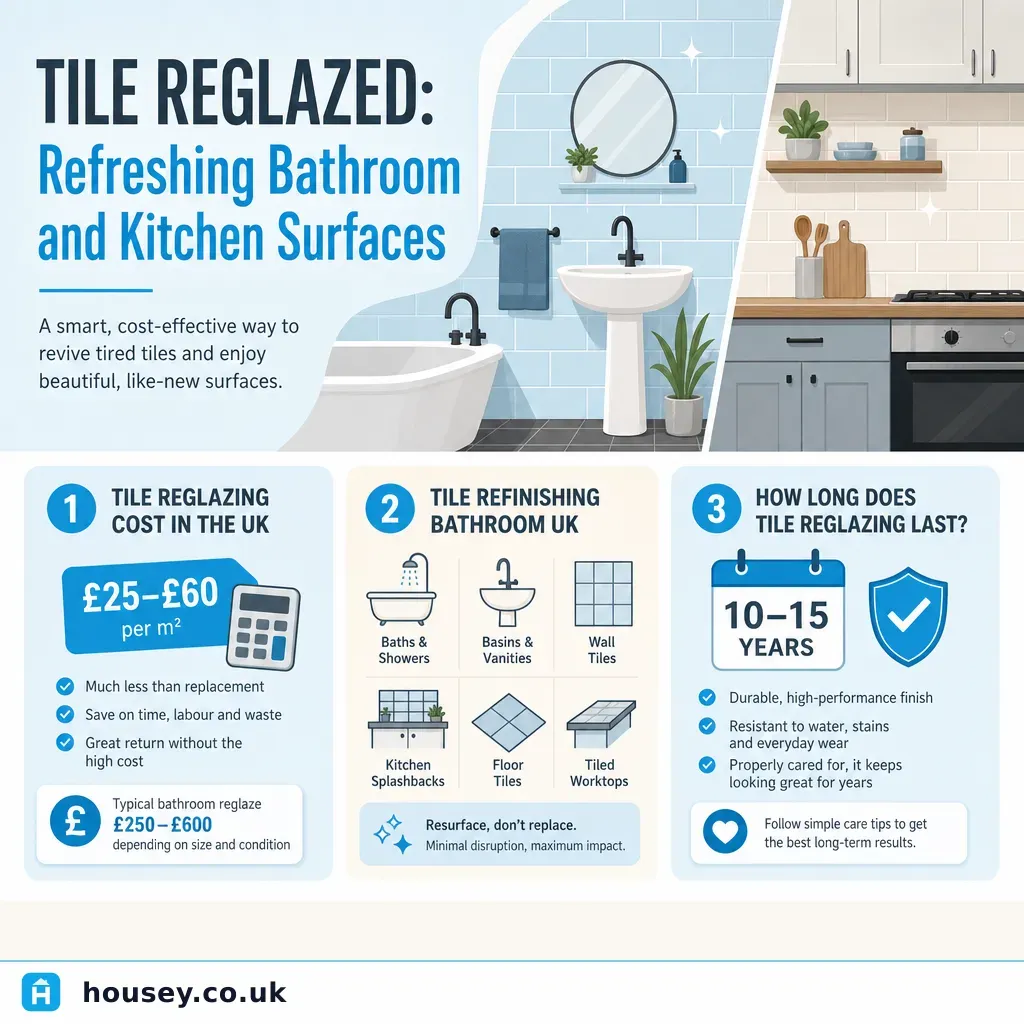
Tile Reglazed: Refreshing Bathroom and Kitchen Surfaces
Tile reglazingreglazing applies a specialist bonded coating to existing ceramic or porcelain tiles, refreshing their appearance without the cost and disruption of full tile removal. It typically costs £150–£600 for a standard bathroom, takes one to two days, and lasts 5–15 years with proper care. It is only effective on tiles that are structurally sound — loose or cracked tiles should be replaced.
 Improvement & Build
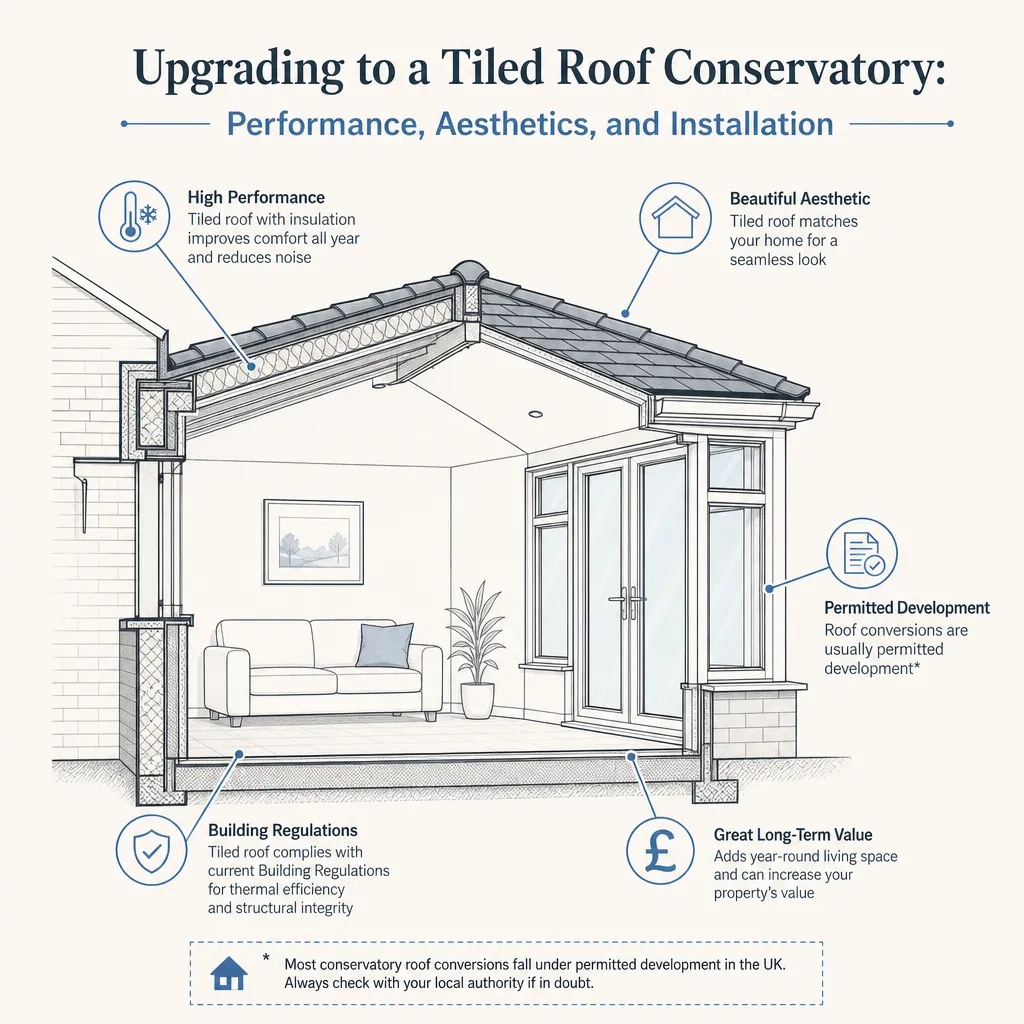
Upgrading to a Tiled Roof Conservatory: Performance, Aesthetics, and Installation
Replacing a polycarbonate or glass conservatory roof with a tiled solid roof significantly improves thermal performance and year-round usability. Most conversions fall within permitted development in England, but replacing a translucent roof with solid tiles typically triggers Building Regulations approval under Part A and Part L. Always confirm with your local authority before starting work.
 Energy & Retrofit
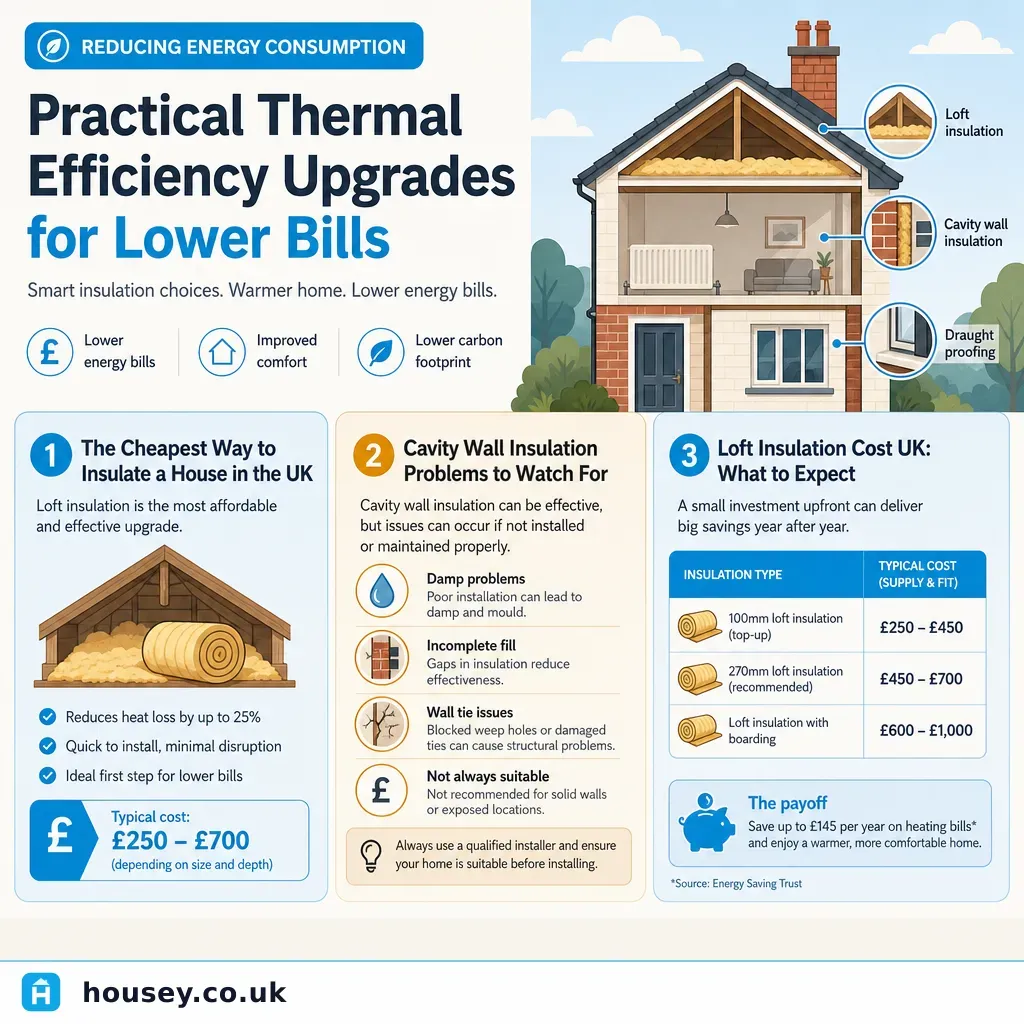
Reducing Energy Consumption: Practical Thermal Efficiency Upgrades for Lower Bills
Improving your home's thermal performance typically starts with the cheapest, fastest-payback measures: draught-proofing gaps at doors, windows, and floors, then loft insulation to 270 mm. Cavity wall insulation suits most 1930–1990s homes but requires a professional assessment — unsuitable installations can cause damp. Government schemes ECO4 and the Great British Insulation Scheme can fund measures for eligible households.